
POCO F7 512GB
+ Compare


-
Design21

-
Rear Camera15

-
Front Camera4

-
360° View
![360° View]()
-
UI Screenshot17
![UI Screenshot]()
-
Videos1
![Videos]()



Key Specs
Performance
-
Qualcomm Snapdragon 8s Gen 4 -
Octa core (3.21 GHz, Single Core + 3.01 GHz, Tri core + 2.8 GHz, Dual core + 2.01 GHz, Dual core) -
12 GB RAM, LPDDR5X
Display
-
6.83 inches (17.35 cm); AMOLED -
1280x2772 px (FHD+) -
120 Hz Refresh Rate -
Gorilla Glass Protection -
Bezel-less with punch-hole display
Rear Camera
-
Dual Camera Setup - 50 MP Wide Angle Primary Camera
- 8 MP Ultra-Wide Angle Camera
-
LED Flash -
4k @60 fps Video Recording
Front Camera
-
20 MP Wide Angle Lens -
Full HD @60 fps Video Recording
Battery
-
7550 mAh, Silicon Carbon -
90W Turbo Charging; USB Type-C port
General
-
SIM1: Nano, SIM2: Nano -
5G Supported -
256 GB / 512 GB internal storage, Non Expandable -
Dust Resistant, Water Resistant
POCO F7 512GB Prices in India
 Flipkart
POCO F7 512GB Expert Review Summary
Expert Rating:
![Ashish Kumar]()
Verdict
The POCO F7 offers nearly all the bells and whistles that a performance-focused user could expect from a mid-range smartphone. The handset boasts a powerful chipset that handles demanding tasks with ease, complemented by a generous battery and long-lasting software support. The display is vibrant and immersive, while the smart AI features boost usability. That said, the daylight camera performance leaves room for improvement, and the absence of an LTPO panel might push some buyers to look elsewhere.
Pros
- Durable design
- Excellent performance
- Solid battery life
- Long-term software support
Cons
- Cameras need improvement
- Hefty at 222g
- Many pre-installed apps
Bold aesthetics with durability
+
The POCO F7 is available in three colour variants: White, Black, and the standout Cyber Silver Edition. We received the Cyber Silver Edition and Black colour variants for review. The black looks simple with an angular dual-tone finish and green neon lines on the camera module. It is the Cyber Silver Edition, which I personally used for this review, which features a distinctive design and, based on the text on the back panel, appears to be a limited edition. The design is visually busy, with an angular dual-tone layout and a variety of elements printed beneath a smooth layer of glass.The bottom half of the smartphone sports a relatively clean silver finish with POCO branding etched in the bottom right corner, while the top half contrasts sharply with a bold, industrial-inspired aesthetic. This section incorporates multiple graphics, patterns, mock circuitry, angular shapes, 'Snapdragon' logo and pops of neon green and red, all contributing to a design reminiscent of high-end gaming gear or cyberpunk machinery, which may have given its name the 'Cyber Silver'. While the glass surface feels smooth to the touch, it tends to attract fingerprints and smudges quite easily. The company has thoughtfully included a protective case in the box, but it comes in a solid colour that conceals much of the smartphone's distinctive design.The handset boasts IP66, IP68, and IP69 water and dust resistance certifications, and its Corning Gorilla Glass 7i protection should help it withstand minor drops and everyday wear. However, this robust build quality, combined with the large 7,550mAh battery, contributes to a noticeable weight of 222 grams. The heft is immediately apparent when you first pick up the device, and can become more noticeable during prolonged use.That said, the weight is evenly distributed, and given the target audience, it feels more manageable when holding the device horizontally, particularly during extended gaming sessions, where it doesn't strain the wrist as much. Additionally, the flat edges offer a comfortable grip and a stable resting position for your fingers, enhancing overall handling. Hardcore gamers would have appreciated an audio jack for wired earphones, but the smartphone only gets a USB Type-C port on the bottom edge for charging and data transfer.
Read More
Immersive screen
+
The POCO F7 features a 6.83-inch pOLED display with a 1.5K resolution (2,772 x 1,280 pixels), an adaptive 120Hz refresh rate, and HDR10+ support. Thanks to its sizeable battery capacity, the handset manages without an LTPO panel, which typically enables more granular refresh rate adjustments to optimise power consumption. However, the inclusion of LTPO would have been a welcome addition, especially considering that its closest rival, the iQOO Neo 10, offers this feature.While the POCO F7 may trail behind some competitors with its 3,200 nits peak brightness, I found the screen to remain perfectly legible in both indoor and outdoor conditions. The display delivers punchy, vibrant visuals with an impressive contrast ratio, ensuring deep blacks and rich colour reproduction that enhance the overall viewing experience. However, when compared side-by-side with the iQOO Neo 10, the POCO F7's colours appear slightly more subdued. This could be attributed to its default 'Original Colour PRO' profile, which prioritises realistic colour reproduction. That said, when viewed against the MacBook Air, the POCO F7's display appears to carry a slight yellowish tint, giving colours a somewhat artificial feel. Fortunately, users have the option to adjust the colour profile within the settings to match their personal preferences better.Moving on, the smartphone boasts razor-thin bezels on all sides, a tiny punch-hole for the selfie camera, and Dolby Vision support that enhances dynamic range and provides a more immersive content consumption. Complementing the visuals, the POCO F7 is equipped with dual speakers that are Hi-Res Audio certified and powered by Dolby Atmos, offering rich sound, though not crisp, at the maximum volume to elevate multimedia consumption.The display also houses the fingerprint scanner for security. While I would have preferred it positioned slightly higher on the screen than its current placement near the bottom, the scanner itself performs flawlessly, unlocking the device quickly and accurately.
Read More
Snapdragon muscle, excellent thermals
+
Performance is one of the key aspects of the smartphone, and it doesn't disappoint. The POCO F7 is powered by the flagship-level Qualcomm Snapdragon 8s Gen 4 SoC, paired with 12GB of RAM and 512GB of storage onboard. While it has a fast LPDDR5X RAM and UFS 4.1 storage type, the phone lacks a microSD card to expand the storage, which has become a norm in the mid-range segment. The Snapdragon chipset has already debuted on the iQOO Neo 10 smartphone, which is one of the best-performing smartphones for the price. The POCO F7 comes close to its counterpart, if not beating it, in our synthetic benchmark and real-world tests.The POCO F7 features a large 6,000mm2 vapour chamber cooling system to help dissipate heat during intensive workloads. Its effectiveness was evident in our gaming tests, where the device heated up by just 9.8 degrees Celsius after 90 minutes of playing graphically demanding titles such as BGMI, Call of Duty: Mobile, and Real Racing 3. The average frame rates remained respectable throughout, ensuring consistently smooth gameplay.Even with maximum graphics and frame rate settings enabled in BGMI, the POCO F7 only saw a temperature increase of 6.2 degrees Celsius, while maintaining stable frame rates around 39fps, without becoming uncomfortably warm to hold. In comparison, the iQOO Neo 10's thermals heated up by 5.9 degrees Celsius and delivered an average frame rate of 38.4fps. The iQOO smartphone might be better, but the difference is only marginal.Beyond gaming, the POCO F7 remains swift and responsive for everyday tasks such as app switching, multitasking, social media browsing, and more. Animations run smoothly, contributing to an overall fluid user experience. That said, its custom Android skin might feel a bit overwhelming or cluttered for users who prefer a cleaner interface.
Read More
Battery powerhouse
+
Talking about POCO F7's major aspect, the 7,550mAh battery, it is the beefiest you can find in the segment. It is a Silicon-carbon-based battery, which offers more energy density than the traditional Lithium-ion while keeping the handset's thickness in check. The increase in battery capacity has contributed to a superior PCMark battery test score, which simulates real-world activities on the smartphone. The POCO F7 lasts more than 20 hours, which is roughly 5 hours and 7 hours more than the iQOO Neo 10 and Vivo T4 Ultra, setting a new benchmark in the segment.However, its battery optimisation during video streaming and gaming is fairly standard. The handset consumed a total of 20 percent battery after streaming video for an hour and playing games for a total of 90 minutes during our testing. This is on par with the iQOO Neo 10, which houses a relatively smaller 7,000mAh battery.Nevertheless, the POCO F7 delivers a solid backup, with good standby time and efficient optimisation, even under heavy usage. While playing BGMI at the highest possible settings (Ultra HDR + Ultra), the handset consumed just 5 percent battery after 30 minutes, indicating that it can comfortably handle extended gaming sessions without significant drain. For regular users, the POCO F7 should easily last more than a day and a half on a single charge.The charging speeds on the POCO F7 are a respectable 90W. The brand could have done better with 120W, which has become standard among gaming smartphones. This means that the wait time is slightly longer to juice up the smartphone before you get going. But the difference is not significant. A compatible charger is included in the box, which is capable of recharging the smartphone from 20 to 100 percent in just 45 minutes with 'Top speed' mode enabled, which can heat up the device during the process. To give you a perspective, the iQOO Neo 10, which houses a battery rated roughly 500mAh lower, takes less than 30 minutes to achieve a full charge from 20 percent.POCO has included a bypass charging feature on the smartphone, which powers the internals directly instead of the charging the battery when in use. This helps reduce heat buildup and potentially extends battery lifespan, especially during demanding tasks like gaming. Additionally, the smartphone supports reverse charging at 22.5W speeds that can juice up your laptop, wearables, and other accessories. For charging laptops, however, you'll need to manually enable ‘Reverse Charging' from the notification panel each time you connect.
Read More
Serviceable cameras
+
The POCO F7 sports a dual-rear camera setup, which includes a 50MP OIS Sony IMX882 primary sensor and an 8MP ultrawide lens. For selfies and video calling, there's a 20MP front-facing camera. The handset offers a variety of modes to shoot, including Portrait, Pro, Documents, Motion Capture, and more. The handset also supports 4K video recording at 60fps from the main sensor. These camera specs are typical of a gaming-focused smartphone, and naturally, the results are too.The smartphone is quick to focus on subjects and processes images swiftly, but the results are rather average for its price point. The camera tends to adopt a contrast-heavy approach, often boosting colours to make images more visually striking. However, this comes at the cost of finer details and sharpness, which appear somewhat underwhelming. Additionally, the handset struggles with exposure balance, particularly in shadowy areas, where it often fails to recover sufficient detail. For portraits and selfies, too, the handset isn't very impressive in terms of capturing skin tones and facial detailing accurately.Overall, the cameras are not the strongest suit of the POCO F7. If photography is a priority, we would recommend considering alternatives like the Vivo T4 Ultra (review), Realme 14 Pro+ (review), or Motorola Edge 60 Pro (review), which offer more capable camera systems. The POCO F7 is better suited for casual, point-and-shoot photography where convenience matters more than absolute image quality.Here's a quick comparison of the POCO F7's camera results with the iQOO Neo 10, which is also a gaming-focused smartphone in the price range and offers an identical setup.DaylightThe results are almost neck-to-neck, but the iQOO Neo 10 manages to outperform the POCO F7 with its brighter appeal. As a result, you will find the iQOO images sharper and more detailed than the POCO's, noticeable in the trees, buildings, flower pots, and more. Neither smartphone is accurate with colour reproduction and dynamic range, but the iQOO Neo 10 stands out for its visual appeal and superior exposure to details, even in areas that aren't well lit.UltrawideThe POCO F7 gains an edge in ultrawide, primarily due to its colour consistency from the primary camera. The iQOO Neo 10 ultrawide images appear gloomy, resulting in underwhelming details and dynamic range.PortraitPortrait shots on the POCO F7 are nothing to write home about. The handset struggles noticeably with preserving details and rendering accurate skin tones. Subject separation from the background often appears artificial, resembling a cutout rather than a natural depth-of-field effect. In contrast, the iQOO Neo 10 delivers more appealing results, offering better detail retention, more natural skin tones, good edge detection, and a smoother, more realistic bokeh.SelfieIn selfies, both smartphones have their strengths and weaknesses. The POCO Neo 10 excels with its better exposure to the background details and finer details, but struggles with accurate skin tones and dynamic range. The iQOO Neo 10, on the other hand, offers selfies with a reddish tone but appears more natural. The handset also excels in controlling the light and delivering superior details.Low light (with night mode)Both smartphones perform better in dimly lit environments when night mode is enabled. The POCO F7 stands out by delivering images with reduced light flare, minimal noise, and superior detail, likely due to its tendency to oversharpen images. The iQOO Neo 10, on the other hand, produces shots that appear slightly hazy and grainy. That said, neither smartphone manages to capture a fully accurate representation of the actual scene.
Read More
Customisable software
+
The POCO F7 runs Android 15-based HyperOS 2 out of the box. HyperOS is heavy on customisation and pre-installed apps – 66 of them, which is the most for a smartphone in its segment. Besides proprietary and Google's, the smartphone features as many as 19 third-party apps. This leads to a slightly cluttered app drawer, and if you don't use any of these apps, you can uninstall them for a cleaner software experience. As for the software update policy, the handset will get 4 years of major OS upgrades and 6 years of security patches, which is a first for POCO.The software experience on the POCO F7 is largely identical to that of the Xiaomi 15, with a few POCO-specific app icons distinguishing it. The interface offers two separate panels for quick settings and notifications, along with the flexibility to choose between an app drawer or a fully populated home screen. It also features a variety of widgets, an app vault for quick access to frequently used apps, and several AI-powered tools. These AI features include text generation to assist with writing, wallpaper image creation, image clarity enhancement, image expansion, object removal, and video compilation. The handset can also transcribe audio to text, provide bilingual subtitles for video calls/ conferences, translate text, and more using AI.A Xiaomi account and an active internet connection are required to use most of these AI tools. While they do enhance usability, the results may not always meet expectations consistently.
Read More
Read full Review

Verdict
The POCO F7 offers nearly all the bells and whistles that a performance-focused user could expect from a mid-range smartphone. The handset boasts a powerful chipset that handles demanding tasks with ease, complemented by a generous battery and long-lasting software support. The display is vibrant and immersive, while the smart AI features boost usability. That said, the daylight camera performance leaves room for improvement, and the absence of an LTPO panel might push some buyers to look elsewhere.
- Durable design
- Excellent performance
- Solid battery life
- Long-term software support
Pros
- Cameras need improvement
- Hefty at 222g
- Many pre-installed apps
Cons
Bold aesthetics with durability
+The POCO F7 is available in three colour variants: White, Black, and the standout Cyber Silver Edition. We received the Cyber Silver Edition and Black colour variants for review. The black looks simple with an angular dual-tone finish and green neon lines on the camera module. It is the Cyber Silver Edition, which I personally used for this review, which features a distinctive design and, based on the text on the back panel, appears to be a limited edition. The design is visually busy, with an angular dual-tone layout and a variety of elements printed beneath a smooth layer of glass.The bottom half of the smartphone sports a relatively clean silver finish with POCO branding etched in the bottom right corner, while the top half contrasts sharply with a bold, industrial-inspired aesthetic. This section incorporates multiple graphics, patterns, mock circuitry, angular shapes, 'Snapdragon' logo and pops of neon green and red, all contributing to a design reminiscent of high-end gaming gear or cyberpunk machinery, which may have given its name the 'Cyber Silver'. While the glass surface feels smooth to the touch, it tends to attract fingerprints and smudges quite easily. The company has thoughtfully included a protective case in the box, but it comes in a solid colour that conceals much of the smartphone's distinctive design.The handset boasts IP66, IP68, and IP69 water and dust resistance certifications, and its Corning Gorilla Glass 7i protection should help it withstand minor drops and everyday wear. However, this robust build quality, combined with the large 7,550mAh battery, contributes to a noticeable weight of 222 grams. The heft is immediately apparent when you first pick up the device, and can become more noticeable during prolonged use.That said, the weight is evenly distributed, and given the target audience, it feels more manageable when holding the device horizontally, particularly during extended gaming sessions, where it doesn't strain the wrist as much. Additionally, the flat edges offer a comfortable grip and a stable resting position for your fingers, enhancing overall handling. Hardcore gamers would have appreciated an audio jack for wired earphones, but the smartphone only gets a USB Type-C port on the bottom edge for charging and data transfer.
Read MoreImmersive screen
+The POCO F7 features a 6.83-inch pOLED display with a 1.5K resolution (2,772 x 1,280 pixels), an adaptive 120Hz refresh rate, and HDR10+ support. Thanks to its sizeable battery capacity, the handset manages without an LTPO panel, which typically enables more granular refresh rate adjustments to optimise power consumption. However, the inclusion of LTPO would have been a welcome addition, especially considering that its closest rival, the iQOO Neo 10, offers this feature.While the POCO F7 may trail behind some competitors with its 3,200 nits peak brightness, I found the screen to remain perfectly legible in both indoor and outdoor conditions. The display delivers punchy, vibrant visuals with an impressive contrast ratio, ensuring deep blacks and rich colour reproduction that enhance the overall viewing experience. However, when compared side-by-side with the iQOO Neo 10, the POCO F7's colours appear slightly more subdued. This could be attributed to its default 'Original Colour PRO' profile, which prioritises realistic colour reproduction. That said, when viewed against the MacBook Air, the POCO F7's display appears to carry a slight yellowish tint, giving colours a somewhat artificial feel. Fortunately, users have the option to adjust the colour profile within the settings to match their personal preferences better.Moving on, the smartphone boasts razor-thin bezels on all sides, a tiny punch-hole for the selfie camera, and Dolby Vision support that enhances dynamic range and provides a more immersive content consumption. Complementing the visuals, the POCO F7 is equipped with dual speakers that are Hi-Res Audio certified and powered by Dolby Atmos, offering rich sound, though not crisp, at the maximum volume to elevate multimedia consumption.The display also houses the fingerprint scanner for security. While I would have preferred it positioned slightly higher on the screen than its current placement near the bottom, the scanner itself performs flawlessly, unlocking the device quickly and accurately.
Read MoreSnapdragon muscle, excellent thermals
+Performance is one of the key aspects of the smartphone, and it doesn't disappoint. The POCO F7 is powered by the flagship-level Qualcomm Snapdragon 8s Gen 4 SoC, paired with 12GB of RAM and 512GB of storage onboard. While it has a fast LPDDR5X RAM and UFS 4.1 storage type, the phone lacks a microSD card to expand the storage, which has become a norm in the mid-range segment. The Snapdragon chipset has already debuted on the iQOO Neo 10 smartphone, which is one of the best-performing smartphones for the price. The POCO F7 comes close to its counterpart, if not beating it, in our synthetic benchmark and real-world tests.The POCO F7 features a large 6,000mm2 vapour chamber cooling system to help dissipate heat during intensive workloads. Its effectiveness was evident in our gaming tests, where the device heated up by just 9.8 degrees Celsius after 90 minutes of playing graphically demanding titles such as BGMI, Call of Duty: Mobile, and Real Racing 3. The average frame rates remained respectable throughout, ensuring consistently smooth gameplay.Even with maximum graphics and frame rate settings enabled in BGMI, the POCO F7 only saw a temperature increase of 6.2 degrees Celsius, while maintaining stable frame rates around 39fps, without becoming uncomfortably warm to hold. In comparison, the iQOO Neo 10's thermals heated up by 5.9 degrees Celsius and delivered an average frame rate of 38.4fps. The iQOO smartphone might be better, but the difference is only marginal.Beyond gaming, the POCO F7 remains swift and responsive for everyday tasks such as app switching, multitasking, social media browsing, and more. Animations run smoothly, contributing to an overall fluid user experience. That said, its custom Android skin might feel a bit overwhelming or cluttered for users who prefer a cleaner interface.
Read MoreBattery powerhouse
+Talking about POCO F7's major aspect, the 7,550mAh battery, it is the beefiest you can find in the segment. It is a Silicon-carbon-based battery, which offers more energy density than the traditional Lithium-ion while keeping the handset's thickness in check. The increase in battery capacity has contributed to a superior PCMark battery test score, which simulates real-world activities on the smartphone. The POCO F7 lasts more than 20 hours, which is roughly 5 hours and 7 hours more than the iQOO Neo 10 and Vivo T4 Ultra, setting a new benchmark in the segment.However, its battery optimisation during video streaming and gaming is fairly standard. The handset consumed a total of 20 percent battery after streaming video for an hour and playing games for a total of 90 minutes during our testing. This is on par with the iQOO Neo 10, which houses a relatively smaller 7,000mAh battery.Nevertheless, the POCO F7 delivers a solid backup, with good standby time and efficient optimisation, even under heavy usage. While playing BGMI at the highest possible settings (Ultra HDR + Ultra), the handset consumed just 5 percent battery after 30 minutes, indicating that it can comfortably handle extended gaming sessions without significant drain. For regular users, the POCO F7 should easily last more than a day and a half on a single charge.The charging speeds on the POCO F7 are a respectable 90W. The brand could have done better with 120W, which has become standard among gaming smartphones. This means that the wait time is slightly longer to juice up the smartphone before you get going. But the difference is not significant. A compatible charger is included in the box, which is capable of recharging the smartphone from 20 to 100 percent in just 45 minutes with 'Top speed' mode enabled, which can heat up the device during the process. To give you a perspective, the iQOO Neo 10, which houses a battery rated roughly 500mAh lower, takes less than 30 minutes to achieve a full charge from 20 percent.POCO has included a bypass charging feature on the smartphone, which powers the internals directly instead of the charging the battery when in use. This helps reduce heat buildup and potentially extends battery lifespan, especially during demanding tasks like gaming. Additionally, the smartphone supports reverse charging at 22.5W speeds that can juice up your laptop, wearables, and other accessories. For charging laptops, however, you'll need to manually enable ‘Reverse Charging' from the notification panel each time you connect.
Read MoreServiceable cameras
+The POCO F7 sports a dual-rear camera setup, which includes a 50MP OIS Sony IMX882 primary sensor and an 8MP ultrawide lens. For selfies and video calling, there's a 20MP front-facing camera. The handset offers a variety of modes to shoot, including Portrait, Pro, Documents, Motion Capture, and more. The handset also supports 4K video recording at 60fps from the main sensor. These camera specs are typical of a gaming-focused smartphone, and naturally, the results are too.The smartphone is quick to focus on subjects and processes images swiftly, but the results are rather average for its price point. The camera tends to adopt a contrast-heavy approach, often boosting colours to make images more visually striking. However, this comes at the cost of finer details and sharpness, which appear somewhat underwhelming. Additionally, the handset struggles with exposure balance, particularly in shadowy areas, where it often fails to recover sufficient detail. For portraits and selfies, too, the handset isn't very impressive in terms of capturing skin tones and facial detailing accurately.Overall, the cameras are not the strongest suit of the POCO F7. If photography is a priority, we would recommend considering alternatives like the Vivo T4 Ultra (review), Realme 14 Pro+ (review), or Motorola Edge 60 Pro (review), which offer more capable camera systems. The POCO F7 is better suited for casual, point-and-shoot photography where convenience matters more than absolute image quality.Here's a quick comparison of the POCO F7's camera results with the iQOO Neo 10, which is also a gaming-focused smartphone in the price range and offers an identical setup.DaylightThe results are almost neck-to-neck, but the iQOO Neo 10 manages to outperform the POCO F7 with its brighter appeal. As a result, you will find the iQOO images sharper and more detailed than the POCO's, noticeable in the trees, buildings, flower pots, and more. Neither smartphone is accurate with colour reproduction and dynamic range, but the iQOO Neo 10 stands out for its visual appeal and superior exposure to details, even in areas that aren't well lit.UltrawideThe POCO F7 gains an edge in ultrawide, primarily due to its colour consistency from the primary camera. The iQOO Neo 10 ultrawide images appear gloomy, resulting in underwhelming details and dynamic range.PortraitPortrait shots on the POCO F7 are nothing to write home about. The handset struggles noticeably with preserving details and rendering accurate skin tones. Subject separation from the background often appears artificial, resembling a cutout rather than a natural depth-of-field effect. In contrast, the iQOO Neo 10 delivers more appealing results, offering better detail retention, more natural skin tones, good edge detection, and a smoother, more realistic bokeh.SelfieIn selfies, both smartphones have their strengths and weaknesses. The POCO Neo 10 excels with its better exposure to the background details and finer details, but struggles with accurate skin tones and dynamic range. The iQOO Neo 10, on the other hand, offers selfies with a reddish tone but appears more natural. The handset also excels in controlling the light and delivering superior details.Low light (with night mode)Both smartphones perform better in dimly lit environments when night mode is enabled. The POCO F7 stands out by delivering images with reduced light flare, minimal noise, and superior detail, likely due to its tendency to oversharpen images. The iQOO Neo 10, on the other hand, produces shots that appear slightly hazy and grainy. That said, neither smartphone manages to capture a fully accurate representation of the actual scene.
Read MoreCustomisable software
+The POCO F7 runs Android 15-based HyperOS 2 out of the box. HyperOS is heavy on customisation and pre-installed apps – 66 of them, which is the most for a smartphone in its segment. Besides proprietary and Google's, the smartphone features as many as 19 third-party apps. This leads to a slightly cluttered app drawer, and if you don't use any of these apps, you can uninstall them for a cleaner software experience. As for the software update policy, the handset will get 4 years of major OS upgrades and 6 years of security patches, which is a first for POCO.The software experience on the POCO F7 is largely identical to that of the Xiaomi 15, with a few POCO-specific app icons distinguishing it. The interface offers two separate panels for quick settings and notifications, along with the flexibility to choose between an app drawer or a fully populated home screen. It also features a variety of widgets, an app vault for quick access to frequently used apps, and several AI-powered tools. These AI features include text generation to assist with writing, wallpaper image creation, image clarity enhancement, image expansion, object removal, and video compilation. The handset can also transcribe audio to text, provide bilingual subtitles for video calls/ conferences, translate text, and more using AI.A Xiaomi account and an active internet connection are required to use most of these AI tools. While they do enhance usability, the results may not always meet expectations consistently.
Read MoreCompetitors For POCO F7 512GB
View Alternatives
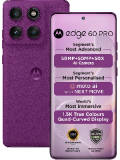








Popular Comparisons



POCO F7 512GB Specifications
General |
|
|---|---|
| Launch Date | July 1, 2025 (Official) |
| Operating System | Android v15 |
| OS Updates | 4 Year |
| Security Updates | 6 Year |
| Custom UI | HyperOS |
Performance
(Very Good)
|
||||||
|---|---|---|---|---|---|---|
| Chipset | Qualcomm Snapdragon 8s Gen 4 View Details | |||||
| Processor | Octa core (3.21 GHz, Single core, Cortex X4 + 3.01 GHz, Tri core, Cortex A720 + 2.8 GHz, Dual core, Cortex A720 + 2.01 GHz, Dual core) | |||||
| Architecture | 64 bit | |||||
| Fabrication | 4 nm | |||||
| Graphics (GPU) | Adreno 825 | |||||
| RAM | 12 GB | |||||
| RAM Type | LPDDR5X | |||||
| Cooling Technology | Hybrid Cooling System | |||||
|
Gaming Test Results

* after 30 mins of gaming
|
||||||
Benchmark Screenshots

AnTuTu Benchmark

Graphics Benchmark

Geekbench6 Benchmark
|

Display
(Excellent)
|
|
|---|---|
| Display Type | AMOLED |
| Screen Size | 6.83 inches (17.35 cm) |
| Resolution | 1280x2772 px (FHD+) |
| Peak Brightness | 3200 nits |
| HBM Brightness | 1700 nits |
| PWM Dimming | 3840 Hz |
| Refresh Rate | 120 Hz |
| Touch Sampling Rate | 480 Hz |
| Aspect Ratio | 19.5:9 |
| Pixel Density | 447 ppi |
| Screen to Body Ratio (calculated) | 89.9 % |
| Screen Protection | Corning Gorilla Glass 7i |
| Bezel-less Display | Yes with punch-hole display |
| HDR 10 / HDR+ Support | Yes, HDR 10+ |
| Screen to Body Ratio (claimed by the brand) | 93.70 % |
UI Screenshots

Lock Screen

Home Screen

Screen With Widgets

Dialer Screen

App Drawer

Notification Panel

Quick Settings Panel

Settings Screen

OS Version

Storage

Battery

Camera On

Camera Options

Camera Modes

Camera Settings

Picture Size Options

Video Size Options
|
Design |
|
|---|---|
| Height | 163.1 mm |
| Width | 77.93 mm |
| Thickness | 7.98 mm |
| Weight | 222 grams |
| Build Material | Back: Corning Gorilla Glass 7i |
| Water Resistance | Yes, Water resistant, IP68, IP66, IP69, (up to 30 minutes in a depth of 2 meter) |
| Ruggedness | Dust proof |
|
Click to View

|
Rear Camera
(Very Good)
|
||||||||||||||||||||||||
|---|---|---|---|---|---|---|---|---|---|---|---|---|---|---|---|---|---|---|---|---|---|---|---|---|
| Resolution | ||||||||||||||||||||||||
|
||||||||||||||||||||||||
| Autofocus | Yes | |||||||||||||||||||||||
| OIS | Yes | |||||||||||||||||||||||
| Flash | Yes, LED Flash | |||||||||||||||||||||||
| Image Resolution | 8150 x 6150 Pixels | |||||||||||||||||||||||
| Settings | Exposure compensation, ISO control | |||||||||||||||||||||||
| Shooting Modes |
High Dynamic Range mode (HDR) Burst mode Beautify |
|||||||||||||||||||||||
| Camera Features |
Digital Zoom Auto Flash Custom Watermark Face detection Filters Touch to focus Voice Shutter |
|||||||||||||||||||||||
| Video Recording |
4k @60 fps Full HD @960 fps |
|||||||||||||||||||||||
| Video Recording Features | ||||||||||||||||||||||||
Rear Camera Samples

Daylight / HDR Auto

Wide Angle

Max Zoom Supported

Long Shot 10X

Long Shot 5X

Long Shot 3X

Long Shot 1X

High Res

Portrait Shot

Night Mode OFF

Night Mode ON

Close Up

Low Light

Low Light With Flash

Colour Variance
|
Front Camera
(Very Good)
|
||||||||||||
|---|---|---|---|---|---|---|---|---|---|---|---|---|
| Resolution | ||||||||||||
|
||||||||||||
| Autofocus | No | |||||||||||
| Video Recording | Full HD @60 fps | |||||||||||
Front Camera Samples

Selfie

Selfie Portrait

Selfie Low Light

Selfie Low Light With Flash
|
Battery
(Very Good)
|
||||
|---|---|---|---|---|
| Capacity | 7550 mAh | |||
| Battery Type | Silicon Carbon | |||
| Quick Charging | Yes, 90W Turbo Charging, 50% in 26 minutes | |||
| Reverse Charging | Yes, 22.5W Reverse Charging | |||
|
Battery Test Results
|
Storage |
|
|---|---|
| Internal Storage | 256 GB / 512 GB |
| Storage Type | UFS 4.1 |
| Expandable Storage | No |
Network & Connectivity |
|
|---|---|
| SIM Slot(s) | Dual SIM |
| SIM Type | SIM1: Nano, SIM2: Nano |
| Network Support | 5G, 4G |
| VoLTE | Yes |
| SIM 1 |
5G bands, 4G bands
Expand
|
| SIM 2 |
5G bands, 4G bands
Expand
|
| SAR Value | Head: 0.828 W/kg, Body: 0.859 W/kg |
| Wi-Fi | Yes, Wi-Fi 7 (802.11 a/b/g/n/ac/be/ax) 5GHz |
| Wi-Fi Features | Mobile Hotspot |
| Bluetooth | Yes, v6.0 |
| GPS | Yes with A-GPS, Glonass |
| NFC | Yes |
| IR Blaster | Yes |
Multimedia |
|
|---|---|
| Stereo Speakers | Yes |
| Audio Jack | USB Type-C |
| Audio Features | Dolby Atmos |
Sensors |
|
|---|---|
| Fingerprint Sensor | Yes |
| Fingerprint Sensor Position | On-screen |
| Fingerprint Sensor Type | Optical |
| Other Sensors | Light sensor, Proximity sensor, Accelerometer, Compass, Gyroscope |
POCO F7 512GB User Reviews
POCO F7 512GB Key Highlights
| Processor | Qualcomm Snapdragon 8s Gen 4 |
| RAM & Storage | 12 GB RAM + 256 GB 12 GB RAM + 512 GB |
| Display | 6.83", 1280 x 2772 Resolution |
| Rear Camera | 50 MP + 8 MP |
| Front Camera | 20 MP |
| Battery | 7550 mAh |






















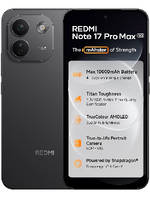







POCO F7 Price In India
| Product Name | Store | Price |
|---|---|---|
| POCO F7 (12 GB + 256 GB) | Flipkart | ₹35,999 |
| POCO F7 (12 GB + 512 GB) | Flipkart | ₹37,999 |
Popular Links
- All Upcoming Phones
- Upcoming POCO Phones
- Samsung Galaxy F70 5G
- vivo S2 FE 5G
- OPPO Find X10
- OPPO Find X10 Pro Max
- Infinix GT 50 Pro
- Samsung Mobiles
- Motorola Mobiles
- vivo Mobiles
- OPPO Mobiles
- Tecno Mobiles
- realme Mobiles
- OnePlus Mobiles