


Review Summary
Expert Rating
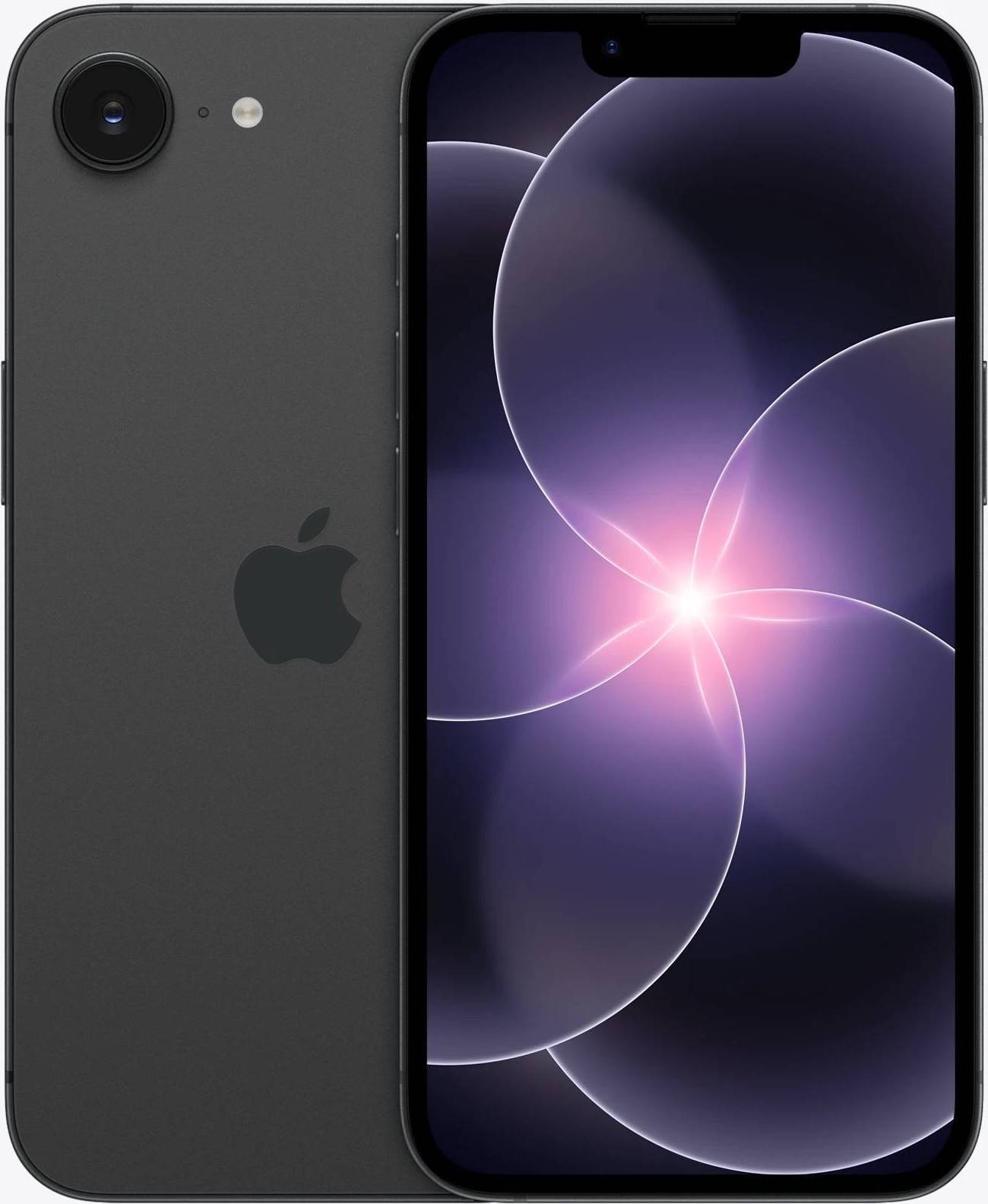
What makes an iPhone so aspirational? More importantly, what makes an iPhone an iPhone? Is it the promise of smooth usage that remains mostly consistent over time? The promise of long-term software support and updates? The consistent cameras? Smooth performance? The fluidity that iOS brings? The perception that it’s more secure than a phone running Android? Ecosystem benefits? Or just that iconic logo on the back? All these questions run through my mind as I sit down to write about the iPhone 17e, the new “value-centric” smartphone from Apple.
The 17e picks up from where its predecessor, the 16e left off. And while it may not really matter at the end, especially when it comes to making a purchase decision in its favour, the new model does bring some noteworthy upgrades as compared to the previous one.
Table of Contents
Verdict
The iPhone 17e delivers the core Apple user experience and ecosystem benefits in a compact, well-built design. The 60Hz display, wide notch and single camera could push potential buyers towards older iPhones, though.Design and display
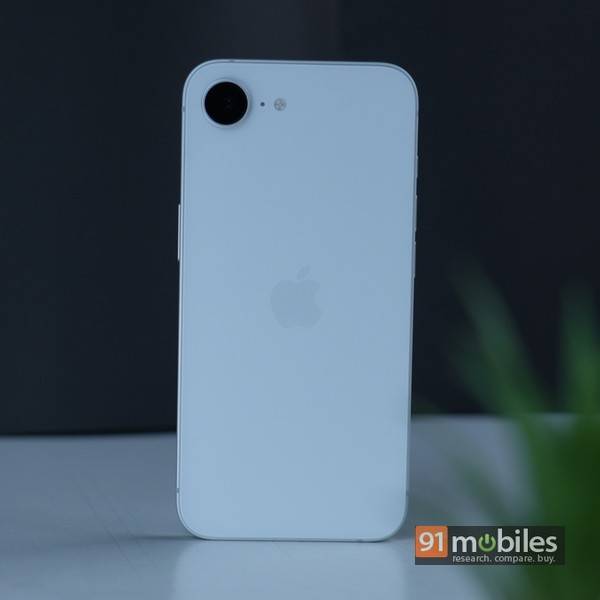
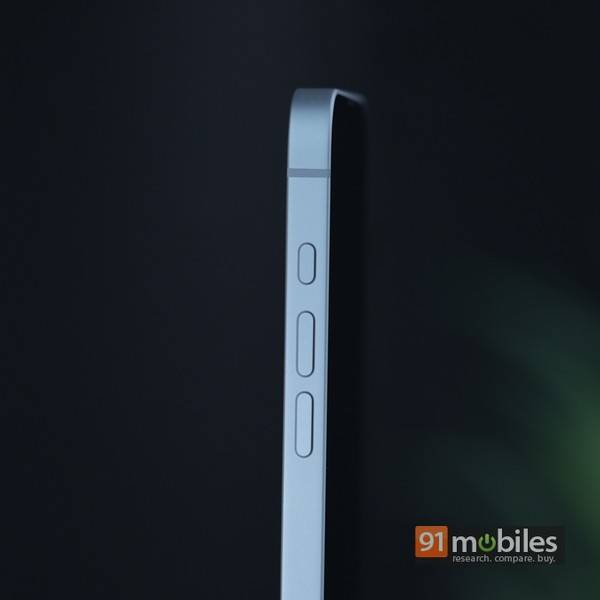
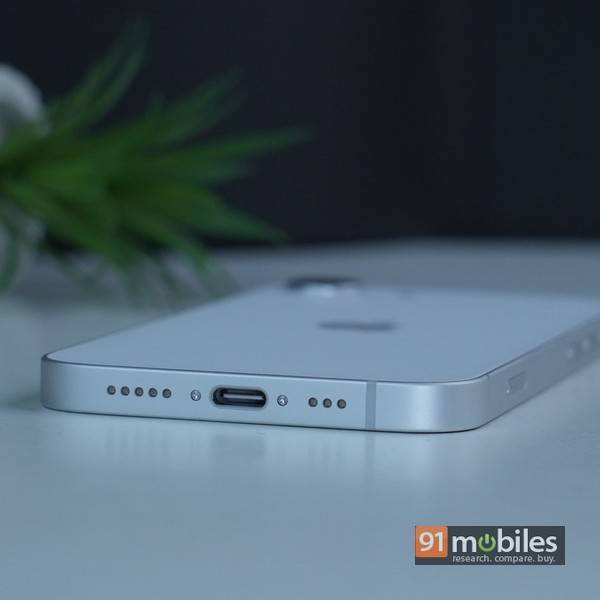
Compact, well-built, oozing premiumness and unmistakably an iPhone is how I’d describe the design and build. Apple has added a soft pink colour option this time, in addition to the white and black options last year’s model came in. The matte finish enhances the look and feel, while the IP68 rating helps add peace of mind. The Ceramic Shield 2 layer on the display is a new addition, promising significantly better scratch resistance than before. The placement of controls is as expected, and just like the previous model, you don’t get the dedicated camera control key on the side of the 17e, but there is a customisable Action button on the left. A lone camera lens sits on the back. While it’s a matter of personal preference, I do find the compact size quite handy and easy to wield on a day-to-day basis. Of course, this comes at the cost of the display size, so you may want to avoid the iPhone 17e if you use your phone heavily for media watching and/or working with long documents and spreadsheets on the go.
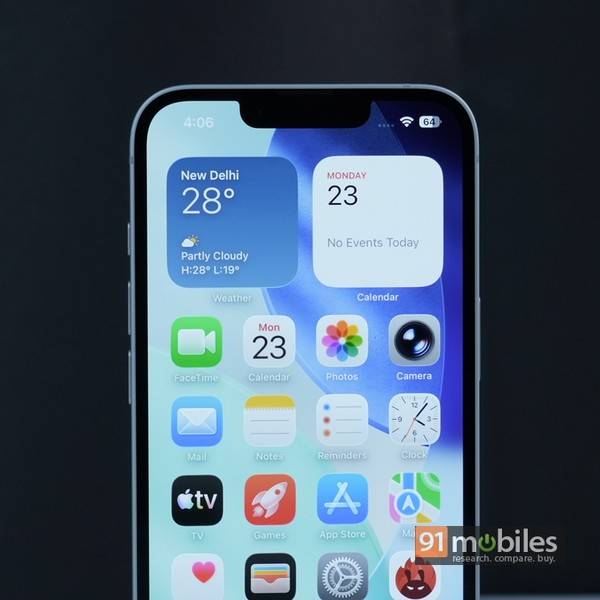
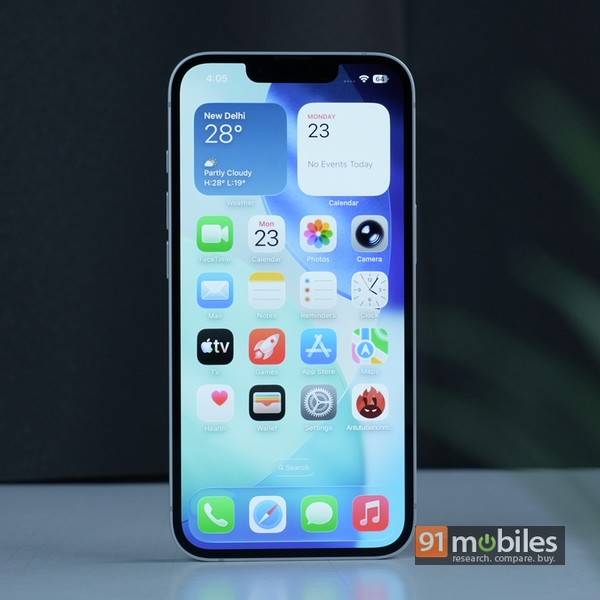
The 6.1-inch Super Retina XDR OLED display offers a resolution of 1,170 x 2,532 pixels, goes up to 1200 nits in terms of brightness and supports HDR10. It’s limited to 60Hz, though, lacks the Always-on feature, and sports a wide notch up top that instantly pushes it back to ‘older iPhone’ territory, if you know what I mean. The 60Hz refresh rate could be a concern for potential buyers more than the notch. Other than that, it’s a perfectly capable screen which gets plenty bright and displays accurate colours and sharp text. There’s no fingerprint scanner as expected, with the FaceID scanner (hidden below that wide notch) handling face unlock brilliantly well, regardless of lighting conditions.
Cameras
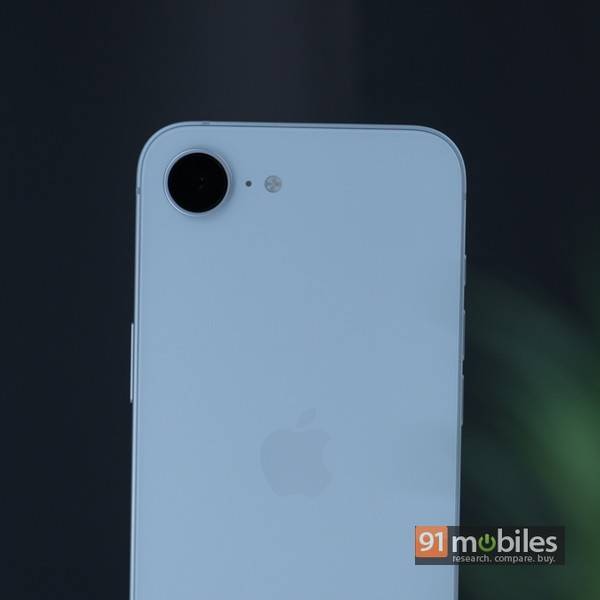
The iPhone 17e comes with a single primary camera, which means there’s no ultrawide or telephoto. At the front, a 12MP sensor manages selfie duties. While you can’t do much about the missing ultrawide snapper, the 48MP main sensor does offer a ‘near-optical’ 2X zoom by zooming to the middle of the image and cropping. It doesn’t fare as well as proper optical zoom, but it gets the job done. Digital zoom can go up to 10X, but with mixed results. Low-light shooting isn’t its strength either, but the primary camera produces great results in ample ambient light, churning out crisp, colourful shots.











Comparing the photos against those shot by the Google Pixel 10a (review), which is the iPhone 17e’s rival from a positioning standpoint, revealed how capable the Apple contender is.
Daylight
The iPhone 17e’s shots show more detail compared to the ones captured using the Pixel 10a, though some areas show a bit of oversharpness.

Google Pixel 10a

iPhone 17e
Portrait
When it comes to shooting portraits, edge detection isn’t its strong point, but the iPhone 17e does capture more natural-looking skin tones in a side-by-side comparison with portraits shot using the Pixel 10a.

Google Pixel 10a

iPhone 17e
Selfies
Seflies shot on the iPhone 17e show balanced lighting and better edge detection as compared to the Pixel 10a.

Google Pixel 10a

iPhone 17e
Low light
In low-light conditions, the iPhone can take sharper shots in comparison, though the Pixel 10a can control flare better, and the results appear a tad brighter.

Google Pixel 10a

iPhone 17e
Software, performance and battery life
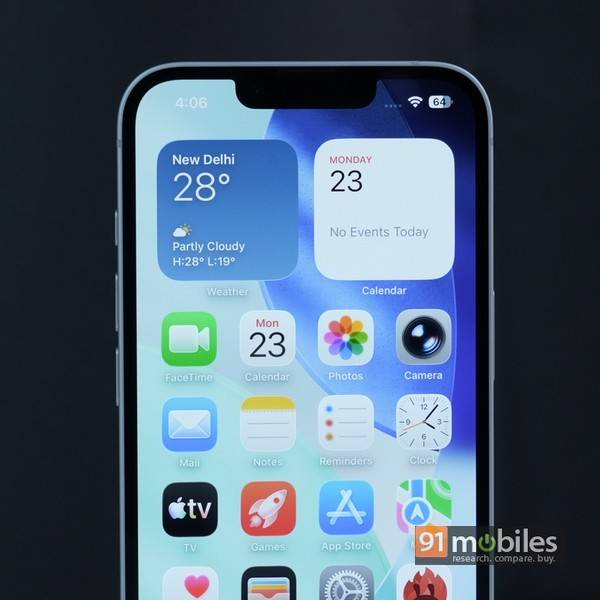
The iPhone 17e runs iOS 26 and offers Apple’s suite of AI features dubbed Apple Intelligence. For a first-timer, using iOS doesn’t require much of a learning curve once you get the hang of things, and it is quite simple and intuitive. Over time, personalisation options in iOS have increased, and the interface remains as fluid as ever. Apple Intelligence covers features like live language translation, Visual Intelligence that can recognise stuff through the camera’s viewfinder or on the screen, call screening that can handle calls for you, Clean up that can remove unwanted objects or people from photos and more. Apple’s software update policy is great, so you can expect your iPhone to stay current with iOS versions for years to come.
More than the OS, though, you should be aware of the advantages of the Apple ecosystem, especially if you’re a newbie. The iPhone 17e can act as a good entry point into the Apple ecosystem, which comes with various benefits, including the ability to use accessories like the Apple Watch and AirPods, make use of the Apple Find My network to locate misplaced devices, share your location with friends and more. The ecosystem includes devices, platforms and services, and brings them together seamlessly, making it an extremely compelling proposition for end users.
AnTuTu score

Xiaomi 17
Qualcomm Snapdragon 8 Elite Gen 5
3,453,123

OnePlus 15R
Qualcomm Snapdragon 8 Gen 5
2,957,229

Apple iPhone 17
Apple A19
2,250,422

Apple iPhone 17e
Apple A19
2,112,540

Google Pixel 10A
Google Tensor G4
1,400,792
AnTuTu assesses a smartphone's CPU, GPU, memory, and overall user experience (higher is better)
Geekbench multi-core score
Xiaomi 17
Qualcomm Snapdragon 8 Elite Gen 5
10,459
OnePlus 15R
Qualcomm Snapdragon 8 Gen 5
9,363
Apple iPhone 17
Apple A19
9,327
Apple iPhone 17e
Apple A19
8,236
Geekbench assesses the efficiency of the CPU's single and multiple cores (higher is better)
Geekbench single-core score
Apple iPhone 17
Apple A19
3,672
Xiaomi 17
Qualcomm Snapdragon 8 Elite Gen 5
3,565
OnePlus 15R
Qualcomm Snapdragon 8 Gen 5
2,851
Apple iPhone 17e
Apple A19
2,666
Geekbench assesses the efficiency of the CPU's single and multiple cores (higher is better)
From a performance perspective, the 17e is an absolute scorcher, thanks to the A19 chip inside. This 3nm silicon is the latest from Apple and powers the iPhone 17 as well, albeit with one less GPU core than its more accomplished sibling. Unsurprisingly, the iPhone 17e is a smooth performer that handles everything wth ease, including heavy games. Benchmark results indicate how good the 17e is in terms of performance, and the prowess is quite apparent in real-life usage as well. Battery life, however, isn’t one of its strengths, and though you might be able to eke out a day’s worth if your usage is low, you could need a top-up charge by evening if you’re working late or heading out to avoid battery anxiety. Charging is fast, and it our battery test, the iPhone 17e juiced up from 20 percent to full in about an hour and a half. Apple has also included Qi2 wireless charging on the 17e, which can work at speeds of up to 15W, and unlike the predecessor, the new phone even includes support for MagSafe. This opens up a whole world of compatible accessories – chargers, mounts, wallets, grips, and more. Unfortunately, there’s no ultrawideband (UWB) chip again this time, and that means the iPhone 17e doesn’t support precision finding with accessories like the Apple AirTag.
Final verdict
Rs 64,900 is what you have to shell out to get your hands on the base variant of the iPhone 17e, which, notably, comes with 256 gigs of storage. In comparison, the iPhone 16e’s base model offered half of that. There’s no doubt that the 17e offers some noteworthy upgrades over its predecessor, but one needs to look at the bigger picture before considering it. For its asking price, you can get flagship-grade performance, cameras and battery life if you choose an Android phone instead. Phones like the OnePlus 15R (review) and the Vivo V70 Elite (review) are worthy options (that cost less too), while spending a bit more can get you options like the Vivo X300 (review).
Realistically, though, anyone seriously considering the iPhone 17e would be interested in it because it’s an iPhone, and by that logic, its real rivals are its own siblings. The 128GB model of the iPhone 16 (review) is currently priced similarly and could appeal to someone looking for an iPhone with a more versatile camera setup, despite its older chipset. And even the iPhone 17 (review) could become a viable alternative if and when festive sales bring prices down to more accessible levels. That’s for later, though. As things stand right now, the iPhone 17e comes across as the most affordable new iPhone you can get, scoring high on aspects like performance, build quality, software and more. MagSafe support takes a few steps closer to its pricier siblings, and Apple’s ecosystem benefits are hard to ignore. At the end of the day, it’s the user experience it can deliver that makes an iPhone an iPhone, and the 17e is able to deliver that core experience for less. And yes, that logo on the back helps too.
Editor’s rating: 7.7 / 10
Pros:
- Compact & lightweight
- Smooth performance
- Good primary camera
- Apple ecosystem benefits
Cons:
- 60Hz display
- Limited camera capabilities
- Wide notch
Competitors for Apple iPhone 17e
 | vs |  |
| vs |  |