When most people think of Computex, they imagine giant booths packed with RGB lights, impossibly thin laptops, and enough processors to make your head spin. That’s exactly what I expected too. But tucked away from the chaos of the show floor was something far more interesting: a trip to ASUS’s headquarters in Taipei and, more importantly, its Design Center.
Honestly, I thought I’d spend the day looking at prototypes. Instead, I spent a surprising amount of time looking at sketches, touching unfinished materials, obsessing over laptop hinges, and walking through decades of ASUS history. And somehow, it completely changed the way I look at the products we review every day.
Table of Contents
Every great laptop starts with a pencil
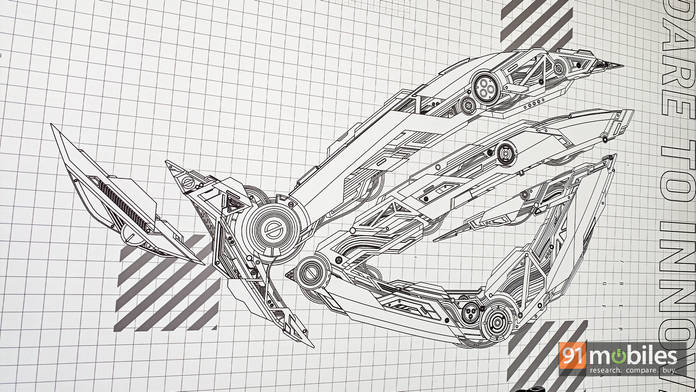
The biggest surprise inside the ASUS Design Center wasn’t a futuristic prototype or some secret device hidden behind glass. It was the walls covered in hand-drawn sketches. In an age of AI and advanced 3D modelling, ASUS still starts every product the old-fashioned way: with pencil and paper.
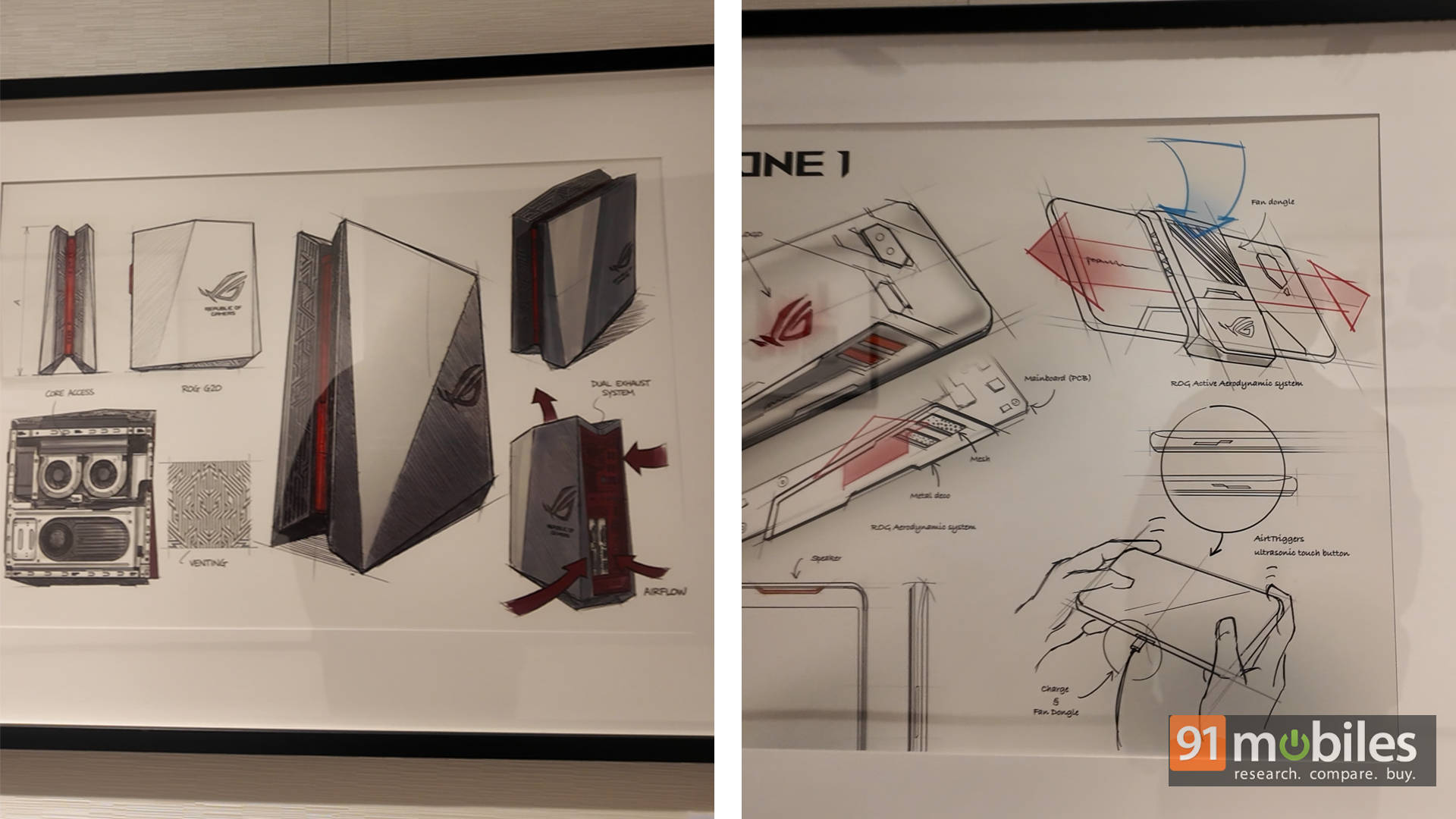
Whether it’s a Zenbook, a ROG gaming laptop, or even something as small as a ventilation grille, every idea begins as a sketch. Most of them never make it to production, with designers constantly refining and redrawing concepts until they finally land on the right one.
ASUS also showed us years of material experiments that never reached consumers, including concepts built around bamboo, leather, and other unconventional finishes. Rather than treating them as failures, the company sees them as stepping stones that helped shape the products we see today.
Ceraluminum is more science than marketing
One of the biggest talking points during the visit was ASUS’ now well-known Ceraluminum material, which has become a defining feature of its premium Zenbook lineup. Before visiting the headquarters, I’ll admit I thought it was mostly clever branding. Turns out, it’s a genuinely fascinating engineering process.
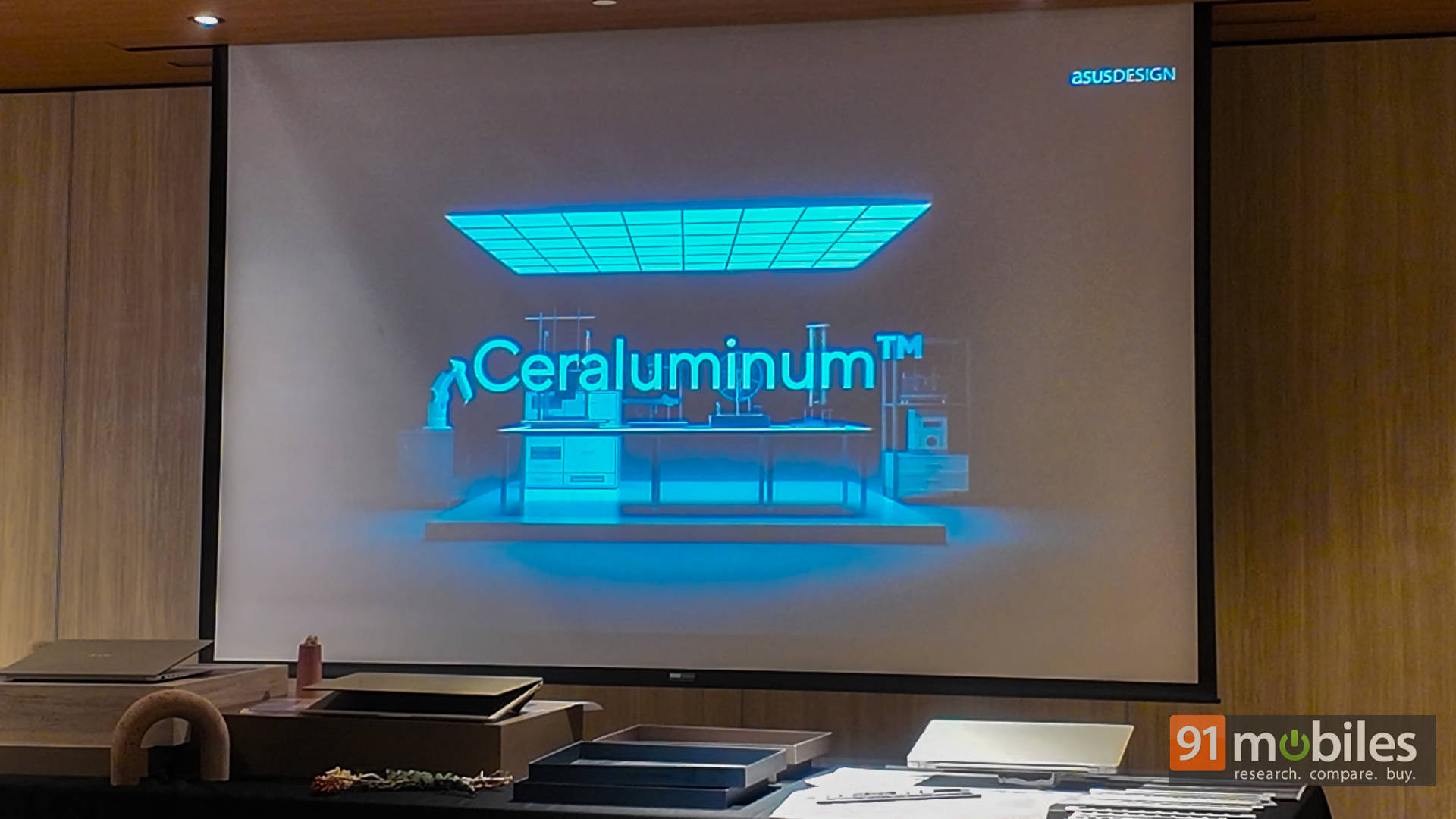
The ASUS team explained that Ceraluminum isn’t a coating applied to aluminium. Instead, the aluminium itself undergoes Plasma Electrolytic Oxidation (PEO), where high-voltage electrical currents transform the outer surface into a ceramic layer. In simple terms, the material itself changes rather than having another layer added on top.
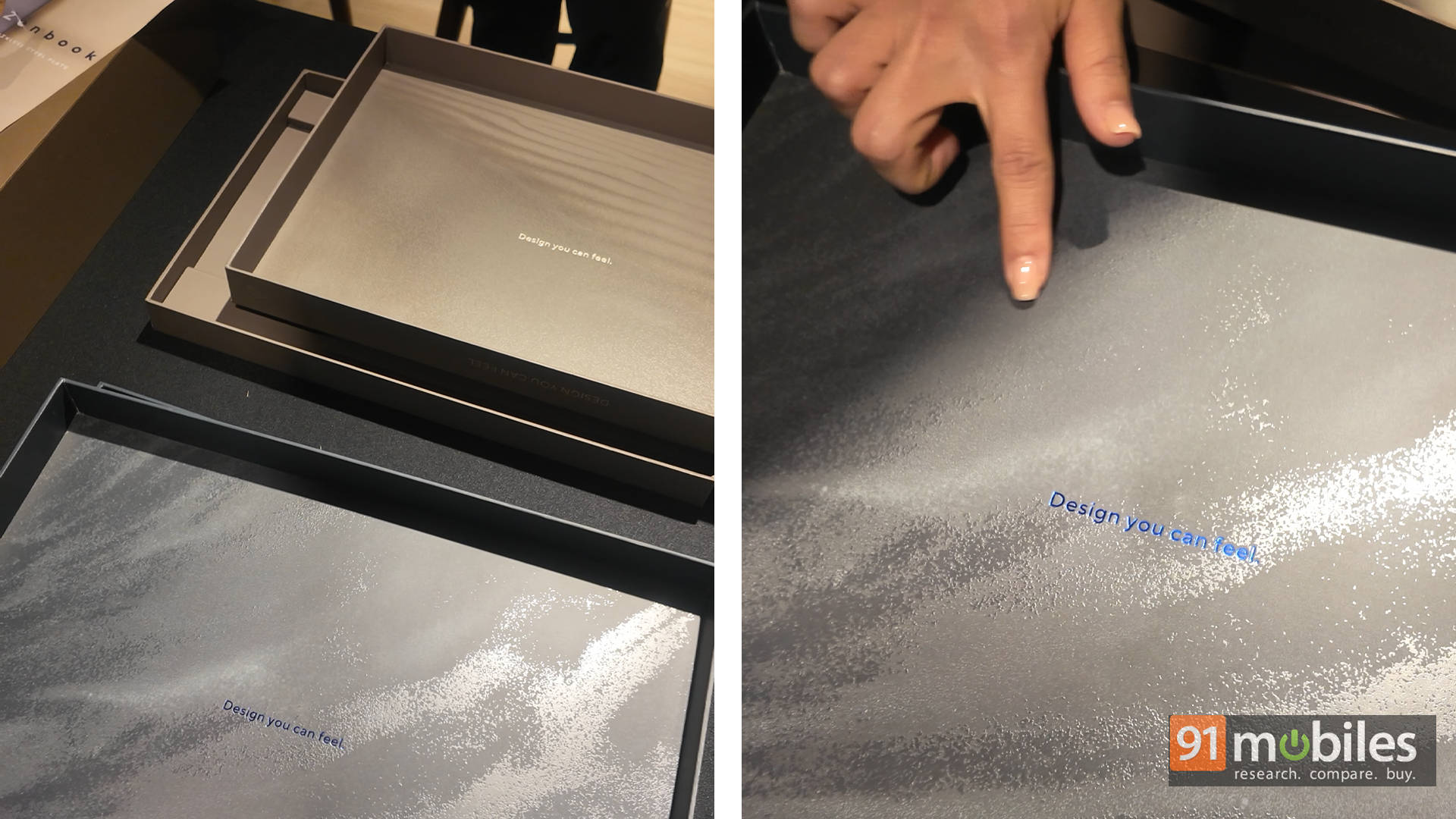
Getting to hold the raw samples made that explanation click immediately. The finish feels unlike traditional aluminium. It has an almost stone-like texture that’s warm to the touch, yet still retains the rigidity and premium feel you’d expect from a flagship laptop. It’s one of those details that might seem insignificant on paper but becomes immediately noticeable the moment you pick up the device. And honestly, that’s a recurring theme throughout ASUS’ design philosophy.
It’s also interesting to see where ASUS is positioning itself in the broader premium laptop market. While Apple continues to refine its iconic unibody aluminium construction and brands like Dell and HP explore materials such as carbon fibre and recycled composites, ASUS is carving out its own identity with Ceraluminum. Rather than simply chasing thinner or lighter designs, the company seems focused on creating a material that feels distinct the moment it lands in your hands. And after trying it firsthand, I’d say it’s a strategy that’s paying off.
I never thought laptop hinges could be this interesting
I never expected laptop hinges to be one of the most fascinating parts of the ASUS HQ tour, but they genuinely were. The company showed us how different hinge systems are designed and fine-tuned depending on the product, whether it’s a convertible creator laptop, a thin-and-light ultrabook, or a gaming machine.
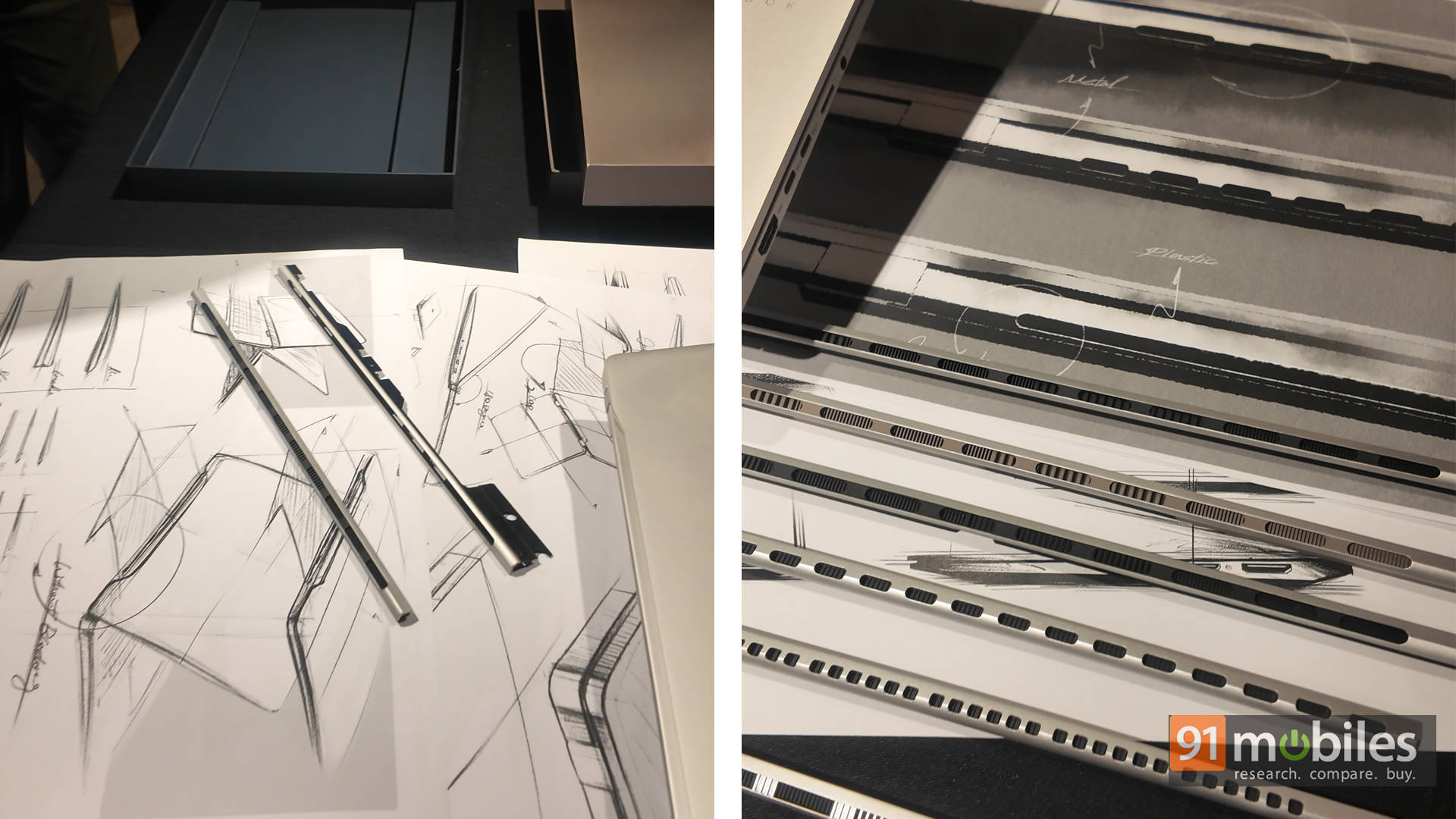
What impressed me most was the sheer precision involved. Engineers carefully calibrate the hinge torque so some laptops can be opened with a single finger without lifting the base, while automated rigs repeatedly cycle prototypes thousands of times to simulate years of use. It’s the kind of engineering most people never notice, and that’s exactly what makes it so impressive.
A walk through ASUS’ Hall of Fame
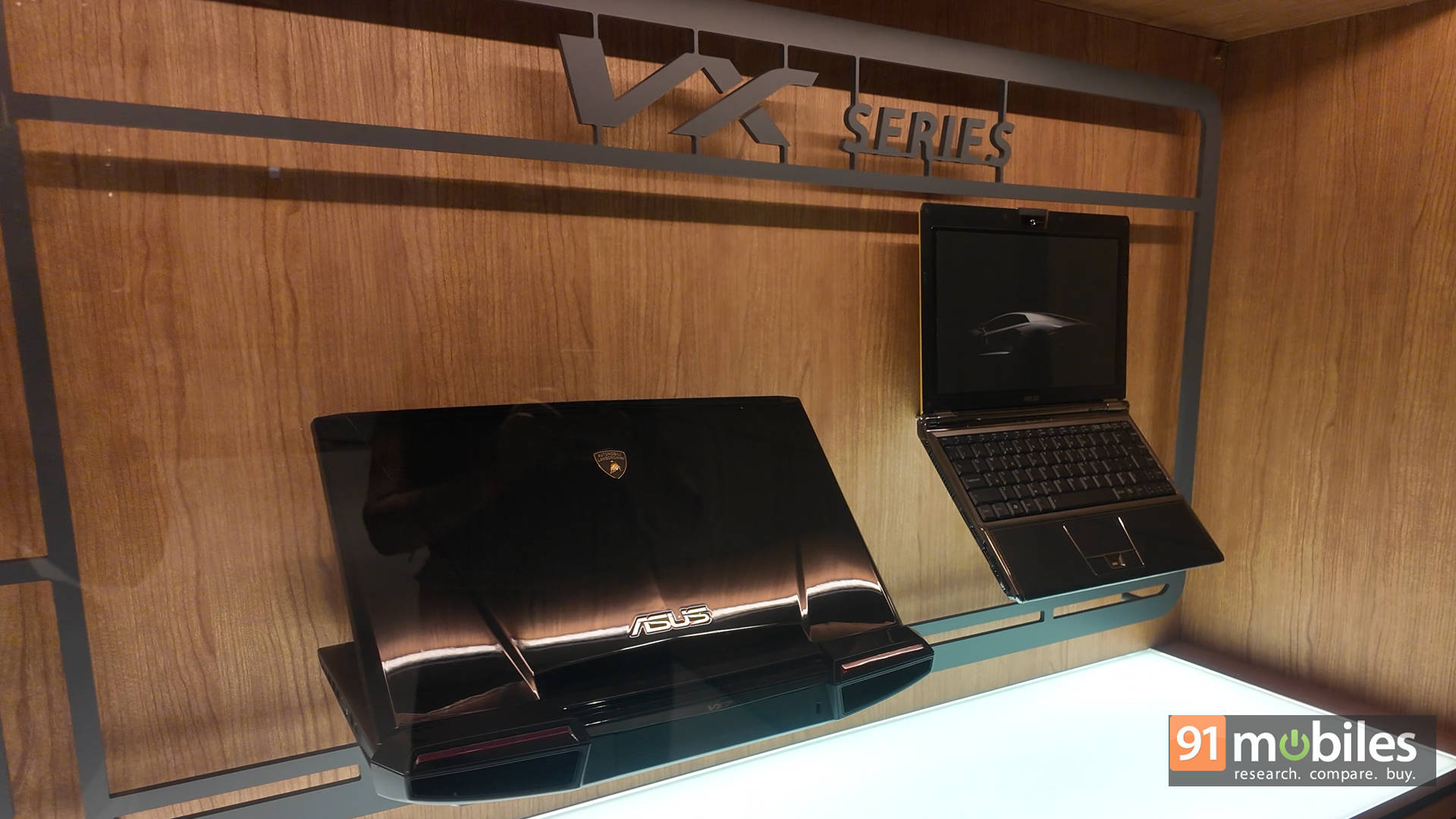
The final stop on the tour felt like walking through ASUS’ own hall of fame. Lined across the display were products that defined different chapters of the company’s journey, from the ASUS P6300, the world’s first notebook to travel to the Mir Space Station, to the iconic Eee PC that helped kickstart the netbook era. Sitting nearby were ambitious experiments like the PadFone and early ZenFone devices, alongside premium showpieces such as the ASUS Lamborghini VX Series laptops that proved gaming hardware could have serious style too.
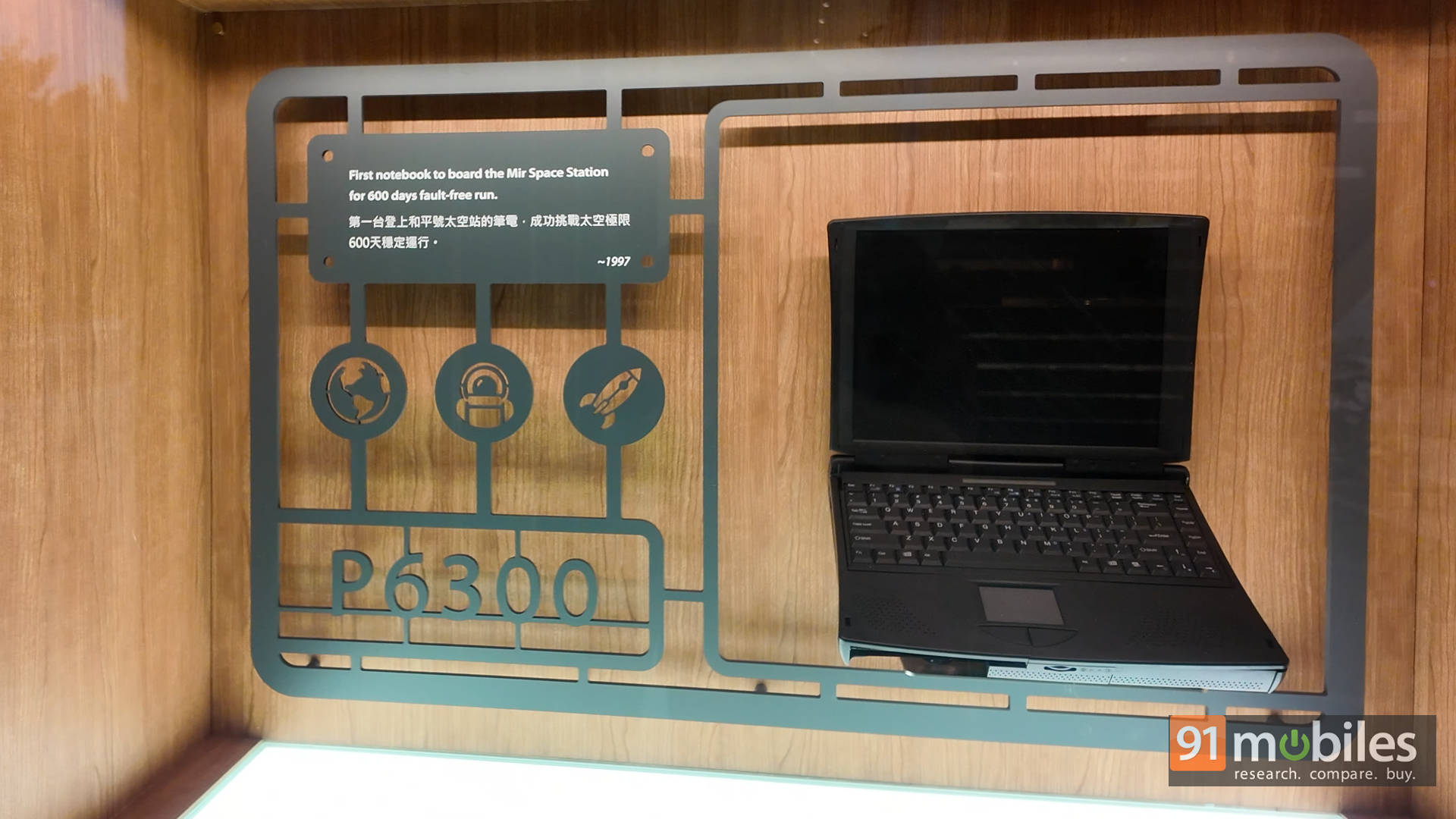

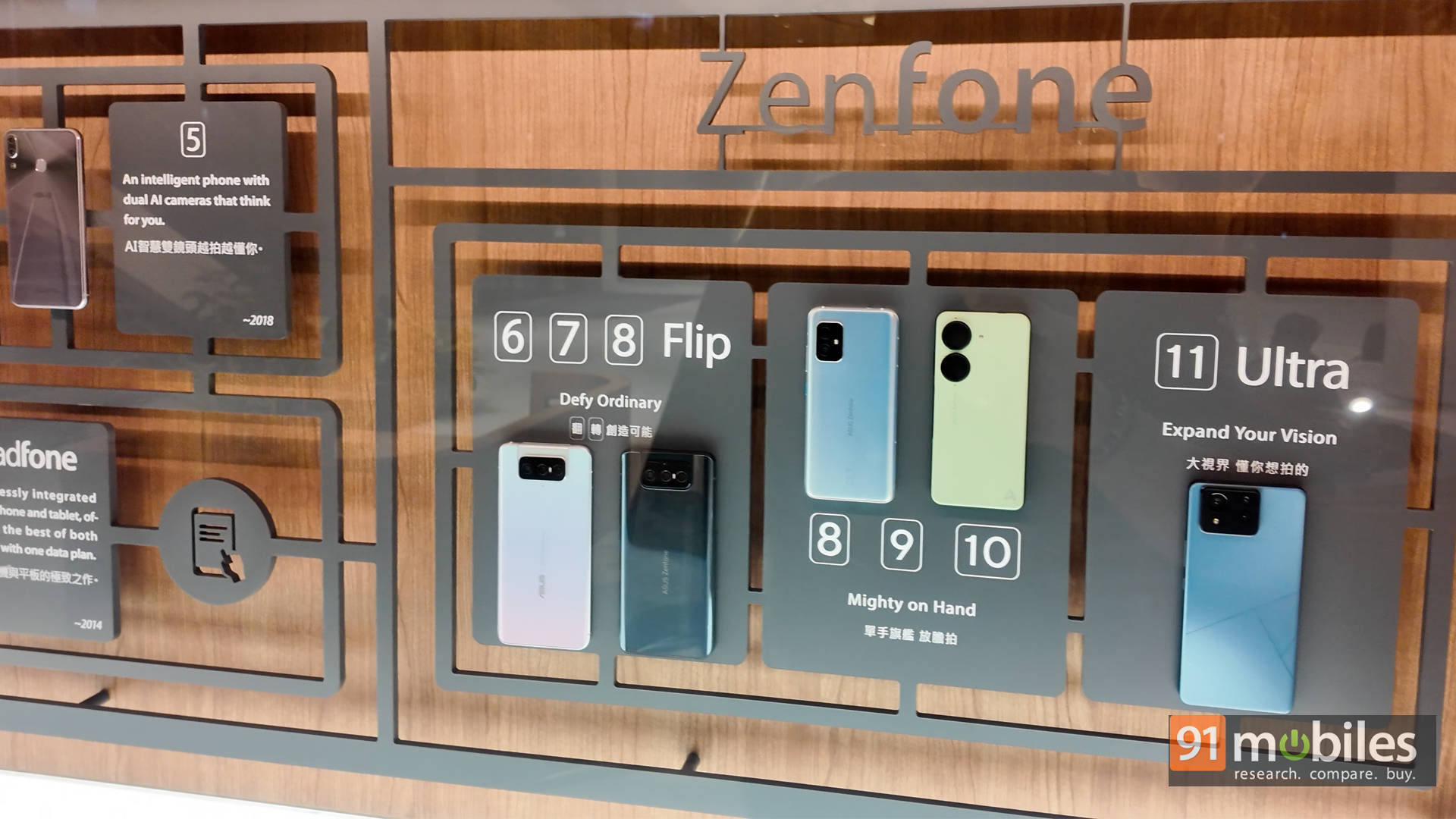
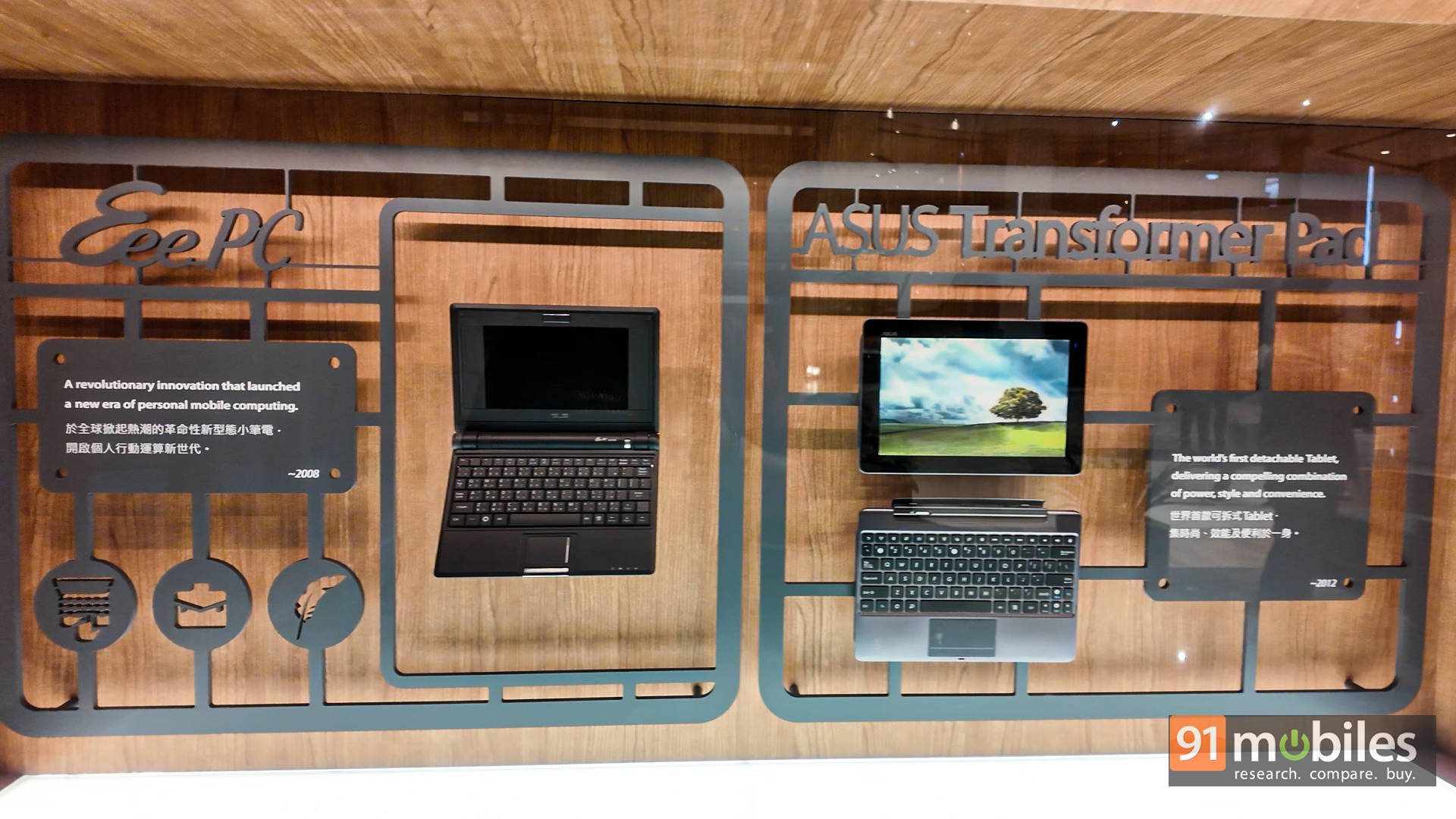


The collection wasn’t limited to laptops either. ASUS also showcased projects like its IoT Medical Box PC, CMF design studies, and special editions, including the Vivobook S 15 OLED BAPE Edition and Vivobook 13 Slate OLED Philip Colbert Edition. Looking around the room, one thing became obvious: ASUS has never been afraid to try something different. Not every experiment became a blockbuster, but every one of them helped shape the brand into what it is today.
The biggest takeaway wasn’t a product
Walking out of ASUS HQ, I realised the biggest story wasn’t a new laptop or breakthrough technology. It was the process behind them. The sketches, material experiments, hinge prototypes, and even the products that never made it to market all revealed just how much thought goes into the devices we often reduce to a spec sheet.
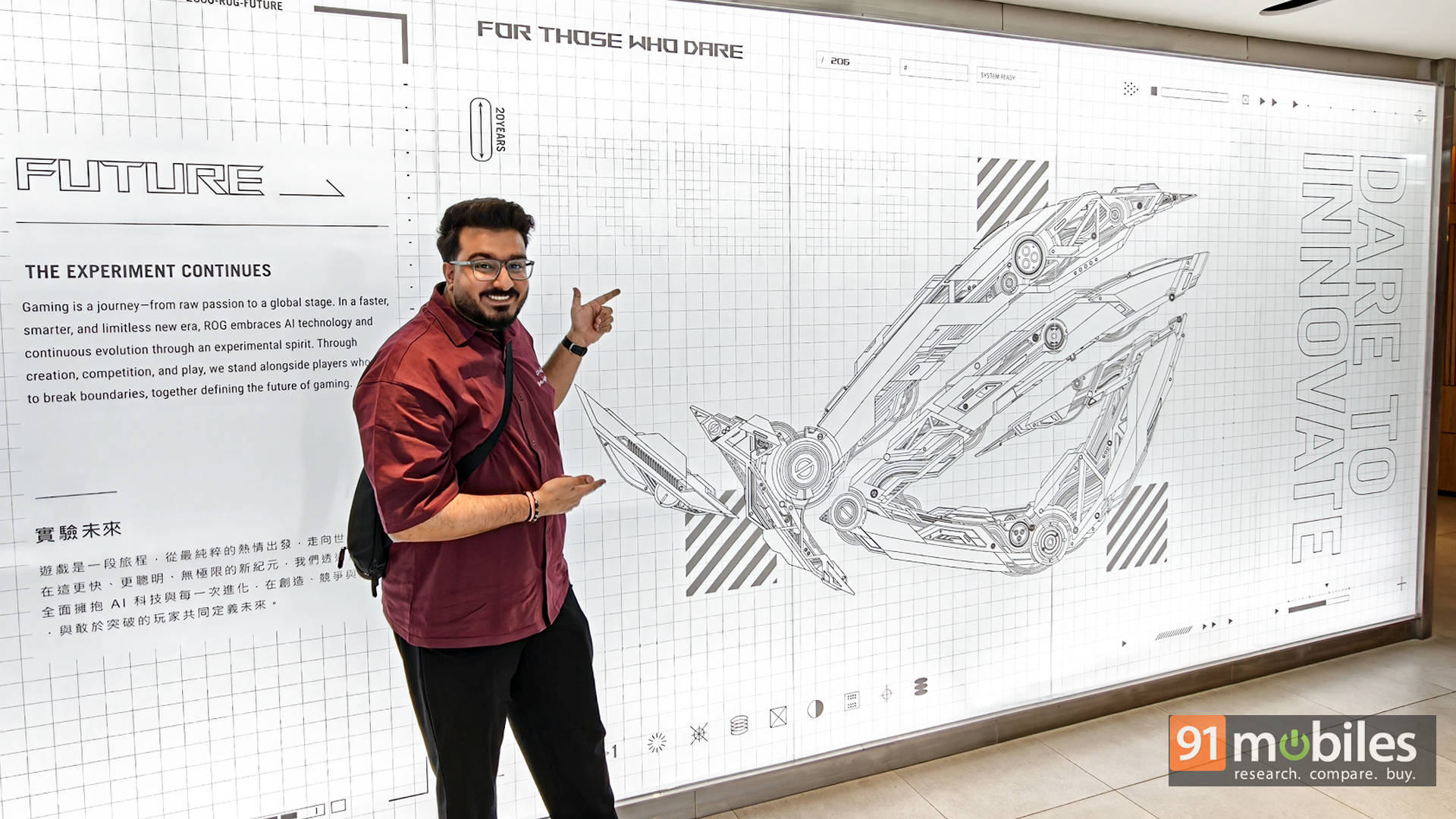
The next time I review an ASUS laptop, I’ll still benchmark its processor and test its battery life, but I’ll also be thinking about the hundreds of invisible decisions that shaped it long before it reached my desk. And somehow, that makes the final product even more impressive.