Computex 2026 will likely be remembered as the show where two things happened simultaneously: the budget end of the laptop market got genuinely interesting, and the high end got genuinely strange.
Apple’s MacBook Neo forced Windows OEMs to show up with affordable, well-built machines for the first time in years. And NVIDIA’s RTX Spark changed what “high performance laptop” even means, pulling the conversation away from discrete GPU specs into unified memory, Arm cores, and local AI compute. Here is every laptop worth knowing about from this year’s show.
Table of Contents
Acer Swift Air 14 – MacBook Neo Competitor
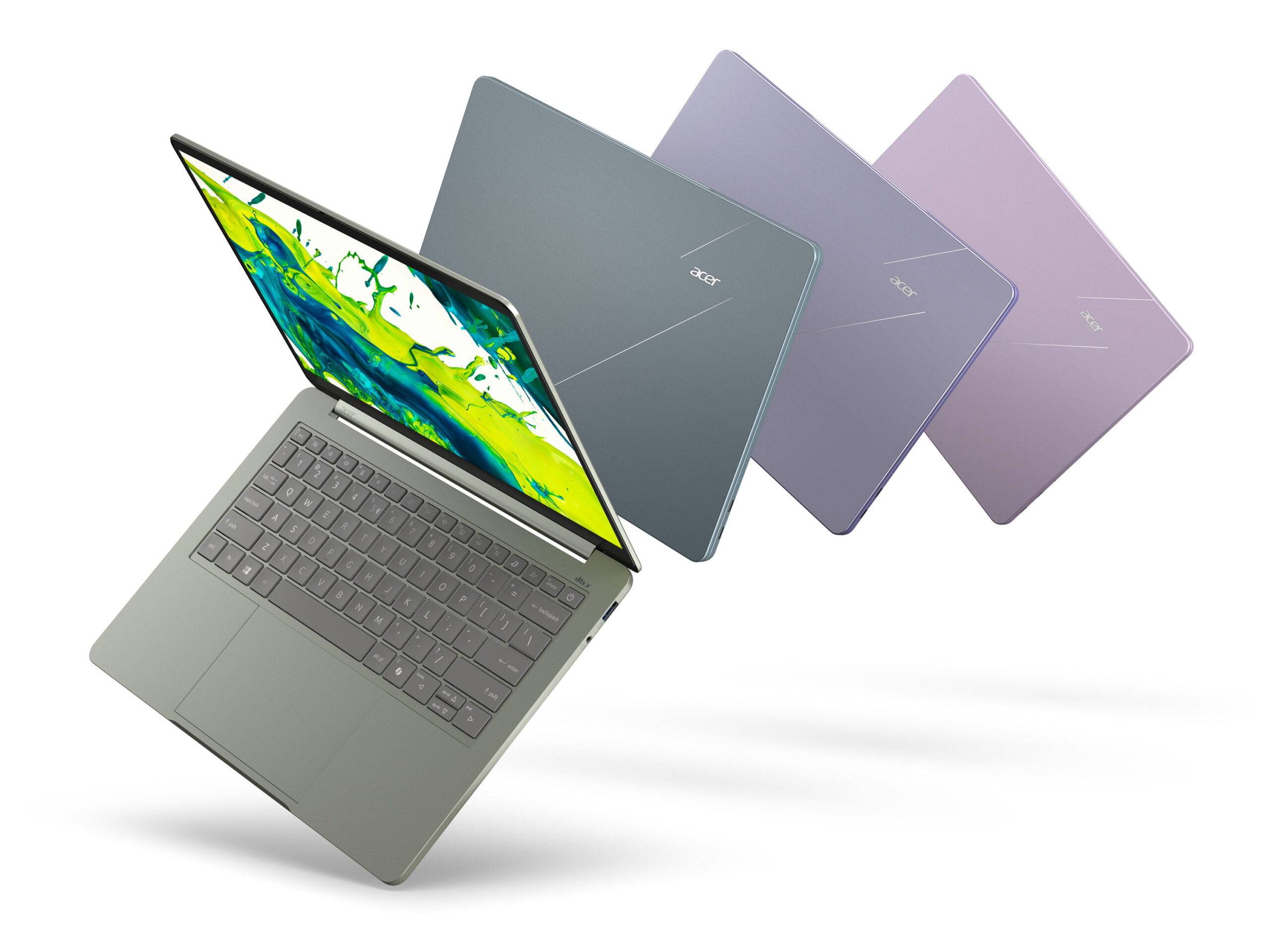
When Apple launched the MacBook Neo earlier this year, starting at $599 (Rs 69,900 in India), Windows laptop makers had a problem. The Neo was cheap, looked great, and worked well. The Acer Swift Air 14 is Acer’s most direct answer to that problem.
The Swift Air 14 starts at $699 in the US and runs Intel’s Core Series 3 processors, topping out at a Core 7 350. It weighs 1.25 kg, measures 12.9 mm at its thinnest point, and comes in four pretty unique colours of sage green, frost blue, blossom pink, and lilac purple. The 14-inch display runs at 1920×1200 in a 16:10 aspect ratio at 120Hz, and the 70Wh battery is rated for up to 19 hours of video playback, and fast charging brings it to 50 percent in 30 minutes.
The Swift Air 14 is not a performance machine. The Core Series 3 chip with its 17 TOPS NPU is positioned well below Copilot+ territory, and the ceiling of 16GB RAM and 512GB storage reflects its budget-conscious position. What it is, is a machine that finally makes the Windows ultraportable argument with deliberate design and real portability credentials rather than by cutting corners everywhere. A quad-speaker setup with DTS:X Ultra adds something most laptops at this price skip entirely.
Acer Aspire Go 15 – World’s First Snapdragon C Laptop
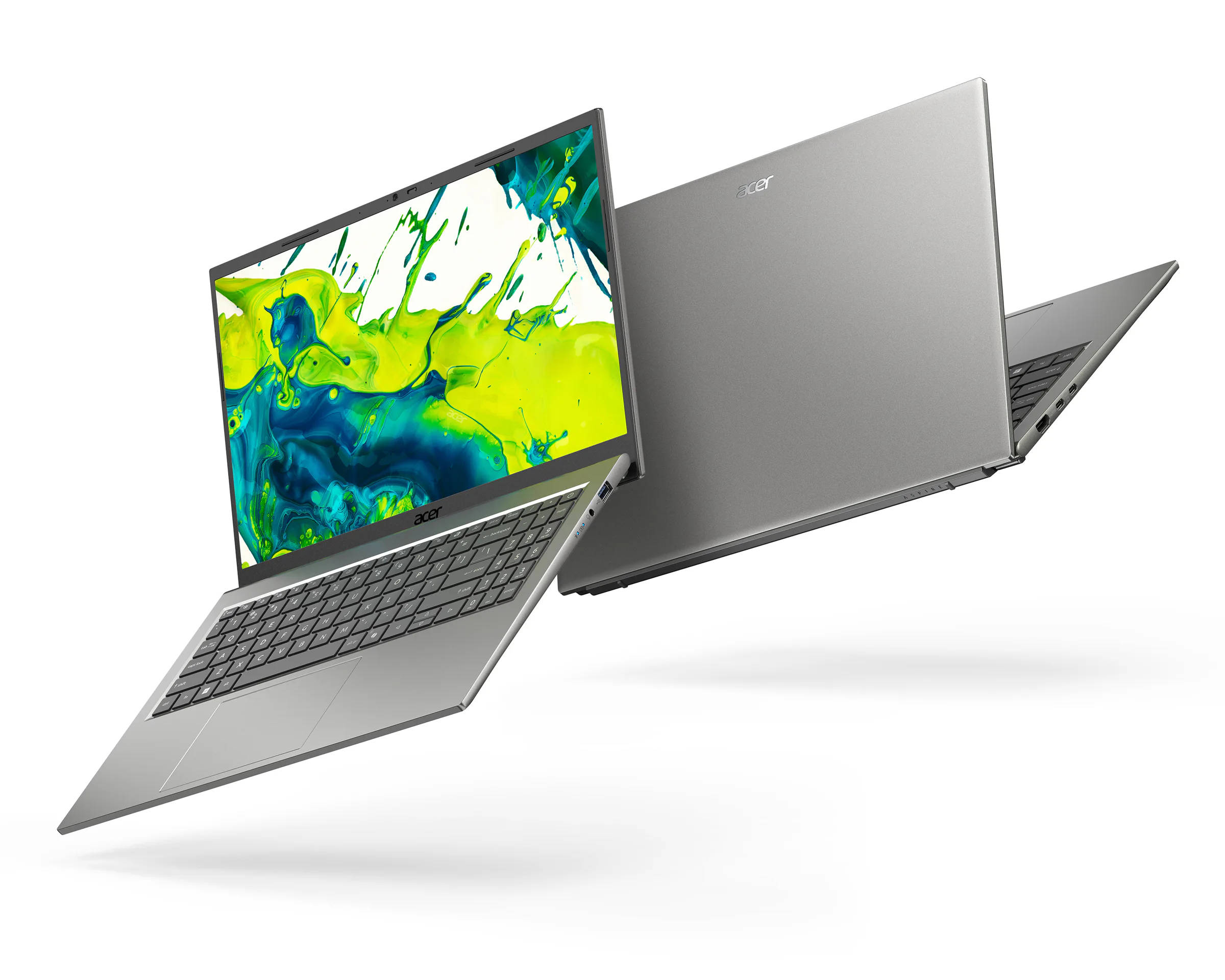
The Acer Aspire Go 15 has a distinction no other laptop currently holds: it is the first device ever announced with Qualcomm’s new Snapdragon C processor. That makes it historically interesting even before you look at the rest of the spec sheet.
The Snapdragon C platform is Qualcomm’s entry into the budget PC market, targeting devices at $300 and up. The Aspire Go 15 runs Windows 11 Home on this new ARM chip, with the Adreno GPU on board, up to 8GB of RAM, and up to 512GB of storage. The 15.6-inch Full HD display has narrow bezels, and the 53Wh battery is positioned for all-day use.
However, the Go 15 is a machine with a few constraints. The 8GB RAM ceiling means this is firmly a web browsing, documents, and streaming device, and the Snapdragon C chip is a new, largely unproven platform.
Acer has not confirmed pricing or a launch date for the Indian market yet. But as the first commercial device on Snapdragon C, the Aspire Go 15 represents something important: Qualcomm’s attempt to bring Arm-based Windows laptops to the price range where most people actually buy computers.
ASUS ROG Strix Scar 18 (2026) – 20th Anniversary Flagship
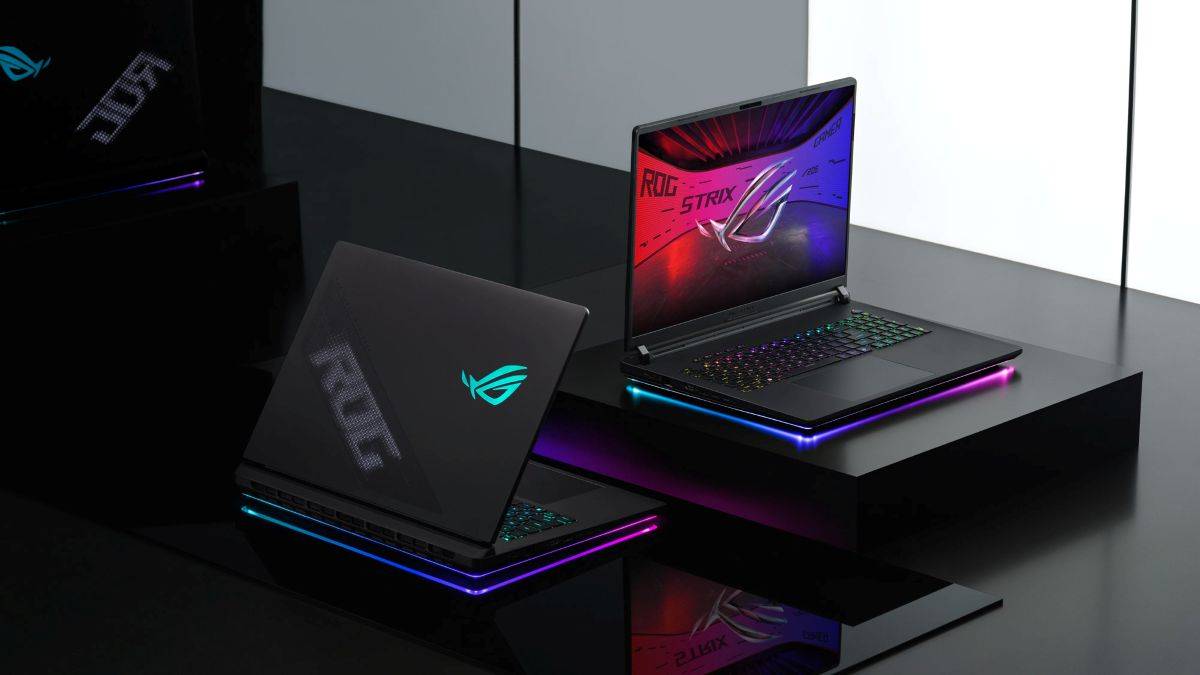
This is ROG’s 20th anniversary, and the company chose to celebrate it by building what it calls the most powerful laptop it has ever made.
The ROG Strix Scar 18 (2026) is configured with up to an Intel Core Ultra 9 290HX Plus processor paired with up to an NVIDIA GeForce RTX 5090 Laptop GPU, and it runs at a maximum total system power of 320W in Manual mode, with 175W available to the GPU and up to 145W for the CPU.
The display is the headline spec: it is the world’s first 18-inch 4K 240Hz Mini LED laptop panel, featuring ROG Nebula ELMB (Extreme Low Motion Blur) with over 2,000 dimming zones, 1,600 nits of peak brightness, 100% DCI-P3 coverage, and AGLR (anti-glare, low reflection) technology that ROG claims enhances contrast by 4.5x over standard glass. Storage scales up to 8TB across dual PCIe Gen 5 M.2 slots, and RAM can reach 128GB of DDR5-6400 across dual upgradeable slots.
Cooling is extensive: a 20% thicker vapor chamber than the previous generation, Conductonaut Extreme liquid metal on both the CPU and GPU, and a new tri-fan design that ROG claims improves total airflow by 91% over the prior Scar 18.
The Scar 18 launched as part of the wider ROG Edition 20 anniversary showcase at Computex and is already listed on the ASUS US website, making it one of the few Computex announcements with immediate availability.
ASUS ProArt P16 and P14 – RTX Spark Creator Machines
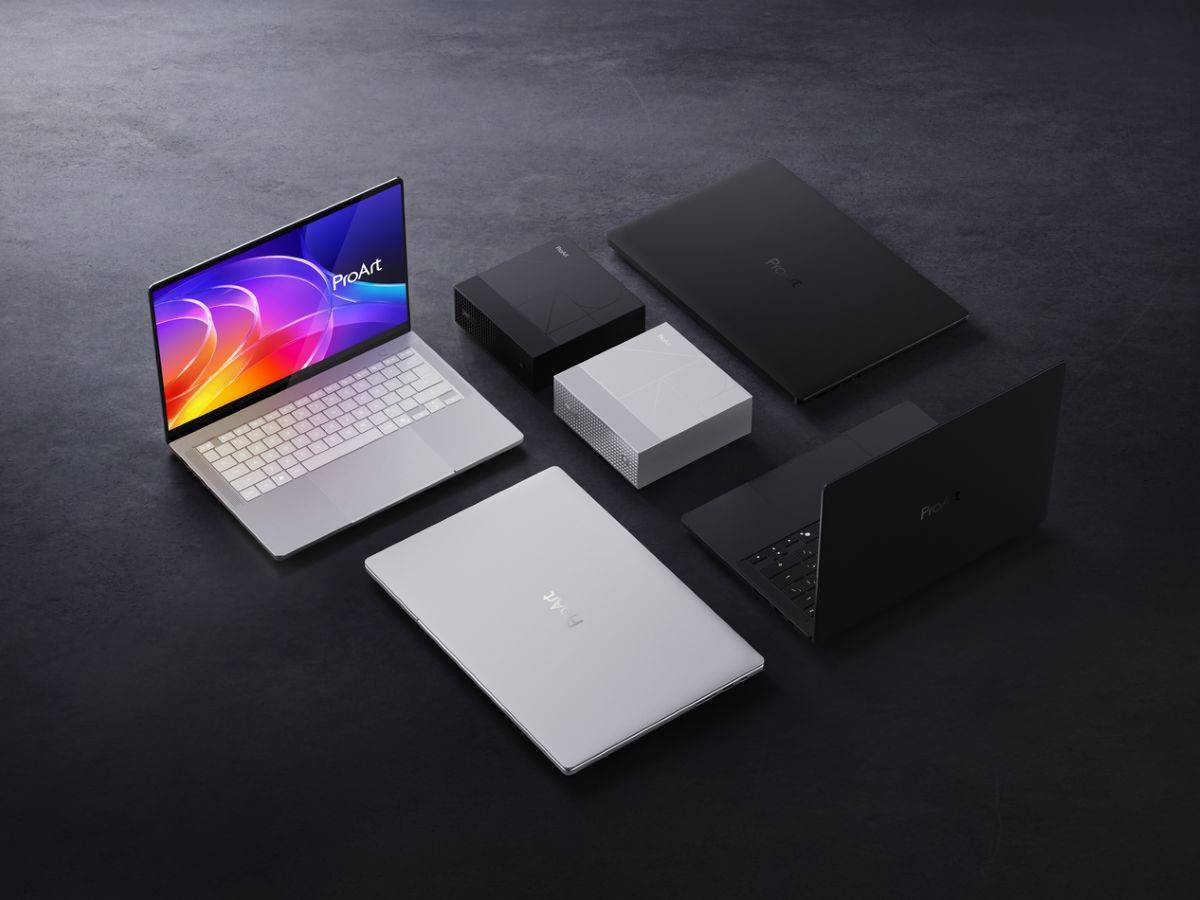
The ASUS ProArt P16 and P14 are among the first laptops in the world powered by NVIDIA’s new RTX Spark superchip, and they represent perhaps the most complete implementation of the platform announced at this show.
RTX Spark integrates a 20-core NVIDIA Grace CPU with a Blackwell-architecture RTX GPU carrying 6,144 CUDA cores and fifth-generation FP4 Tensor Cores, all connected via NVIDIA’s NVLink-C2C chip-to-chip interconnect and backed by up to 128GB of unified LPDDR5X memory. The platform is said to deliver up to 1 petaflop of AI compute and can run 120B-parameter language models locally with up to 1 million tokens of context.
The ProArt P16 doesn’t skimp at all in the display department with a 16-inch 4K 120Hz Lumina Pro OLED touchscreen with NVIDIA G-Sync, Delta E under 1 colour accuracy, anti-reflection coating, and 1,600 nits of peak brightness.
ASUS also bundles its ProArt Creator Hub software, along with AI-assisted tools including MuseTree and StoryCube. Availability begins in fall 2026 in select regions, with pricing not yet announced.
Dell XPS 13 (2026) – MacBook Neo Competitor
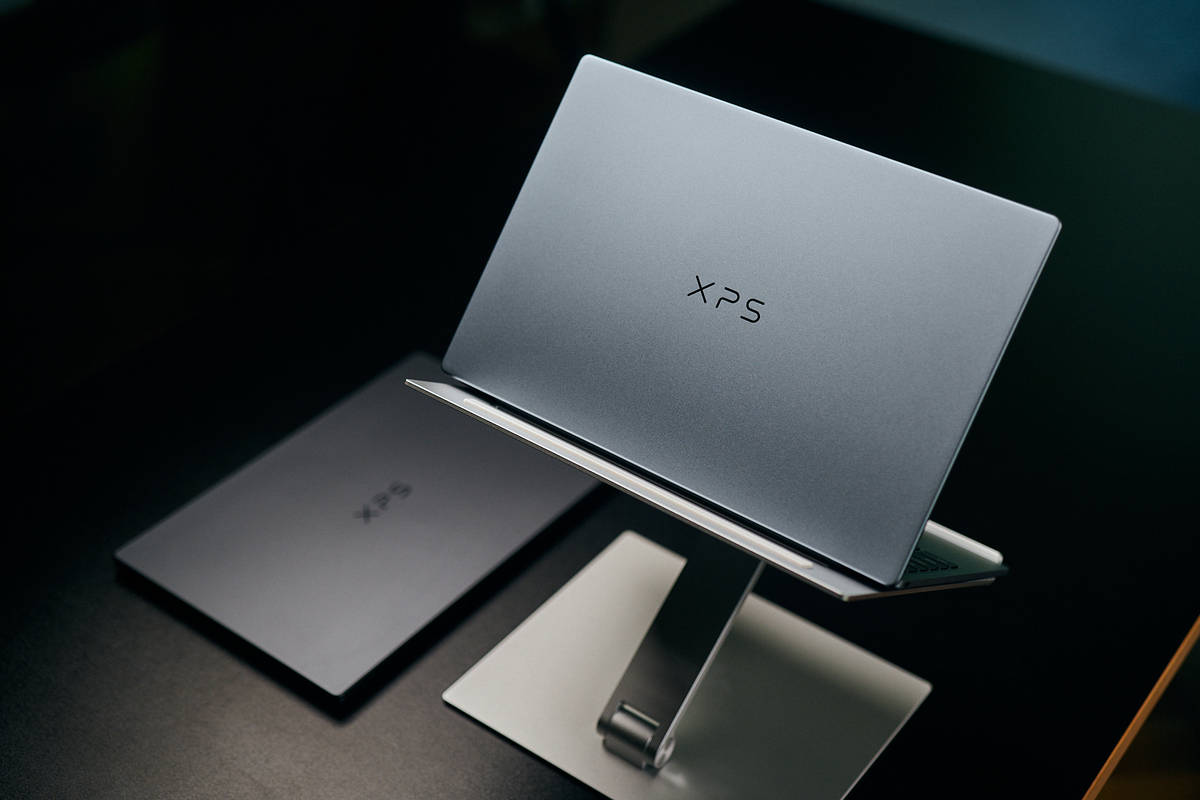
Dell’s answer to the MacBook Neo may be the most compelling one at Computex. The XPS 13 (DX13260) starts at $699 for regular buyers and $599 for students during the back-to-school period, matching the MacBook Neo’s pricing while offering a different feature set.
It launches with Intel’s “Panther Lake” Core 5 320 processor, with a more powerful Core Ultra 7 355 option coming post-launch. The chassis weighs 0.9 kg and measures 12.7 mm thin, making it the thinnest and lightest XPS laptop Dell has ever built. It is constructed from CNC-machined aluminium. The base configuration includes 8GB LPDDR5x RAM and 512GB PCIe Gen 4 storage, with options scaling up to 32GB RAM and 1TB storage.
Where the XPS 13 pulls ahead of the MacBook Neo on paper is connectivity and features. It has dual USB-C ports with Thunderbolt 4 on Core Ultra models, Wi-Fi 7 versus the Neo’s Wi-Fi 6E, a quad-speaker array with 8W output and Dolby Atmos versus the Neo’s two-speaker system, a 1080p webcam with IR for Windows Hello face unlock, a 120Hz display, and a backlit keyboard. The Neo has no keyboard backlight, although the tradeoff is that the XPS 13 has no headphone jack.
HP OmniBook Ultra 16 and OmniBook X 14 -Thinnest RTX Spark Laptops
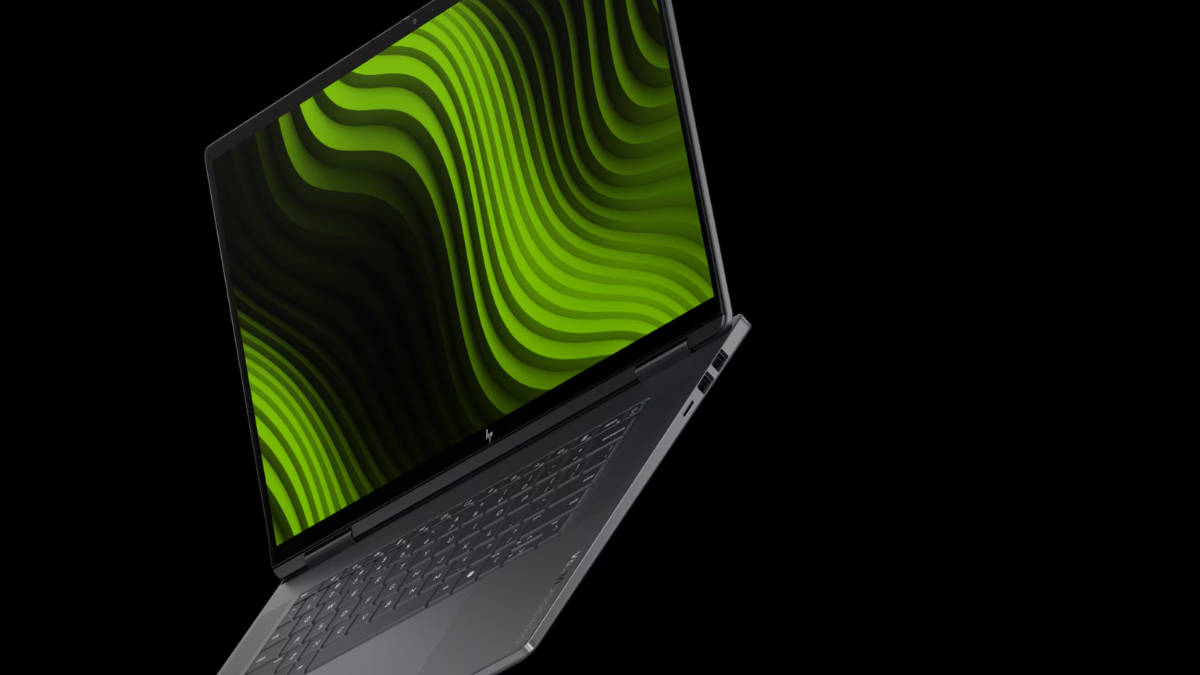
HP’s entry into the RTX Spark wave comes with a specific claim: these are the thinnest laptops in the world powered by the platform, and HP has the measurements to back it up. The OmniBook Ultra 16 comes in at a rear height of 15.73 mm, and the OmniBook X 14 at 13.53 mm, verified against HP’s internal analysis of comparable RTX Spark machines at the time of announcement.
Both laptops are built around NVIDIA’s RTX Spark superchip with its 20-core Grace CPU, Blackwell RTX GPU with 6,144 CUDA cores, and support for up to 128GB of unified LPDDR5X memory delivering up to 1 petaflop of AI compute. HP has designed these machines for creators, developers, and AI-focused workflows, positioning them as pre-configured platforms with OpenClaw-based starter kits and support for agent frameworks, reducing setup time for developers who need local AI environments.
The OmniBook Ultra 16 is HP’s bid for the creative professional market, targeting users who need a 16-inch machine that does not feel like a desktop replacement. The OmniBook X 14 sits in the portable productivity tier, where the existing Snapdragon X Elite version of the OmniBook X already had a strong reputation for efficiency and endurance. Full specifications, pricing, and availability details have not been disclosed. Both are expected to launch later in 2026.
Lenovo Yoga Pro 9n – RTX Spark for Creators
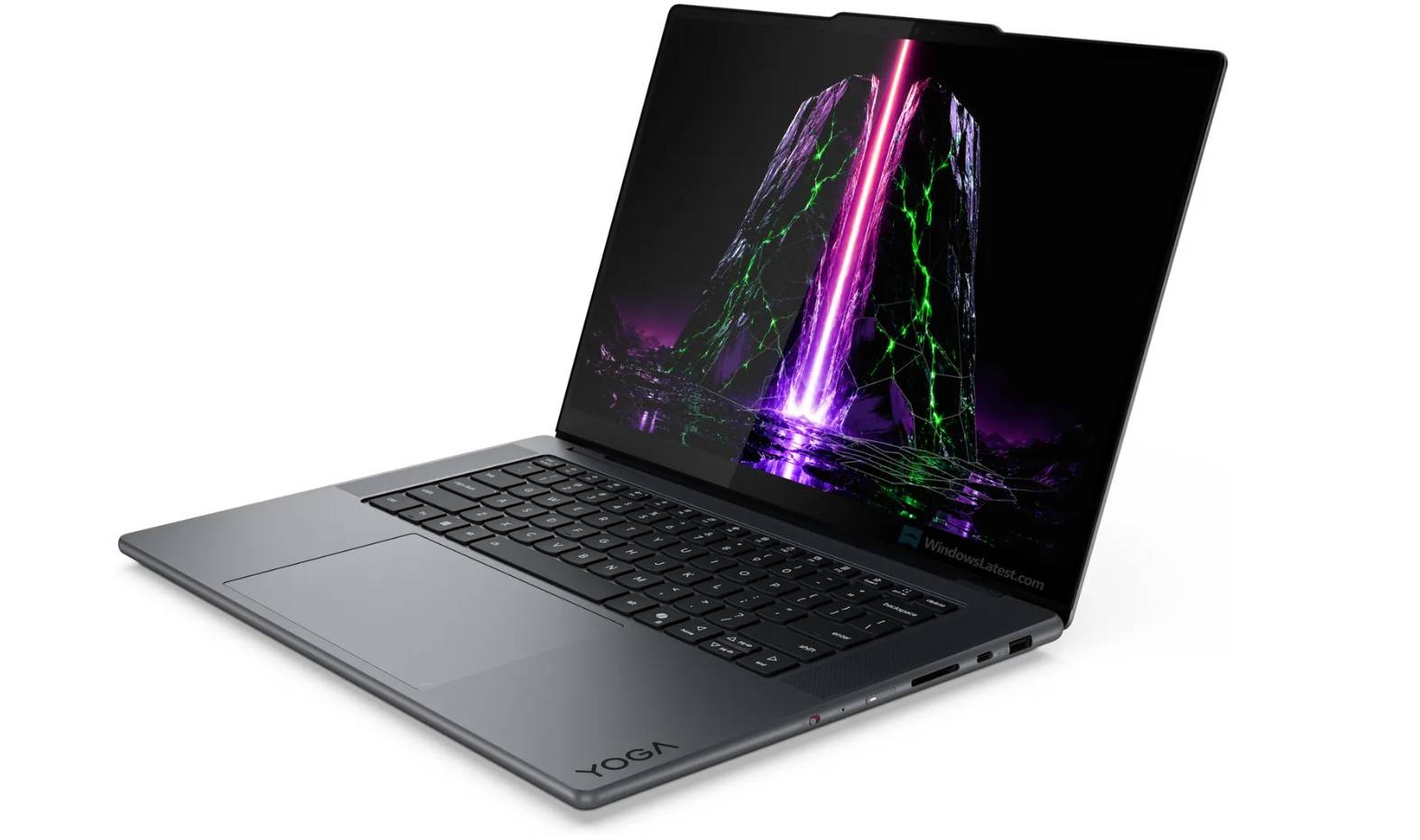
Lenovo named it cleanly: the Yoga Pro 9i is the Intel version, and the Yoga Pro 9n is the NVIDIA one. The 9n is Lenovo’s first laptop built on RTX Spark, and from what Computex attendees saw on the show floor, it follows the Yoga Pro 9i’s established design language while adapting its internals and port configuration to the new platform.
The RTX Spark chip at its core combines a 20-core Grace CPU with 10 Cortex-X925 performance cores and 10 Cortex-A725 efficiency cores, paired with a Blackwell GPU carrying 6,144 CUDA cores and fifth-generation Tensor Cores. The system supports up to 128GB of unified memory and 1 petaflop of AI compute. The chassis is 15 inches, built in aluminium in Thunder Grey, with a Yoga aesthetic and a large rear exhaust area indicating thermal headroom for sustained RTX Spark performance.
Unlike the Yoga Pro 9i with its proprietary charging connector, the 9n moves to USB-C charging, consistent with RTX Spark’s Arm-based architecture. Lenovo cites all-day battery life. Pricing and launch date have not been announced.
Microsoft Surface Laptop Ultra – RTX Spark’s Flagship Statement
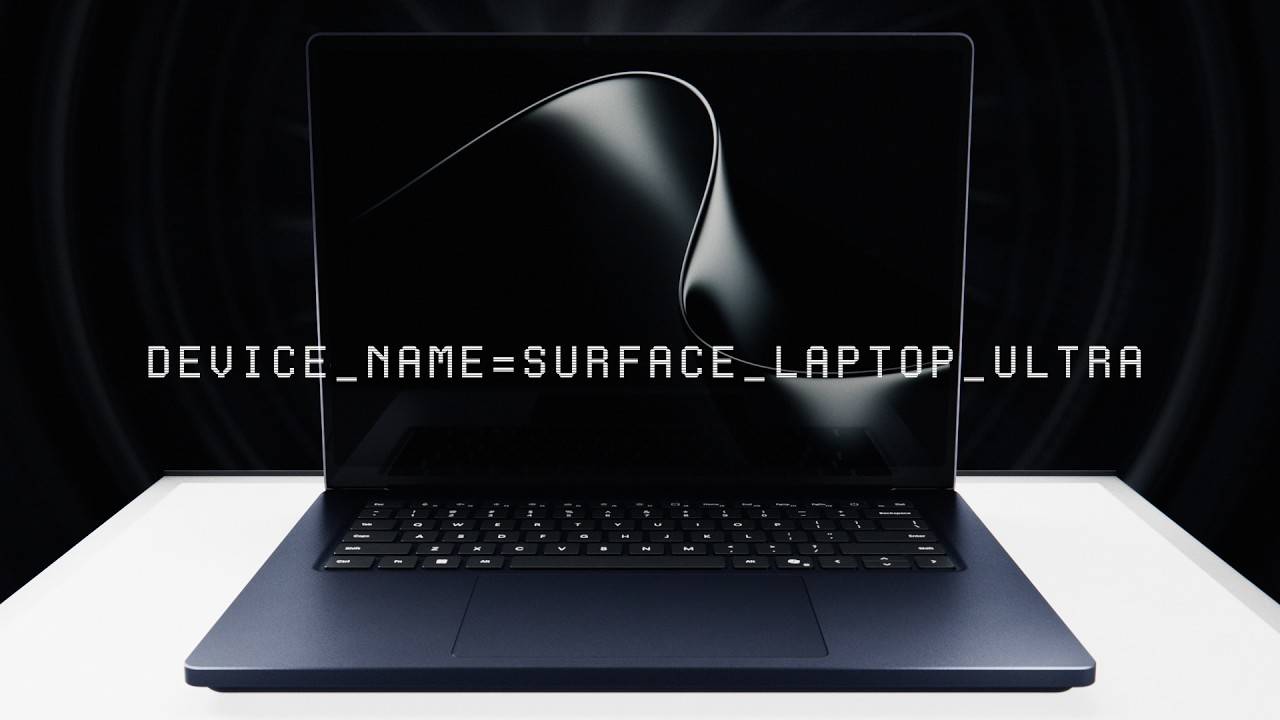
Microsoft called the Surface Laptop Ultra the most powerful Surface device it has ever built, and the specification behind that claim is straightforward: it is the first Surface laptop to run on NVIDIA silicon since the Tegra-powered Surface RT in 2012.
The Surface Laptop Ultra is powered by RTX Spark, delivering a 20-core Grace CPU, a Blackwell RTX GPU with 6,144 CUDA cores (NVIDIA equates this to approximately RTX 5070 performance at the platform’s power envelope), and up to 128GB of unified LPDDR5X memory.
It can run 120B-parameter AI models locally. The display is a 15-inch mini-LED PixelSense Ultra touchscreen at 2,880×1,920 resolution with a 3:2 aspect ratio and up to 2,000 nits of peak HDR brightness, which is apparently the brightest display Microsoft has ever shipped in a Surface.
What makes the Surface Laptop Ultra significant is the combination of what it represents architecturally and who makes it. This is Microsoft building its flagship professional laptop on NVIDIA’s first consumer PC processor platform, effectively endorsing RTX Spark as the direction Windows on Arm should go. Pricing has not been announce and it launches in fall 2026.
MSI Prestige N16 Flip AI+ – RTX Spark’s Most Versatile Form Factor
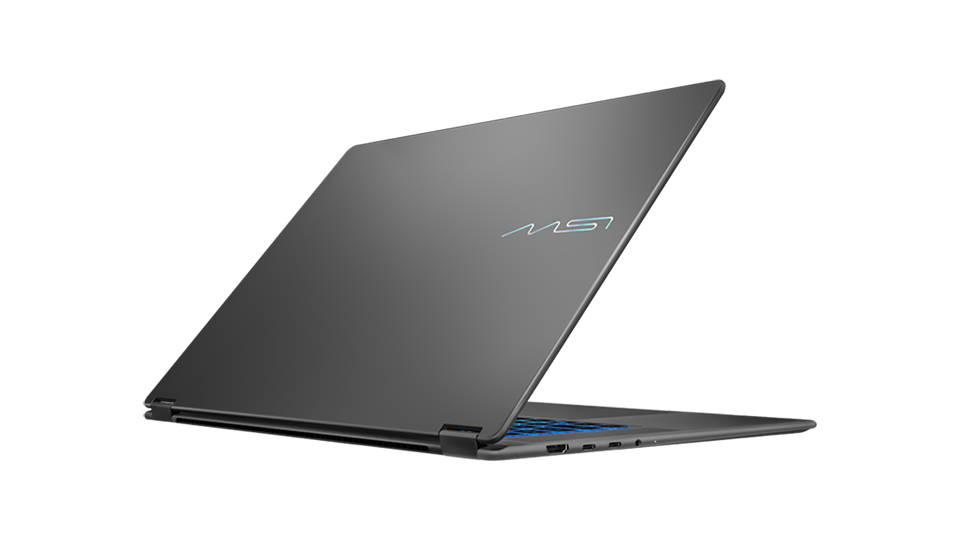
MSI holds the distinction of building the world’s first 16-inch 2-in-1 convertible powered by NVIDIA’s RTX Spark platform. That combination of a large professional display, a 360-degree hinge, and unified AI compute in a single machine is genuinely new.
The Prestige N16 Flip AI+ features a 16-inch UHD+ Tandem OLED touchscreen with a dual-layer emissive structure that stacks two OLED panels to share light output, resulting in over 1,000 nits of peak brightness with improved panel longevity and power efficiency over standard OLED. Touch and pen input via the MSI Nano Pen are included while the 360-degree hinge enables laptop, tablet, tent, and presentation modes.
At its core is RTX Spark: 20-core Grace CPU, 6,144 Blackwell CUDA cores, up to 128GB of unified memory, and 1 petaflop of AI compute. MSI frames this machine for creators who want to work locally with large models and creative pipelines without sacrificing portability, and for gaming when needed, the full RTX feature set including DLSS, G-Sync, and Reflex is present. No launch date or price has been set globally.
MSI Prestige 14 Flip AI+ Vincent van Gogh Edition – Art Meets Performance

The MSI Artisan Collection returned at Computex 2026 with its boldest entry yet. The Prestige 14 Flip AI+ Vincent van Gogh Edition draws from two of van Gogh’s most recognisable night paintings, The Starry Night and Starry Night Over the Rhône, rendered across the lid in two distinct variants.
MSI has not simply printed artwork onto a lid. The finish uses layered materials and light-reactive treatments to echo the texture and movement of van Gogh’s brushwork, with the MSI logo integrated seamlessly into both compositions. Last year’s Prestige 13 AI+ Ukiyo-e Edition sold out and now resells for up to $3,000, which explains the ambition behind this successor. The bundle accompanying the Van Gogh Edition includes a wireless mouse, two art-inspired mousepads, a keyboard cover, ID badge, sleeve bag, and Van Gogh-themed packaging.
Underneath the artwork is a capable machine. The Prestige 14 Flip AI+ runs Intel Core Ultra Series 3 processors, specifically the Core Ultra X9 378H with Intel Arc B390 integrated graphics, with up to 64GB of LPDDR5X RAM and up to 2TB of PCIe Gen 4 NVMe storage. Pricing has not been announced.
MSI Katana Series – Confirmed for India
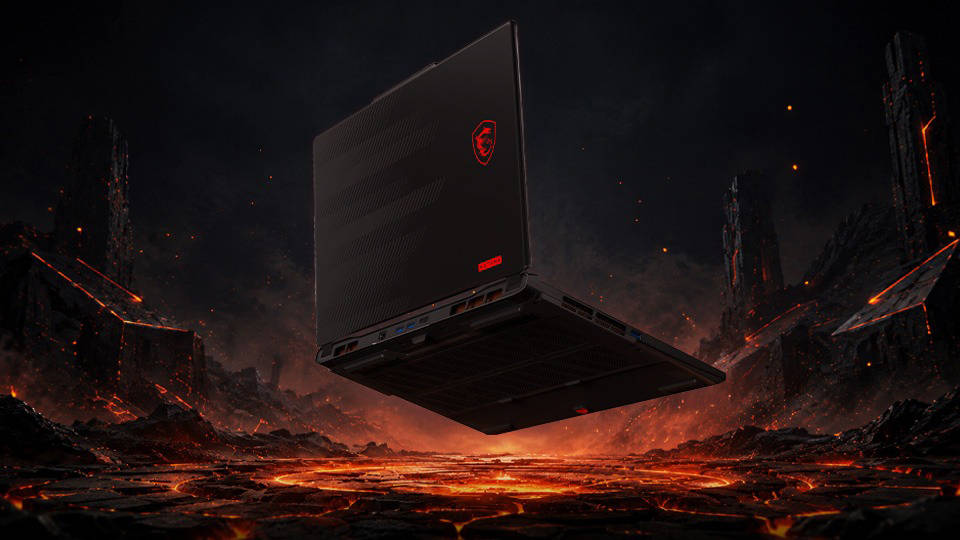
The MSI Katana Series makes a return to India, which matters to Indian buyers because the Katana line has historically been one of the most practical pathways into mid-range gaming laptop territory.
The 2026 Katana 15 HX targets mainstream gamers with up to an Intel Core i9 or i5 HX processor paired with up to a full-powered NVIDIA GeForce RTX 5070 Laptop GPU at up to 170W of combined CPU and GPU power. The display is a 15.6-inch FHD panel with a 144Hz refresh rate, and the chassis carries a customisable 4-zone RGB keyboard. MSI is positioning this as the accessible entry point into RTX 50 Series gaming performance, for users upgrading from older systems or entering PC gaming for the first time.
The Katana remains deliberately positioned: this is not a thin machine, and it does not try to be. The trade-off for the mainstream GPU power and full-wattage configurations is a thicker chassis that handles thermals without compromise. India pricing and exact availability dates will be announced through official MSI India channels.
MSI Crosshair 16 HX – Mainstream Gaming with Serious Performance
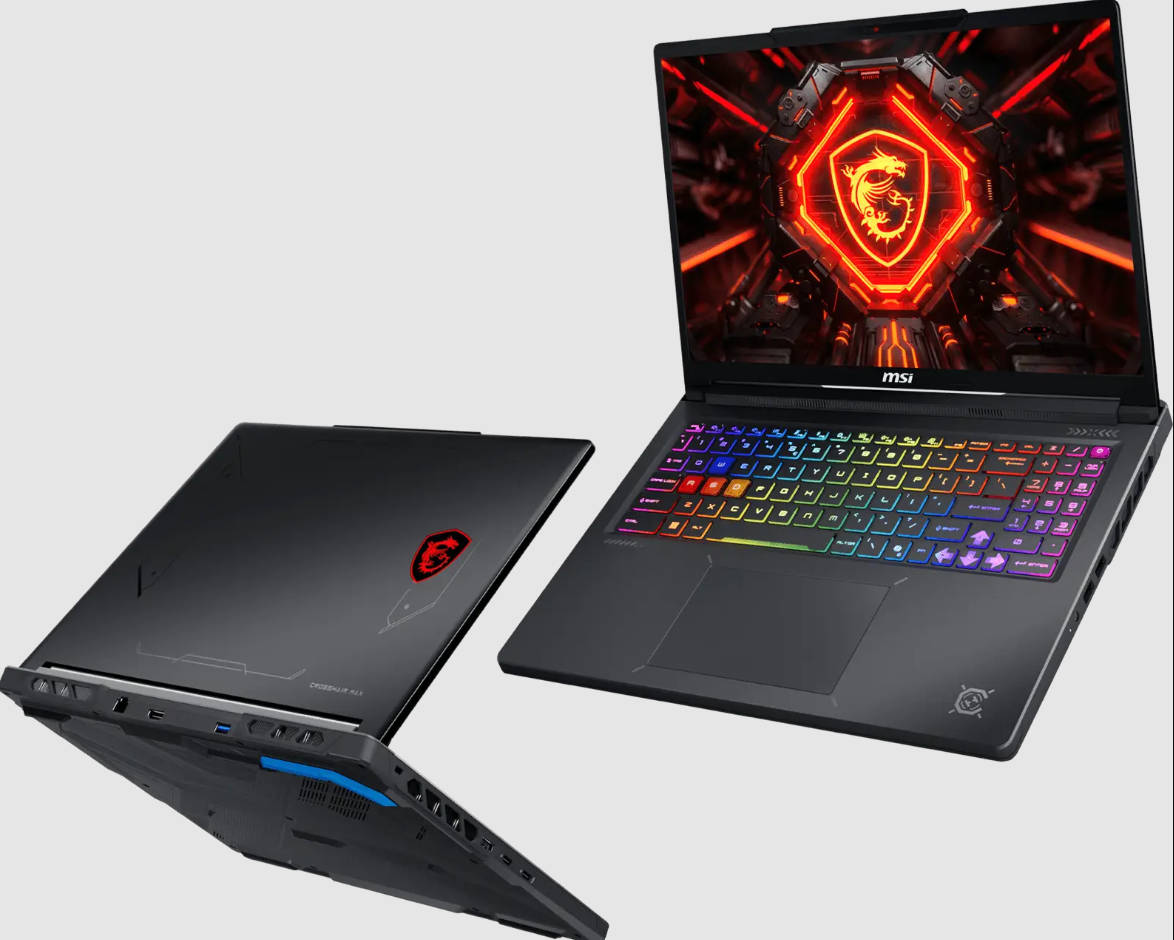
The MSI Crosshair 16 HX sits in an interesting position in MSI’s 2026 gaming lineup. It is the machine for mainstream gamers who want more than the Katana but do not need the flagship Raider or Titan hardware.
The 2026 Crosshair 16 has been made substantially thinner at 21.9 mm, which MSI says represents a 14.3 percent reduction from the previous generation, while delivering up to 200W of combined CPU and GPU power, a 17.6 percent improvement. The standard Crosshair 16 HX uses Intel Core i9-14900HX and Core i7-14650HX processors paired with RTX 5070, 5060, or 5050 Laptop GPU options, all with 8GB GDDR7. The display on the standard Crosshair 16 HX is a 2.5K 240Hz IPS-level panel. Cooling comes from MSI’s Cooler Boost system with dual fans, five heat pipes, and four exhaust vents. An 80Wh battery is standard across the Crosshair 16 range.
The more premium Crosshair 16 Max steps up to Intel Core Ultra 200HX Plus processors and an RTX 5070 GPU, with a 2.5K 165Hz OLED panel instead of IPS. Ports on both models include three USB-A, two USB-C (one Thunderbolt 4 on the Max), HDMI, and Ethernet. For the Indian market, MSI India confirmed that Computex 2026 products will reach India, with pricing and dates to follow through official channels.