While we are not sure how long this will remain the case given the constant rise in smartphone prices, the Rs 70,000 to Rs 1,00,000 price segment continues to represent the flagship category. You may not get every cutting-edge feature or the complete set of bells and whistles reserved for ultra-premium smartphones, but devices in this price range deliver an experience that comes remarkably close. You get features such as top-notch performance, long-lasting software support, promising cameras, and on-device AI processing, among other things, across all smartphones available in the segment, be it from Samsung, Apple, Xiaomi, Vivo, OPPO, OnePlus, or iQOO.
We have compiled a list of the best phones under Rs 1 lakh. Every recommendation is based on our in-house testing methodology, which includes performance benchmarks, battery and charging tests, display evaluation, real-world usage, and camera comparisons against competing devices. Since each smartphone excels in different areas, we have highlighted its key strengths to help you find the one that best matches your priorities.
The Samsung Galaxy S26+ offers the most well-rounded experience, striking the best balance between performance, cameras, battery life, and overall usability. The OPPO Find X9, meanwhile, stands out with its exceptional camera system, making it the ideal choice for photography enthusiasts. The OnePlus 15 and iQOO 15 deliver largely similar performance, but the OnePlus edges ahead with its superior battery life, making it the better option for power users.
The iQOO 15 is a valuable pick for performance enthusiasts, pairing flagship-grade speed with one of the best displays in its segment. The iPhone 17 continues to be a strong value proposition. While it may not lead the pack in every department, it can still be relied upon for its all-round performance, long-term software support, and excellent resale value. The Vivo X300 FE is arguably one of the best compact Android flagships under Rs 1 lakh.
Table of Contents
Winners at a glance
| Category | Winner | Price |
| Best overall | Samsung Galaxy S26 Plus | Rs 94,999 |
| Best cameras | OPPO Find X9 | Rs 84,999 |
| Best performance | iQOO 15 | Rs 85,999 |
| Best battery | OnePlus 15 | Rs 85,999 |
| Best value for money | iPhone 17 | Rs 82,900 |
| Best compact flagship | Vivo X300 FE | Rs 84,999 |
*Prices and models as of August 6th, 2026
Samsung Galaxy S26 Plus – Best overall
Price: Rs 94,999
Why we chose it

Although launched at over Rs 1 lakh, the Samsung Galaxy S26+ (review) is the best overall smartphone in its segment at its current discounted price. The handset delivers nearly everything most users want, including flagship performance powered by the in-house Exynos 2600 SoC. It also boasts a premium build quality and Samsung’s polished One UI software, complete with a host of AI-powered features. Adding to its value, Samsung promises seven years of Android OS and security updates, ensuring long-term software support.
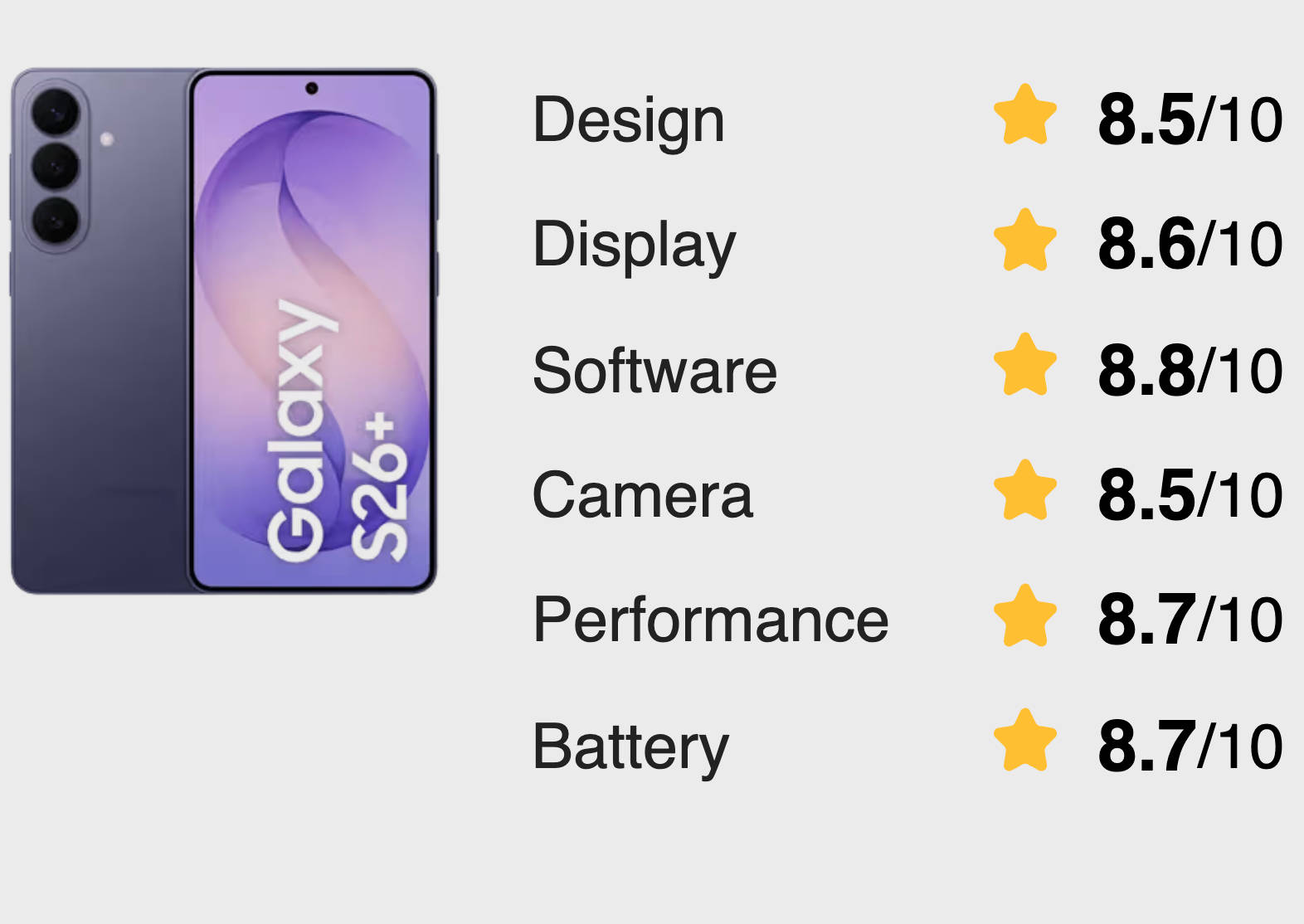
Furthermore, the smartphone features a QHD+ Dynamic AMOLED display with a dynamic 120Hz refresh rate, delivering an exceptional viewing experience that’s hard to match at its current price. While rivals may edge ahead in areas such as cameras or battery life, very few offer such a well-balanced package with so few compromises. Unless you specifically need a more advanced camera system or niche flagship features, the Galaxy S26+ offers the best overall value for money.
| Pros | Cons |
| Premium build | Thermal efficiency could have been better |
| Reliable flagship performance | No charger in the box |
| Excellent AMOLED display | |
| Polished UI and useful AI features |
Key specs
- 6.7-inch Dynamic AMOLED QHD+ display, 120Hz refresh rate
- Exynos 2600 SoC
- 50MP + 12MP + 10MP rear cameras
- 12MP front camera
- 4,900mAh battery, 45W fast wired and 20W wireless charging
OPPO Find X9 – Best cameras
Price: Rs 84,999
Why we chose it
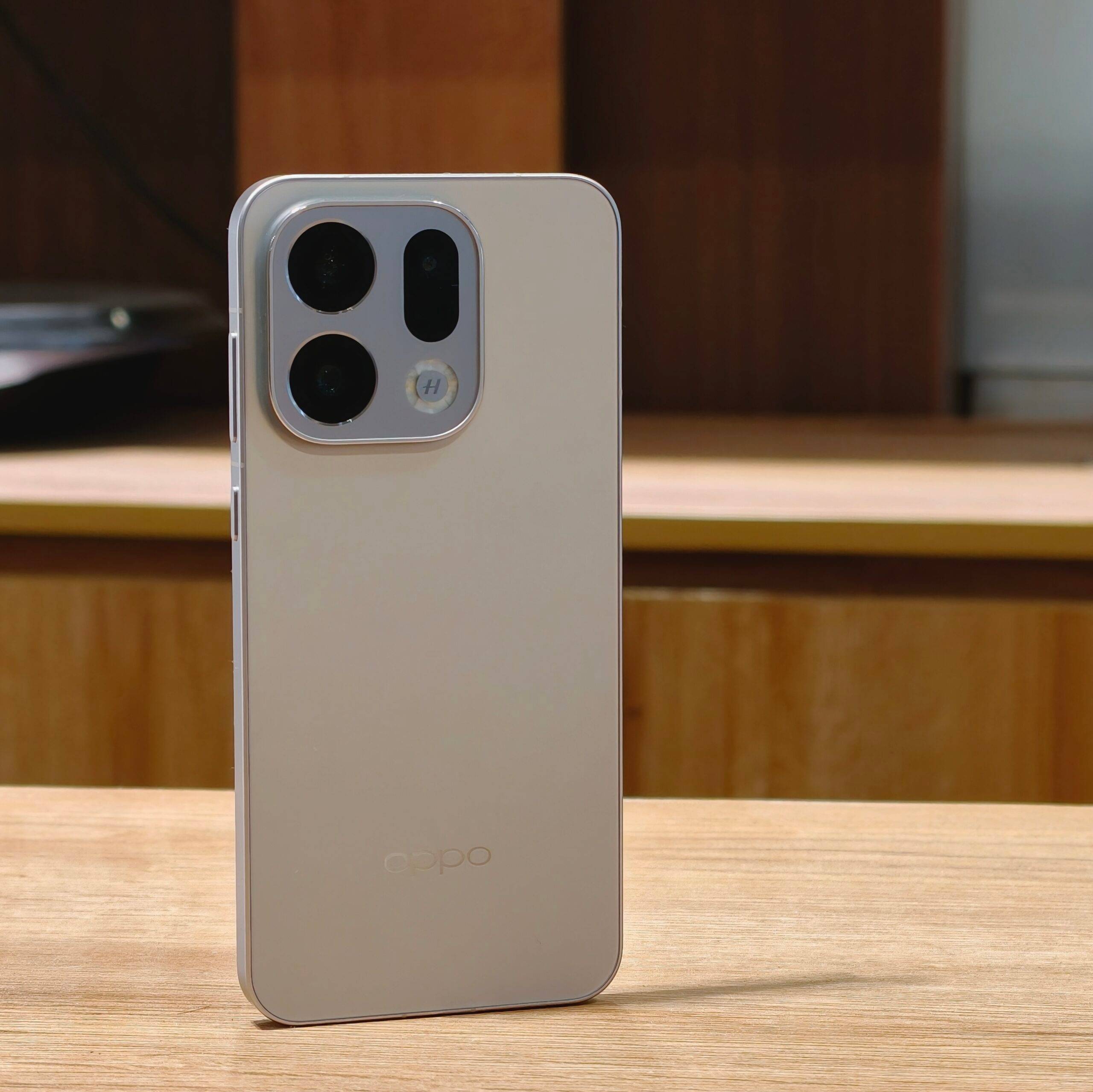
The OPPO Find X9 (review) offers several flagship-grade features, but it has a lot going for its cameras. Backed by Hasselblad, the handset packs a reliable and versatile imaging system, comprising a 50MP selfie, primary, ultrawide, and 3x telephoto lens. The setup consistently captures impressive photos across daylight, portraits, zoom, and low-light scenarios.



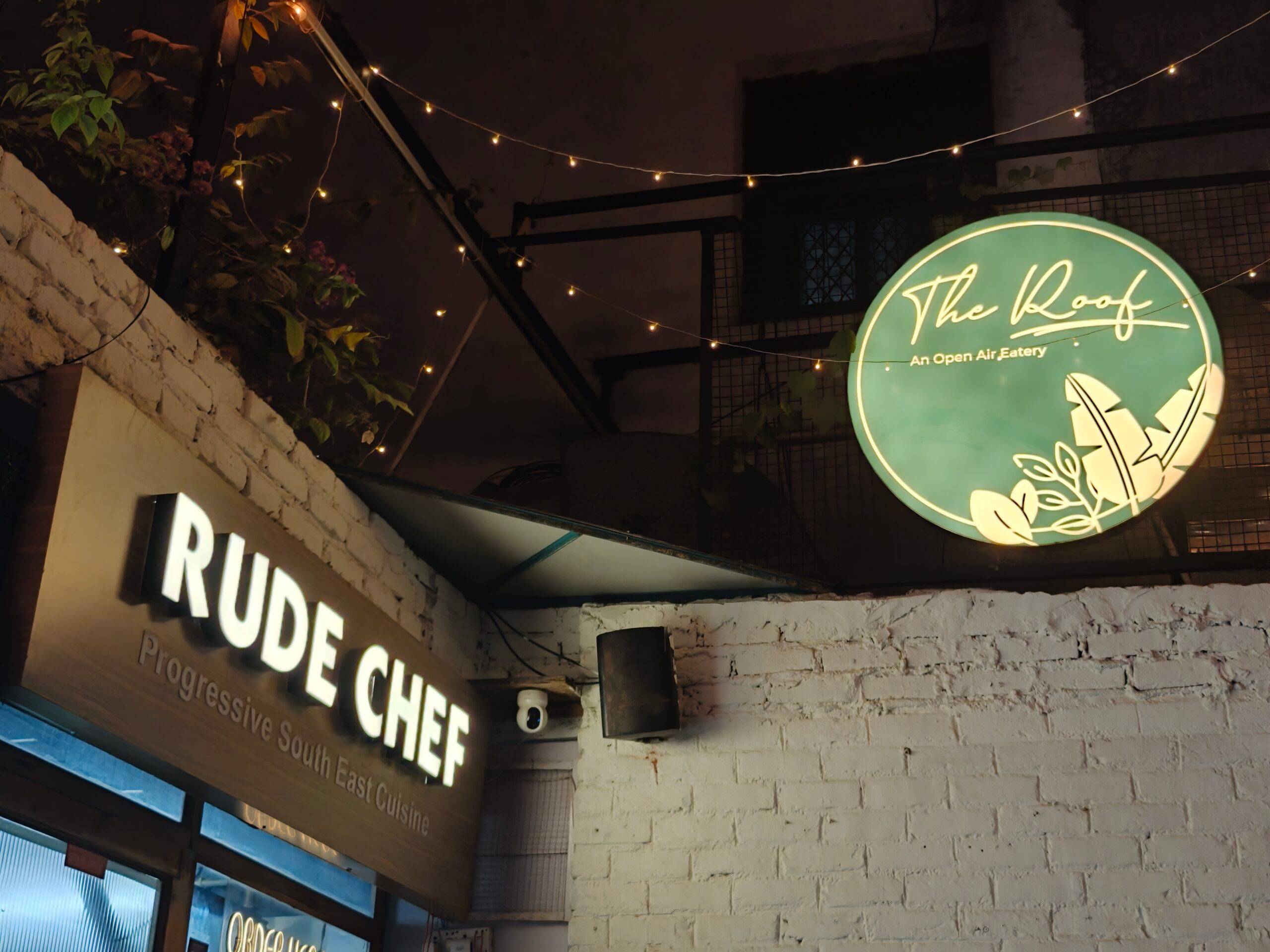









Beyond the hardware, features such as Hasselblad Portrait mode, Master mode with manual controls, XPan mode, and AI-powered editing tools give users greater creative flexibility. While some rivals may excel in specific areas, the Find X9 stands out for delivering a dependable flagship camera experience across virtually every shooting condition.
The handset is also relatively compact and packs several high-end specifications, including a flagship-grade MediaTek Dimensity 9500 SoC. The handset is eligible for five years of major OS and six years of security updates.
| Pros | Cons |
| Reliable, versatile cameras | Battery could have been better |
| Strong performance with good thermals | Inconsistent colours at times |
| Bright vibrant display | |
| Polished software |
Key specs
- 6.59-inch FHD+ AMOLED display, 120Hz refresh rate
- MediaTek Dimensity 9500 SoC
- 50MP + 50MP + 50MP + 2MP rear cameras
- 32MP front camera
- 7,025mAh battery, 80W fast wired and 50W wireless charging
iQOO 15 – Best performance
Price: Rs 85,999
Why we chose it
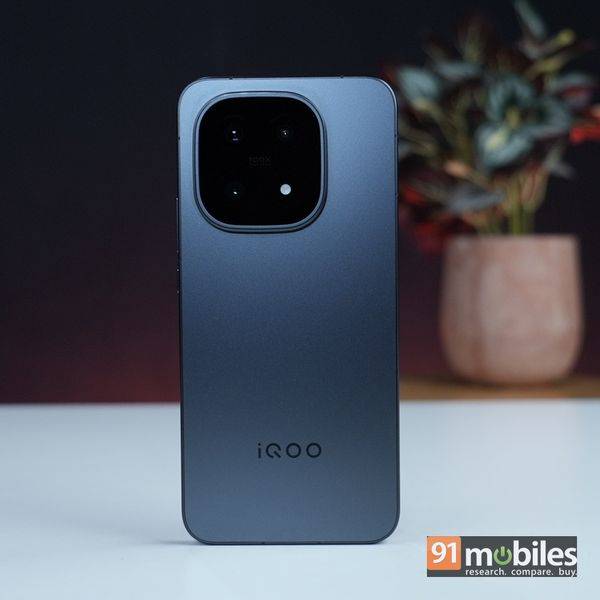
The iQOO 15 (review) is the best performance smartphone not just for its segment, but beyond as well. The handset combines Qualcomm’s flagship Snapdragon 8 Elite Gen 5 SoC with LPDDR5X Ultra RAM, UFS 4.1 storage, and iQOO’s in-house SuperComputing Chip Q3 for an uncompromising gaming experience. Furthermore, an expansive 8,000mm2 vapour chamber cooling system keeps temperatures in check, allowing the phone to sustain peak performance even during extended gaming sessions or intensive workloads.





The iQOO 15’s benchmark results back our claim. The handset achieved the highest AnTuTu score among all the smartphones featured in this article during our internal testing. Furthermore, it retained significantly more performance under CPU stress than its key rivals and delivered stable gameplay with support for up to 144fps in supported titles.
While prioritising performance, the iQOO 15 leaves out some loose ends, especially with its front-facing camera and AI features. However, power users won’t mind those aspects. You get to enjoy that on Samsung’s flagship M14 2K AMOLED display with a dynamic refresh rate up to 144Hz. The software support on the smartphone is one better than the OPPO Find X9, with six major OS upgrades and seven years of security updates.
| Pros | Cons |
| Sharp, bright, eye-friendly display | Front camera needs refinements |
| Solid performance, excellent thermals | AI features feel basic |
| Cameras offer good exposure | |
| Good everyday battery life |
Key specs
- 6.59-inch LTPO 2K AMOLED display, 144Hz refresh rate
- Snapdragon 8 Elite Gen 5 SoC
- 50MP + 50MP + 50MP triple cameras
- 32MP front camera
- 7,000mAh battery, 100W fast wired and 40W wireless charging
OnePlus 15 – Best battery
Price: Rs 85,999
Why we chose it
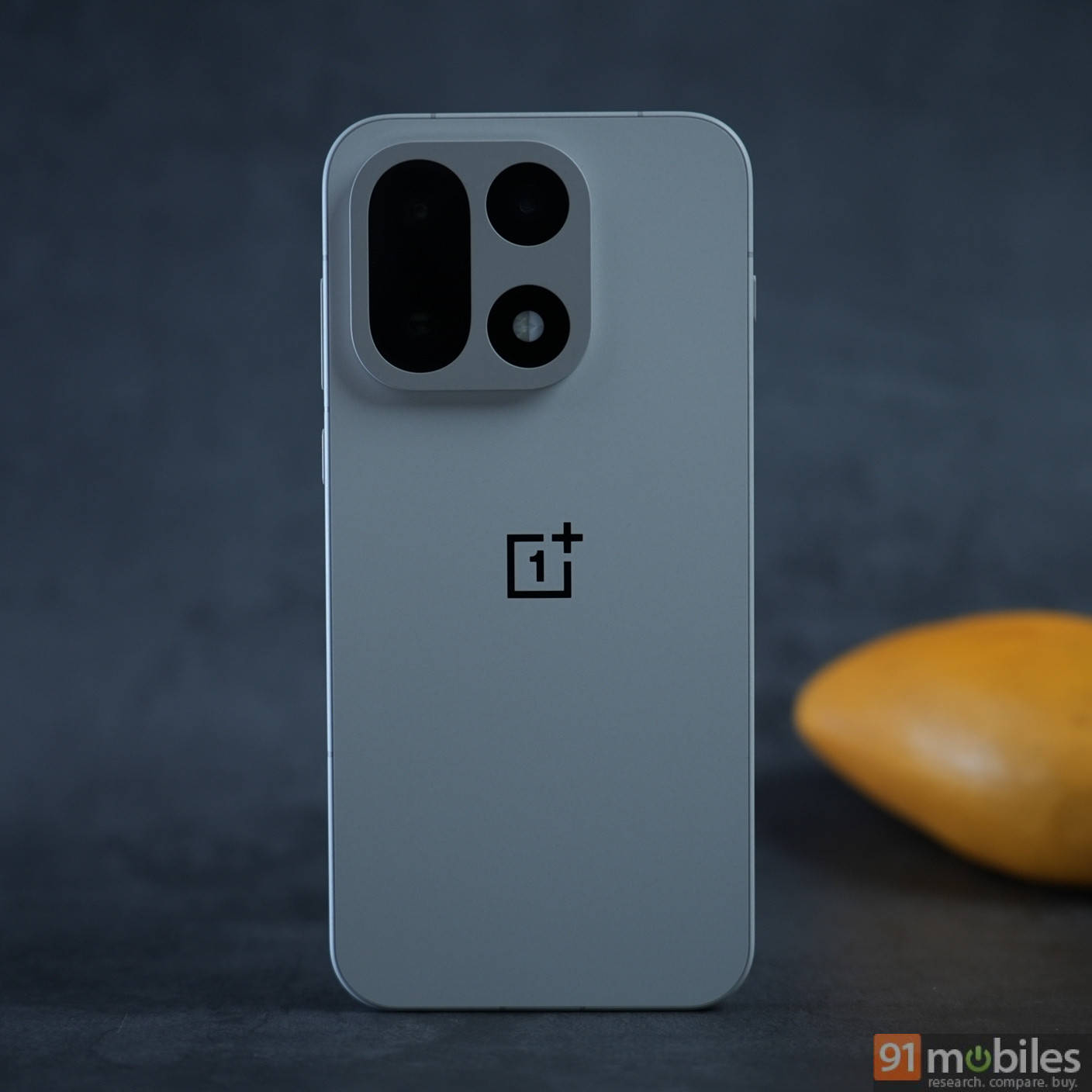
The OnePlus 15 (review) may not feature a sharp 2K AMOLED display, but it matches the iQOO 15 when it comes to performance. Powered by Qualcomm’s Snapdragon 8 Elite Gen 5 SoC, paired with LPDDR5X Ultra RAM, UFS 4.1 storage, and an advanced thermal cooling system, the handset handles demanding workloads and gaming with ease. What gives it an edge is its massive 7,300mAh battery, which delivers outstanding endurance without compromising on performance, making the OnePlus 15 an excellent choice for power users who value both speed and battery life.
The OnePlus 15 leads the segment in our PCMark battery test, and its impressive endurance translates well to real-world use, easily lasting more than a day on a single charge, even under heavy workloads. The endurance is backed by 120W SuperVooc charging support, topping up that big battery in no time. The compatible charger is provided in the box.
Other highlights of the smartphone include polished and smooth OxygenOS 16, impressive durability, and 4+6 years of software updates.
| Pros | Cons |
| Stellar performance, especially while gaming | Downgraded display resolution |
| Improved design & durability | Cameras need improvement |
| Excellent battery life and fast charging | |
| OxygenOS 16 is polished and smooth |
Key specs
- 6.78-inch LTPO FHD+ AMOLED display, 165Hz refresh rate
- Snapdragon 8 Elite Gen 5 SoC
- 50MP + 50MP + 50MP triple cameras
- 32MP front camera
- 7,300mAh battery, 120W fast wired and 50W wireless charging
iPhone 17 – Best value for money
Price: Rs 82,900
Why we chose it
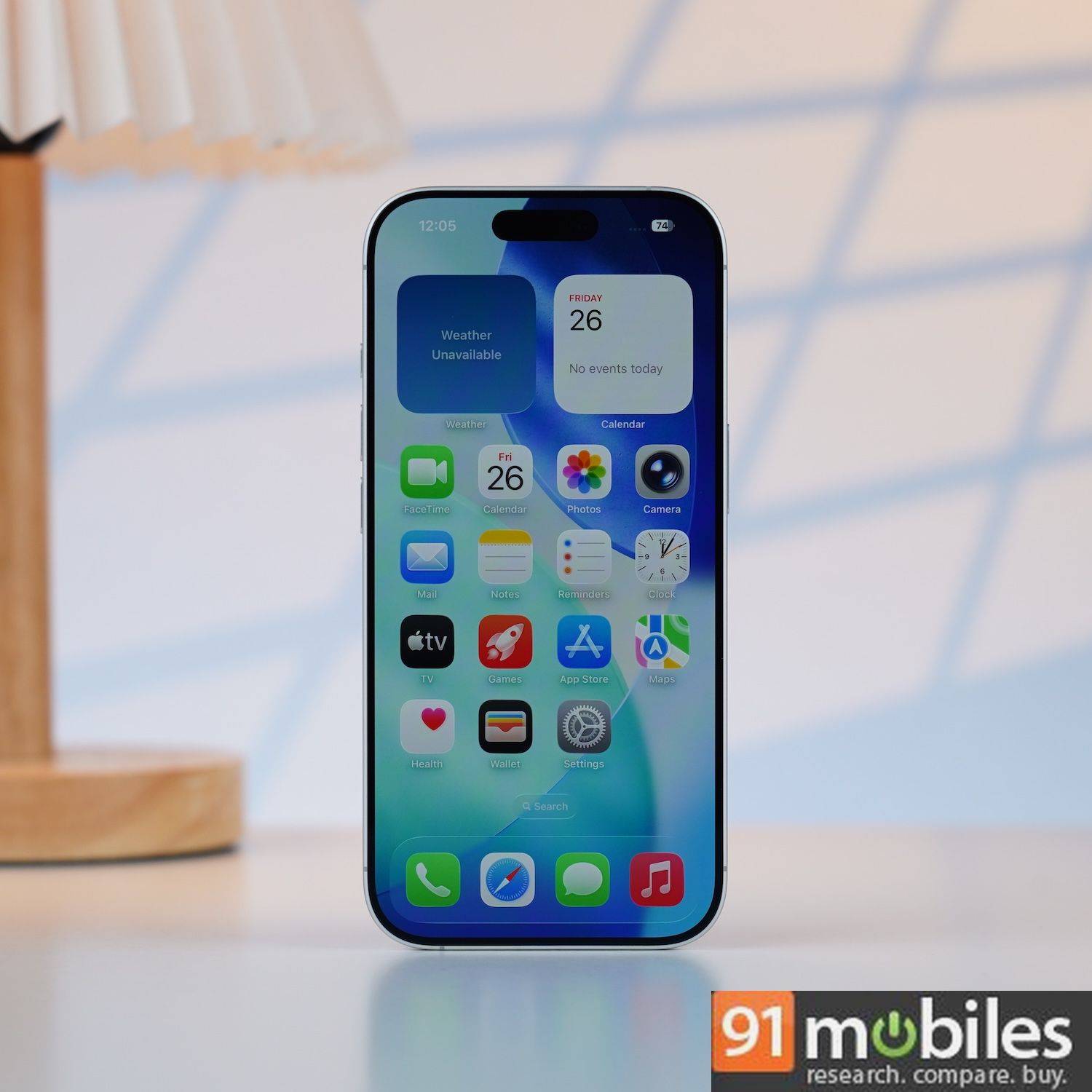
Even though it misses out on a dedicated telephoto camera, ultra-fast charging, and the class-leading hardware offered by similarly priced Android rivals, the iPhone 17 (review) remains one of the best value-for-money smartphones in its segment. This could be attributed to its upgrades such as a high-refresh-rate display, excellent battery life, an improved selfie camera, and the A19 chip, which delivers fast yet efficient performance. These enhancements make the iPhone 17 the most compelling option in Apple’s current flagship lineup.

Beyond its excellent performance, the iPhone 17 also benefits from long-term software support and Apple’s tightly integrated ecosystem, ensuring a seamless user experience for years to come. The handset also boasts one of the strongest resale values in the smartphone market. Unlike most Android flagships, iPhones tend to retain their value better over time, allowing buyers to recover a significant portion of their investment when upgrading to a newer model.
| Pros | Cons |
| Smooth and responsive 120Hz display | Battery life could have been better |
| Consistent dual rear cameras | Lens flare in low light |
| Upgraded 18MP front camera | |
| Strong, efficient performance |
Key specs
- 6.3-inch Super Retina XDR OLED display, 120Hz
- A19 SoC
- 48MP + 48MP dual cameras
- 18MP front camera
- 3,692mAh battery, 40W fast wired and 25W wireless charging
Vivo X300 FE – Best compact flagship
Price: Rs 86,999
Why we chose it

If you want a compact Android flagship with a compact design, the Vivo X300 FE (review) remains the best buy in the segment. The handset gets most things right, starting with its premium and pocket-friendly design. The handset also sports a vibrant LTPO AMOLED display and is powered by a dependable Snapdragon 8 Gen 5 chipset. Despite being compact, the X300 FE doesn’t compromise on battery life. Its 6,500mAh battery lasts long and is backed by 90W fast wired charging and 40W wireless solutions.
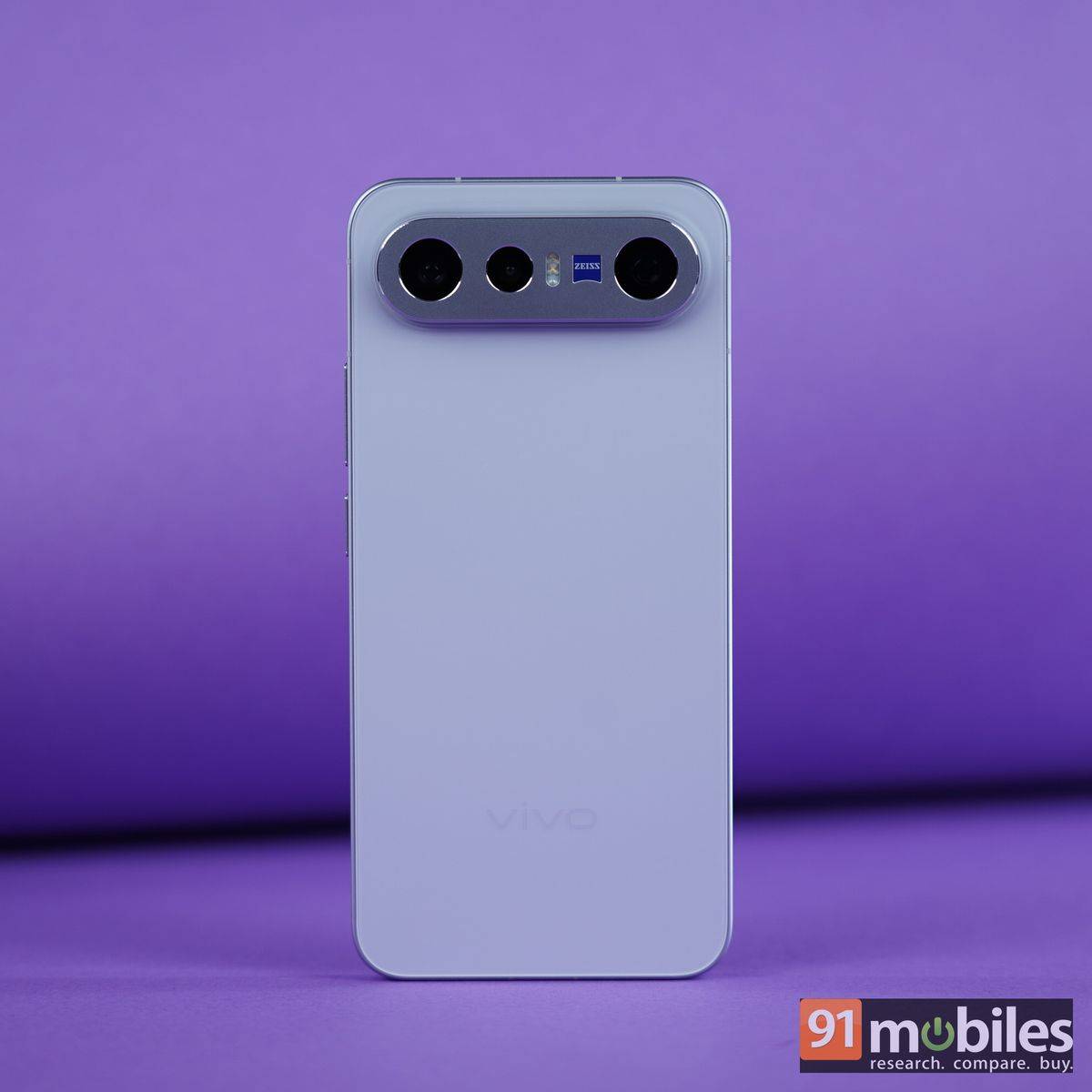
The Vivo X300 FE’s cameras may not be class-leading, but they offer a versatile shooting experience, with the ZEISS-backed lenses consistently delivering impressive portraits and dependable everyday photos. The smartphone also supports an optional Photography Extender Kit for enthusiasts looking to expand its capabilities. There are a few shortcomings, including slightly oversaturated colour processing and the lack of 4K video recording on the ultrawide camera. Even so, the overall camera performance is more than good enough for social media creators and casual photographers alike.
The Vivo X300 FE also delivers polished software, loads of useful AI features, and strong long-term software update commitment.
| Pros | Cons |
| Compact, premium design | Video recording inconsistencies |
| Excellent battery life | Colours can be slightly saturated |
| Reliable performance | |
| Strong portrait photography |
Key specs
- 6.31-inch LTPO 1.5k AMOLED display, 120Hz
- Snapdragon 8 Gen 5 SoC
- 50MP + 8MP + 50MP rear cameras
- 50MP front camera
- 6,500mAh battery, 90W wired and 40W wireless charging
FAQs
Which is the best flagship smartphone under Rs 1 lakh in India?
If you want the most balanced flagship experience, the Samsung Galaxy S26+ is the best overall option. It offers flagship performance, an excellent QHD+ AMOLED display, premium build quality, long-term software support, and a polished software experience with useful AI features. While rivals may outperform the handset in individual categories such as cameras or battery life, it stands out as the best all-round package with minimal compromises.
Which smartphone under Rs 1 lakh has the best camera?
The OPPO Find X9 offers the best camera system in this segment. Its 50MP Hasselblad-tuned quad cameras consistently deliver excellent daylight, portrait, zoom, and low-light photography. The handset also includes creative modes such as Hasselblad Portrait, Master Mode, XPan, and AI-powered editing features.
Which flagship phone offers the best gaming performance?
The iQOO 15 is the strongest performer for gaming. It combines Qualcomm’s Snapdragon 8 Elite Gen 5 chipset with LPDDR5X Ultra RAM, UFS 4.1 storage, a dedicated SuperComputing Chip Q3, and an advanced vapour chamber cooling system. All this helps the smartphone achieve impressive results both in real-world tasks and synthetic benchmark tests such as AnTuTu and Burnout.
Which smartphone has the best battery life under Rs 1 lakh?
The OnePlus 15 delivers the best battery life in this category. Its 7,300mAh battery comfortably lasts more than a day under heavy usage, and the included 120W SuperVOOC charger quickly tops it up.
Is the iPhone 17 worth buying over Android flagships?
The iPhone 17 is an impressive buy for users prioritising long-term software support, consistent performance, Apple’s ecosystem, and strong resale value. However, if you are looking for the best cameras, fast charging speeds, and larger batteries, the Android offerings are worth considering. Several Android flagships in this segment now match the iPhone’s long-term update commitment.
Which flagship smartphone should power users buy?
Power users who prioritise gaming, multitasking, and sustained performance should consider the iQOO 15. Those who want exceptional battery endurance on top of the above aspects should consider the OnePlus 15.
Is Vivo X300 FE the best compact offering under Rs 1 lakh?
The Vivo X300 FE is the strongest choice for Android users looking for a compact flagship. The handset gets the fundamentals right with impressive battery life, excellent portrait photography, and a feature-rich software experience.