Review Summary
Expert Rating
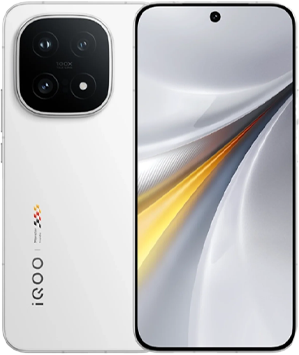
November has quickly shaped up to be the month of flagships in India. In less than two weeks, four premium smartphones have made their debut, starting with the OnePlus 15, followed by the OPPO Find X9 series, the Realme GT 8 Pro (review), and now the iQOO 15. And with the Vivo X300 series set to arrive next week, the competition is only getting fiercer.
In this piece, we focus on the latest arrival, the iQOO 15. It is not just another flagship with Qualcomm’s latest Snapdragon 8 Elite Gen 5 SoC. In fact, it packs some genuinely standout hardware, including Samsung’s debut M14 2K LEAD OLED display and iQOO’s in-house SuperComputing Chip Q3 to deliver smooth 144fps visuals. The handset also boasts India’s largest 8,000mm2 single-layer vapour chamber cooling system, a substantial 7,000mAh battery with 100W fast charging, a triple 50MP camera setup, and more, making it one of the most technically ambitious devices.
Should you invest in the iQOO 15, which is selling at Rs 72,999, or play it safe with the OnePlus 15 (review)? We explore that question in this review.
Table of Contents
Verdict
The iQOO 15 is bold in the areas that matter most – power, display quality, cooling, and battery endurance. While it doesn’t deliver the cleanest software or the most refined front camera experience, the handset remains one of the most performance-forward flagships for this and next year. For those who value capability over styling statements, the iQOO 15 remains a compelling choice.
Powerful performance, impressive thermal management
At the core of the iQOO 15 lies Qualcomm’s latest flagship SoC – Snapdragon 8 Elite Gen 5. This is paired with 12GB/ 16GB of RAM and 256GB/ 512GB storage onboard. We received a 16GB + 512GB variant, which offered LPDDR5X Ultra RAM and UFS 4.1 storage. iQOO has also packed the device with a large 8,000mm2 vapour chamber cooling system to ensure that the device doesn’t heat up and throttle during extensive usage.
To test that, we played BGMI and COD: Mobile for 30 minutes each, and the smartphone heated up by just 0.9 and 4.5 degrees Celsius, respectively. This is lower than the OnePlus 15, which had a cumulative increase of 6.8 degrees in temperature while playing both games in similar environments, settings, and duration. To give you a context, the OnePlus smartphone packs a 5,731mm2 heat dissipation surface.



In our Burnout CPU Throttle test, the advanced cooling system further proved its worth, allowing the iQOO 15 to retain 51.7 percent of its peak performance under sustained load – a clear advantage over the OnePlus 15, which drops to 33.2 percent. This means you don’t need to worry about pushing the iQOO to its limits. By “pushing,” we mean running extended high-end gaming sessions, intensive photo and video editing, and navigation while multitasking.
For regular usage, the Snapdragon 8 Elite Gen 5 SoC is more than powerful enough to mince the meat of everything thrown at it. Its strong AnTuTu and Geekbench scores back this up, and during testing, the phone showed no stutters or slowdowns while I multitasked across several apps. This included browsing Instagram, Twitter, and shopping apps, streaming videos and TV shows, and using maps for navigation with a YouTube video playing in the background.
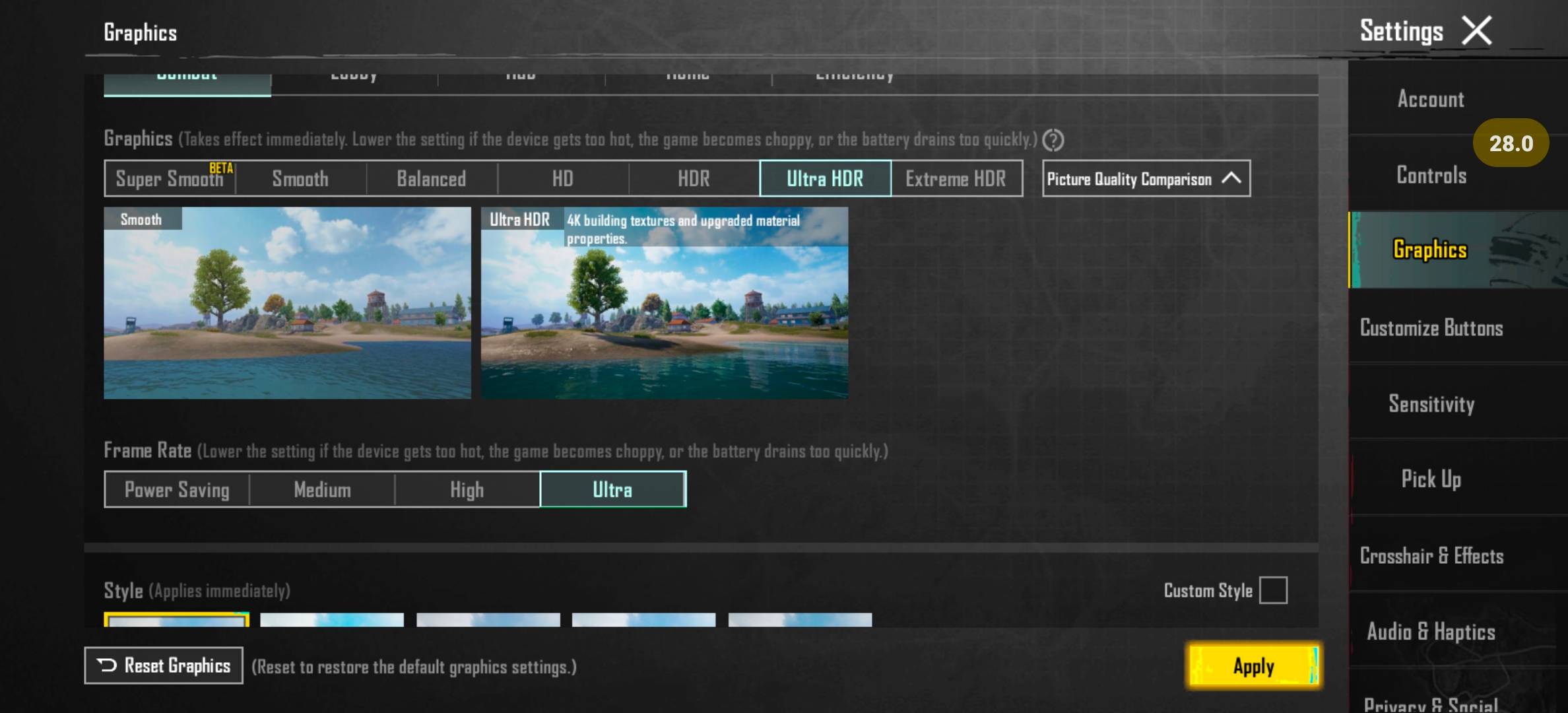
iQOO has equipped the smartphone with its in-house SuperComputing Chip Q3 to elevate the gaming experience. The chip brings hardware-level ray tracing for more realistic visuals, while also enabling gameplay at up to 144fps and support for native 2K resolution. This is limited to select games, including BGMI and COD: Mobile, and ray tracing is currently exclusive to Genshin Impact.
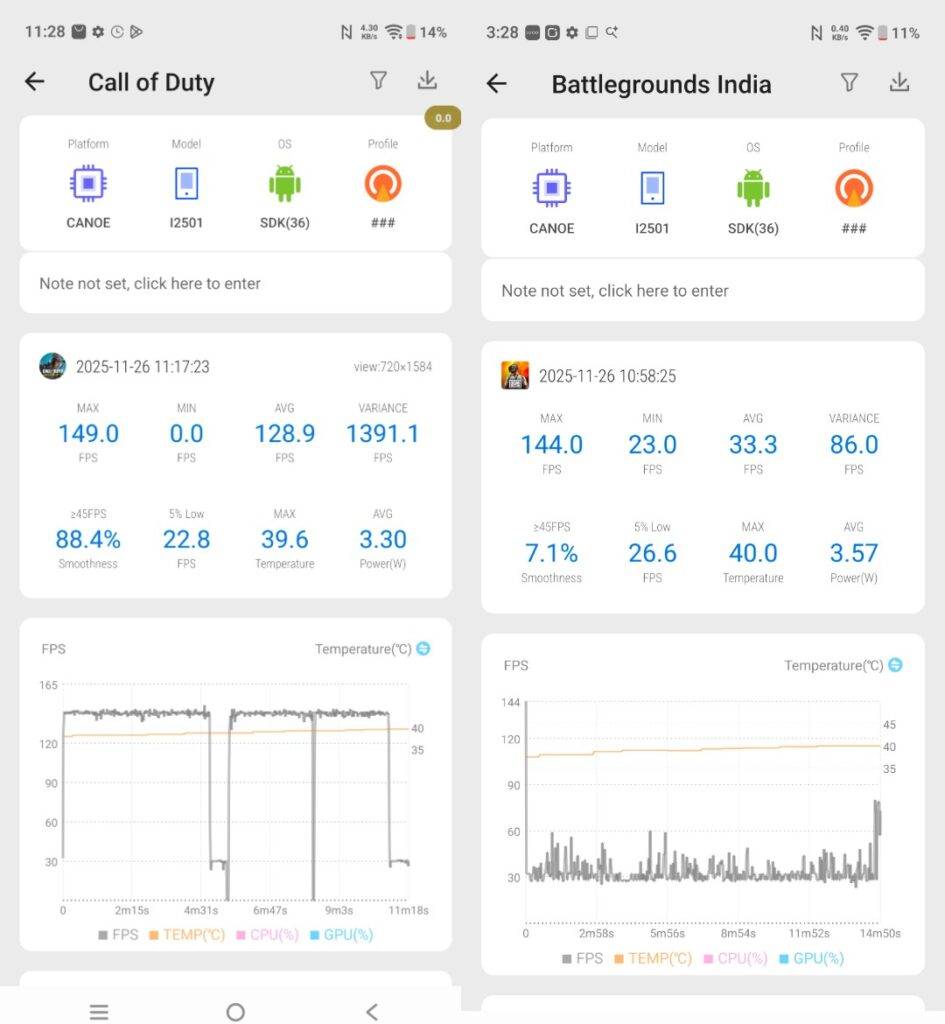
We attempted to play both COD: Mobile and BGMI at 144fps by manually enabling the extreme frame-rate option through the floating window. The experience was smooth and stable on COD: Mobile, which held 144fps without any hiccups. BGMI, however, showed clear signs of limited optimisation. While it briefly reached 144fps, the frame rate dropped sharply to around 40fps the moment we started logging performance using the internal Scene8 tool, and without logging, it generally hovered around 90fps. This wasn’t the case with COD: Mobile.
Quality 2K display, comforting to the eyes
The iQOO 15 sports Samsung’s latest 2K M14 Lead OLED display, which is 6.85 inches tall. iQOO claims that the panel is jointly developed with Samsung, using the new light-emitting materials and non-polarising display technology to enhance clarity, colour accuracy, and eye comfort, outside under the sun. I compared the display directly against the iPhone 16, and it definitely appeared sharper. For reference, the iPhone 17 series also uses Samsung’s M14 OLED panels.
The OLED panel on iQOO 15 also supports a high 2,160Hz PWM dimming rate paired with 1-pulse DC dimming, helping reduce eye strain caused by flickering in low light while maintaining accurate colours.
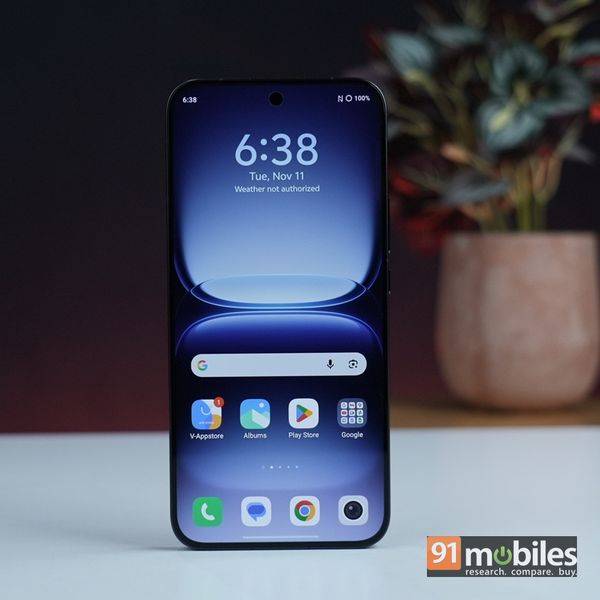
Additionally, the iQOO 15’s display is the first from the brand to receive Dolby Vision certifications. This means the smartphone can display HDR videos with bright highlights, dark shadows, and a wide range of colours. It was indeed the case. I streamed content like Wednesday, Stranger Things, and Final Destination 6, which have plenty of dark visuals and a few bright ones, too, and the iQOO 15 managed the dynamic range impressively, rendering detail and colour with precision throughout. Even the SDR content, like The Family Man on Prime Video with a Lite membership, looked good on the smartphone, offering fairly accurate colours.
The colours can be customised, and the blue filter can be disabled for enhanced comfort from the settings menu. The display also features an anti-reflective film, which is basically the pre-installed screen protector, to minimise glare in bright environments and prevent accidental touches from wet or sweaty fingers.

Since it is an 8T LTPO AMOLED panel, you get a dynamic refresh rate up to 144Hz to ensure smooth graphics and animation while preserving battery. There is no complaint about the legibility of the panel under direct sunlight as well. The handset offers up to 6,000 nits local peak brightness and 2,600 nits on HBM mode. This ensures the content remains visible both indoors and outdoors, with equal crispness and vibrancy. The iQOO 15 comes with Triple Light Sensors, which are rated to improve brightness perception time and distance by over 40 percent.
The stereo speakers on the smartphone remain clear and detailed, especially around the 70–80 percent volume mark. The tuning leans more towards vocals than instruments or bass, making it well-suited for films and gaming. However, if you’re listening to music, you may notice a lack of depth and richness in the overall sound profile.
Battery that goes the distance
The iQOO 15 is powered by a 7,000mAh battery that uses fourth-generation silicone anode technology, enabling a higher capacity without significantly adding to the bulk. On paper, it is slightly smaller than the OnePlus 15’s 7,300mAh unit, and that gap shows in synthetic testing – the OnePlus handset lasts around four hours longer in the PCMark battery benchmark.
In real-world testing, however, the difference is far less noticeable. Both devices consumed just 5 percent during a one-hour YouTube streaming session, and gaming impressions were similar as well, with each phone dropping around 5 percent after 30 minutes of titles such as BGMI, Call of Duty: Mobile, and Real Racing 3. This suggests that, despite the smaller cell, the iQOO 15 is well optimised for day-to-day use.
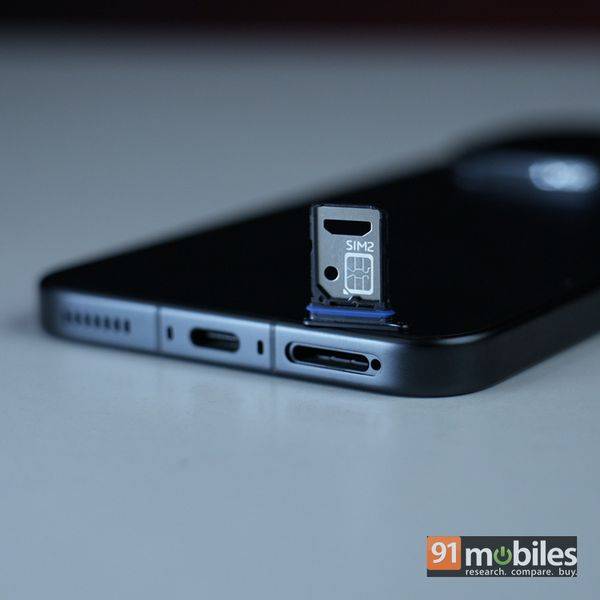
In my daily usage, I was comfortably getting a day’s battery, and then some, between charges. That’s after streaming videos and navigation during my hour-long commute back and forth from work, scrolling through my social media profiles for roughly an hour, browsing, and gaming for a session or two of BGMI. That’s a respectable endurance and should sort out battery anxiety for people who are always on the go.
Moreover, with a 100W FlashCharge wired solution, the iQOO 15 ensures that even if you don’t charge your device overnight and find yourself in a spot of battery running out, a 45-minute top-up is all you need to keep things running. Within an hour, users can fully charge the device from 0 to 100 percent. For added convenience, iQOO has added wireless charging to its flagship for the first time ever. The handset supports a 40W wireless charging solution.
Dependable camera system, with minor shortfalls
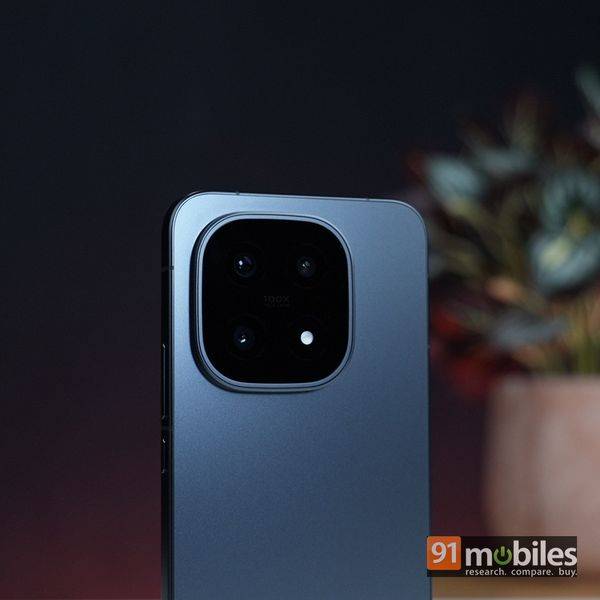
For cameras, iQOO has opted for a triple-camera setup on its newest flagship. While the resolutions might be the same as its predecessor, the iQOO 15 brings back the periscope-style telephoto lens, which we last saw on the iQOO 12. The handset sports a 50MP OIS Sony IMX921 primary sensor, a 50MP ultrawide lens, and a 50MP Sony IMX882 3x periscope telephoto lens. The front camera is a 32MP snapper for selfies and video calling.
The iQOO 15 has introduced a few camera modes, if not all, from its parent company, Vivo’s smartphones. These include Basic Styles with filters such as B&W, Texture, Vivid, and Natural; Personalised Styles for fine-tuning the look of your shots; AI Visual, which can creatively transform the background to reflect different seasons; and Snapshot, designed for capturing fast-moving subjects with better clarity. Swiping up from the bottom of the camera app launches Street Photography Camera, which captures images in different colour styles, including Classic negative, B/W, Positive Film, and more.
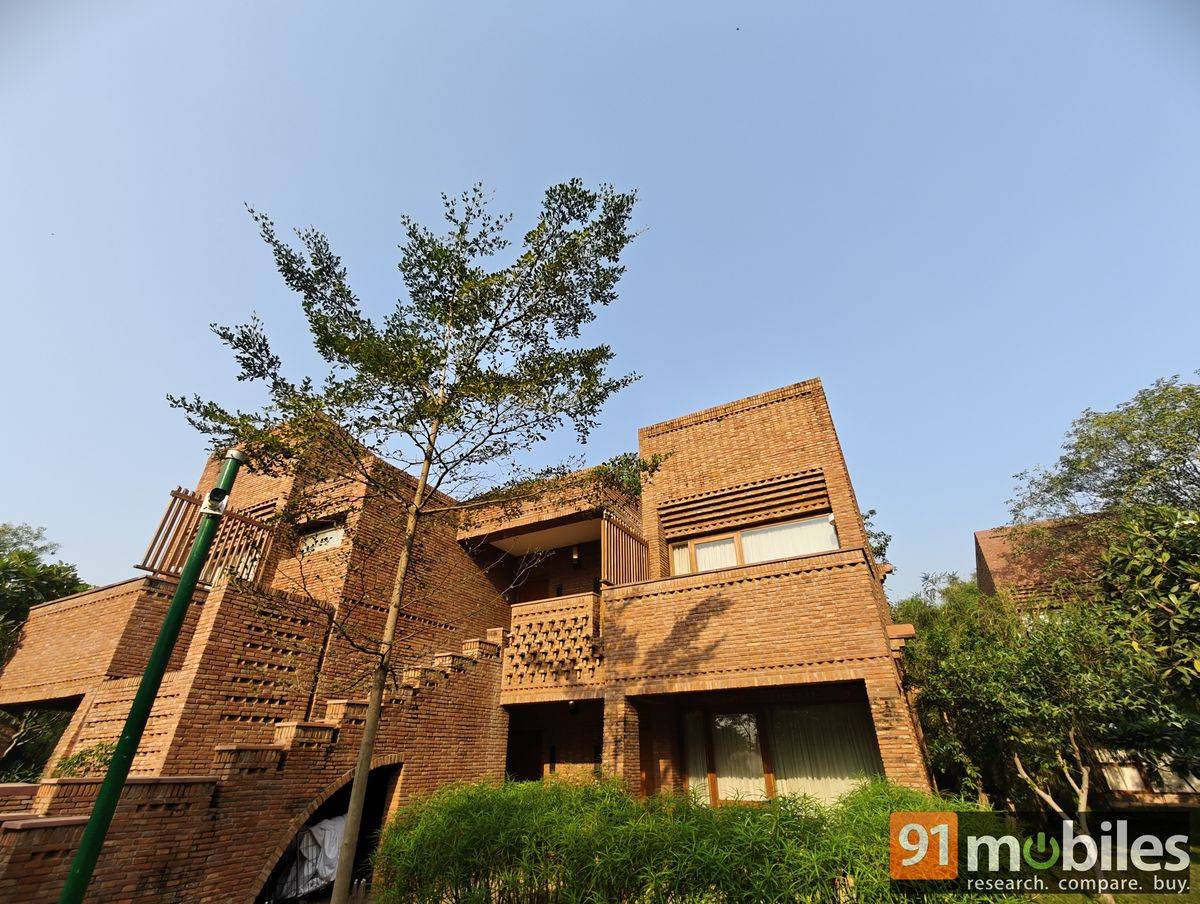
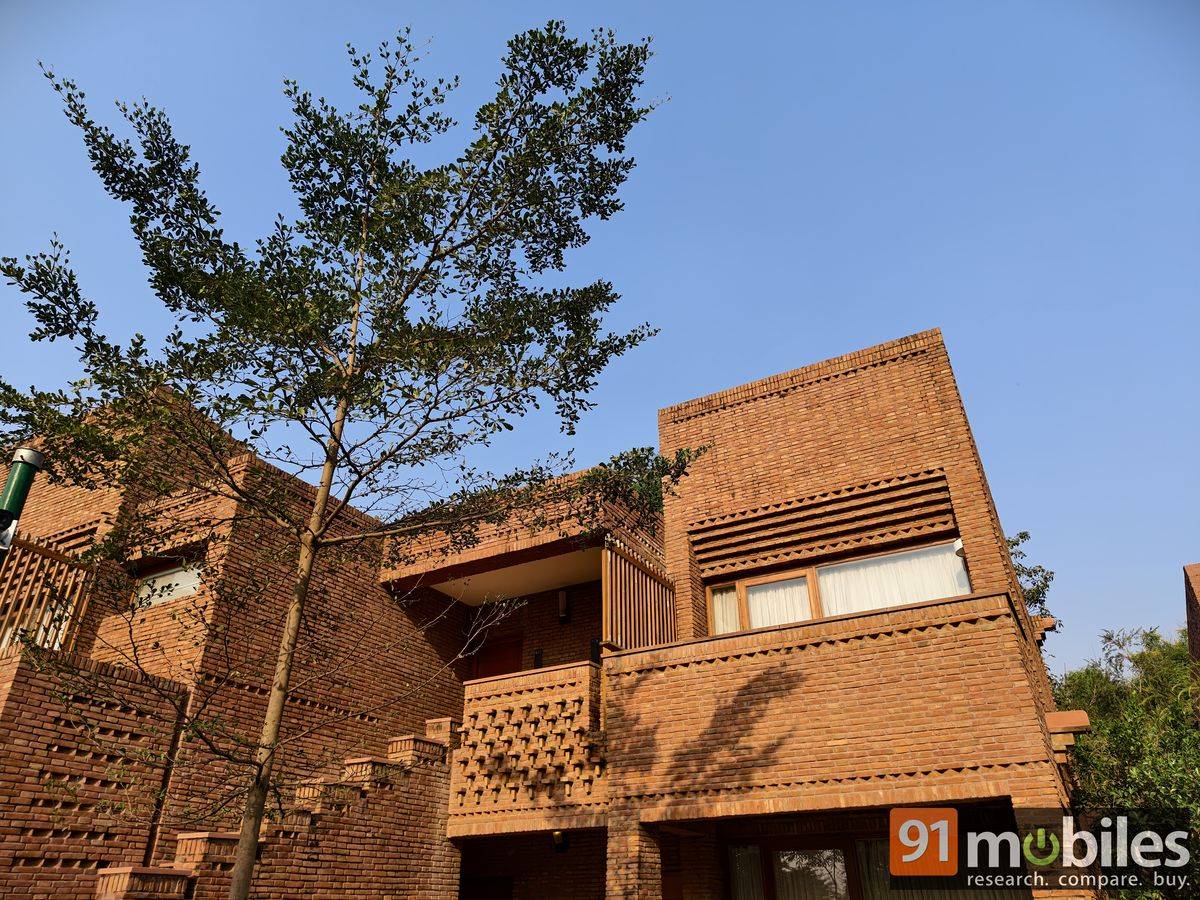
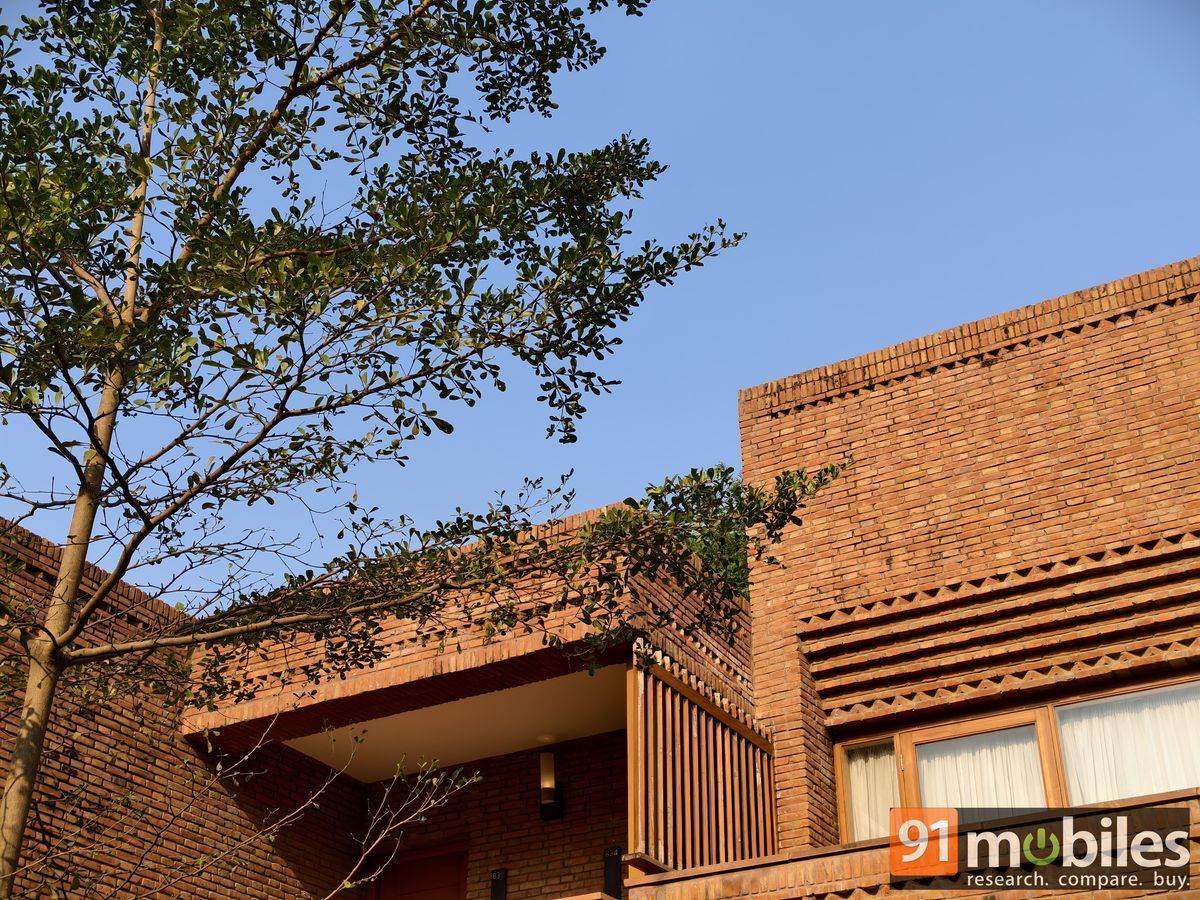
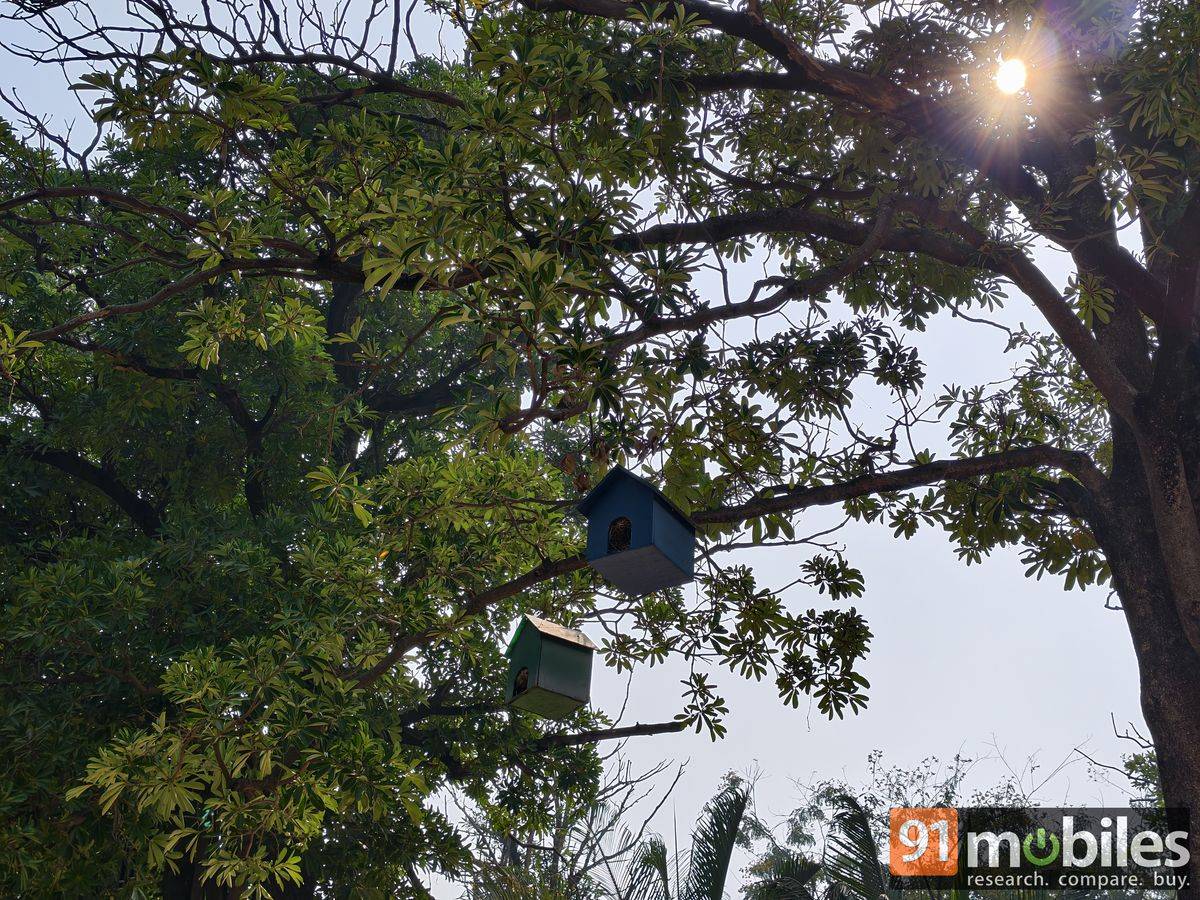
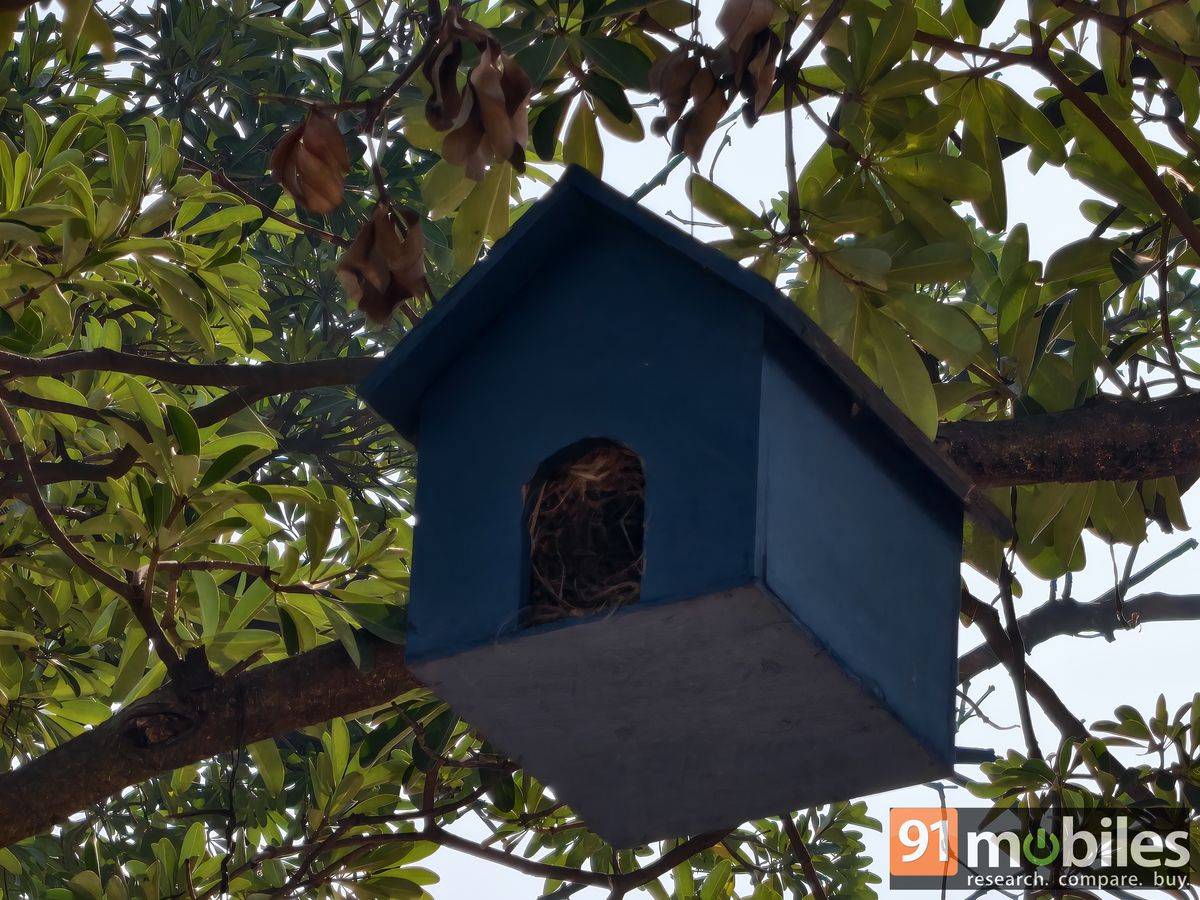






When it comes to image quality, the iQOO 15 tends to boost colours for a more visually appealing result. While fine details may not always be its strongest suit, the phone’s image processing does a commendable job of maintaining good exposure and dynamic range, producing vibrant photos overall. The shadows also seem to be well-preserved, not going overtly aggressive, thereby crushing the details. That said, selfie camera is something that iQOO has to work on. The handset can be seen producing images from its front camera, with soft colours and oversharpened details.








The periscope lens still struggles to reproduce accurate skin tones in portrait shots, though the overall results remain natural rather than overly processed. What stands out is the camera’s ability to lock focus quickly and capture images just as fast in low light as it does in bright conditions, maintaining consistency across its sensors. When it comes to video, the phone supports 8K video recording at 30fps from its primary camera, whereas the front camera supports 4K video with 60fps.
I found the video quality at 4K 30fps to be quite solid, with no noticeable colour shifts or distortion when panning or moving through a scene. Stabilisation from the rear camera is also effective, keeping footage steady and usable for everyday recording. However, the handset lacks a dual-view mode, meaning you currently can’t record from the front and rear cameras at the same time.
To better understand the iQOO 13 camera quality, we compared the results with its closest rival, the OnePlus 15. This is how the smartphone fared.
Daylight


The iQOO 15 tends to produce images with cooler tones, while the OnePlus 15 leans towards the warmer side. Neither delivers perfectly accurate colour, but social media users may prefer the iQOO’s output, as it delivers punchier contrast and brighter exposure, even if finer details aren’t as sharp as what the OnePlus 15 captures.
Ultrawide
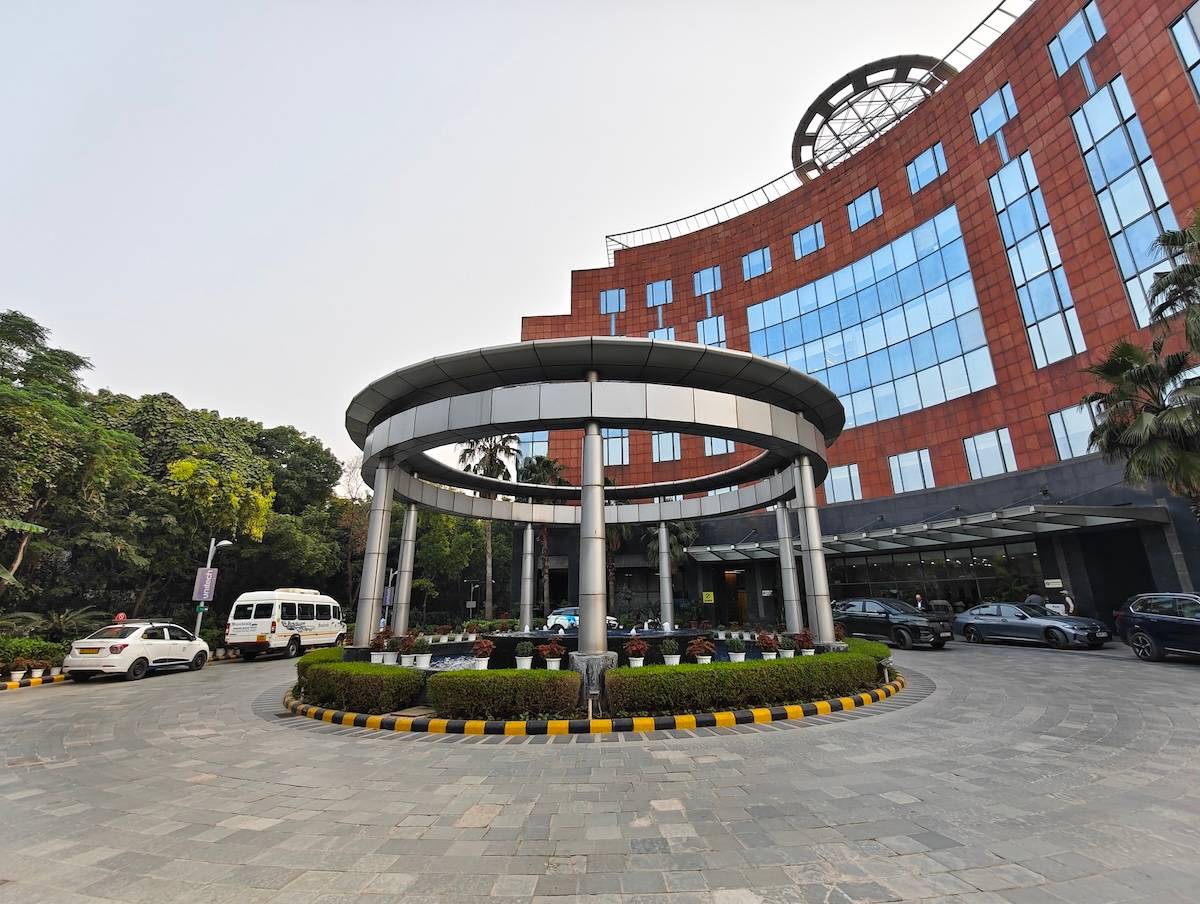
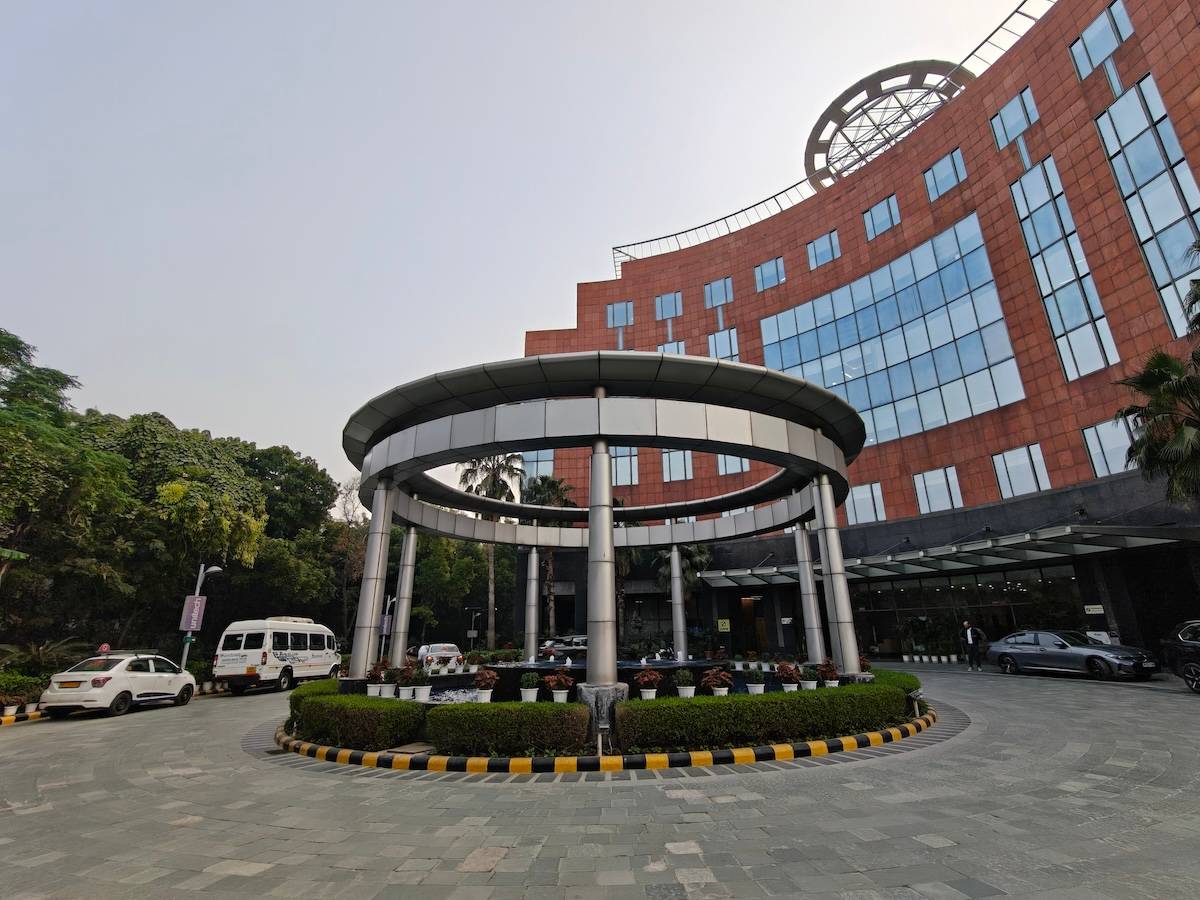
When it comes to the ultrawide camera, iQOO 15 maintains a similar colour science as the primary camera, whereas the OnePlus 15 has a noticeable shift. Once again, the details and sharpness may not be as good as the OnePlus offering, but it compensates with better exposure control and a wider dynamic range.
A clear example can be seen in the trees behind the fountain and the car at the front gate – the iQOO 15 preserves finer elements such as the branches and tyre rims, whereas the OnePlus 15 introduces distortion and visible noise in comparison.
Portraits (3x)


The portraits taken with the telephoto lenses on both phones look slightly washed out on the iQOO 15, with skin tones and colours appearing a touch too bright. However, it still outperforms the OnePlus 15 by delivering stronger detail and clarity (largely due to more aggressive sharpening), cleaner edge detection, and a more natural-looking bokeh effect.
Selfie


A similar observation can be made for the front cameras of the respective smartphones. The OnePlus 15 adds a reddish tone to the images, but still keeps the selfies close to reality. The iQOO 15, on the contrary, can be seen adding details artificially, a bit too aggressively than its portraits.
Low light (night mode)
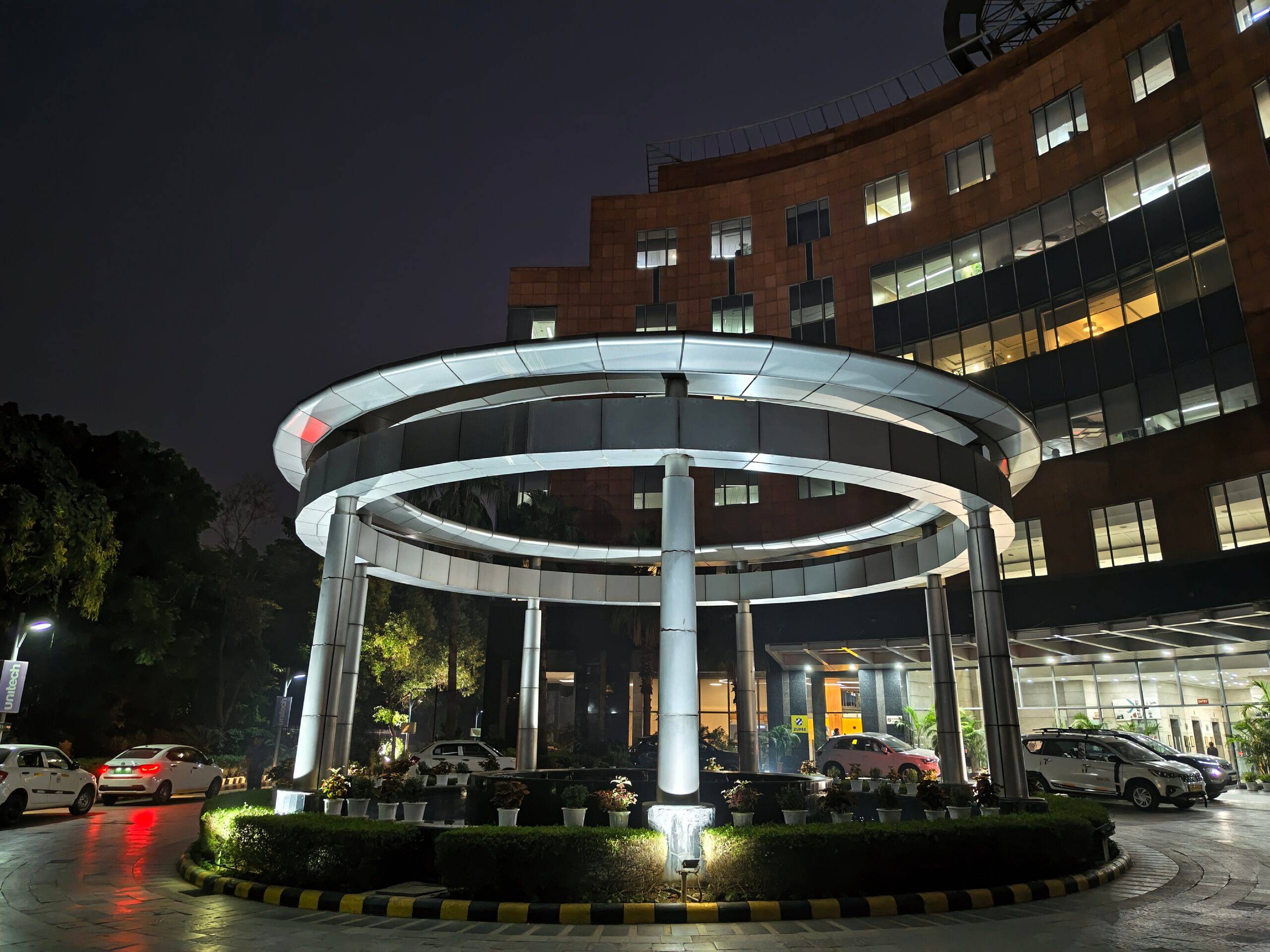
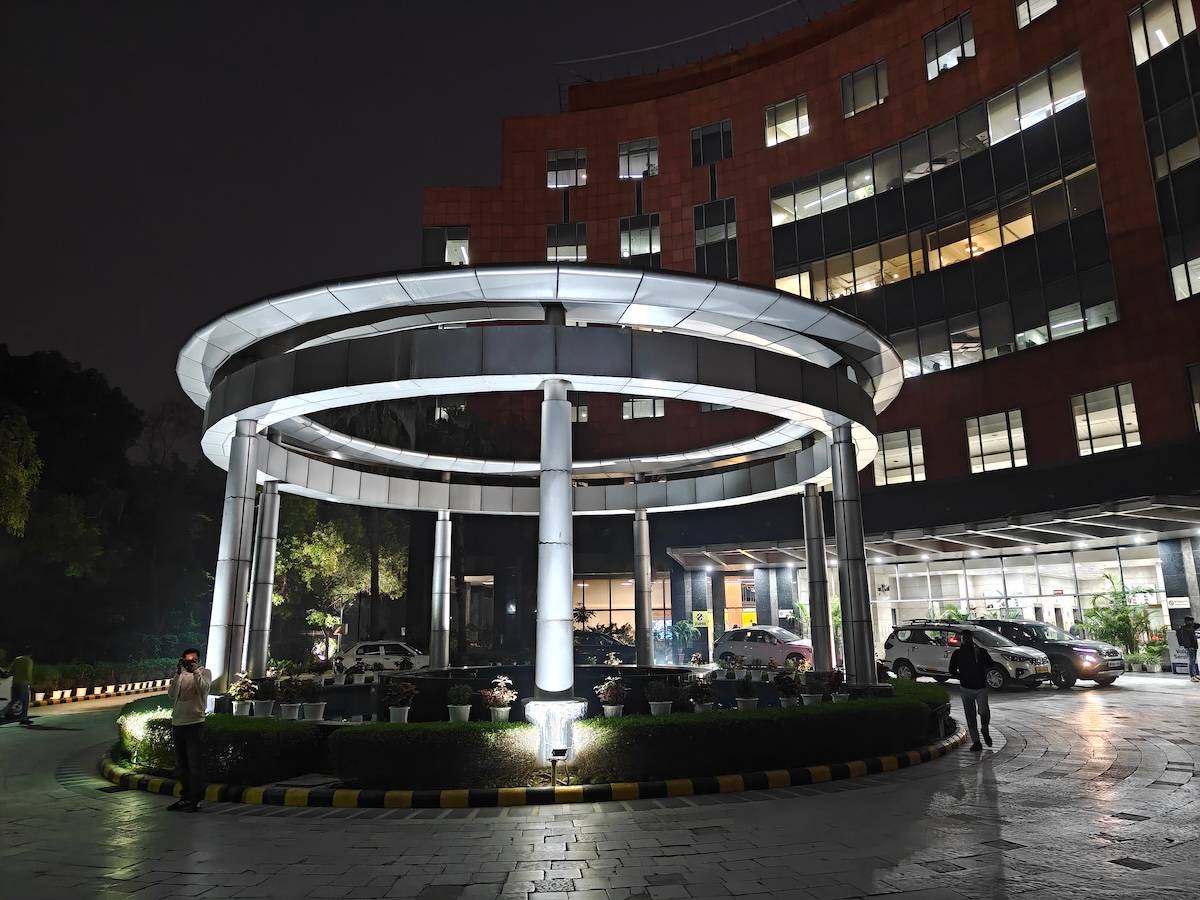
In low light, the iQOO 15 delivers better exposure and manages light flares more effectively than its rival. The shots also look a touch more realistic, with sky colours rendered more accurately. However, it struggles to keep noise in check as efficiently as the OnePlus 15, which also pulls ahead in overall detail.
Refined design, improved durability
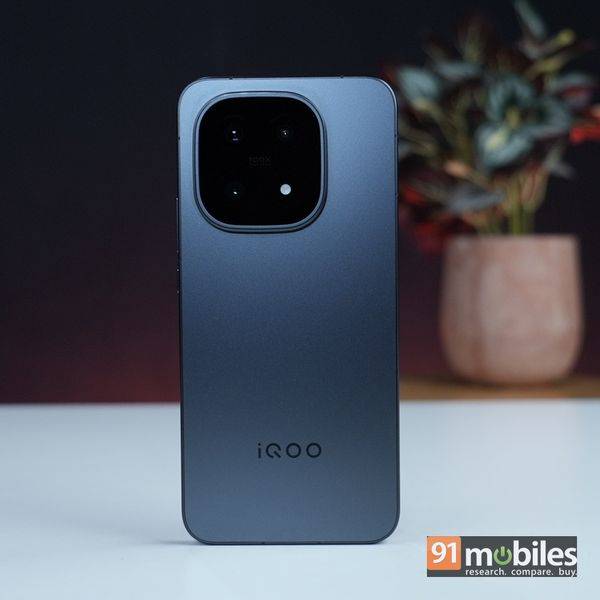
The iQOO 15 retains the familiar design language of its predecessor but introduces subtle refinements. The frame and rear panel are now flatter, offering a more secure and comfortable grip, even though the overall size and weight remain largely unchanged. The Monster Halo light has also been redesigned and now sits discreetly beneath the camera module, and only comes to life when there’s an incoming call, notification, or while charging. It can be customised through the Settings app, allowing users to change colours, adjust blinking patterns, schedule, and assign different lighting effects to specific actions.
This seems beneficial for users who like a more playful design and want to stay updated on all the alerts, even when their phone is on silent and face down. However, it can make a small dent, if not a major one, in the phone’s battery when used extensively.
The iQOO 15 comes in two colour variants: Legend and Alpha Black. Our review unit is the Legend variant, which features a clean white finish complemented by metallic silver accents along the edges. Just above the iQOO branding sits a small tri-colour racing flag motif, which could be symbolic of the phone’s performance-driven character. While both variants share the same 8.17mm thickness, the Legend model is slightly heavier at 220 grams – around 4 grams more than the Alpha Black. This is likely due to its glass back, which has a smooth and premium feel but adds a bit of extra weight compared to the fibreglass panel used on the darker model.
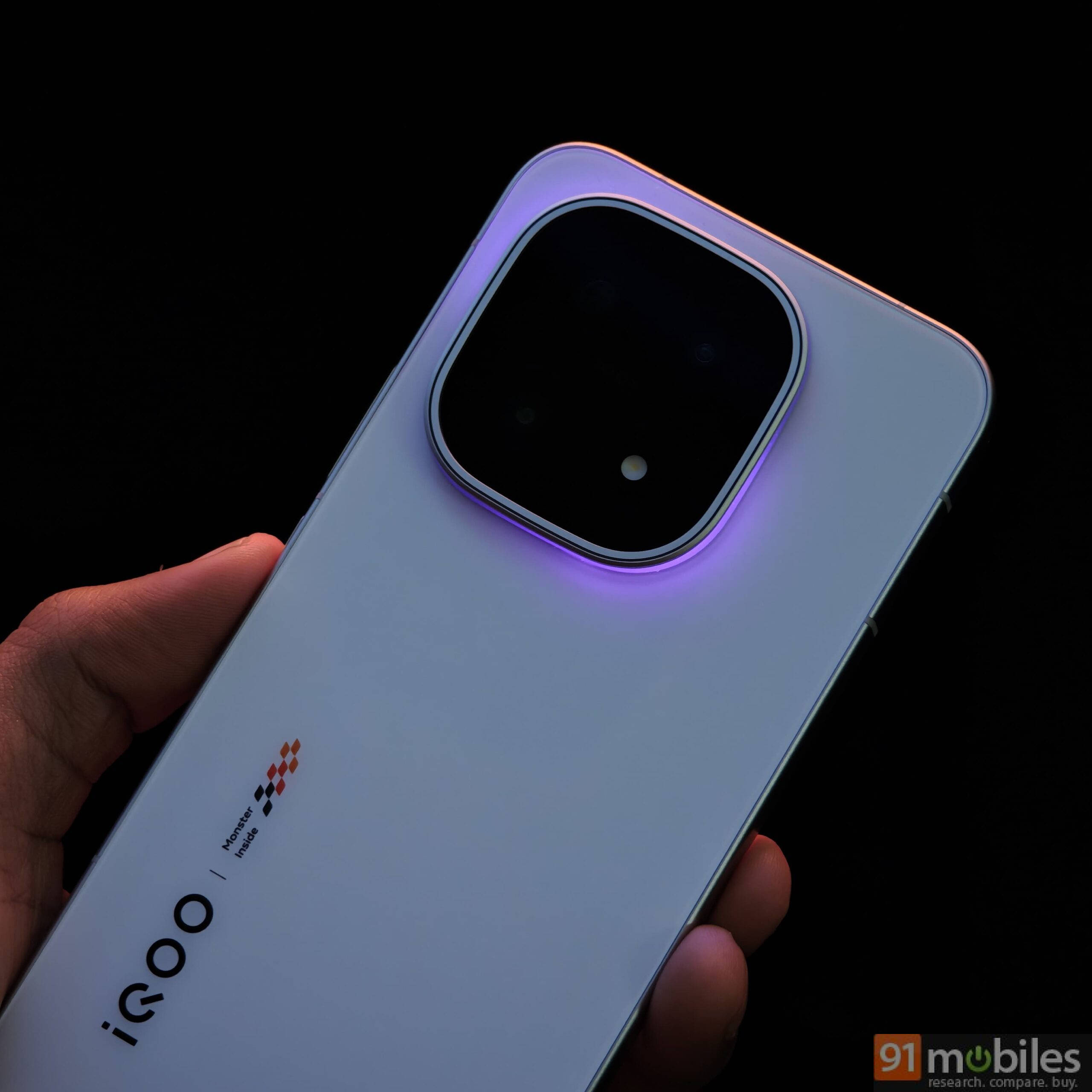
The company has also improved durability with both IP69 and IP68 ratings, allowing the iQOO 15 to withstand high-pressure, high-temperature water jets from any direction. While the build is solid and well-executed, I personally would have liked to see a bolder design shift. Compared to the fresher aesthetics of the OnePlus 15 or Realme GT 8 Pro, the iQOO 15 feels more familiar and less adventurous. That said, design is subjective, and in most cases, covered by a protective case anyway. If the look of the phone isn’t your top priority, the iQOO 15 delivers everything you’d expect in terms of build and durability.
Global and customisable software
The iQOO 15 is the first smartphone in India to run OriginOS 6 layered atop Android 16 out of the box. It’s not the cleanest software out there, with 53 pre-installed apps, of which seven are third-party. Hopefully, this is something iQOO could fix in future updates. The handset is promised to receive 5 major OS upgrades and 6 years of security updates.
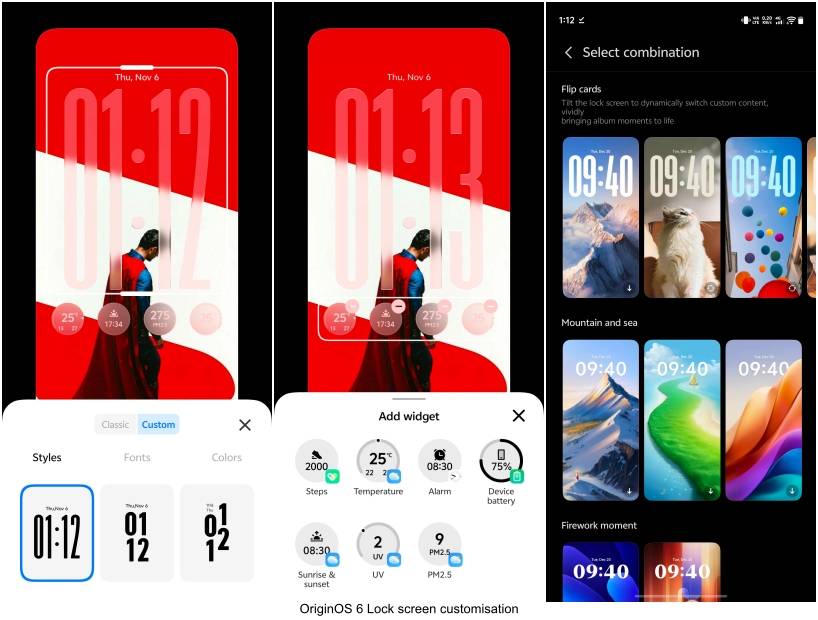
In its current state, the software feels fluid and adds several quality-of-life improvements alongside a wide range of customisation features. Users can now personalise the lock screen with different alarm clock fonts and colour options, support for widgets, and a selection of both static and animated wallpapers. We did a hands-on on OriginOS 6, covering all major features and highlights of the new custom Android skin, which replaces FunTouchOS. Do give it a read.
The iQOO 15 doesn’t push heavily into AI features. Instead, it offers a small set of practical tools aimed at improving photos, including AI Reflection Remover, AI Image Expander, AI Erase, AI Colour Adjustment, and AI UHD. The last of these requires an iQOO account and uses cloud processing to enhance clarity and detail. It works with any image as long as the phone is online, and in most cases, it brightens and sharpens the image to make it look more visually appealing.
In addition to making your images better, the iQOO 15 even enhances usability with AI Captions, AI Call Translation, and more.
Final verdict
The iQOO 15’s Rs 72,999 price tag places it directly alongside the OnePlus 15 and Realme GT 8 Pro, giving buyers three Snapdragon 8 Elite Gen 5 contenders at the same tier. Day-to-day performance is virtually indistinguishable across the trio, and the software experience is similarly familiar thanks to each brand’s customised skin.
Where the iQOO 15 pulls ahead is in stability and longevity. It shows less throttling than the OnePlus 15, likely helped by its larger VC cooling system, and it also offers longer software support. While the OnePlus and Realme models are committed to updates until 2031, the iQOO 15 extends that window through to 2032.
Additionally, the iQOO 15 features a higher-resolution display – the same panel that’s rumoured to appear in the upcoming Samsung Galaxy S26 series. The handset’s battery may not be optimised enough for the PCMark battery test, trailing behind the OnePlus 15, but in everyday use, it feels just as capable. Charging, however, is an area where it falls marginally behind, as its 100W speeds are slower than the 120W offered by its rivals.
Camera performance across all three smartphones is largely comparable. The Realme GT 8 Pro edges ahead in low-light scenarios, while the OnePlus 15 captures finer detail. As observed in our comparison with OnePlus (above), the iQOO 15 handled exposure and highlights well, offering a more realistic low-light look and maintaining solid dynamic range.
All these strengths allow the iQOO 15 to hold its own in the flagship race, even if the design feels familiar and not quite as fresh as what you get from the Realme GT 8 Pro or the OnePlus 15. The pricing, however, may surprise long-time iQOO users. The phone is Rs 18,000 more expensive than the iQOO 13 – a jump that can be partly attributed to rising component costs, though it still feels substantial despite the upgrades.
To soften the blow, iQOO is offering a Rs 7,000 bank or exchange benefit, along with an additional Rs 1,000 coupon discount for early buyers, effectively bringing the starting price down to Rs 64,999. At that price, the iQOO 15 is as good as it can get.
Editor’s rating: 8.2/10
Reasons to buy
- The 2K M14 Lead AMOLED display is sharp, bright, vibrant, and easy on the eyes.
- The Snapdragon 8 Elite Gen 5 SoC is more than powerful enough to mince the meat of everything thrown at it.
- The rear cameras may not be colour accurate, but offer good exposure and dynamic range.
- The battery remains solid for all-day use and supports quick charging.
Reasons not to buy
- Front camera captures selfies with oversharpened details and soft colours.
- The AI features are not as dynamic as some of the other smartphones in the segment.
- The phone is significantly pricier than its predecessor.