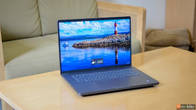
Earlier this month at CES 2026, Dell rolled out a wave of announcements across its laptop lineup, gaming and non-gaming alike. But while keynote stages and press releases tell one version of the story, the more interesting one often comes out behind closed doors.
In separate conversations with Dell’s XPS and Alienware leadership: Kevin Terwilliger, Head of Product PC Portfolio at Dell Technologies, Chris Cowger, Senior Vice President of Global Consumer & eCommerce, and Matt McGowan, General Manager at Alienware, the tone was noticeably different. Less buzzword-heavy. More self-aware. And refreshingly grounded in how people actually use laptops today.
Across these discussions, one idea kept resurfacing: Dell is rethinking what premium and performance should mean in 2026. Not louder RGB. No more confusing tiers. But cleaner identities, smarter engineering, and fewer artificial walls between users.
Table of Contents
One Alienware to Rule Them All
One of the most revealing Alienware insights had nothing to do with GPUs or cooling. Instead, it was about how gamers are categorised.
Historically, Dell split its gaming audience neatly by budget: Alienware at the top, G-Series below. Internally, Dell now sees that divide as increasingly outdated, and frankly, unnecessary.
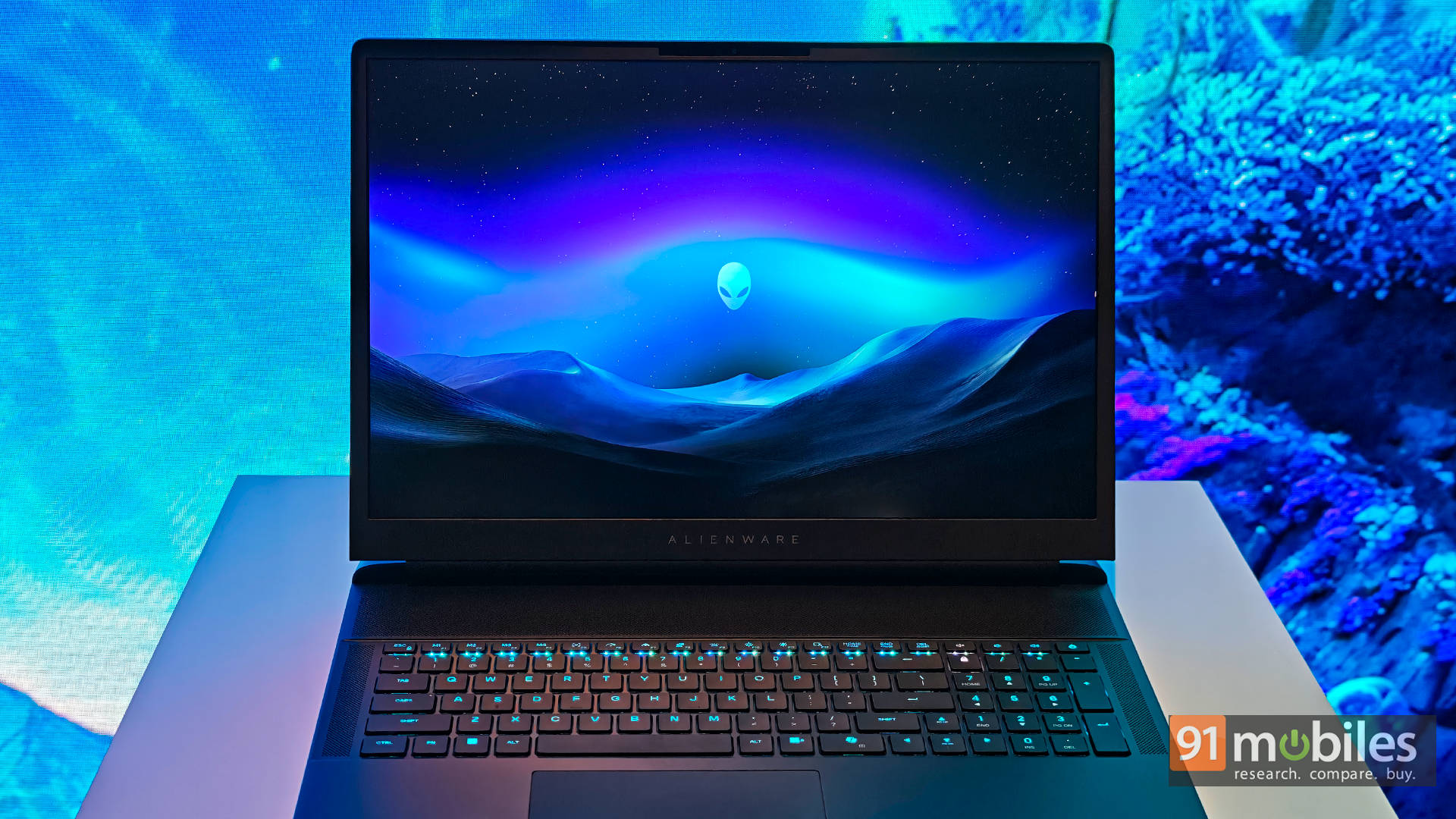
According to Dell’s own research, entry-level gamers often play the same demanding titles as high-end users. They care about frame rates, grind-ranked ladders, and keep up with esports just as closely. The difference isn’t mindset or seriousness: it’s budget. That’s why Dell is moving toward consolidating its gaming efforts under the Alienware brand, instead of creating a class system where lower-budget gamers feel like they’re “not quite” part of the club.
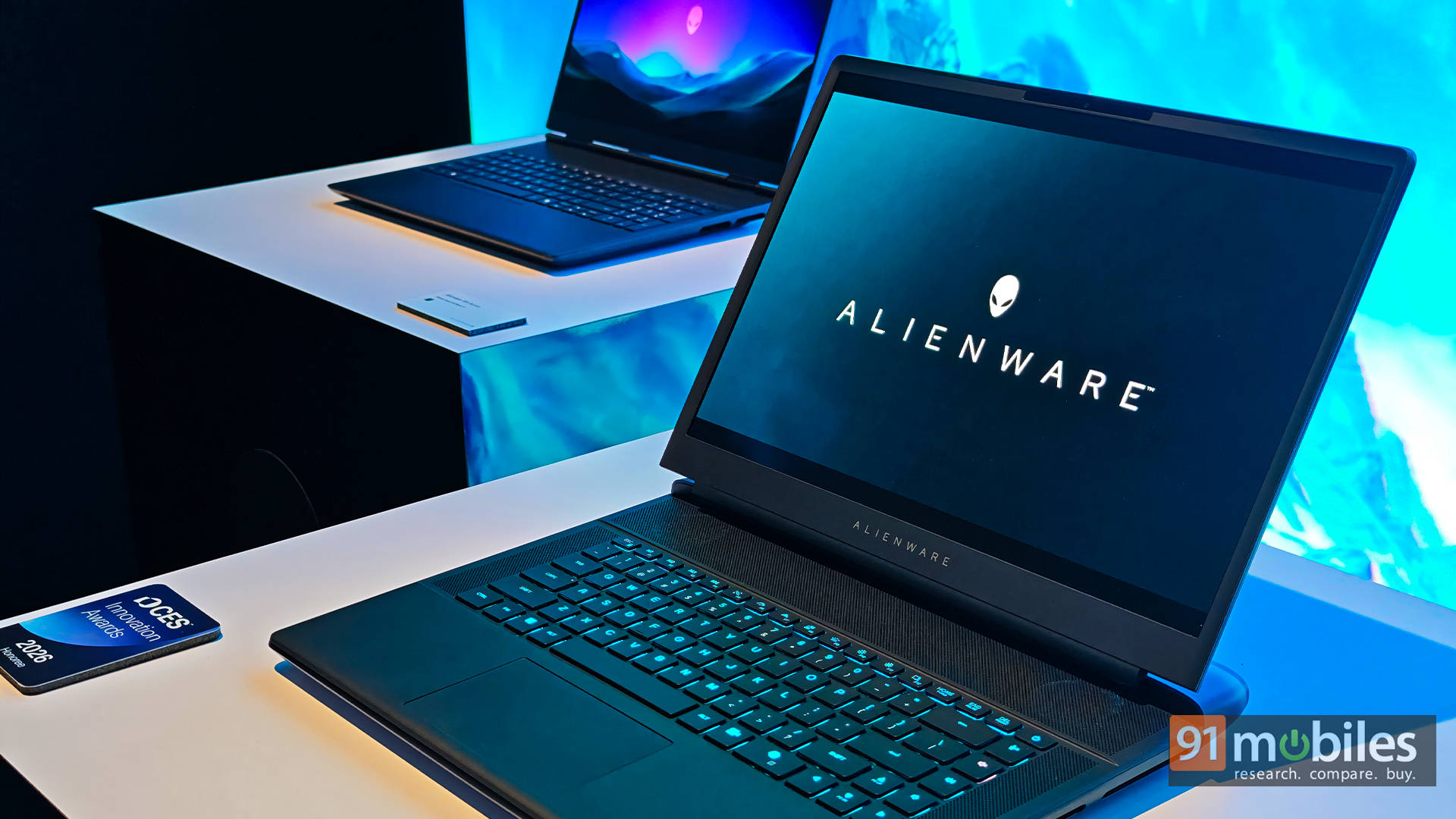
Alienware, going forward, isn’t meant to be a gated community. It’s a shared identity that scales based on price, not passion. From a consumer standpoint, this shift feels overdue. It also explains why Alienware’s branding is becoming more consistent and restrained.
Alienware’s Big Shift: Power Without the Bulk
With Alienware now expected to cover a wider range of gamers, design evolution is inevitable. Alienware has long been associated with unapologetically chunky machines: aggressive, heavy, and proud of it. That DNA isn’t going away. But it’s being expanded in a way that reflects how gaming laptops are actually used today.
A big part of the discussion revolved around what Dell internally calls the “Slimmer Alienware”. The goal? Build an Alienware that can comfortably sit next to devices like the ASUS ROG Zephyrus, or even a MacBook Pro, without losing what makes Alienware distinctly Alienware.
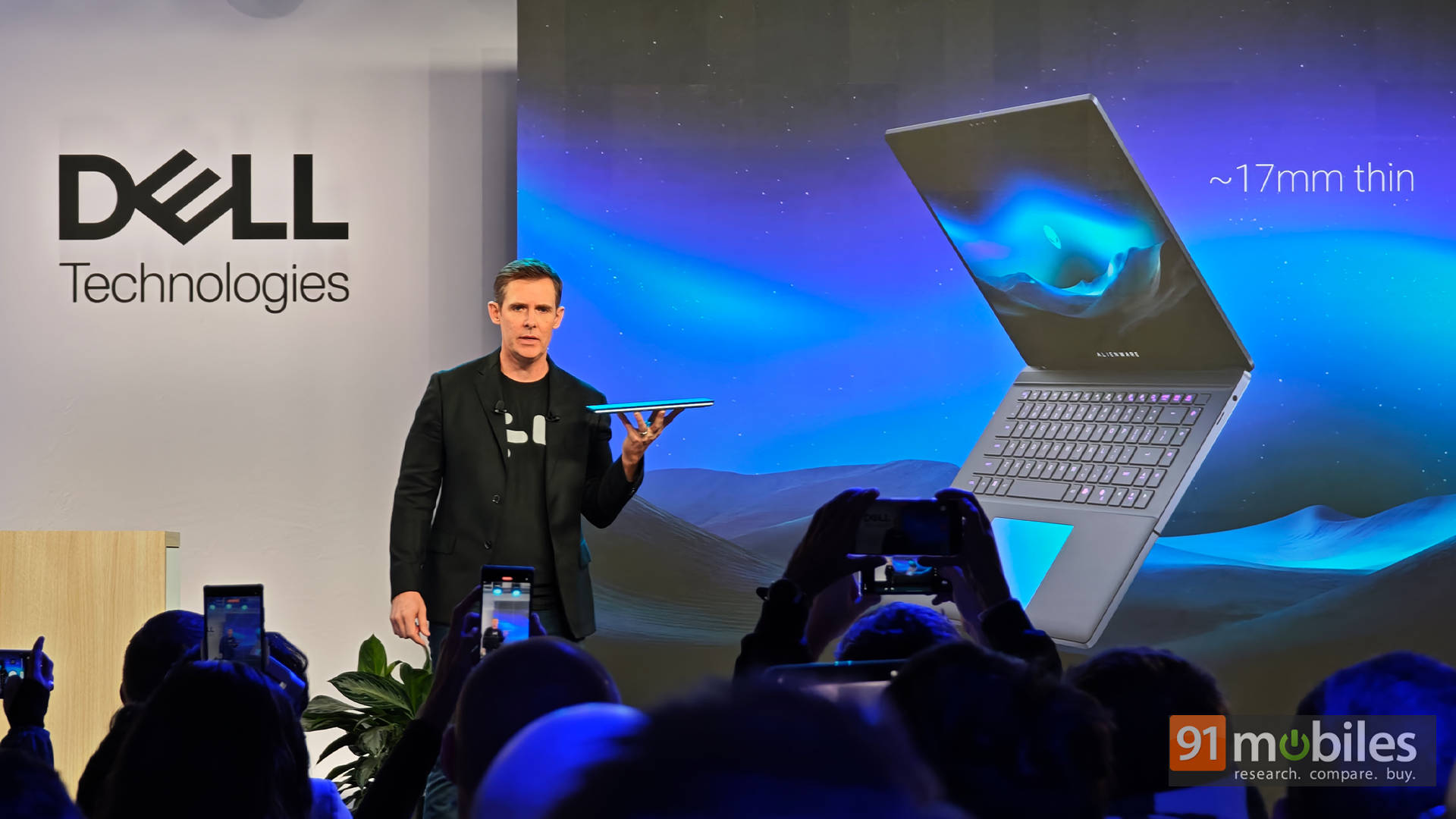
Matt McGowan was refreshingly blunt about the challenge. High-wattage CPUs and powerful GPUs don’t suddenly become polite just because a laptop gets thinner. Heat still needs somewhere to go. Performance still needs headroom. The point isn’t thinness for bragging rights. It’s portability without penalty. Dell wants gamers to stop feeling like they have to choose between power and practicality.
What stands out is that Dell isn’t chasing minimalism blindly. This isn’t about copying another brand’s aesthetic. The Slim direction is about rethinking cooling layouts, materials, and internal architecture so performance scales better within tighter spaces. The design language may evolve, but the engineering bar hasn’t been lowered.
XPS: Return of the King
If Alienware’s conversation was about expanding identity, the XPS discussion was about cleaning house. Both Kevin Terwilliger and Chris Cowger openly acknowledged that Dell’s consumer naming had become… messy. “Dell Plus” came up specifically as a source of confusion, and not just for buyers, but internally as well. When customers need a flowchart to understand where a product sits, something’s clearly off.
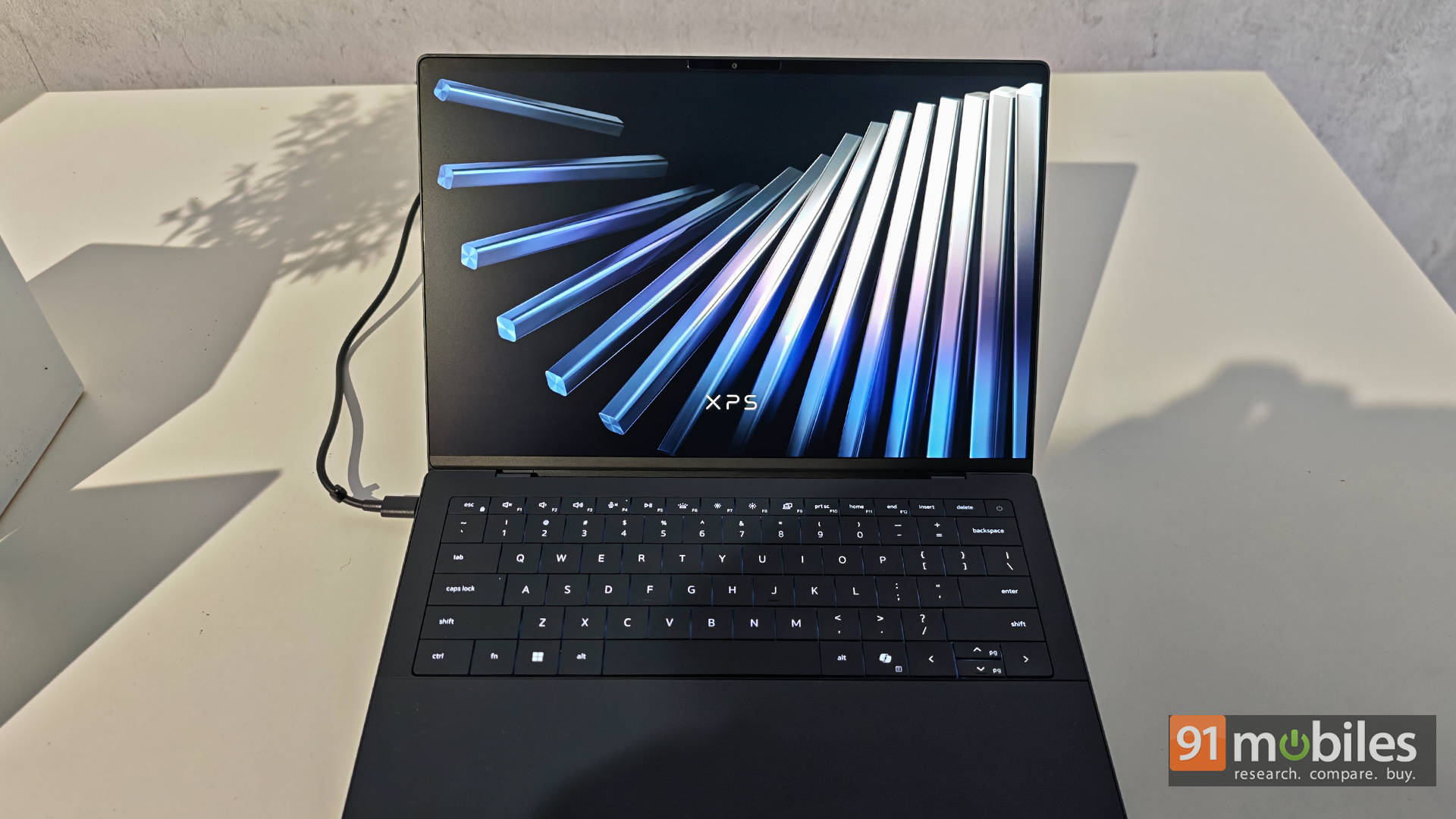
The fix? Simplification. Going forward, Dell wants clearer “Dell” branding, with “Dell S” identifying slim models. Adding on to that, the XPS continues as the no-compromise premium flagship, without unnecessary sub-tiers muddying the waters. It’s less about inventing new names and more about making existing ones actually make sense.
Within the XPS lineup, the 14-inch model was repeatedly highlighted as a sweet spot, and even an internal favourite. It hits the balance Dell wants to double down on: genuinely portable, but still powerful enough to justify its premium positioning.
Premium, But Make It Fixable
One of the most quietly impressive parts of the XPS discussion had nothing to do with displays or processors, but instead, repairability. Even with ultra-thin, unibody aluminium designs, Dell is making a conscious effort to avoid the “sealed-for-life” approach that’s become far too common. A small but meaningful example: newer XPS designs use modular USB-C ports secured with screws, instead of soldering them directly to the motherboard.
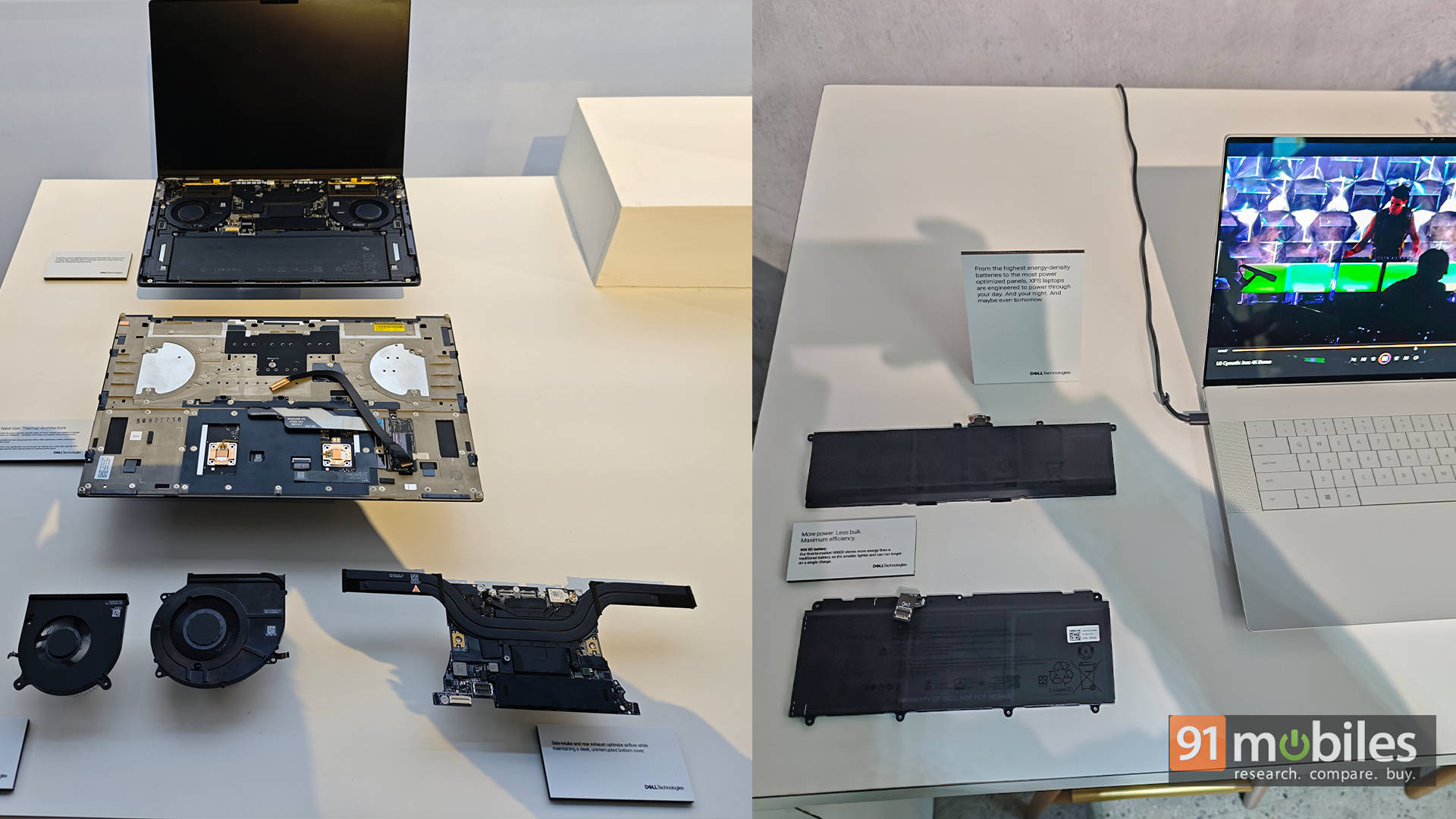
It sounds minor until a stiff dongle wrecks a port. On many thin laptops, that single failure can mean replacing the entire motherboard, turning a small accident into a massive repair bill. As such, Dell’s approach here feels practical, not performative. The chassis remains premium and rigid, but high-failure components are treated as replaceable parts, not disposable casualties. It’s an engineer-first mindset, and one that deserves more attention in a market obsessed with thinness above all else.
The Most Refreshing Thing: Dell Didn’t Say “AI”
In an era where “AI PC” is plastered across every slide deck, the XPS and Alienware meetings were… calm about it. Almost suspiciously so.
AI wasn’t dismissed, but it also wasn’t treated as the star of the show. More importantly, there was a clear acknowledgement that people don’t buy laptops because they’re labelled AI-powered. They buy them for battery life, performance, thermals, and reliability. AI only matters when it improves those fundamentals in visible, practical ways. That restraint speaks volumes. Dell seems more interested in letting features earn relevance than shouting about them prematurely.
On a personal note, this made Dell’s “we’re listening” message feel far more genuine. The return of XPS is one clear example, and the candid admission that AI isn’t a primary sales driver simply echoes what users have been saying all along.
ARM vs x86: The Reality Check
Another candid moment came during the processor discussion. While ARM-based laptops from Snapdragon are gaining traction, Dell remains firmly committed to x86 architectures from Intel and AMD, at least for the foreseeable future.
The reason is simple: compatibility still matters. Especially for gamers, drivers, anti-cheat systems, older titles, and niche software behave far more predictably on x86. Stability beats theoretical battery gains every time. At the same time, Dell doesn’t see x86 as stagnating. Recent efficiency improvements, particularly with platforms like Intel’s Lunar Lake, have narrowed the battery-life gap that once heavily favoured ARM.
ARM has a promising future, no doubt. But Dell’s stance is clear: x86 isn’t going anywhere anytime soon, whether for gamers, creators, or professionals.
The Quiet Reset
Put together, these conversations paint a picture of a company quietly recalibrating.
Alienware is becoming more inclusive and portable without losing its attitude. XPS is doubling down on thoughtful premium design, not just surface-level polish. And Dell, overall, seems focused on removing friction: confusing branding, unnecessary segmentation, and designs that punish users when something breaks.
None of this is trying to steal the spotlight, and that feels deliberate. For anyone who looks beyond spec sheets and marketing buzzwords, this more measured, thoughtful Dell is arguably its most compelling version yet. And speaking as someone who gets to test the latest gear, the new XPS and Alienware laptops are easily among the ones I’m most excited to spend time with.