


Review Summary
Expert Rating
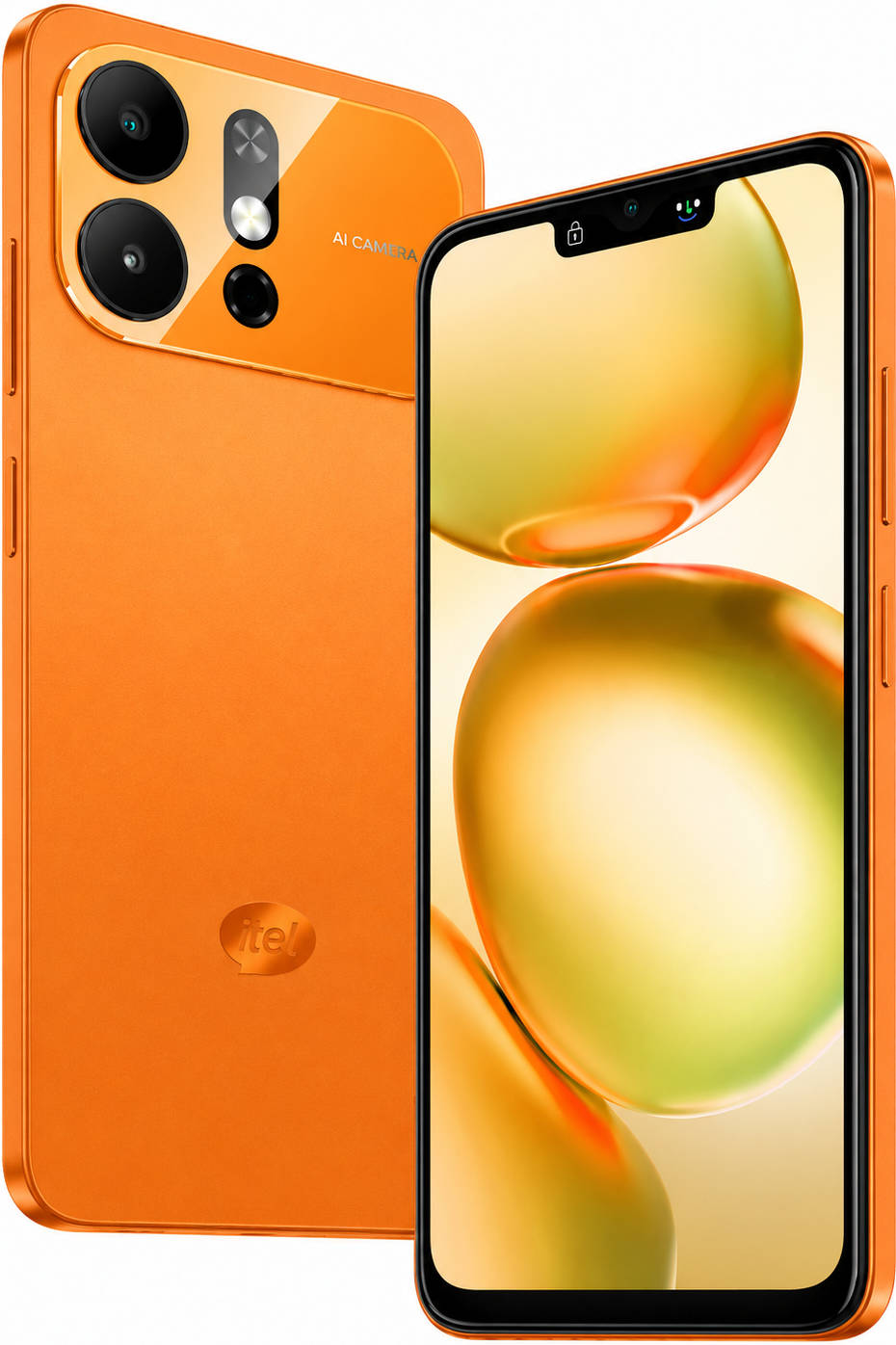
Budget smartphones have been under a lot of pressure in 2026, and the itel Zeno 200 is one of the phones that shows how much compromise buyers now have to accept at this price point. Alongside it, itel has also launched the itel A100 Pro, an even more budget-friendly option aimed at users who want the absolute basics without stretching their wallet.
It shares a similar design philosophy but instead trims down across features to bring it to a more accessible price point. In this review, we look at how the A100 Pro handles everyday use and whether it makes enough sense as a lower-cost alternative.
Table of Contents
Short verdict
The itel A100 Pro is a practical budget phone with a decent display, okay everyday performance, and a good selfie camera. Its weak battery life and very slow charging are the main drawbacks. It is fine for very basic use, but if you can spend a little more, better options are available.Design: same, same, but different
The itel A100 Pro carries forward the same design philosophy as the Zeno 200, so it is not really trying to differentiate itself all that much in terms of design. However, the switch to a drop-notch display and the slightly tweaked camera placement give it a more conventional look, which makes it feel a touch less modern than its sibling.
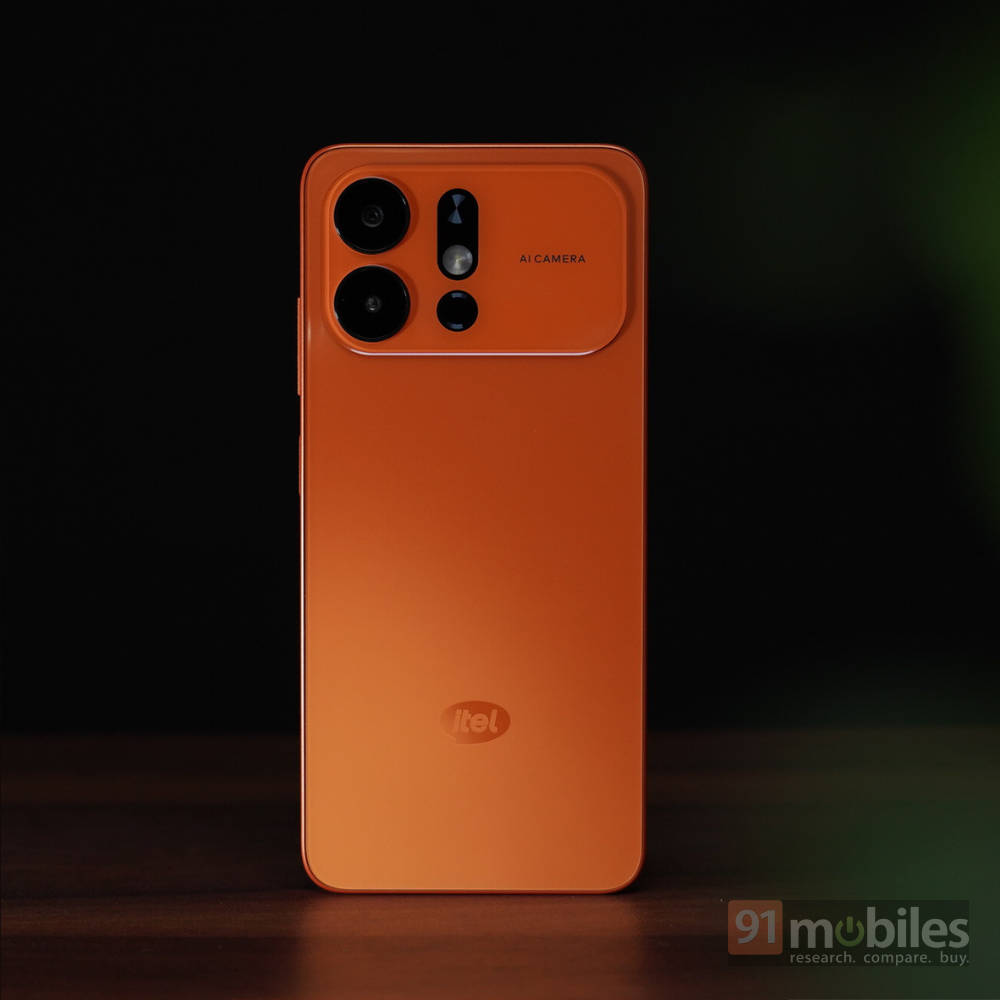
The bright orange finish is still the main attraction, and its likeness to the iPhone 17 Pro series phones is bound to catch eyes.
The A100 Pro does not stand out because of originality, but it does enough to avoid looking plain or cheap. It feels purposeful, practical, and very much aimed at buyers who care more about colour and recognisability than design innovation. The bottom edge houses the USB-C port, 3.5mm headphone jack, and speaker grille.
| Smartphone | Thickness | Weight | IP Rating |
| Itel A100 Pro 4G | 8.49 mm | NA | NA |
| realme P4 Lite 4G | 7.94 mm | 201 grams | IP54 |
| Tecno Spark Go 3 | 8.19 mm | 182.6 grams | IP64 |
The power and volume buttons are placed on the right side, and the side-mounted fingerprint scanner is quick enough for basic use. Unlike its elder sibling, the phone only has “Military-Grade” durability and no additional IP ratings, likely to save costs.
Display and speakers: good enough for everyday use
The itel A100 Pro features a 6.56-inch HD+ display with a 90Hz refresh rate and 400 nits of peak brightness. It is a satisfactory panel for the price, with decent colour reproduction and enough brightness for indoor use. It does not feel as bright or as smooth as the Zeno 200, but for everyday browsing, streaming, and casual use, it gets the job done without much fuss.
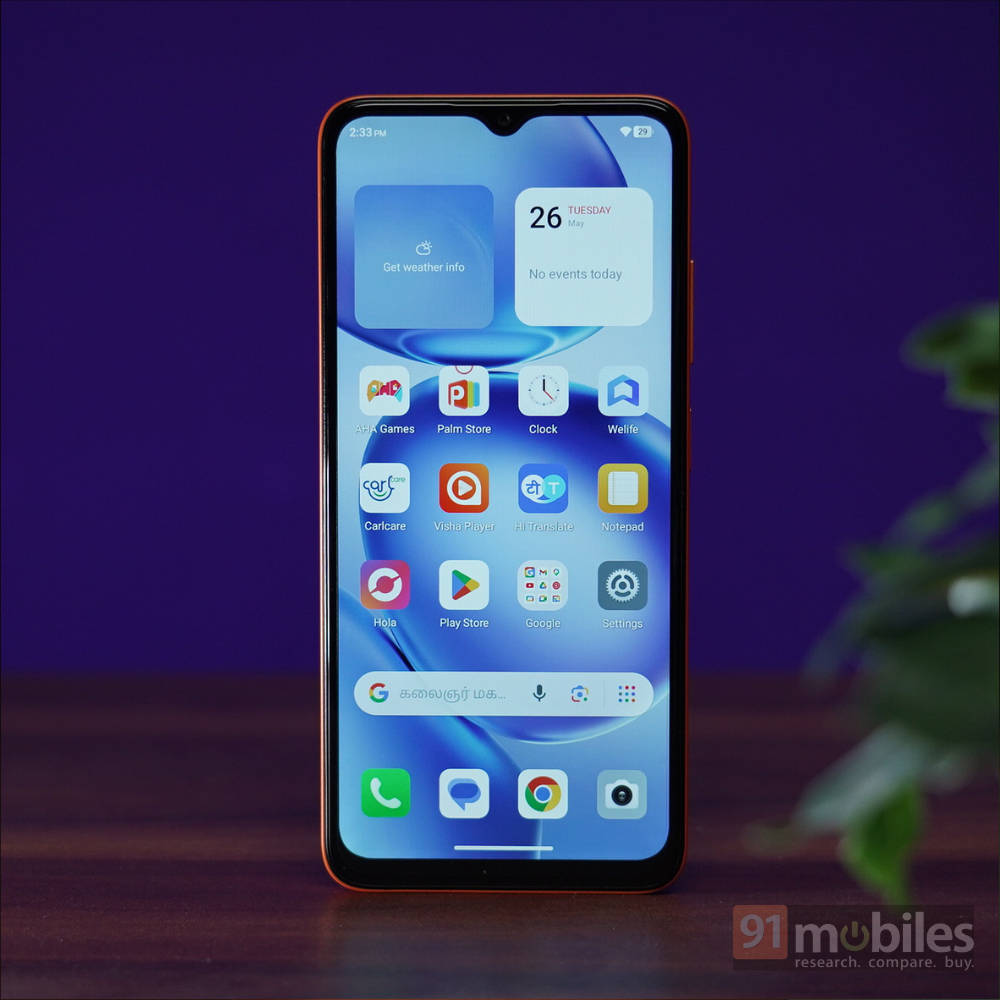
For audio, the phone uses a single speaker setup that delivers serviceable output. It can get reasonably loud and is fine for basic media consumption, but it is clearly not a standout feature. A stereo setup would have improved the overall multimedia experience, but the current implementation is acceptable for this segment.
| Smartphone | Display | Peak Brightness |
| Itel A100 Pro 4G | 6.56 inches - IPS LCD | NA |
| realme P4 Lite 4G | 6.74 inches - LCD | NA |
| Tecno Spark Go 3 | 6.745 inches - LCD | NA |
Cameras: a simple point-and-shoot experience
The itel A100 Pro comes with a basic camera setup that is clearly built for casual point-and-shoot use. It features an 8MP rear camera and a 5MP front camera, which is fine for everyday snaps, video calls, and the occasional selfie in good light.
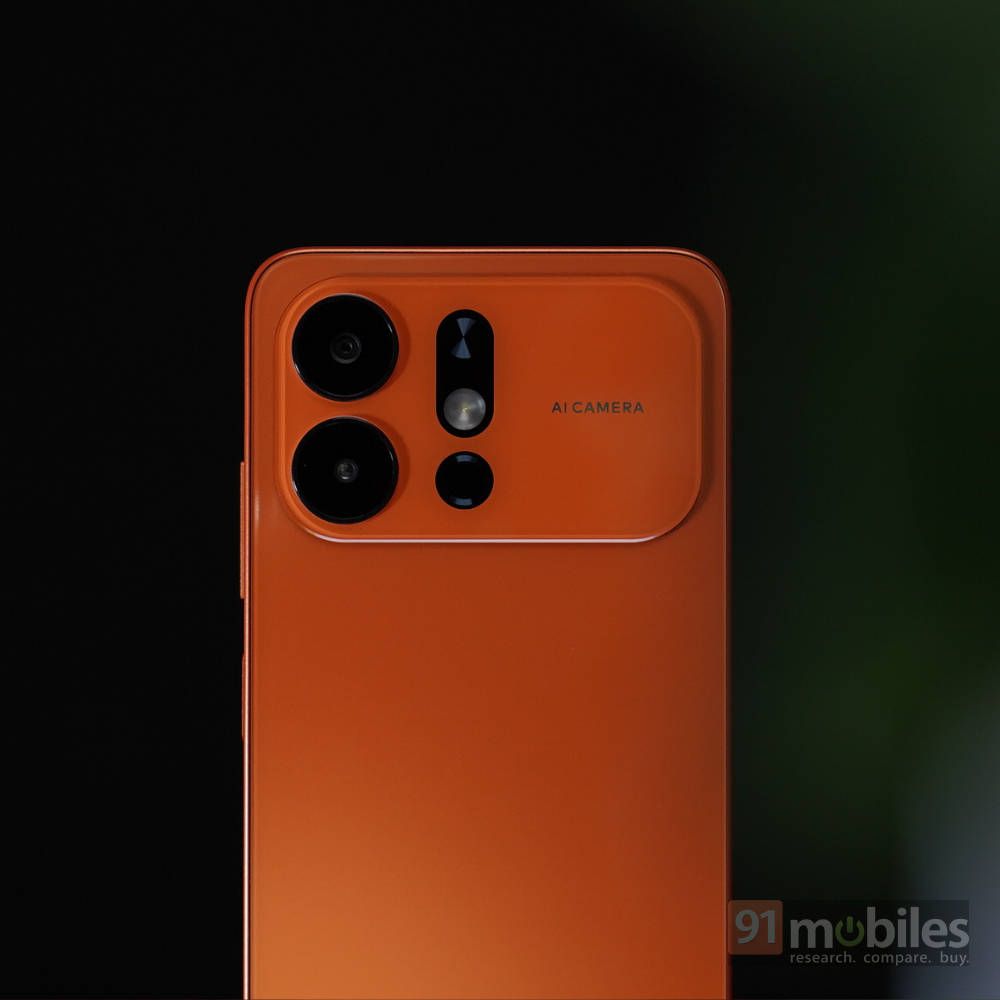
In daylight, the rear camera captures usable photos with decent colour and contrast, though fine detail is limited. Compared to the Zeno 200, the output feels a bit more modest, especially in terms of sharpness and overall consistency.
Low light is where the camera falls apart a lot more, with soft images, visible noise, and very little detail. Since there’s no dedicated night mode, there’s no means to improve the phone’s low-light performance.
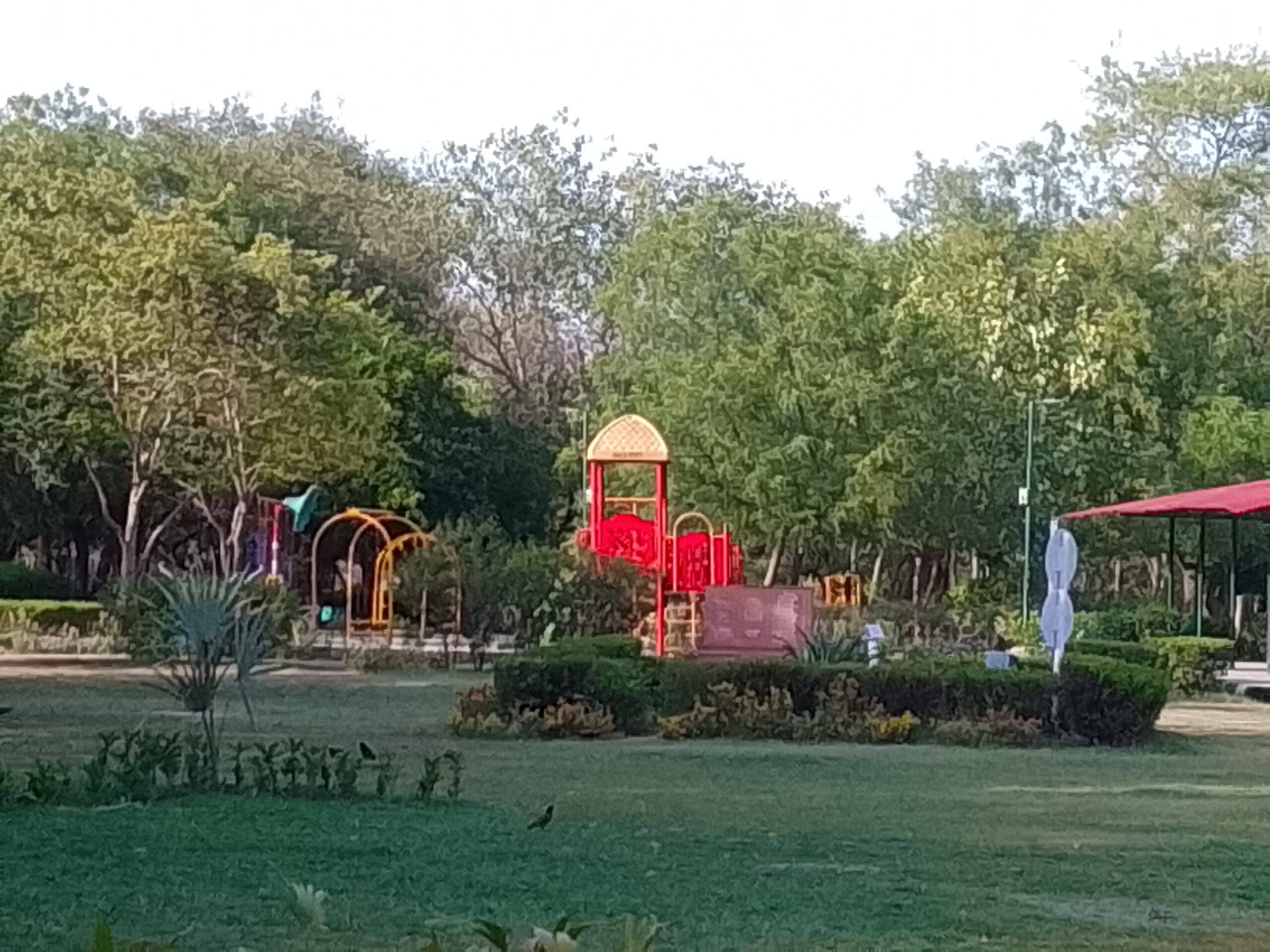
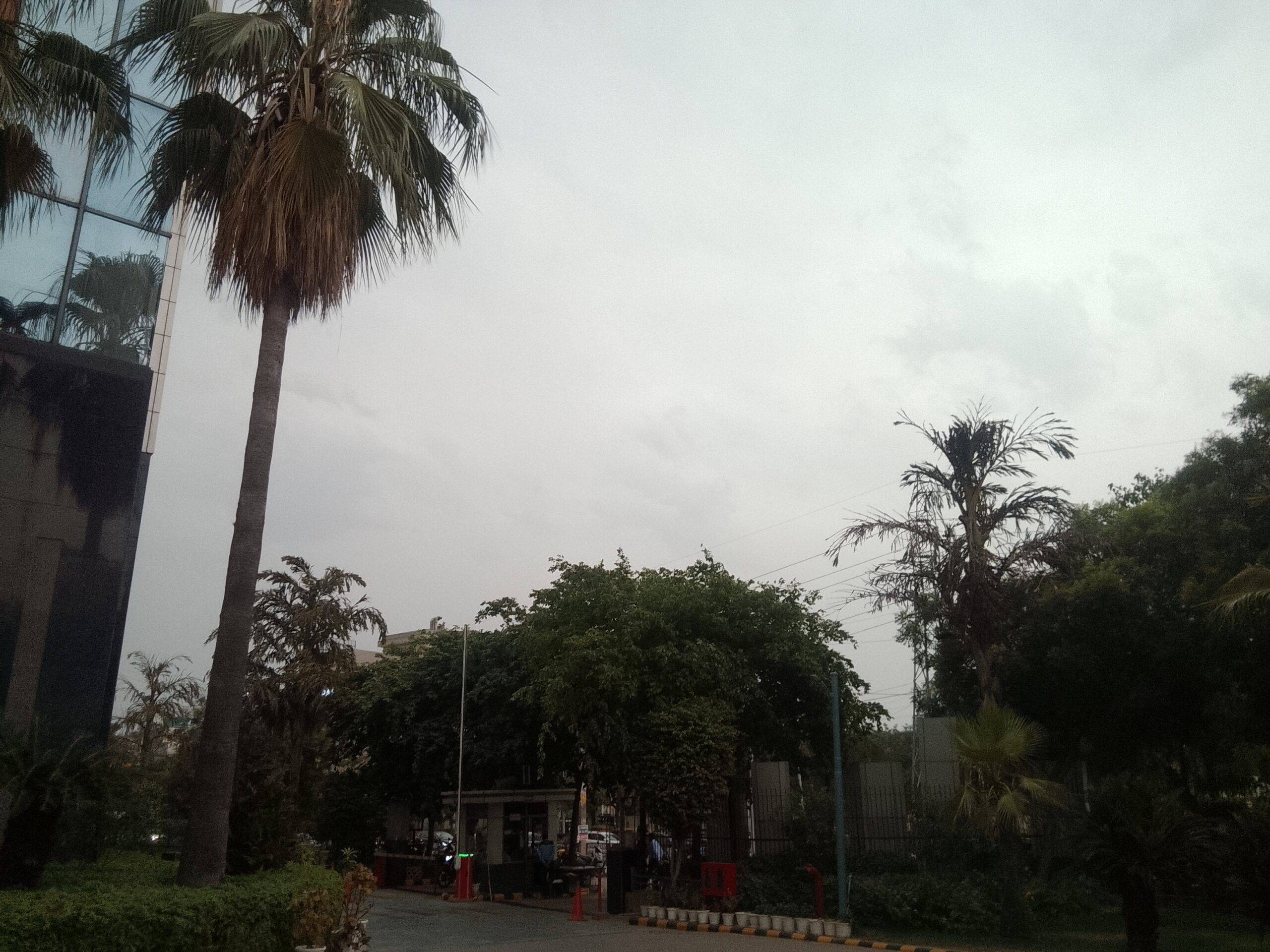

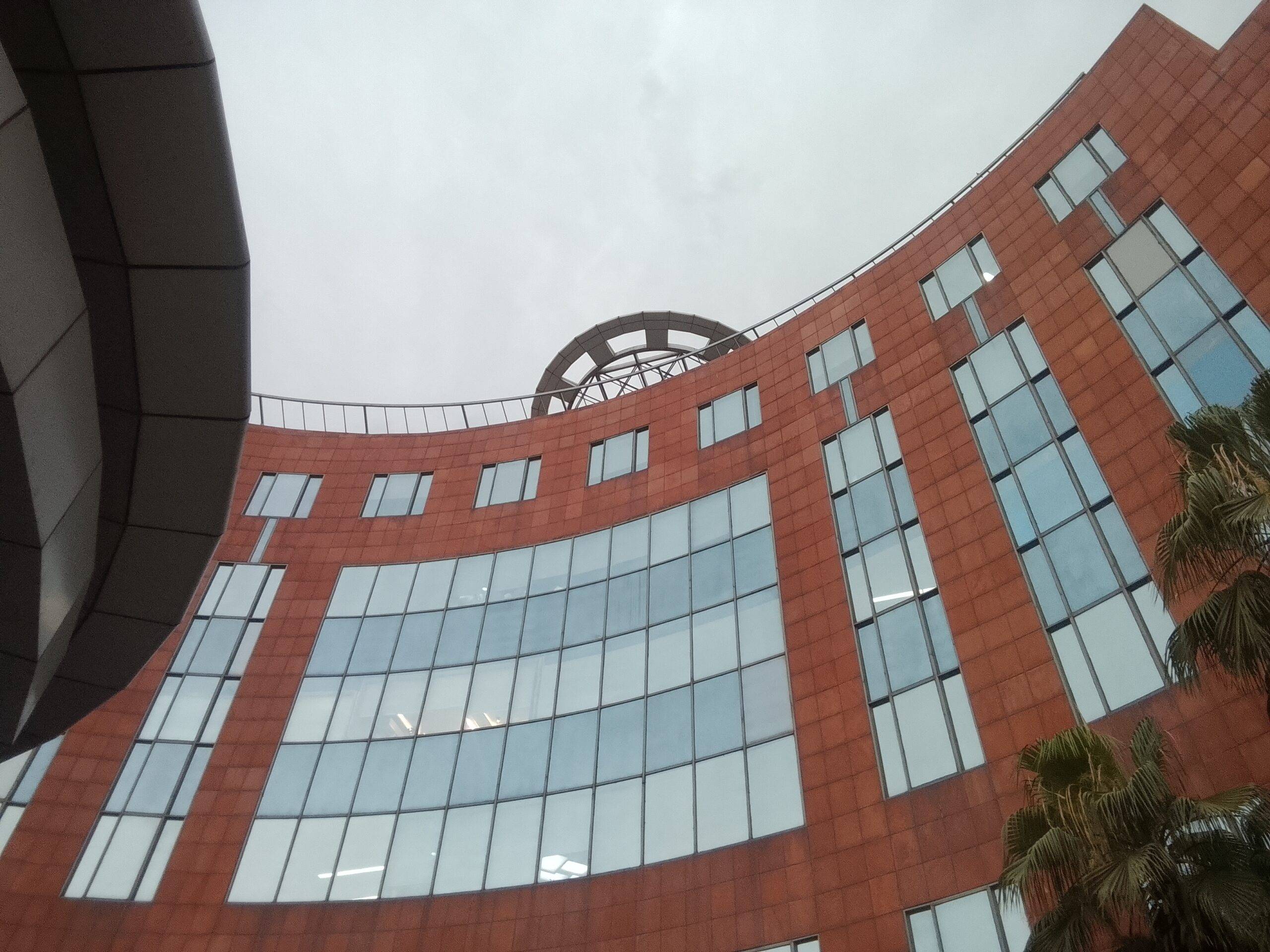
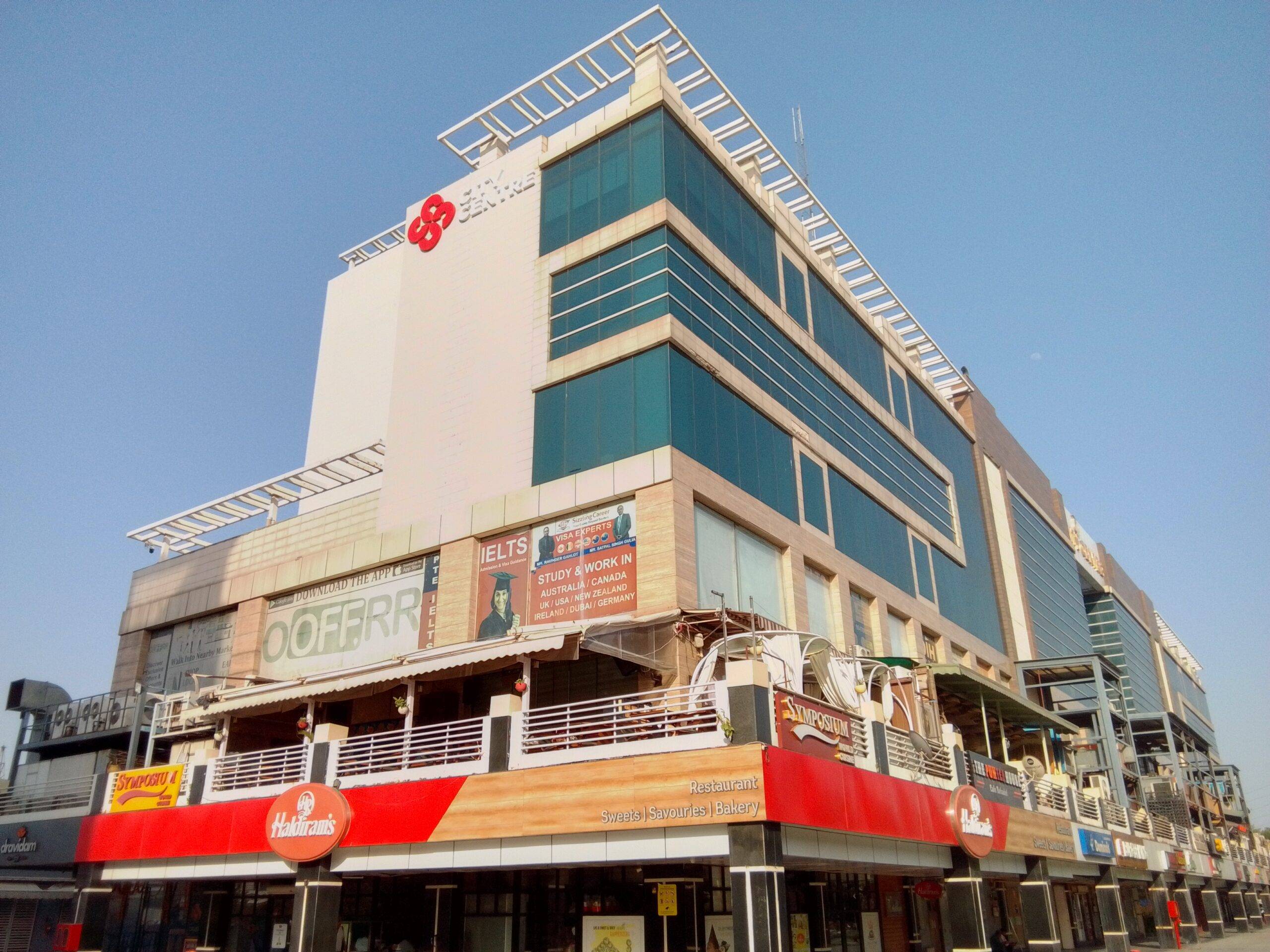



The selfie camera is similarly average. It does an acceptable job in bright conditions, but facial detail is fairly soft and low-light performance is weak. Overall, the camera system is serviceable for the price, but it is not something you would buy the phone for.
I compared the phone’s cameras against the Realme P4 Lite (review) to gauge how it performs compared to its rivals:
Daylight
In daylight, the Realme P4 Lite takes sharper shots, but it enhances the colours more compared to the actual scene. The Itel A100 Pro, instead, maintains good contrast and preserves shadows, so the shot looks closer to reality.

Portrait
In portrait shots, the Realme P4 Lite takes a clear lead due to its superior processing. It manages colours and edge detection better than the itel A100 Pro and even offers higher detail. The itel A100 Pro adds a visible layer of noise when you zoom into the image.


Selfie
The Itel A100 Pro captures a decent level of facial details in its selfies compared to the Realme P4 Lite. Even its colour science is superior to the Realme P4 Lite, as it maintains a more realistic skin tone, whereas the P4 Lite adds a yellow tint.

Low light
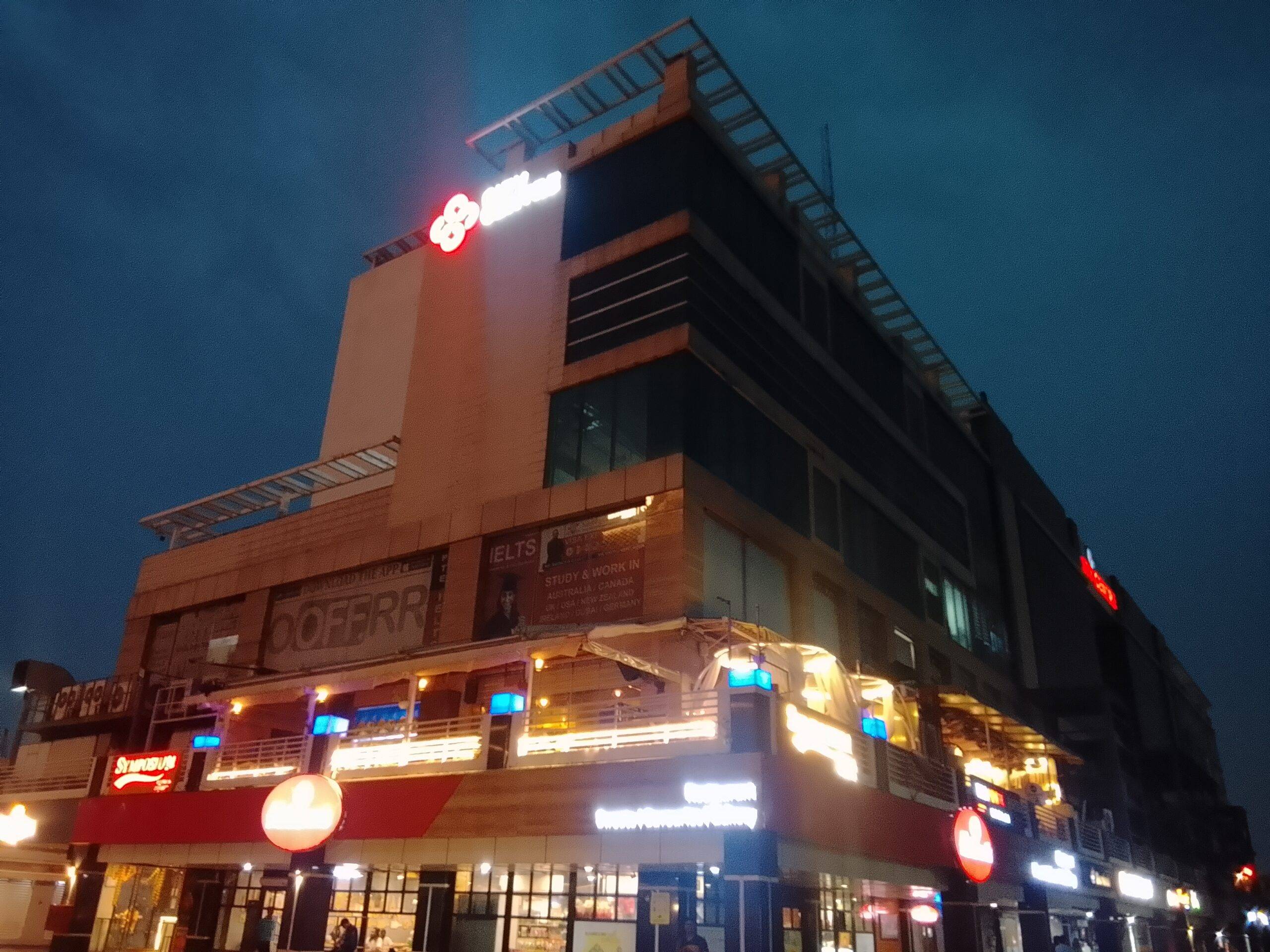
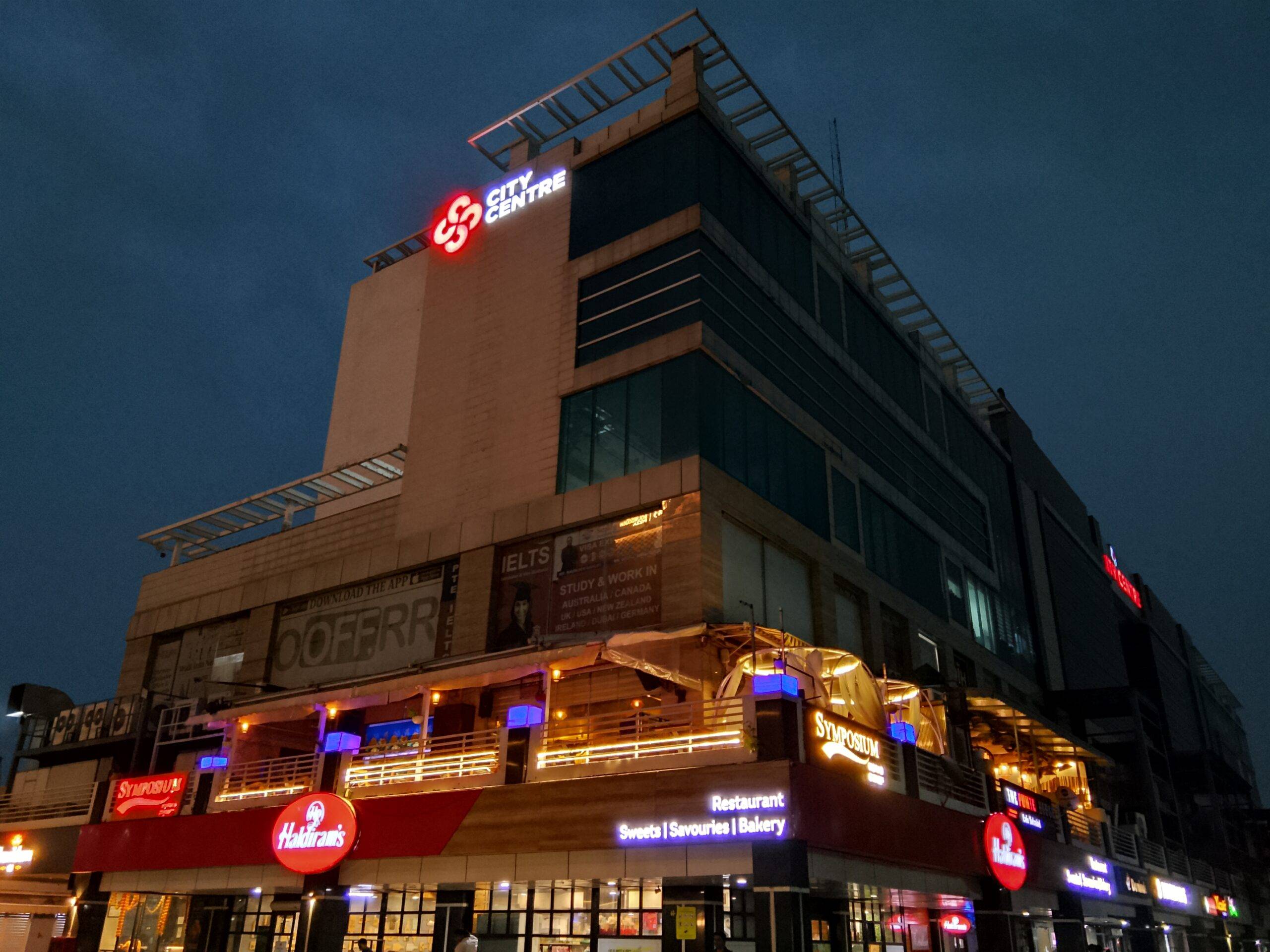
Comparing the low-light results of both phones side-by-side, you’ll note the Realme P4 Lite does better in nearly every aspect, be it colour science, detail, clarity or lens flare reduction. That is because the itel A100 Pro lacks a dedicated night mode so it is unable to take long exposure images, making it challenging for the camera to capture results in low-light scenarios.
Performance and software: just about enough
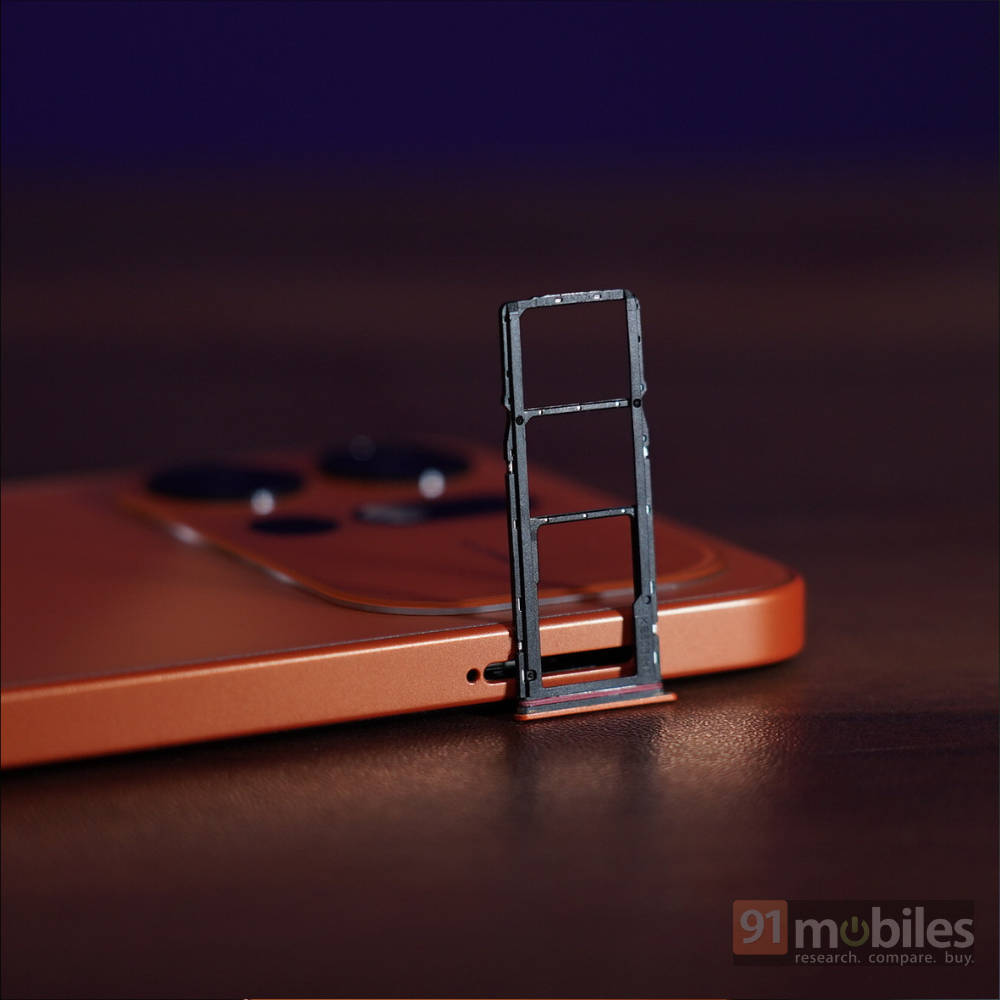
The itel A100 Pro runs on a Unisoc T7100 chipset with up to 4GB RAM and 64GB storage. Storage is further expandable to 1TB with a MicroSD card. Its performance is broadly in line with what you would expect from an entry-level phone.
Day-to-day use is fine for the basics, but there is some lag when scrolling through apps, switching between tasks, or browsing social media. It is usable, just not especially fast or polished.

Gaming is limited to casual titles, while heavier games like BGMI are not really the phone’s strength. ItelOS is fairly simple and gets the job done, with the dynamic bar adding a small touch of convenience by showing quick alerts such as charging status and low battery warnings. The phone also tends to heat up significantly while playing games, with an average temperature spike of 7.5 degrees Celsius over 30 minutes, so it’s best to play games in moderation.
| Smartphone | Pre-Installed Apps | Software Support |
| Itel A100 Pro 4G | 40 | NA |
| realme P4 Lite 4G | 63 | NA |
| Tecno Spark Go 3 | 48 | NA |
The phone’s software is based on Android 15 Go, and unlike its elder sibling, the itel A100 Pro, it does not include any AI features or the Sola AI assistant. The main addition here is the Dynamic Island-style alert bar, which adds a bit of character to an otherwise basic interface.
One thing to appreciate is that the phone feels fairly clean after setup and is not loaded with many preinstalled apps. That makes the software experience a little lighter and more straightforward out of the box. There’s no word yet on the software support of the device, but based on itel’s previous history, it will likely only get security patches for a year.
Battery: It drains a bit too much
The itel A100 Pro comes with a standard 5,000mAh battery and 10W charging support. In our PCMark battery benchmark, the phone scores lower than the segment average. The same is reflected when we use the device in real life.
Our lab tests of over 2 hours, which included gaming and YouTube, resulted in a total battery drop of 34 percent, so a general user can expect around 5 hours of screen-on time on a normal day. That’s not sufficient anymore, and you will end up looking for a charger by evening. The battery drain is also quite high, which makes it a less reliable device for everyday use.
| Smartphone | Battery Capacity | Charging Support | Charging time (20% to 100% ) |
| Itel A100 Pro 4G | 5000 mAh | NA | 3h 4m |
| realme P4 Lite 4G | 6300 mAh | NA | 2h 49m |
| Tecno Spark Go 3 | 5000 mAh | 10W Fast Charging | NA |
Charging, also, is quite a bit slower than I’d like. It takes around 3 hours to go from 20 to 100 percent, so overnight charging is the safer option if you do not want it interrupting daily use.
Final verdict
The Itel A100 Pro offers acceptable value at Rs 8,999 for the 3GB + 64GB variant. It has a satisfactory display, reliable everyday performance and a good selfie camera. The phone’s major downsides are its extremely long charging time and a battery that loses its charge rapidly.
Its key rivals include the Realme P4 Lite and even its own sibling, the Zeno 200, which costs just Rs 1,000 more. The Realme P4 Lite offers much longer battery life, software, and cameras, while the itel Zeno 200 is essentially an upgrade in every key metric.
If you’re on an extremely tight budget or need a phone for a first-time user, the Itel A100 Pro is a practical choice at its price, but if you can spend a little more, there are a few better options available.
Editor’s rating: 7.6/10
Reasons to buy:
- The phone features an eye-catching design
- The display is smooth and has decent colours
- The phone delivers reliable everyday performance
- The selfie camera delivers good results in daylight
Reasons not to buy:
- The battery drains rather rapidly, even during normal usage
- The phone takes a long time to charge completely
 | vs | 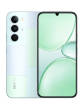 |