Review Summary
Expert Rating
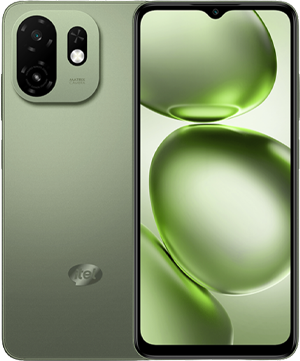
itel has expanded its sub-Rs 10,000 portfolio by releasing the itel A100 in India, starting at just Rs 6,799. With a strong focus on durability, design, and affordability, the handset is backed by military-grade certification and features a familiar-looking rear camera module. To gauge whether these aspects deliver in real-world use, we used the itel A100 for well over a week to bring you this detailed review, highlighting the phone’s experience with regards to the camera, performance, battery, and more.
Table of Contents
Quick verdict
The itel A100 is a decent pick for anyone seeking an affordable smartphone for basic use, such as calling, chatting, and running light apps without giving up on durability and clean software. However, its battery life may not quite match its rivals in the segment.
A tough and durable build
Starting the review with the itel A100’s highlight, the company has strongly focused on the smartphone’s design and build by equipping it with military-grade protection. As a result, the A100 is MIL-STD 810H certified to minimise the damage as much as possible during accidental drops or bumps. While I didn’t go extreme in testing the phone’s durability, I did toss it into my car’s front tray several times, and the phone remains unscathed despite not using a back cover.
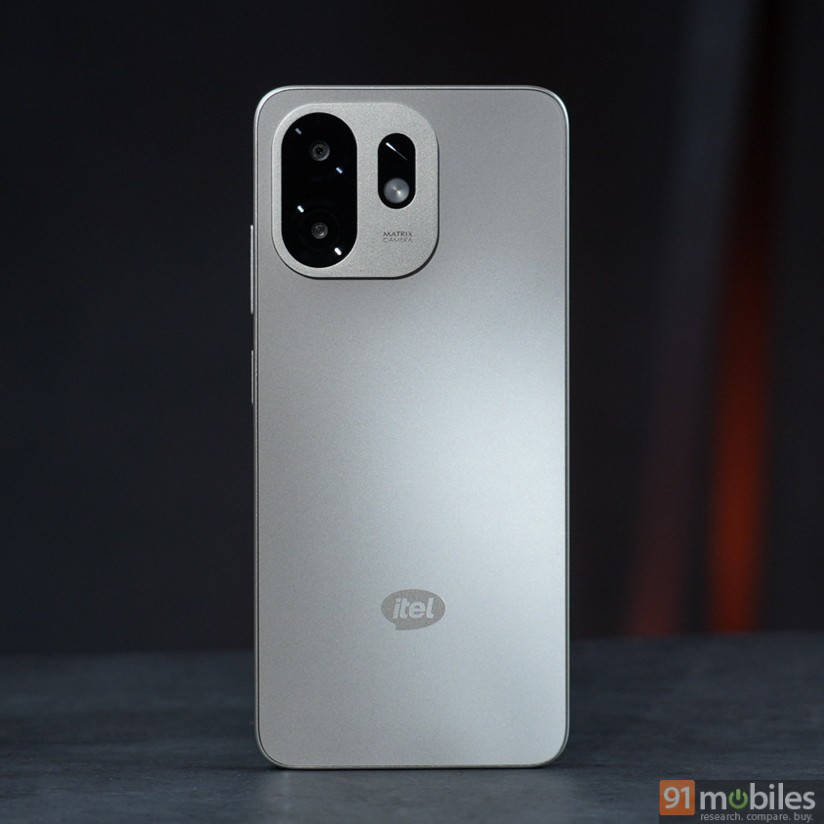
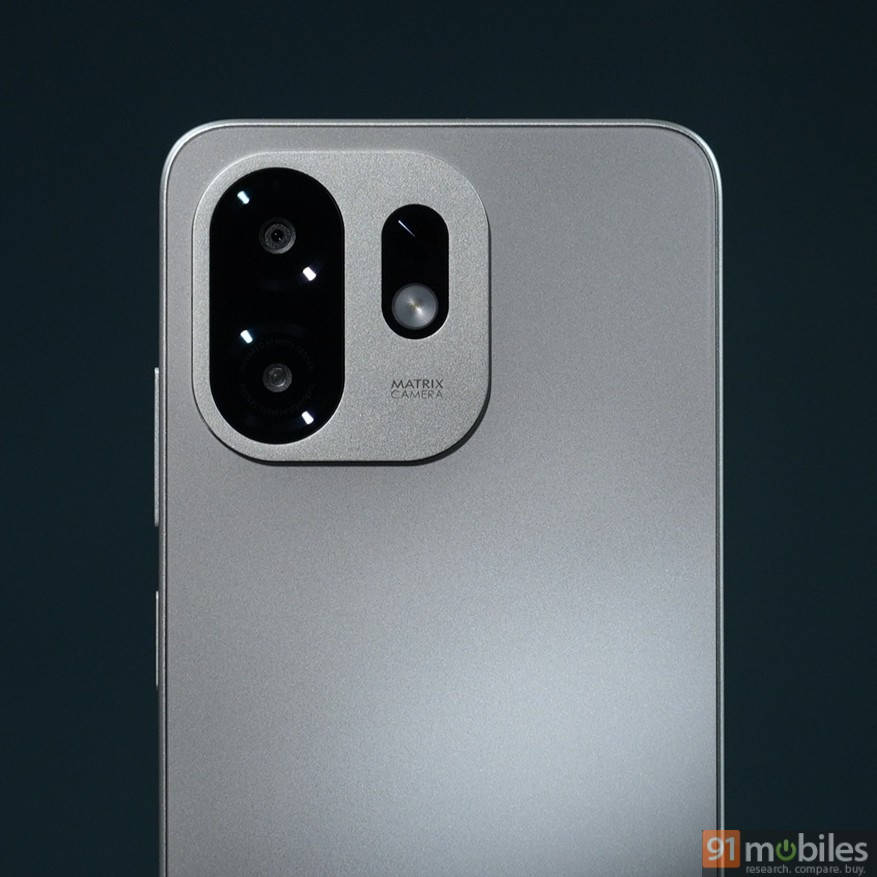
Some key design additions include a side fingerprint scanner embedded into the power button, which swiftly unlocks the phone, an IR blaster below the 8MP main camera, and a 3.5mm headphone jack. Interestingly, thanks to rounded corners and smaller height and width dimensions than others, the itel A100 sits snuggly into the hands and is comfortable to hold for prolonged usage.
Okayish display experience
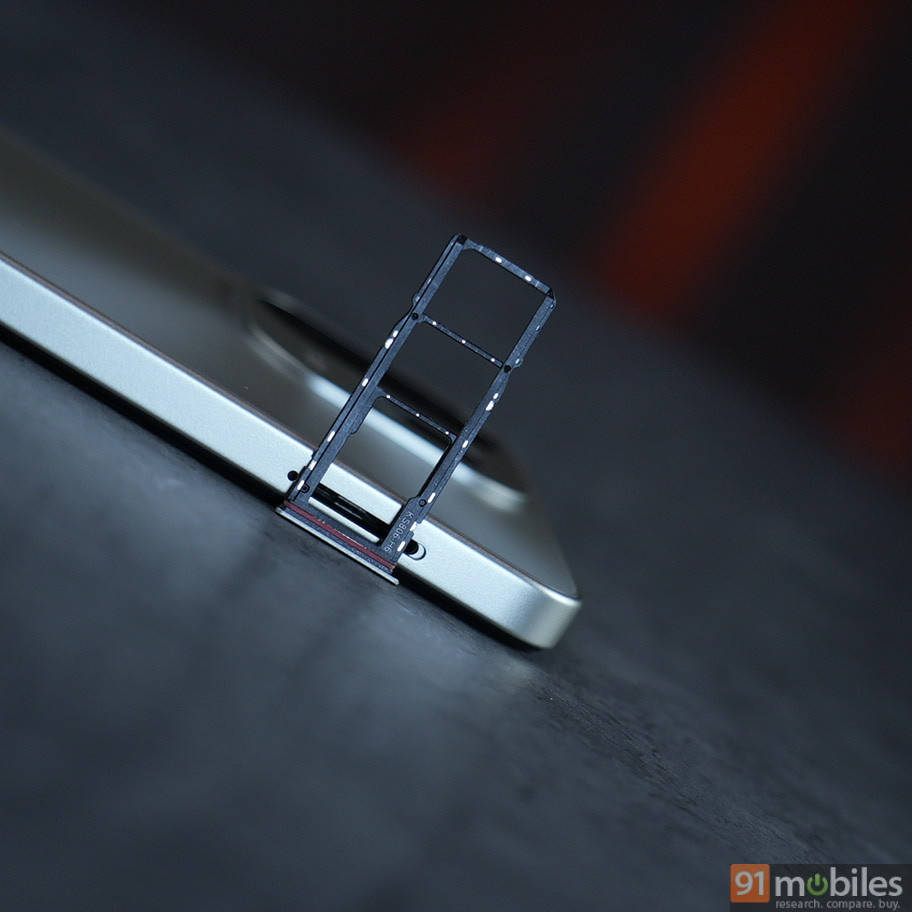
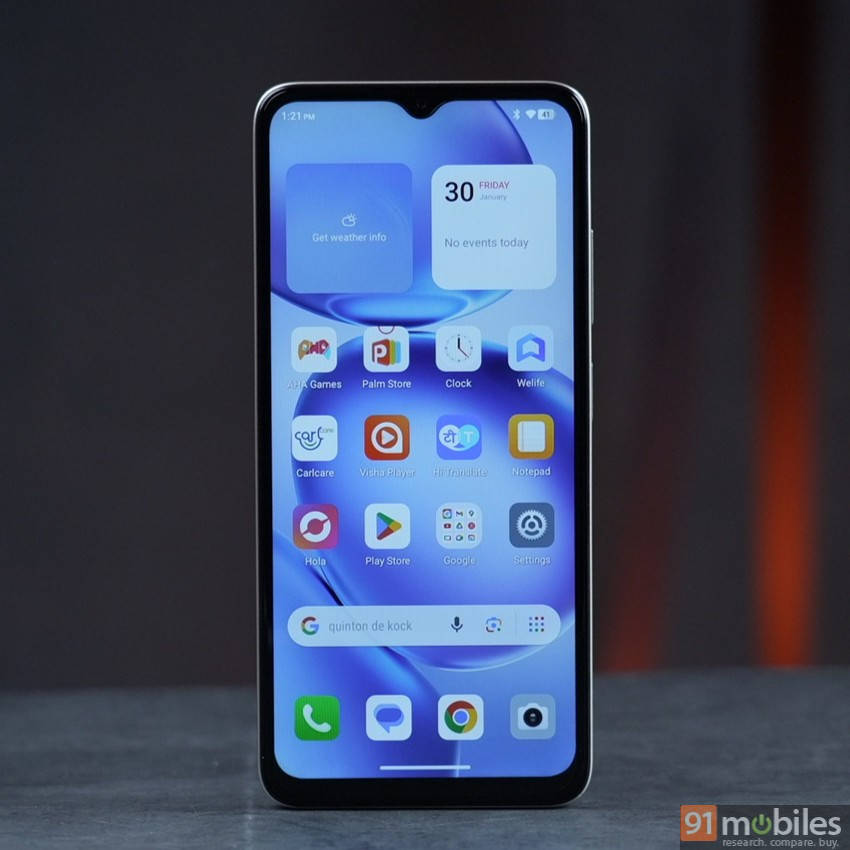
Upfront, the itel A100 gets a 6.6-inch HD+ IPS LCD display, which is paired wth 90Hz refresh rate. Since 90Hz is not enabled by default, make sure to activate it from the display settings to experience smoother scrolling. Out of the box, I found the colours and tones of the display to be satisfactory to my liking. The panel has enough saturation that you wouldn’t need to tweak the display colours.
Suitable performance for running light games
The itel A100 is powered by the Unisoc T7100 chipset. This is the same octa-core chipset with up to 1.8GHz clock speeds found on itel’s previously launched models, such as the itel A90 and Zeno 20. Since the chipset completely omits 5G support, you’ll have to rely on 4G data. Thankfully, per my experience, the itel A100 offered reliable signal connectivity and capable internet speeds on 4G for daily use.
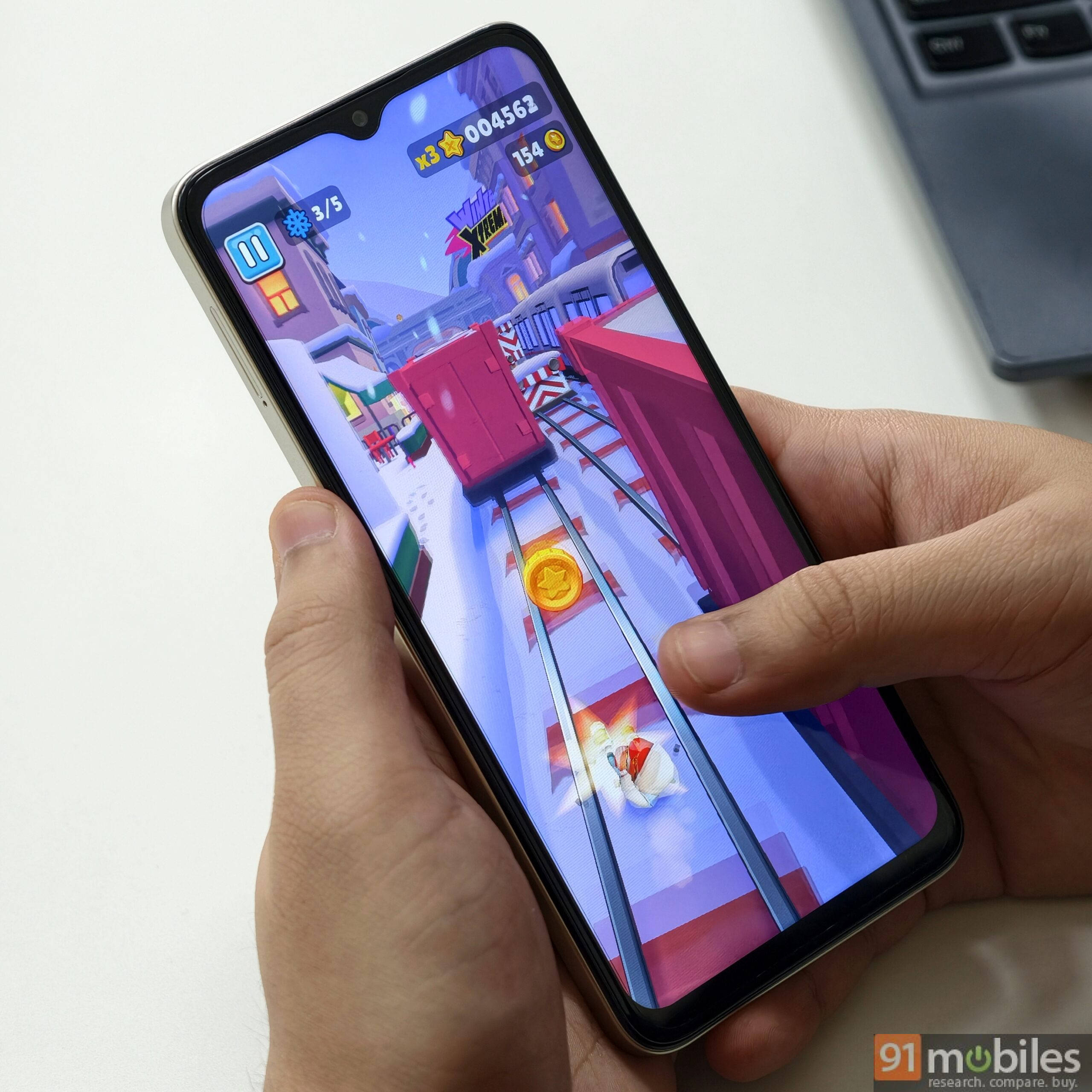


To gauge the phone’s gaming performance, we ran BGMI and Call of Duty: Mobile at low to medium settings, and the experience wasn’t joyful due to noticeable frame rates. On the flip side, the itel A100 ran less graphic intensive game like Subway Surfers and Knife Hit perfectly fine for several minutes straight. Also, if you’re curious, the phone features 3GB (4GB on higher end variant) LPDDR4X RAM and 8GB eMMC 5.1 storage speeds.
Cameras that get the job done for the price
The itel A100 gets a single 8MP camera unit on the rear, while the U-shaped notch on the display houses a 5MP front camera. Both these cameras are capable of recording videos in up to 1080p resolution at 30FPS. Coming to the photography outputs, since it’s a budget device, the smartphone doesn’t utilise advanced sensors and algorithms. As a result, the highlights and exposure control in images take a hit, especially in low-light conditions.
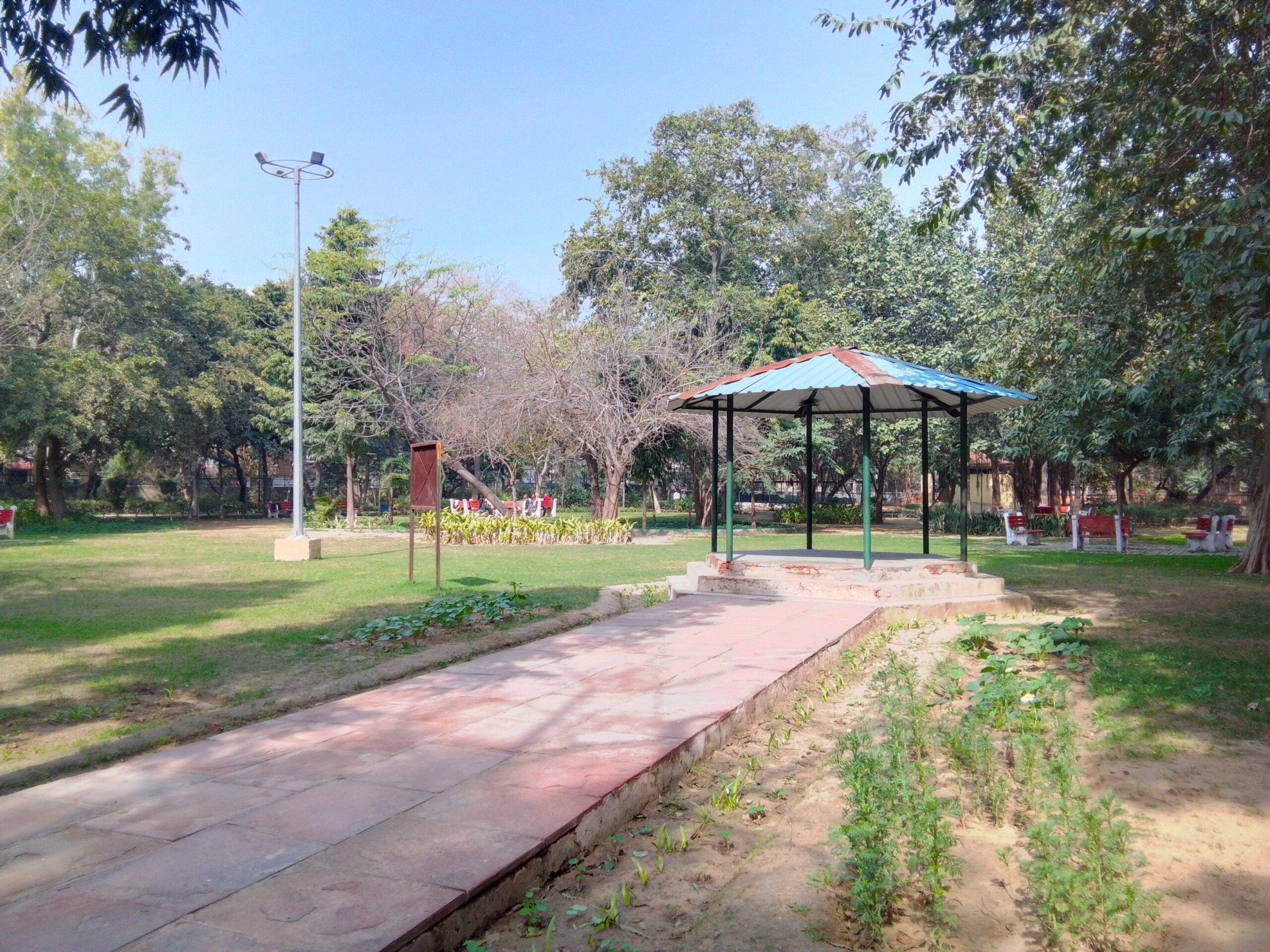


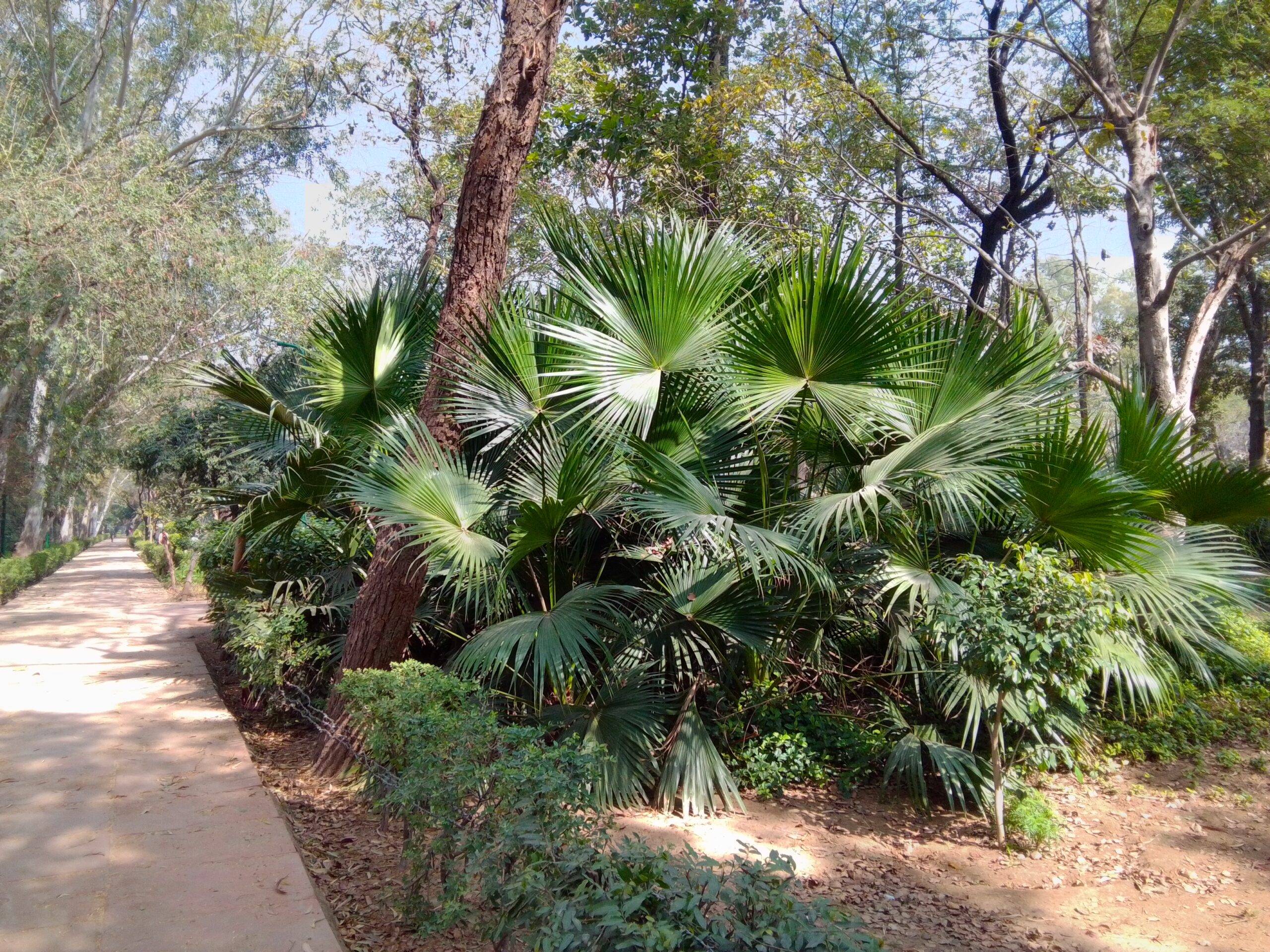


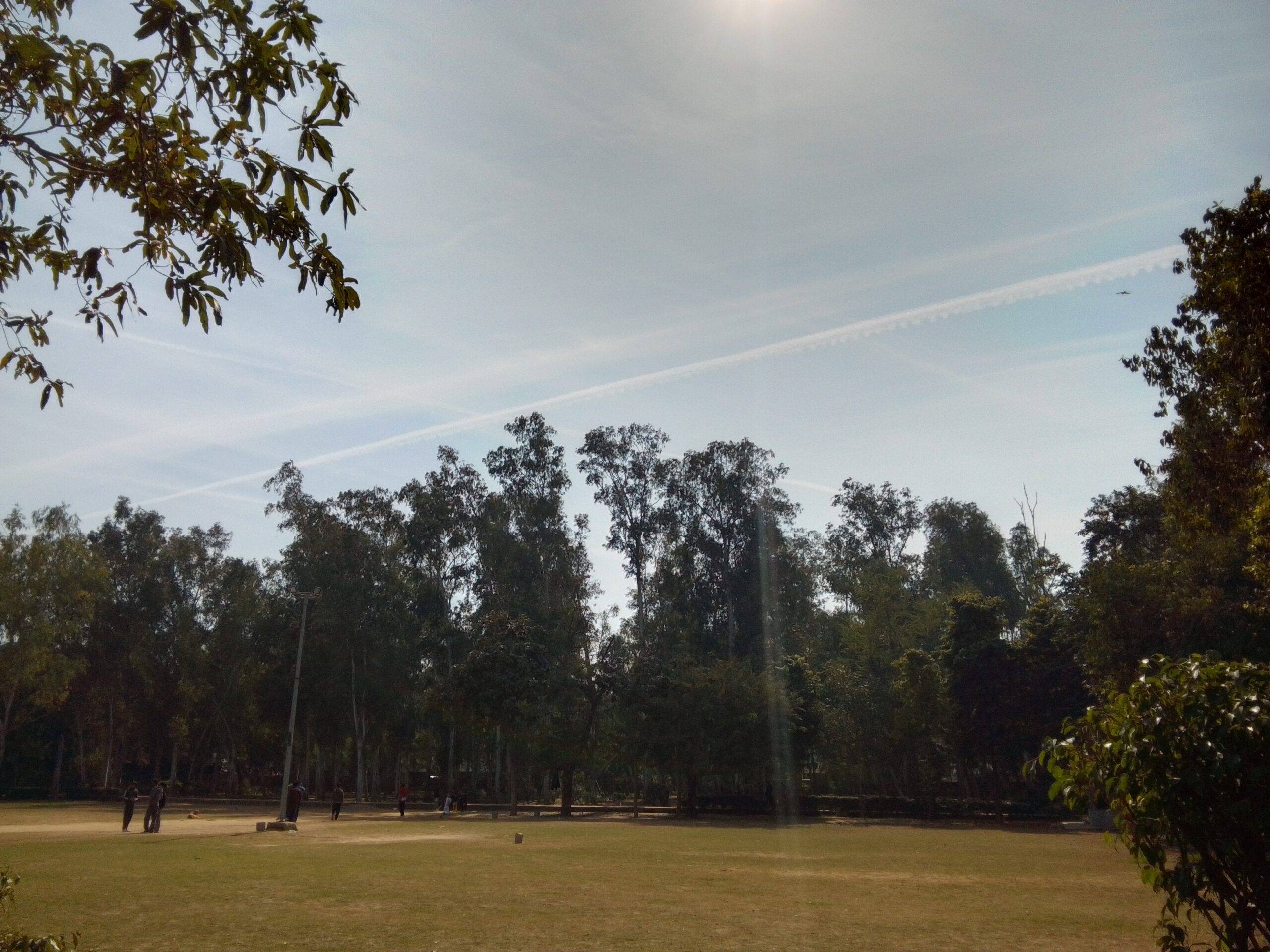
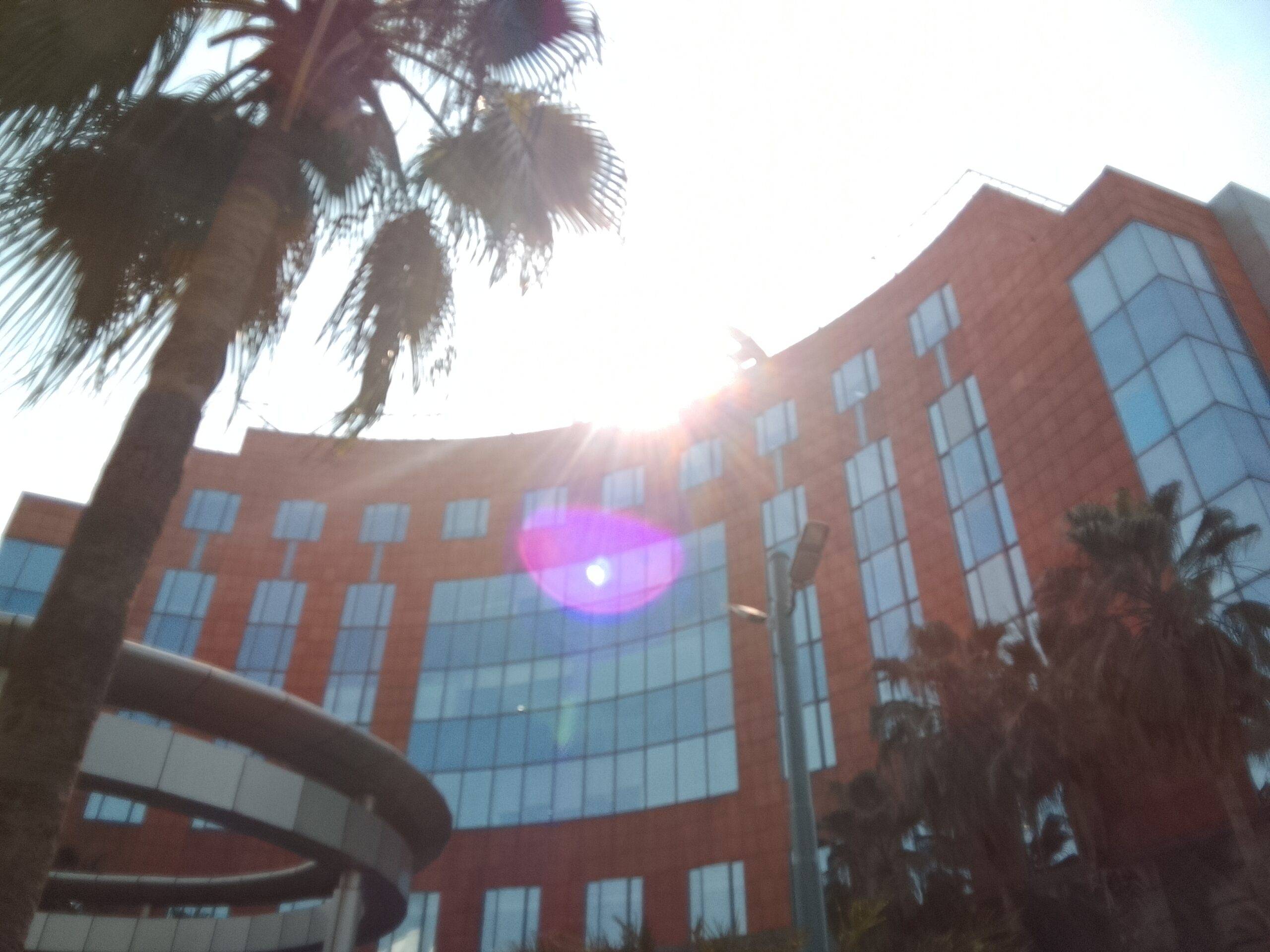


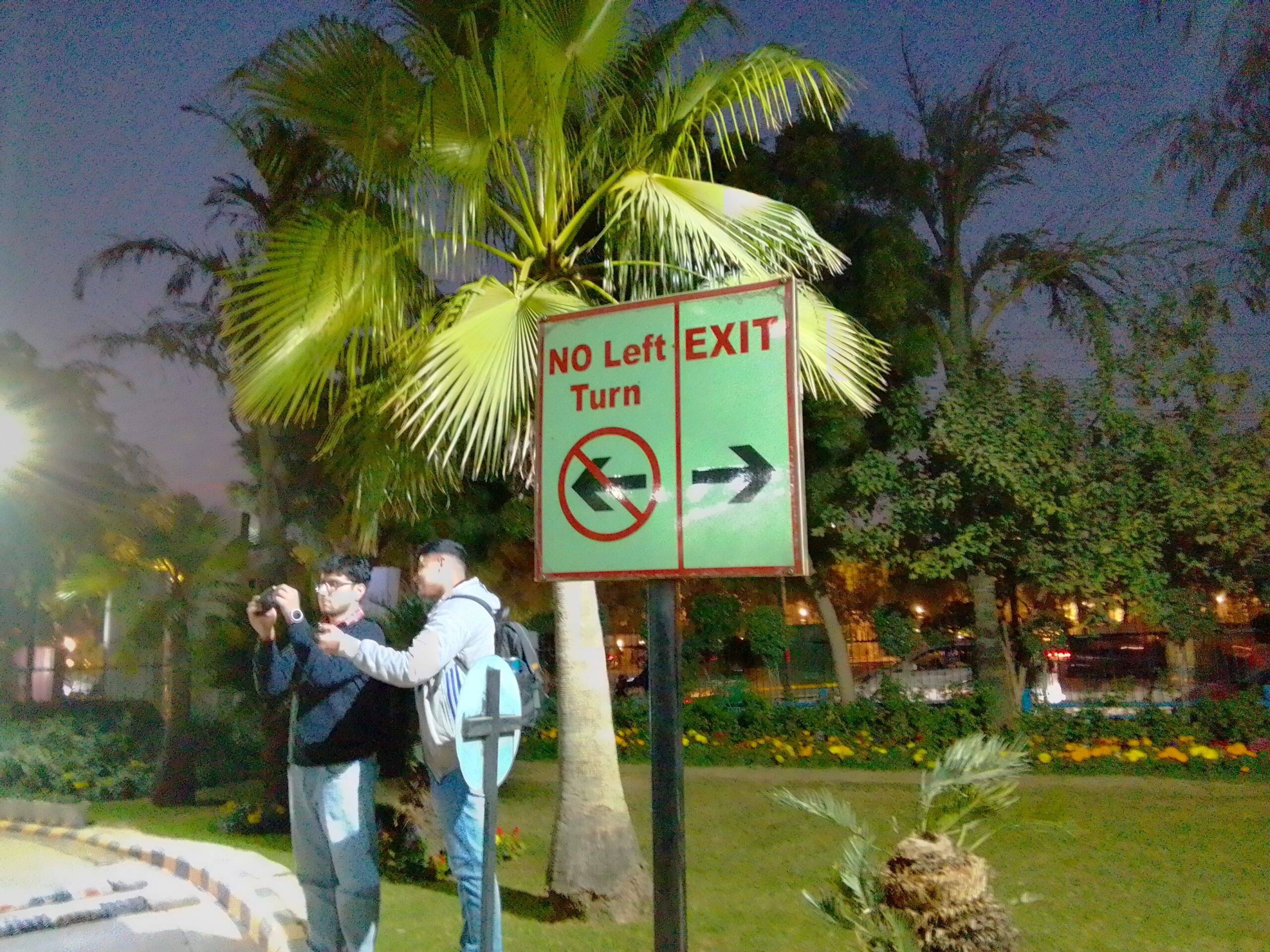
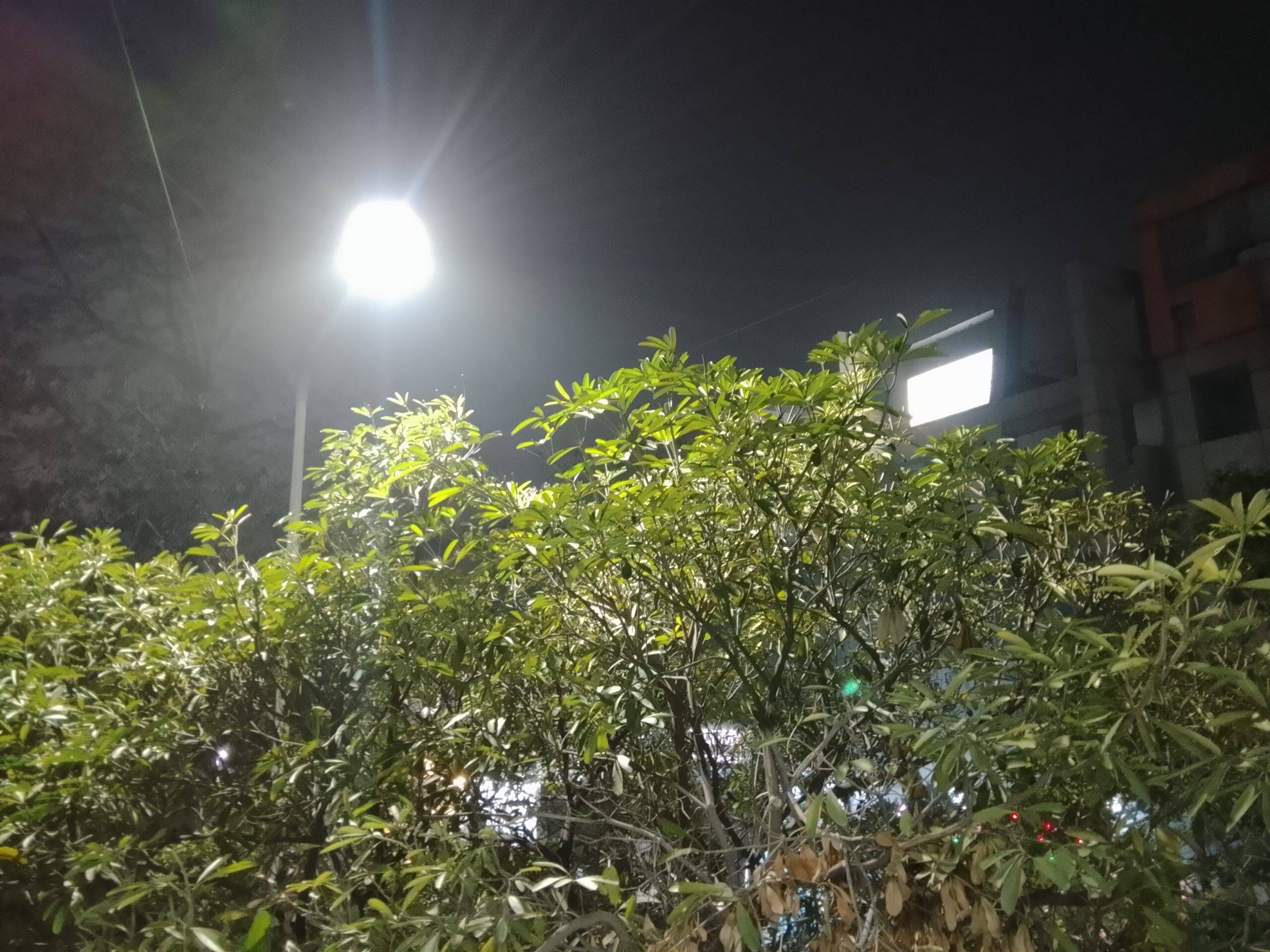
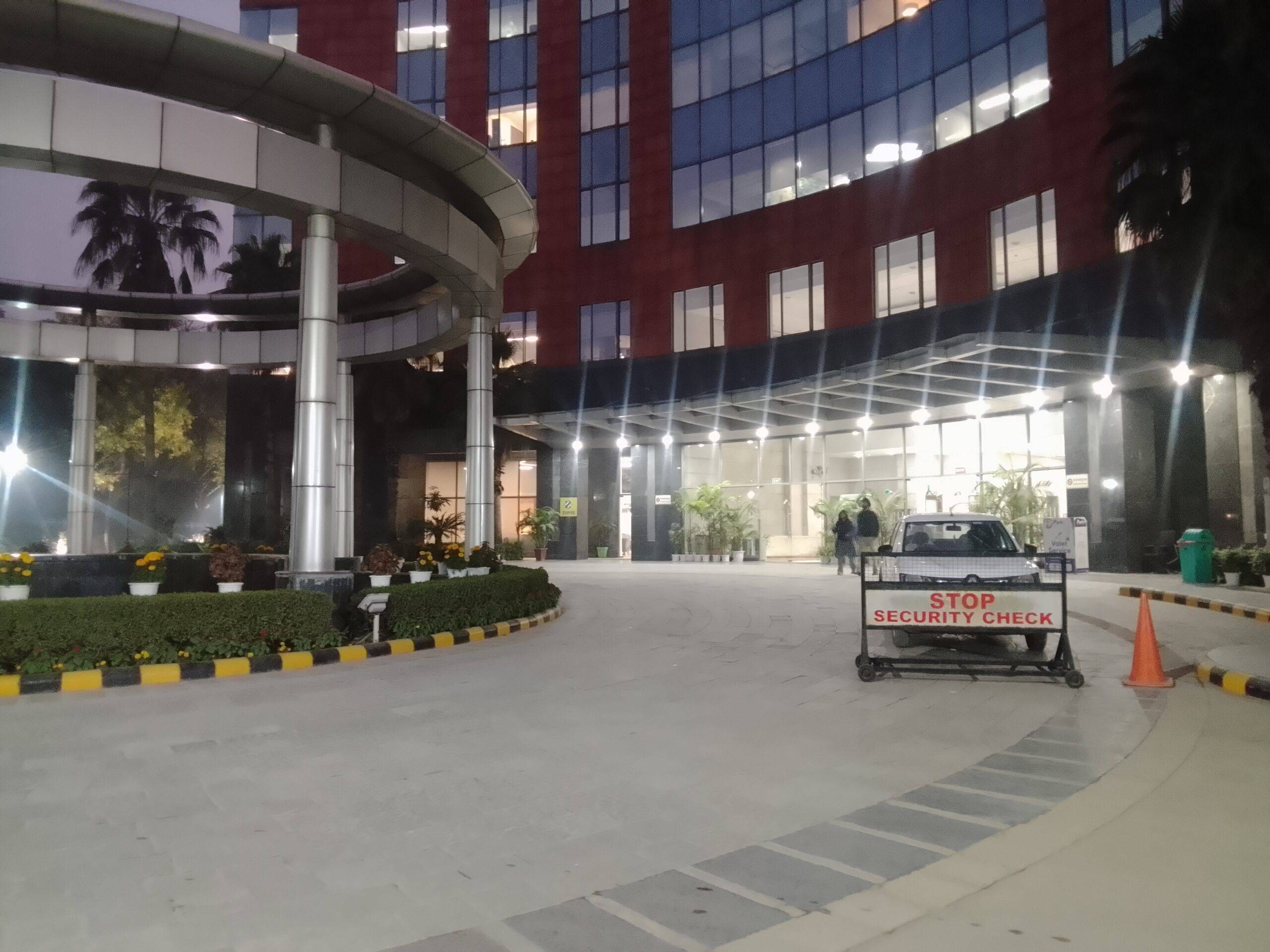
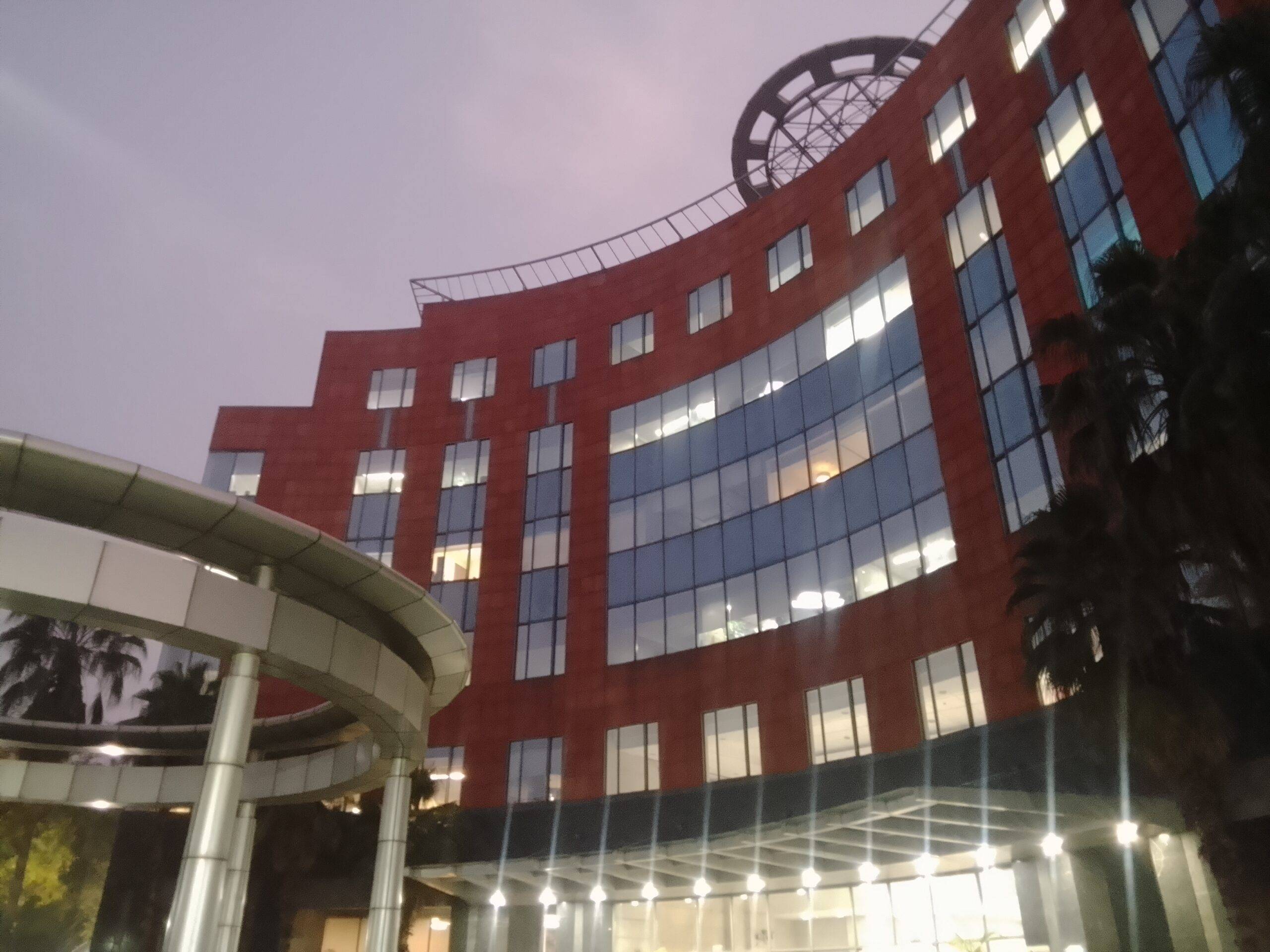


To assess the cameras of the itel A100 better, here’s a scenario-wise comparison with the Infinix Smart 10 (review), which also happens to be a sub-Rs 7,000 smartphone:
Daylight
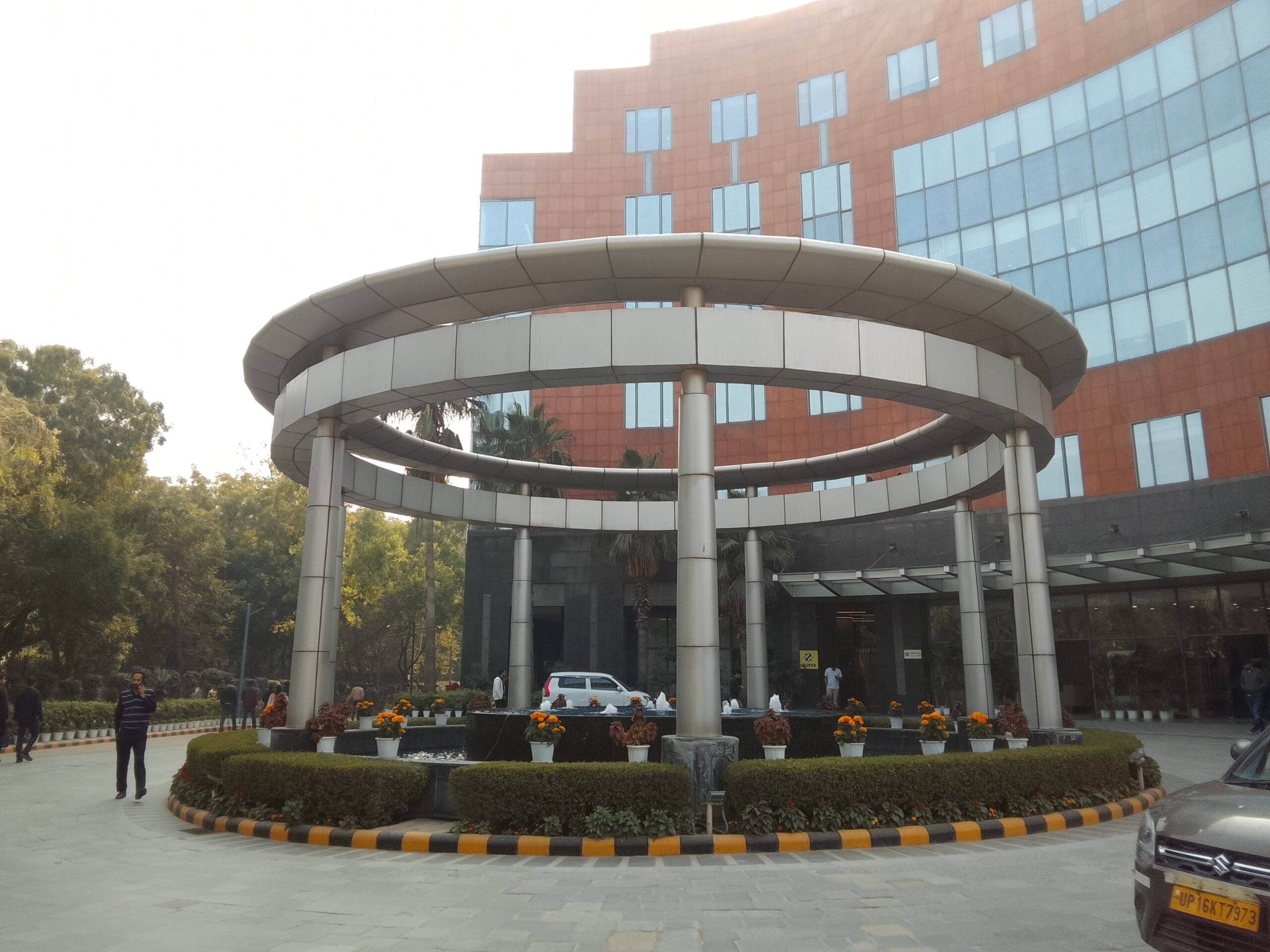
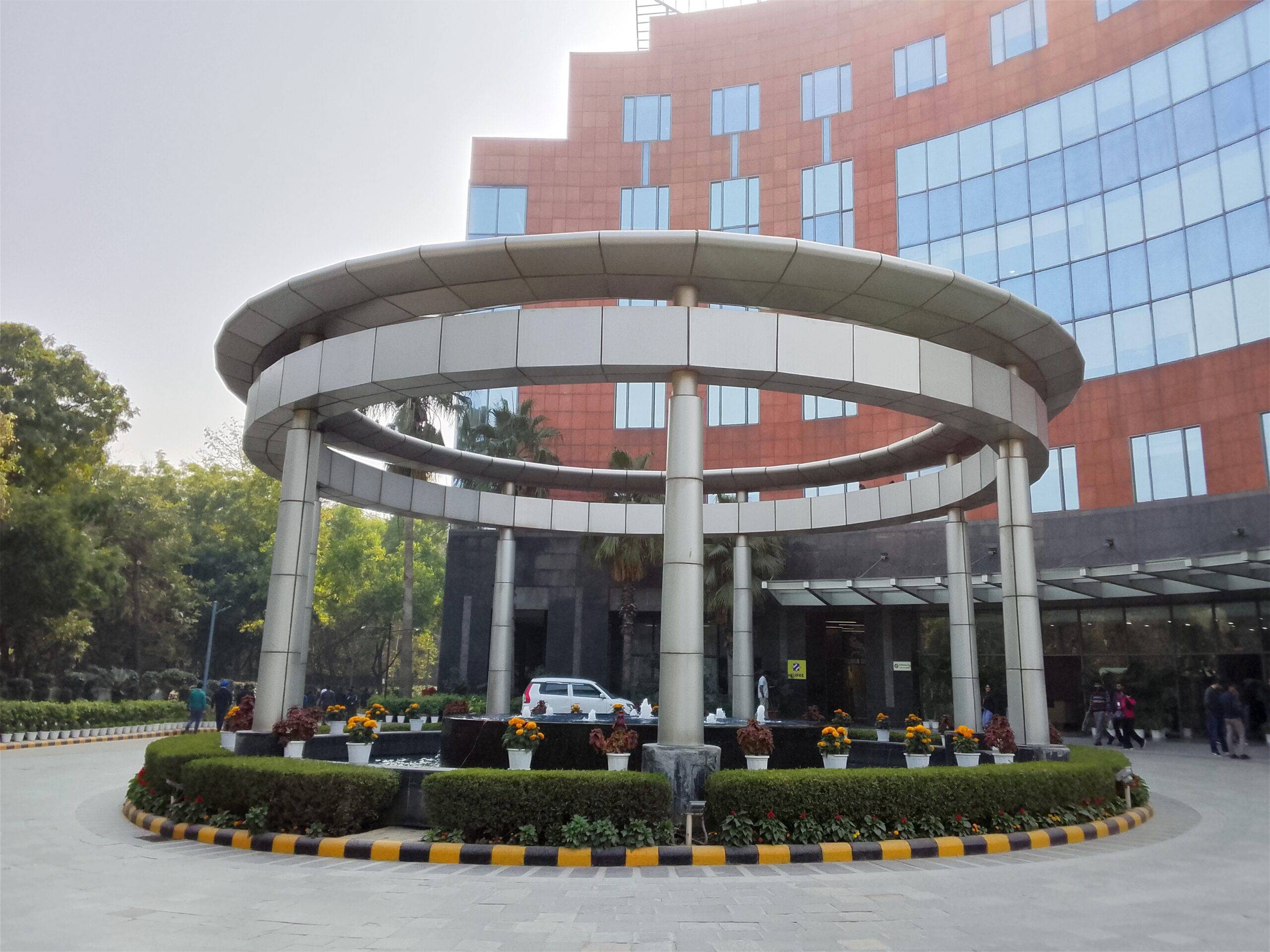
In the comparison shot above, the itel A100 has blown out the sky while adding a high amount of warmness. On the other hand, the Infinix Smart 10’s shot has somewhat better dynamic range but loses to itel in details. But without pixel peeping, the Infinix’s shot appears more reasonable.
Portrait


Unlike the daylight shot, the itel A100 has better control over the facial and background exposure in portrait mode shots. Its output also carries a tad better details, but the edge detection is off compared to the Infinix Smart 10.
Selfie


In selfies, the Infinix Smart 10 pulls ahead by evidently delivering better dynamic range, exposure and detail levels, especially on the face.
Night shot
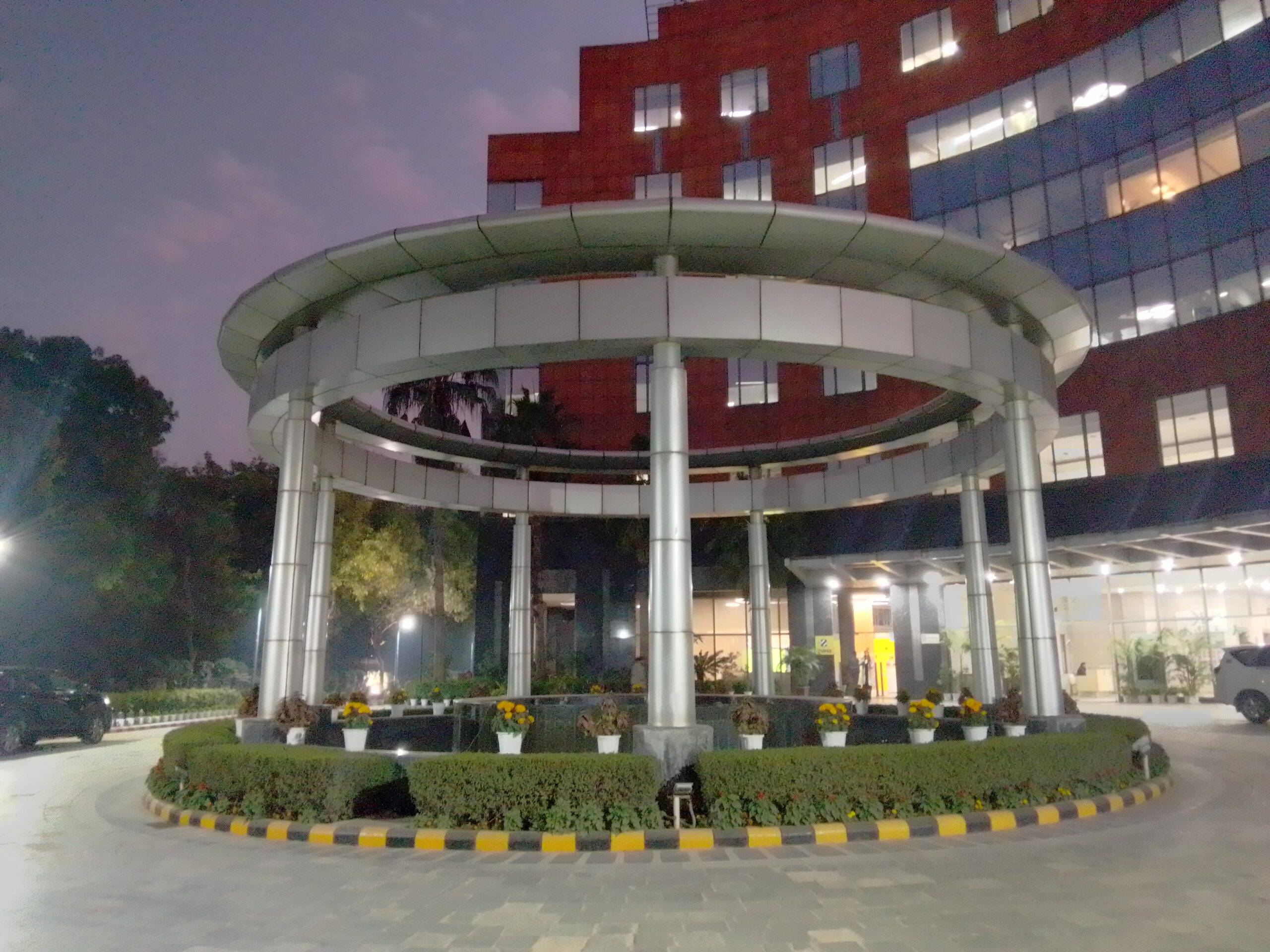
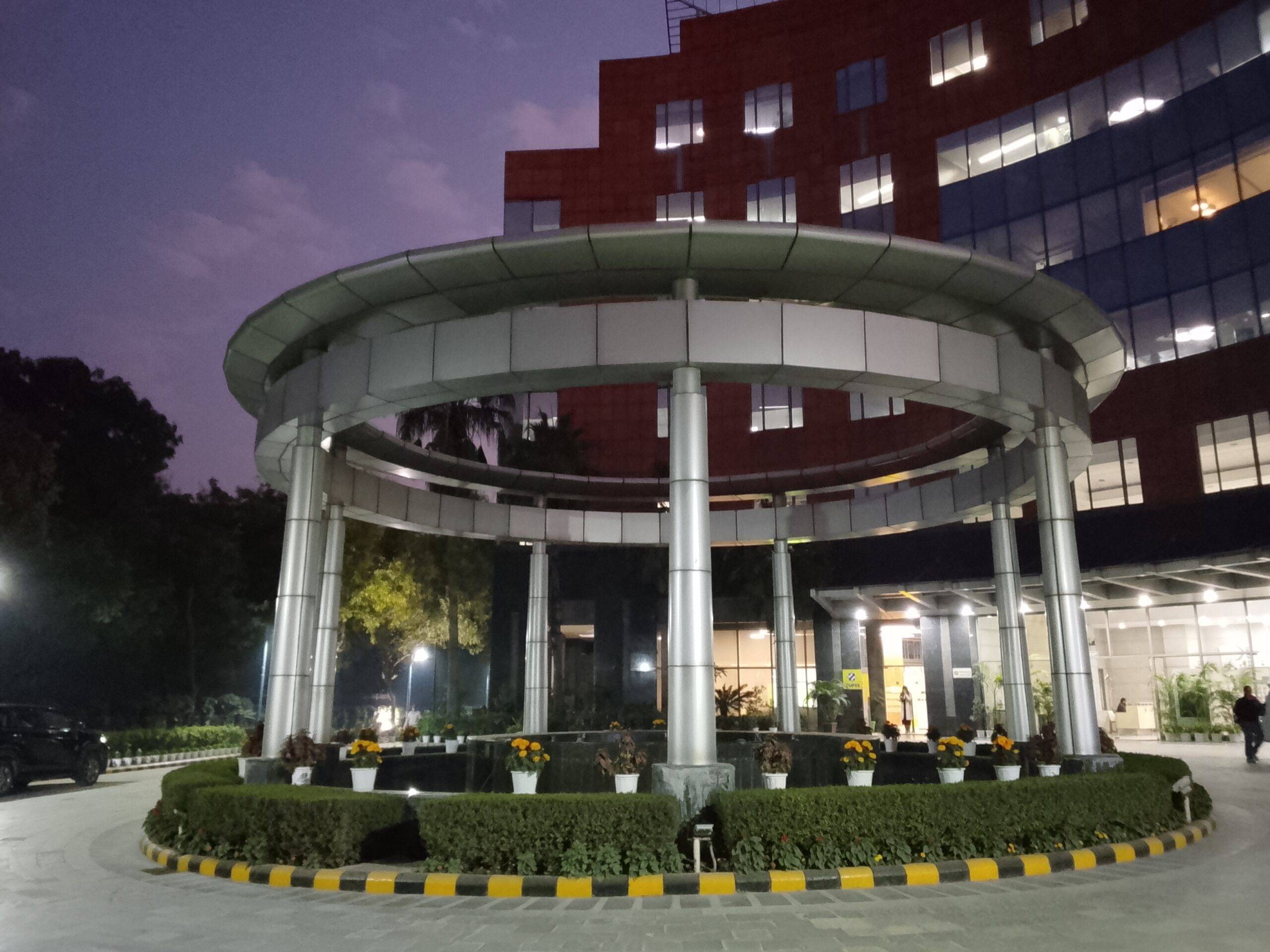
The itel A100’s shot is riddled with noise, while the colours and detail levels are also off compared to the Infinix Smart 10. Even though the Infinix smartphone’s shot goes through a similar fate, it appears more usable of the two.
Stock Android software with subtle tweaks
Coming to the software and UI design, even though the itel A100 adopts a stock-like Android approach, the company has thrown in several of its own design quirks and features. The software is based on Android 15 Go, a lighter version of Android tailored for affordable and budget devices with low memory and processing power. With 41 apps pre-installed, the phone isn’t cluttered with first-party app stores or game recommendation apps.
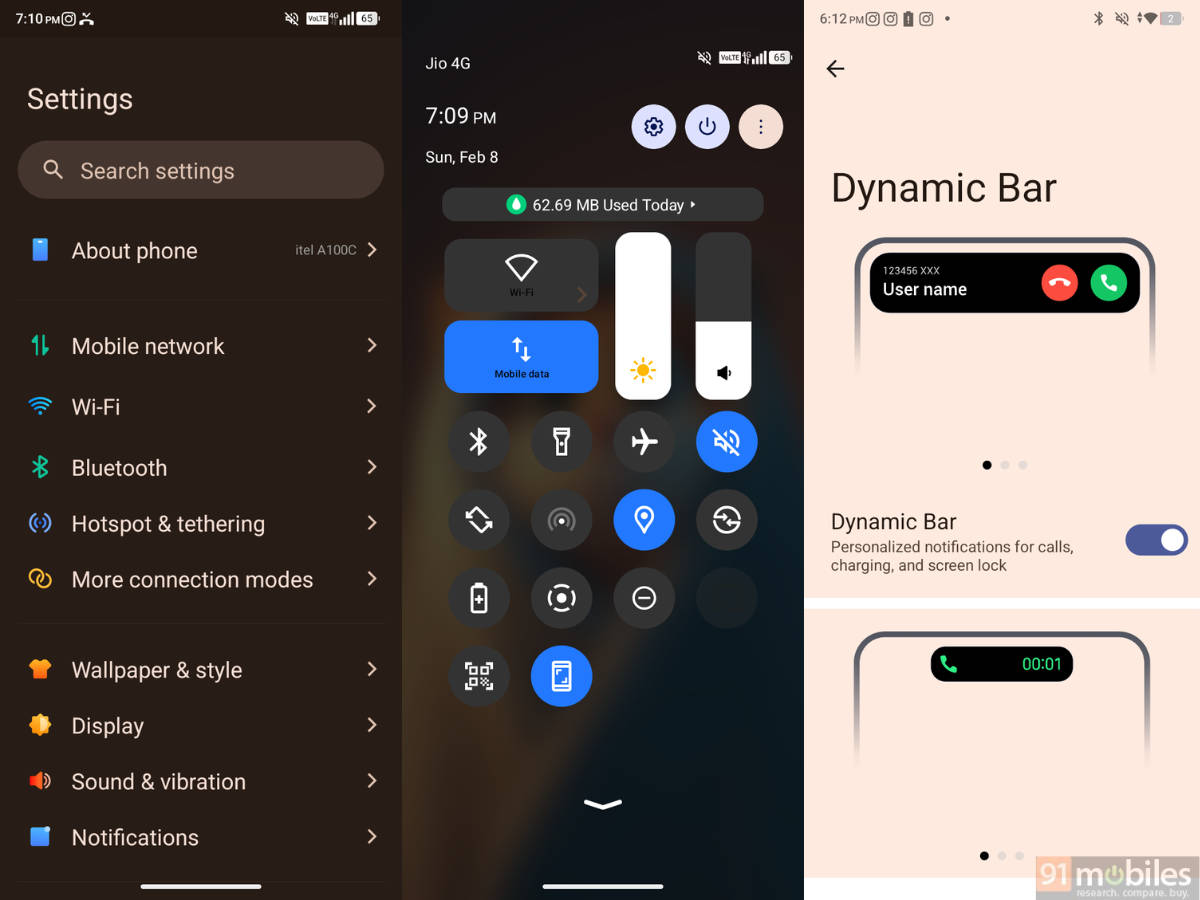
One of the standout software features on itel A100 is ‘UltraLink’. While we didn’t get the chance to try this out, the feature is similar to OPPO’s BeaconLink, which initiates calls or sends messages to other itel smartphones using Bluetooth. Meaning, it has the potential to be purposeful in situations when the network connectivity is weak or non-existent, such as elevators and basements.
Similarly, despite rocking a stock-like Android UI, the phone gets a Dynamic Bar. It’s a rectangular cutout that sits within the status bar to display the call duration and charging indication. It would have been nice if it also showed the music playback status, similar to the more expensive itel smartphones.
Sub-battery battery life and slow charging speeds
The itel A100 runs on a 5,000mAh battery, the standard capacity seen on most smartphones under Rs 10,000. While the battery is sufficiently large to last a full working day, I felt the idle drain is a bit on the higher end, resulting in poor backup when using the phone in intervals.
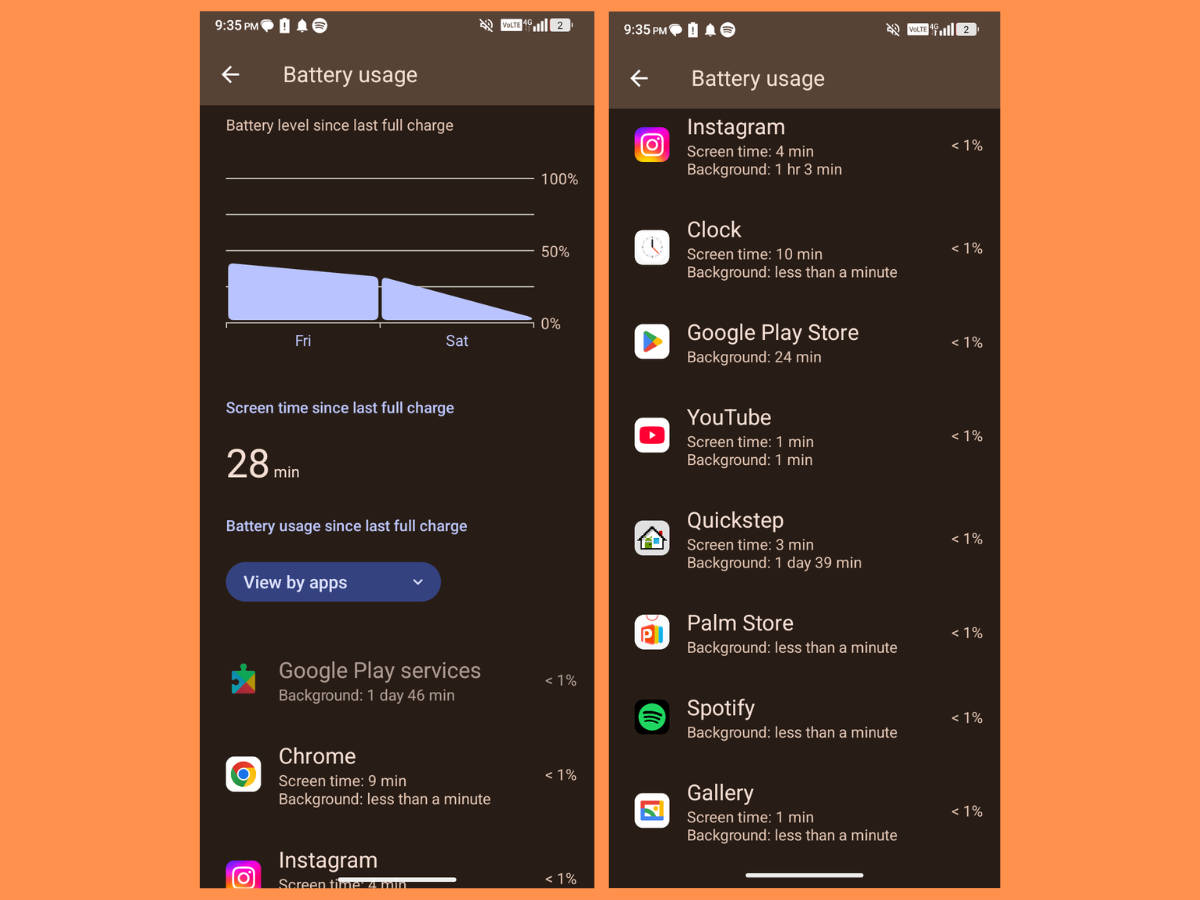
Similarly, in our in-house PCMark battery drain test, the itel A100 lasted 7 hours and 49 minutes, which is much lower than other phones rocking a 5,000mAh battery, such as the Tecno Spark Go 3 and Lava Bold N1 5G. Since the bundled charger is rated at just 10W, the phone takes its good time, over 1.5 hours, to charge from 20 to 100 percent.

Final verdict: Is the itel A100 worth considering for Rs 6,799?
Starting at Rs 6,799, the itel A100 lives up to its headlining aspects, which include a durable and tough build, an appealing rear design, and affordability. While the cameras are workable for the price, the major downside of the itel A100 lies with the average battery life and slow charging speeds. Also, since the device lacks 5G, upgrading to something like the Ai+ Nova 5G (review) or Lava Bold N1 5G (review) could be worthwhile if you’re willing to spend a little more.
That said, the itel A100 is a suitable choice for those with basic smartphone needs. The handset can also be considered by those who need a secondary phone for calls and messages, or occasionally running basic apps like WhatsApp. Even though performance suffers in popular FPS titles, the itel A100’s processor handles light games like Subway Surfers with ease.
Editor’s rating: 7.6/10
Reasons to buy
- A durable design with MIL-STD 810H certification and handy ergonomics.
- Software is free from unnecessary app recommendations and notifications.
- Suitable for running very light and casual games.
Reasons to skip
- The 5,000mAh battery requires optimisation for better endurance.
- Charging the phone can take over 1.5 hours.