Review Summary
Expert Rating
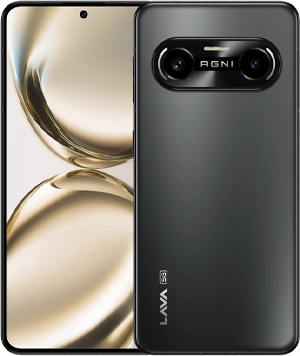
Lava’s Agni series is its most premium offering, with the Agni 4 being the latest product from the lineup. Some of you may remember its predecessor, the Agni 3, from last year, which stood out for its bold secondary display. It looks like Lava isn’t going ahead with this strategy anymore, as the brand has not only ditched the dual display but also opted for a minimalist design for its latest Agni 4 smartphone. Furthermore, there is a bump in the price tag this time to Rs 24,999, adding more expectations from the Agni 4’s performance. So, does the Lava Agni 4 deliver? Let’s find out in this review.
Table of Contents
Verdict
The Lava Agni 4 delivers fast performance, a premium design, a vibrant display, and clean Android software. However, its cameras are inconsistent, and the 5,000mAh battery lags behind rivals offering much larger cells. It’s a strong pick for performance-focused users, but not the best option if battery life or camera quality are priorities.
Goodbye secondary display, hello pill-shaped design
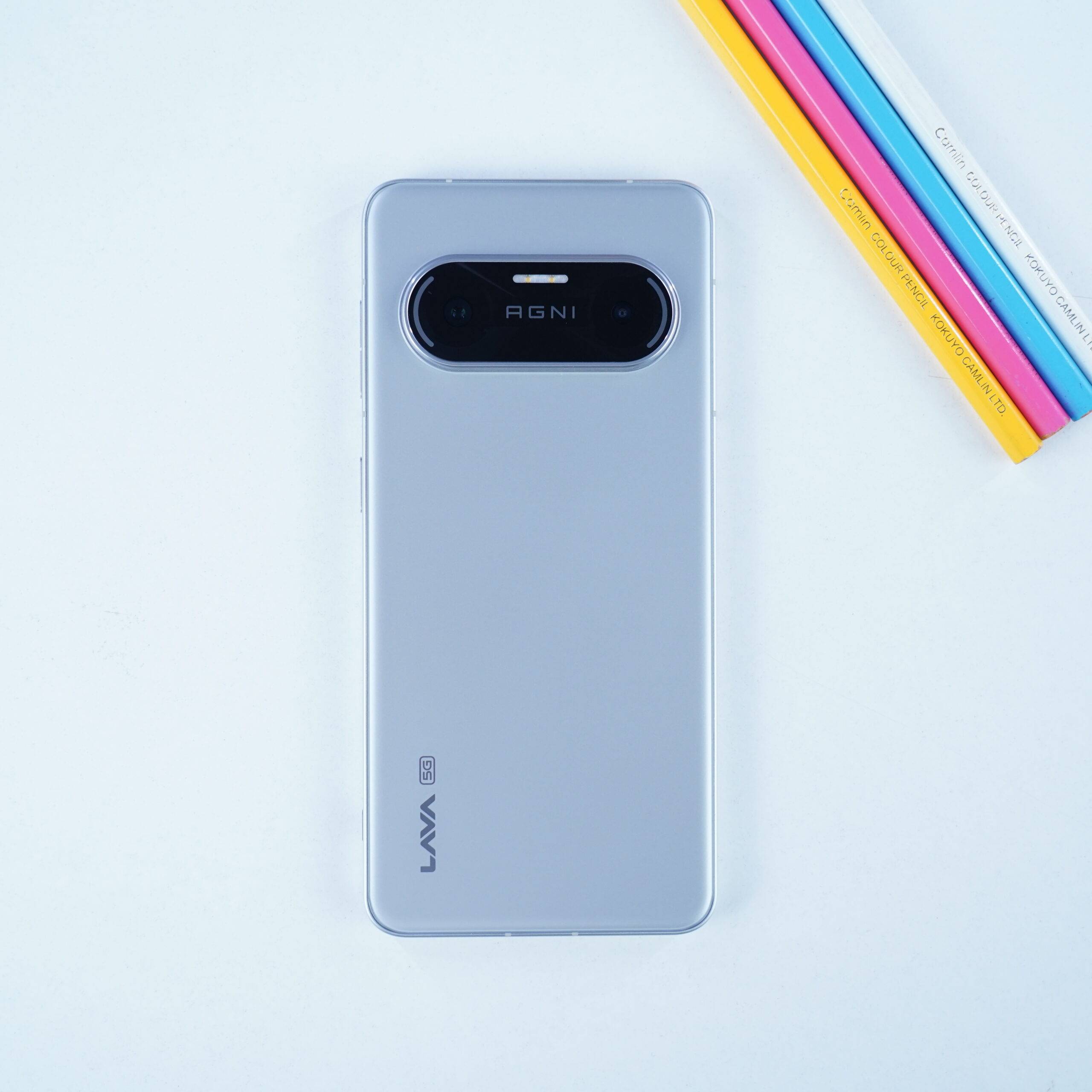
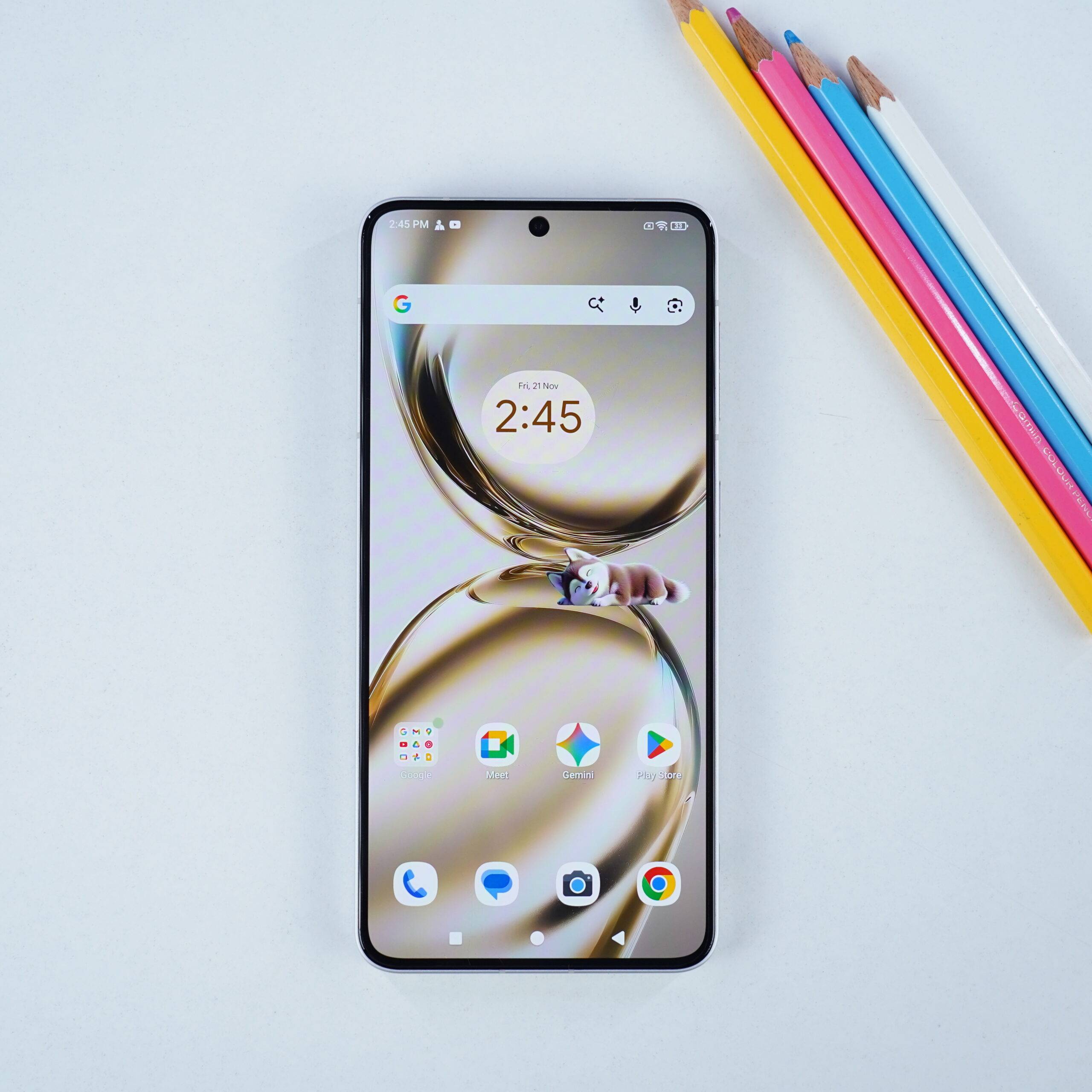
The Lava Agni 4 looks quite distinct from the Agni 3, thanks to its pill-shaped design, which replaces the secondary display. We found the Agni 3’s secondary display somewhat limiting in terms of features, although the camera widget was quite useful. So, for Lava not to continue with the same strategy for the Agni 4 may not be disadvantageous after all. This time, you get a pill-shaped camera module reminiscent of the old LG smartphones or Pixel phones for some. It’s more minimalist and helps it stand out among the sea of similar-looking Android smartphones.
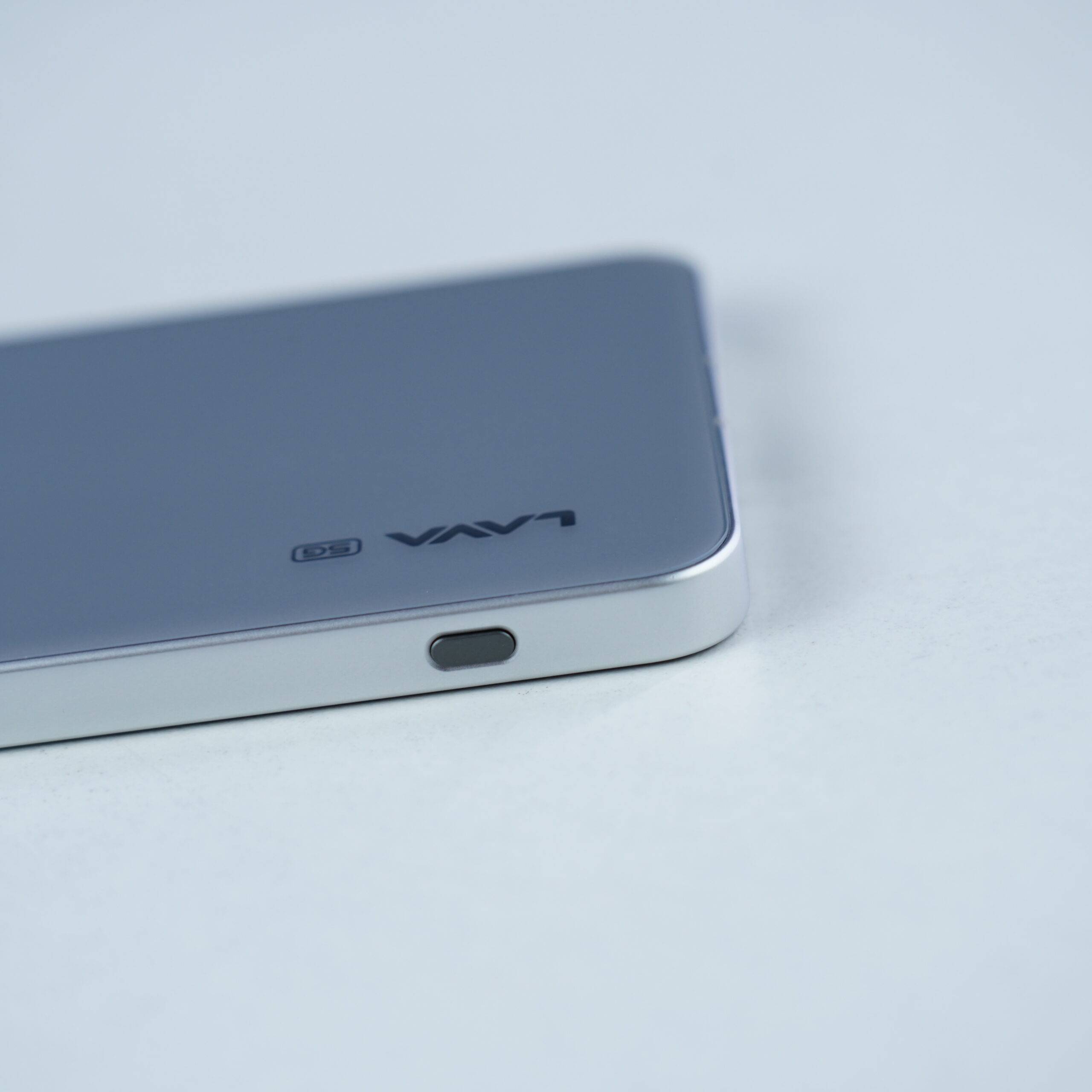
There’s also an Action Key on the Lava Agni 4, which is very missable as it’s a small button tucked on the bottom right side of the phone. As the name suggests, the Action Key can be customised for different shortcuts like taking screenshots, turning on silent mode/ring, or opening apps on your phone. The placement of the key is a bit weird because there’s no muscle memory for it, and the button is so tiny, the Action Key might go unused or forgotten about.
Personally, the phone feels like a large brick slab in my hands, but it isn’t uncomfortable to use, despite my dislike for big phones. The volume keys and power button are easy to reach with one hand. The overall metal frame and finish also feel very sleek and premium. Having said that, the handset offers only an IP64 rating for dust and water resistance. In comparison, phones in this segment offer up to IP69, making the Agni 4 weaker in terms of durability.
We have the Lunar Mist colour variant, which is a light greyish-silver shade. The other option is Phantom Black, for those who prefer subtlety over flashy colours.
Up front, you get a 6.67-inch 1.5K (1220 x 2712) AMOLED display with a 120Hz refresh rate and 2,400 nits peak brightness. The panel looks vibrant with rich colours, though you can adjust the colour profile and temperature if you prefer a softer or warmer tone. Its flat design and slim bezels make it well-suited for gaming and streaming. While some phones in this segment offer a larger screen, this size still feels adequate even for regular binge-watching. The smartphone also has speakers at the bottom and up top, which can get very loud, making it great for watching videos or shows.
Top performer in the segment
Powering the Lava Agni 4 is the MediaTek Dimensity 8350 chipset. This is a strong mid-range chipset with proven performance in phones like the OnePlus Nord CE5 (8350 Apex) and Infinix GT 30 Pro (8350 Ultimate). These two are the top performers in the segment, but the Lava Agni 4 manages to beat them in our benchmark tests, scoring the highest points.

The handset also delivered an impressive 8.9 gaming score, placing it just behind the current leader, the Infinix GT 30 Pro, which sits at 9. This strong result is largely due to its consistent frame rates in BGMI and its excellent temperature control. In BGMI, the Agni 4 achieved a steady 39.70fps, slightly below the OnePlus Nord CE5’s 44.7fps, while in COD Mobile, it managed an average of 55.1fps, which is respectable performance for its segment, though a step behind some competitors.
Thermals are another area where the Agni 4 shines. Thanks to its 4300mm² VC Liquid Cooling System, the device maintained one of the lowest average temperature increases during 30-minute gaming sessions in both COD Mobile and BGMI, contributing largely to its stable performance and strong overall gaming score.
So overall, the Lava Agni 4 performs reliably in everyday tasks, with no lag or stutter during normal use. It’s responsive under regular workloads and handles gaming quite well. Even a demanding game like Genshin Impact runs smoothly, though only at medium graphics settings.
Cameras driven by strong selfie performance
Lava Agni 4 features a 50MP primary camera and an 8MP ultra-wide lens at the back, and a 50MP selfie camera. This setup is mostly what you’d get in phones priced under Rs 25,000. The Agni 4 does a decent job when it comes to photography, but it’s definitely not the best. The handset struggles in daylight shots with details and dynamic range, while portraits fall short in terms of skin tone and edge detection. However, when it comes to selfies, the smartphone’s performance stands out, and its low-light images are good enough.
We compared the phone’s cameras to the OnePlus Nord CE5, which also has a 50MP+8MP setup at the back, and a 16MP selfie camera. The Nord CE5 is one of the top camera phones in this segment.
Daylight

In daylight, the Lava Agni 4 struggles with detail, often producing slightly blurred textures. The handset does, however, reproduce colours more accurately than the OnePlus Nord CE5. The photo might seem fine for social media, but if you care about sharpness and finer details, the Nord CE5 delivers a better performance.
Portrait
Portrait performance on the Lava Agni 4 was underwhelming, especially when compared to the OnePlus Nord CE5. The Agni 4 often produced inaccurate skin tones and relied heavily on oversharpening, which gave the images an unnatural look. Its edge detection was also slightly weaker, with noticeable errors around hair strands and clothing. The Nord CE5, on the other hand, leans toward smoother skin rendition, but the overall portrait aesthetic is more pleasing. Its colour science and background blur also feel more polished, making the results better suited for social media.


Selfies
The Lava Agni 4 delivers surprisingly strong selfie performance, capturing more accurate skin tones and colour reproduction than expected. The added contrast gives the image a pleasing punch without overdoing it, and the background retains good detail even with the focus locked on the subject.
The Nord CE5, by comparison, leans toward a warmer colour profile, often introducing a noticeable yellowish cast across the frame. While not unusable, it doesn’t offer the same natural rendering that the Agni 4 manages in its selfies.


Ultra-wide
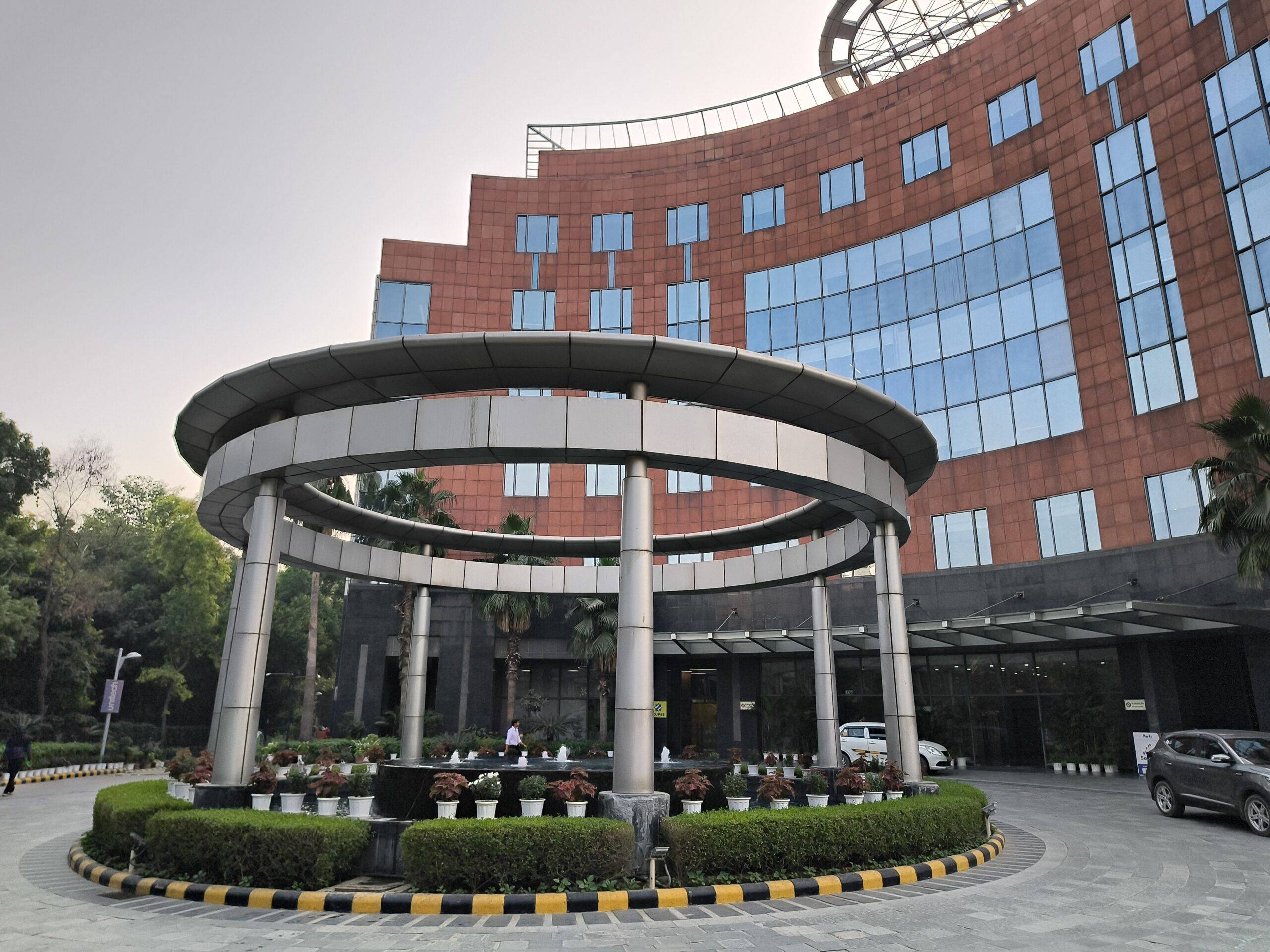
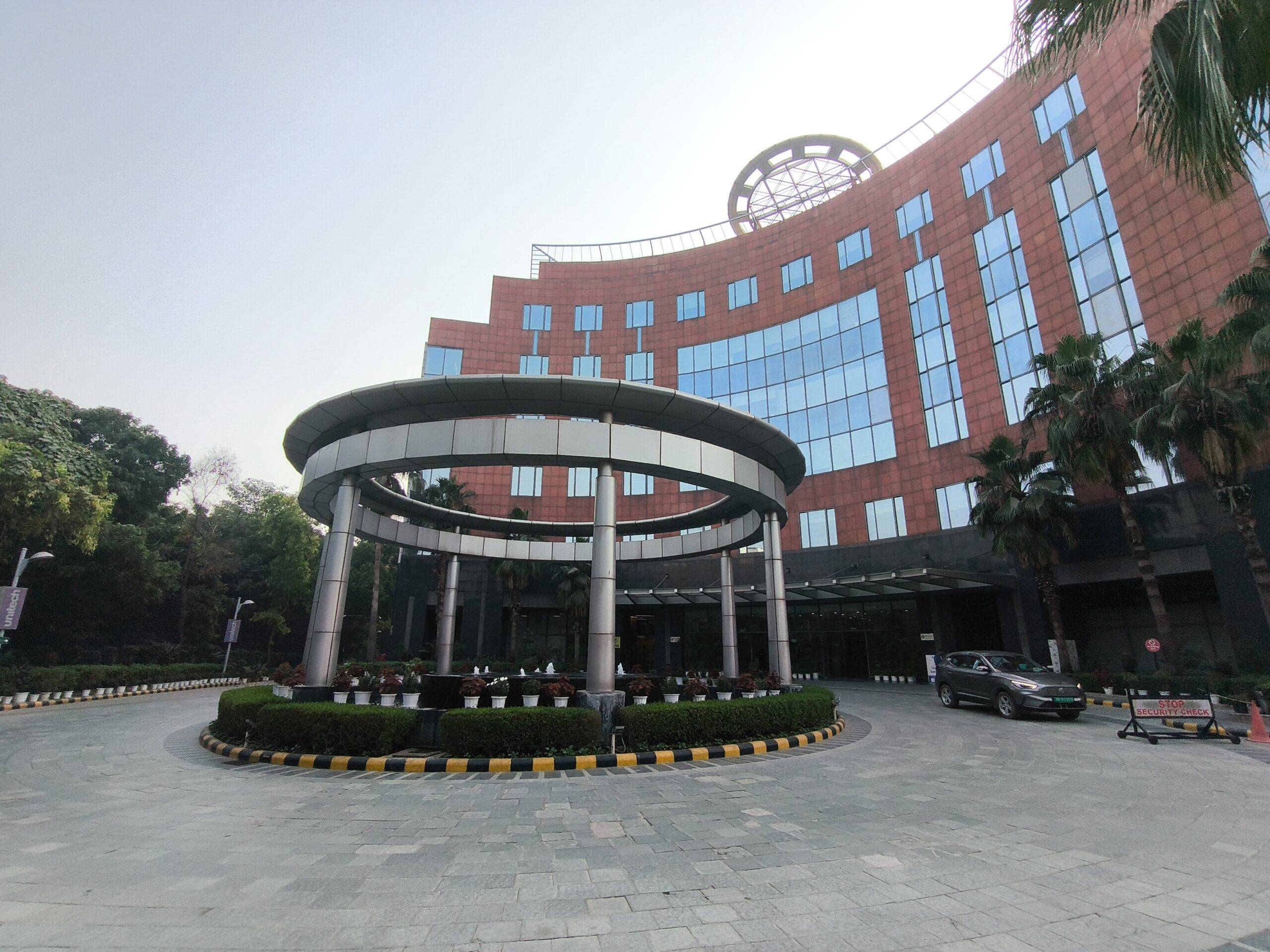
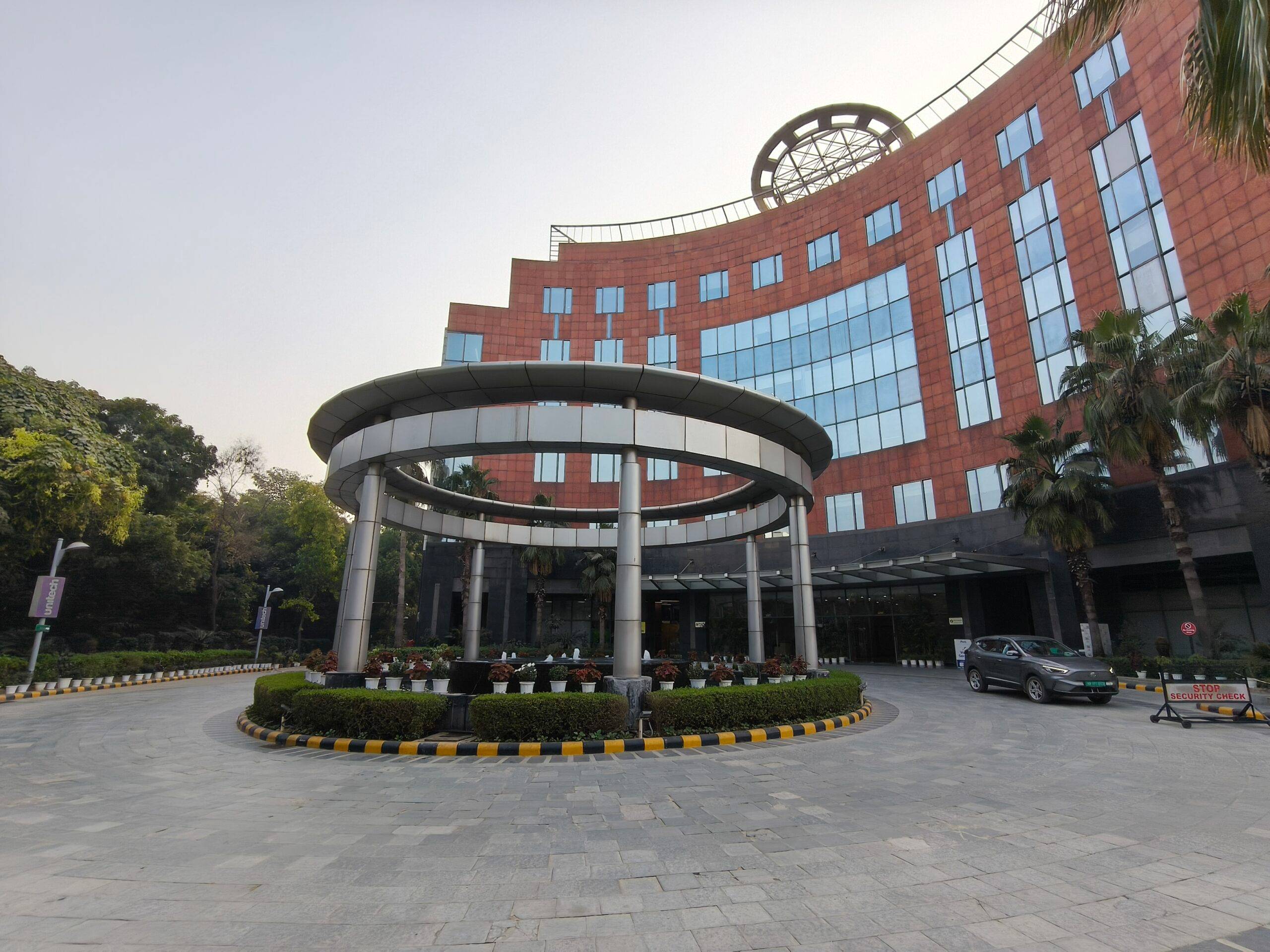
At first glance, it’s clear that the Nord CE5 handles the scene more accurately, especially in how it frames and represents the building. The Agni 4’s composition feels slightly off, and a closer look reveals a noticeable drop in fine detail. Although the Agni 4 maintains decent colour consistency, the overall image suffers from limited dynamic range, causing highlights and shadows to lose definition.
Low light
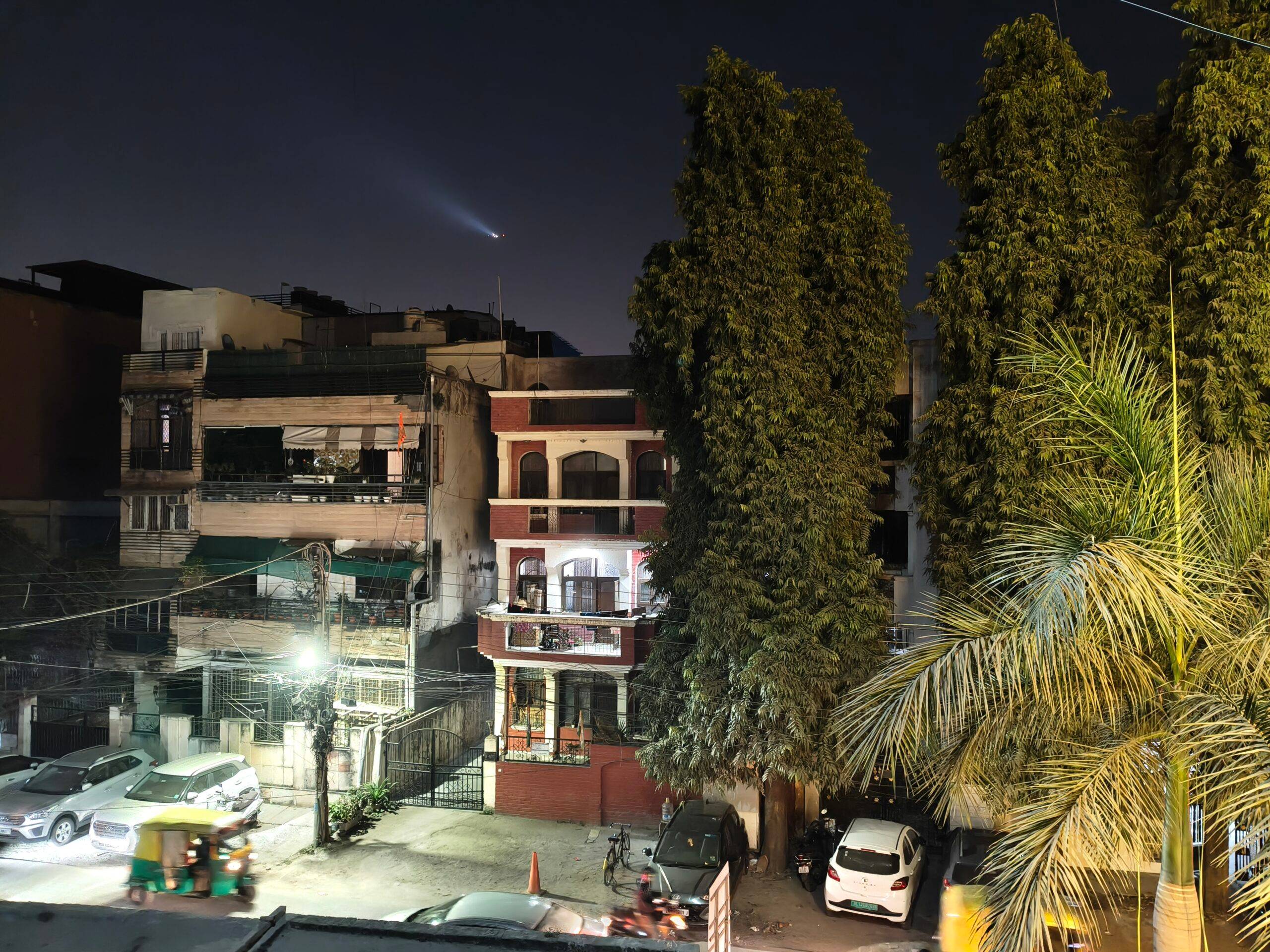
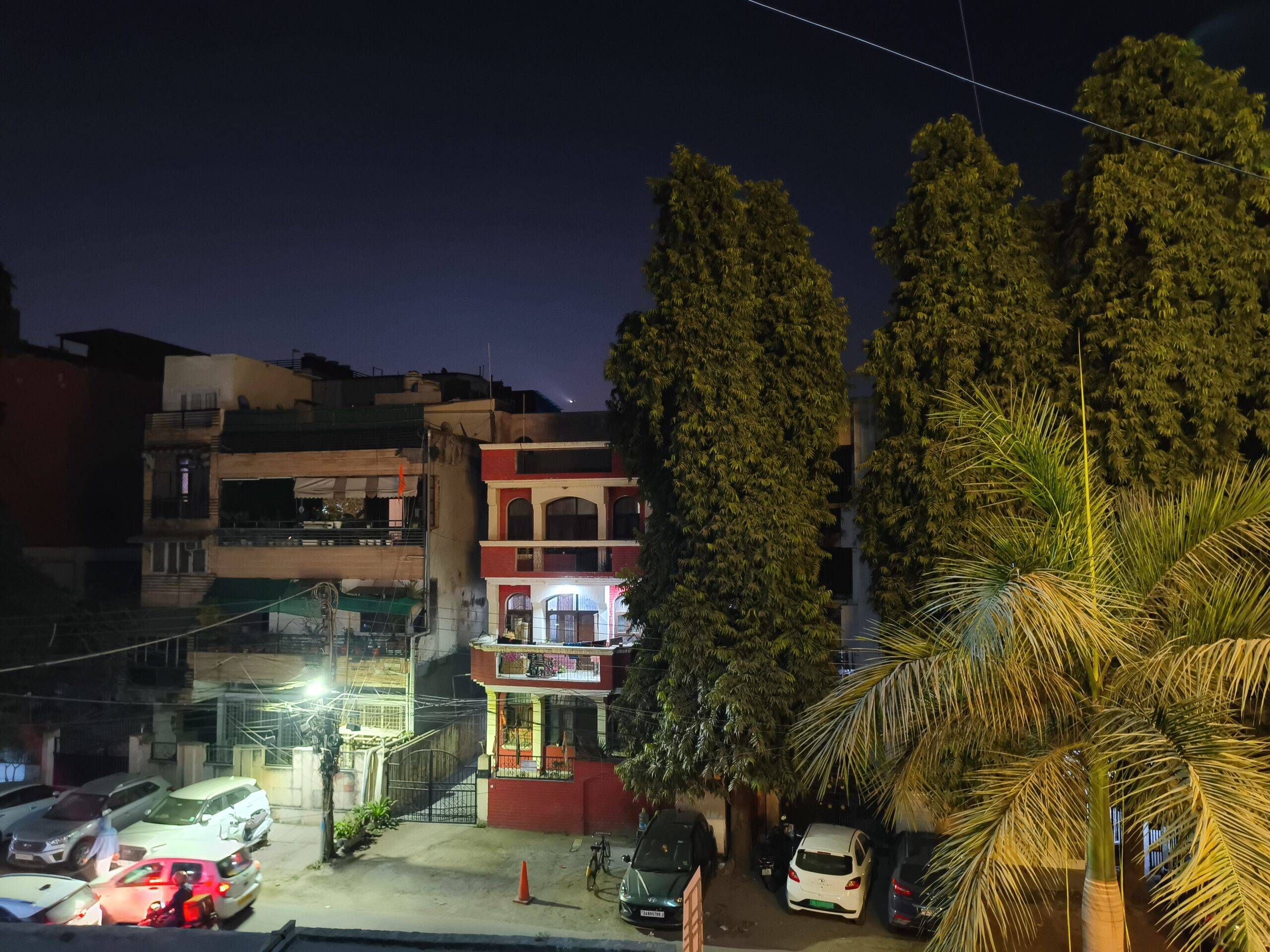
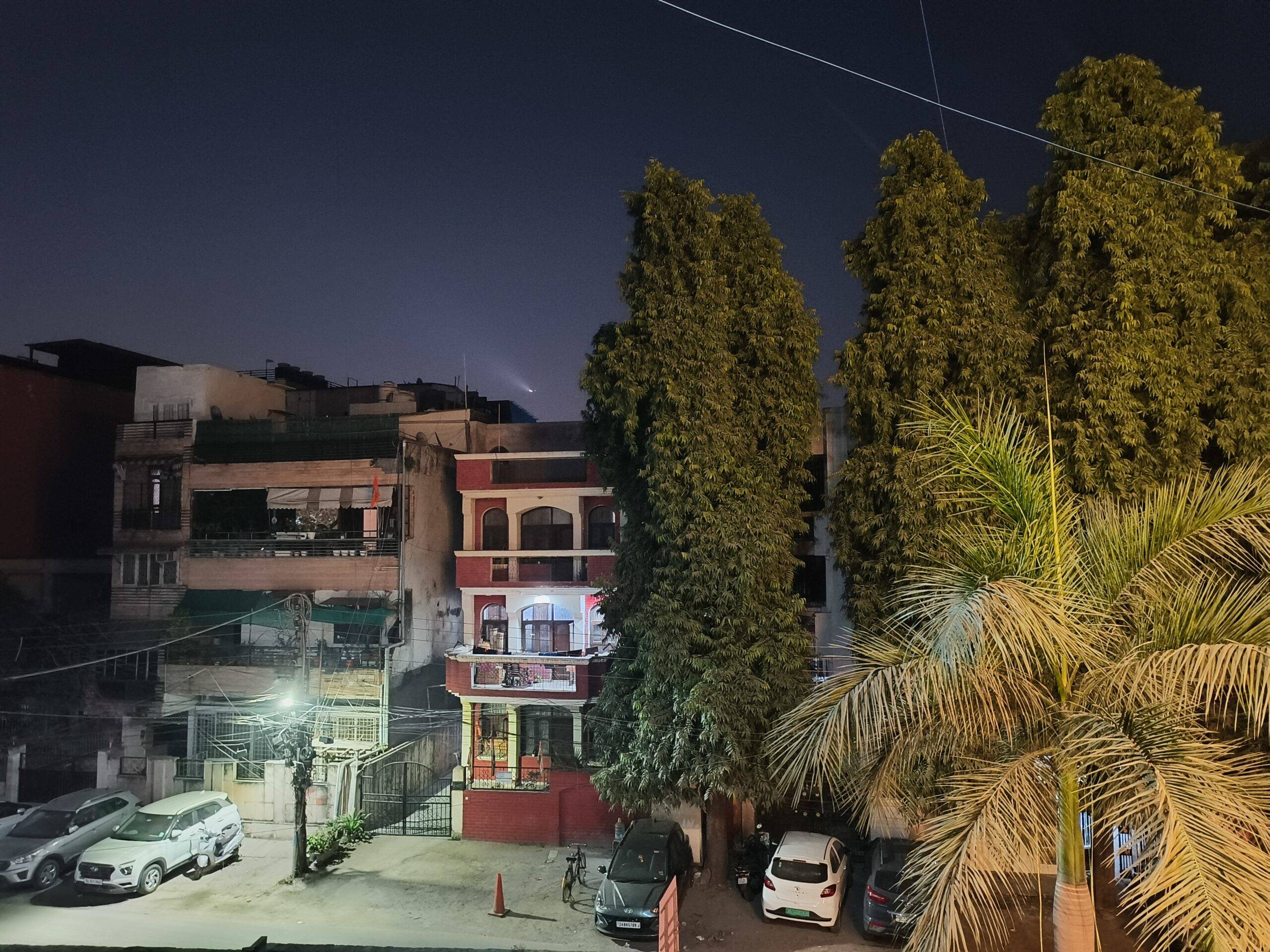
The Lava Agni 4 handles low-light scenes reasonably well, but when compared directly, it falls short in a few important areas. The phone often boosts colours to the point of inaccuracy, resulting in scenes that look slightly different from reality. While light flares are kept under control and exposure is generally stable, the image still shows noticeable noise in darker regions, giving some areas a washed-out appearance.
The Nord CE5 performs better across these parameters, delivering a more true-to-life image with balanced colours and cleaner detail retention, even in challenging lighting.
Night mode
With Night mode enabled, the Lava Agni 4 shows some noticeable improvements, particularly in maintaining more accurate colours. It also handles exposure and light flares surprisingly well, better than the Nord CE5 in certain scenarios. However, despite these gains, the image still exhibits significant noise, which prevents the overall shot from looking clean and refined.

Vayu AI – an attempt at making AI personal
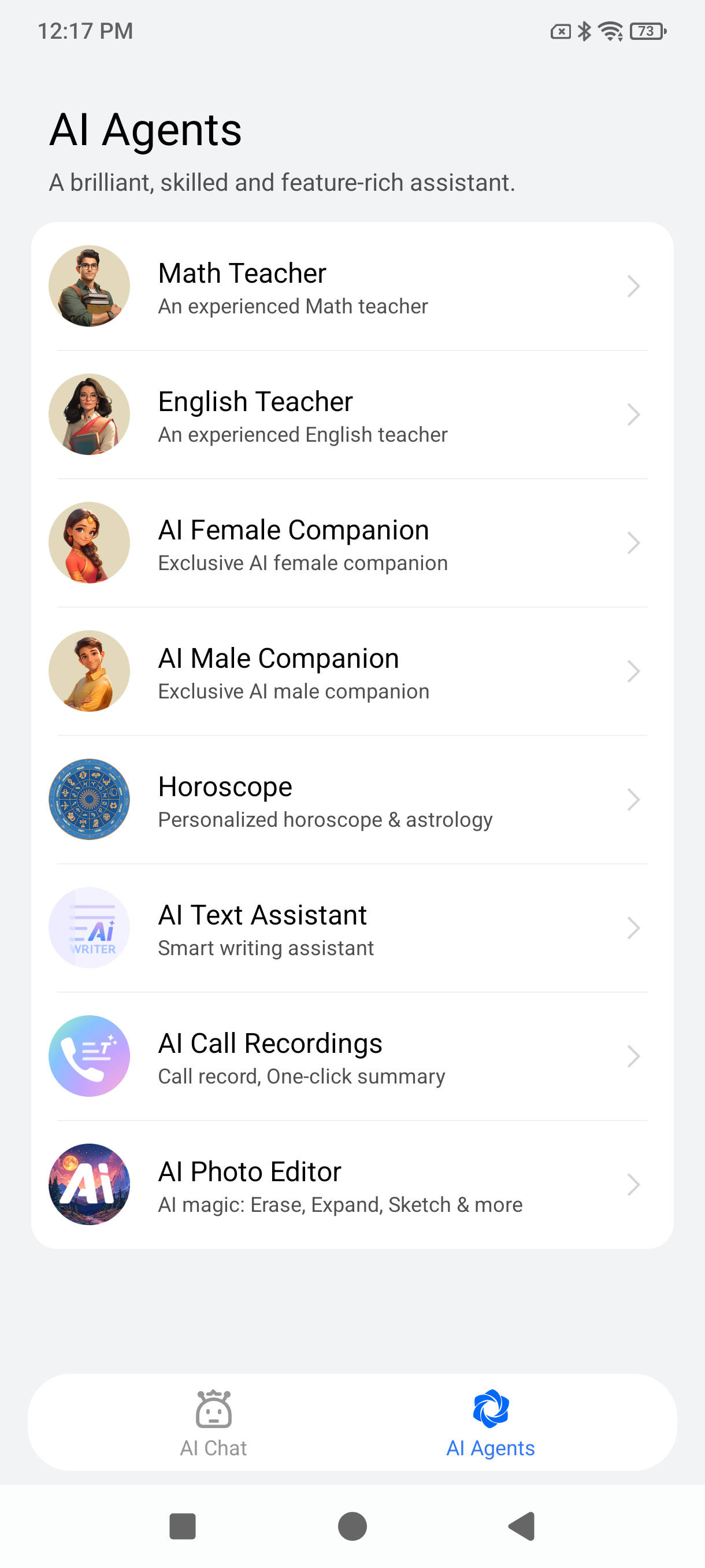
The Agni 4 debuts Lava’s new Vayu AI software, which introduces a dedicated AI assistant along with several specialised AI agents. These include chatbots designed for specific tasks: a math tutor, an English tutor, male and female companion agents, and even a horoscope reader. There’s also an AI Text Assistant, AI Call Recording features, and an AI Photo Editor.
The educational agents, particularly the English and math tutors, are useful, offering simplified explanations for queries and doubts. The companion agents, however, stand out the most. They’re built purely for casual conversation, with the system even suggesting follow-up prompts if you’re unsure what to ask. While AI has become a part of everyday life, using it as a conversational companion does feel somewhat dystopian, but for users who enjoy it, the option is there.
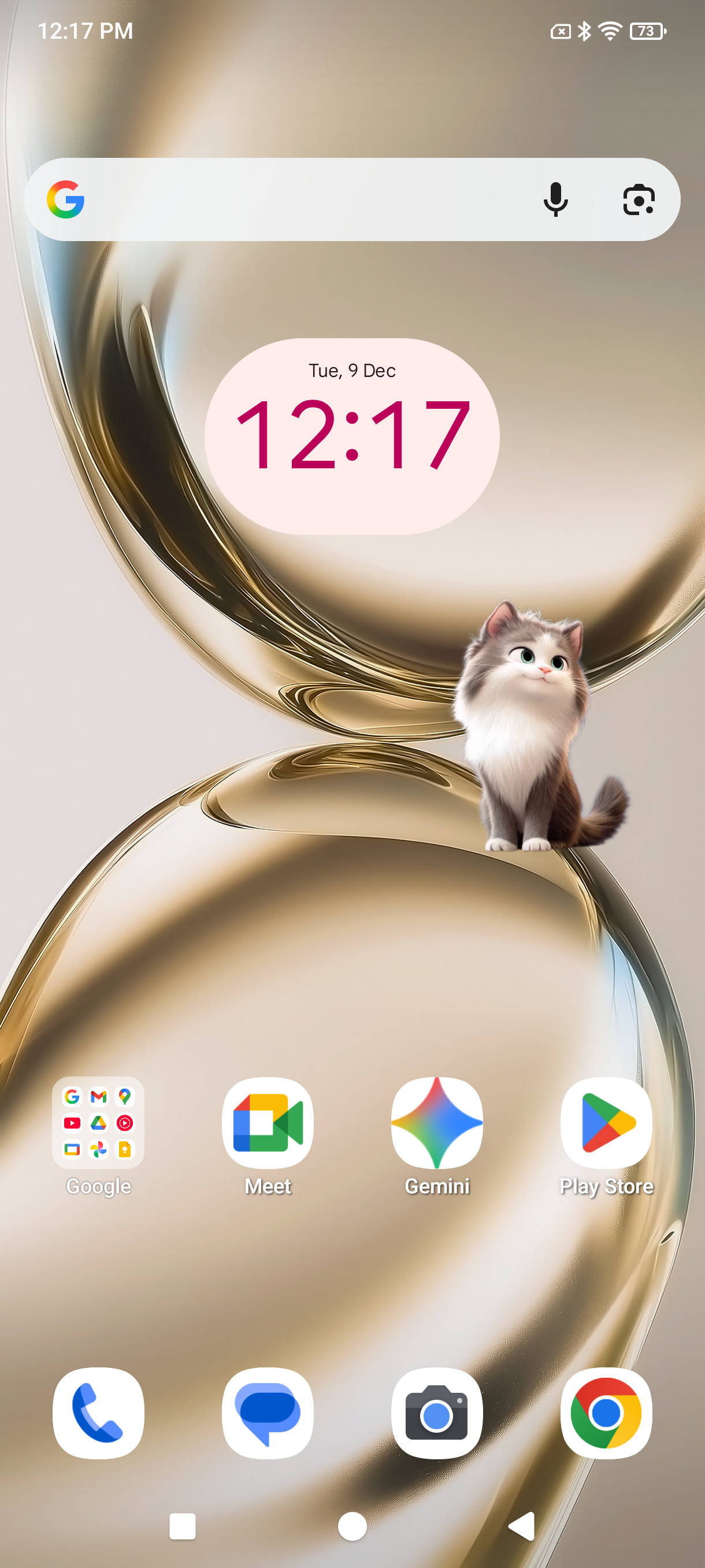


You can even customise the AI agent into a dog or a cat and have it sit on your home screen. The virtual pet is interactive, and you can long-press it to record a query. It handles basic questions like checking the weather, but it can’t respond to more complex or timely topics, such as recent events involving IndiGo Airlines.
On the software front, the Lava Agni 4 offers a clean, near-stock Android experience with no third-party bloatware. The handset ships with Android 15 and is promised three years of Android updates and four years of security patches. This is respectable for the segment, but the OnePlus Nord CE5 goes further with four OS upgrades and six years of security updates, making it the more future-proof option.
The overall UI on the Agni 4 is pleasant, free from ads or intrusive apps, but it lacks polish compared to more mature custom Android skins. Animations feel dated, and the interface could benefit from refinement to match the otherwise solid experience the phone aims to deliver.
Average battery life
The Lava Agni 4 packs a 5,000mAh battery with 66W fast charging support. This battery capacity might seem small in front of rivals, as most of the newer phones in this segment offer 6,000mAh+ batteries, with even 7,000mAh becoming the standard these days. The difference is quite visible in our PCMark benchmark test, where it ran for 6 hours and 36 minutes, much lower than most of the phones in this segment. For context, the Realme 15T with a 7,000mAh battery lasted for 17 hours and 30 minutes, while the Vivo Y400 Pro with a 5,500mAh battery lasted for 12 hours and 34 minutes.

With this battery capacity, you can expect the phone to last a full day, but with not much surplus to push beyond that. Intensive tasks like downloading large files drain the battery noticeably faster. A 5,000mAh battery phone is still serviceable today, but with phones now offering up to 7,000mAh, the Lava Agni 4’s endurance may leave you wanting more.
Final verdict
The Lava Agni 4 is a well-rounded mid-range phone with smooth everyday and gaming performance, solid thermals, and a sleek, minimalist design. Its clean Android 15 experience and Vayu AI features further add to its appeal. While the camera clarity and battery endurance may not match some rivals, especially those pushing 6,000–7,000mAh batteries and stronger camera setups, the Agni 4 still stands out for users who prioritise dependable performance, clean software, and a premium, polished design. Overall, it remains a strong and well-balanced option in its segment.
Editor’s rating: 7.9/10
Reasons to buy
- The handset offers excellent performance for regular usage and heavy gaming as well.
- It has a premium and minimalist design that’s also comfortable to hold and use.
- UI is clean with no ads or third-party apps.
- The display is large and vibrant on the Lava Agni 4.
Reasons not to buy
- Rear cameras on the Agni 4 are not the best in the segment.
- Battery life is decent, but rivals offer better options.
- Although a clean UI, it could do with some refinement.