


Review Summary
Expert Rating
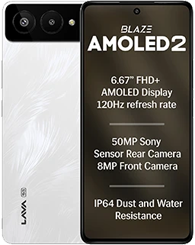
Lava has been making headlines for its value-for-money smartphone launches this year. In Q2 2025, the Indian smartphone maker achieved a Year-over-Year growth of 156 percent in the sub-Rs 10,000 segment, as per Counterpoint Research. In the pursuit of gaining a larger part of the market at higher segments, Lava recently unveiled the Blaze Amoled 2 at Rs 13,499.
As the name suggests, the handset sports an AMOLED display, which is somewhat of a rarity in the sub-Rs 15,000 segment due to a rise in component costs. What’s interesting is that the Blaze Amoled 2 doesn’t compromise on performance as it features the MediaTek Dimensity 7060, paired with UFS 3.1 storage. In hindsight, the handset may look like a repackaged Lava Storm Play in a new body due to similar specifications, but how well does it perform in daily life? Find out in this detailed review of the Lava Blaze Amoled 2.
Table of Contents
Short verdict
The Lava Blaze AMOLED 2 features a colourful AMOLED display, a sleek design with an IP64 rating, snappy performance, and clean, bloatware-free software, making it a compelling choice in the budget segment. However, its slow charging speeds and occasional display refresh rate drops to 60Hz from 120Hz may hamper the user experience.
Vibrant display that punches above its weight
It’s only fair to begin the review for the hero feature – its large 6.67-inch full HD+ AMOLED display. This is a 10-bit panel capable of producing 1.07 billion colours depending on the content. Thanks to its 120Hz refresh rate, scrolling through the software and apps feels smooth as long as it doesn’t plummet to 60Hz (more on this below). If you’ve got Amazon Prime or Netflix subscriptions, the Blaze Amoled 2 has got you sorted with 1080p content through Widevine L1 support.
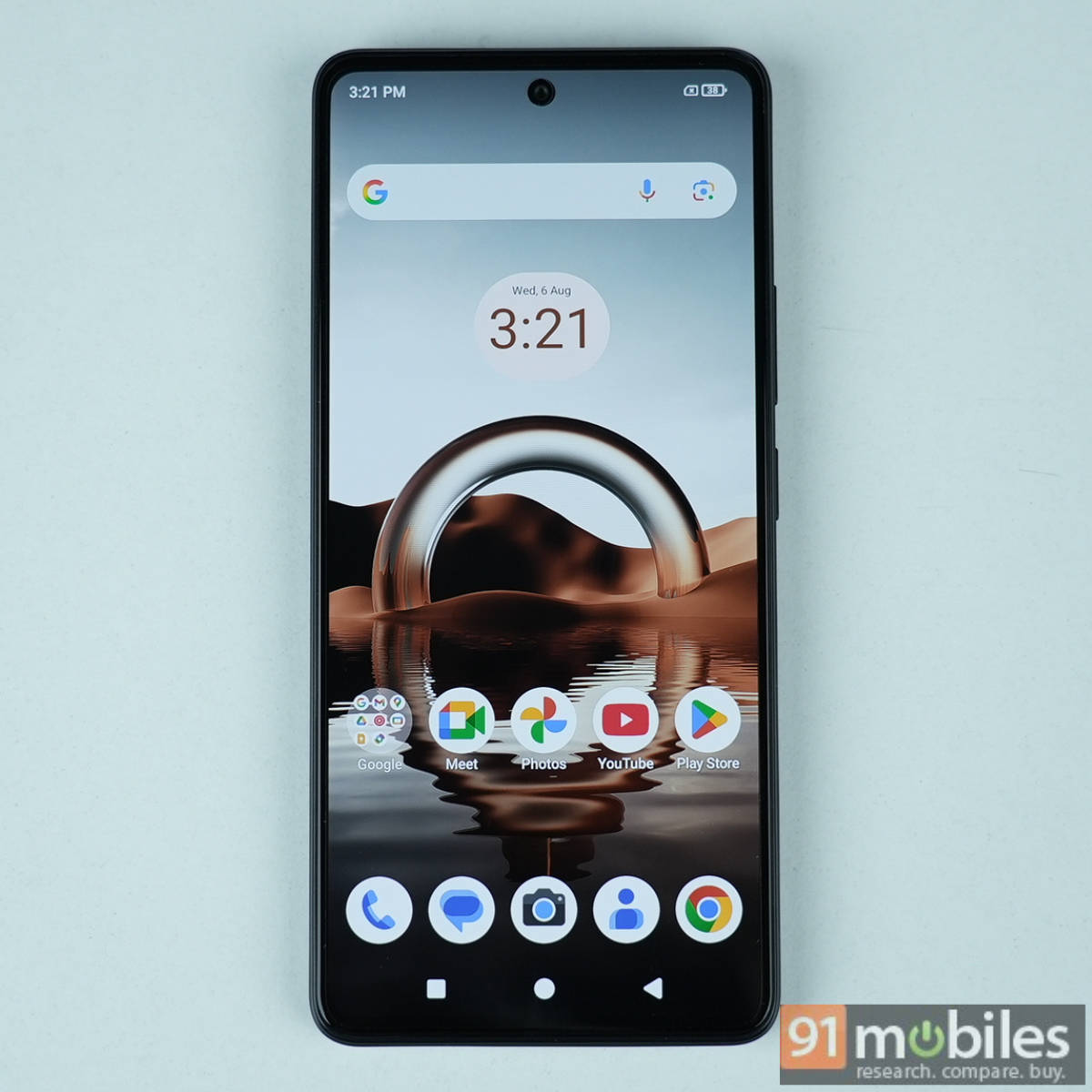
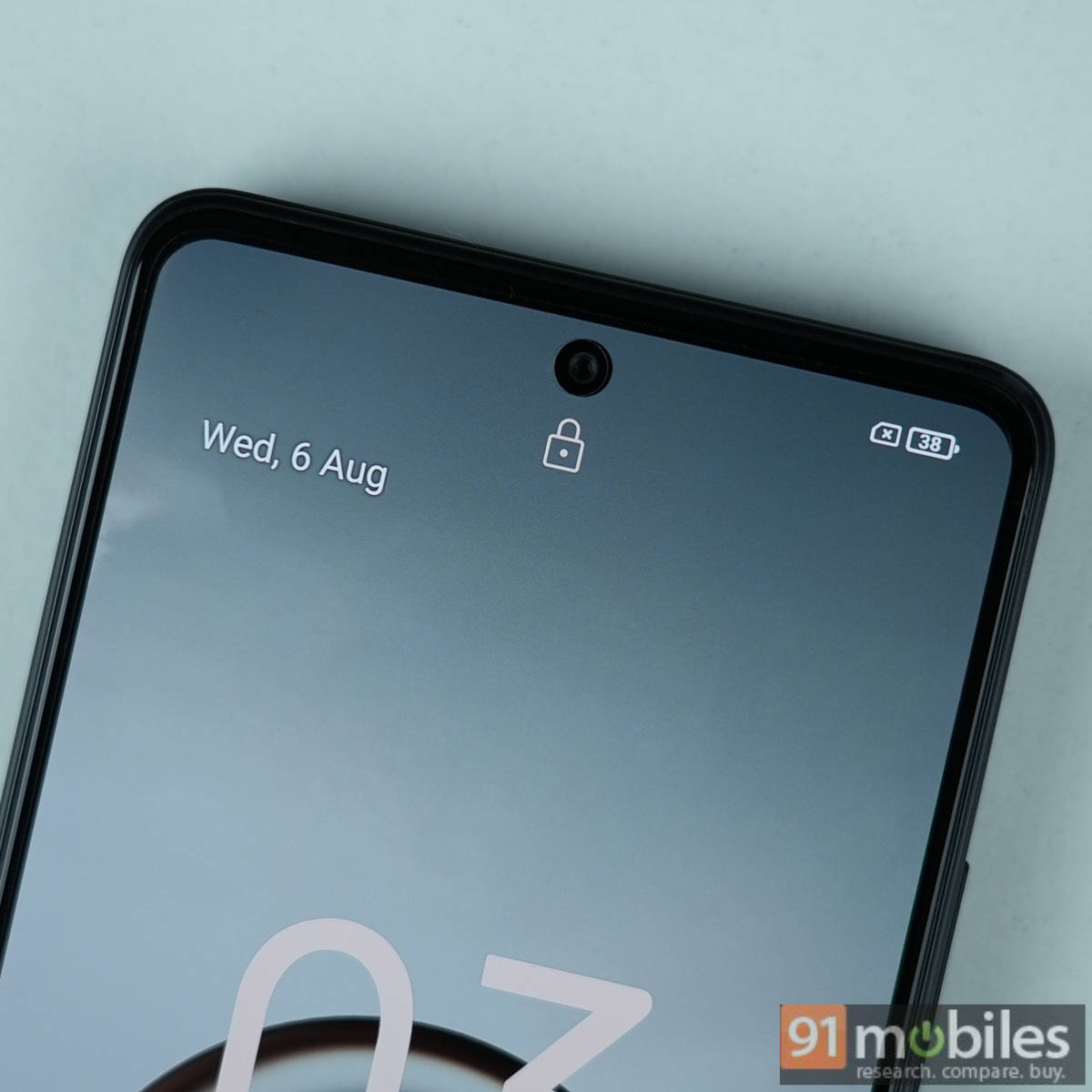 When watching YouTube videos in 1440p resolution (Moto G96 can go up to 2160p), both handsets produced similar colour tones and vibrancy, with Lava even edging ahead with better highlights and contrast in frames which had black scenes or tones. However, when it came to details, the display of the Blaze Amoled 2 appeared oversharpened when you pixel peep. This is also something I noticed with the regular system texts on Lava. All things considered, it’s fair to say the Blaze Amoled 2 punches above its weight in terms of display quality and offers a better visual experience than its close rivals, such as the Tecno Pova 7 and iQOO Z10x, which carry IPS LCD panels.
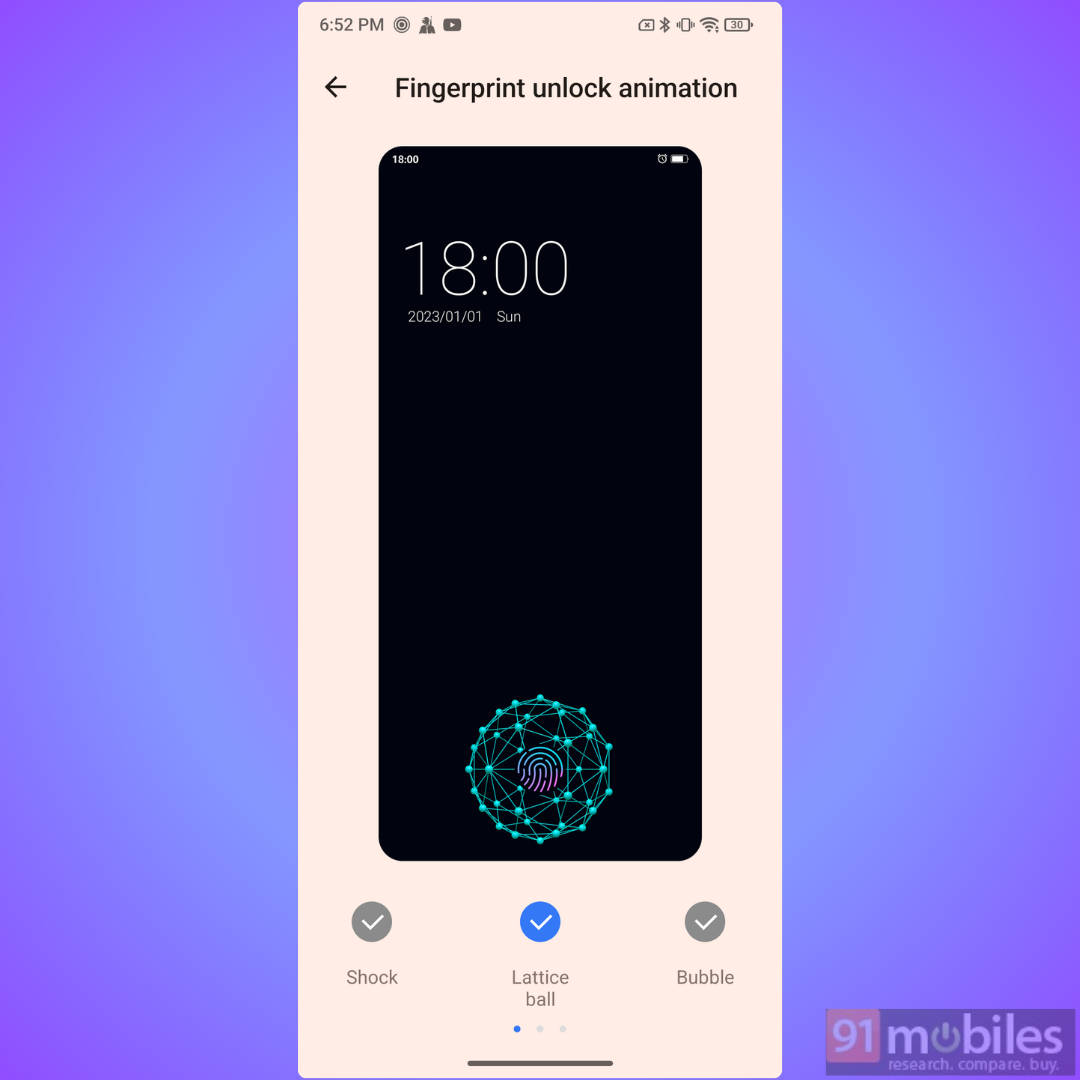
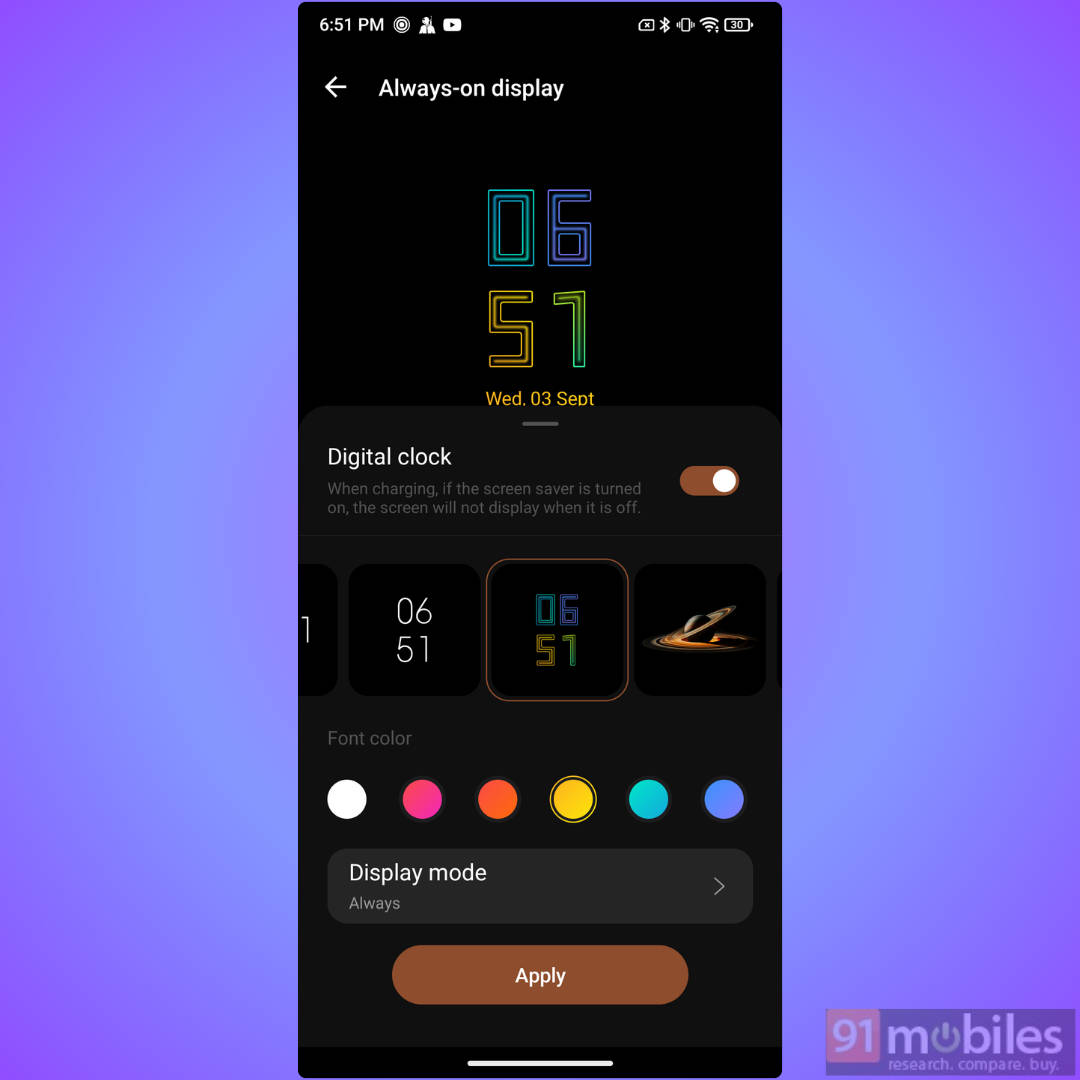
While the display is capable of running at 120Hz refresh rate, which it does in most apps, there appears to be a bug. The bug forces the refresh rate to drop to 60Hz when using the phone, despite setting it to 120Hz refresh rate from the Settings app. It stays at 60Hz for a while, then again switches to 120Hz. Similarly, when I manually set the display brightness to around 50 percent, the phone pushes the brightness to 80 or 90 percent while the slider still shows 50 percent brightness level. Hopefully, this random can be rectified through OTA updates.
Agility, portability and durability at its best
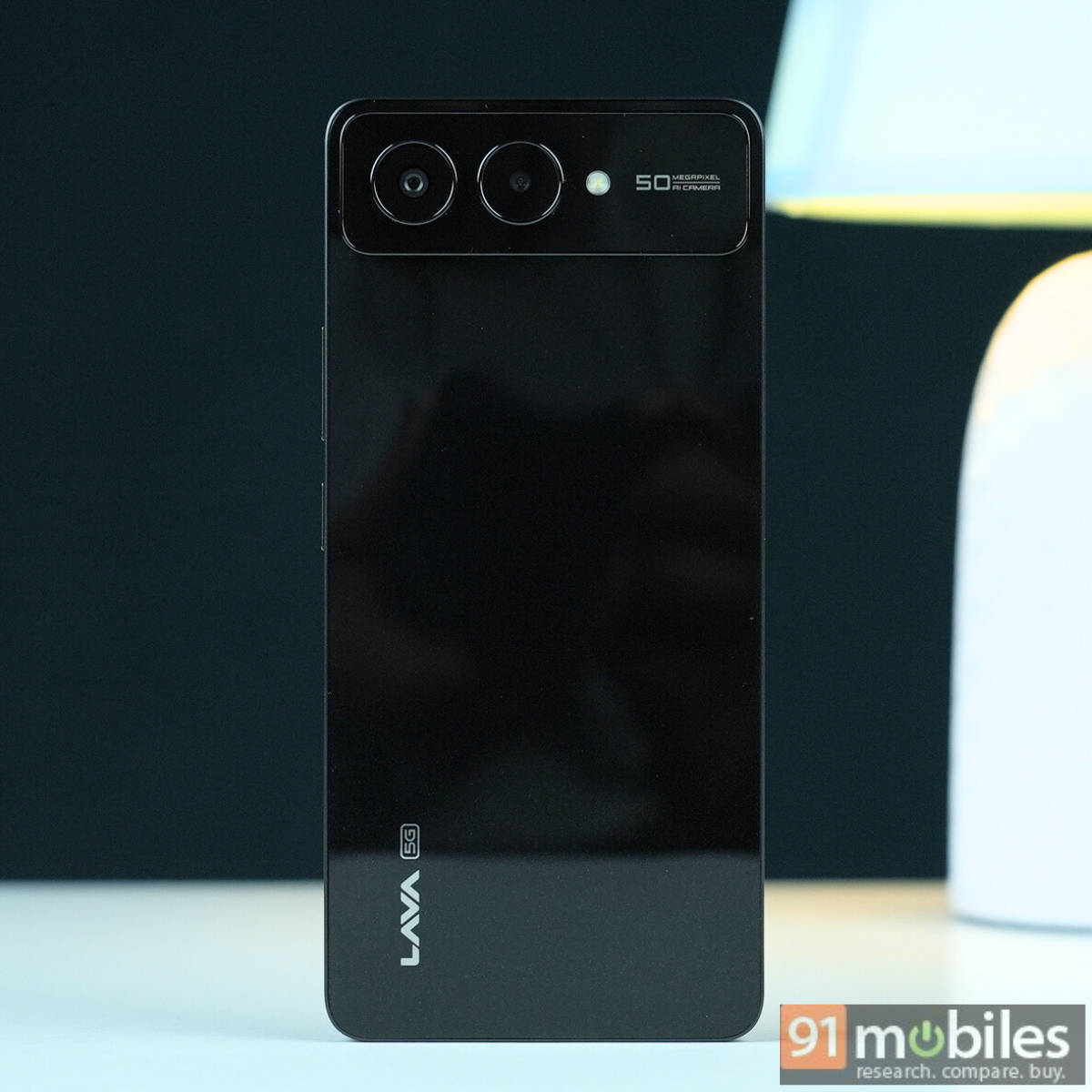
Upon picking up the Lava Blaze Amoled 2 for the first time, it was immediately clear that Lava has worked to keep the weight of the smartphone low. The handset tips the scale at 174 grams, making the Blaze Amoled 2 among the lightest phones launched this year under Rs 15,000. For comparison, the Tecno Pova 7 is significantly heavier at 207g, while the OPPO K13x and iQOO Z10x weigh 194g and 204g, respectively. Though it’s worth noting that all these smartphones feature a bigger battery than the Lava Blaze Amoled 2.
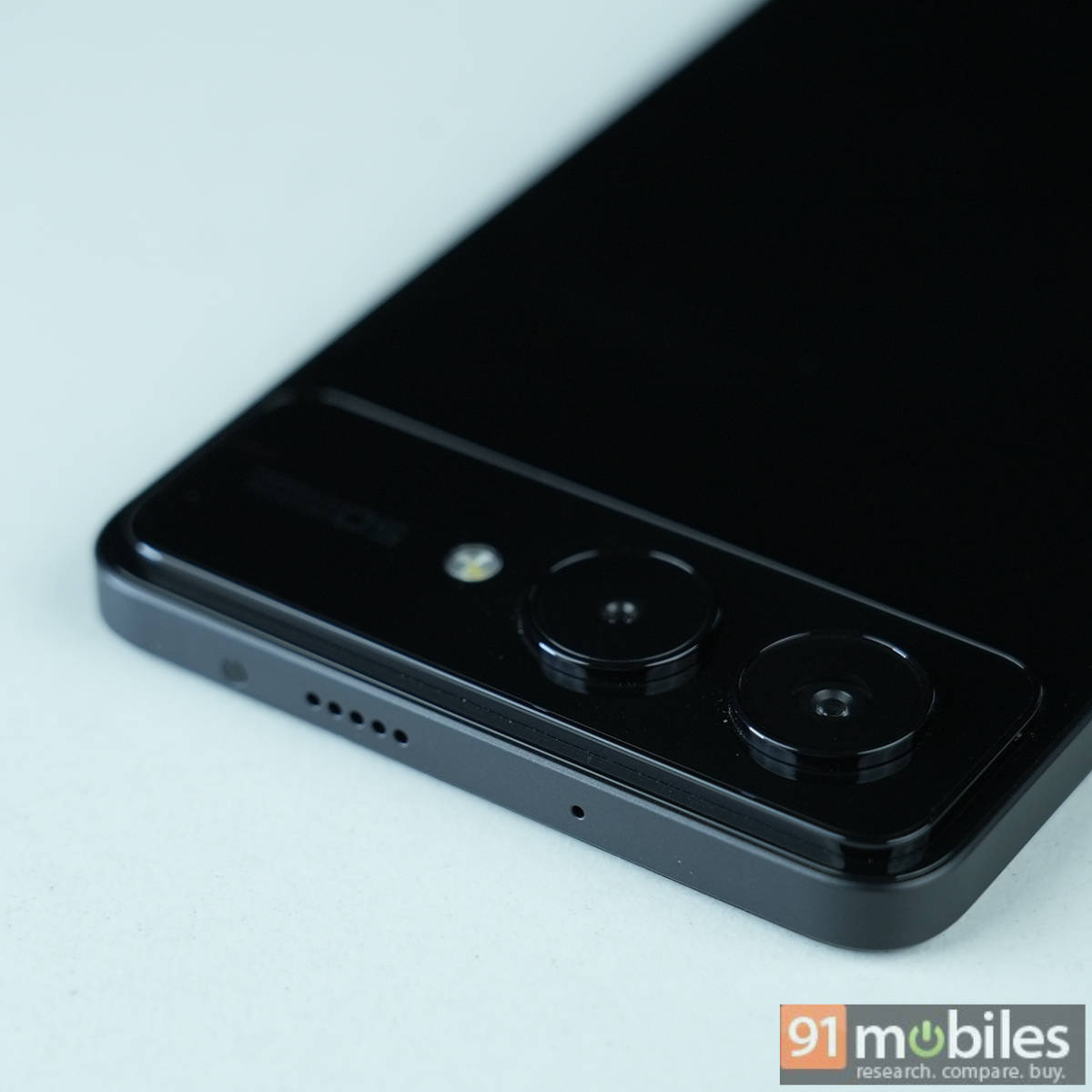
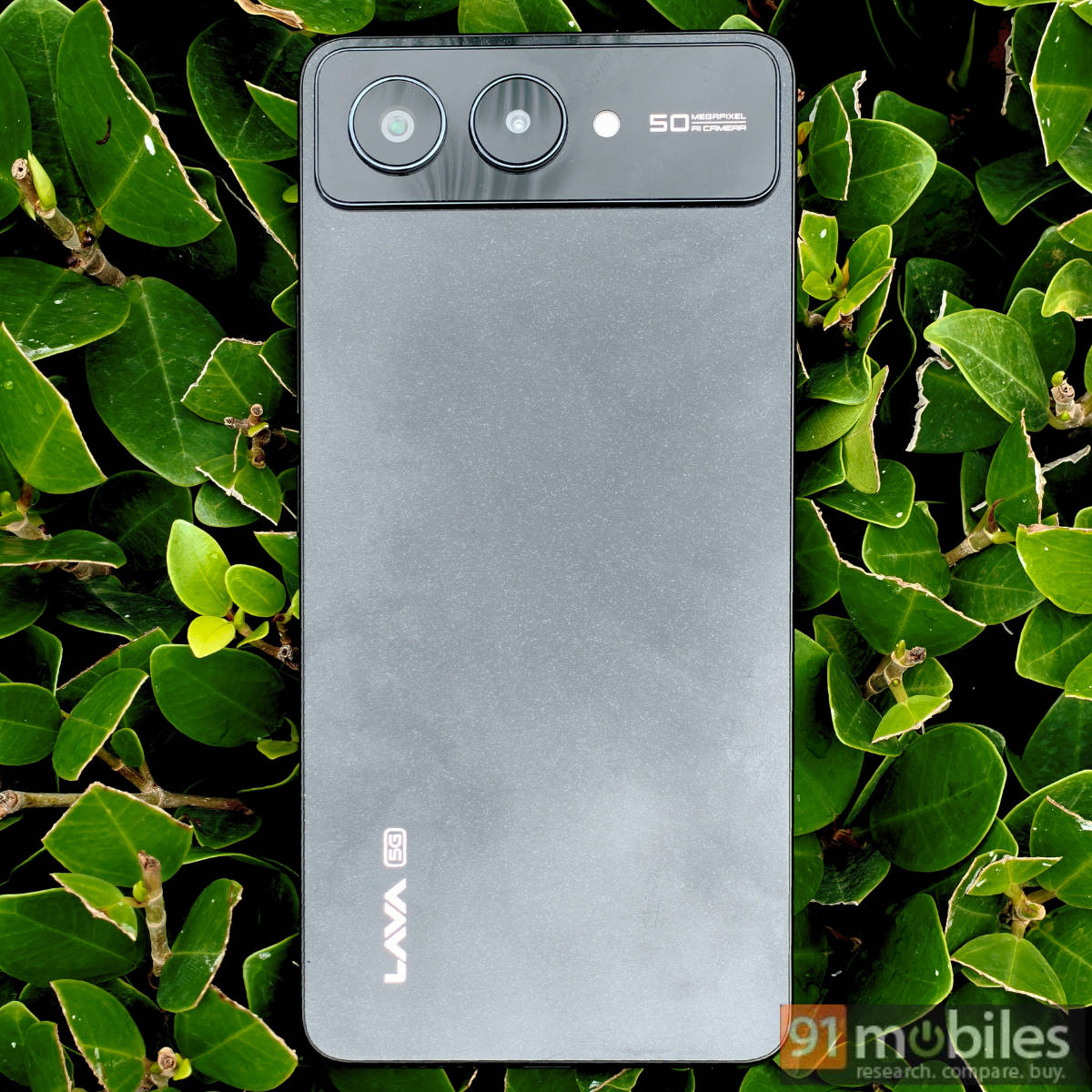 Moving on, Lava has also managed to keep the thickness of the handset in check, as the Blaze Amoled 2 comes with a 7.55mm side profile, ensuring sleekness and easy portability in tight places such as slim pockets of jeans and backpacks. It appears Lava has also jumped on the bandwagon of putting a horizontal strip-like camera module on the back of its phones, with the Blaze Amoled 2. We recently saw the Infinix Hot 60i and Tecno Spark Go rock a similar camera island, both of which are new launches in the budget segment.
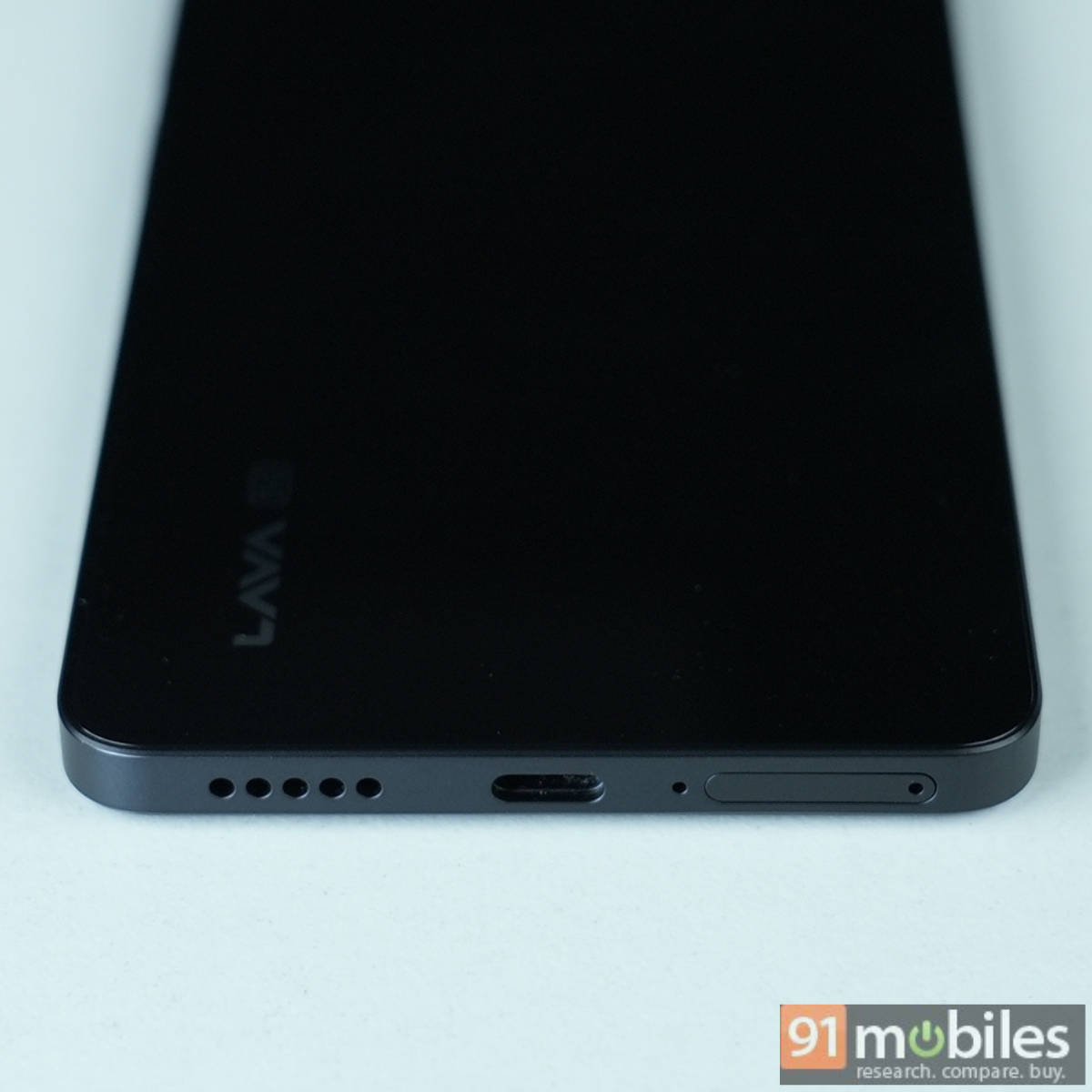
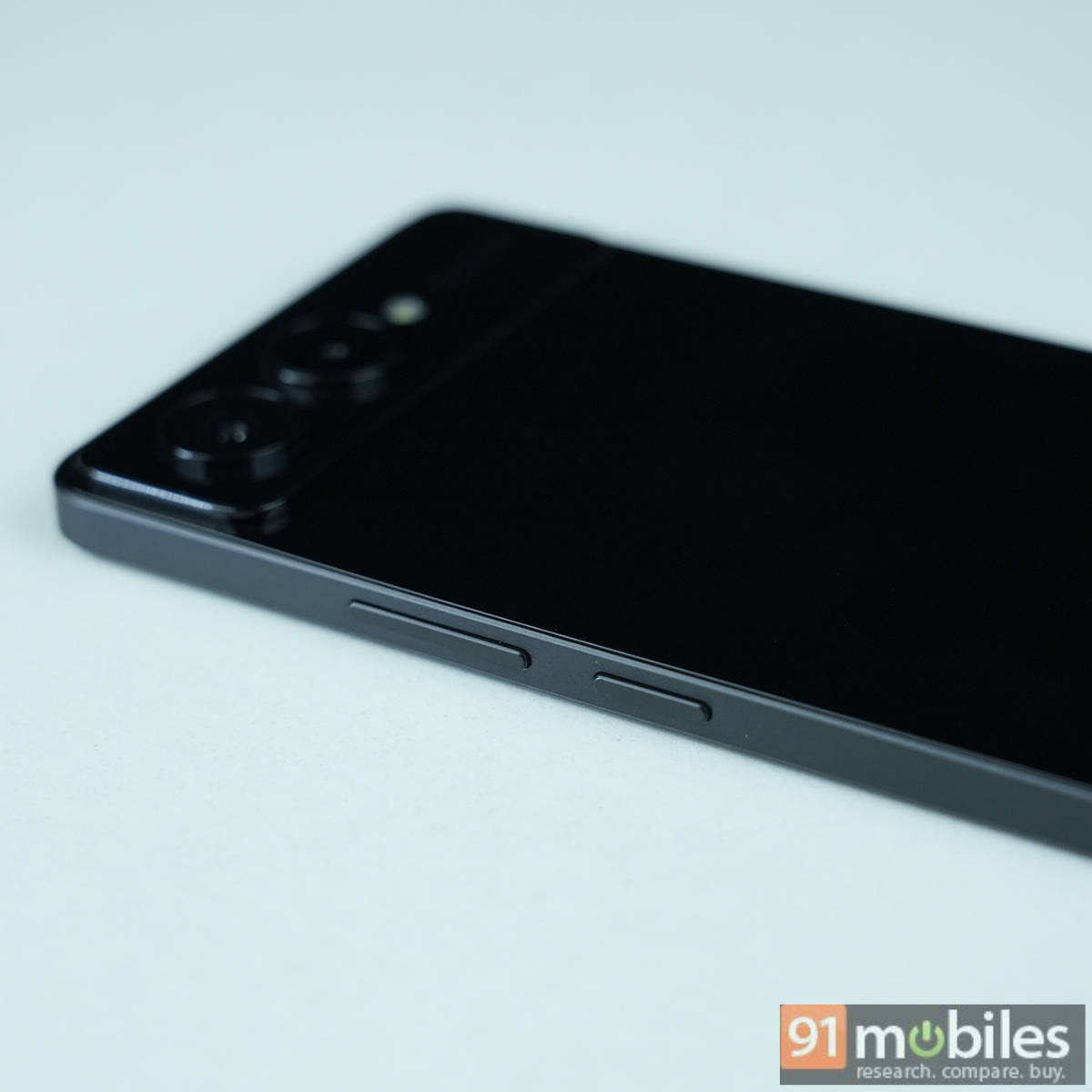 Lava has also opted for putting a dedicated speaker at the top of the phone, along with an IR blaster. There’s no configuration app pre-installed for the IR blaster. The top and bottom firing speakers work in tandem to produce loud audio, even though the sound separation is not perfectly balanced. The speakers mostly get the job done, and you can listen to music or watch movies in crisp and detailed sound. Unfortunately, the 3.5mm headphone jack has been omitted.
Performance that you can mostly rely on
Running under the hood of the Lava Blaze Amoled 2 is the MediaTek Dimensity 7060 SoC. It is the same chipset which also powers the Lava Storm Play. This octa-core chipset with a 2.6GHz maximum clock speed is based on a 6nm process paired with the IMG BXM-8-256 GPU. Lava has also gone ahead and packed UFS 3.1 storage speeds, which not only puts it ahead of many competitors but also brings overall improvements.
While the phone is snappy to operate thanks to its stock Android interface, it takes less time to install apps from the Play Store and loads heavy games faster than other phones in the segment that are equipped with UFS 2.2 storage. As noted in the display section, at 120Hz refresh rate, the display is smooth to operate unless you have several apps running in the memory. In that case, it could show signs of stutter.
On benchmarks, the Lava Blaze Amoled 2’s scores sit between the Tecno Pova 7 and OPPO K13x, where it scores 5,04,235 on AnTuTu. While on Geekbench, it fetches 1,062 and 2,533 scores in single-core and multi-core tests.


As for the gaming performance, the handset is well capable of delivering frame rates close to what the games offer at the highest graphical settings. For instance, in Call of Duty: Mobile, at the ‘Medium + High’ setting, the phone recorded an average FPS of 57.9 during 30 minutes of gameplay. In BGMI, the handset delivered 29.7 FPS in the ‘HD + High’ settings for the same duration.
Cameras that produce cool tones
Coming to the cameras, Lava has equipped the Blaze 2 Amoled with the standard camera setup commonly found under Rs 15,000. The handset features a 50MP primary camera on the rear, which is a Sony IMX752 lens that has a sensor size of 1/2.8 inches, alongside an auxiliary lens. The camera doesn’t carry OIS support, so you’d have to be keep your hands steady to capture blur-free shots. Sitting within the punch-hole of the display is an 8MP selfie shooter.
Although cameras aren’t the strongest aspect of the phone, the Lava Blaze Amoled 2 can produce satisfactory images from both the front and rear lenses when the lighting is sufficient. Diving further into the details, the primary camera tends to produce cooler tones, meaning the white balance isn’t the best. At the default 1x zoom, the images have sufficient details, while at 2x the details and raw textures of the subject start diminishing. The contrast levels and dynamic range could be enhanced with a software update, though.
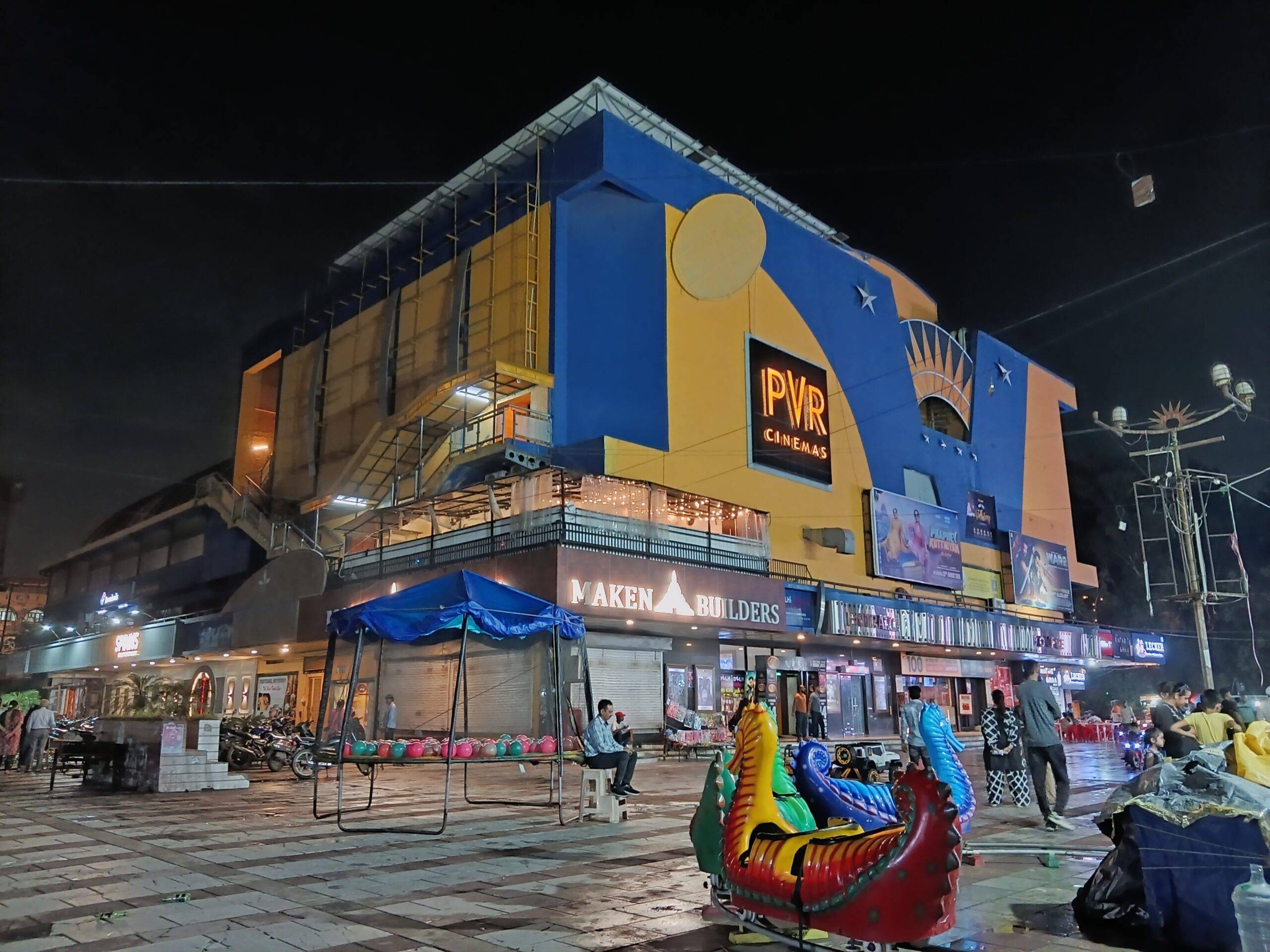
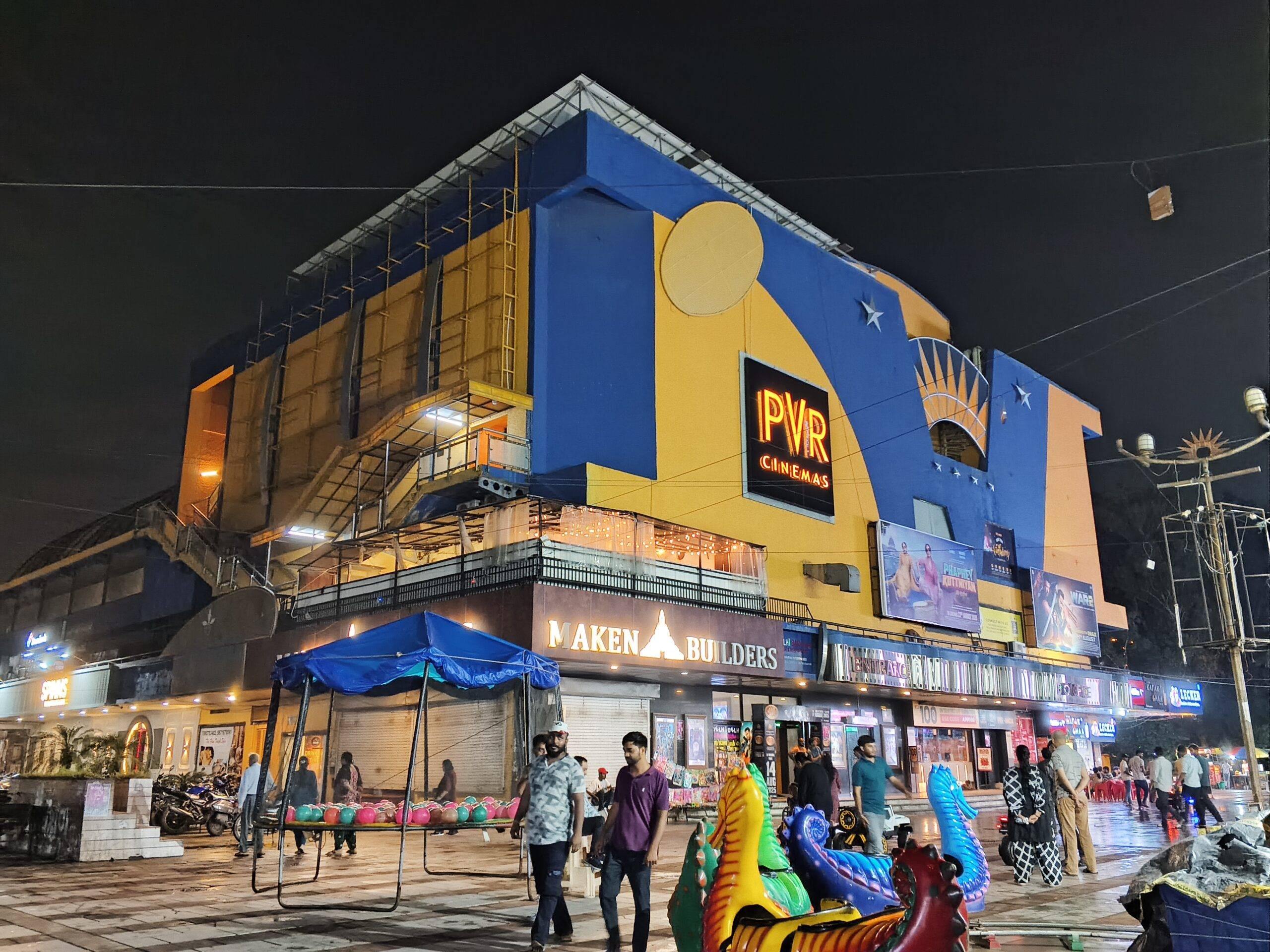
When clicking pictures at night, the subjects in the images turn out to be soft, which is to be expected from a smartphone at this price point. Also, it struggles to keep the exposure levels of light sources, such as street lights or signboards, balanced. Thankfully, the exposure and brightness in the overall image of a night scene are well maintained without adding blue hues to the sky.
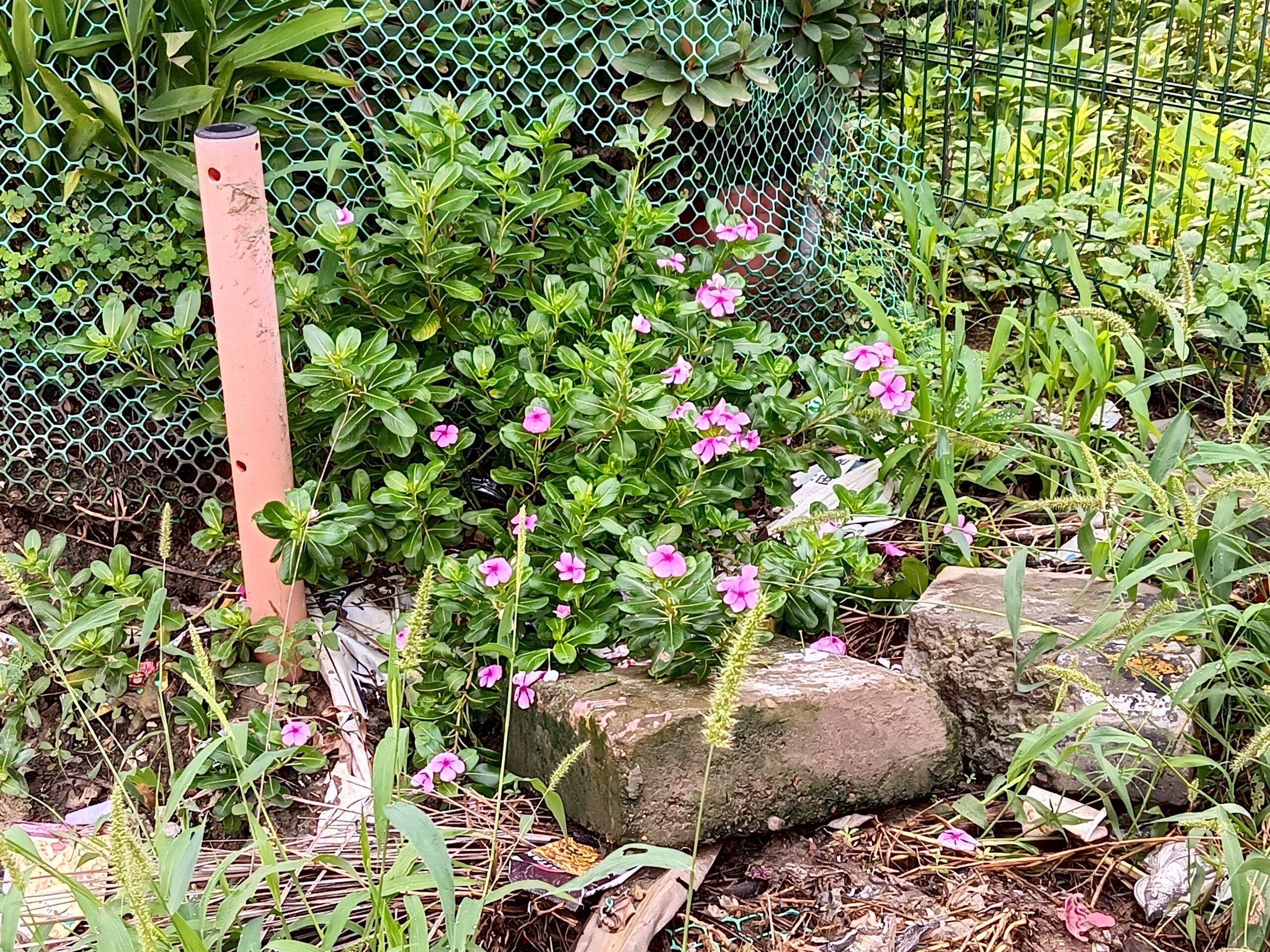
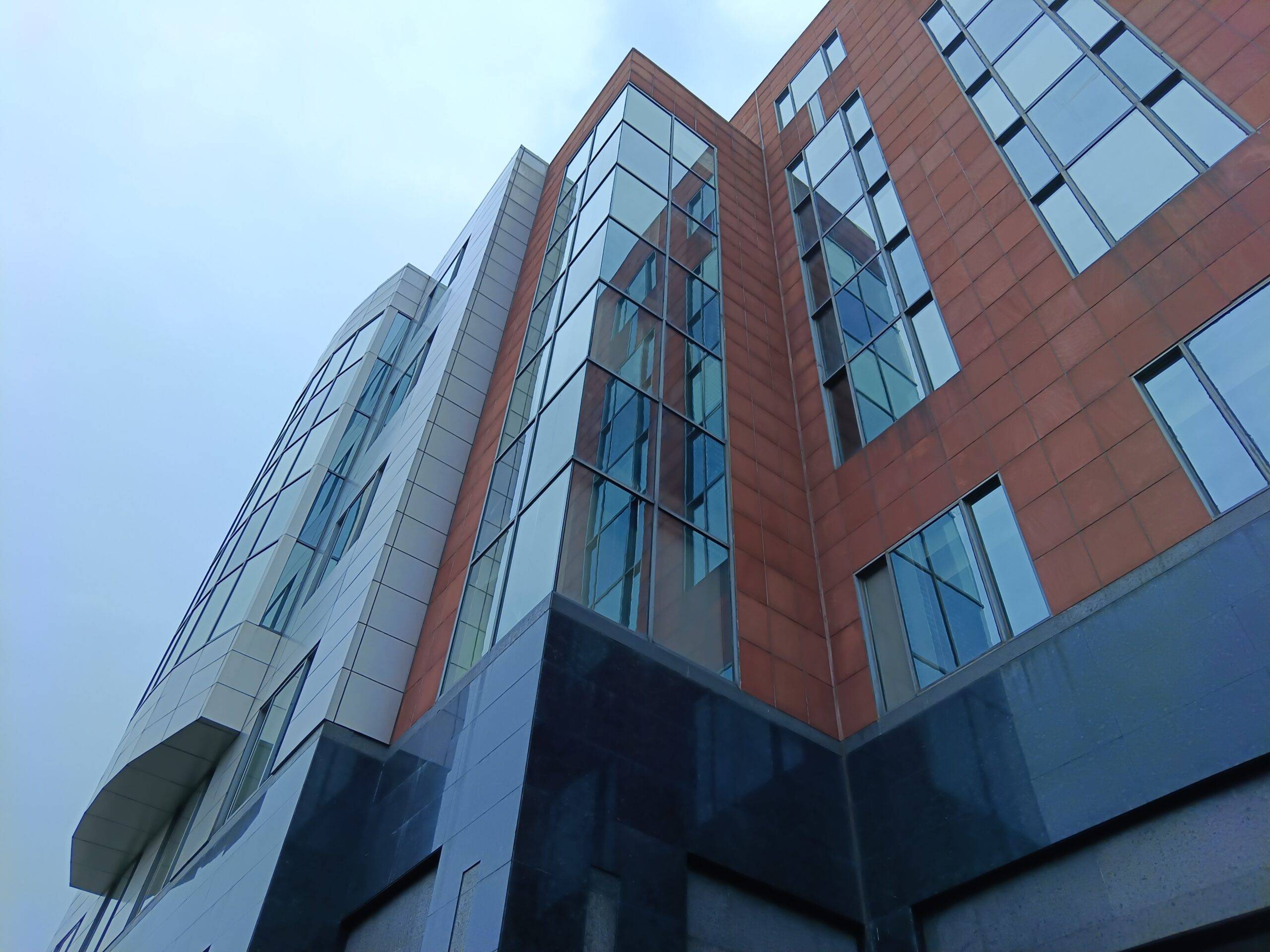
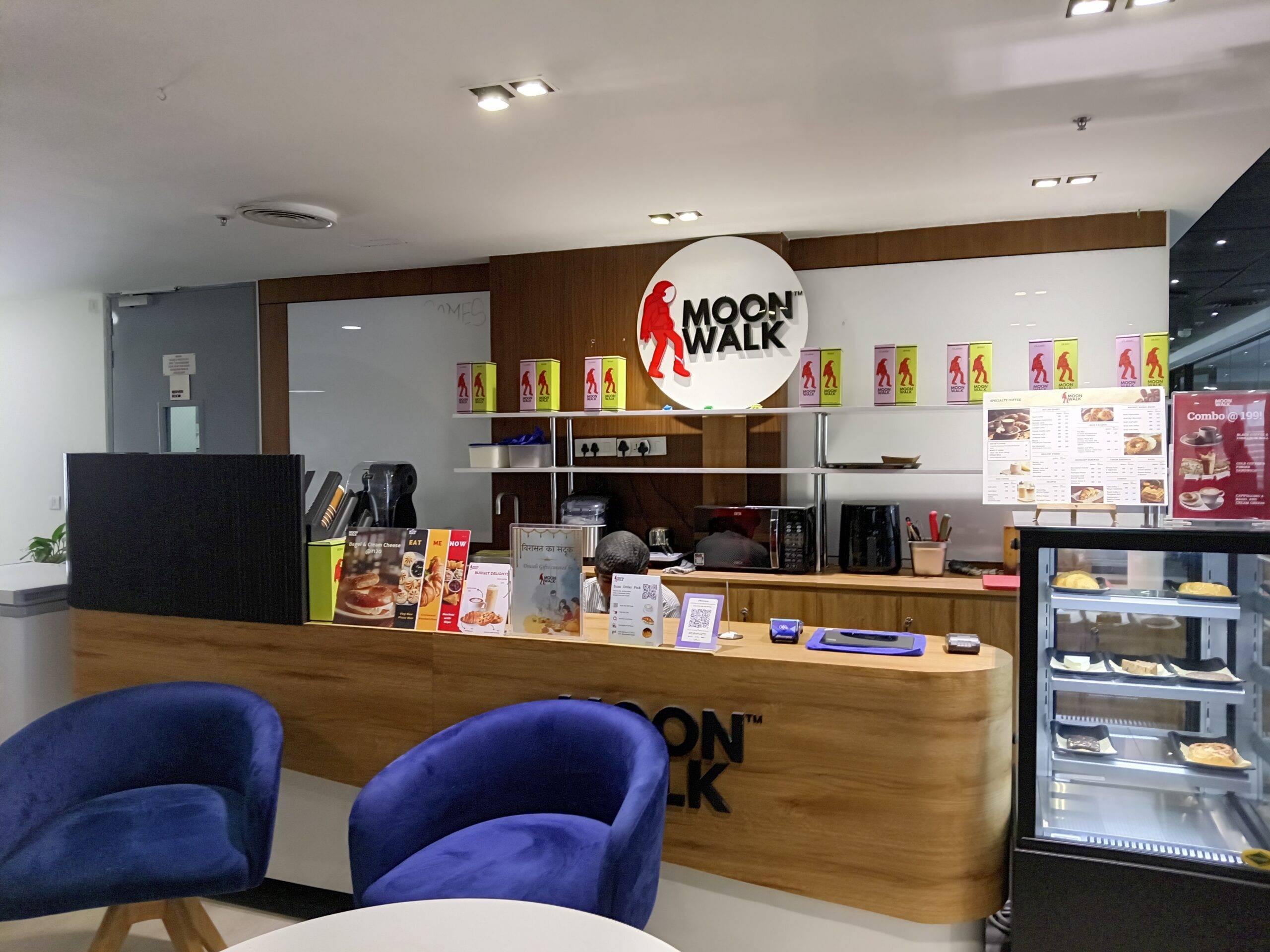
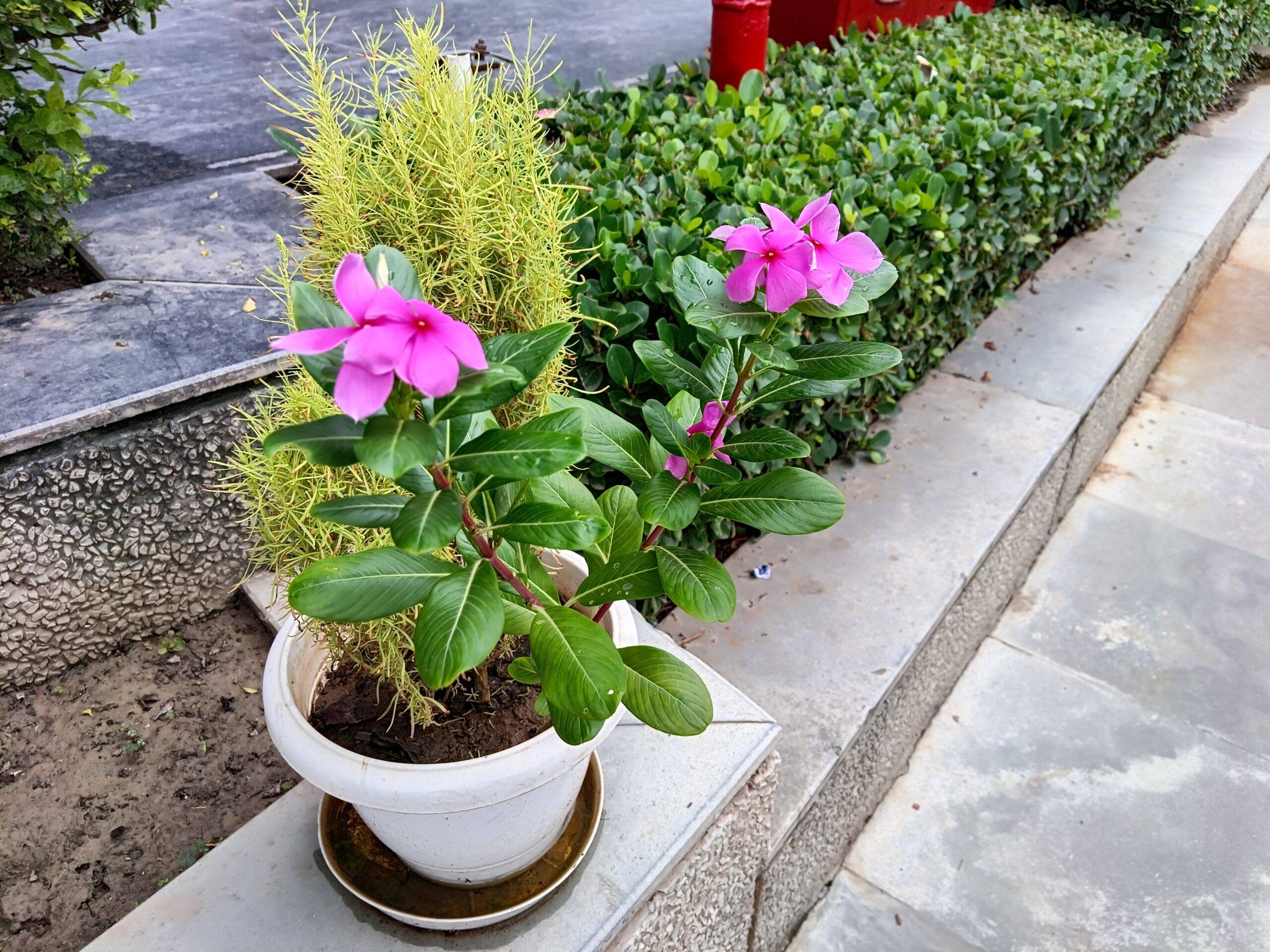
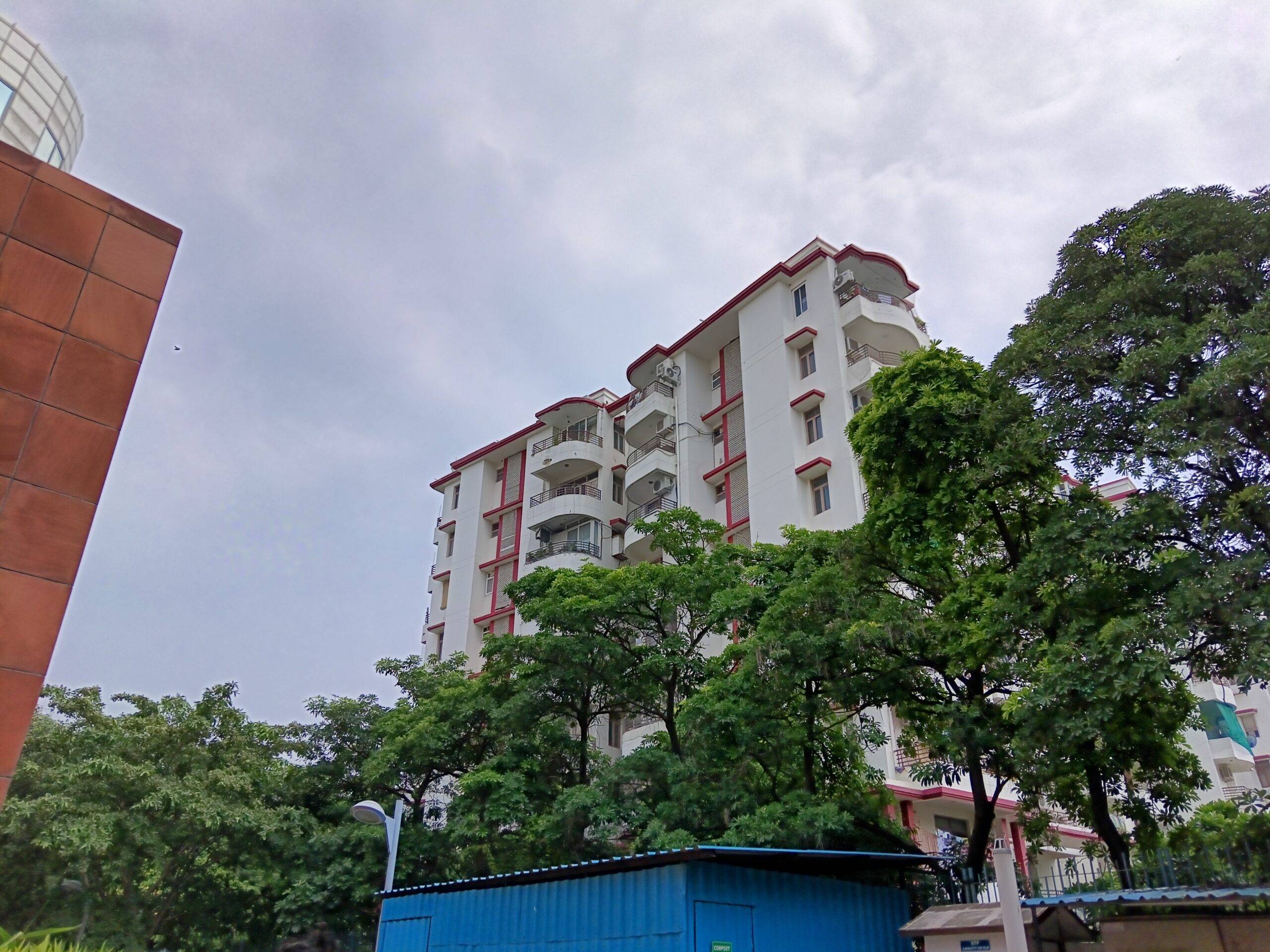
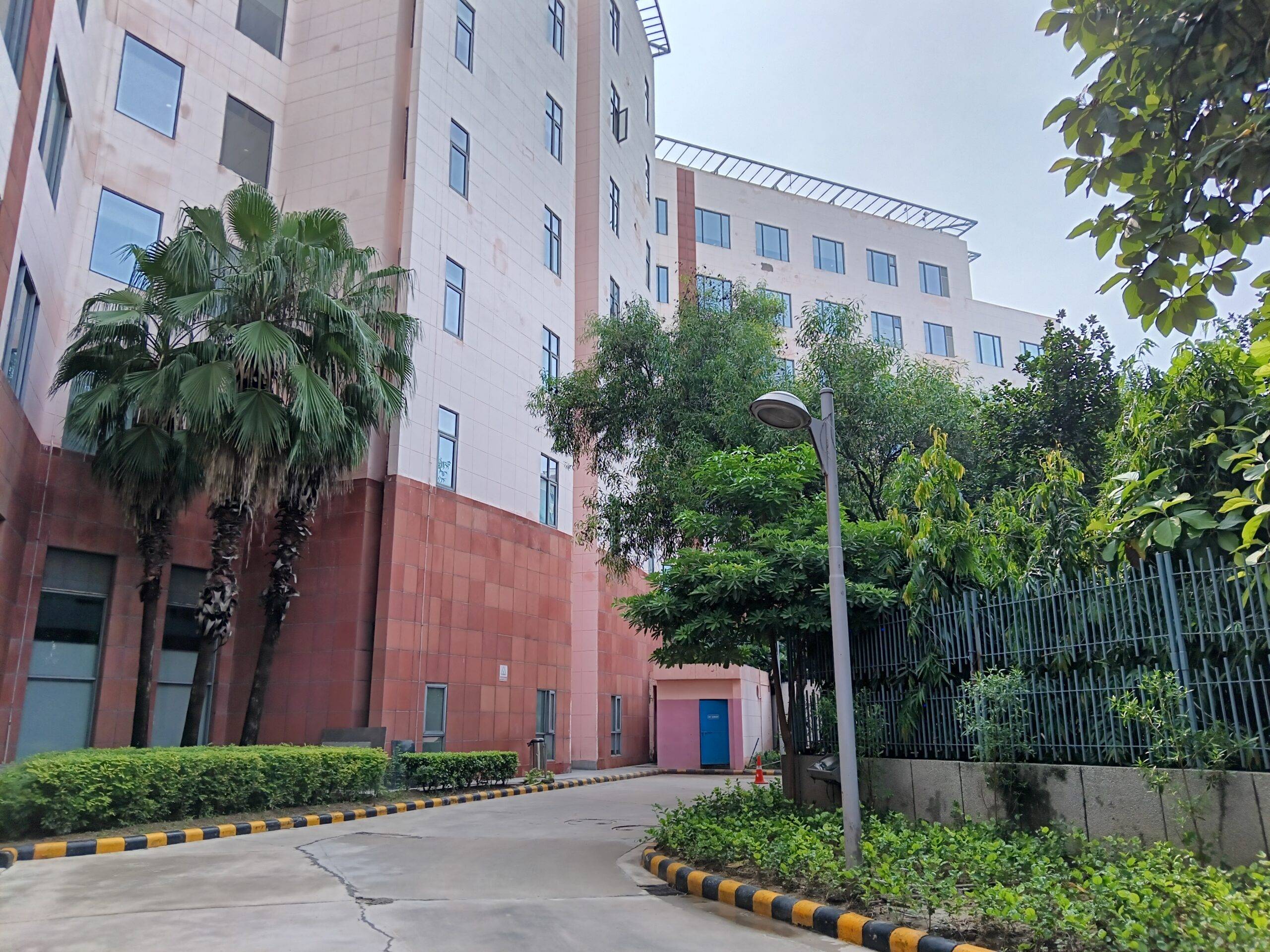
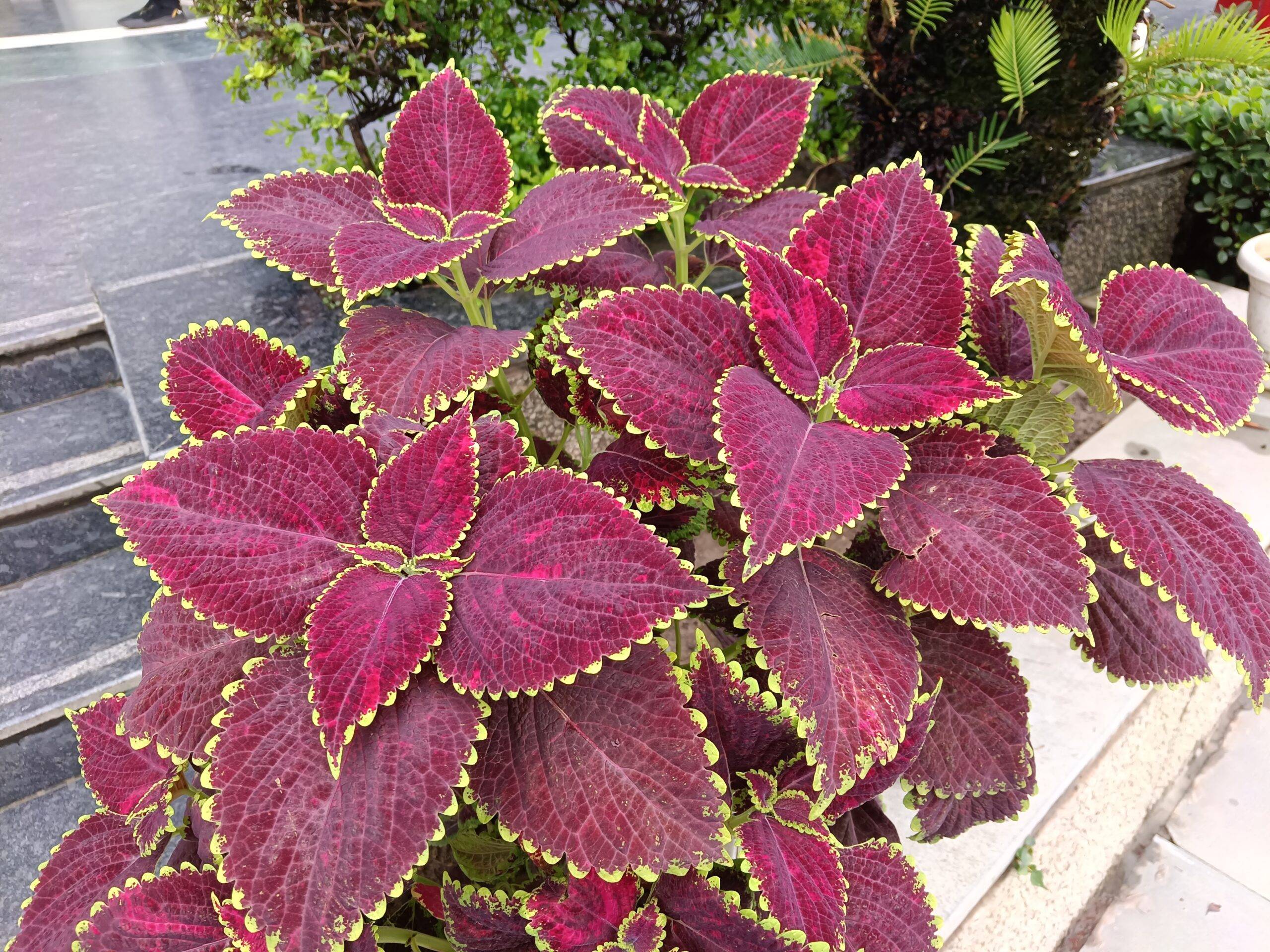
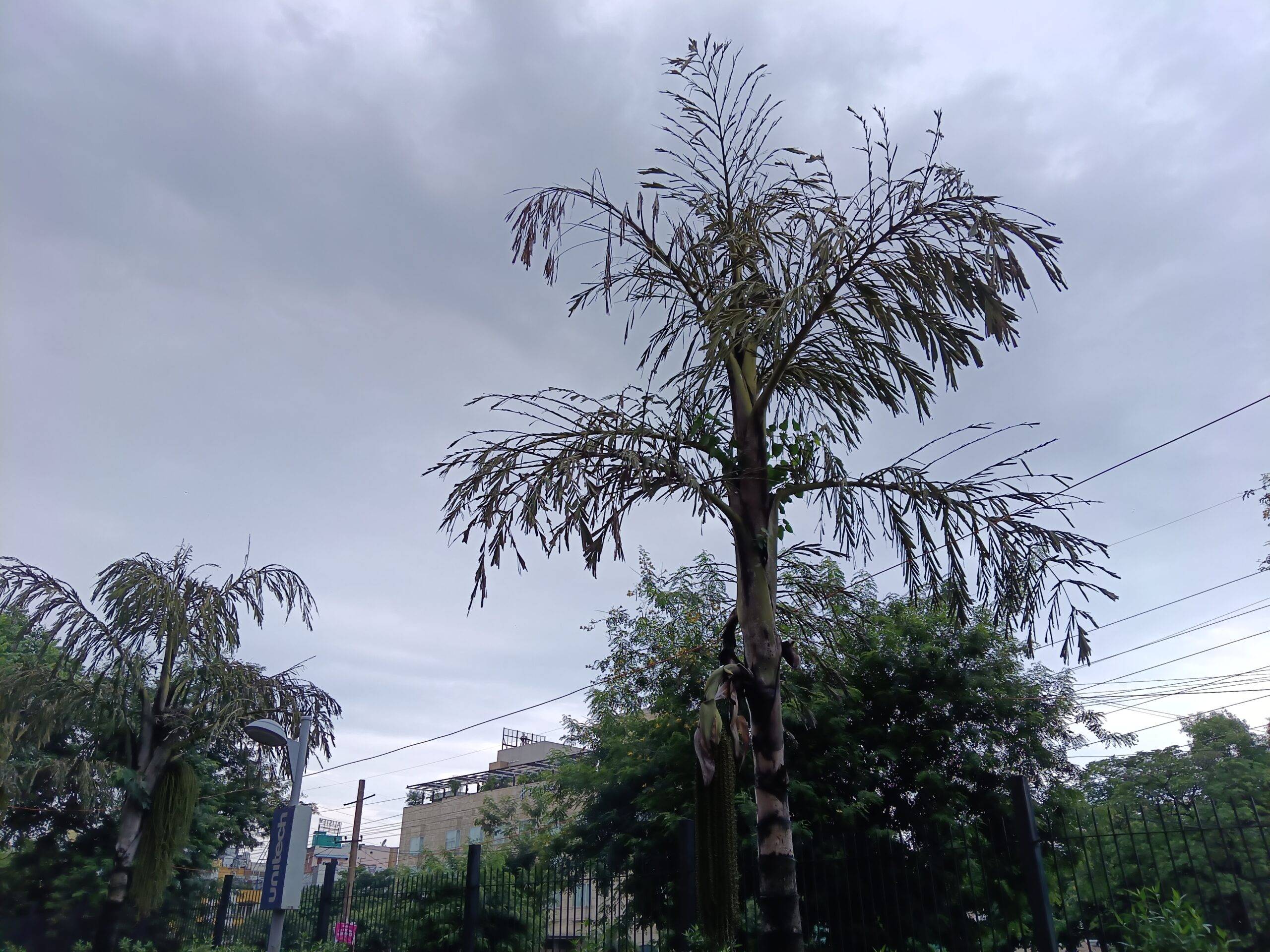
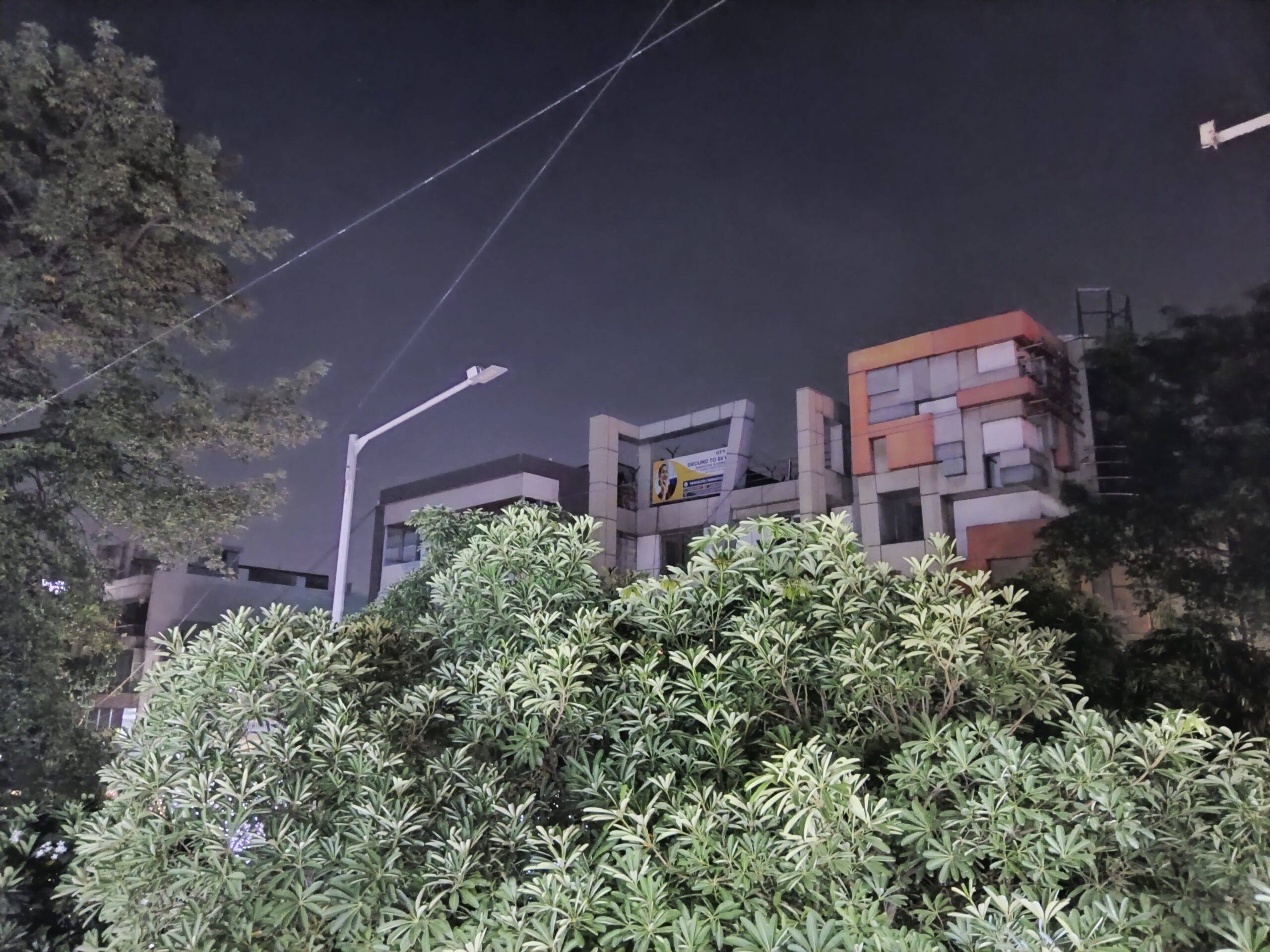
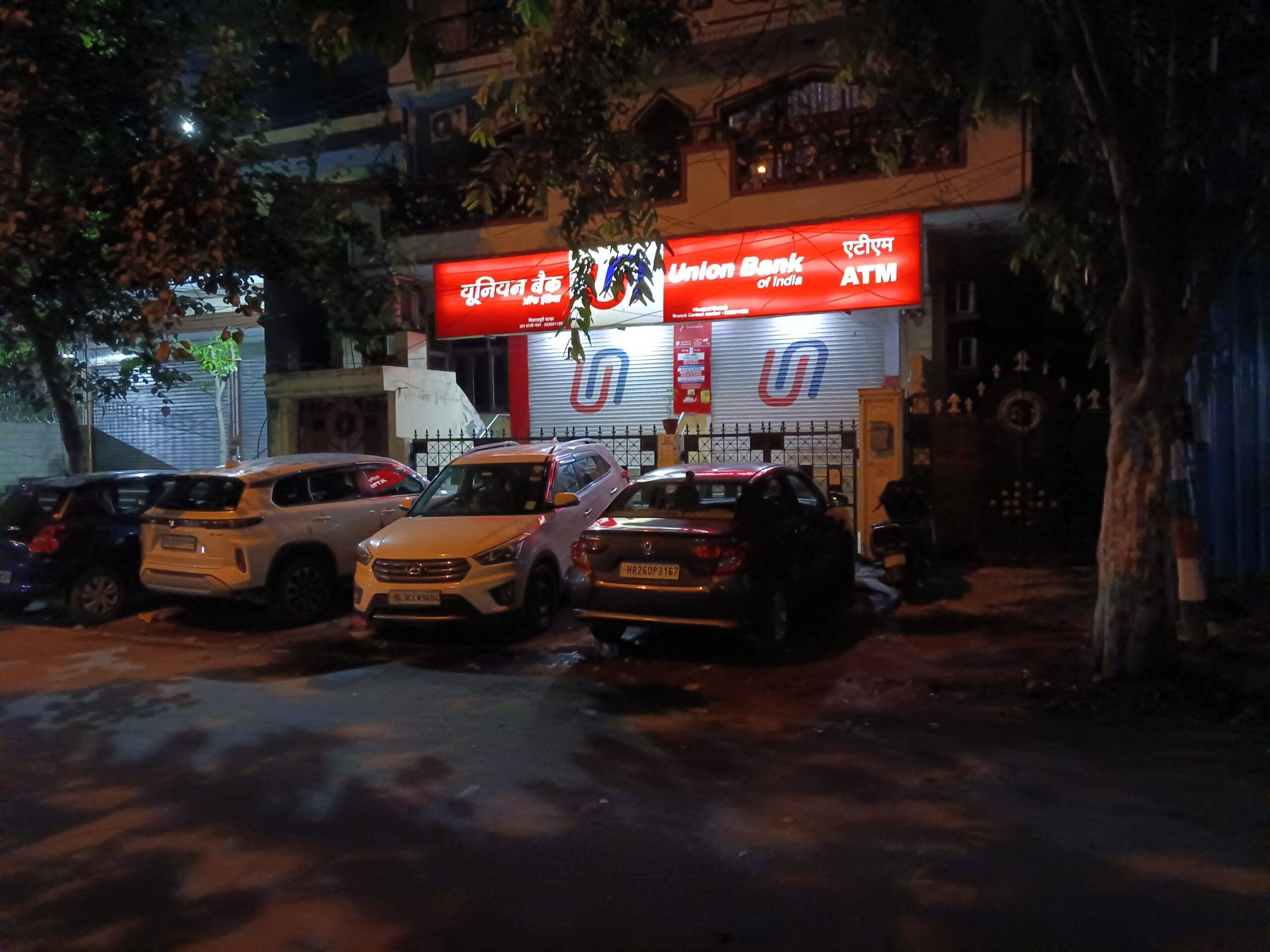
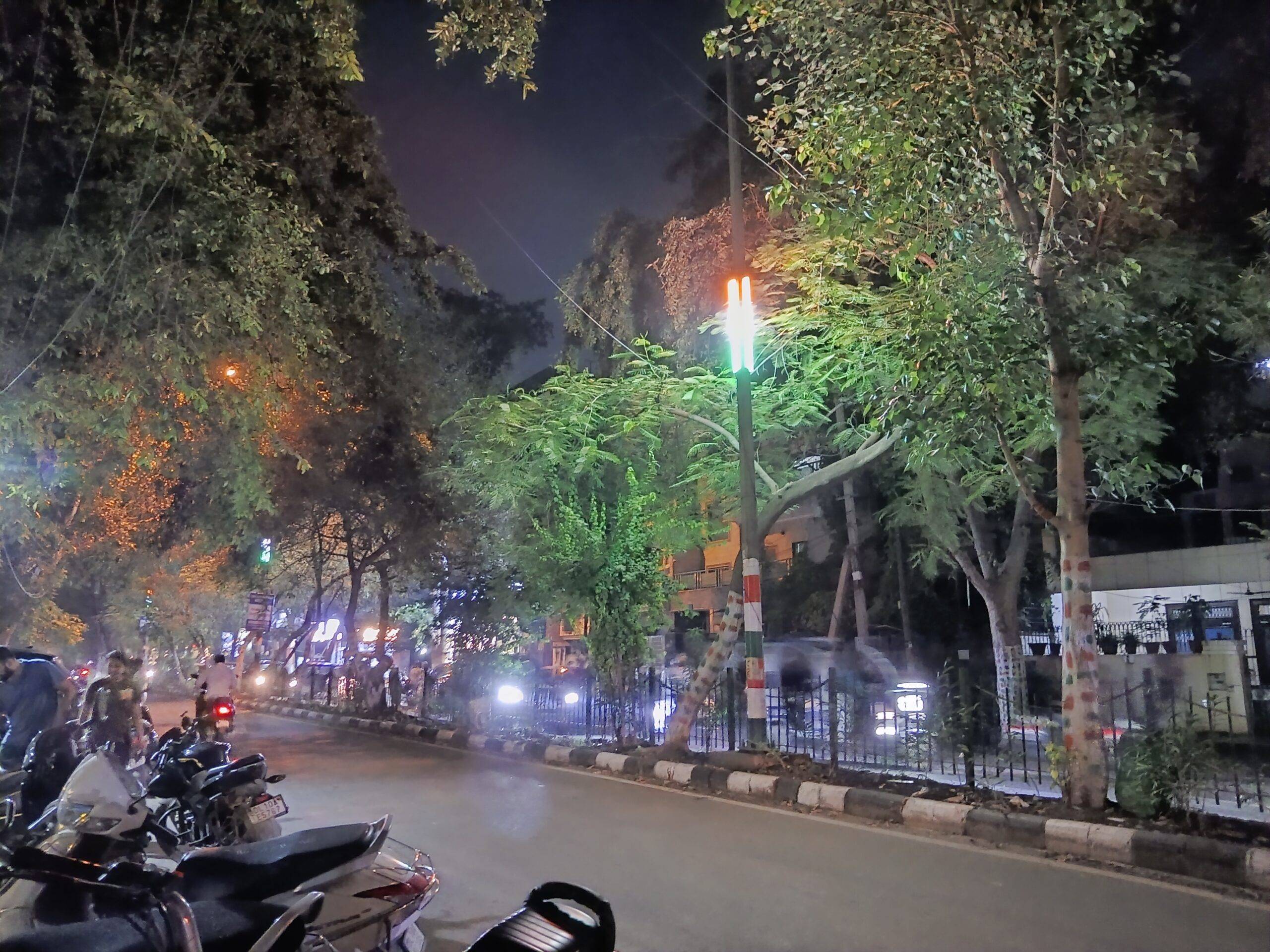
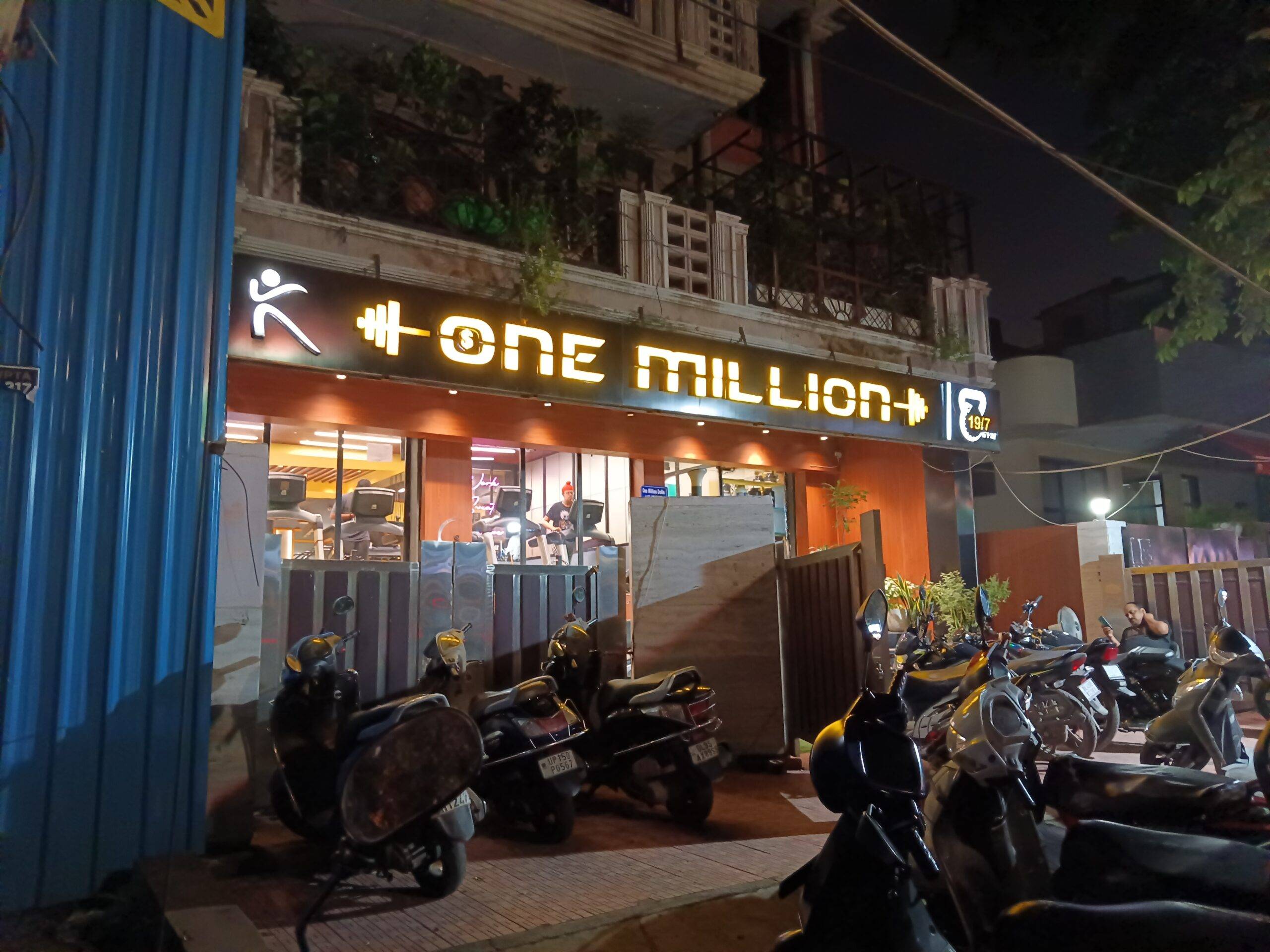


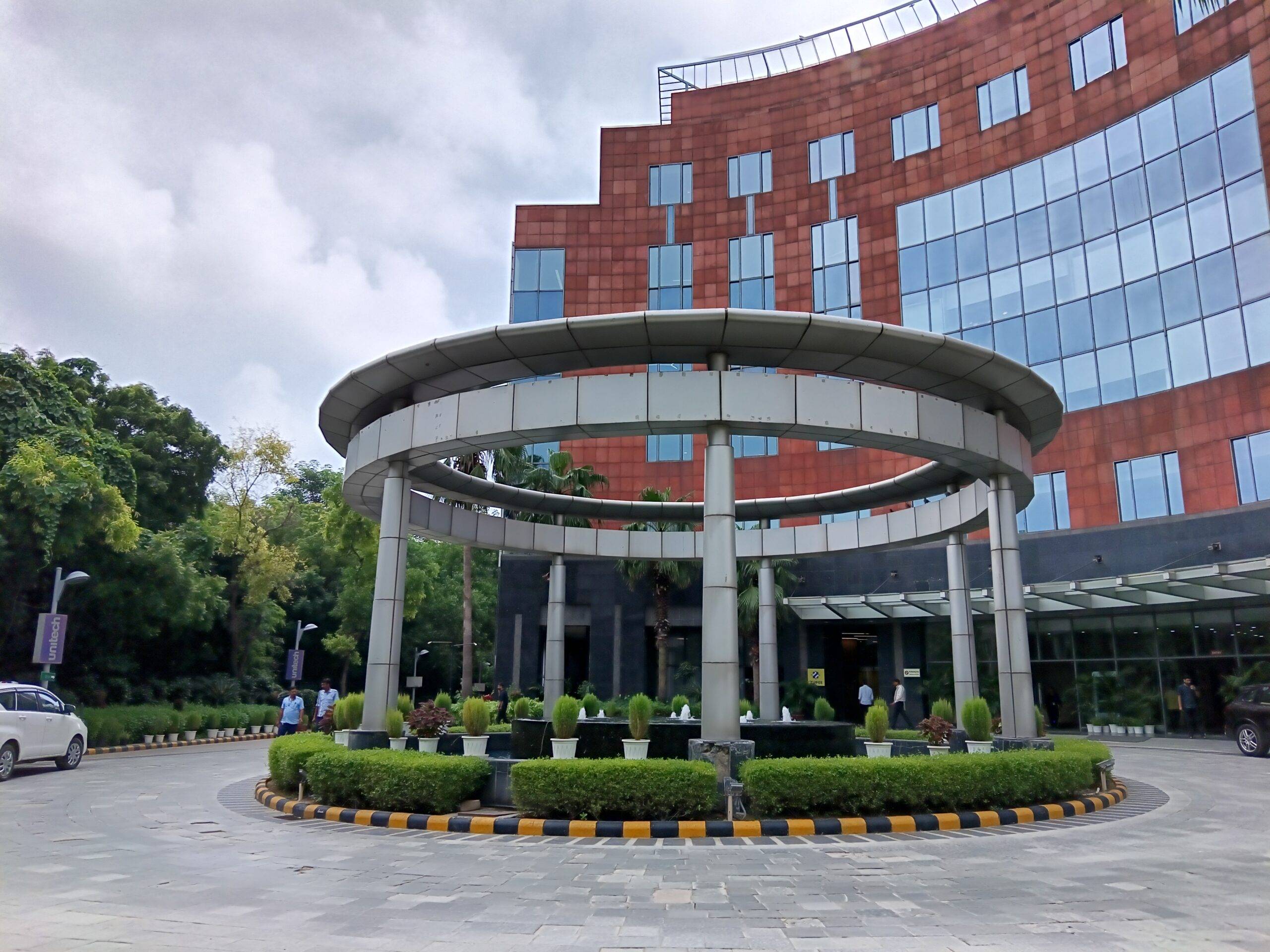
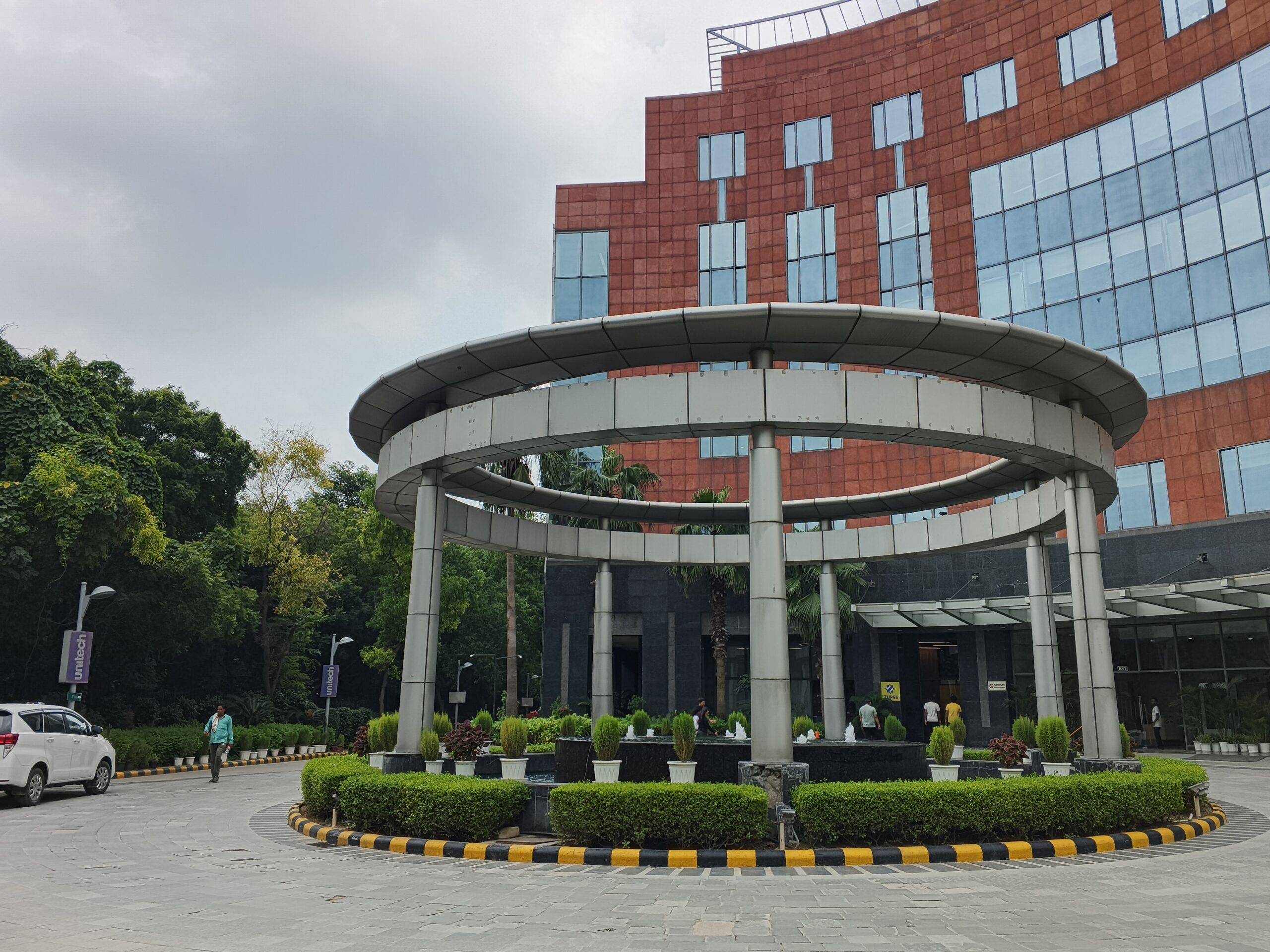
Now, let’s check out how the Lava Blaze Amoled 2 fares in different scenarios compared to the Tecno Pova 7:
Daylight
In the comparison below, considering it was an overcast day right before rain started to drizzle, the Lava Blaze Amoled 2 depicts the scene closer to how it was in reality. While Lava doesn’t completely nail the white balance, the Tecno Pova 7’s shot adds significant warmth. As for details in the image, Tecno does a better job here.
Portrait
Just like in the daylight comparison, the Blaze Amoled 2 features a cold tone, while Pova 7’s shot has warmer tones. The bokeh quality is equally good on both, but the same can’t be said for details, in which the Lava handset pulls ahead. The edge detection is a tad better on the Pova 7.


Selfie
Moving on to selfies, while neither handsets get the tones right, Lava’s image appears to be better processed with slightly higher details. The background of both images has a certain level of noise and graininess.


Low light
In low light, several parts of the image have better details and exposure control in Tecno Pova 7’s shot, while being lively and vibrant. The Lava Blaze Amoled 2 has produced a dull-looking shot that gets the colour of the sky right, which the Pova 7 does not.
Night mode
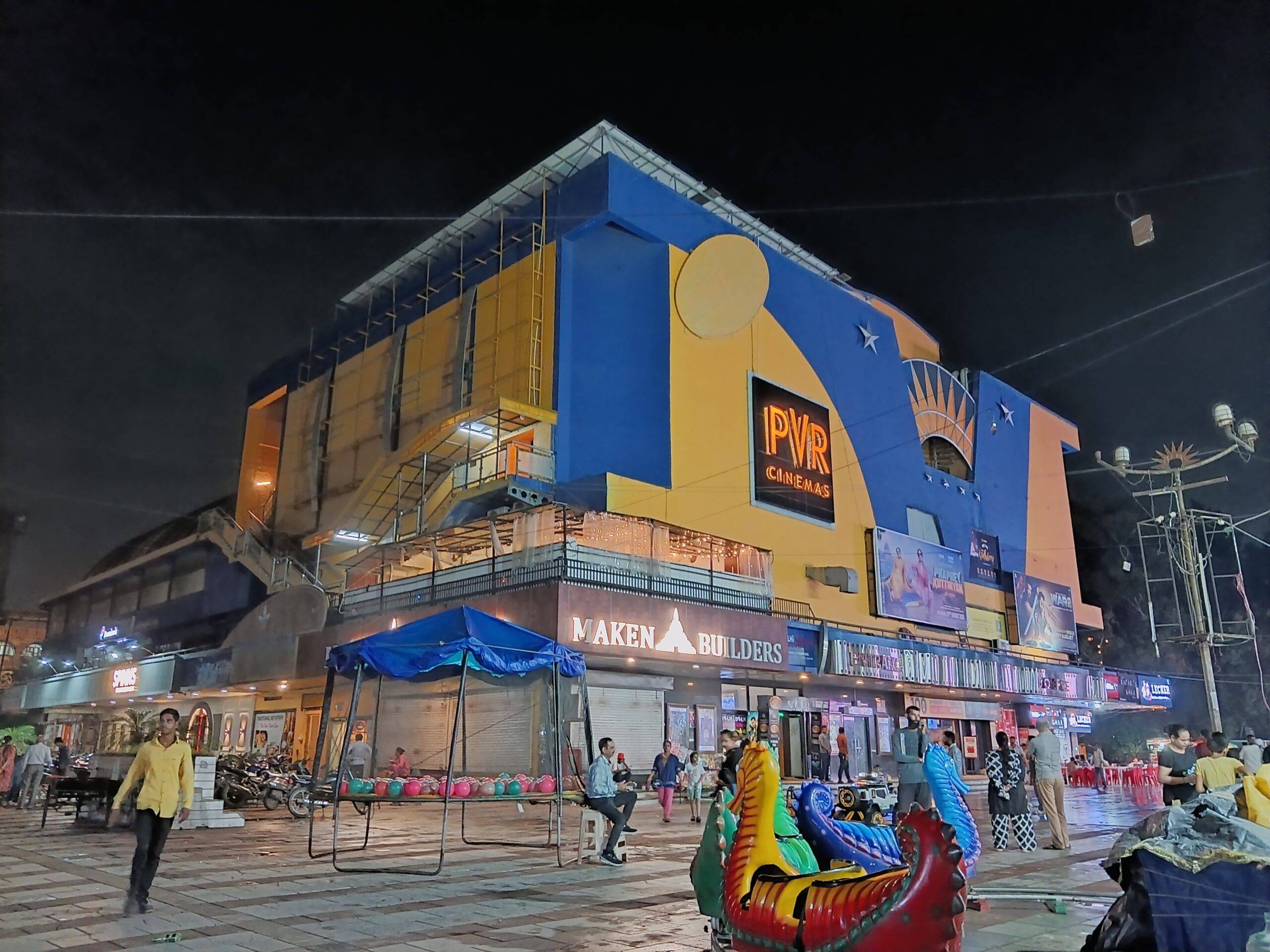
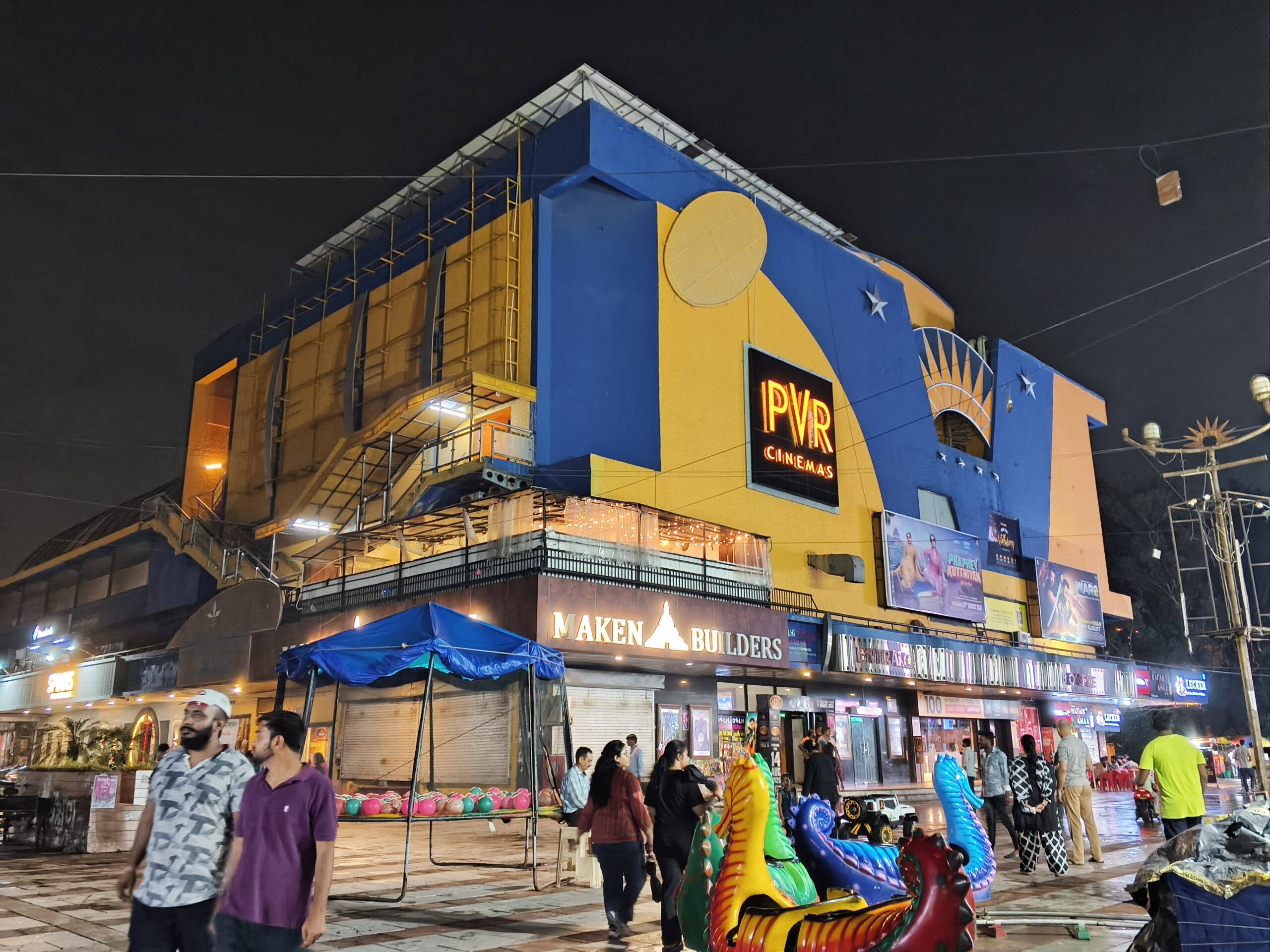
Upon enabling night mode on both smartphones, while the exposure and highlight control on Lava Blaze Amoled 2’s shot sees an improvement, the Pova 7 still edges it out in terms of details and contrast levels.
Clean & bloatware-free software
The Lava Blaze Amoled 2 carries an identical software to the recent launches by the company under the Rs 15,000 segment, such as the Lava Storm Play and Lava Play Ultra. Meaning, users get a clean and bloatware-free experience right out of the box based on Android 15. The phone will receive one OS upgrade, i.e. Android 16 and two years of security updates.
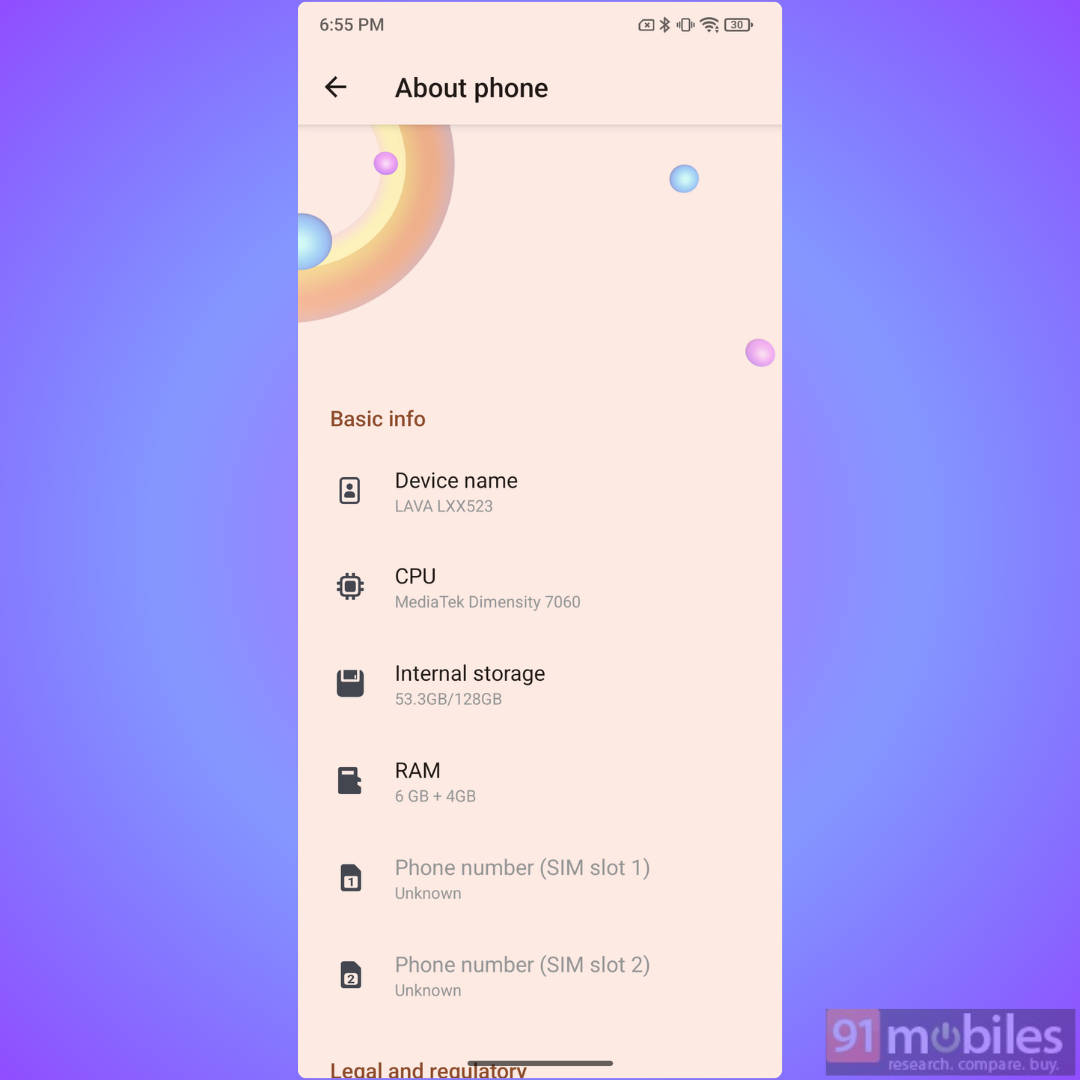
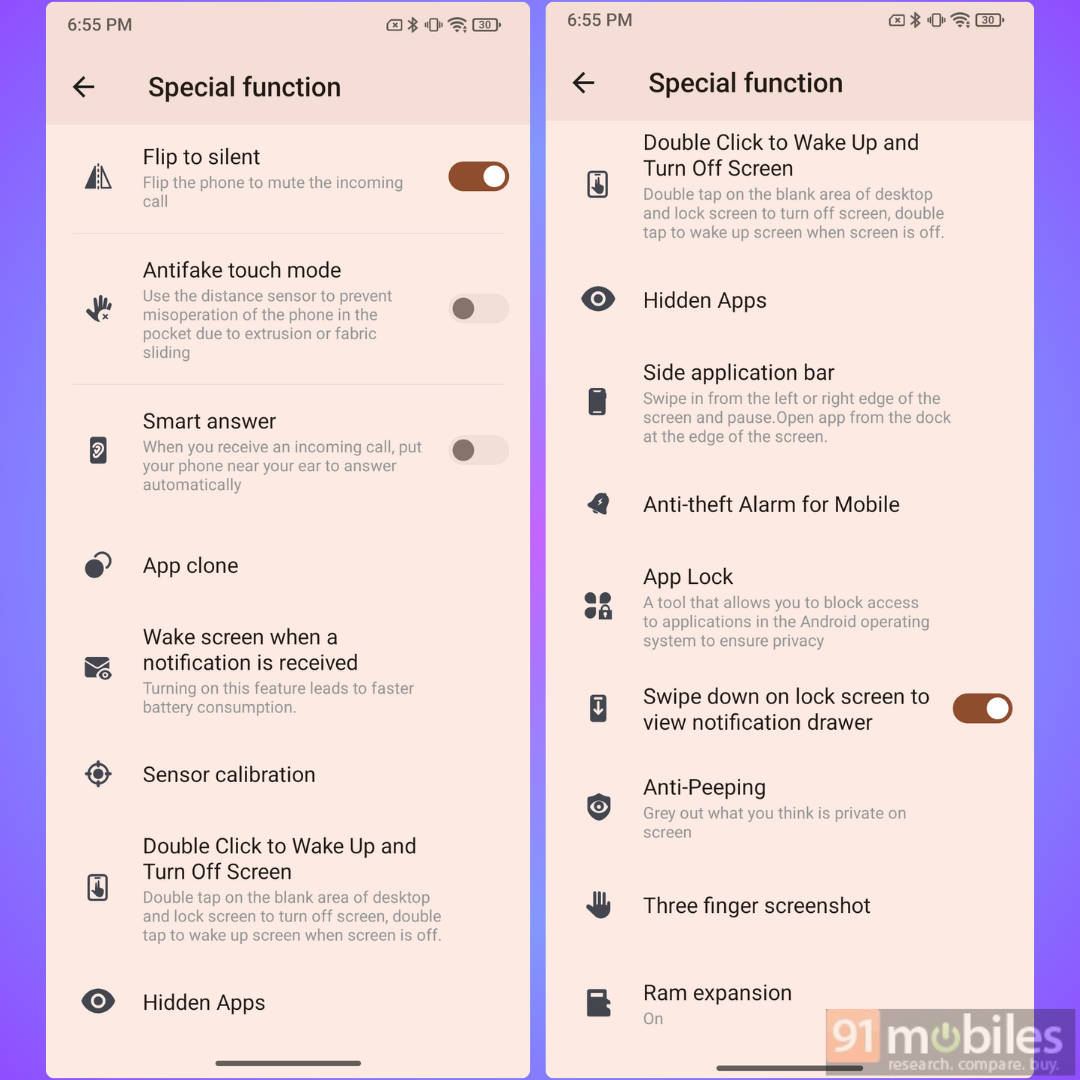
The software packs many essential features one would expect at this price point, such as app cloning, a sidebar, three-finger screenshot, and even an anti-theft alarm to prevent phone theft if the phone is abruptly unplugged from charging. However, like I noted in my Lava Storm Play review, the Blaze Amoled 2’s UI comes with dated UI elements in various parts. The stock phone dialer (which supports call recording without announcements) follows an old design that seems a step down as compared to Google’s Phone app. Then come the system apps like FM Radio and Sound Recorder, which do not follow the same cohesive design as the rest of the UI.
Strangely, the phone also misses out on Circle to Search and floating windows, which is something like the lower-priced AI-fitted Infinix Hot 60 (review) excelled at. If one can look past these caveats, the Lava Blaze Amoled 2’s software gets the job done in daily life, especially if one seeks a clean interface with no spammy notifications from first-party app markets.
A day’s worth of battery life
Powering up the Lava Blaze Amoled 2 is a 5,000mAh battery. The battery capacity is lower than its rivals like the Tecno Pova 7 and iQOO Z10x, which feature 6,000mAh and 6,500mAh batteries, respectively. However, it can keep up with others and should provide a day’s worth of endurance on a single charge. In the PCMark battery test, the Blaze Amoled 2 lasted 10 hours and 13 minutes from 100 percent to 20 percent, which is almost 1 hour and 25 minutes behind the Tecno Pova 7.

Since it runs on a stock Android interface, the handset has limited background processes, resulting in good battery life. Lava has bundled a 33W charging adapter with the phone that took the phone from 20 to 100 percent in more than two hours in our tests. The handset takes significantly longer to charge than the Pova 7, which charges its large battery in just over an hour.
Final verdict
Having experienced the Lava Blaze Amoled 2 for a bit, I couldn’t help but notice the similarities with the Lava Storm Play. Although the Storm Play get an IPS LCD panel, that too a 720p one, it shares the same processor, storage speed, battery capacity, software and cameras.
That said, the Lava Blaze Amoled 2 certainly fares better in display experience, not just against the Storm Play but all of its rivals that retail under Rs 15,000. The handset also delivers respectable performance, if not better than the MediaTek Dimensity 7300-powered iQOO Z10x and Tecno Pova 7. Although not clean or bloatware-free, the iQOO and Tecno smartphones should also offer a refined software experience and promise longer OS upgrades.
But if top-notch multimedia experience with a dependable performance and in-hand comfort is your top priority, the Blaze Amoled 2 won’t disappoint.
Editor’s rating: 7.7 / 10
Reasons to buy
- AMOLED display produces vibrant colours with great contrast levels.
- With a 174g weight and 7.55mm thickness, the handset is sleek and comfortable to hold for long durations.
- Offers a snappy day-to-day performance and runs popular games decently well at a nominal graphics setting.
- The software is free from bloatware, first-party app markets, and spammy system notifications.
Reasons not to buy
- The Lava Blaze Amoled 2 takes more than two hours for a full charge.
- The display randomly drops to 60Hz during regular usage, despite setting it to ‘120Hz’.
 | vs |  |
| vs |  |