


Review Summary
Expert Rating
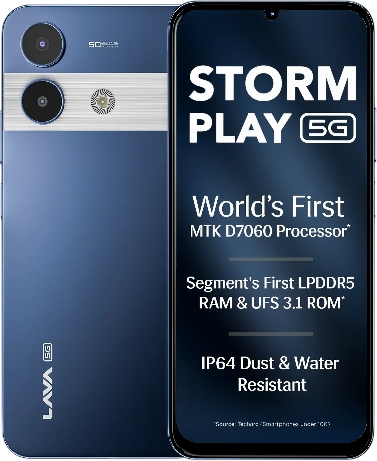
The Lava Play Storm is the company’s most ambitious launch yet in the sub-Rs 10,000 price bracket in 2025. The Indian smartphone maker is betting high on the performance and durability of the phone by packing the segment’s first MediaTek Dimensity 7060 processor and an IP64 rating. Just like the recently launched Lava smartphones, such as Bold N1 Pro, Shark 5G, and Storm Lite, the handset features a clean and ad-free software. But is the processor and software enough to make the Lava Storm Play a top choice for buyers under Rs 10,000? Find out in this review.
Table of Contents
Quick verdict
The Lava Play Storm offers a clean Android experience, great performance, 5G connectivity, a distinct back design with decent ingress protection, a workable set of cameras, and a tall, punchy LCD. Overall, the Lava Play Storm is a powerful budget smartphone under Rs 10,000, though its cameras and dated UI leave you wanting more.
Distinct-looking design in the segment
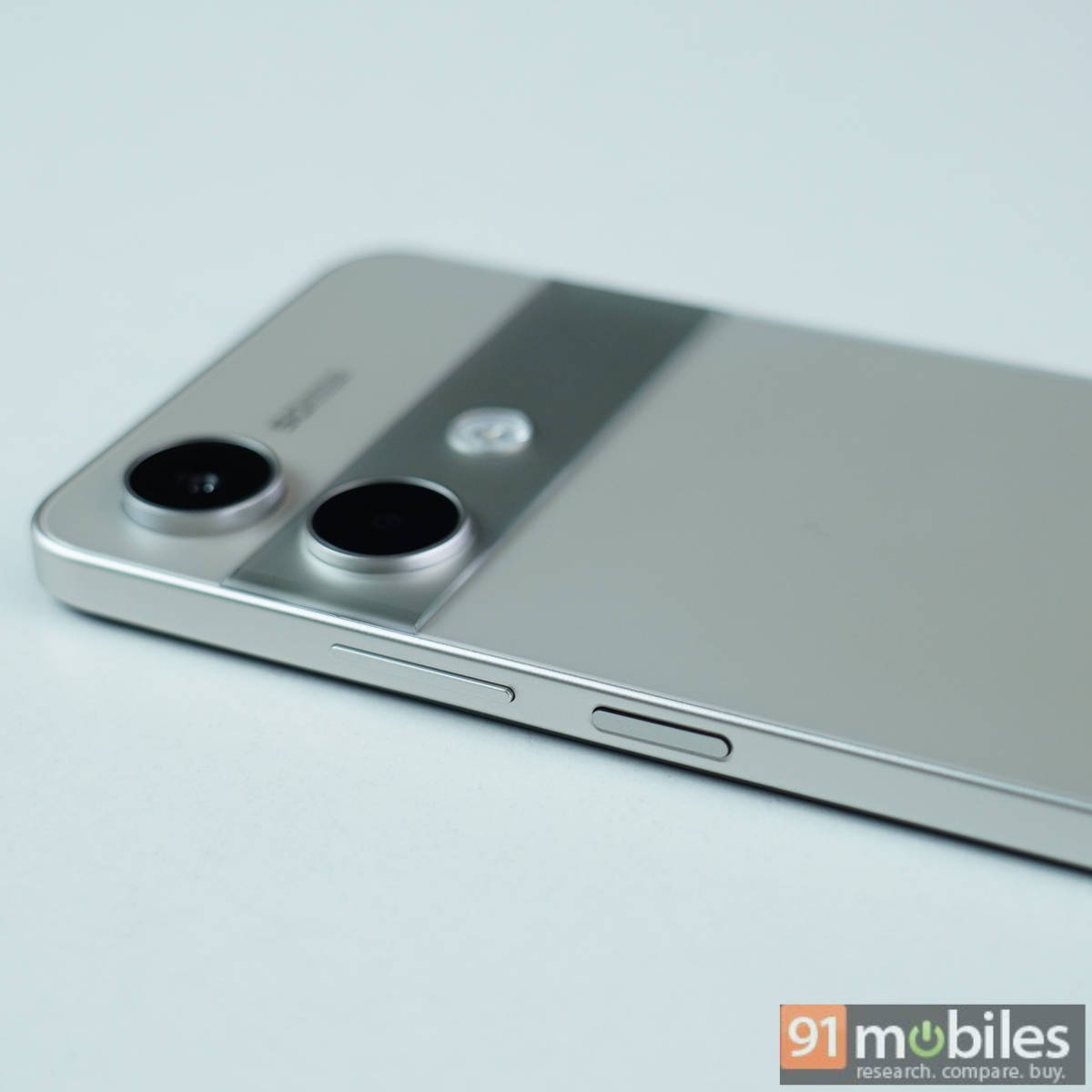
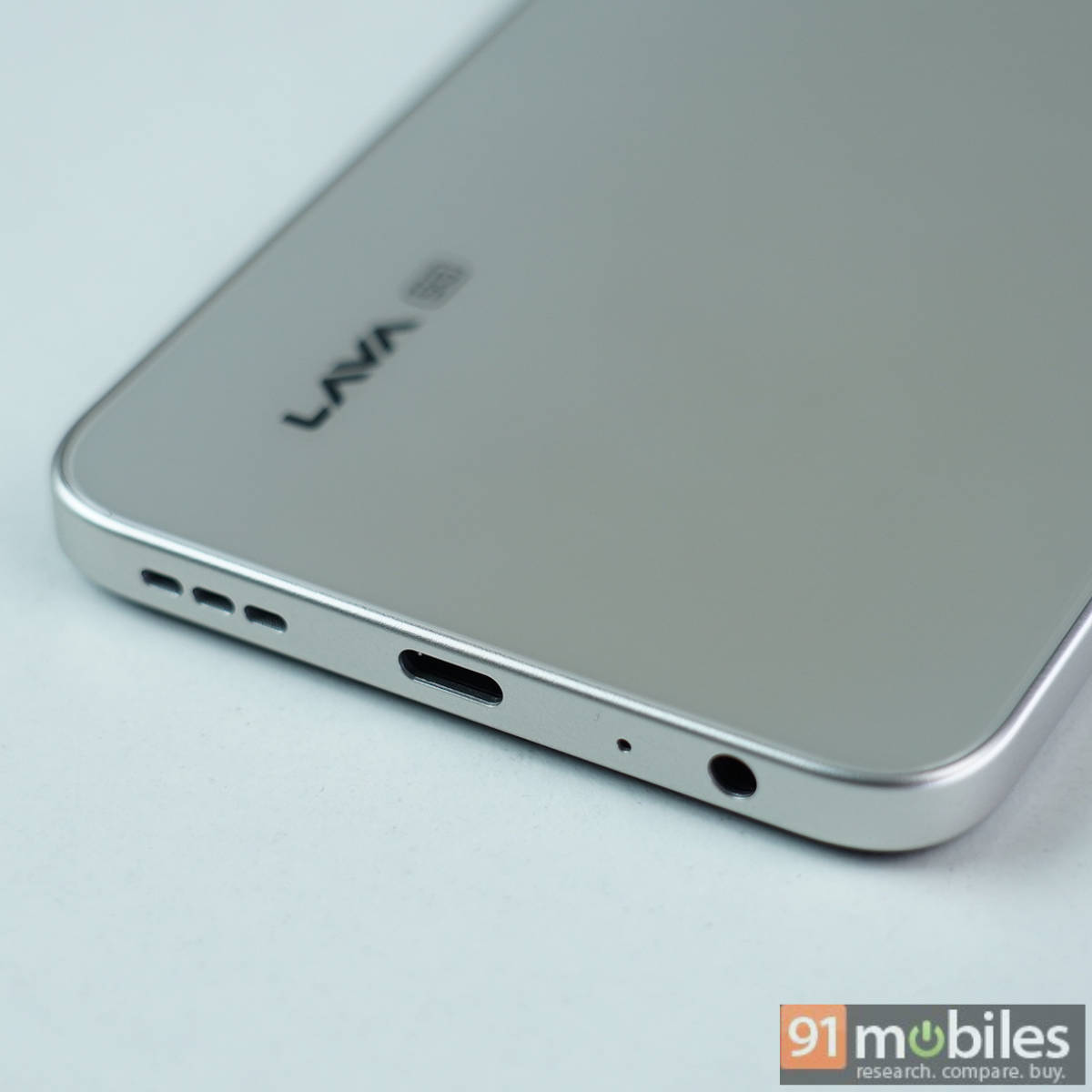
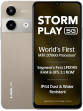
Kicking off the review with the design, the Lava Play Storm gets a polycarbonate build all around. The rear panel feels smooth to touch, while being reflective at certain angles when light is shed. You can comfortably hold the phone with one hand without it slipping, thanks to its grippy back. Since the panel has a matte top layer, the handset hasn’t incurred any scratches or scuffs during my one week of usage.
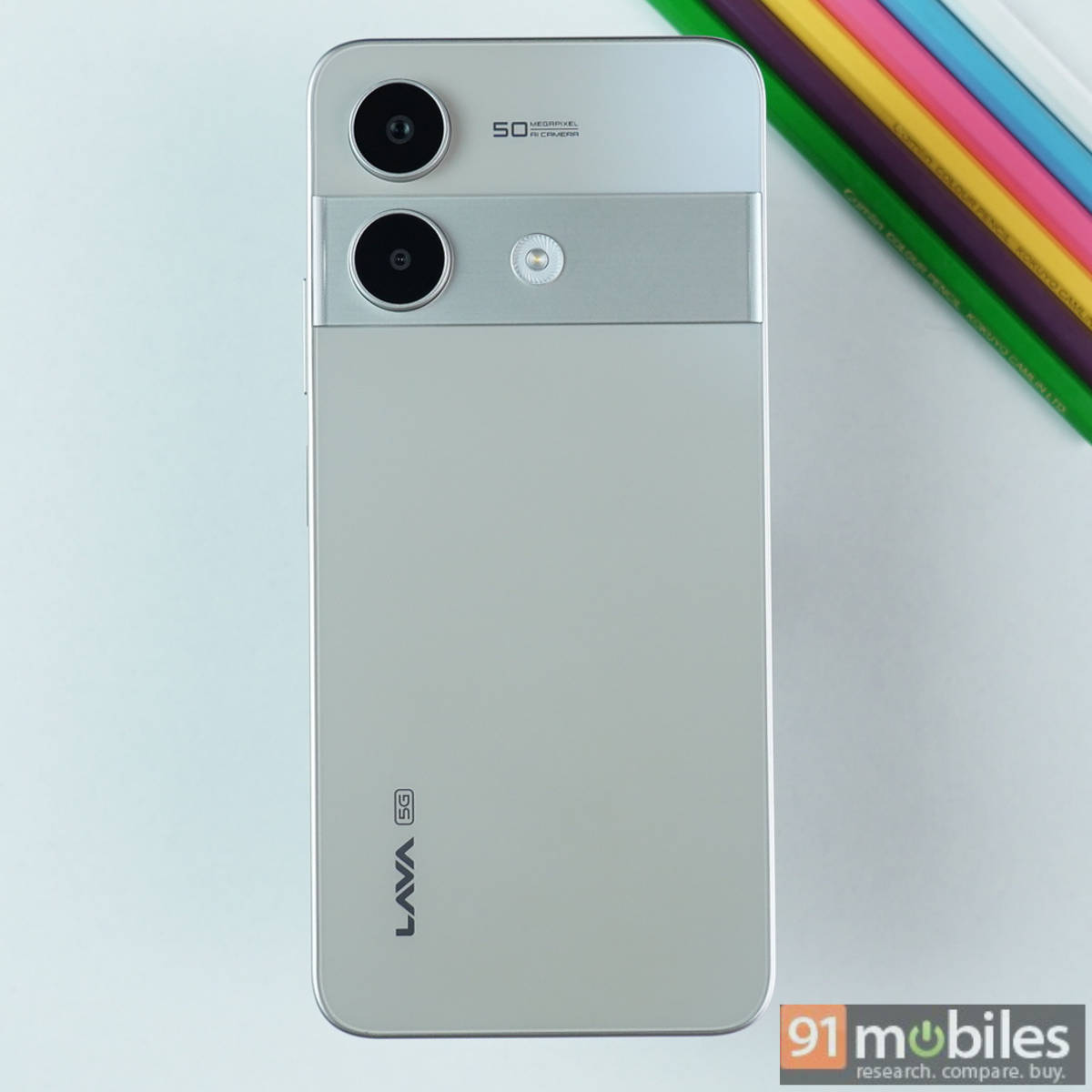
Unlocking the phone using the side-mounted fingerprint scanner worked reliably well, and the volume buttons are tactile. At 196g, the phone doesn’t offer any discomfort when weilding it for a long duration; however, weight distribution and balance could have been better. Its rivals, such as the itel A95, weigh less and have a thinner body profile. That said, the Storm Play excels in having an IP64 rating for protection against water splashes and dust.
A smooth and tall display
The Lava Storm Play flaunts a 6.75-inch HD+ IPS LCD display with 720 x 1,600p resolution and 120Hz refresh rate support. While the display bezel size appears similar to the phones in its price range, such as the itel A95, the Lava Storm Play offers a U-shaped notch, which is a bit outdated now, to house the 8MP front camera.
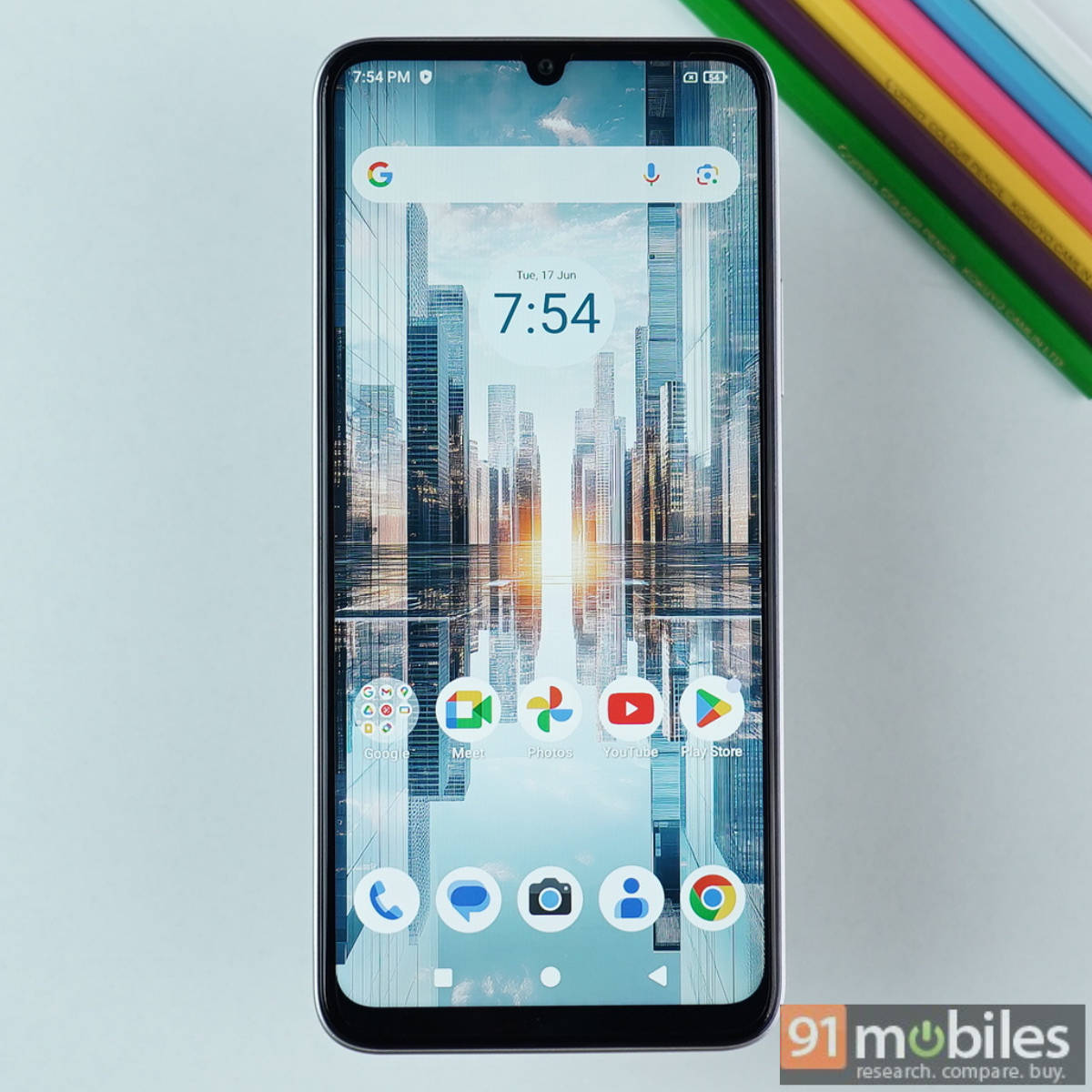
Now, coming to the visual experience of the display, in the default ‘Vivid’ colour mode and temperature setting, I found the tones and vibrancy ideal for my preference. Be it watching YouTube videos, scrolling through Instagram, or browsing websites, the colours don’t appear dull or over the top. Since it’s an LCD panel, the display appears faded when viewed from side angles. However, with its 720p resolution, don’t expect rich details when streaming content on the Storm Play, especially if you’ve used a 1080p or above panel in the past.
The 600 nits of typical brightness allows for decent legibility indoors, while the 750 nits of maximum brightness is also sufficient for viewing and reading content under sunlight. Compared to the itel A95, the Lava Storm Play gets an upper hand for boasting higher brightness level numbers.
Decent in photography, with room for improvement
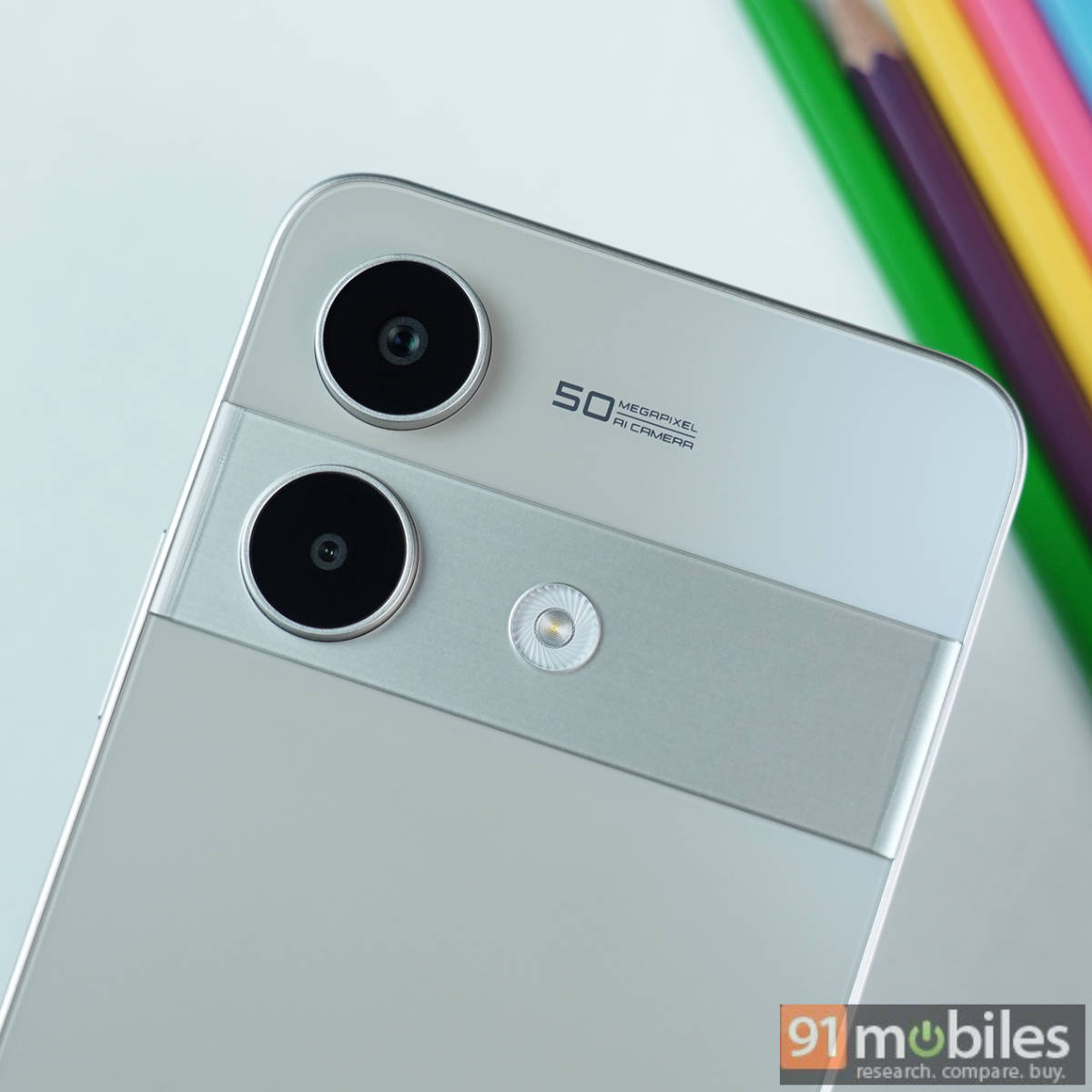
Similar to the phones in its segment, the Lava Storm Play gets a 50MP primary camera unit without OIS, which is paired with a 2MP auxiliary lens. The sensor used in the primary camera is the Sony IMX752 with a sensor size of 1/2.8-inch. Flip the phone over and you’ll find an 8MP selfie shooter. The rear camera can record videos in up to 2K resolution at 30FPS.
The camera interface is smooth to operate and packs all the basic modes, such as portrait, night mode, pro mode, panorama, slow motion, time lapse, and others. Some additional features include Dual-View video, Document Correction, GIF, and Pro Video.
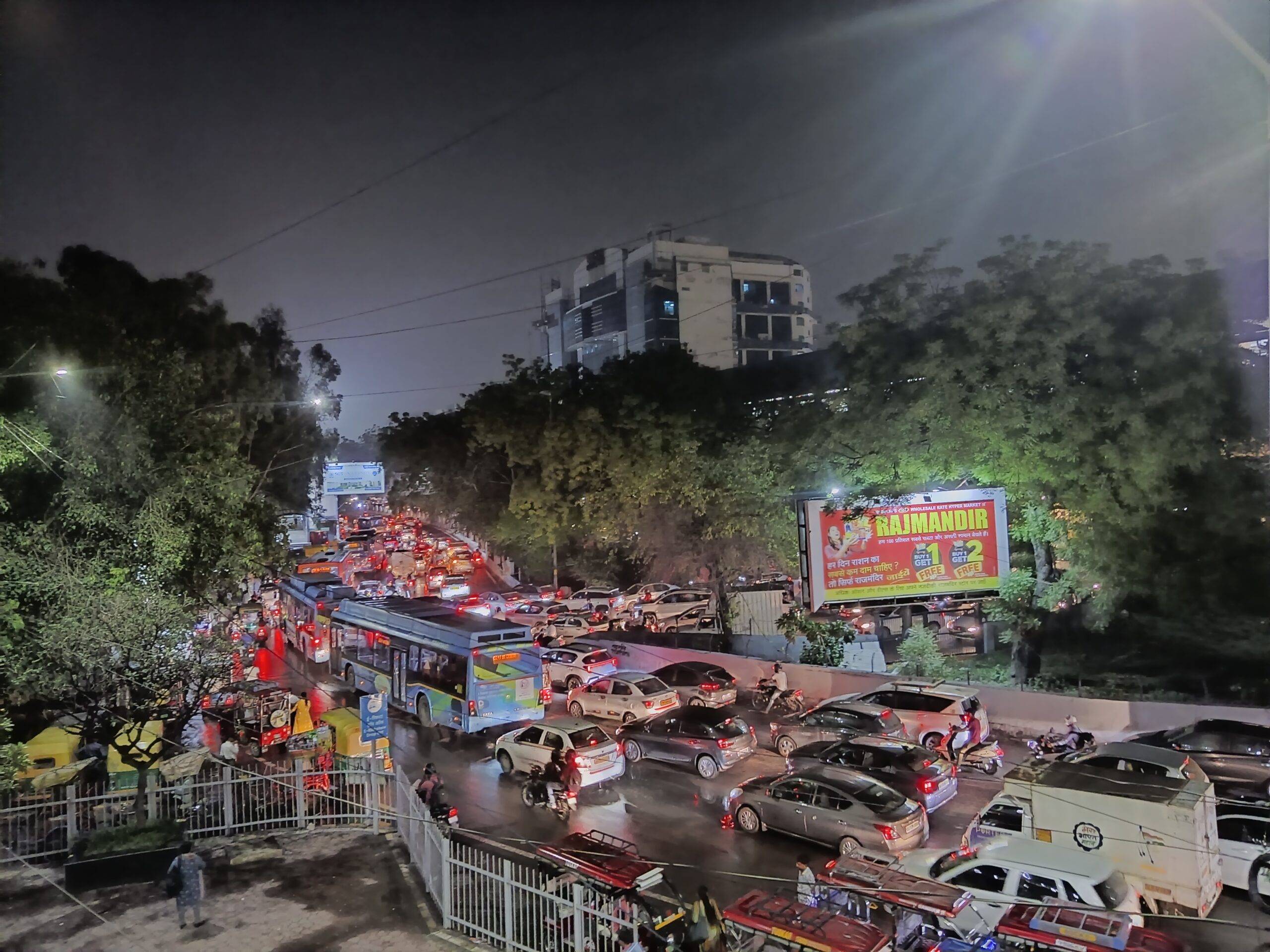
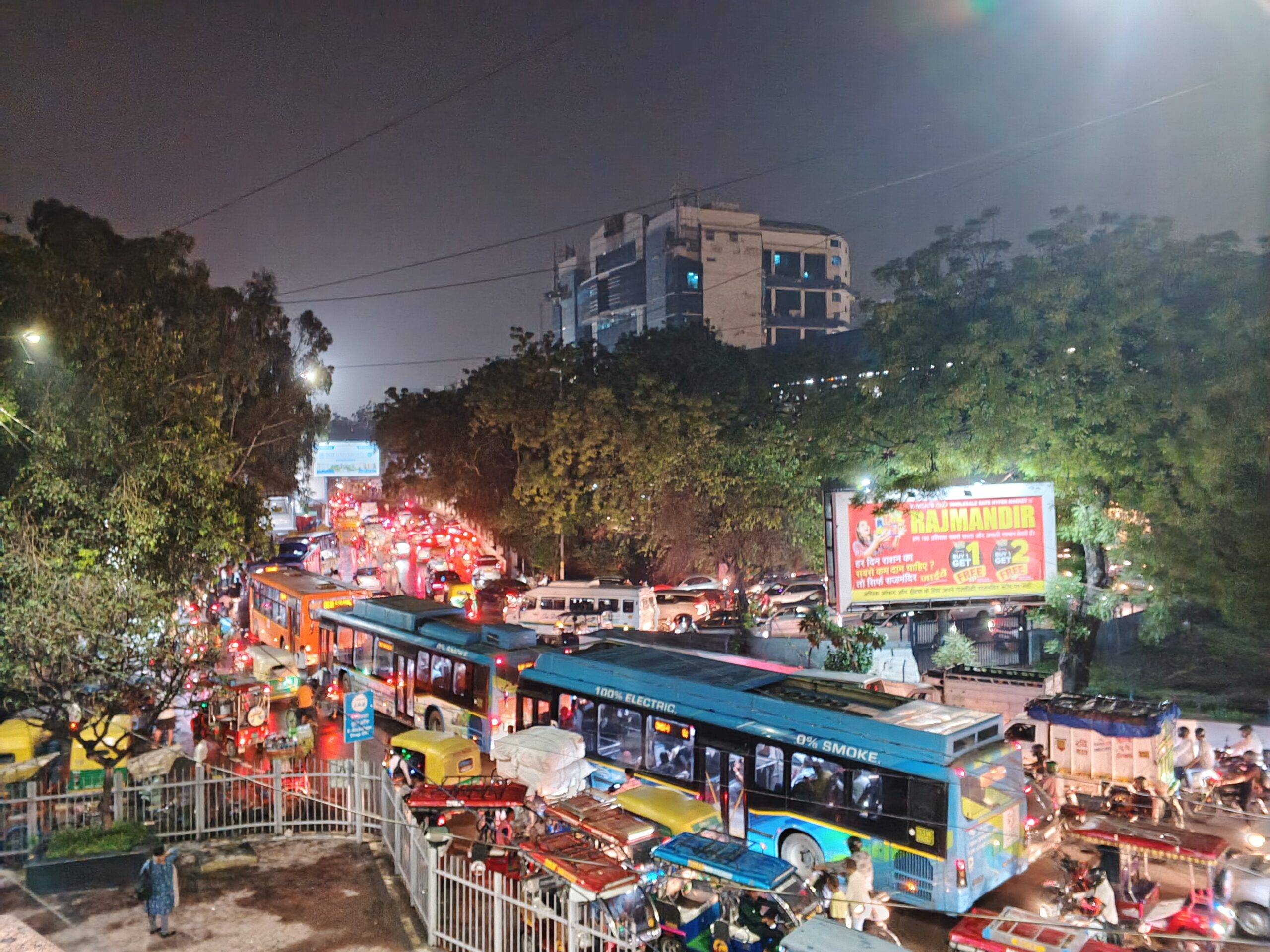
As for the camera outputs, the Lava Storm Play gets the job done in ample lighting conditions, but still leaves room for improvement in aspects like foreground and background separation for portraits and skin tones. The colours produced in daylight have a slight vibrancy and decent dynamic range compared to the rivals, making the outputs instantly shareable on social media. Night shots lack detail, with parts of the images appearing grainy, blurry and light sources overblown. It’s safe to say the camera struggles in low light due to the small sensor size and lack of OIS.
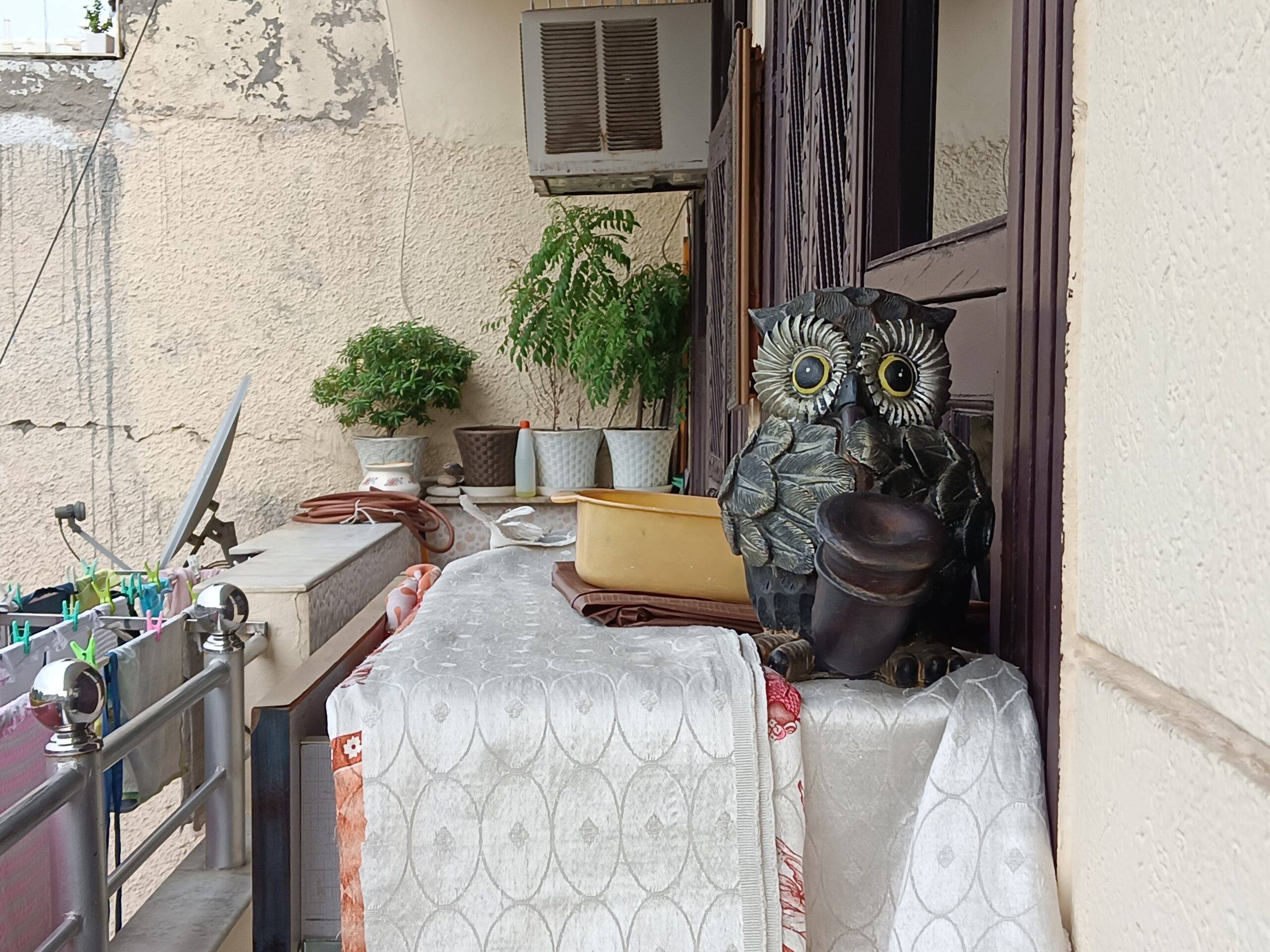
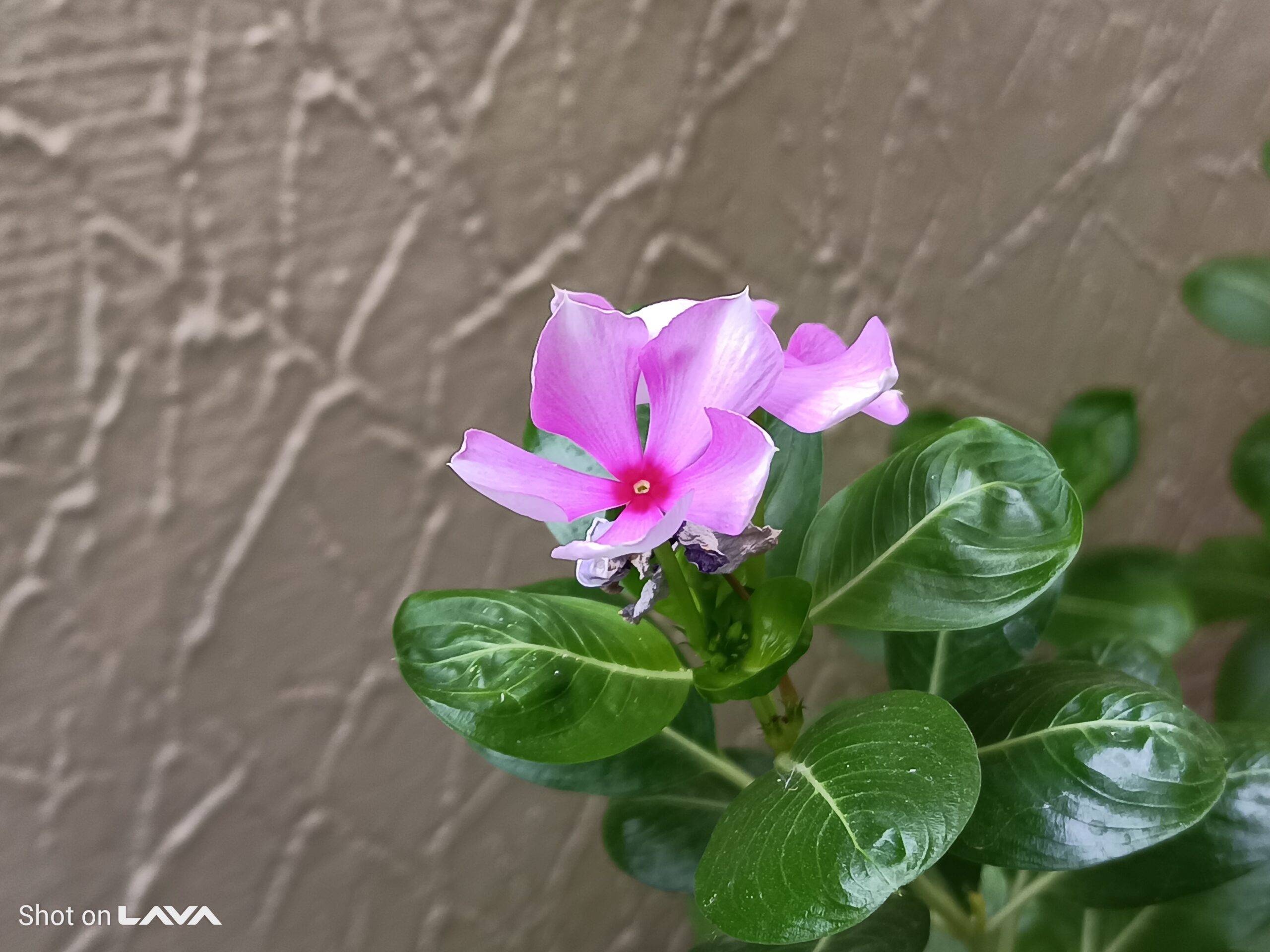
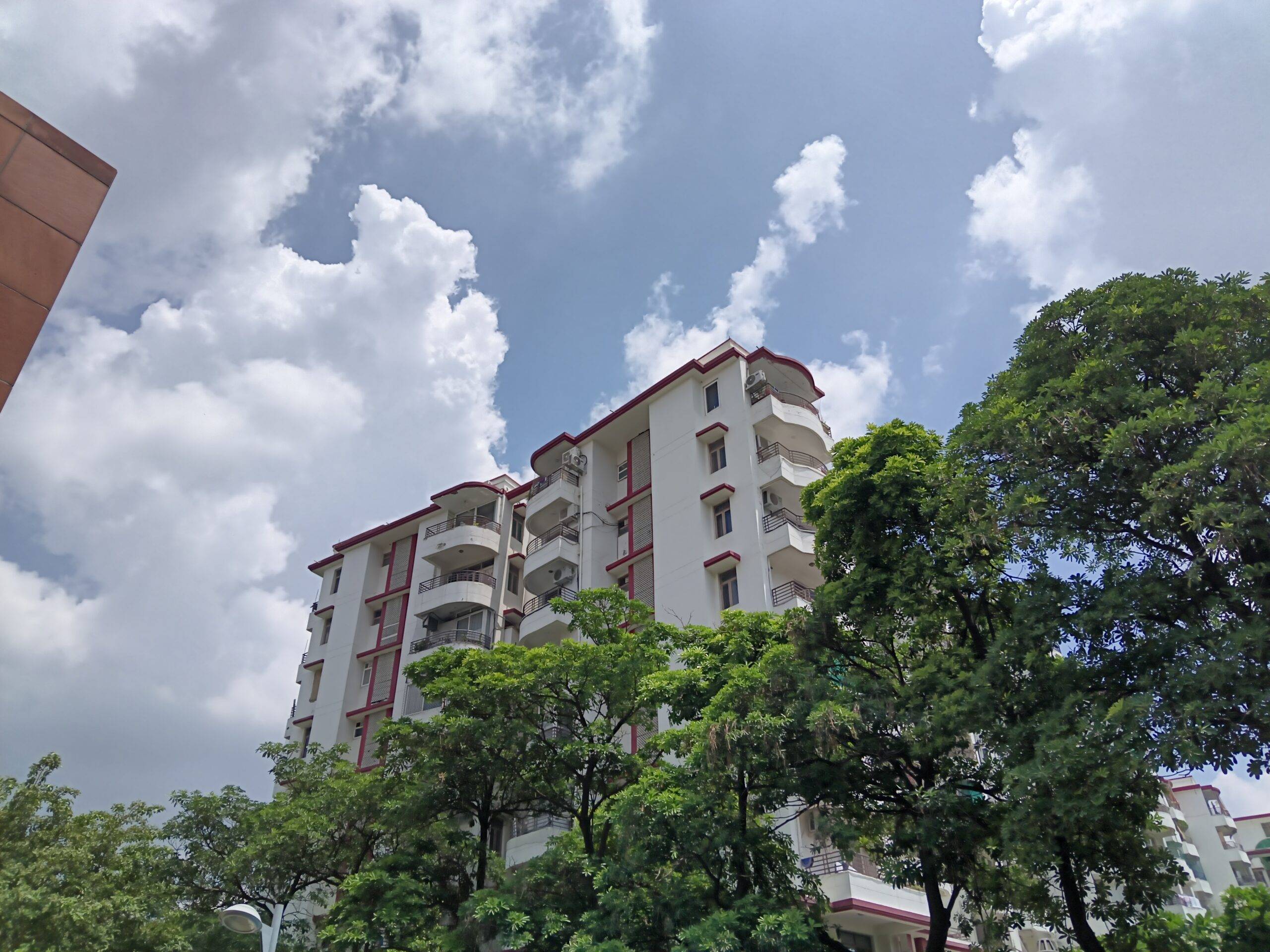
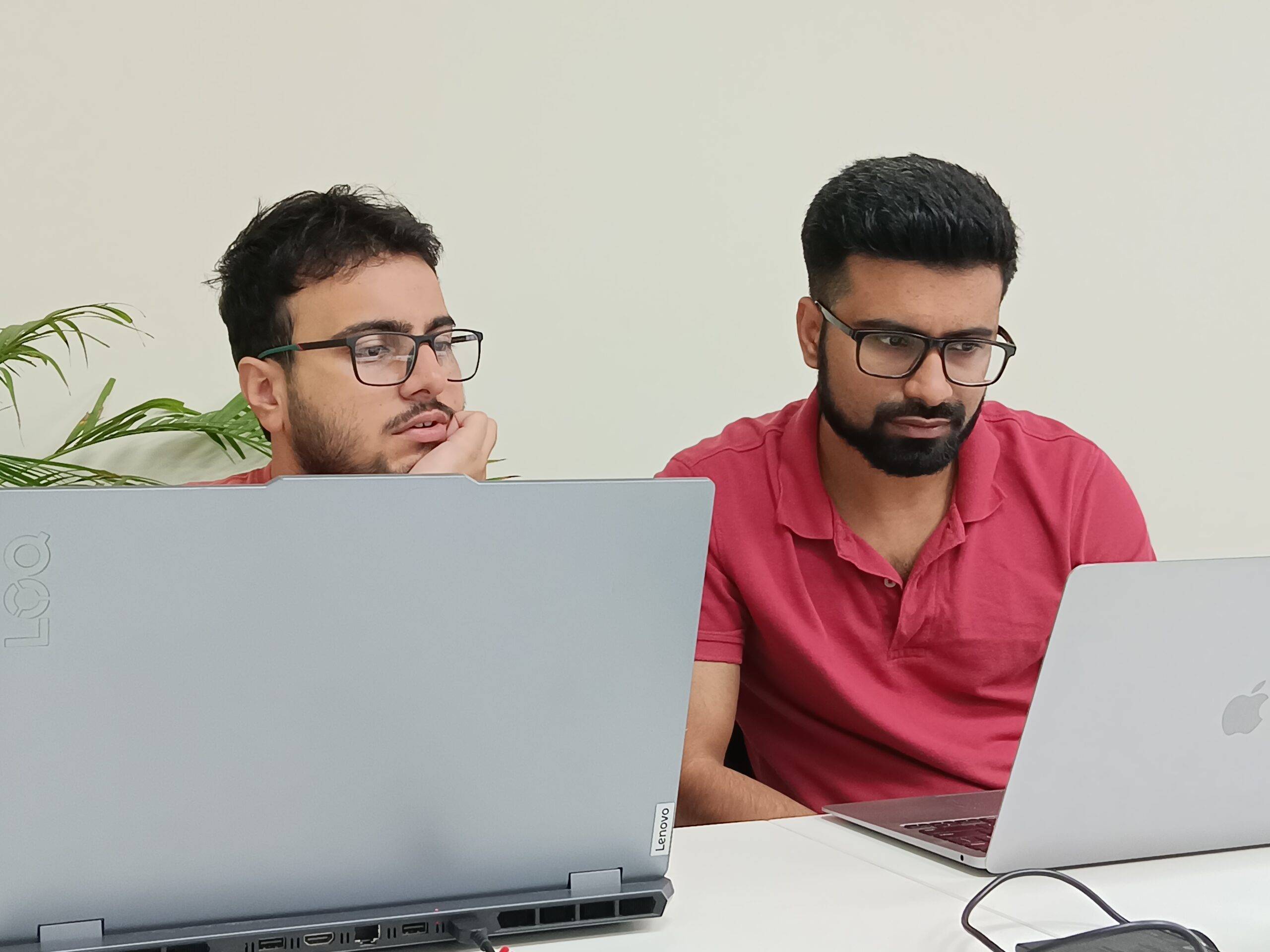
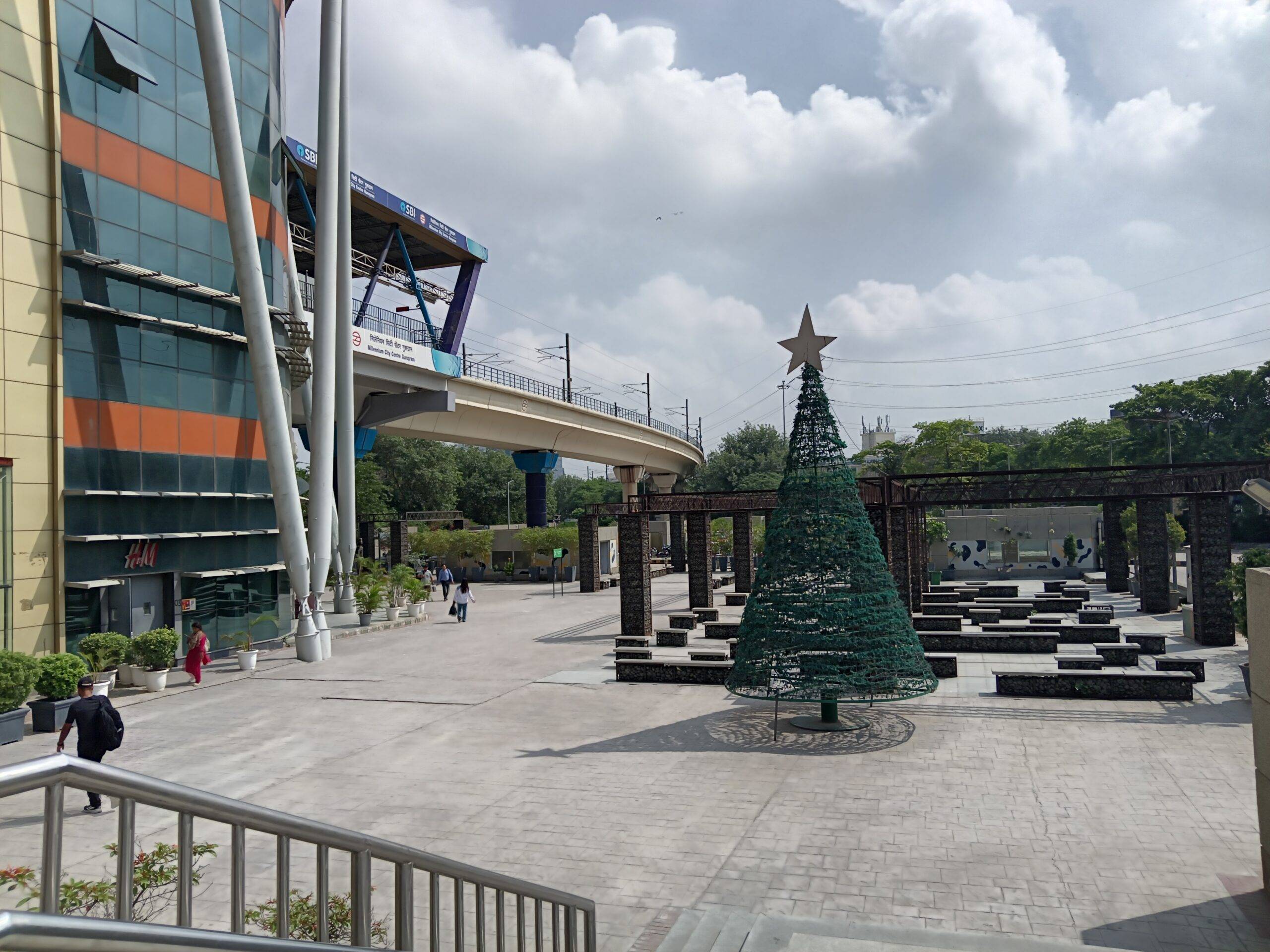
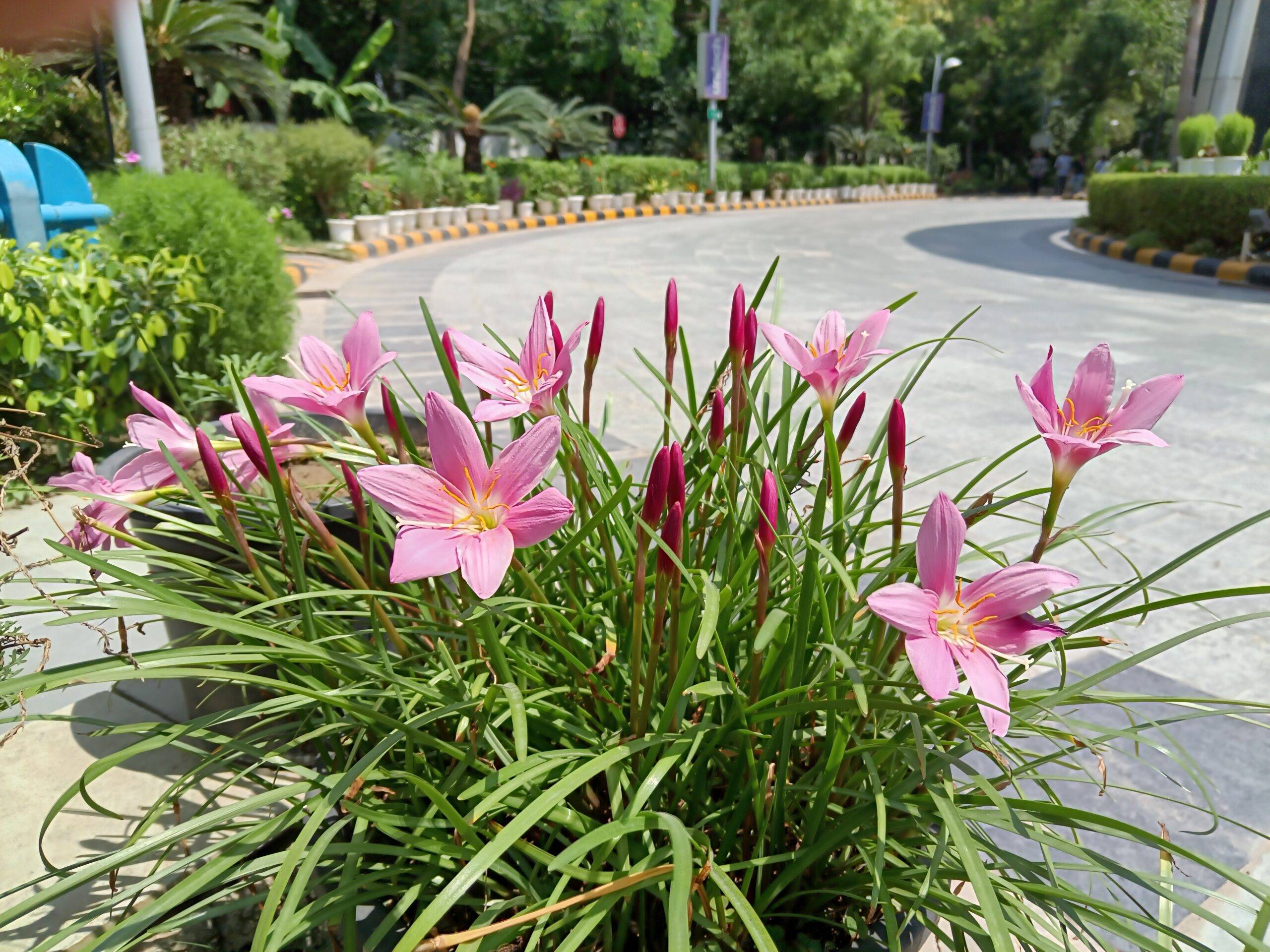
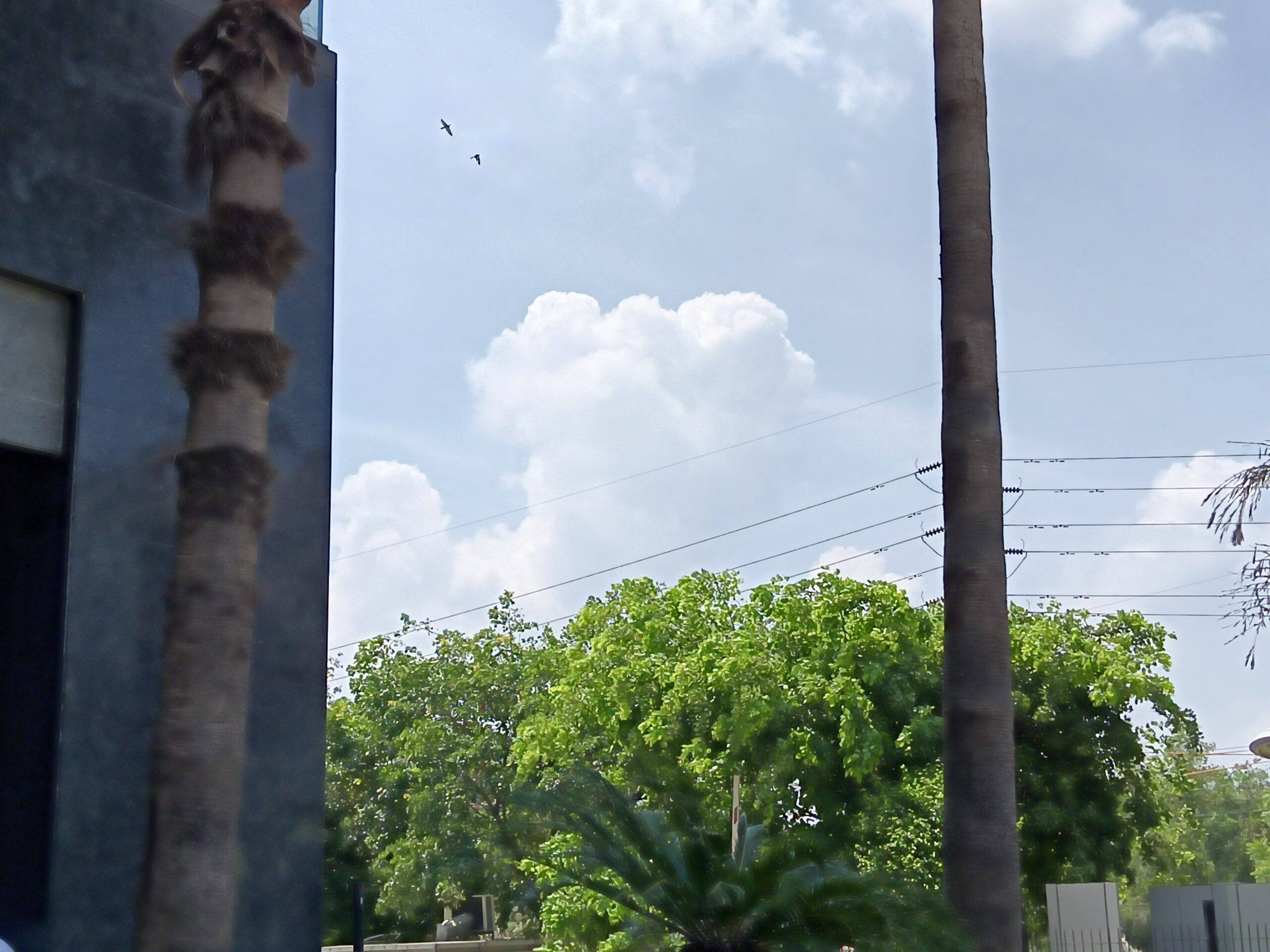
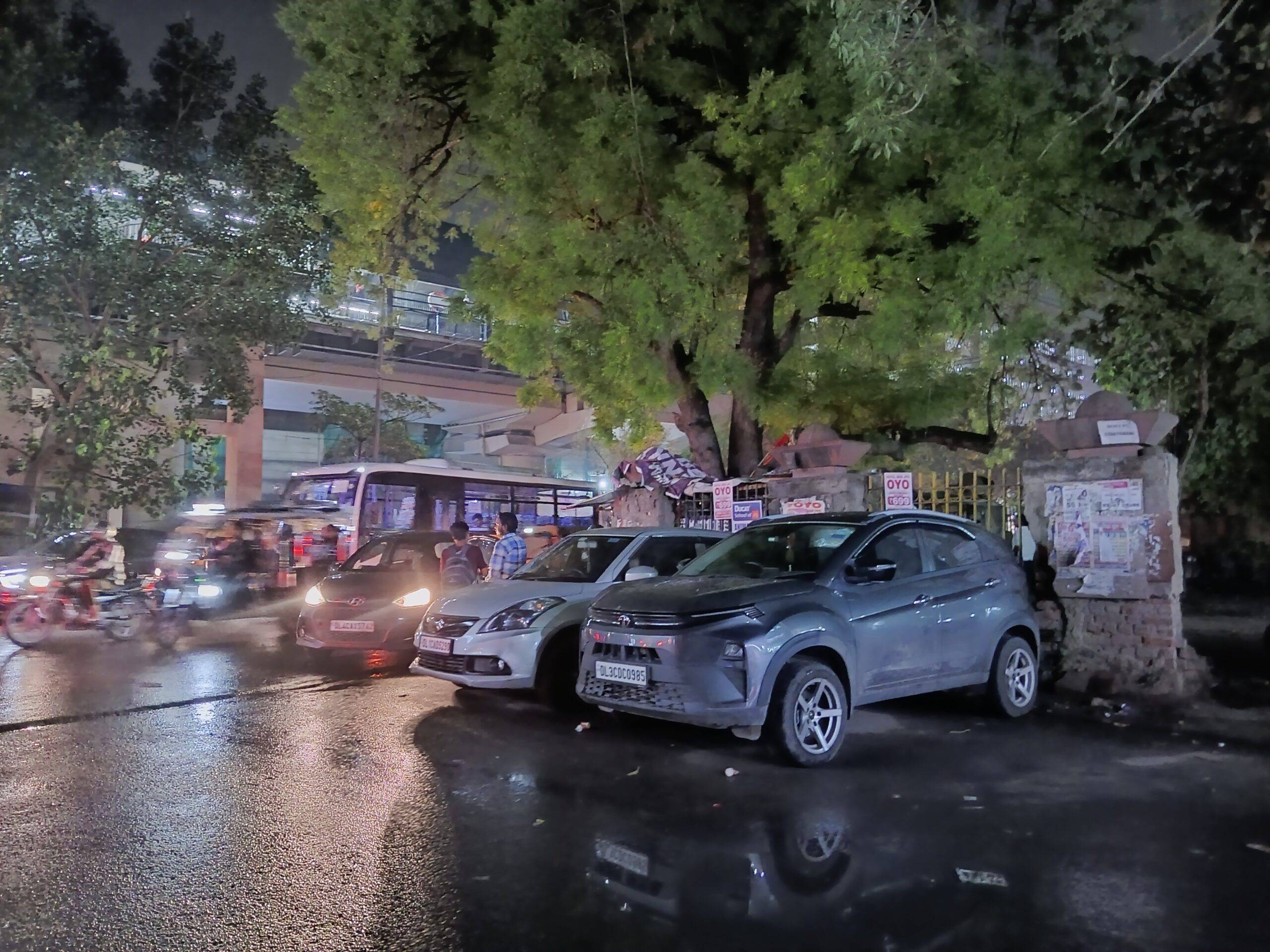
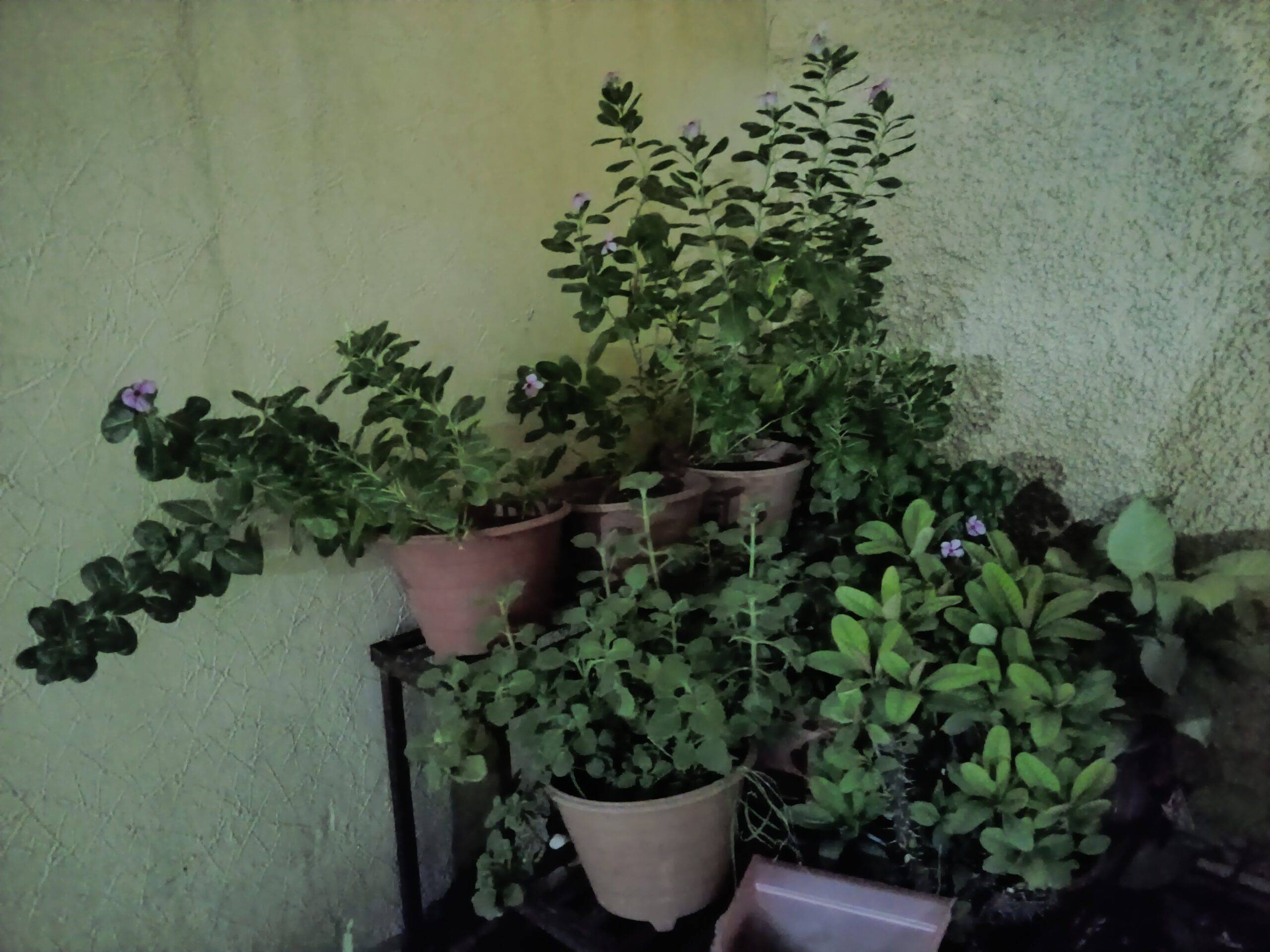
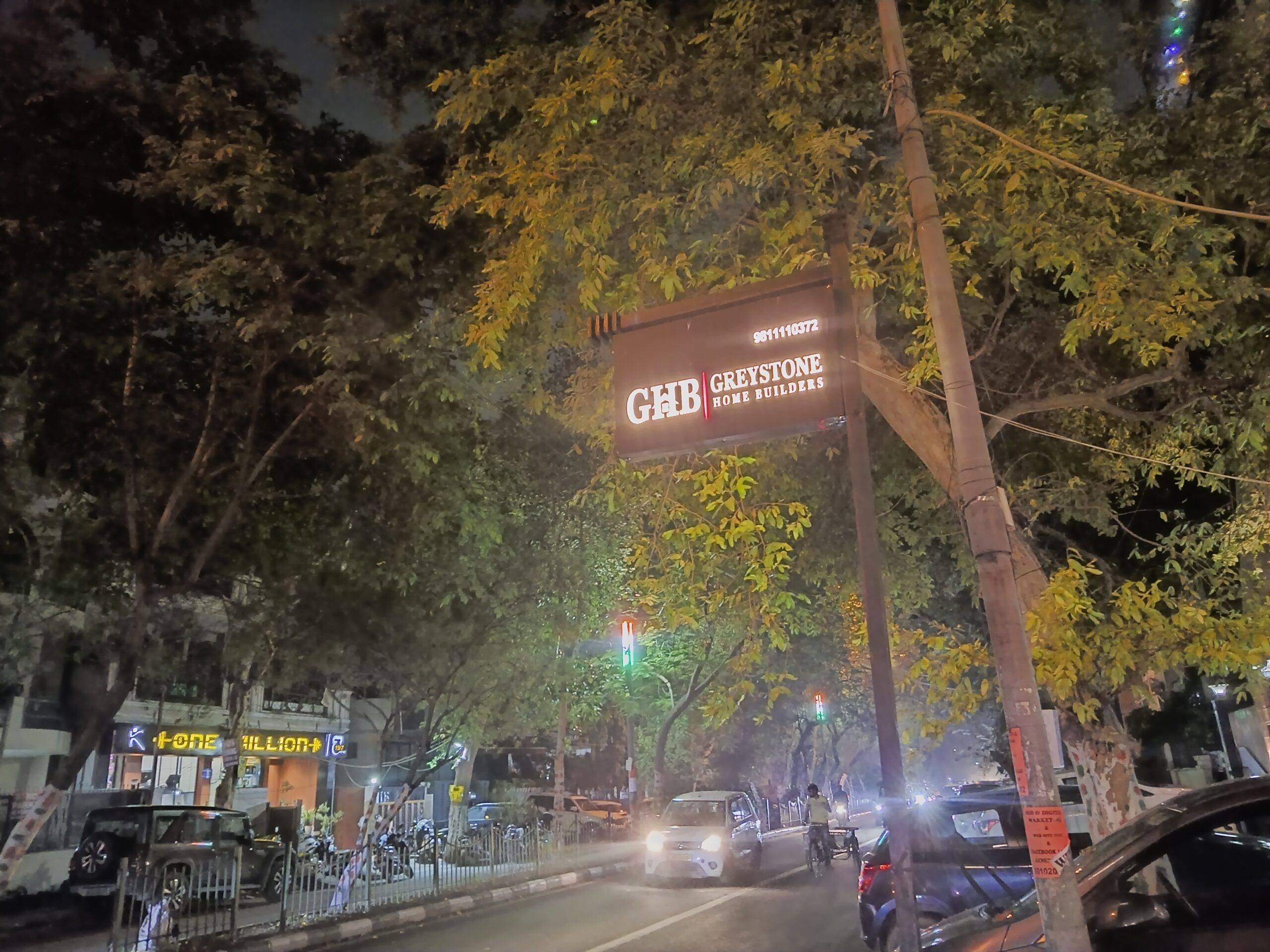
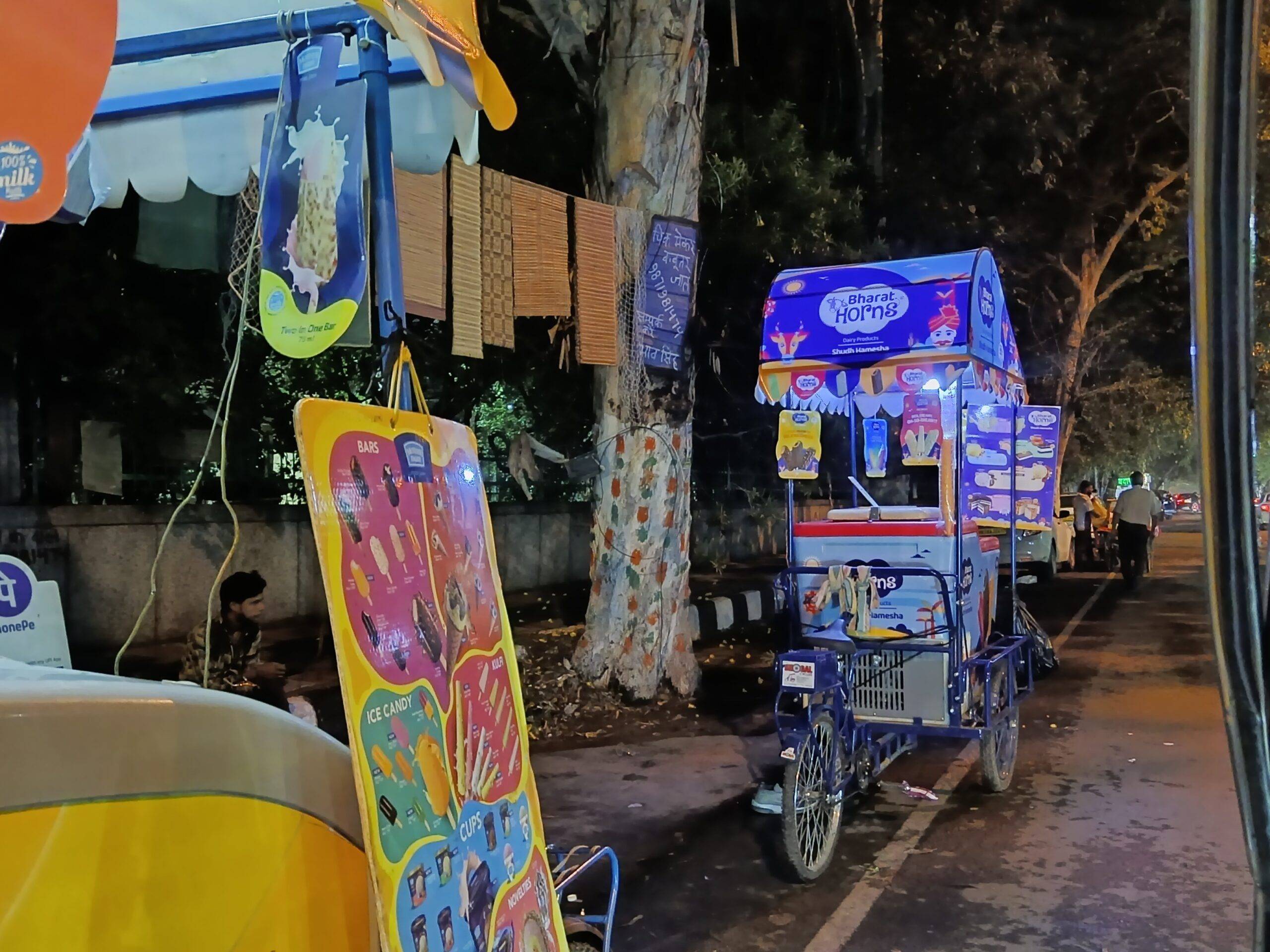


Now, let’s check out how the Lava Storm Play fares in different scenarios compared to the itel A95.
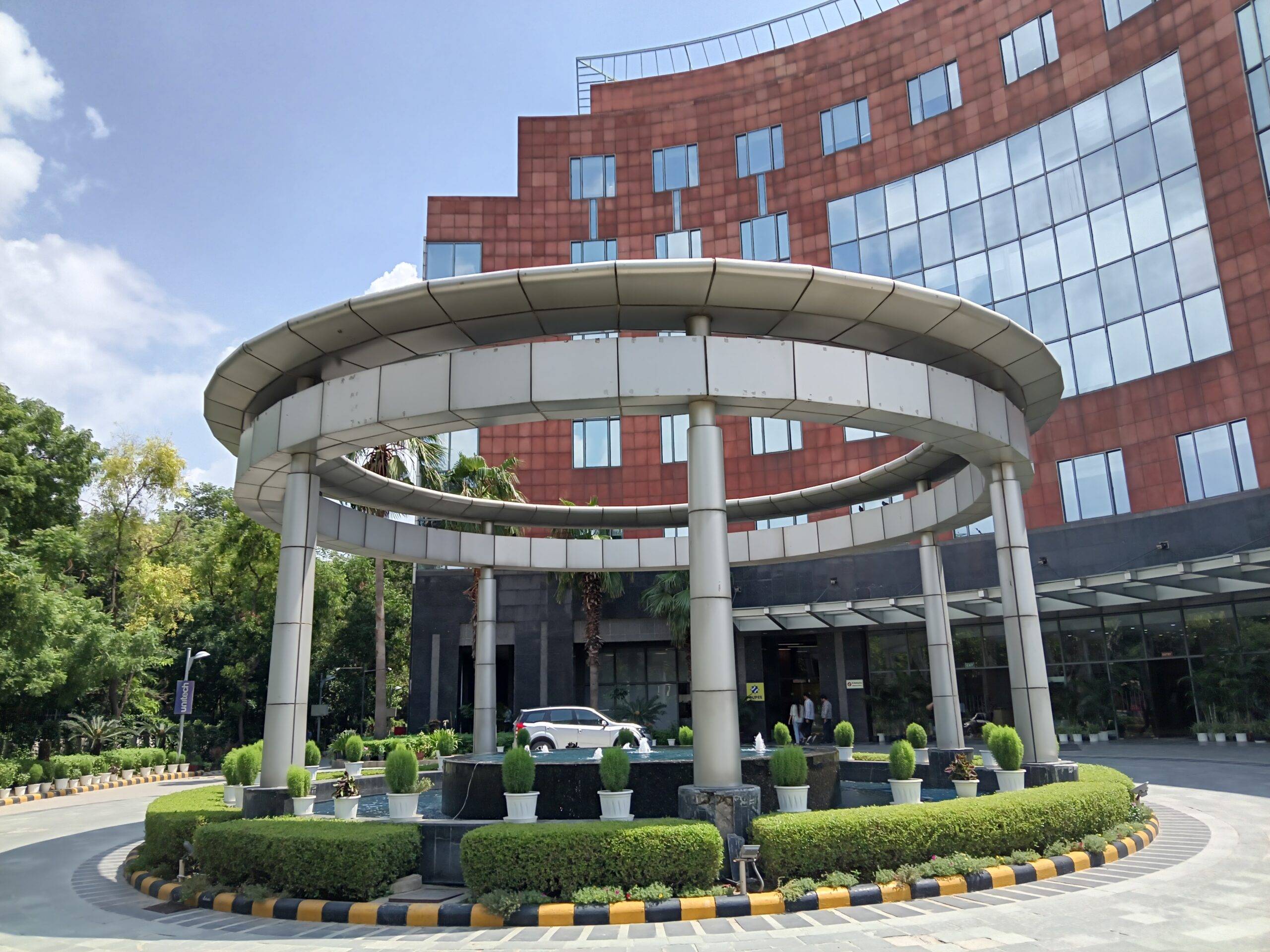
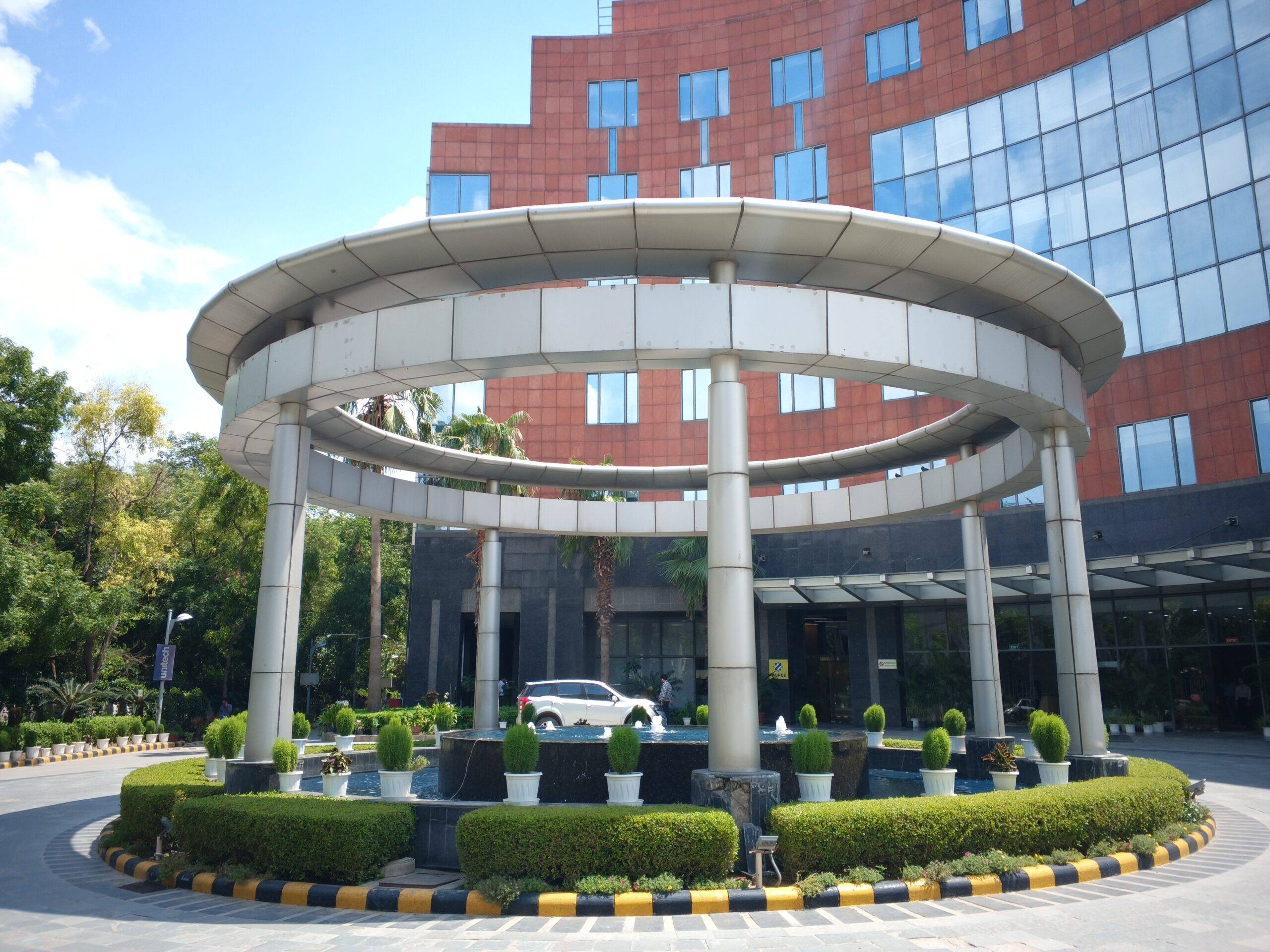
Daylight
In our daylight test, the Lava Storm Play has rendered the image as it was in real life. The exposure levels are well-maintained, the dynamic range is superior, and the areas covered by shadows are well-lit. Conversely, the itel A95 gets the upper hand in terms of details and sharpness of the bush and leaves. As an overall image, the Storm Play’s image appears better.
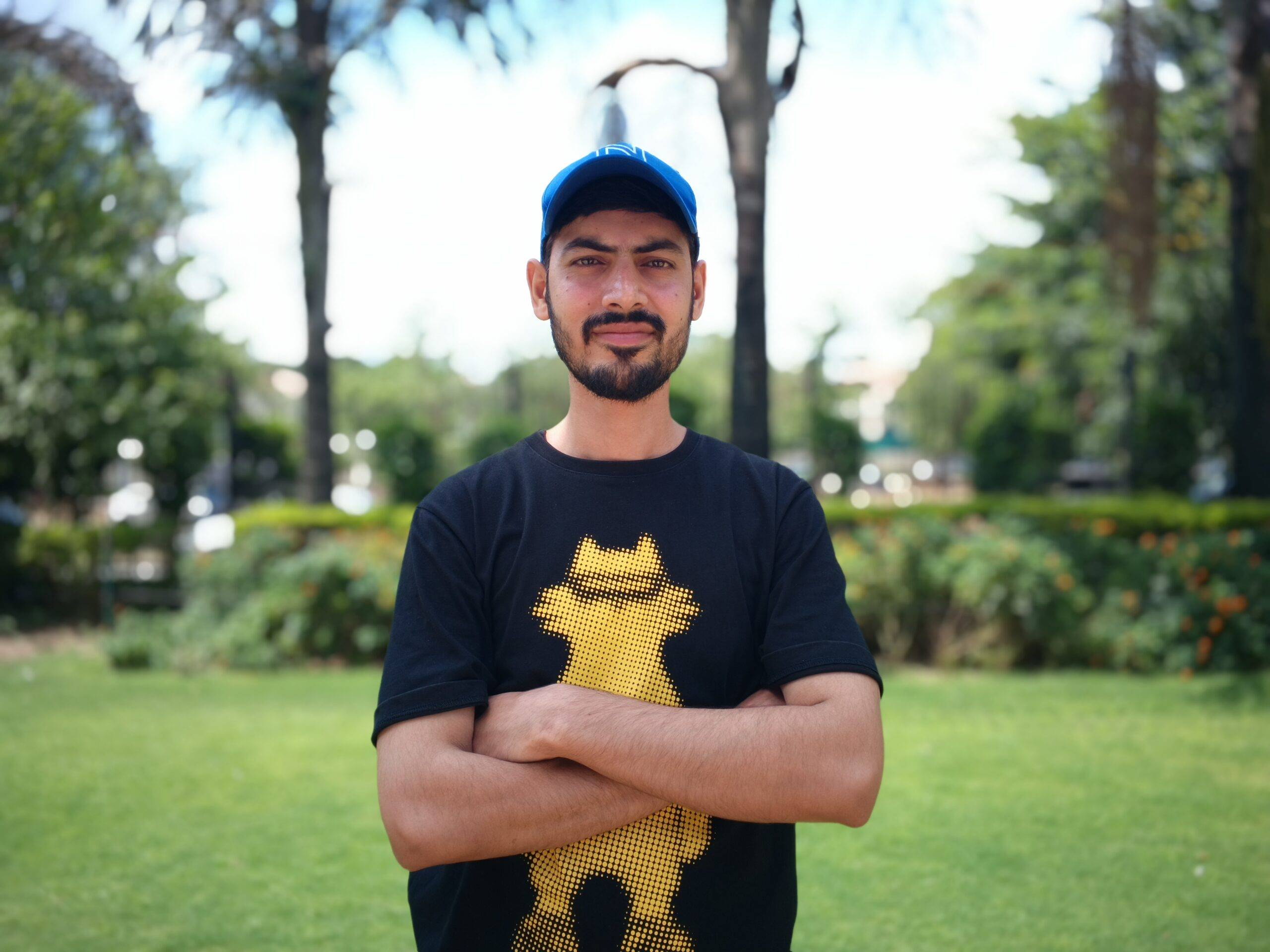
Portrait
In portraits, the dynamic range on Lava Play Storm’s shot looks more settled in comparison to the itel A95, which has blown out the details and colours of the background. As for the subject in focus, Lava fails to portray the natural texture and colours of the skin and t-shirt. In the A95’s case, the subject has superior details, and the colours are also not too off.

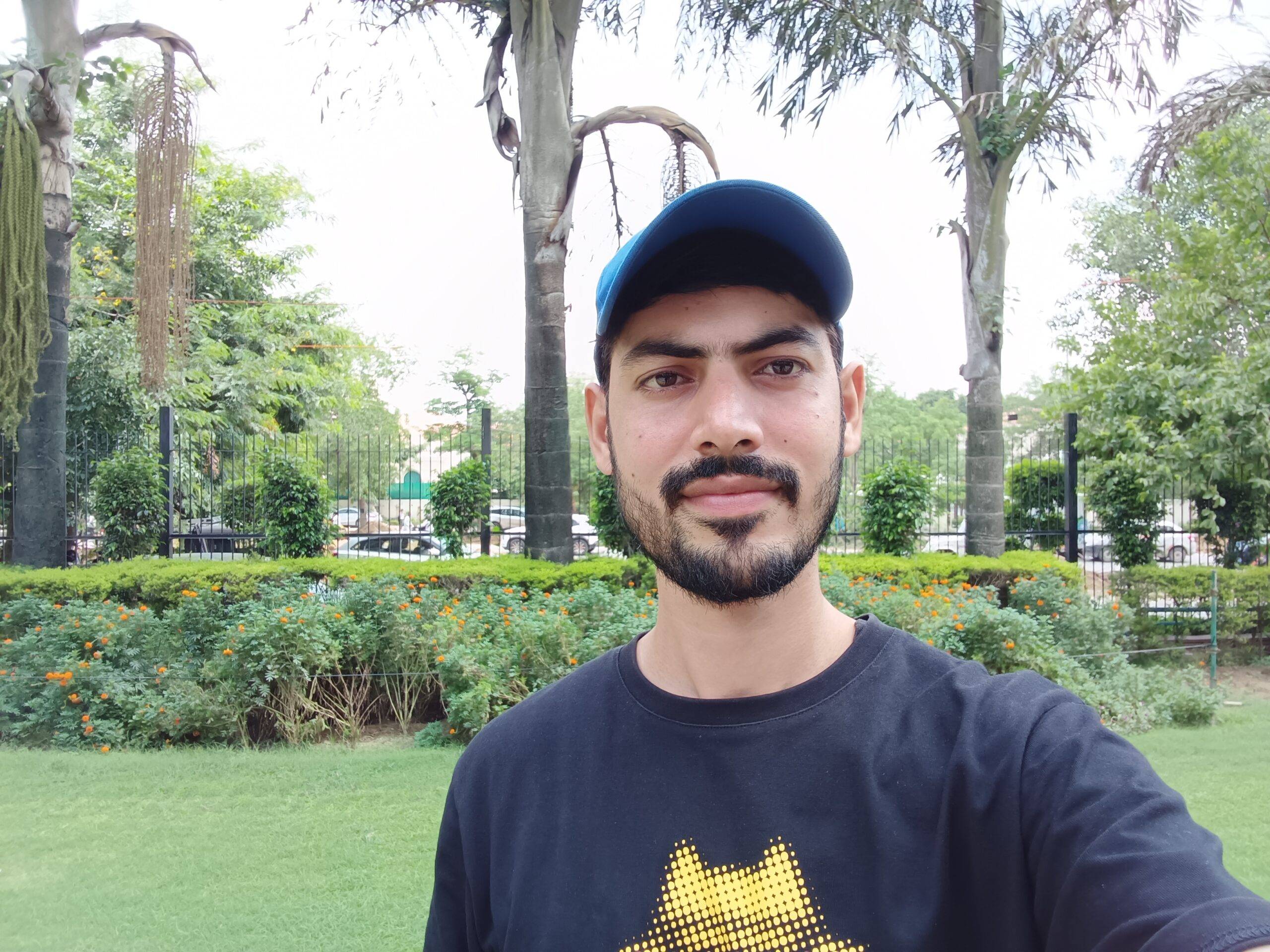
Selfie
Just like the portrait shot, Lava Storm Play fails to render the subject’s actual colour and skin texture and completely misses out on the white balance. The itel A95 manages to preserve better details of the subject and the background, even though the image may have warmer tones compared to the Storm Play.

Low-light
While both phones have a hard time capturing a detailed and well-exposed night shot, the Lava Storm Play portrays the scene somewhat better than the itel A95. The light sources in Lava’s shot are not overblown, while the itel smartphone has overexposed the shot and has more noise.
Reliable performance
The Lava Storm Play rocks MediaTek Dimensity 7060 SoC under the hood. It is an octa-core processor with a maximum clock speed of 2.6GHz and is built on a 6nm fabrication process. The processor, along with the UFS 3.1 storage speeds and 6GB LPDDR5 RAM, are the major highlights of the Lava Storm Play, as emphasised by Lava in their marketing materials. To determine the raw performance of the Storm Play, we ran benchmarks, and the scores are available below.
But how does this hardware convert in real-world usage? In short, the Lava Play Storm’s day-to-day performance was not only up to the mark but also punches above its weight. Scrolling through the software, opening and switching between multiple applications, using the camera and clicking photos in quick succession, the Storm Play offers a reliable experience. The addition of a 120Hz refresh rate is the cherry on the cake. Paired with the stock Android experience, it further enhances the snapiness of the stock Android interface.
While most games may not run on 120Hz due to hardware limitations of the budget-centric chipset, I tried playing Clash Royale and Brawl Stars on the Storm Play and achieved constant 120FPS throughout the 20 to 30 minutes of gameplay on each game. As for popular titles such as BGMI, the handset offered an average FPS of 29.4 at HD + High graphics settings after 30 minutes of gameplay. Similarly, in Call of Duty: Mobile, the Lava Storm Play achieved 54.3 average FPS in the same duration. In both games, the temperatures remained below 32 degrees Celsius, indicating a strong thermal performance.
As for benchmark numbers, the Lava Storm Play consistently scored higher than the itel A95, which features the MediaTek Dimensity 6300 SoC, in apps like AnTuTu and Geekbench. The exact benchmark scores can be found in the charts provided above.
In terms of connectivity, the Lava Play Storm gets 5G, 4G, Bluetooth 5.2, and dual-band WiFi support.
Clean software with adequate features
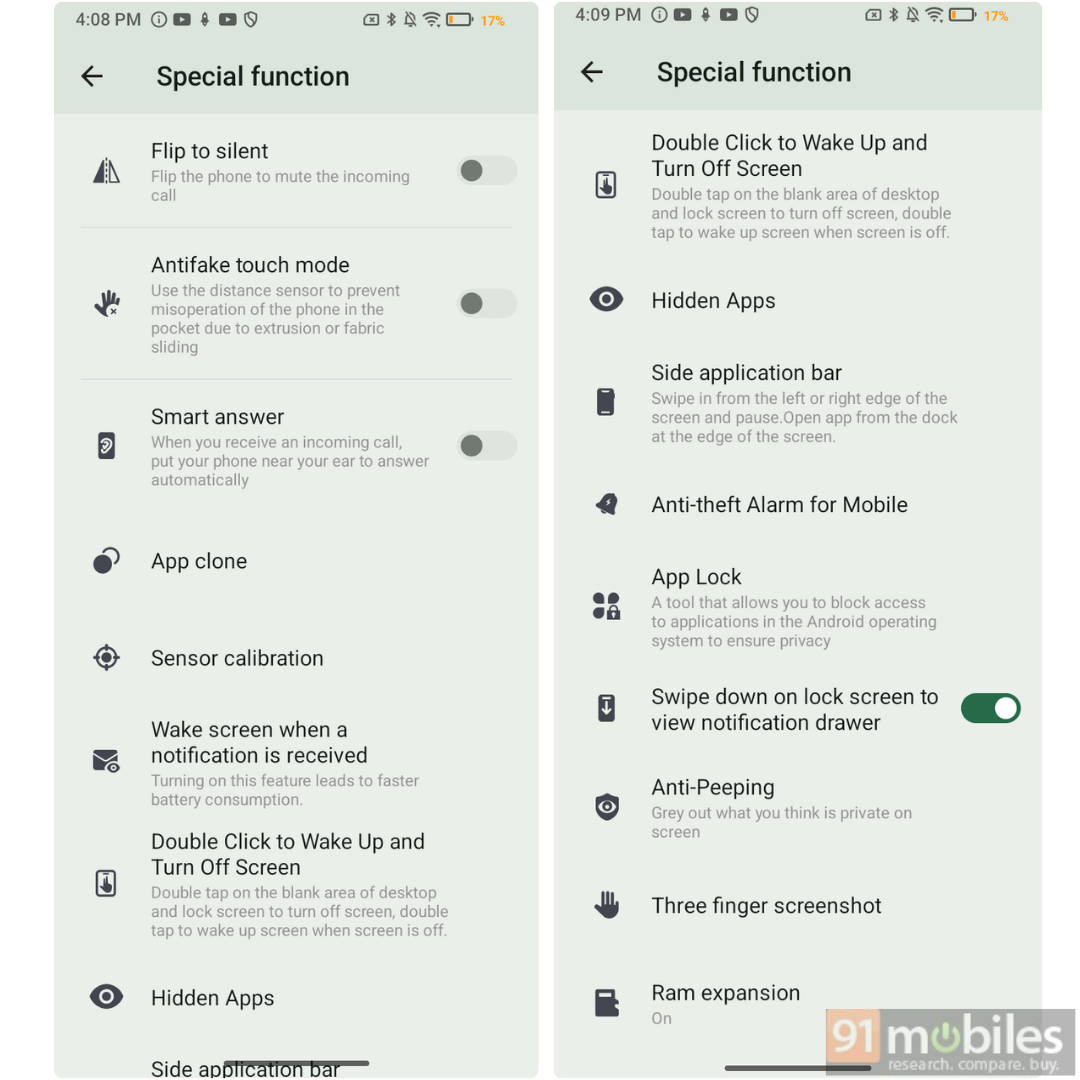
The Lava Storm Play continues the brand’s tradition of offering a clean, bloatware-free and ad-free software experience as the handset only packs the essential first-party apps. Built on top of Android 15, the UI appears familiar to the Lava phones released in the past, meaning you get a stock Android experience with several nifty features, such as App Lock, App clone, Antifake touch mode, three-finger screenshot, and others.
Despite having a stock Android look, some aspects in the software look dated and out of place. For instance, every menu under the ‘Special function’ setting doesn’t match the software’s design language UI. Lava’s own stock Dialer app has an old interface, reminiscent of the design from a few years ago.
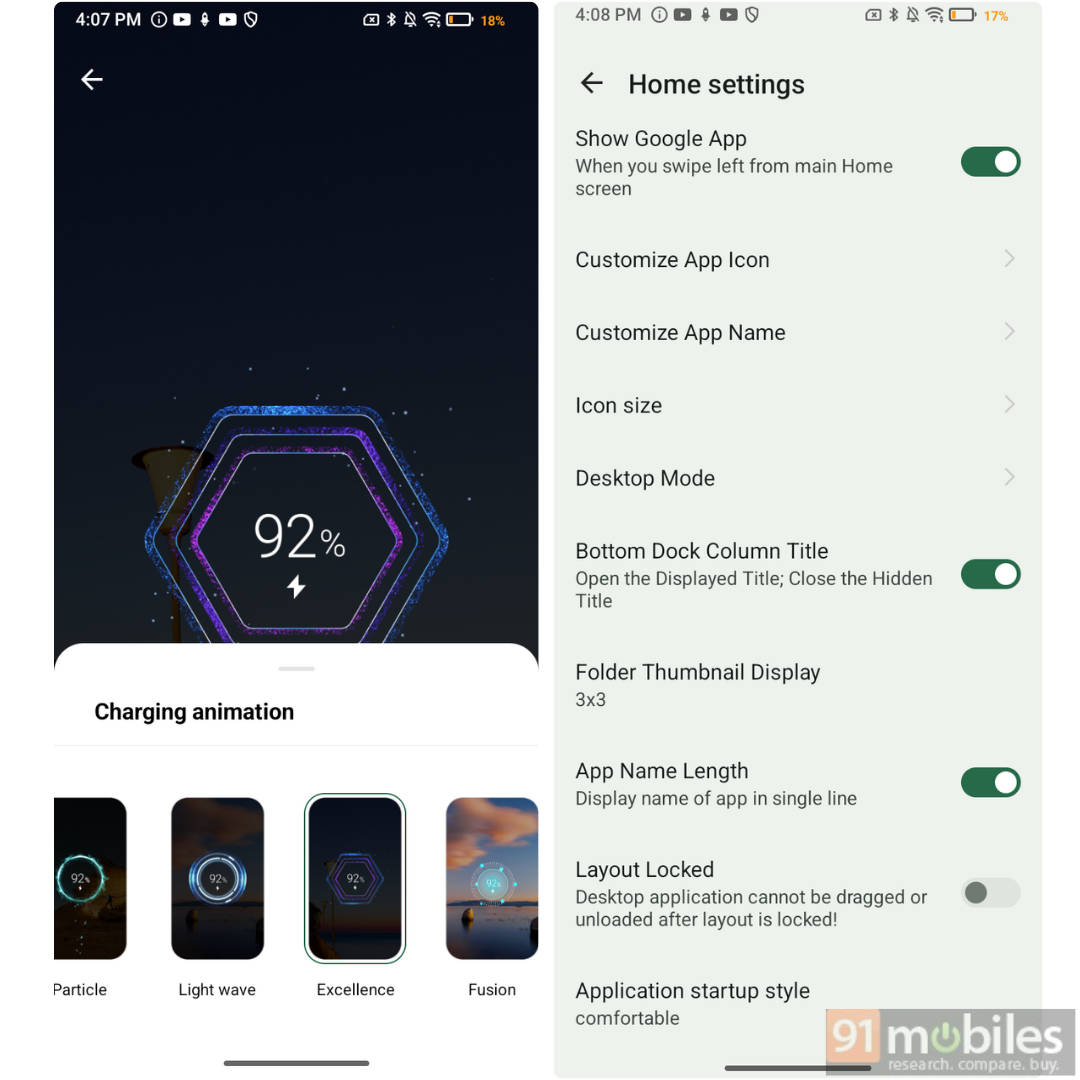
The customisation options are decent on the Lava Storm Play. You get the options to change the charging animation, change the app icon and size, change the app opening animation style, and even hide the notch for an obstruction-free screen viewing experience. A personal nitpick that I would like to point out is that the phone lacks lockscreen clock customisation, which is something often present on other Android phones in the same price range these days.
Other than the AI Emoji mode in the camera app and Google Gemini, I didn’t find any AI features on the Lava Storm Play. Even Google’s Circle to Search is missing here, which is dominantly present on Android 15 phones from other manufacturers.
| Smartphone | Pre-Installed Apps | Software Support |
| Lava Storm Play | 35 | 1 Year OS Updates + 2 Years Security Updates |
| Itel A95 | 44 | 2 Years Security Updates |
Sufficient battery for day-to-day usage
The Lava Storm Play houses a 5,000mAh battery, matching the standard capacity of competitor phones like the itel A95. The 18W bundled charging adapter allowed us to power up the phone from 20 to 100 percent in less than two hours.
To determine the battery endurance, we ran the PCMark test on the Lava Storm Play. In this test, the phone clocked 9 hours and 6 minutes as soon as it touched 20 percent from 100 percent. While these numbers are respectable, the itel A95 delivered a higher battery endurance despite it housing the same battery capacity size.
When playing popular titles like Call of Duty: Mobile, BGMI, and Real Racing 3 for 30 minutes each, the Lava Storm Play saw a decline of 26 percent in battery in the 90-minute gaming duration. On the other hand, the itel A95 lost 18 percent of battery life when playing the same games for the same duration.
Final verdict: the phone to get under Rs 10,000?
The Lava Storm Play, priced at Rs 9,999 for the sole 6+128GB storage, gets almost all the basics right except for the cameras, where it felt lacking in sharpness and night shots. This is to be expected from a phone with a small camera sensor size without advanced algorithms. The phone is primarily pushed as a performance-oriented device by the company, and in this area, the Storm Play impressed me the most. Courtesy of the MediaTek Dimensity 7060 chipset paired with UFS 3.1 storage speeds, the day-to-day operation of the phone was decent without any major obstacles like jitters, lags, or slowdowns.
The Lava Play Storm has also got you covered with its distinct design. The horizontal strip running across the width of the back panel makes it stand out in a sea of phones with circular or square-shaped camera modules. The IP64 rating is a bonus to protect the phone from water splashes and dust. While the software experience is clean, the UI could do with some polish and refinements.
Be that as it may, if you’re on the lookout for a smartphone that delivers good gaming performance, stands out in design, and comes with clean and smooth software under Rs 10,000, the Lava Storm Play can be your pick.
Editor’s rating: 7.7/10
Reasons to buy:
- A large LCD display that is able to deliver punchy colours.
- Great gaming experience and smooth UI for the price.
- Clean and bloatware-free software that comes with useful features commonly found on other skins.
- A distinct rear design with added durability for protection against dust and water.
Reasons not to buy:
- Average camera performance in low-light conditions or at night.
- Unrefined and dated UI elements in the software.
 | vs | 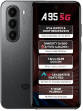 |