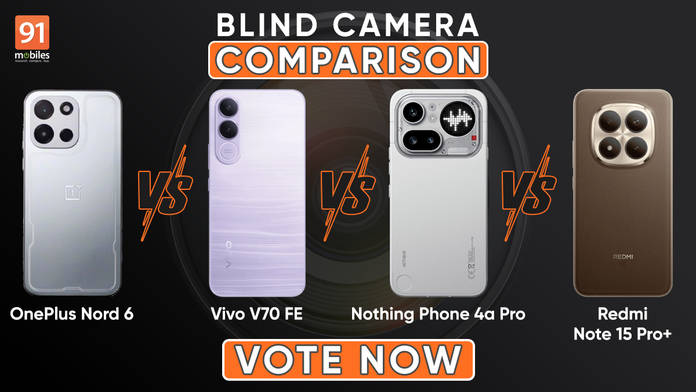
The mid-range segment has moved up from under Rs 30,000 in 2025 to under Rs 40,000 in 2026, as rising memory costs push phone prices higher. That means the latest mid-range phones now compete in the sub-Rs 40,000 bracket, where the competition is fiercer than ever. We have already seen phones like the OnePlus Nord 6 (review), Nothing Phone 4a Pro (review), Vivo V70 FE (review) and Redmi Note 15 Pro+ (review) enter this space, so we decided to run a blind camera comparison to find the best mid-ranger for photography.
These photos are labelled simply as Phone ‘A’, ‘B’, ‘C’ and ‘D’, so there is no brand bias involved. That matters even more now, because many mid-rangers have moved to simpler camera setups to keep costs in check, while a few still carry dedicated telephoto lenses. With this comparison, we want to see how these different approaches measure against each other in various shooting scenarios.
Your job is simple: pick the photo that looks best in each comparison and vote without knowing which phone shot it. Once the votes are in, we will reveal the phones behind each shot and crown the real camera champion based purely on your choices. Let’s see which mid-ranger stands out when it comes to photography. Let’s get started
Table of Contents
Daylight
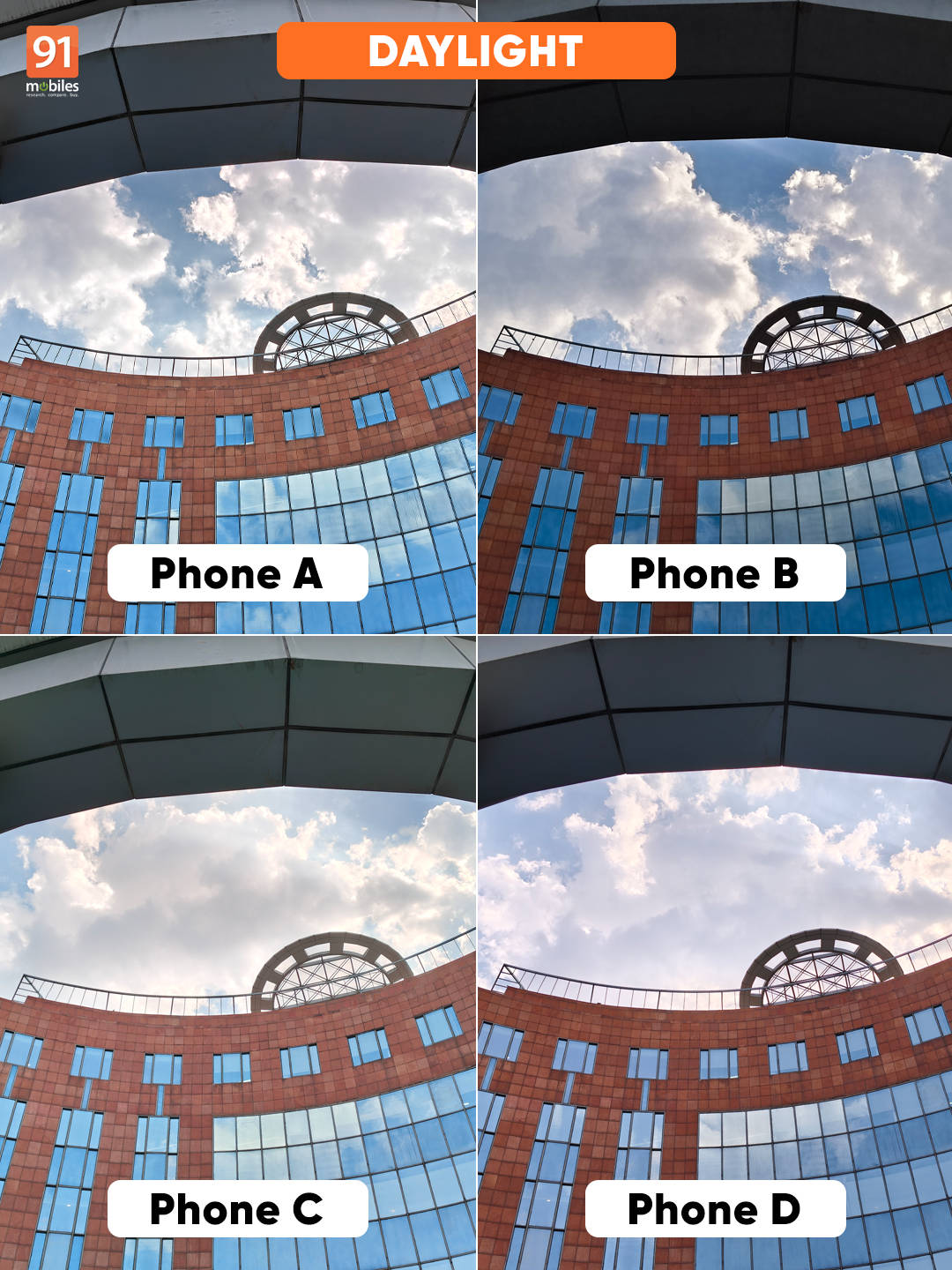
For this daylight scene, focus on dynamic range, colour, and sharpness. Pay attention to how each phone balances the overcast sky while still retaining details, the building’s colour, and its texture. Choose based on which image’s colours and details appeal most to you.
Ultrawide
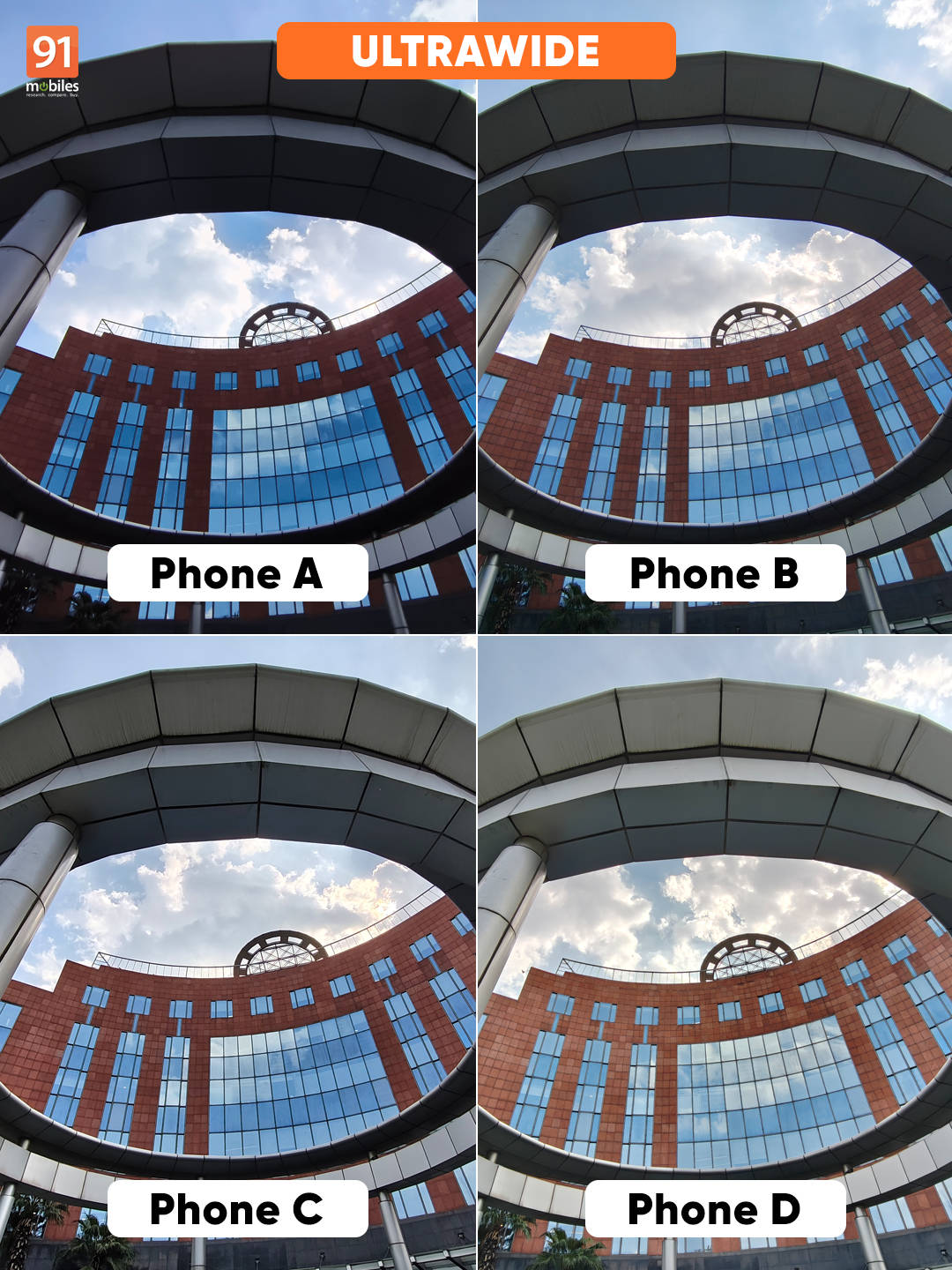
In this ultrawide shot, look out for the distortion at the edges and overall sharpness. Also consider how colours appear and whether shadows and highlights are well balanced. Effective distortion control makes straight lines at the edge of the frame actually look straight without a “fish-eye” look.
Portrait
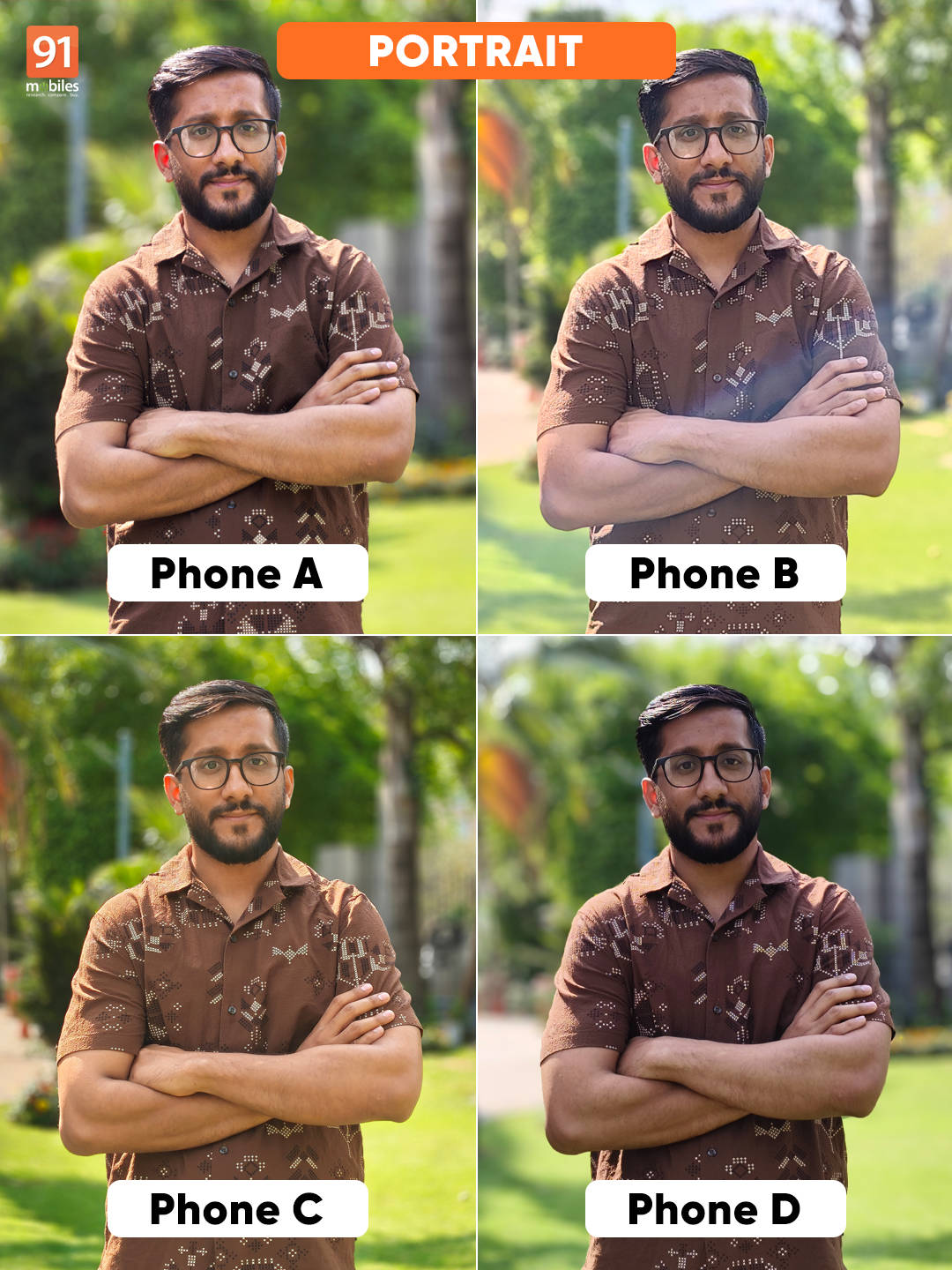
When judging these portrait images, you should ideally focus on three main areas: realistic skin tones, the quality of the background blur (bokeh), and the precision of edge detection around the subject.
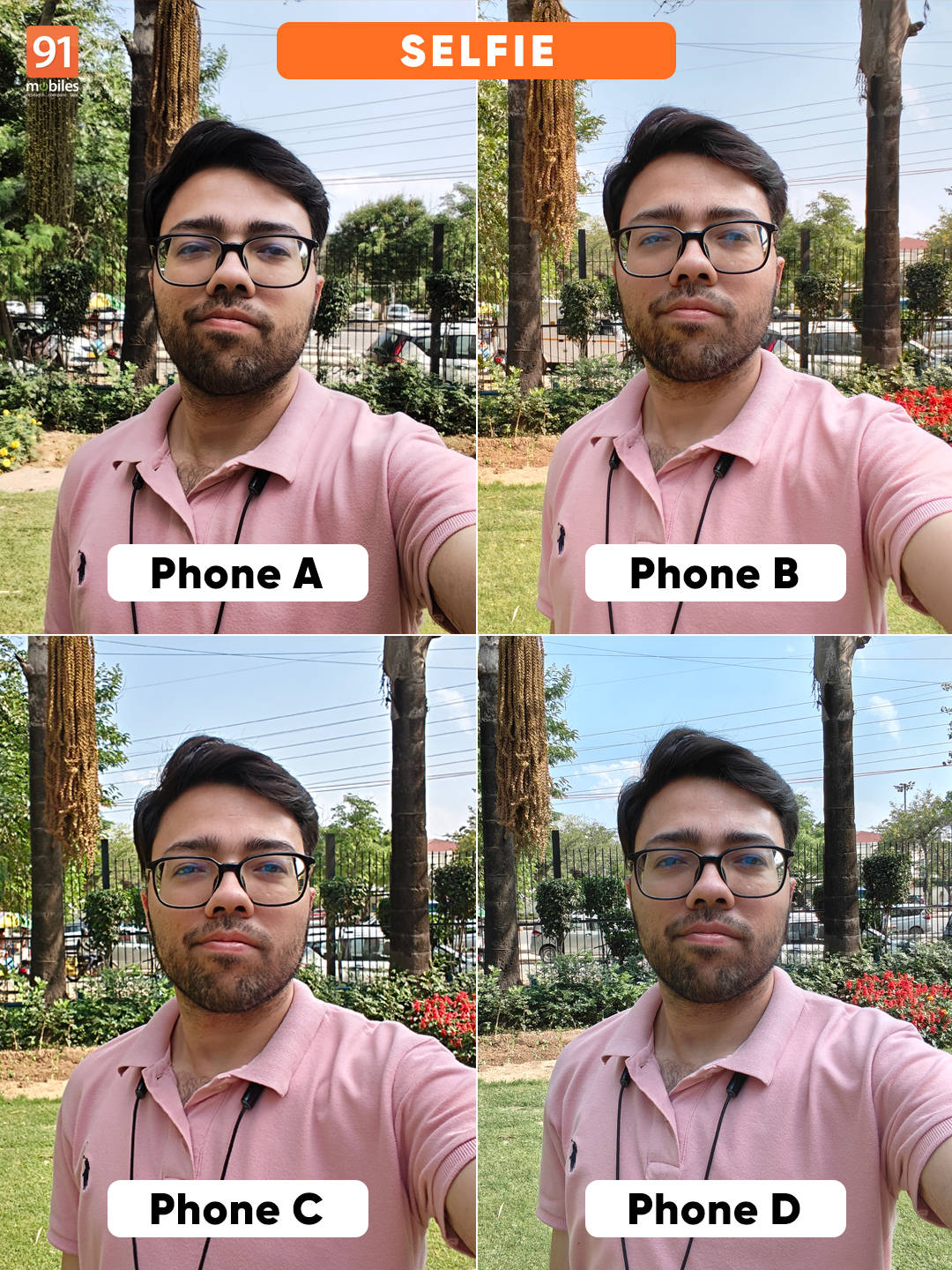
Selfie
For the selfie comparison, evaluate each photo for skin tone reproduction and its ability to retain facial details without softness or excessive skin brightening. Choose the image that appeals the most to you.
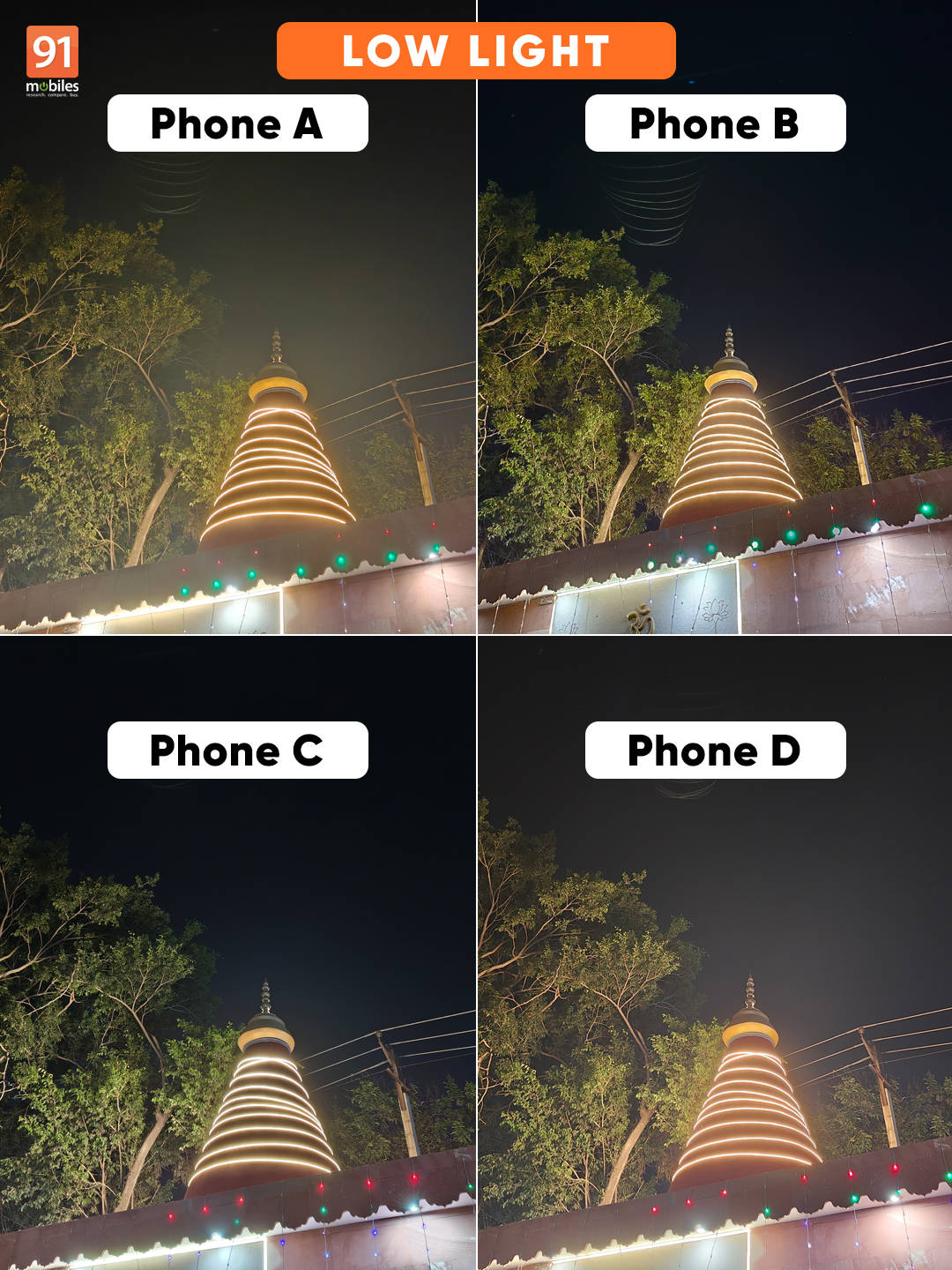
Low light (night mode enabled)
In this challenging scene, assess how each phone manages night photography with its night mode enabled. Look for control over light sources and lens flare, visible noise in the sky, and how much detail is preserved in shadows.
What’s Next?
And that concludes the blind camera test. Thank you for taking the time to examine the photos and cast your votes. In the coming days, we will compile all the poll results to determine which phone is the true camera champion.
Our follow-up analysis will reveal which photos were shot by which device, and explore the final results in detail based on the reader votes received. If camera quality is your top priority when choosing a new smartphone, we recommend waiting for that breakdown before making a buying decision. Make sure to cast your votes, and come back soon for the final verdict.