Review Summary
Expert Rating

The OPPO Find X9s is the first of its kind in the company’s flagship Find X series. Launched alongside the Find X9 Ultra, it sits in the sub-flagship segment, even though its pricing suggests otherwise, and is positioned as a “Hasselblad Travel Companion”. The Find X9s prioritises cameras, but it also brings a few other interesting elements that make it an appealing option. However, unless OPPO discontinues or repositions the standard Find X9 (review), it may be difficult to justify choosing the Find X9s within the current lineup.
Sharing my two cents on the smartphone in this OPPO Find X9s review after using it for over two weeks now.
Table of Contents
Verdict
The OPPO Find X9s is a capable sub-flagship that delivers a consistently enjoyable experience, particularly in imaging, performance, and display quality. Its Hasselblad-tuned cameras produce reliable, well-balanced results across most scenarios, and the device feels smooth and stable in everyday use thanks to strong, sustained performance and refined software. The battery, despite being 7,025mAh, could have been better optimised.
Cameras: near-flagship experience
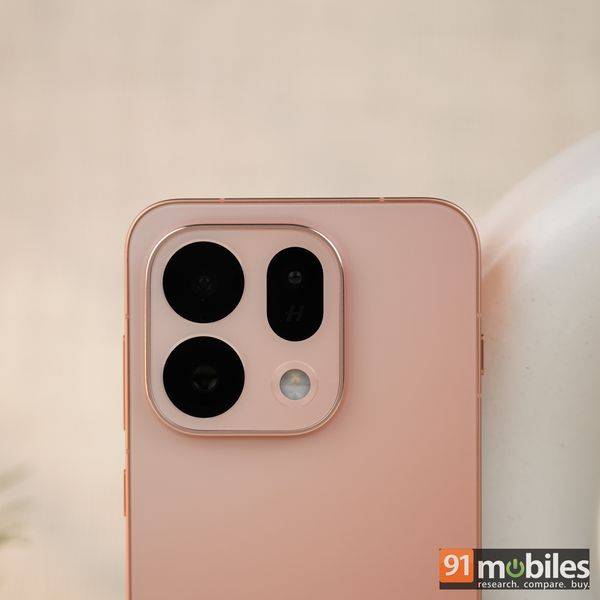
The OPPO Find X9s sports a Hasselblad-tuned triple rear camera setup, comprising a 50MP f/1.8 OIS primary sensor, a 50MP f/2.0 ultrawide lens with a 120-degree field of view, and a 50MP 3x periscope telephoto camera with OIS. The front camera is a 32MP sensor for selfies and video calling.
We have analysed the smartphone’s camera performance in detail in our separate article. You can refer to it for a deeper breakdown of its photo and video capabilities. In general, the OPPO Find X9s delivers a very satisfying and balanced imaging experience, with the primary and ultrawide lenses standing out as its strongest suit, producing sharp, well-exposed images with realistic tones.
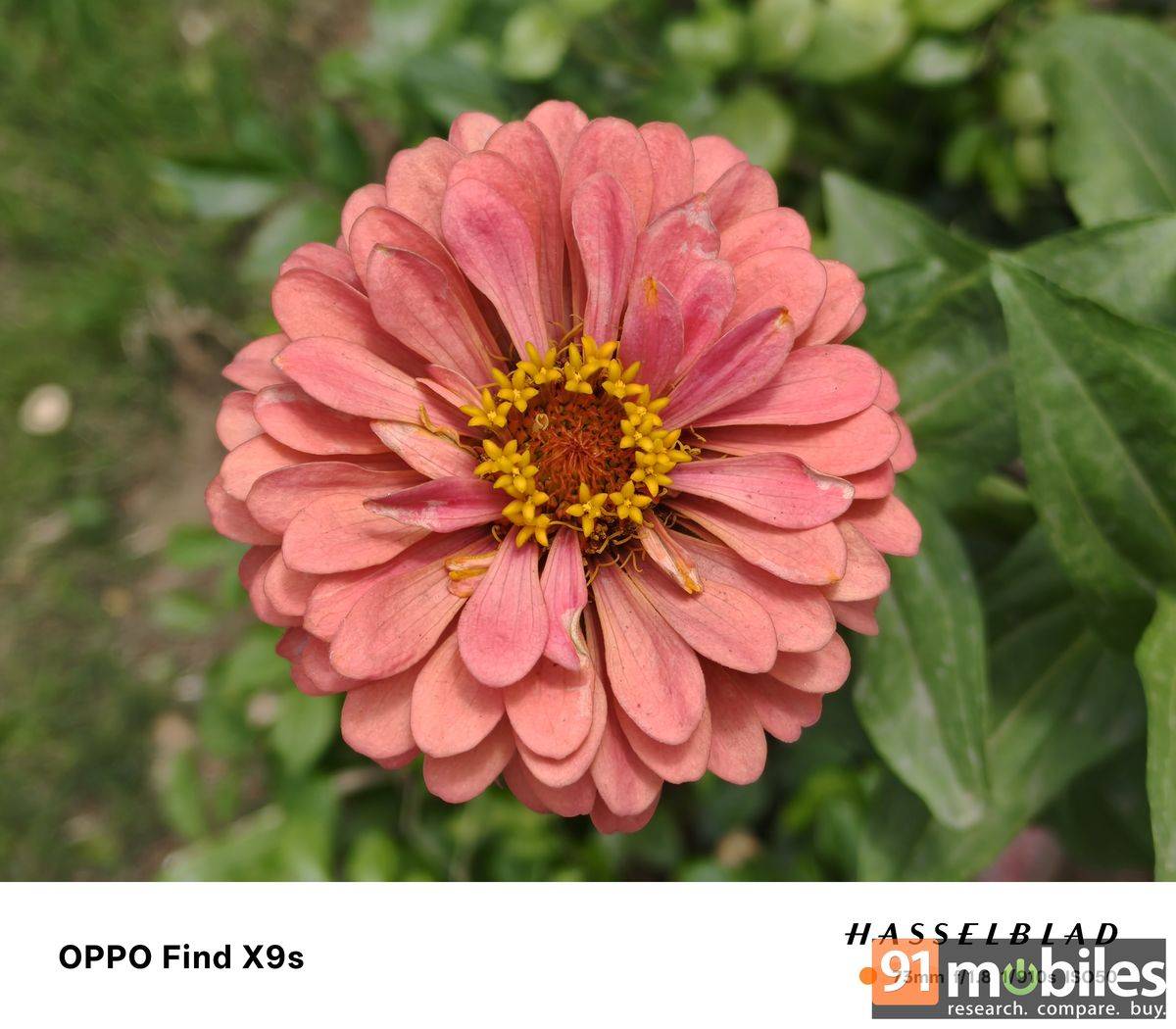
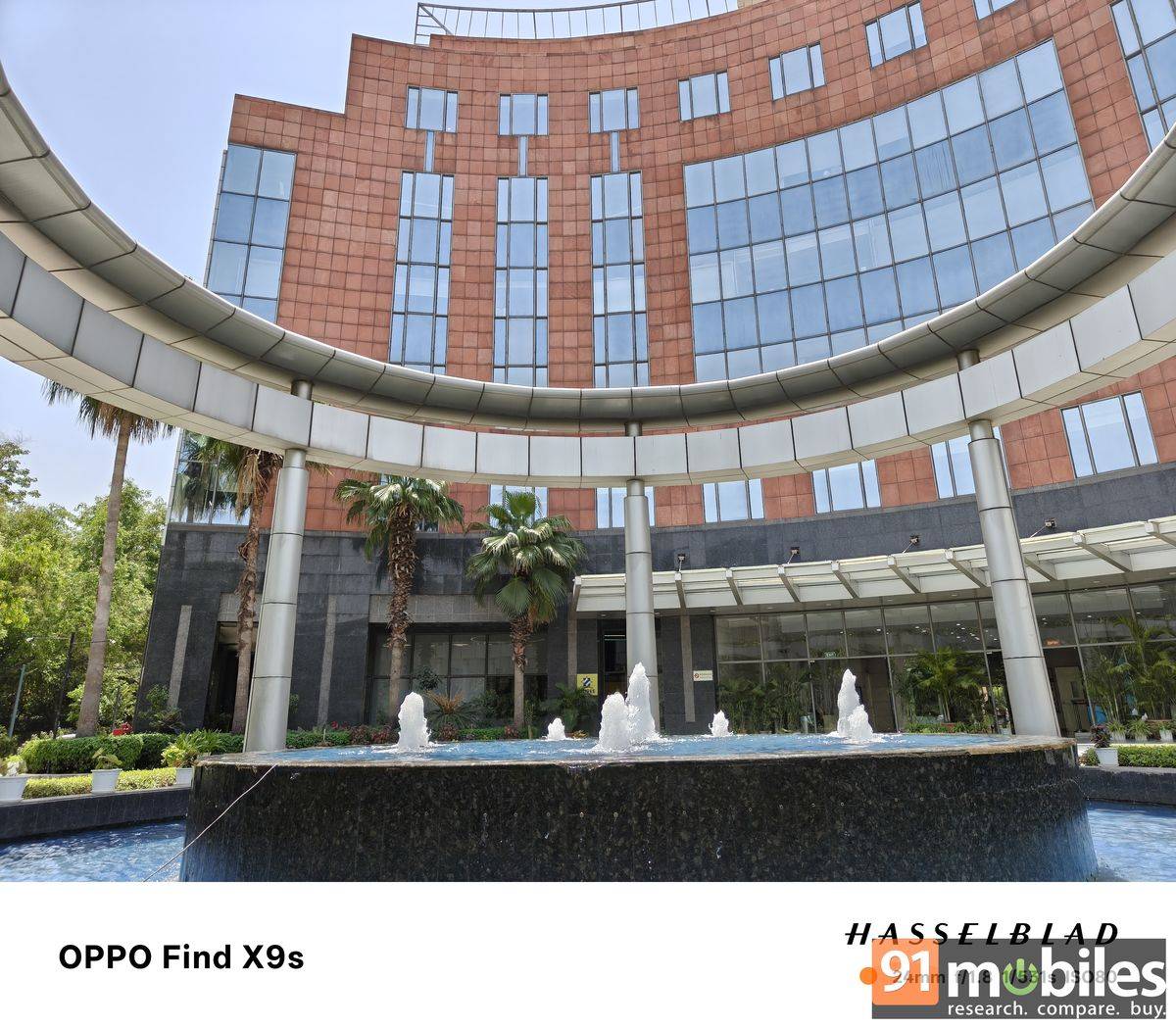

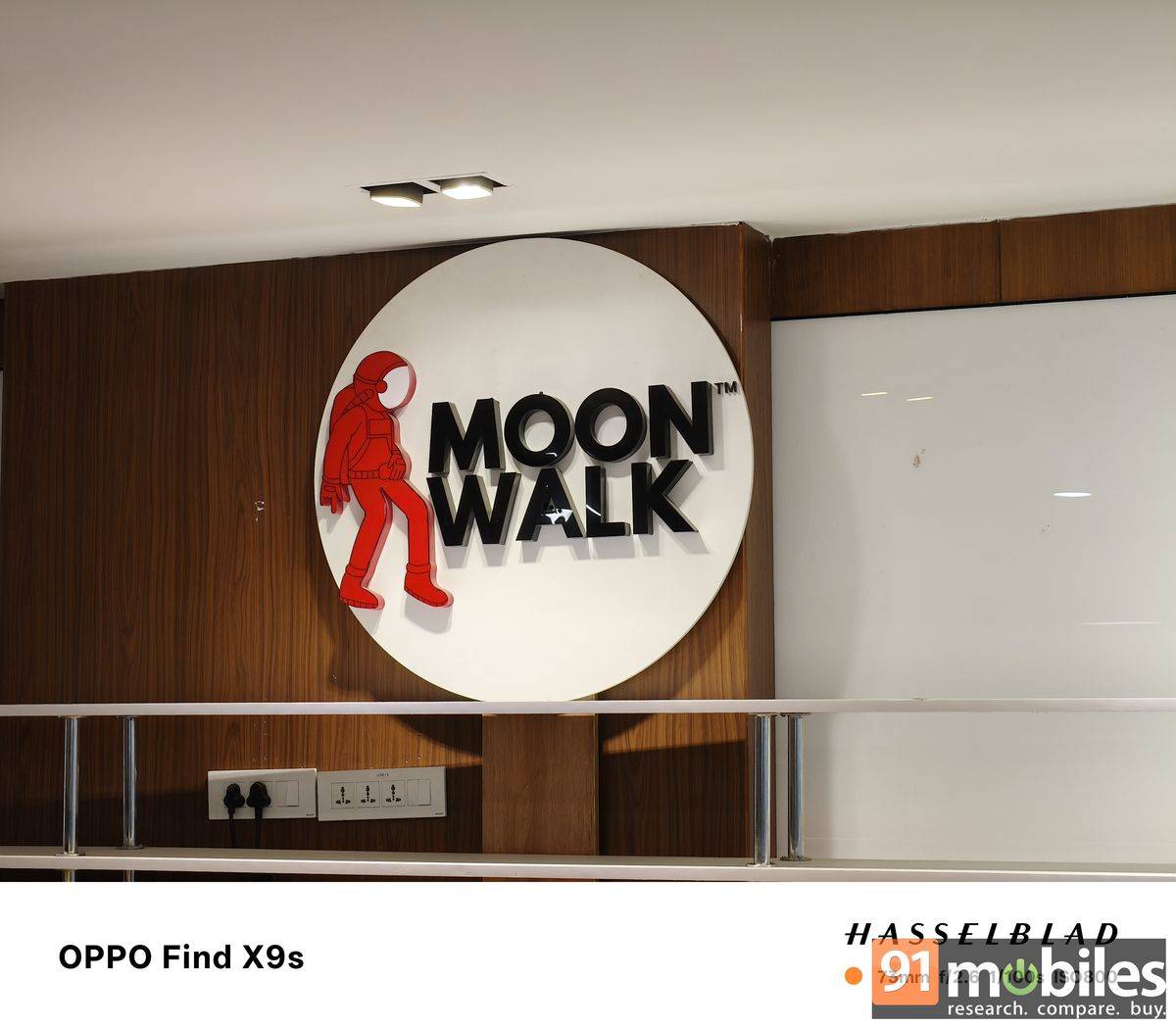

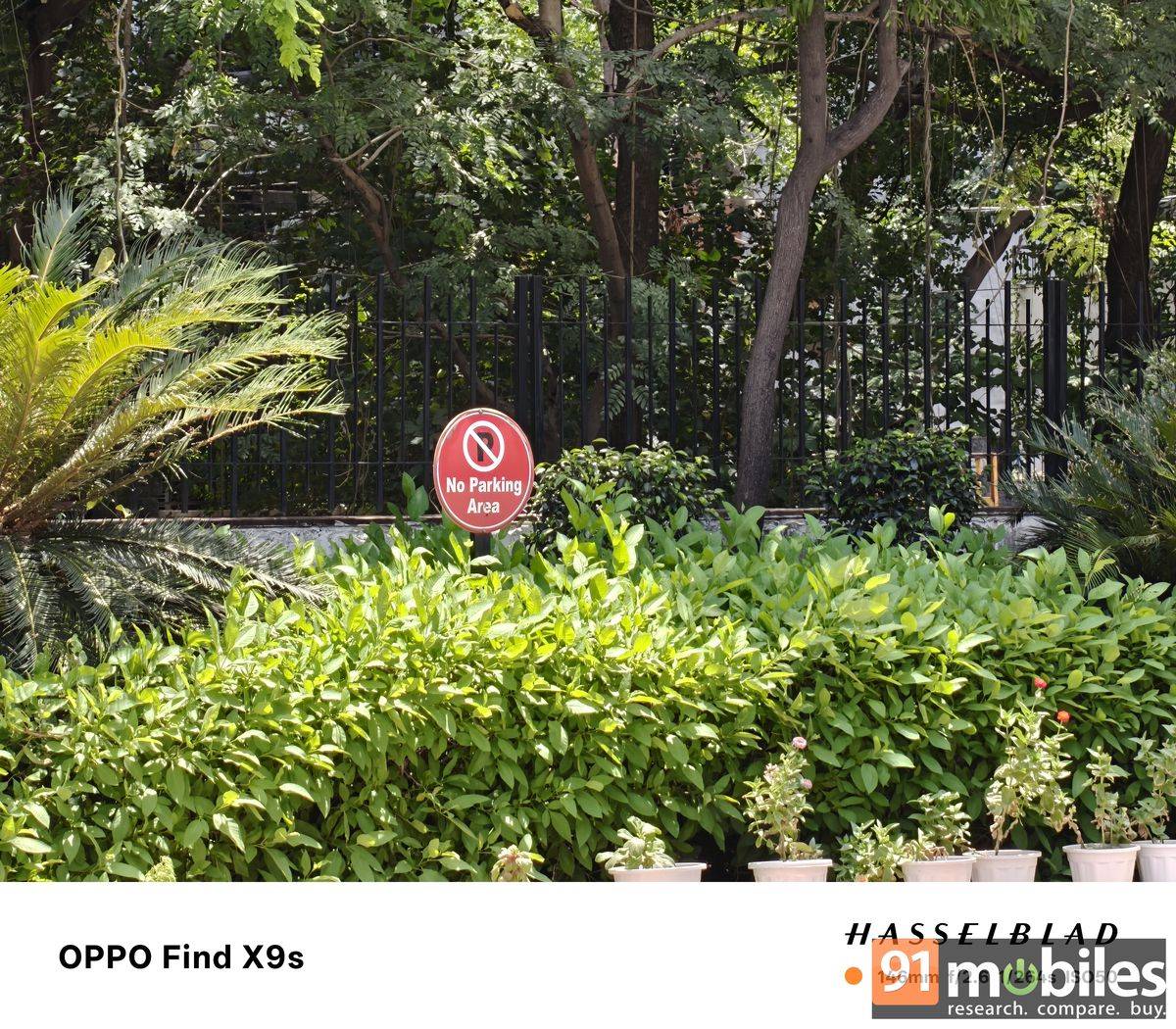






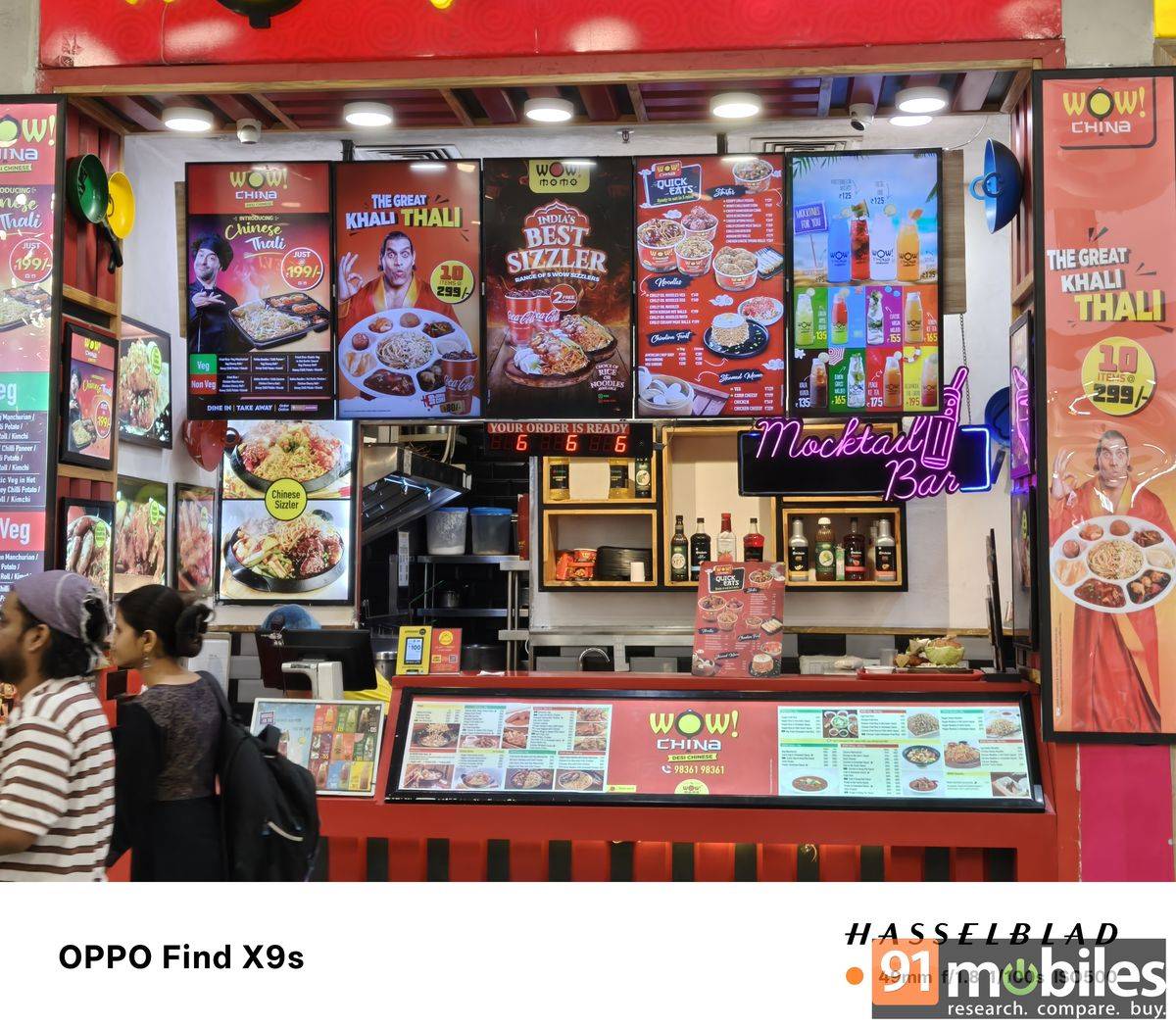

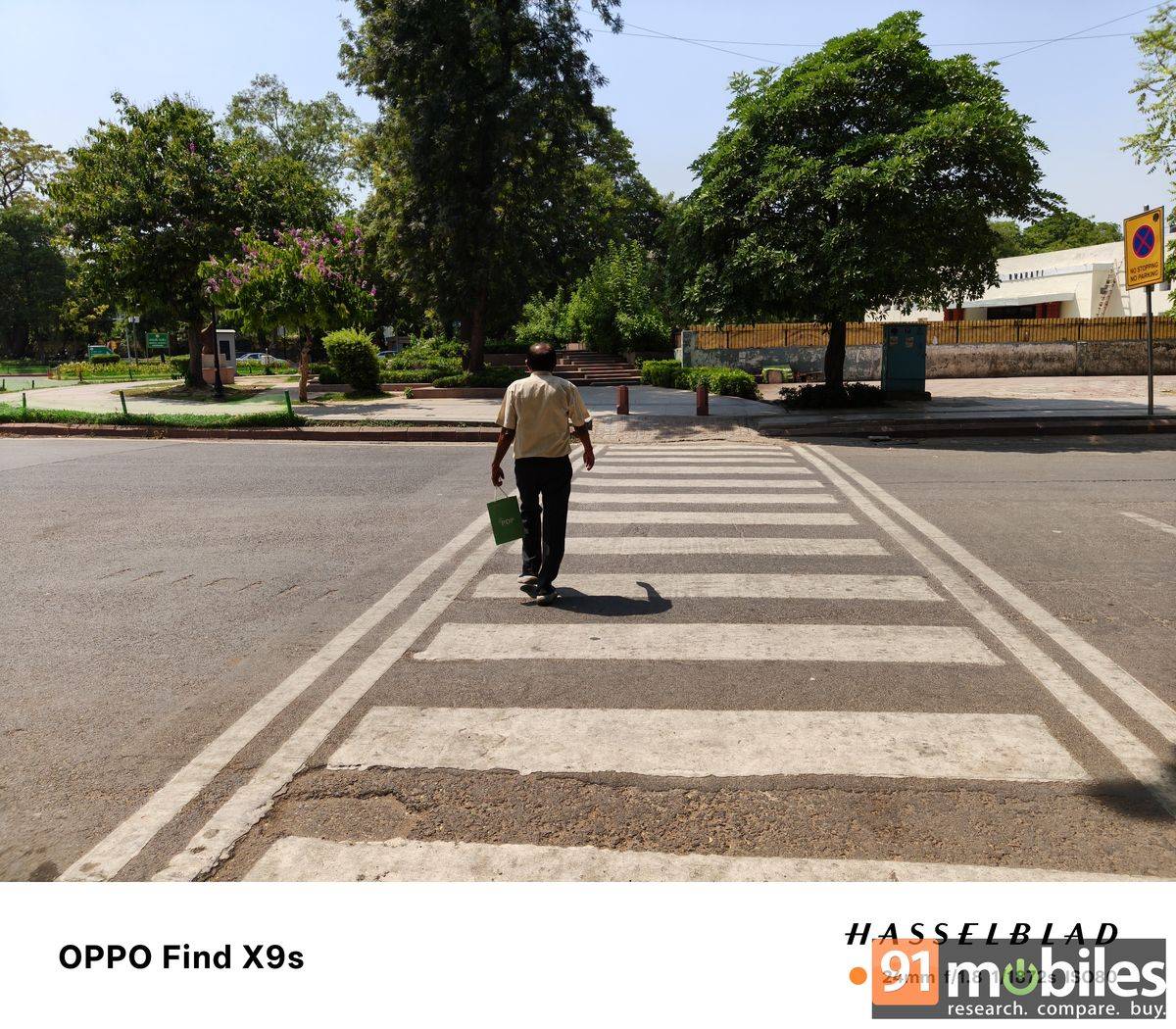

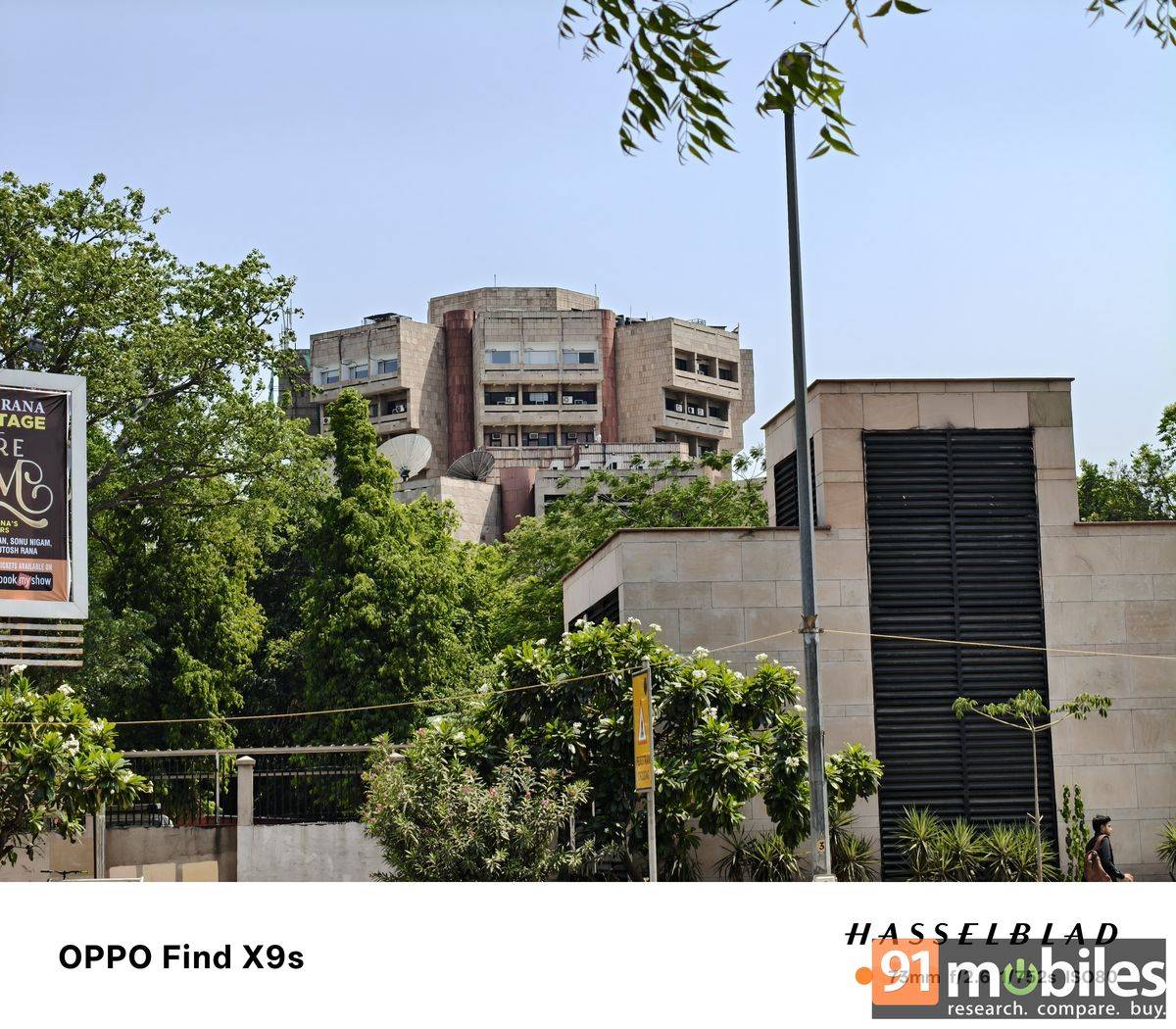


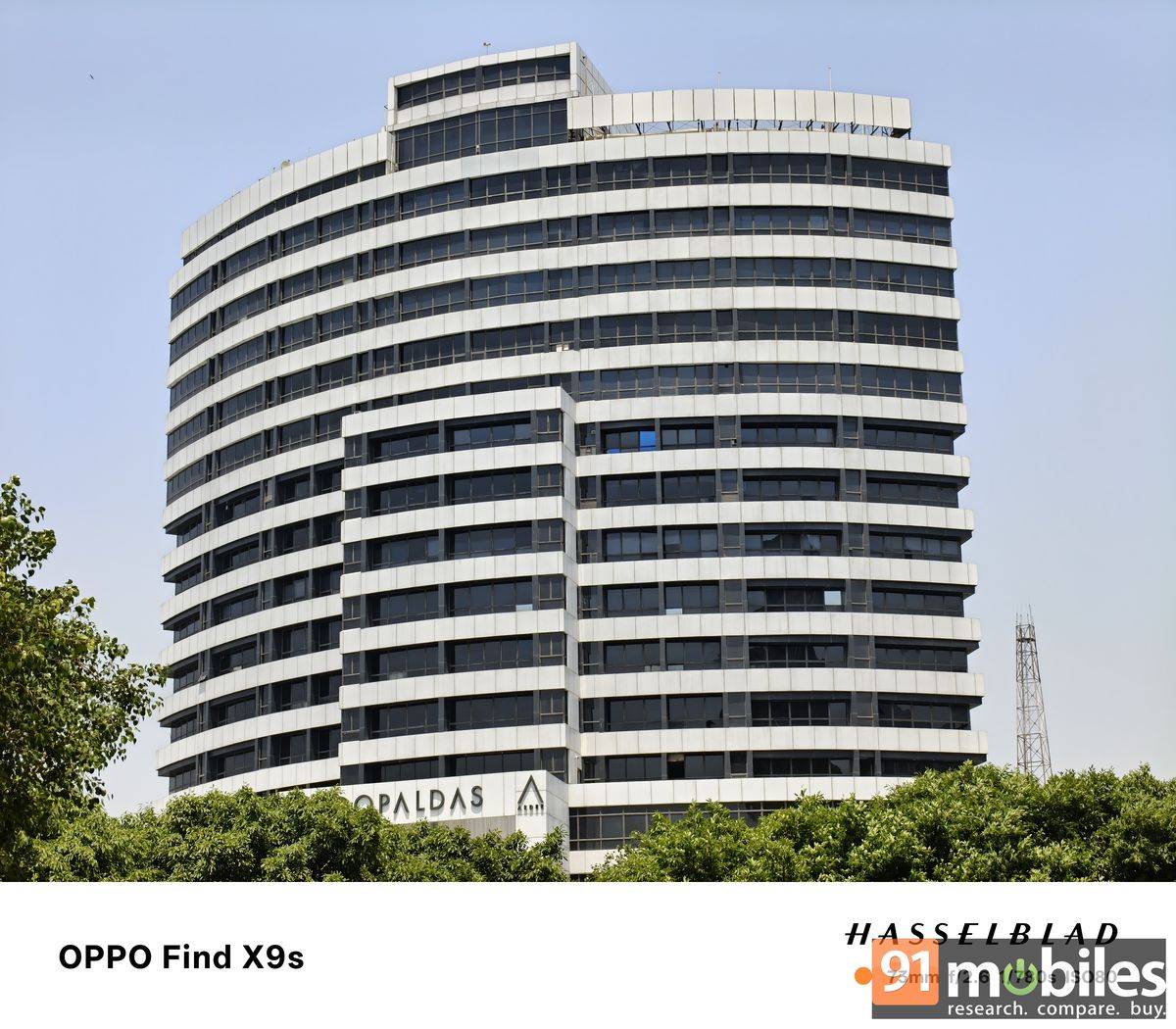
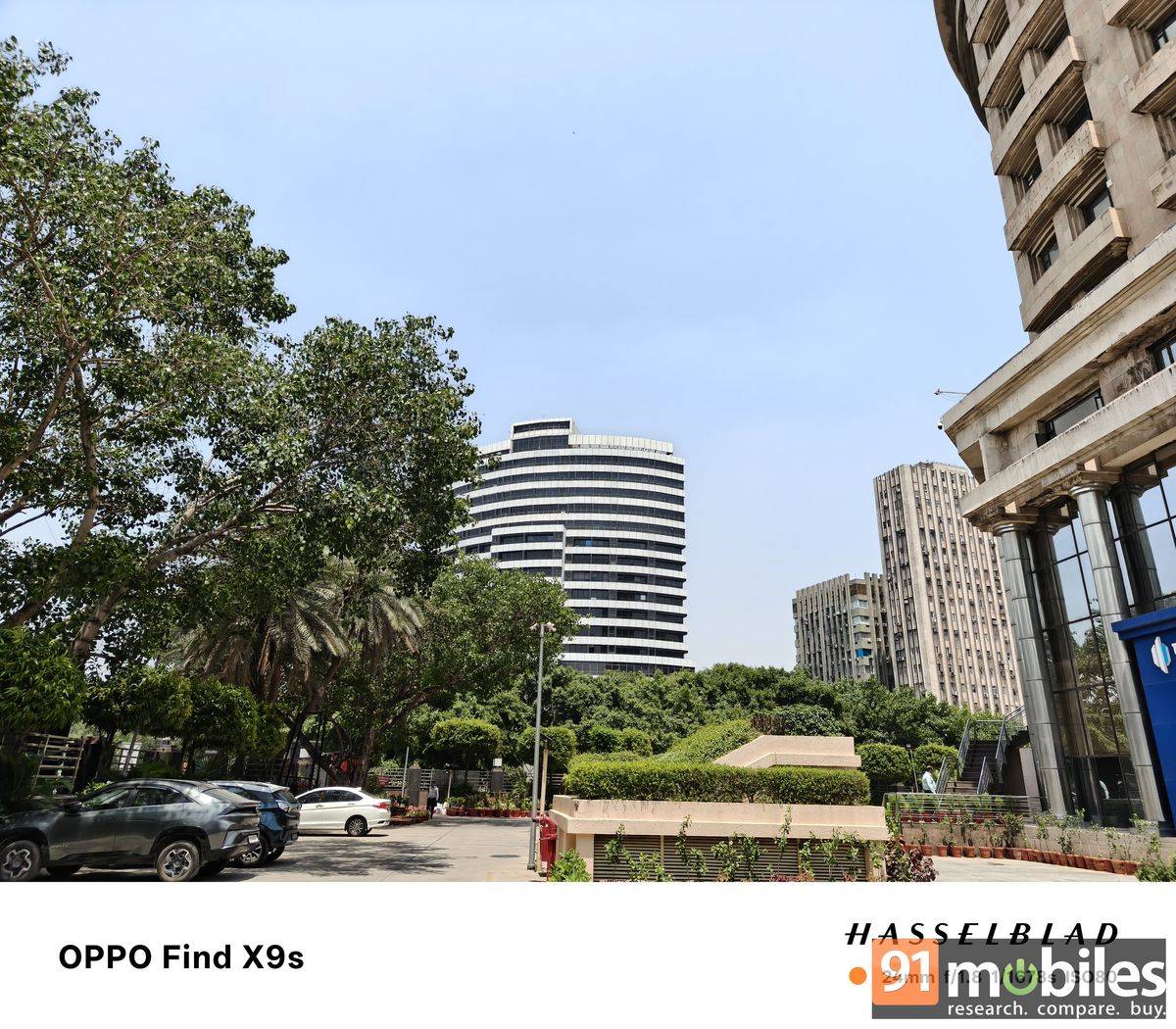
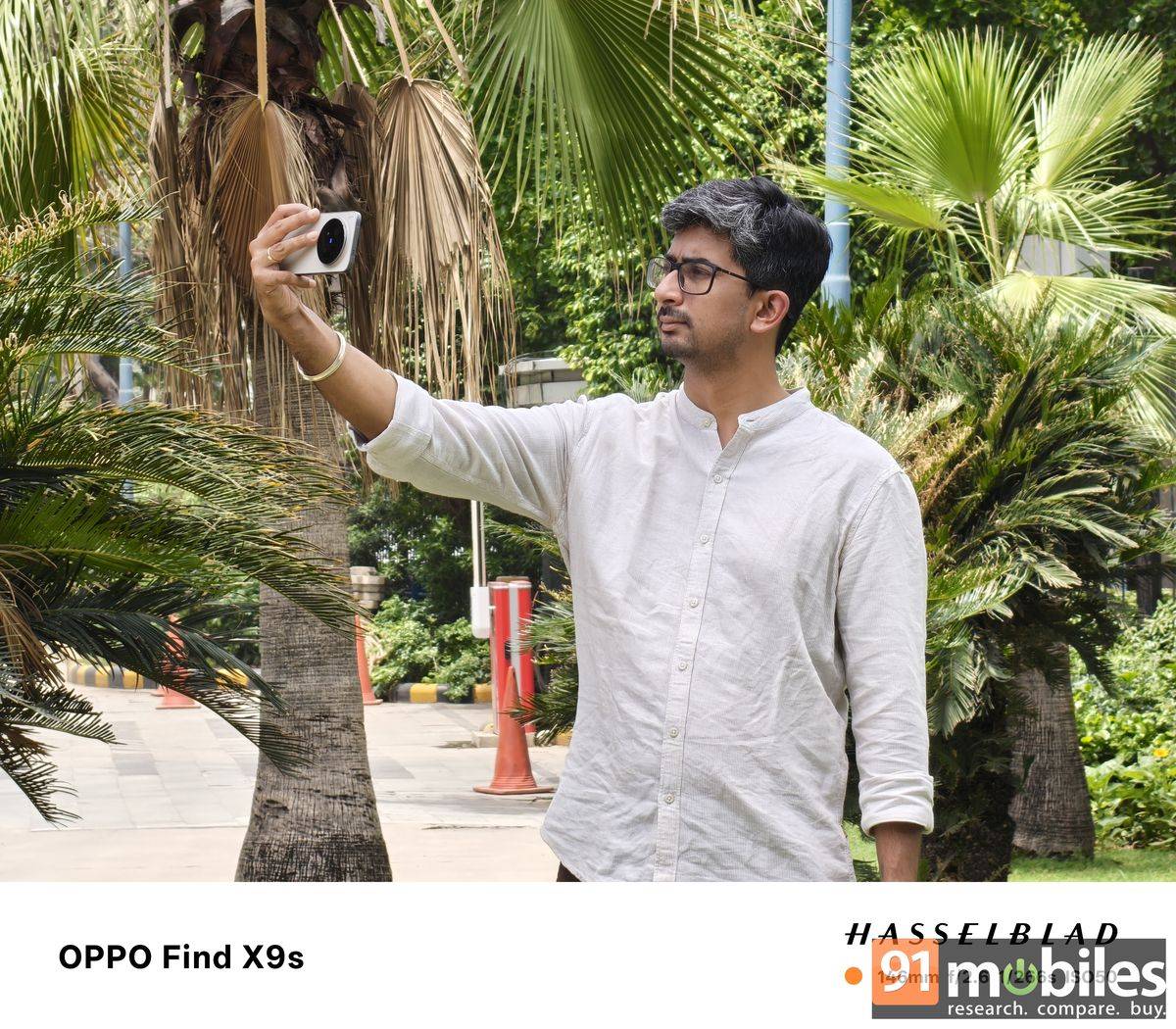


The telephoto camera also offers pleasing portraits with good edge detection, if not detailed. Moreover, modes like Hasselblad, XPan, and Master further elevate the experience. The handset’s photography capabilities extend to low light with relatively less noise, but could have done better with flare control and colour accuracy. On the bright side, the OPPO Find X9S offers 4K video recording support across cameras.
Here’s a quick analysis of the OPPO Find X9s with its rival, Vivo X300 FE:
Daylight


The OPPO Find X9s delivers more natural, less saturated images than the Vivo X300 FE, which opts for a contrast-heavy look. The OPPO smartphone also produces slightly brighter photos with sharper detail and better overall dynamic range.
Ultrawide


The OPPO Find X9s’ 50MP ultrawide camera clearly outperforms the Vivo X300 FE’s 8MP unit. The handset delivers sharper detail, more natural colours, and better-balanced exposure, with improved highlight and shadow control, making the comparison feel largely one-sided.
Portrait


Both phones handle edge detection well, including hair and complex outlines, with clean subject separation. The Vivo X300 FE produces a slightly more natural bokeh, while the OPPO Find X9s delivers consistently pleasing results with accurate skin tones and colour.
Selfie


The Vivo X300 FE outperforms the OPPO Find X9s in selfies, capturing finer facial detail thanks to its 50MP sensor. However, its skin tones and colours appear slightly boosted. The OPPO Find X9s, meanwhile, offers more accurate rendering with better dynamic range.
Low light (night mode)
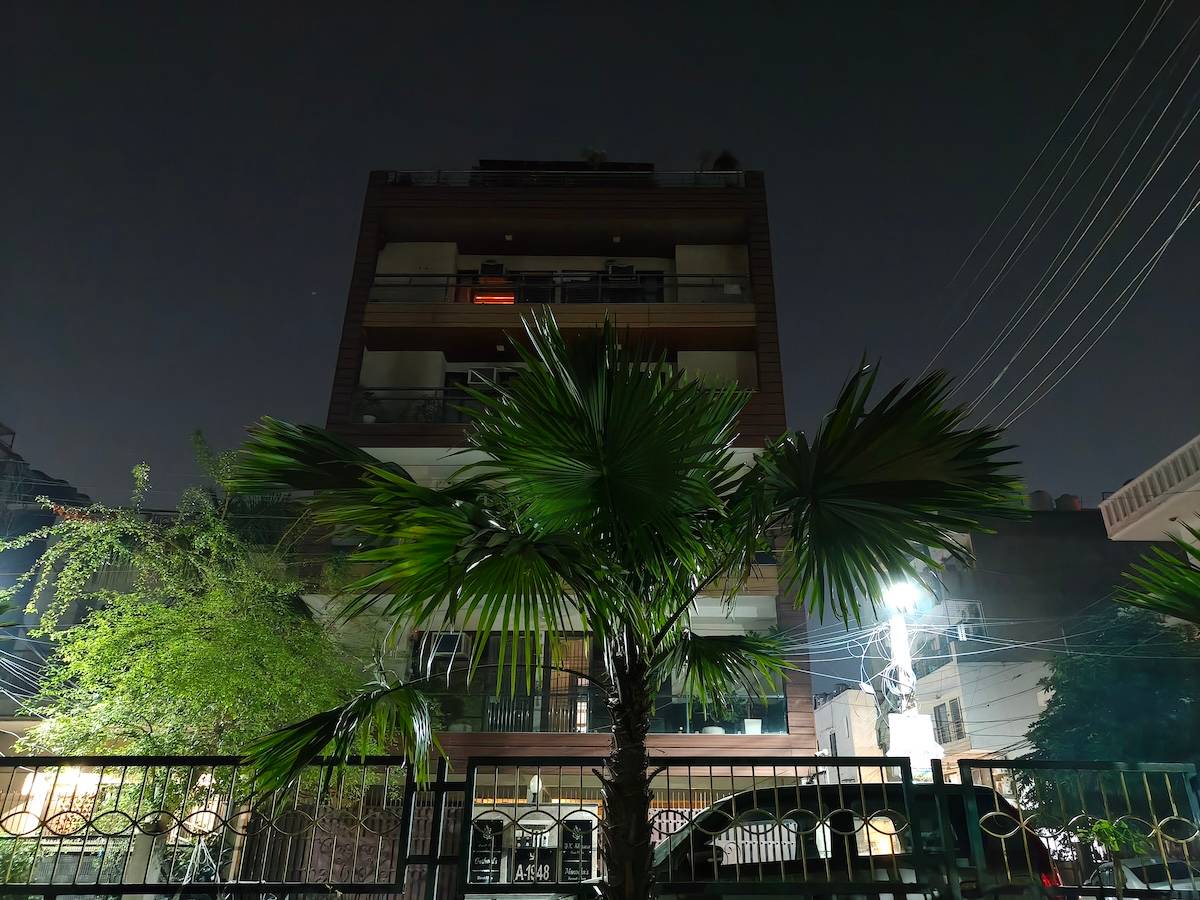
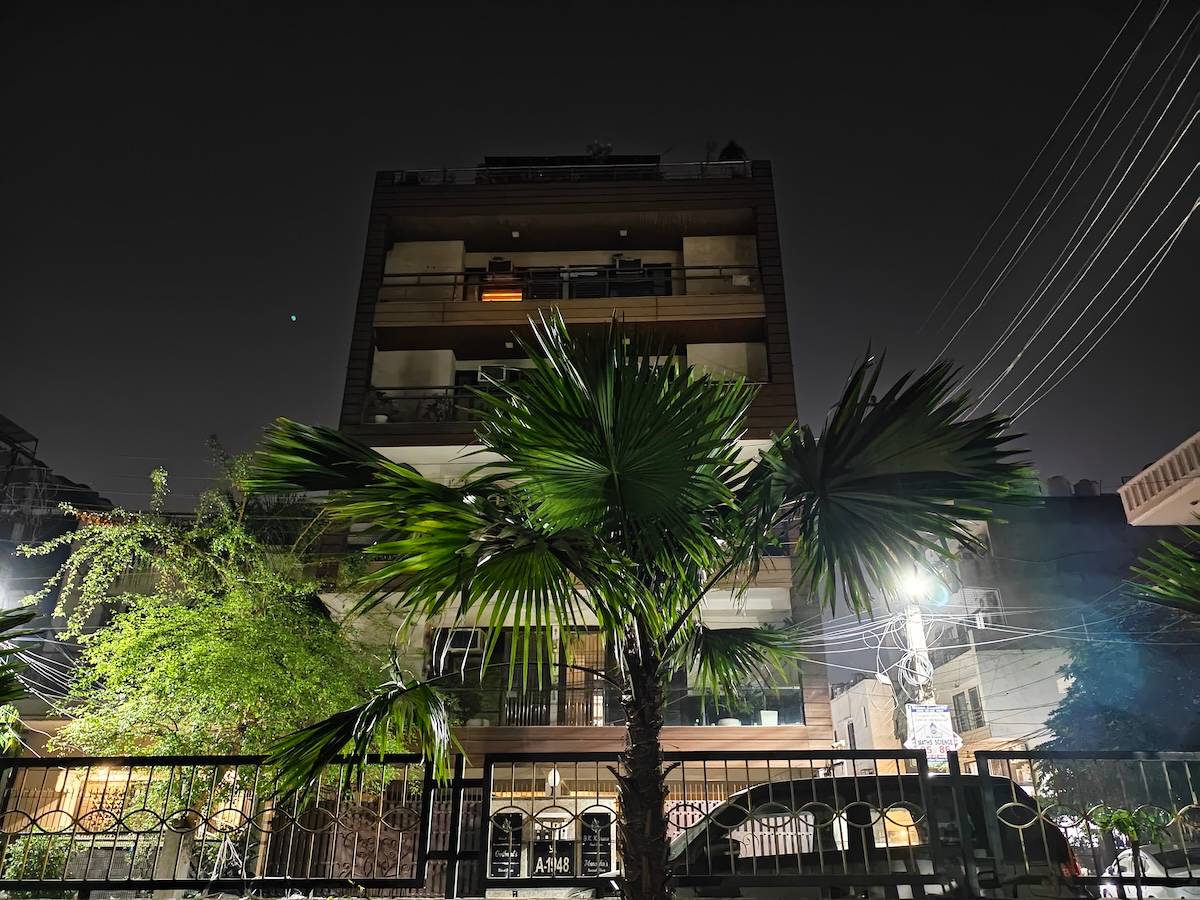
In low light, the Vivo X300 FE produces more natural-looking images, largely due to better control of light flaring and improved detail retention in tricky scenes. However, it does show more visible grain in darker areas, where the OPPO Find X9s performs better.
Performance and software: capable sub-flagship
The OPPO Find X9s is powered by the MediaTek Dimensity 9500s SoC, the same chip found in the gaming-focused POCO X8 Pro Max. It is paired with 12GB of LPDDR5X RAM and 256GB or 512GB of UFS 4.1 storage. While this memory and storage combination is fairly standard for the segment, the chipset positions the phone in the sub-flagship tier. In comparison, the OPPO Find X9 and OnePlus 15 feature higher-end silicon, with the MediaTek Dimensity 9500 and Snapdragon 8 Elite Gen 5, respectively, placing them firmly in the flagship category.




However, synthetic benchmark results suggest the OPPO Find X9s is not far behind its more powerful rivals. It records close to 30 lakh points on AnTuTu, which is impressive for its class. On Geekbench, it scores 2,231 in single-core and 7,331 in multi-core tests, indicating strong overall processing performance. In the Burnout CPU throttle test, the device sustains 58 percent of its peak performance, outperforming several more powerful devices in its segment, as well as the Vivo X300 FE, which is powered by the Snapdragon 8 Gen 5 SoC.
In real-world use as well, the OPPO Find X9s performs reliably across a wide range of tasks without noticeable slowdowns. Over two weeks of extensive testing, covering streaming, gaming, social media use, photography, video recording, and hotspot sharing, the phone handled everything smoothly. Apart from hotspot usage, which caused a slight rise in temperature, I didn’t find the smartphone heating up to a noticeable degree, stuttering, or experiencing performance dips during day-to-day use.
Binding everything together is ColorOS 16, based on Android 16, out of the box. It remains one of the more polished Android skins available, offering a smooth and feature-rich experience. The software experience is largely consistent with the rest of the Find X9 series, as well as several other OPPO smartphones launched this year.
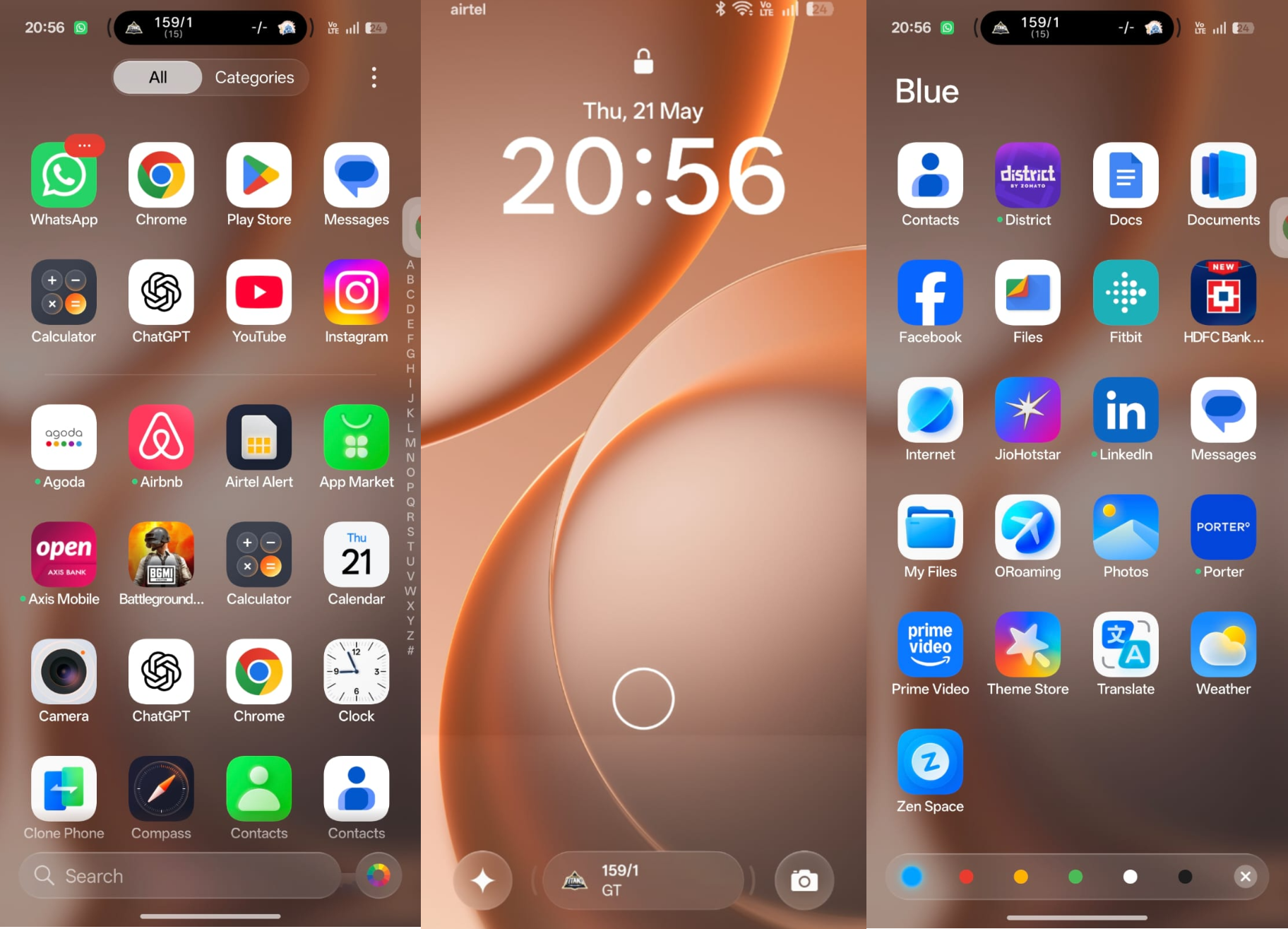
However, the May security patch brings a handful of quality of life improvements, like a circular icon next to the search tab on the app drawer, which segregates apps based on their colours (found it to be convenient), and OneUI’s Now Bar-like notifications at the bottom. The ColorOS lets you pin notifications by swiping them down, so they remain accessible until you dismiss them manually. This makes notifications far more convenient to access without awkward finger gymnastics. Additionally, users can swipe left or right to browse through all notifications, which is a welcome addition. There are other minor iterations as well, but the overall crux remains the same.
| Smartphone | Software Support |
| OPPO Find X9s | 5 Year OS Updates + 6 Year Security Updates |
| vivo X300 FE | 5 Year OS Updates + 7 Year Security Updates |
| OPPO Find X9 | 5 Year OS Updates + 6 Year Security Updates |
| OnePlus 15 | 4 Year OS Updates + 6 Year Security Updates |
The smartphone ships with a handful of pre-installed apps, including seven third-party applications. It also offers plenty of customisation options, such as lock screen personalisation, resizable folders, custom widgets, and several other tweaks to tailor the user experience. There aren’t any new AI features here, but you still get plenty to enhance your experience.
The list includes features such as AI Popout, which combines motion photos with still images for social media posts, AI Portrait Glow for enhancing portraits, AI Glow for richer-looking images, AI Recompose for generating alternate compositions, AI Eraser for removing unwanted objects, and AI Perfect Shot, among others. While not flawless, these tools are generally reliable and add genuine value to both productivity and creative workflows.
The OPPO Find X9s covers longevity with five years of major OS upgrades and six years of security updates. This is a year short of the Vivo X300 FE, but still promising.
Design and display: tried and tested
The OPPO Find X9s carries forward the same design language and footprint as the standard Find X9. The handset features a squarish camera module at the rear, paired with flat edges and a flat display. The phone is IP66, IP68, and IP69 certified for water and dust resistance and measures 157mm x 74mm x 8mm and weighs 203 grams. While the Find X9s feels premium in hand thanks to its aluminium frame and glass back, and remains comfortable to hold, I wish OPPO had differentiated it further beyond just the colour options, perhaps with a more compact form factor or a distinct design identity.

The OPPO Find X9s is available in three colourways: Midnight Grey, Lavender Sky, and Sunset Orange. We received the Sunset Orange variant for review, which leans more towards a peach shade and feels quite approachable. OPPO also bundles a matching case in the box, which complements the overall aesthetic nicely.
Moving on, the smartphone sports a 6.59-inch AMOLED display with FHD+ resolution, a 120Hz refresh rate, 1,800 nits of peak brightness in High Brightness Mode (HBM), and Gorilla Glass 7i protection. This is the same tried-and-tested panel seen on the Find X9, and it continues to impress on the X9s with punchy and vibrant colours, ample brightness for easy outdoor visibility, a high contrast ratio, and excellent viewing angles.

While the 120Hz adaptive refresh rate remains consistent across the system UI and most apps, we do wish OPPO had opted for a more power-efficient LTPO panel with a dynamic 1Hz-120Hz refresh rate. It was felt in the backup of the device, which we have explored in the battery section.
As for the OPPO Find X9s viewing experience, it is backed by equally capable stereo speakers which get decently loud and offer a crisp, balanced sound. There is an ultrasonic in-display fingerprint scanner on the smartphone that takes only a fraction of a second to unlock the device. However, it wasn’t as quick as the one I experienced on the Vivo X300 FE.
The OPPO Find X9s comes with a dedicated AI Mind button on the left spine. However, its default functionality, helping the phone remember and revisit relevant or important information, felt somewhat out of reach in everyday use. I was happier customising the button to quickly silence the phone instead.
Battery: strong capacity
The OPPO Find X9s packs a 7,025mAh battery with support for 80W SuperVOOC wired fast charging. Unfortunately, it misses out on wireless charging, unlike the Find X9 and its rival, the Vivo X300 FE, which would have added an extra layer of convenience. While the battery capacity is certainly larger than its peer, the endurance does not leave a lasting impression. Don’t get me wrong, the handset comfortably lasts a full day with moderate to heavy usage, but it feels like OPPO could have optimised it better for longer runtimes or paired it with an LTPO panel to improve efficiency.
This was evident in both synthetic benchmark results and real-world usage tests. The OPPO Find X9s achieved a PCMark battery score of 15 hours and 12 minutes, which is lower than the Vivo X300 FE, despite the latter featuring a smaller 6,500mAh battery. In YouTube streaming and gaming tests, the OPPO device performed marginally better.

During day-to-day use, involving navigation, media streaming, frequent network switching, and extensive camera testing, the handset struggled to last through a full day. It is sufficient for a day trip, but somewhat at odds with its “travel companion” positioning when it comes to longer usage periods. In comparison, the Vivo X300 FE managed slightly better endurance under similar conditions.
The Vivo smartphone also has an edge with its faster 90W wired fast charging. The OPPO Find X9s, meanwhile, supports 80W and takes roughly 15 minutes longer (55 minutes in total) to fully charge from 20 to 100 percent compared to the X300 FE.
Final verdict
The OPPO Find X9s succeeds in several areas, even though its positioning is immediately complicated by pricing. In India, the handset starts at Rs 79,999 for the 256GB variant, while the 512GB option climbs to Rs 89,999. At this level, it sits awkwardly above the OPPO Find X9, which offers a more powerful chipset, a superior main camera system, and the added convenience of wireless charging.
That said, this is not a phone that feels under-equipped, though. The Find X9s delivers consistently strong, sustained performance, a bright and vivid AMOLED display, and a polished ColorOS experience that feels mature and well-optimised. The Hasselblad-tuned camera system remains one of its strongest arguments, offering dependable results across most shooting conditions.
However, I wish it had a more durable battery life, advanced LTPO technology, wireless charging support, and equally capable portrait and low light camera performance. If those are your priorities, along with a relatively handy phone, the Vivo X300 FE (review), which also retails at the same asking price.
If you can make your peace with its shortcomings, the OPPO Find X9s remains an easy phone to like. With a 10 percent instant bank discount (as part of the launch offer), the handset can be purchased at just Rs 71,999.
Editor’s rating: 8.1/10
Reasons to buy
- Premium build quality with strong durability ratings.
- Bright and vibrant 120Hz AMOLED display.
- Strong sustained performance with minimal heating.
- Reliable and versatile Hasselblad-tuned cameras.
Reasons not to buy
- Battery optimisation could have been better.
- Misses out on wireless charging feature.