Review Summary
Expert Rating
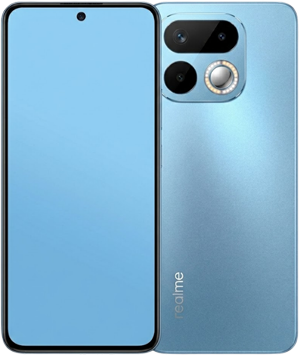
Realme launched the Realme 16T in India earlier this month as the latest addition to the Realme 16 series. Positioned as the most affordable model in the lineup, the phone aims to deliver a premium Realme 16-style experience without pushing into the upper mid-range pricing territory. It brings features such as a large display, a massive battery, and a unique mirror selfie-inspired design, like the Realme 16 (review).
But with a starting price of Rs 29,999, the Realme 16T enters a highly competitive category packed with strong alternatives. So, does it offer enough to justify its price tag? Here’s our detailed review.
Table of Contents
Verdict
The Realme 16T gets a few important basics right, especially when it comes to battery life, which can last close to two days on a single charge. The cameras are decent enough for everyday photography in good lighting, although the lack of an ultra-wide sensor makes the setup feel limited. Performance, meanwhile, is where the phone feels less convincing with an underwhelming chipset for the price.
Design, display: Premium-looking, budget screen
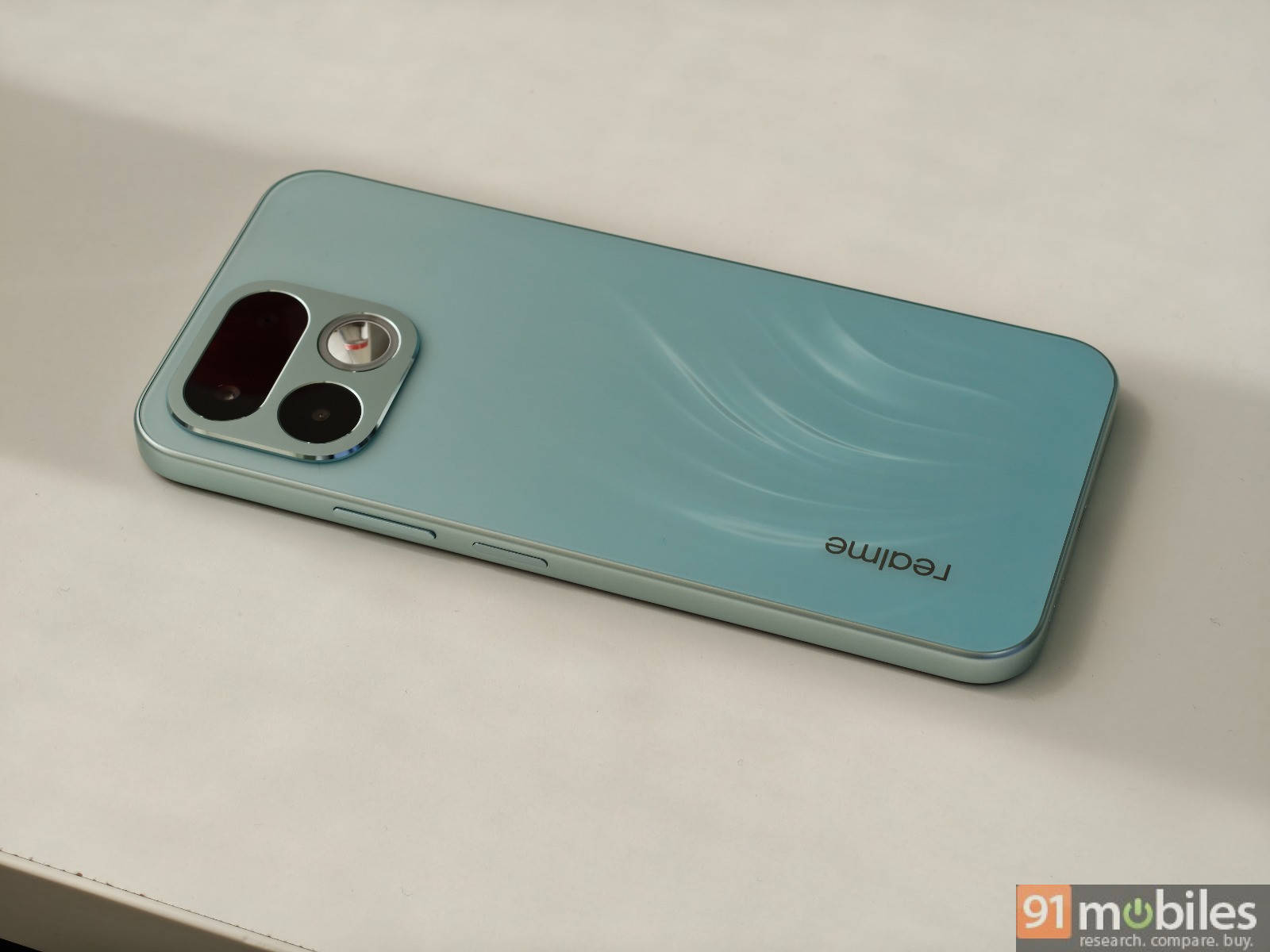
The design is one of the highlights of the Realme 16T, especially the Aurora Green variant, which features wing-like textures on the back that subtly shift depending on how light hits the surface. The Starlight Red and Starlight Black options are more understated with cleaner, classic finishes. Overall, the phone has a minimalist aesthetic that gives it a fairly premium look.
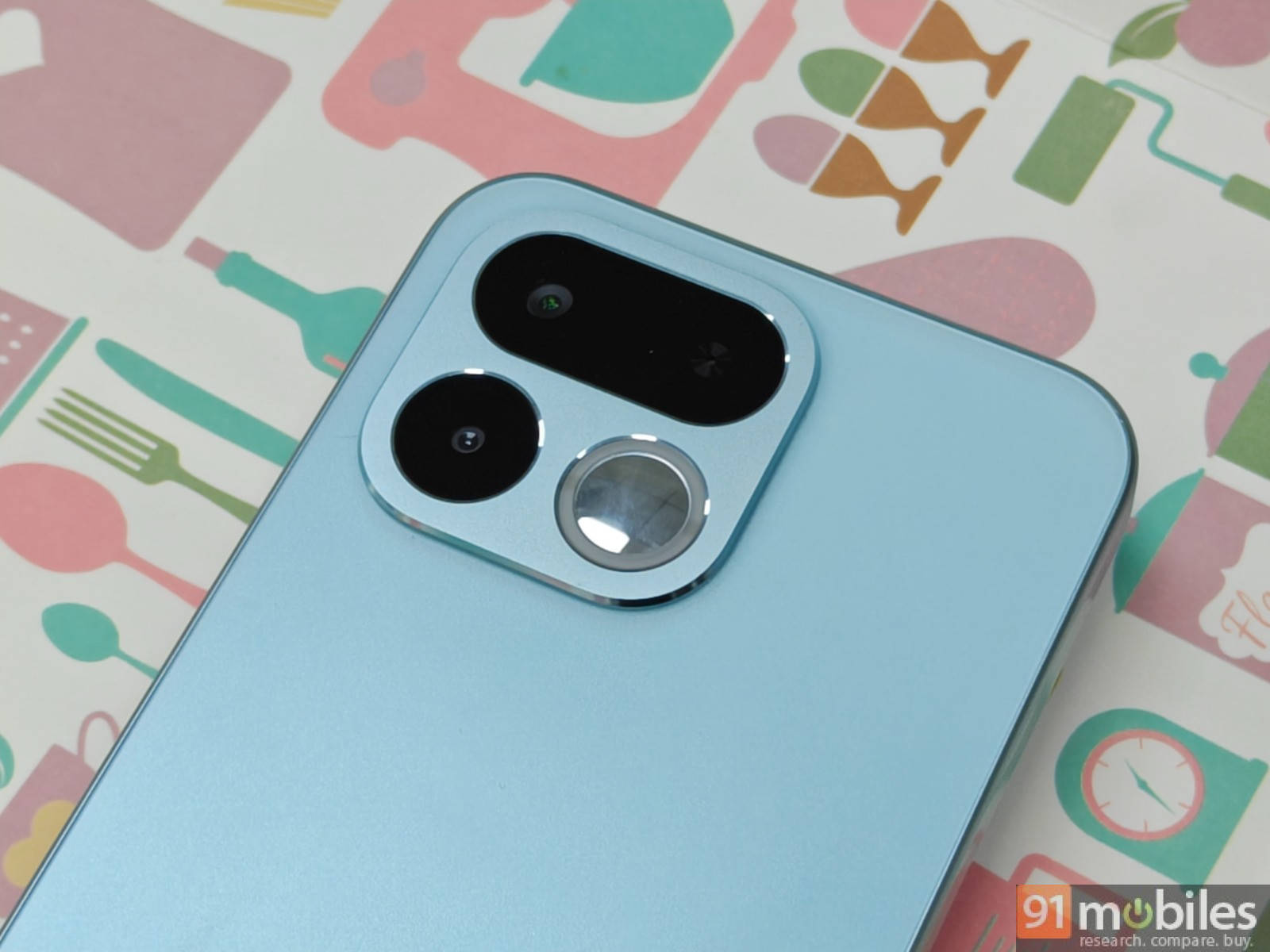
Even though it is a large phone, the flat-edge design helps with grip and makes it comfortable to hold and use for long periods. Realme has also added IP66, IP68, IP69, and IP69K ratings, giving the device strong protection against dust and water. You also get a small mirror on the camera module, meant to help in taking selfies with the rear cameras. While this may sound helpful, the camera seems too tiny and not very clear to work as a viewfinder.
The Realme 16T sports a large 6.8-inch HD+ LCD display with a 144Hz refresh rate and up to 1,200 nits HBM brightness. The big screen works well for watching content and gaming, while the high refresh rate keeps scrolling and animations smooth. That said, the display does feel slightly underwhelming for the price. At Rs 29,999, one would reasonably expect at least an FHD+ AMOLED panel. While the HD+ LCD screen may not bother casual users, you do miss the sharper visuals, deeper blacks, and richer colours that many rivals now offer in this segment.
While the display is great for multimedia, the single, bottom-firing speaker might disappoint anyone looking for a truly balanced audio experience. The phone does feature a 400% volume mode that gets incredibly loud, but because the audio quality distorts at that level, you are much better off sticking to standard volume ranges.
Battery: Excellent endurance, average charging speeds
Battery life is undoubtedly the biggest strength of the Realme 16T. Its massive 8,000mAh cell is among the largest in this segment, and the results reflect that. In our PCMark battery benchmark test, the phone lasted an impressive 17 hours and 41 minutes, making it one of the best performers we’ve tested recently.



In daily use, the Realme 16T should easily last for two days with regular tasks like messaging, streaming, social media, and light gaming. Even heavier users should comfortably get through a full day and beyond without worrying about running out of charge. Simply put, this is a phone that practically eliminates battery anxiety. You’ll rarely find yourself worrying about running out of charge, which becomes one of the phone’s biggest practical advantages in daily use.
The downside is the charging speed. While the phone supports 45W fast charging, it feels relatively slow for such a large battery. Charging from 20 to 100 percent took around 91 minutes in our testing. Thankfully, the excellent battery life means you won’t need to plug it in very often.
Cameras: decent but limited versatility
In terms of optics, the Realme 16T features a 50MP primary camera alongside a 2MP monochrome sensor, while the front houses a 16MP selfie camera. For its price, the setup does feel somewhat underwhelming, especially since there is no ultra-wide camera, a feature many rivals offer in this segment.



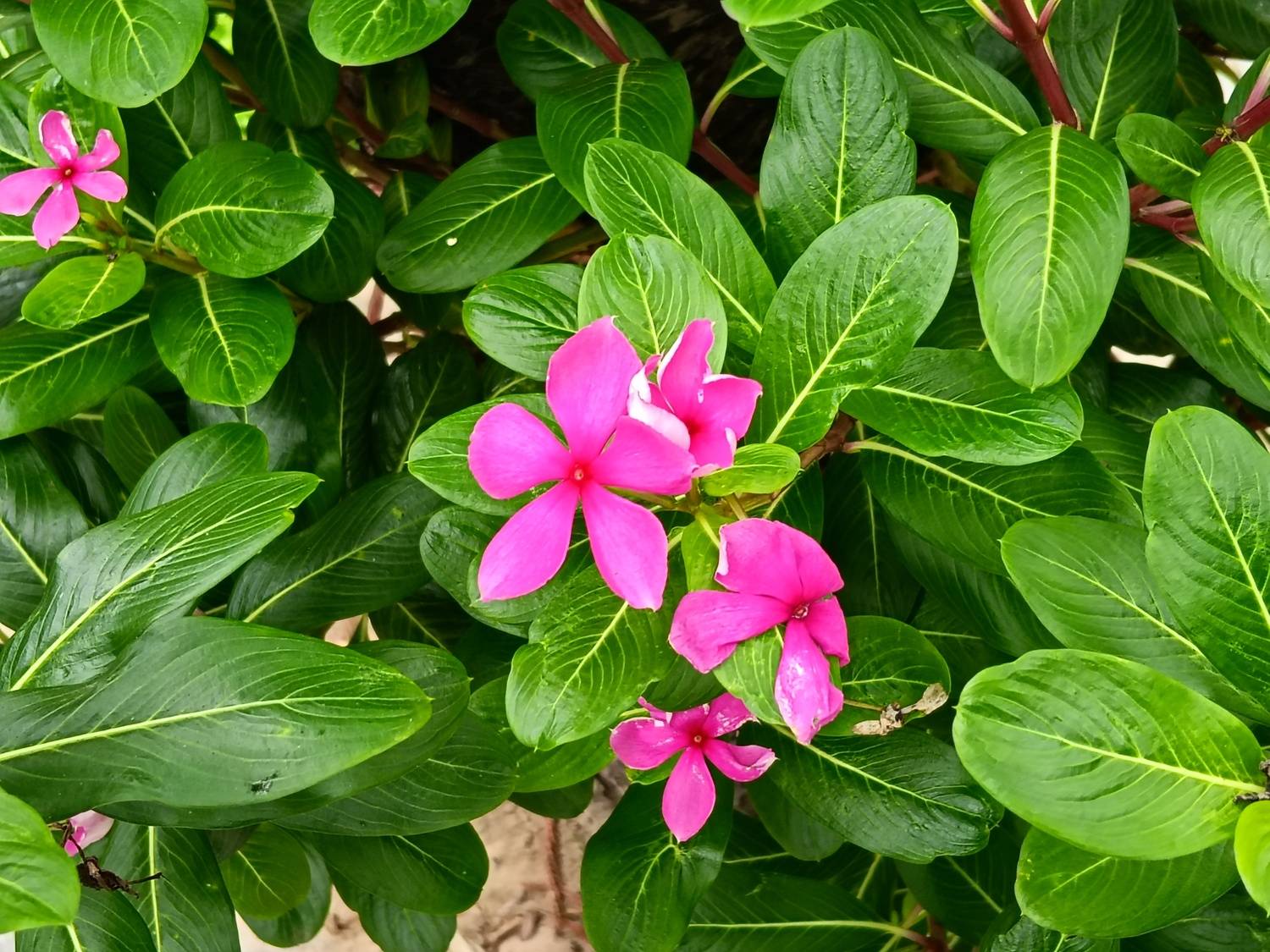
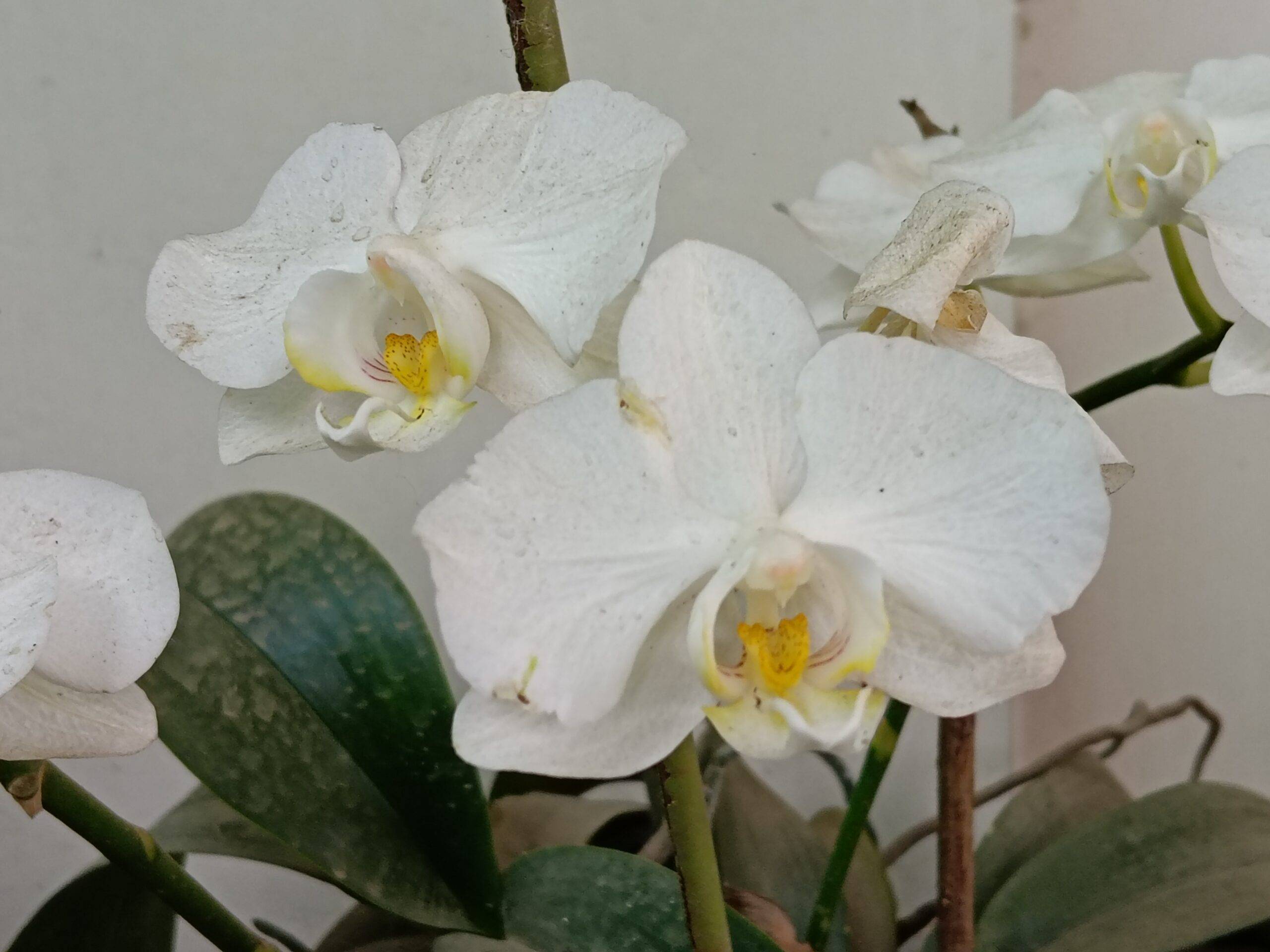
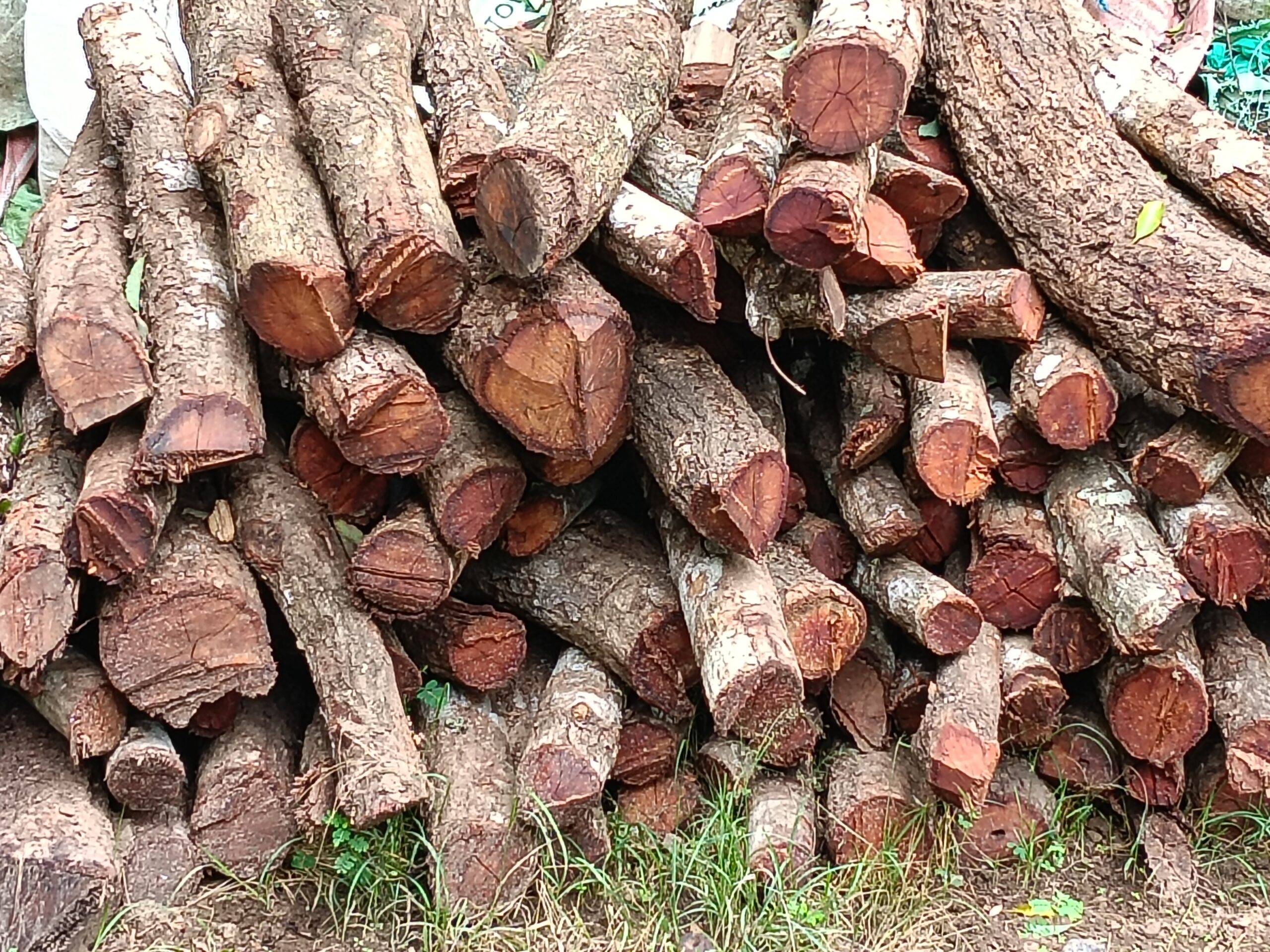

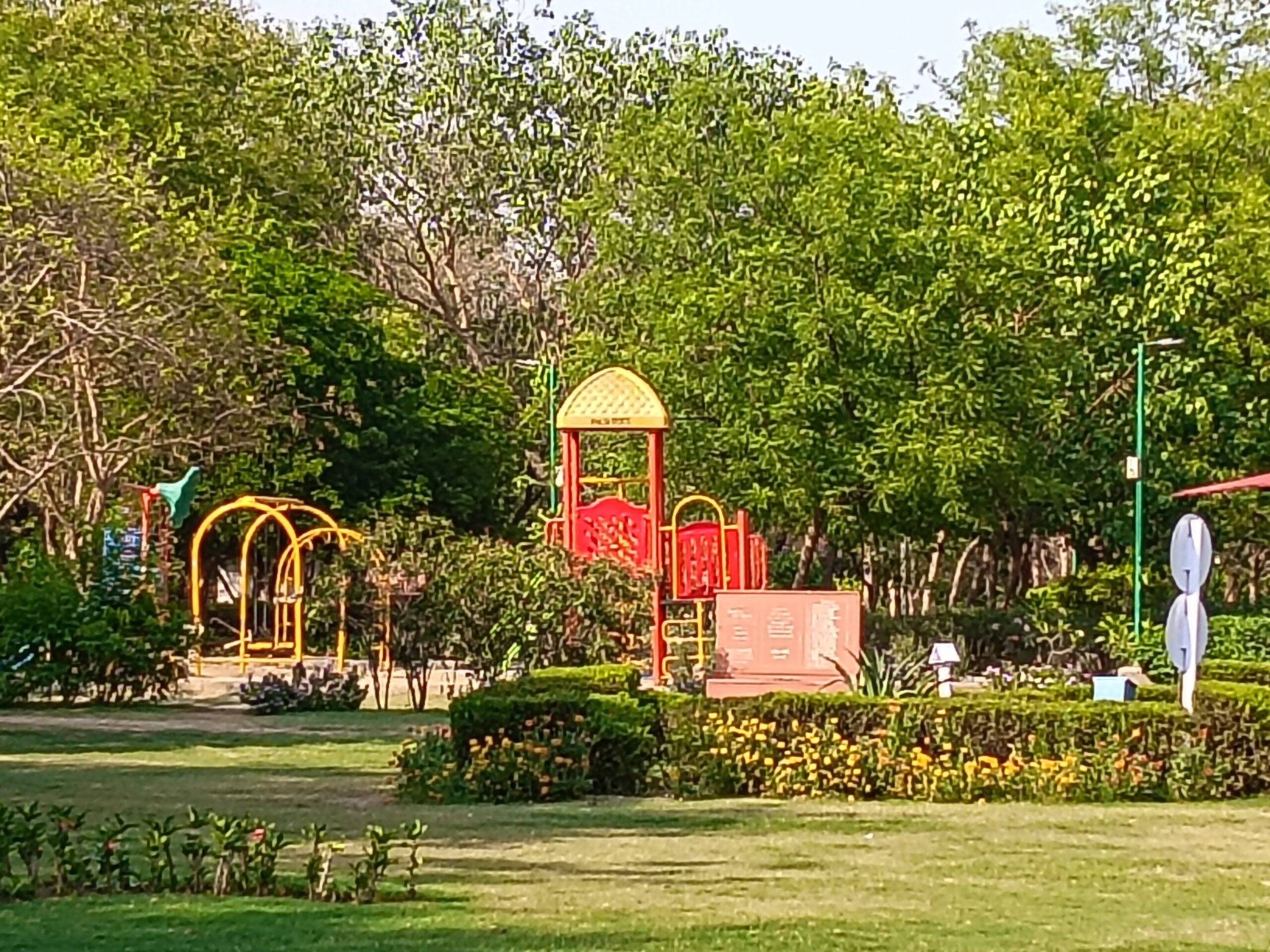
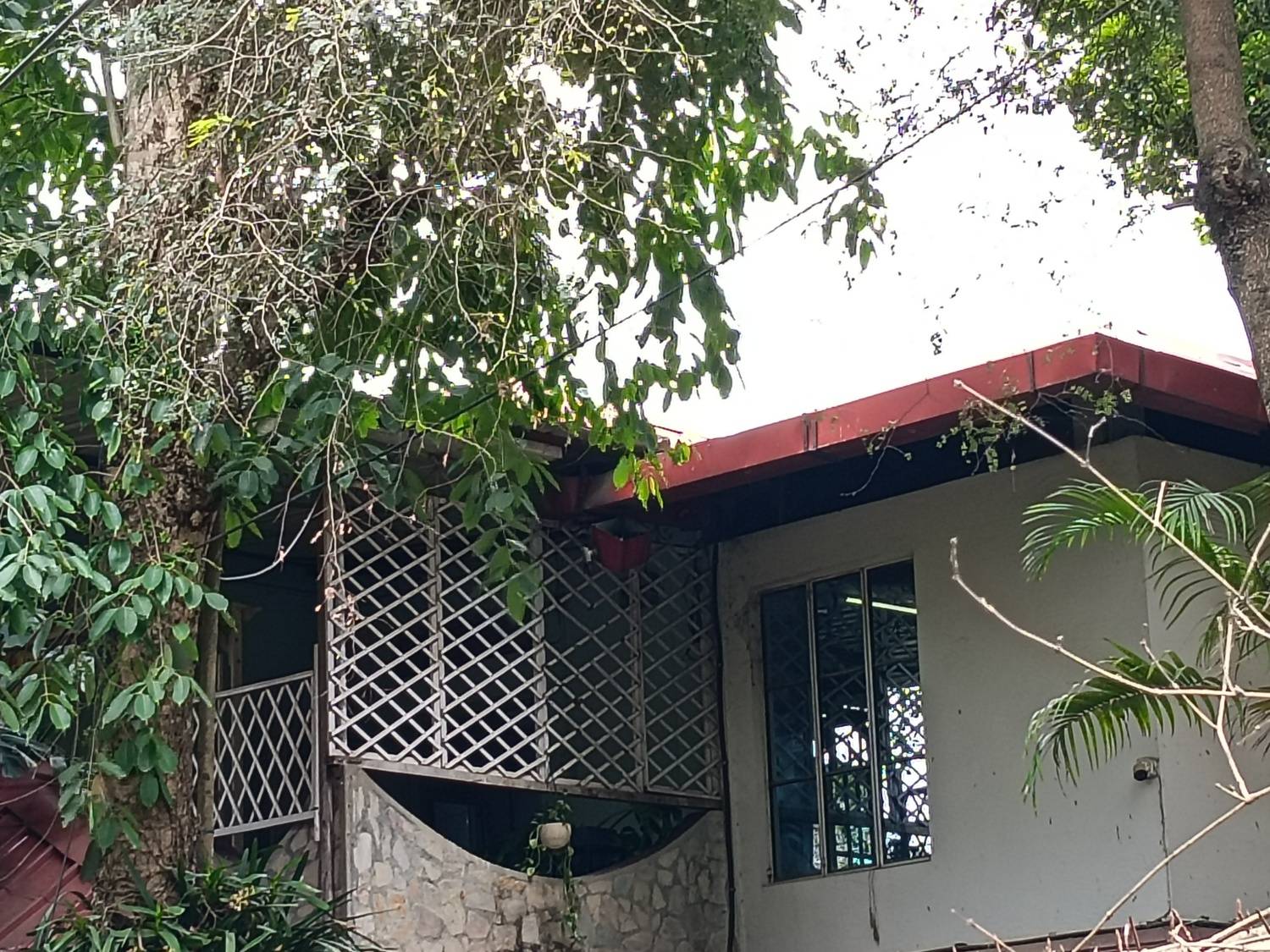
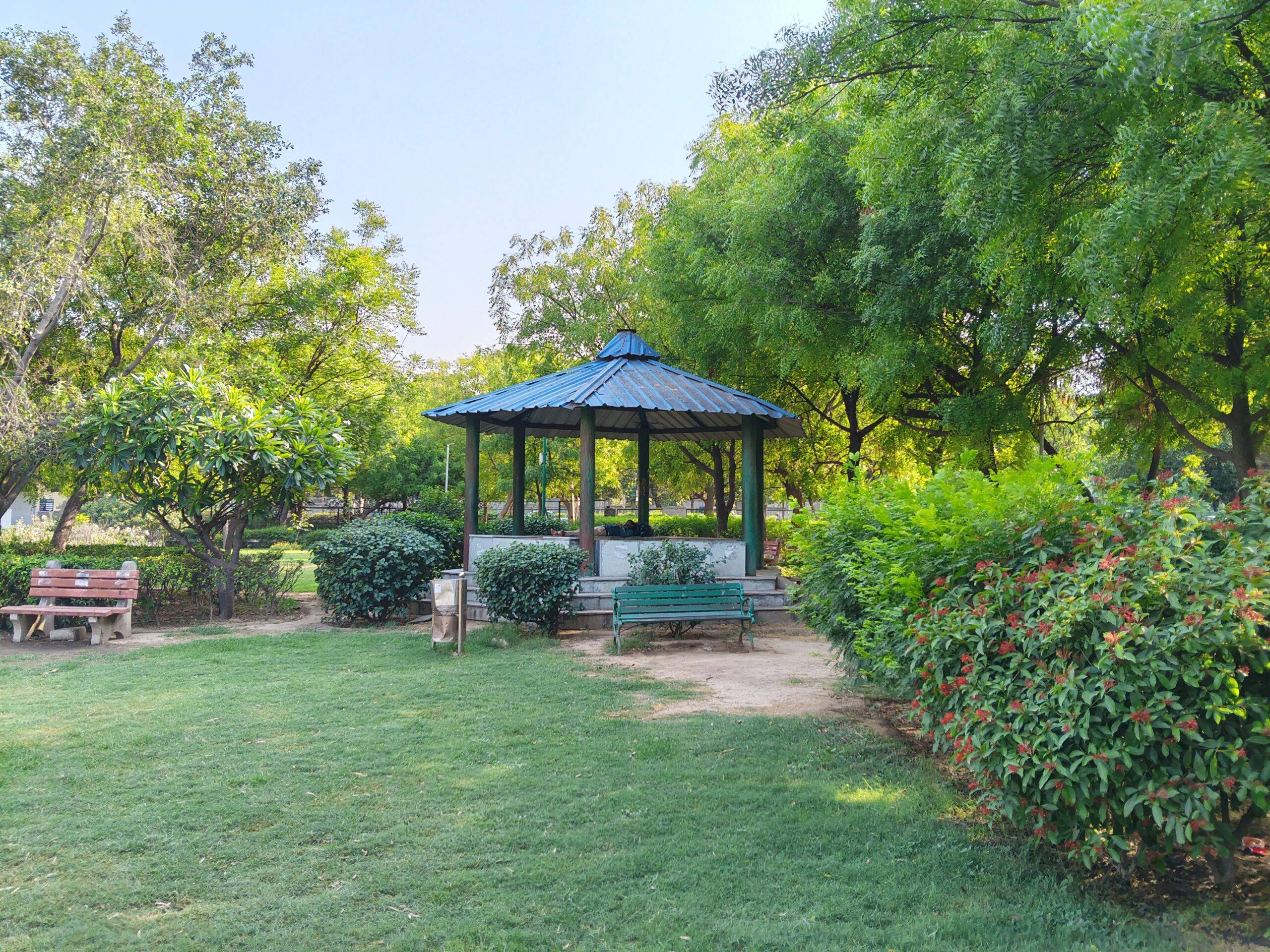
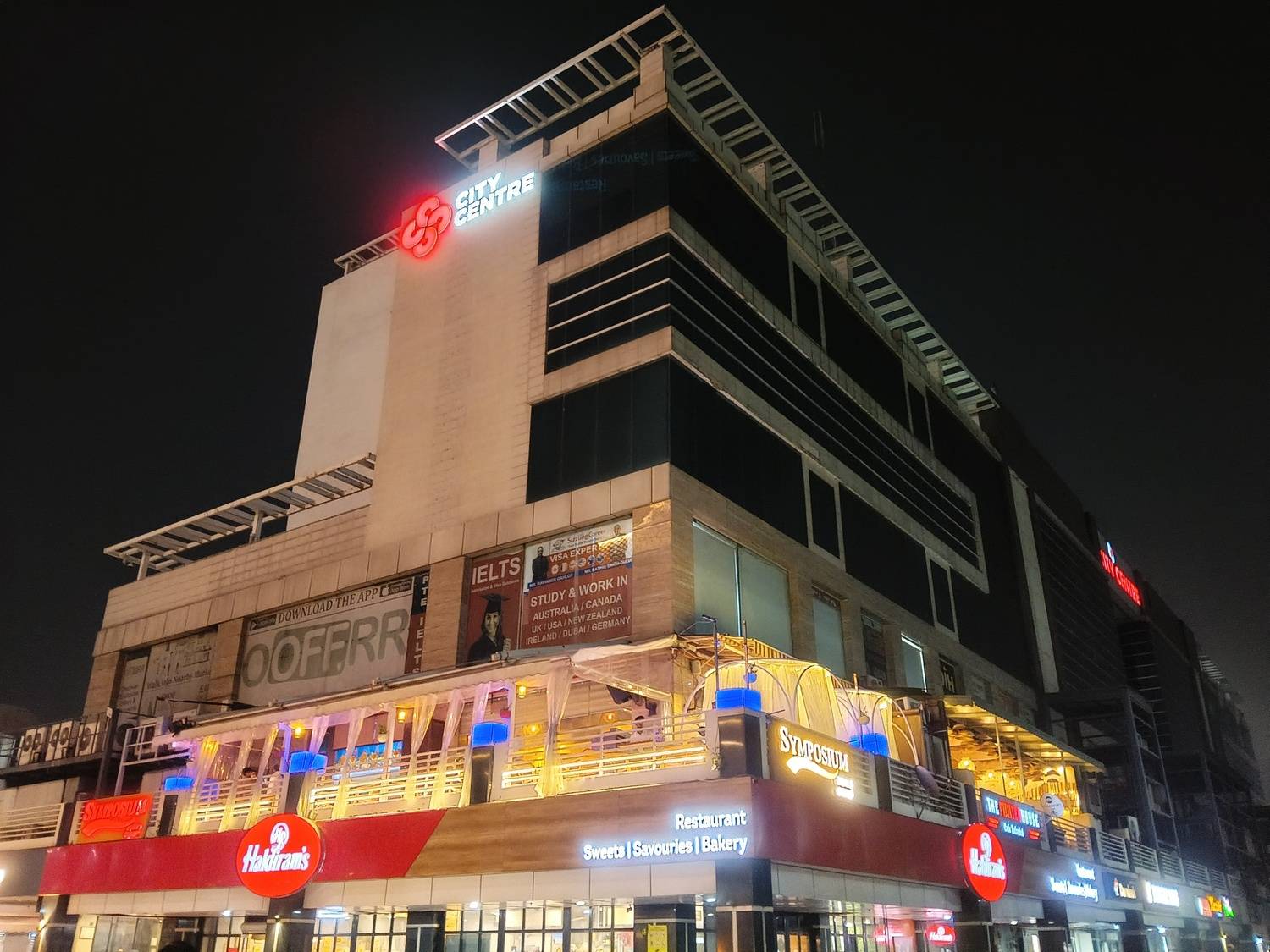


The Realme 16T is clearly aimed more at casual photography and social media users rather than photography enthusiasts. In good lighting, the main camera captures decent shots with acceptable colours and detail, making it suitable for Instagram-ready photos and everyday use. Selfies are also fairly good for video calls and social media uploads.
However, the lack of camera versatility becomes noticeable, particularly when compared to rivals like the Motorola Edge 70. Here’s a camera comparison between the two phones.
Daylight
In daylight conditions, the Motorola Edge 70 captures sharper details with more consistent image processing, while also handling exposure and dynamic range more effectively, especially in scenes with strong sunlight or shadows. The Realme 16T, however, tends to produce slightly more natural-looking colours in some scenarios. The Edge 70 often boosts contrast and saturation for a punchier look, which can make images appear more dramatic but slightly less true-to-life.


Portraits
For portrait shots, the Motorola Edge 70 holds a clear advantage over the Realme 16T as it captures noticeably better detail and clarity, resulting in sharper facial features and a more refined overall image quality. Skin tones and colour reproduction also look more balanced and natural on the Edge 70, whereas the Realme 16T tends to produce slightly washed-out portraits in comparison. The Edge 70 also delivers more accurate subject separation with smoother, more natural-looking bokeh, while the Realme 16T occasionally struggles with cleaner cutouts around hair and edges.


Selfies
When it comes to selfies, the Realme 16T manages to hold a slight advantage in skin tone reproduction and overall colour accuracy. However, the Edge 70 still performs better overall in terms of detail, sharpness, and dynamic range. It captures clearer facial features and handles bright backgrounds more effectively, resulting in selfies that look more polished and balanced.


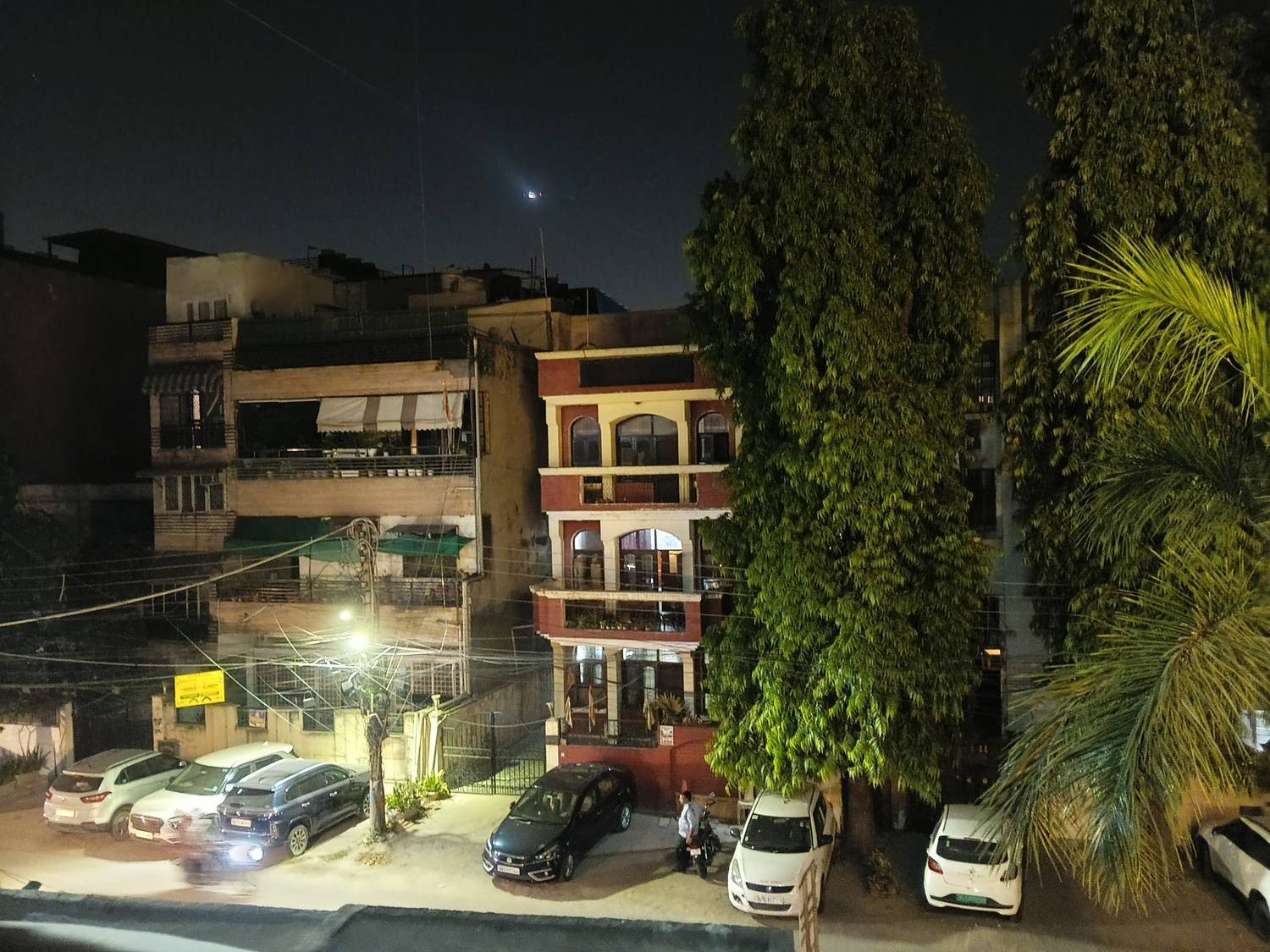
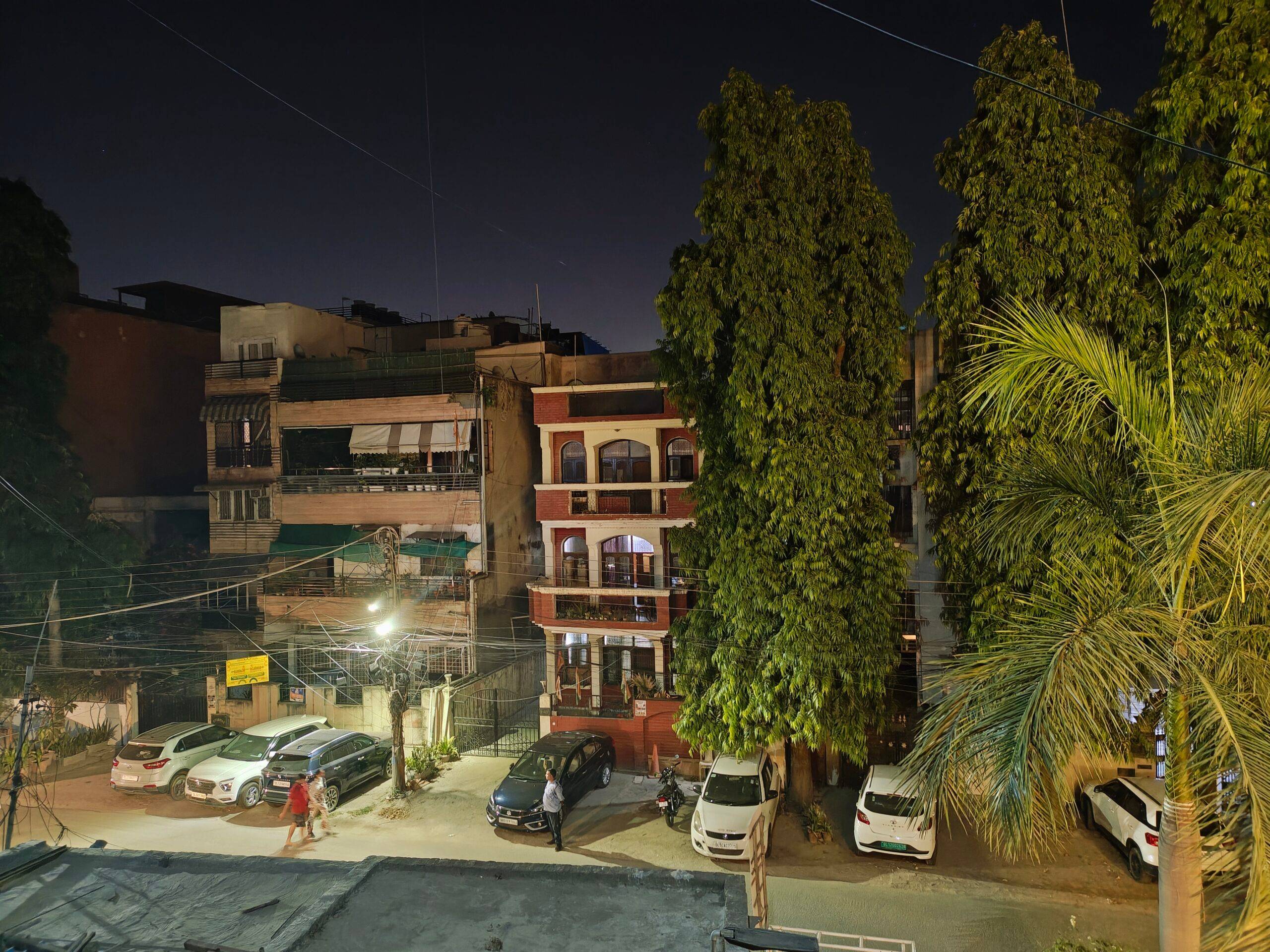
Low-light
The Motorola Edge 70 handles light sources and flare better while maintaining improved exposure control. The Realme 16T, on the other hand, shows noticeably more noise in darker areas. That said, the phone still does a respectable job with colour reproduction and manages to retain a fairly natural look in night shots.
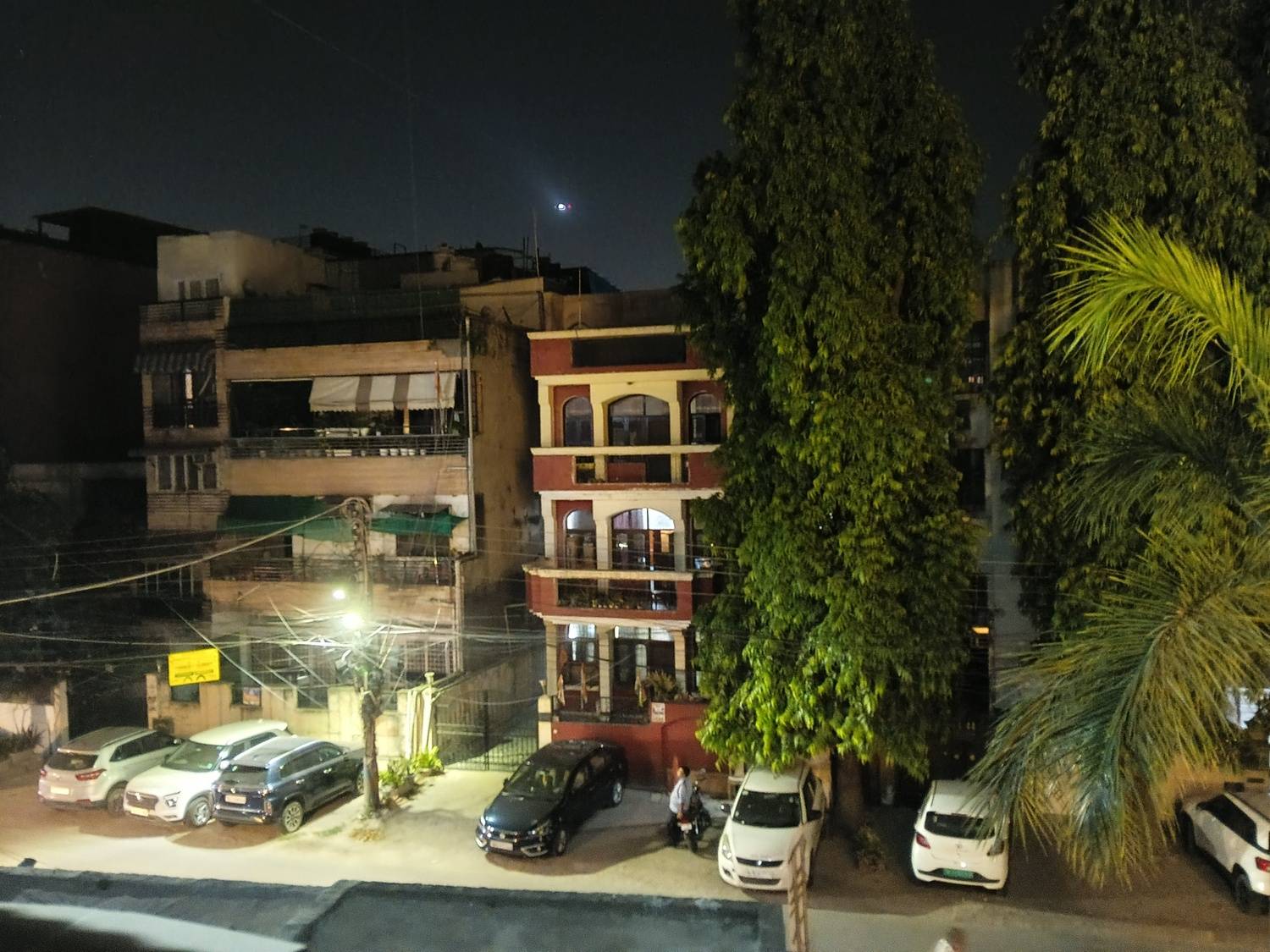
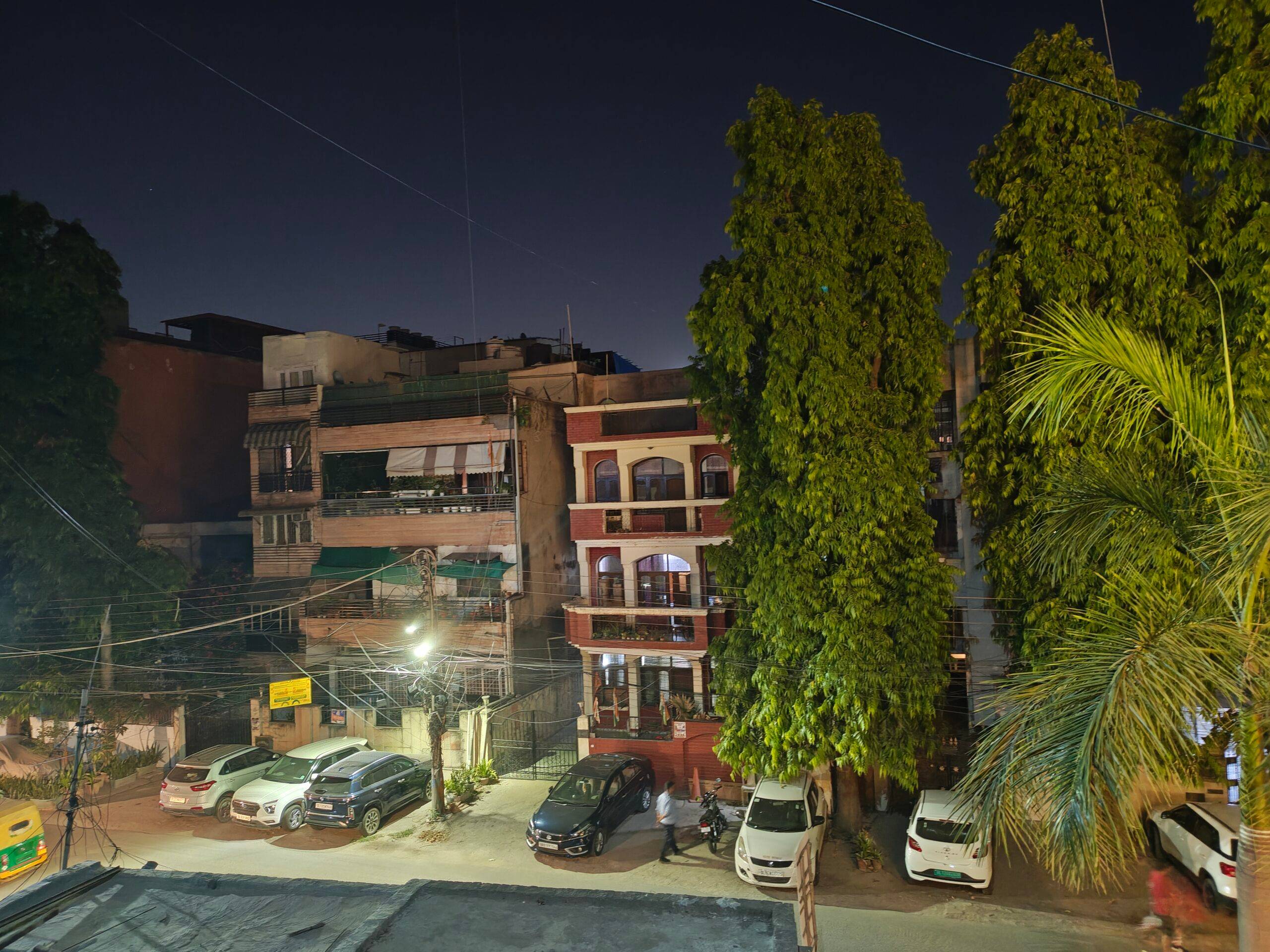
Night mode
With Night Mode enabled, the Realme 16T does show a noticeable improvement in brightness and overall scene visibility compared to its standard low-light shots. However, the Motorola Edge 70 still maintains the advantage, offering a more polished and reliable results.
Performance: Average for the price
The Realme 16T is powered by the MediaTek Dimensity 6300 chipset, a processor more commonly seen in entry-level and budget 5G smartphones. The chip focuses on power efficiency and stable day-to-day usage rather than delivering high levels of performance, which makes its presence in the segment feel slightly underwhelming. Rivals like the Vivo T5 Pro use a much faster chipset like the Snapdragon 7s Gen 4.
Benchmark scores are on the lower side compared to rivals in this segment, and that might show during heavier workloads. For regular usage such as messaging, social media, video streaming, and multitasking, the phone performs smoothly without any major issues. However, if you push the device with intensive gaming or demanding apps, you may occasionally notice slower load times or performance dips.
That said, gaming is still quite manageable, with titles like Call of Duty: Mobile and Battlegrounds Mobile India running comfortably with stable performance. Thermal management is also a strong point here, as the large 5,300mm2 AirFlow VC cooling system helps keep temperatures under control during extended gaming sessions.
Software: Feature-rich
The Realme 16T runs Realme UI 7.0 based on Android 16 out of the box. Realme is promising three OS upgrades and four years of security updates, which is fairly standard for this segment. The interface is smooth, visually cleaner, and offers plenty of customisation options, including fingerprint animations, personalised themes, and a Liquid Glass-inspired design language.
However, you do get 68 pre-installed apps, one of the highest numbers, which may make the experience feel cluttered.
Final verdict
The Realme 16T gets certain things right, particularly in areas like battery life, design, durability, and software experience. Its massive 8,000mAh battery easily stands out as one of the phone’s biggest strengths, while the slim design and IP66/IP68/IP69/IP69K ratings add a sense of practicality and premium appeal. Realme UI 7 also feels smooth and polished for everyday use.
At the same time, the phone does come with a few compromises that are difficult to ignore in this price segment. The HD+ LCD display feels less competitive compared to the AMOLED panels offered by rivals, the Dimensity 6300 chipset may not satisfy power users, and the camera setup lacks versatility, especially without an ultra-wide sensor.
If you are seeking a stronger gaming performance, a sharper display, and a more capable camera system, alternatives like the Motorola Edge 70 (review) and Vivo T5 Pro (review) are worth considering. As for the Realme 16T, it is best suited for users who prioritise battery life, durability, and everyday reliability.
Editor’s rating: 8/10
Reasons to buy
- The Realme 16T’s 8,000mAh battery is highly reliable for multi-day usage.
- The built-in vapour chamber aids in heat dissipation during gaming for long sessions.
- The display is large, making it good for multimedia, and the 144Hz refresh rate keeps things smooth.
Reasons to skip
- The chipset feels underwhelming for the price.
- The phone lacks an ultra-wide sensor.