Xiaomi entered 2026 with a renewed sense of purpose in the Indian market. The brand is going all-in on its Redmi Note series this year, along with a broader strategy to expand its ecosystem categories. You can read all about the brand’s 2026 strategy here. As for the Redmi Note series, the company made a deliberate change this year by staggering its release, launching the base Note 15 first, followed by the Pro models. The idea here was to give each Note device its own time in the spotlight.
So, after the Redmi Note 15 in early January, we now have the Redmi Note 15 Pro and Note 15 Pro+. The Pro phones reflect the best Xiaomi has to offer in the mid-range segment. With smartphones getting pricier due to the ongoing global memory chip crisis, the Redmi Note 15 Pro phones don’t carry the same aggressive pricing as their predecessors, but the brand believes they offer the best set of specifications at their respective price points. I’ll be reviewing the Redmi Note 15 Pro+ to see if this is indeed true. But before that, here are my initial thoughts on the phone’s design, hardware, and software.
Table of Contents
Familiar design, improved durability
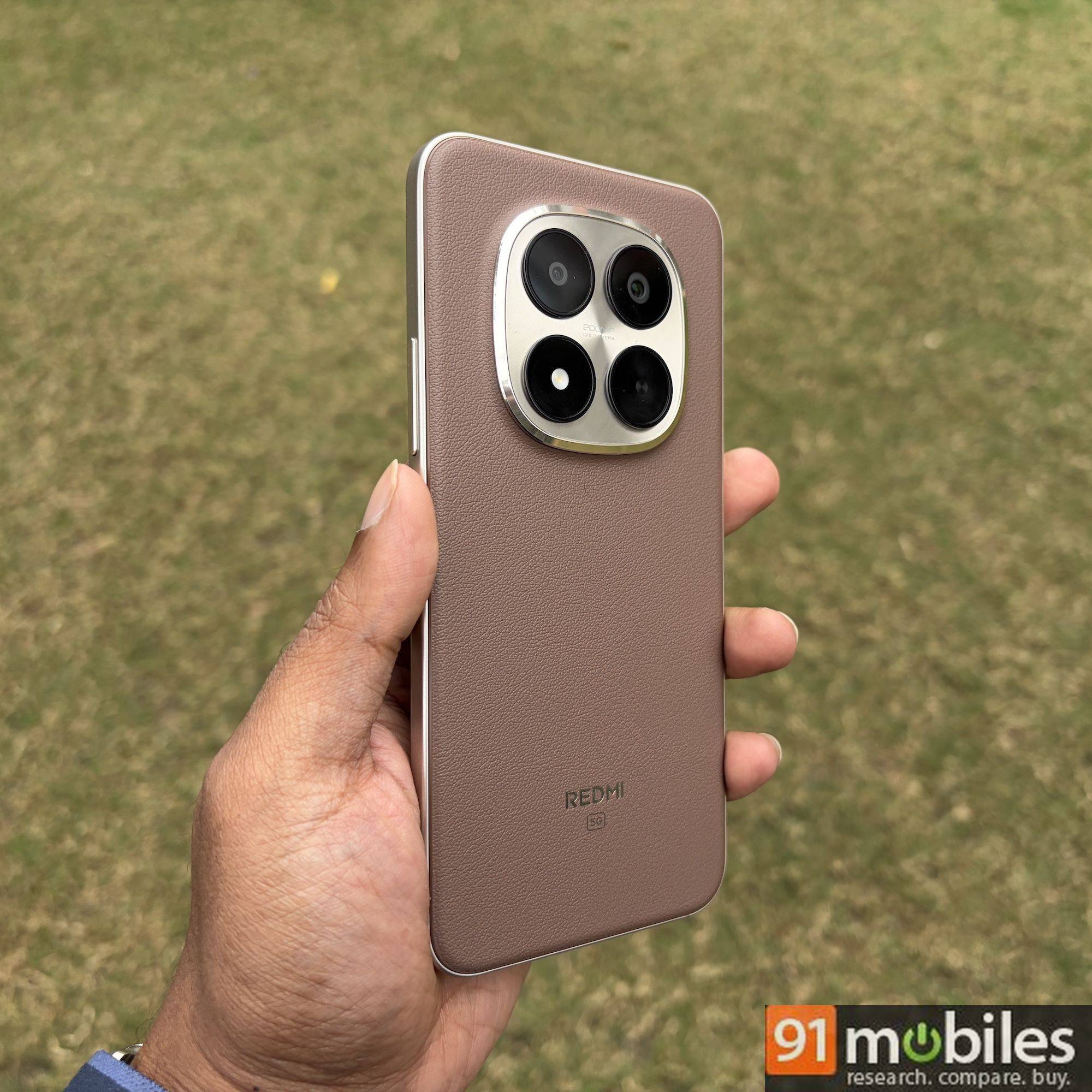
Xiaomi hasn’t played around with the design too much. The Redmi Note 15 Pro+ follows a similar philosophy to its predecessor, offering curved edges and a distinct squircle camera module at the top centre of the back. The leather finishing is still present, exclusive to the Mocha Brown variant we received for review, which provides a nice in-hand feel. While premium phones have moved to flat designs, the mid-range segment remains firmly committed to curved aesthetics, which buyers in this segment seem to still prefer, according to brands like Xiaomi.
But while the Redmi Note 15 Pro+ looks similar to its predecessor from a distance, Xiaomi has reinforced the interiors with what the brand calls Redmi Titan Structure to ensure the phone can withstand drops and bending forces. While the Redmi Note 14 Pro+ only featured an IP68 rating, the successor offers more robust dust- and water-resistance with IP66, IP68, IP69, and IP69K ratings, allowing it to withstand up to 2 meters of water for 24 hours. On paper, this might just be one of the most durable phones in its segment.
Big display for big phone users
The Redmi Note 15 Pro+ is a big phone that feels substantial in my hand, especially after just reviewing the compact OPPO Reno 15 Pro Mini. Its 6.83-inch display is larger than the Redmi Note 14 Pro+’s 6.67-inch screen and is clearly for those who prefer big phones with a large, immersive display. It’s very much an AMOLED panel with 1.5K resolution, a 120Hz refresh rate, and peak brightness of 3200 nits. The screen is protected by Gorilla Glass Victus 2, much like its predecessor.
Based on my brief time with the device, I can say it’s a nice-looking display with good indoor viewing angles. With the Delhi weather being gloomy and dull these days, I’ll have to wait until the sun is out to know how readable the display is under harsh light. I’ll also have more to say about the display’s quality for watching content in my full review.
Spotlight on the 200MP camera
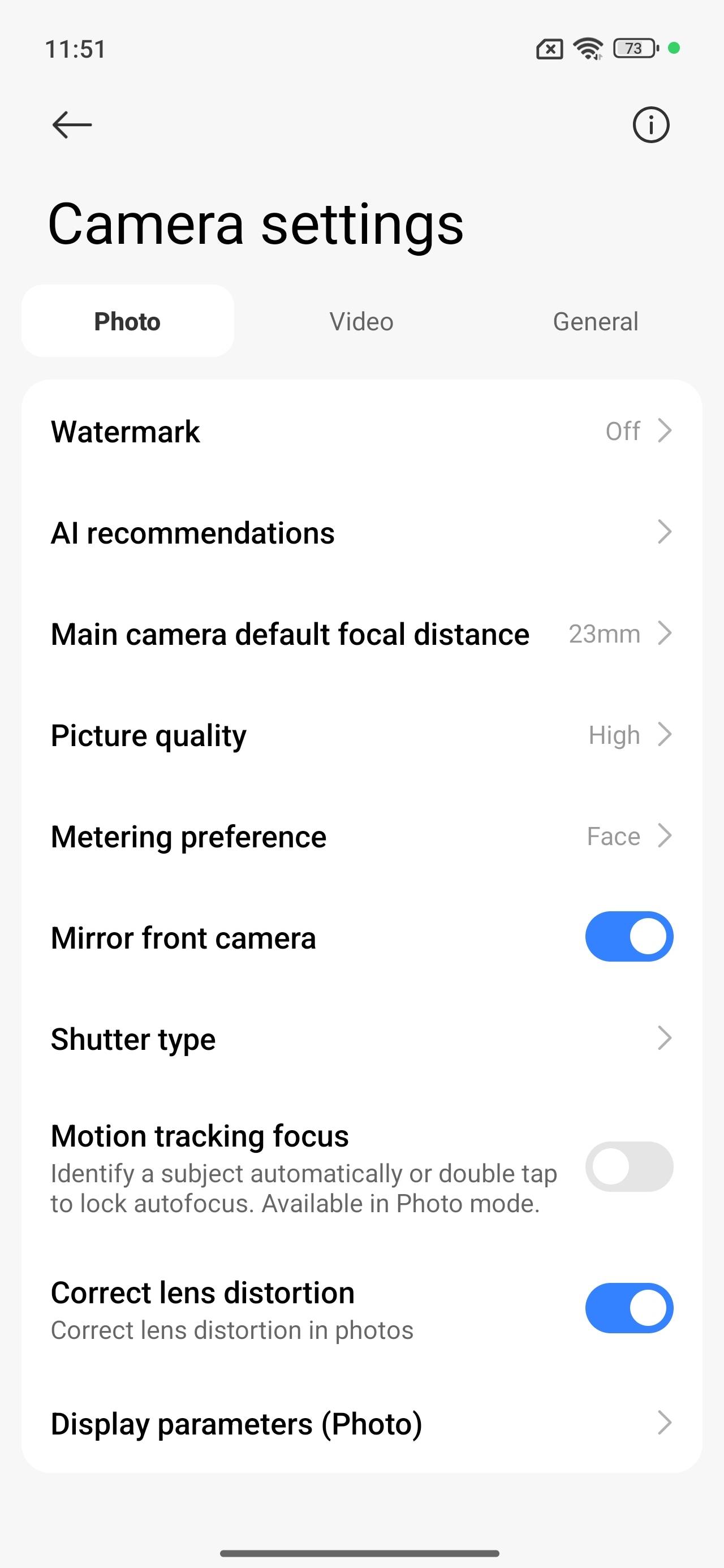
The camera system sees a big upgrade with an all-new 200MP HPE primary sensor with OIS for highly detailed photos. This high-res primary camera allows for 2x and 4x optical-level zoom (not to be confused with optical zoom). This is accompanied by an 8MP ultra-wide lens. Unfortunately, there is no telephoto lens this time around, so you only get two rear cameras to play with. However, Xiaomi hopes the 200MP sensor makes up for the lack of a telephoto lens by delivering ultra-clear stills with optical-level zoom.

Bigger battery, better endurance
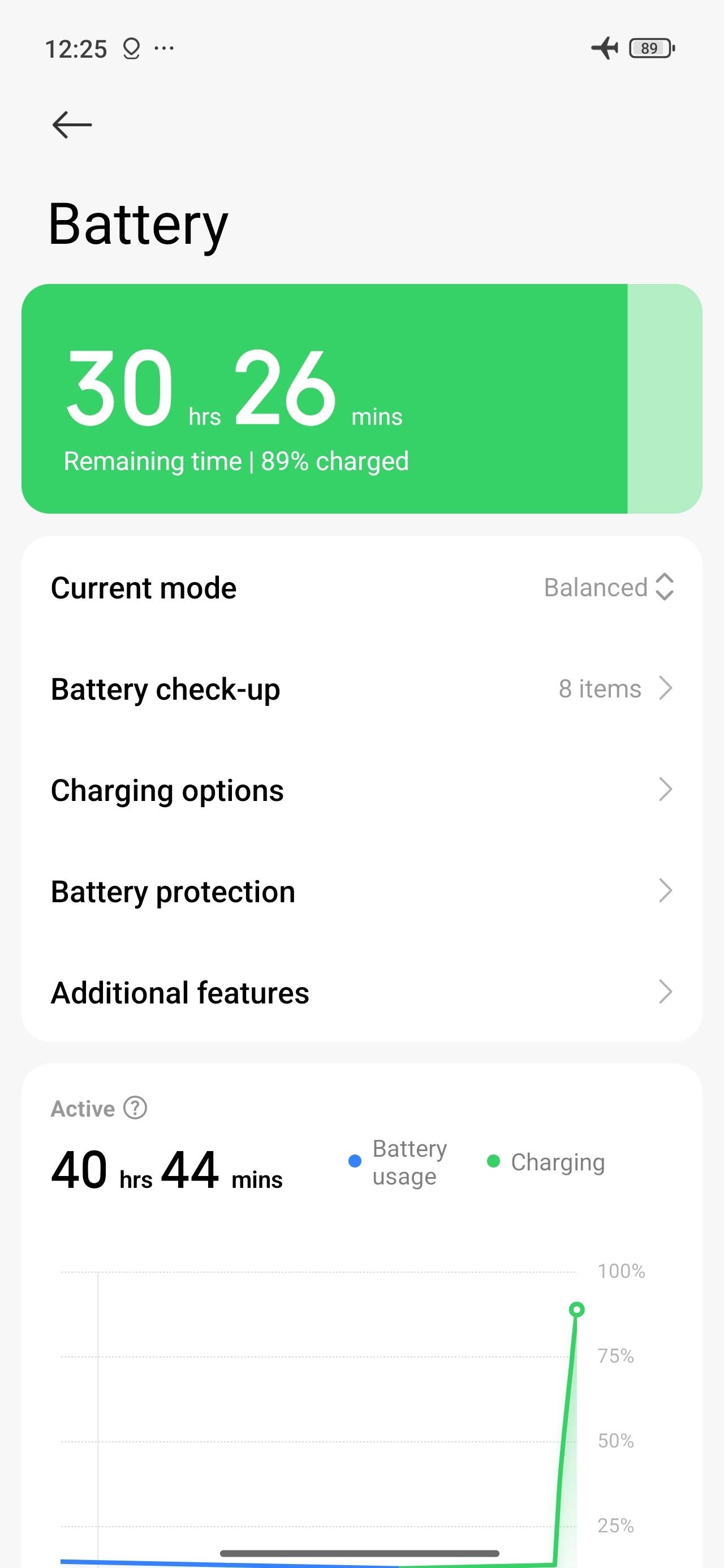
Xiaomi has fitted a slightly bigger battery inside the Redmi Note 15 Pro+. While its predecessor has a 6,200mAh battery, the new Note 15 Pro+ gets a 6,500mAh unit which should mean improved battery life. While I won’t be able to tell you about its real-world battery endurance at the moment, the synthetic PCMark battery test gave us a total time of around 14 hours and 12 minutes from 100 to 20 percent, which is slightly better than the 13 hours scored by the Redmi Note 14 Pro+.
Fast charging has also been upgraded to 100W from 90W, which should help offset the increased battery capacity. To recall, the Redmi Note 14 Pro+ took about 53 minutes to charge from 20 to 100 per cent on a 90W charger, and I expect the successor to deliver a similar, if not slightly quicker result.
 Incremental performance upgrade

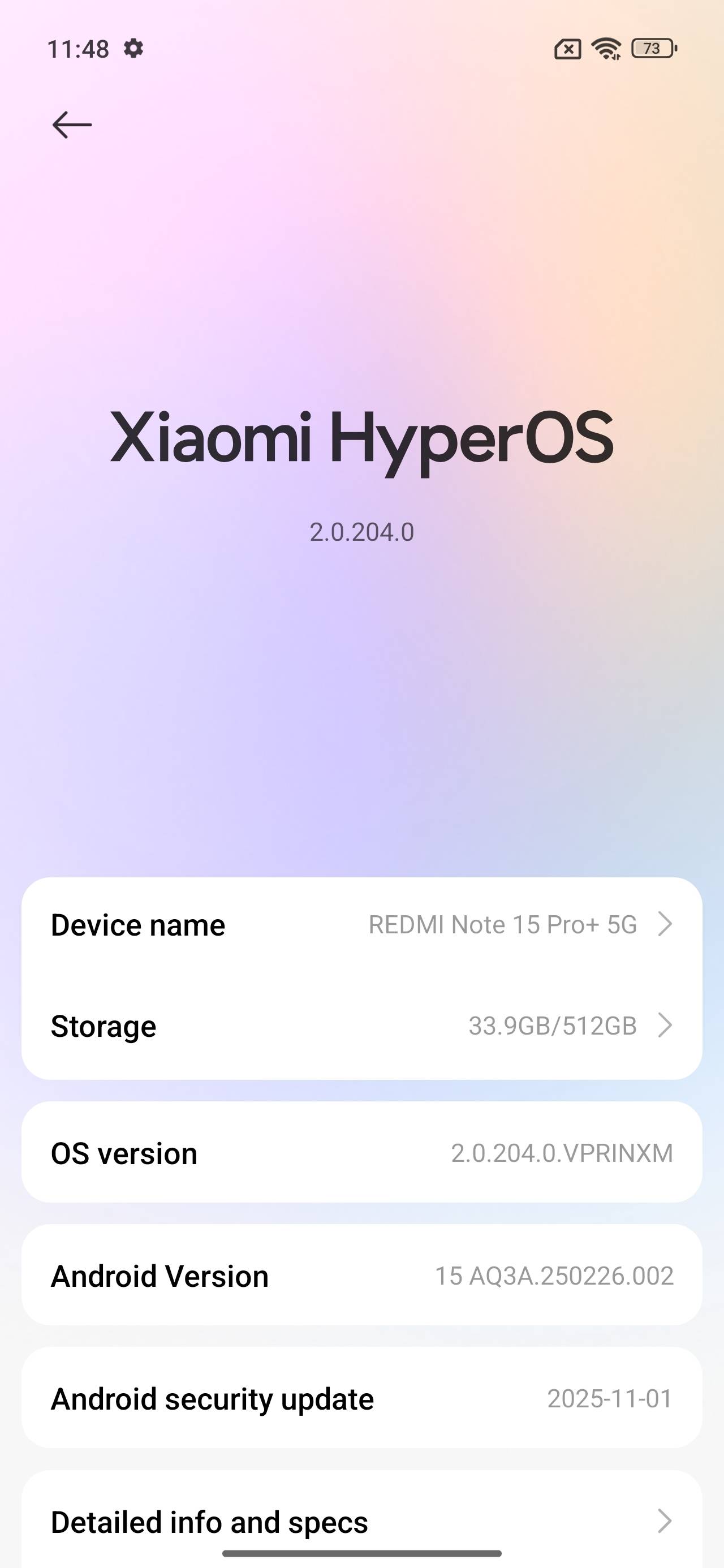
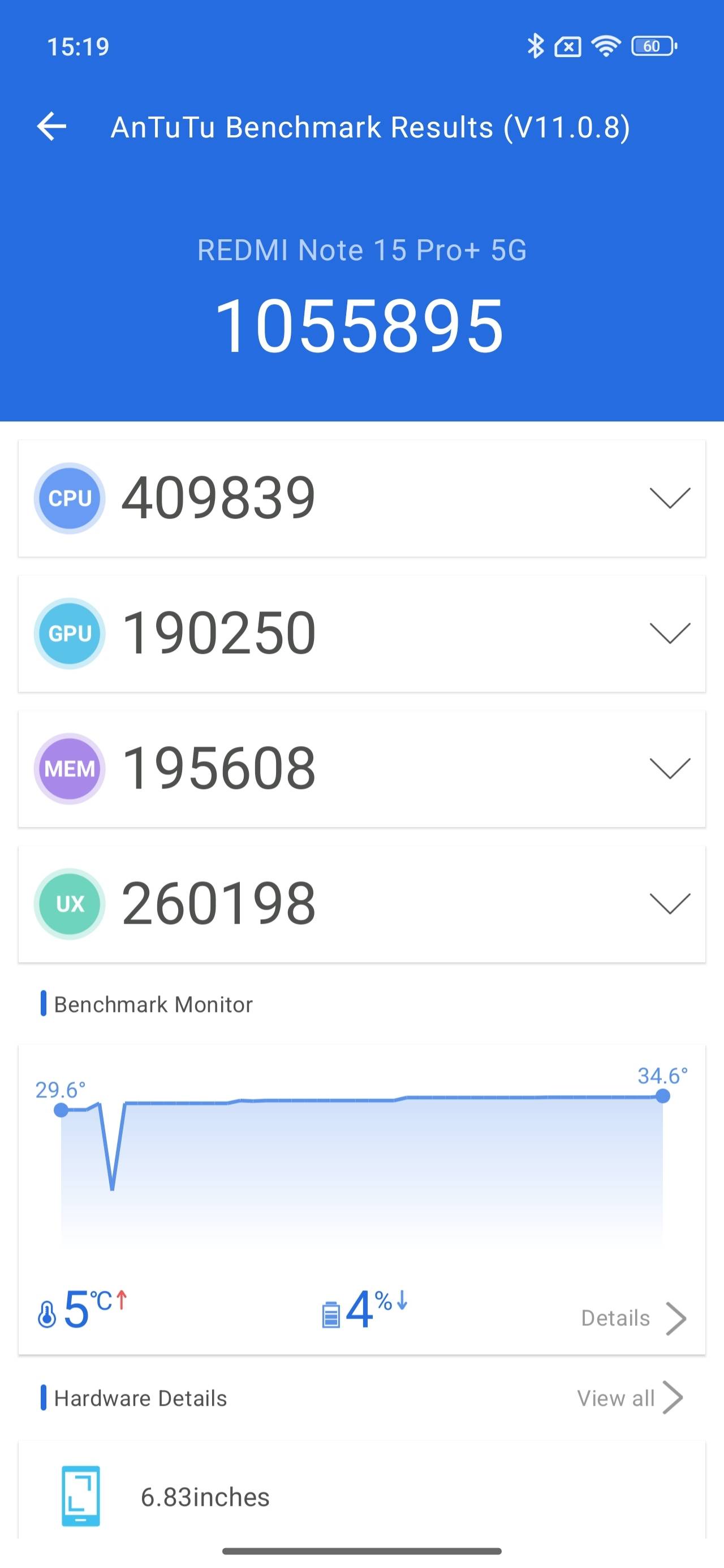
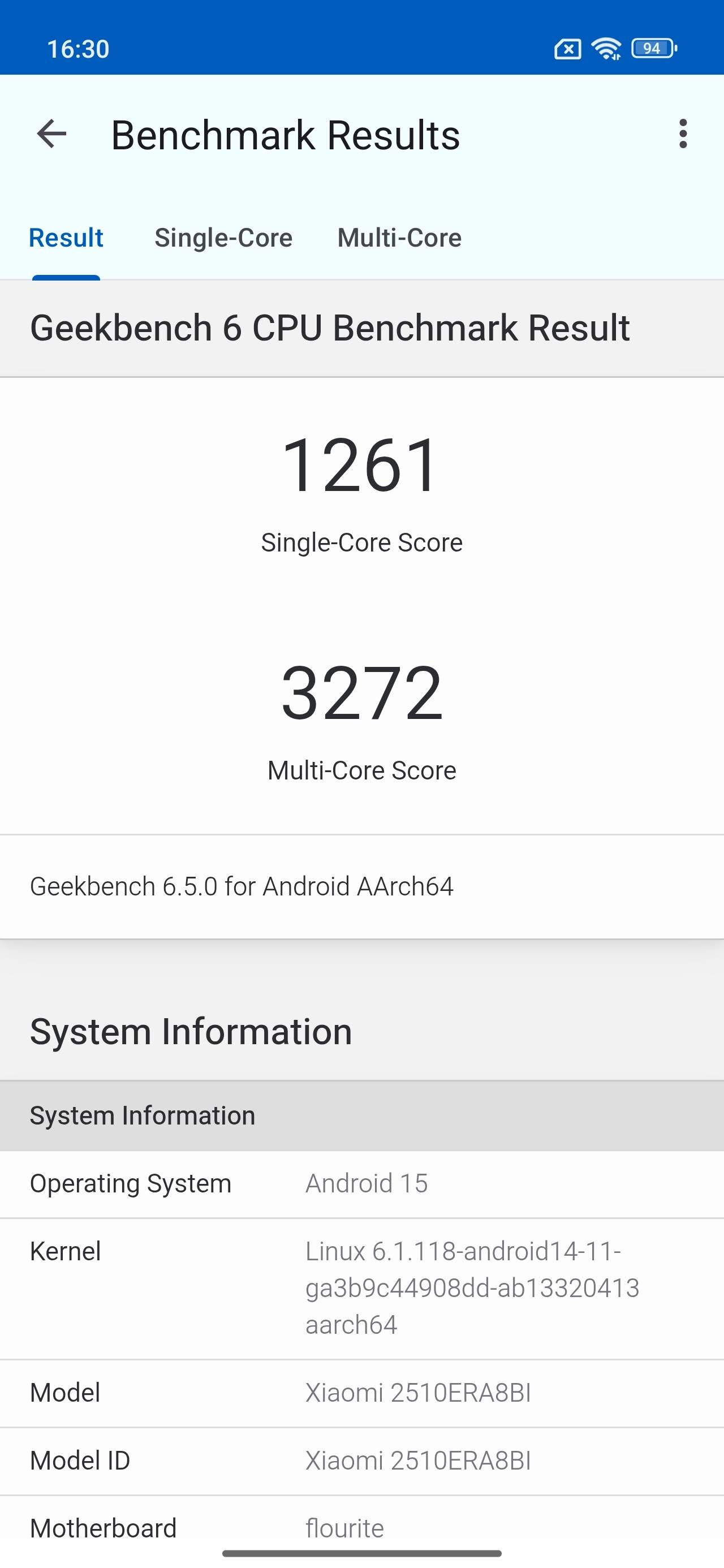
The Snapdragon 7s Gen 4 powers the Redmi Note 15 Pro+, an incremental upgrade over the 7s Gen 3 found inside the previous Note phone. The 4nm processor delivers peak speeds of up to 2.7GHz and should offer roughly 7% better performance than the previous generation chip. Don’t expect a major performance boost, but as long as the chipset delivers consistent, reliable day-to-day performance, the Redmi Note 15 Pro+ should satisfy general users.
I will talk more about its gaming and daily performance in my full review after putting it through its paces.
Early thoughts
Xiaomi Redmi Note 15 Pro Plus Images