The Redmi Pad 2 Pro 5G has officially been launched in India and is part of the brand’s new 2026 strategy to expand its ecosystem of products. It is the first ‘Pro’ tablet from Xiaomi’s Redmi sub-brand in the country since 2024. On paper, the new tablet retains most of the core features of its predecessor, Redmi Pad Pro 5G (review), with meaningful upgrades to the chipset and battery taking centre stage. Xiaomi has also introduced subtle design refinements that are easy to miss at first glance. I’ll discuss that and more in my first impressions below.
Table of Contents
But first, the price
Without the bank discounts and offers, the Redmi Pad 2 Pro will cost you Rs 24,999 for the Wi-Fi-only variant. The Wi-Fi + 5G variant with 128GB storage is priced at Rs 27,999, while the 256GB ROM option costs Rs 29,999. This makes the Redmi Pad 2 Pro 5G slightly pricier than its predecessor, which was introduced at a starting price of Rs 21,999.
Xiaomi hasn’t officially explained the price increase, but industry trends offer some context. Component costs, particularly for RAM and storage, have been steadily rising, which has led to higher pricing for many end products across the market.
Familiar design, with subtle changes
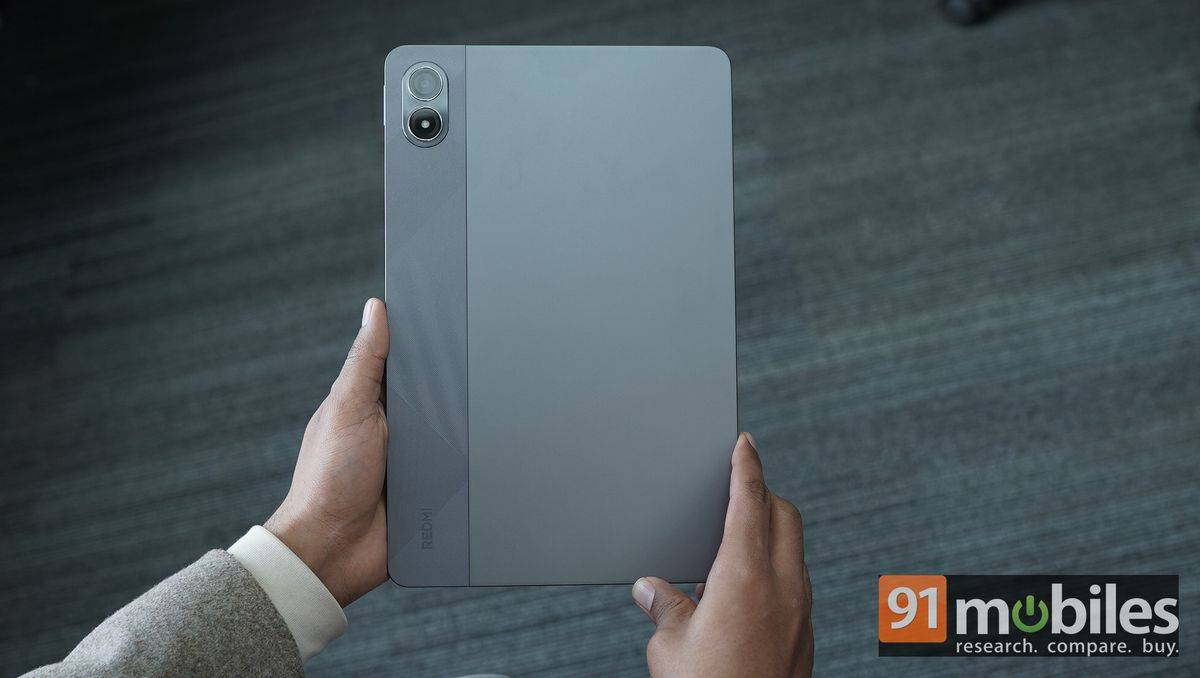
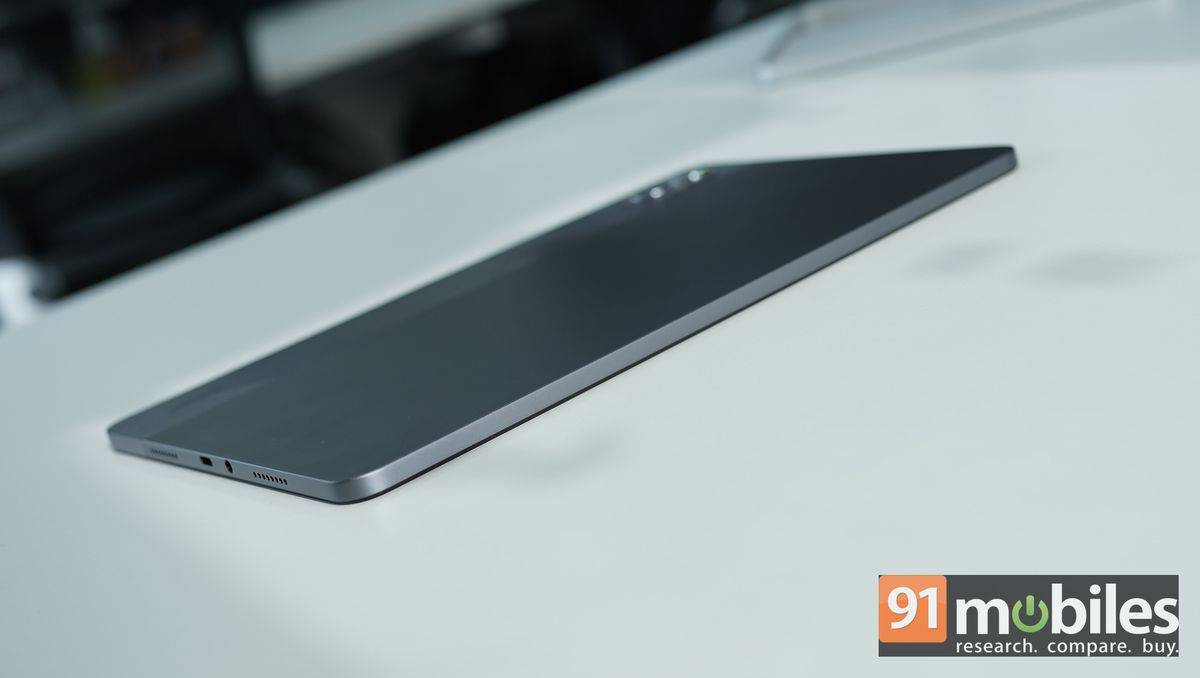
“If it ain’t broke, don’t fix it” seems to be the philosophy behind the Redmi Pad 2 Pro 5G’s design. Xiaomi has carried over the same flat edges, flat back panel, and metal–polycarbonate dual-tone construction from its predecessor. There’s also no change in the tablet’s overall footprint, with the Pad 2 Pro 5G measuring 280 × 181 × 7.5mm. While the weight has increased from 571g to 600g due to the larger battery, the tablet still feels perfectly manageable in everyday use.
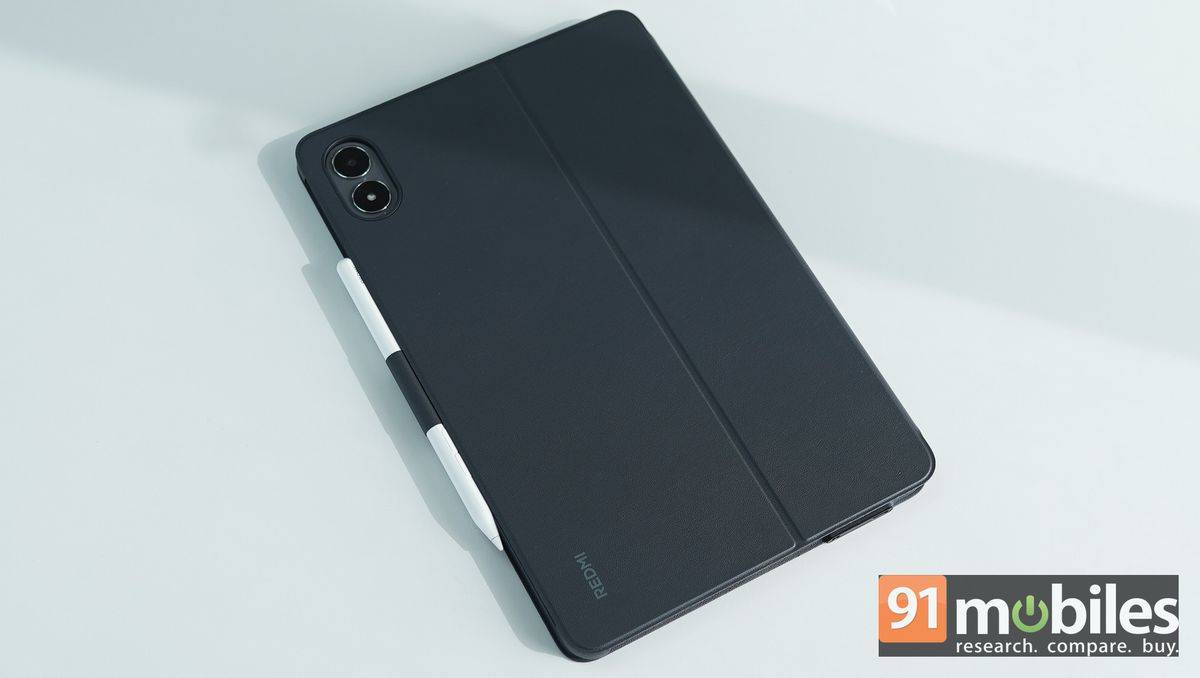
However, subtle refinements have been made to keep the Redmi Pad 2 Pro 5G’s look relevant to 2025. The Pad 2 Pro features a dual-tone finish on the back, with a patterned strip along the camera. Additionally, instead of adding individual rings for the rear camera and LED flash, the tablet features a pill-shaped platform, which seamlessly blends with the rest of the panel. The ports, power button, and speakers remain in the exact same positions as on the original Redmi Pad Pro.
Upgraded chipset and battery
The most noticeable change with the Redmi Pad 2 Pro 5G is on the inside. At the core of the tablet lies the Snapdragon 7s Gen 4 SoC, paired with 8GB of RAM. The SoC brings all-around improvements over its predecessor’s Snapdragon 7s Gen 2 SoC, starting with a 4nm (Gen 4) manufacturing process. The Snapdragon 7s Gen 4 chipset also boasts a faster CPU, improved Adreno 810 GPU, enhanced memory support, faster connectivity, and better overall efficiency.
This should make the Redmi Pad 2 Pro 5G not only quicker at everyday tasks like opening and closing apps, but also more capable of handling graphically demanding workloads, including gaming. Stay tuned for its full review on our website, where all of these things will be analysed.
Moving on, the Redmi Pad 2 Pro 5G packs a larger 12,000mAh battery, up from the 10,000mAh unit found on the Redmi Pad Pro. The increase is welcome and should translate into longer usage times. More importantly, we hope Xiaomi has better optimised the tablet this time around, allowing it to deliver stronger benchmark results, such as in the PCMark battery test, an area where the original Redmi Pad Pro fell short.
While Redmi may have increased the battery capacity, it has kept the charging speeds untouched. Similar to its predecessor, the Redmi Pad 2 Pro supports a 33W wired charging solution, which may not work in its favour, considering the increase in battery capacity. The latest Pad-series tablet will take longer to charge. To give you a perspective, the Redmi Pad Pro took roughly two hours to fully charge its 10,000mAh battery.
The Redmi Pad 2 Pro 5G also supports 27W reverse wired charging to juice up other devices.
Familiar display, improved software support
The Redmi Pad 2 Pro 5G retains the same 12.1-inch LCD display, offering up to 600 nits of HBM brightness, a 120Hz adaptive refresh rate, and slim bezels on all sides. The panel supports Dolby Vision and carries eye-protection certification. That said, an AMOLED upgrade or a higher peak brightness would have been welcome, as either would have elevated what was already an excellent display on its predecessor even further.
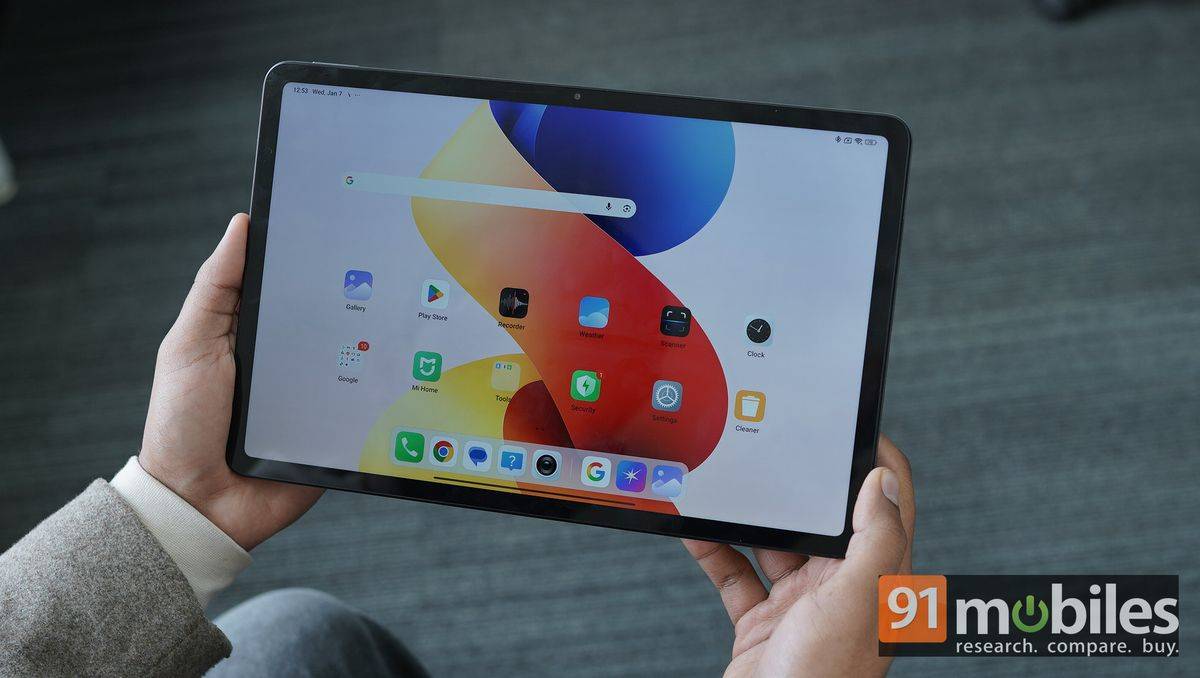
Similarly, the Redmi Pad 2 Pro 5G cameras remain unchanged. The tablet features an 8MP front-facing and rear-facing cameras. It will be interesting to see whether the new software’s processing capabilities improve the camera quality, which remained average at best on the Redmi Pad Pro. The tablet runs HyperOS 2 out of the box, Xiaomi’s custom Android skin, promising a smoother experience and a more tightly integrated ecosystem across the brand’s devices.
Moreover, Redmi is clearly positioning the tablet for long-term use, promising five years of major Android updates and seven years of security patches. That level of software support is rare in the mid-range segment and should keep the Pad 2 Pro feeling current well into 2033.

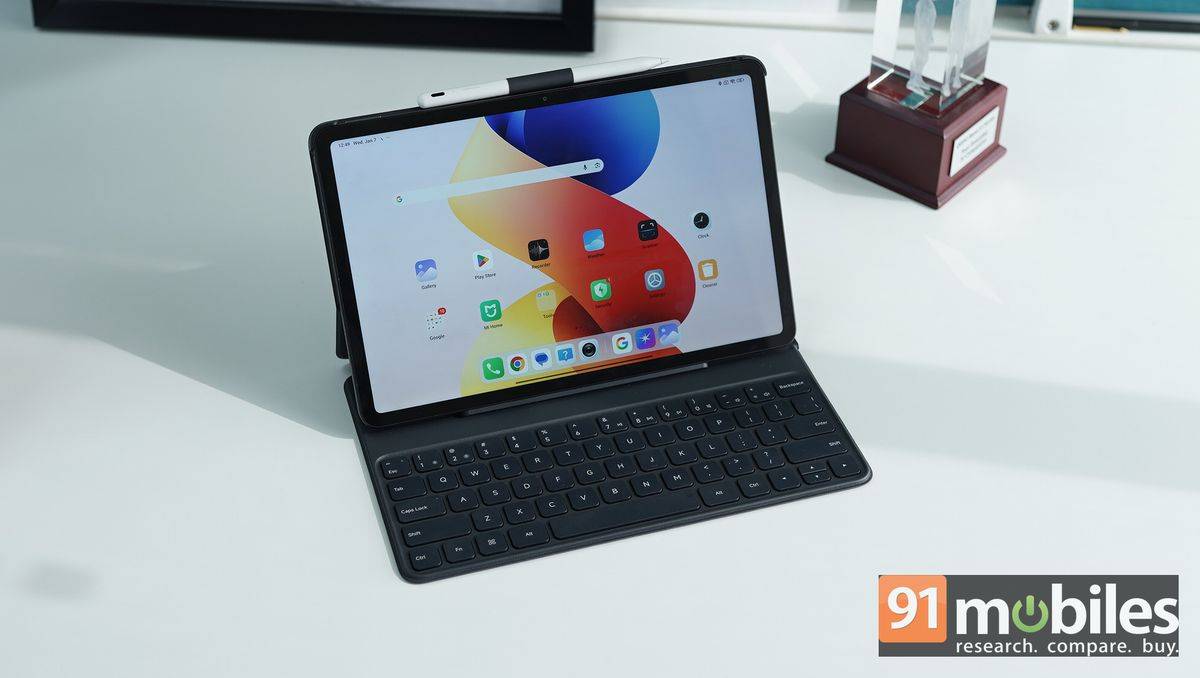
Moving on, the Redmi Pad 2 Pro 5G features a quad-speaker setup with Dolby Atmos support, along with compatibility for a keyboard and the Redmi Smart Pen, both sold separately at Rs 3,499 each. I’ll be using the tablet with these accessories to see whether they’re worth the extra cost and, if so, who they’re best suited for in the standalone Redmi Pad 2 Pro review. So, keep watching the space.
Until then, the Redmi Pad 2 Pro 5G stands as a tablet focused on refining the overall experience through incremental upgrades, rather than attempting to reinvent the wheel with sweeping structural changes. The Pad 2 Pro 5G might just be a solid upgrade for students, creators, and entertainment lovers looking for a budget tablet. It also undercuts the OnePlus Pad Go 2 (review) on price, and I will have more to share in my full review about which tablet is better suited to which buyer.