After a gap of nearly two years, Xiaomi has returned with the second generation of its Redmi Pad Pro lineup. Starting at Rs 24,999, the new Redmi Pad 2 Pro 5G skips flashy headline upgrades and instead focuses on meaningful refinements, most notably a new chipset, a larger battery, improved touch responsiveness, and several thoughtful quality-of-life tweaks. I’ve been using the Redmi Pad 2 Pro 5G for a little over two weeks, and its smooth everyday performance, coupled with how seamlessly it works with accessories like the Redmi Smart Pen and keyboard (both sold separately), has genuinely impressed me. That said, a few areas still hold it back from delivering a more well-rounded, premium experience.
Read this Redmi Pad 2 Pro 5 G review as I tell you what works and what doesn’t for the tablet.
Table of Contents
A clean, modern design
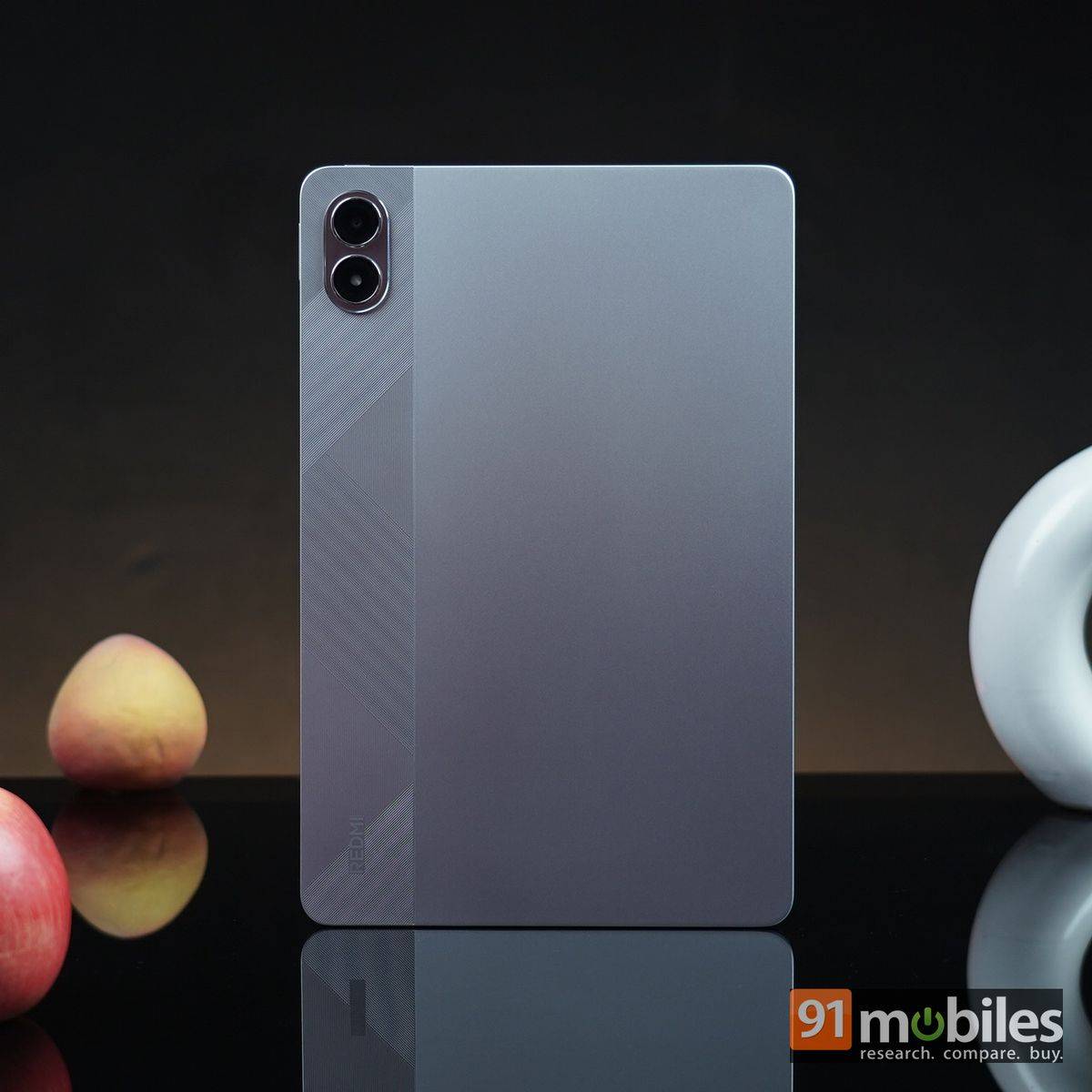
As noted in my Redmi Pad 2 Pro 5 G first impressions, Xiaomi has made only subtle design tweaks. The most noticeable change is the new pill-shaped camera module, replacing the individual camera rings. The rear panel now features a textured accent strip around the camera area, adding a bit of visual interest, while the rest of the surface retains a smooth, matte finish that resists fingerprints and smudges. Together, these elements create a tasteful two-tone look that’s easy to appreciate.
We received the Graphite Grey colour variant for review, and it feels like the most practical choice if you plan to pair the tablet with the official keyboard and case accessories, as they blend seamlessly with the overall tone. If you’d prefer something that stands out a little more on its own, the Quick Silver option is worth a look.
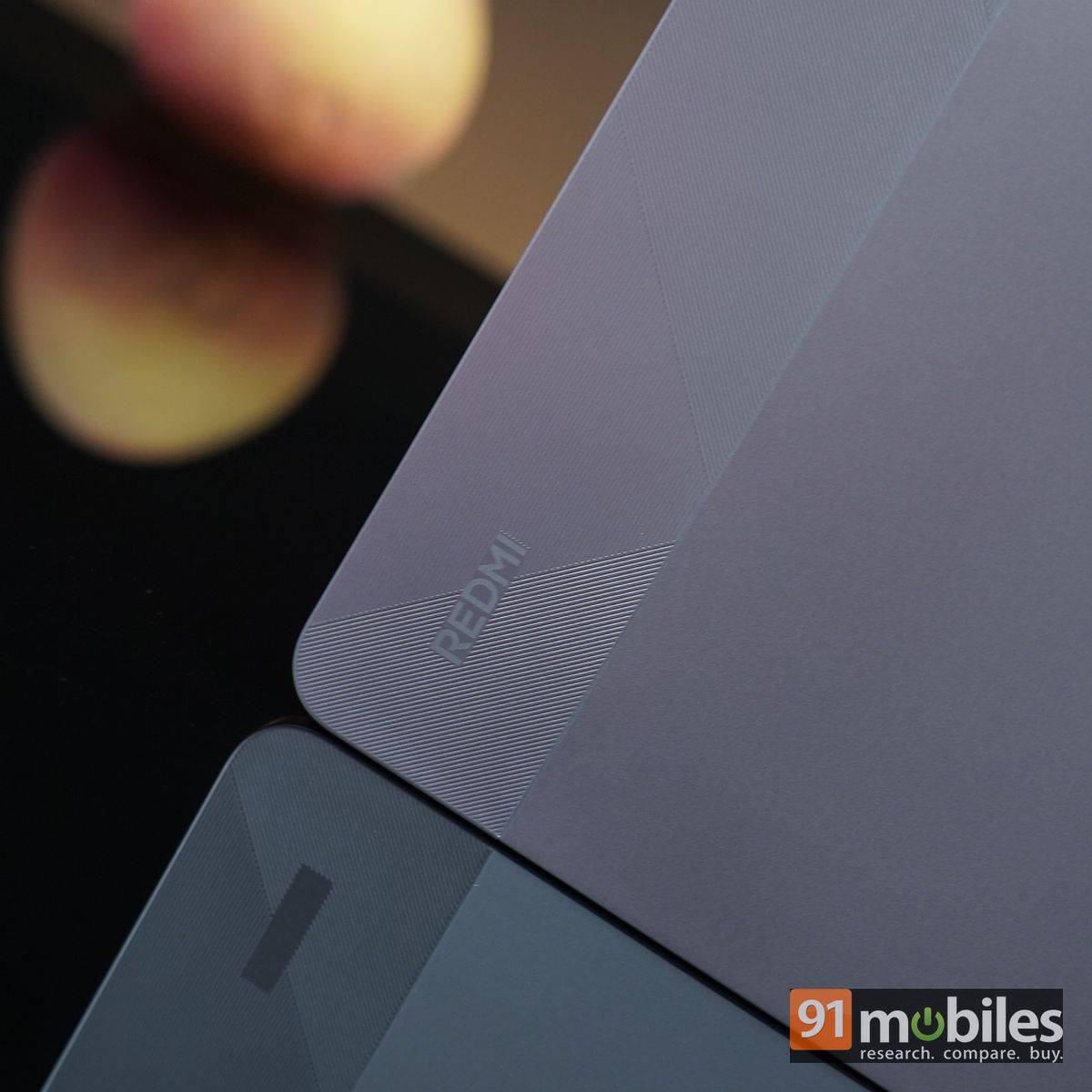
The Pad 2 Pro 5G features clean, flat edges and measures just 7.5mm thick, making it easy to carry around even when attached to the keyboard case. At 610g, it is slightly on the heavier side, but the weight is well distributed, ensuring comfortable use in both portrait and landscape orientations.
As for durability, the Redmi Pad 2 Pro 5G carries an IP53 rating. This offers basic protection against dust and light splashes, but it isn’t designed to handle sustained exposure to water. As such, it’s best to be cautious around pools, heavy rain, or any situation where the tablet could come into direct contact with water.
Accessories enhancing the tablet experience
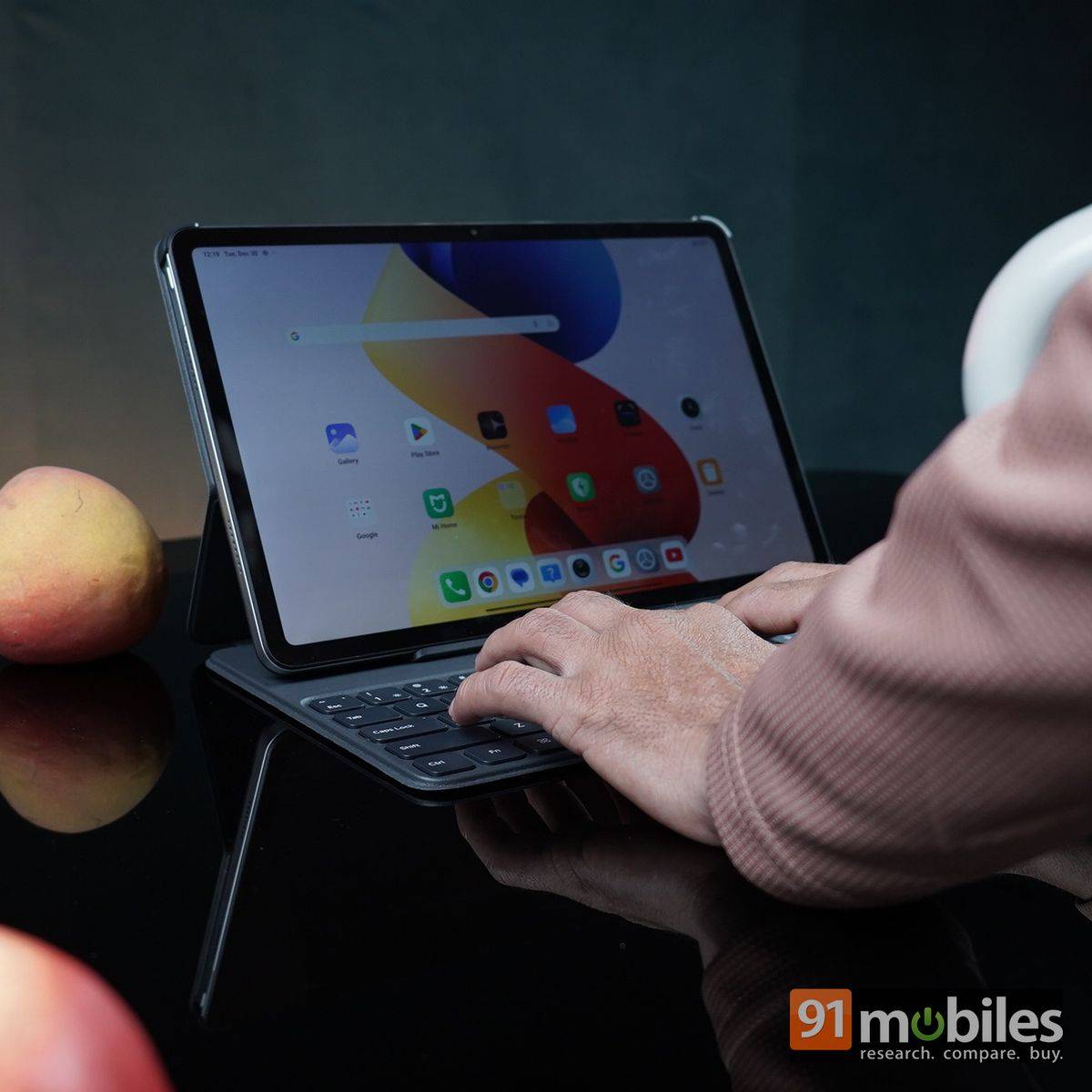
The Redmi Pad 2 Pro Keyboard and Redmi Smart Pen both connect to the tablet over Bluetooth. However, Xiaomi has skipped POGO pins and magnetic charging, meaning neither accessory can draw power directly from the tablet. Instead, both rely on their own USB Type-C ports and need to be charged separately. While this isn’t a deal-breaker, it does add a bit of friction to daily use. That’s my only major qualm.
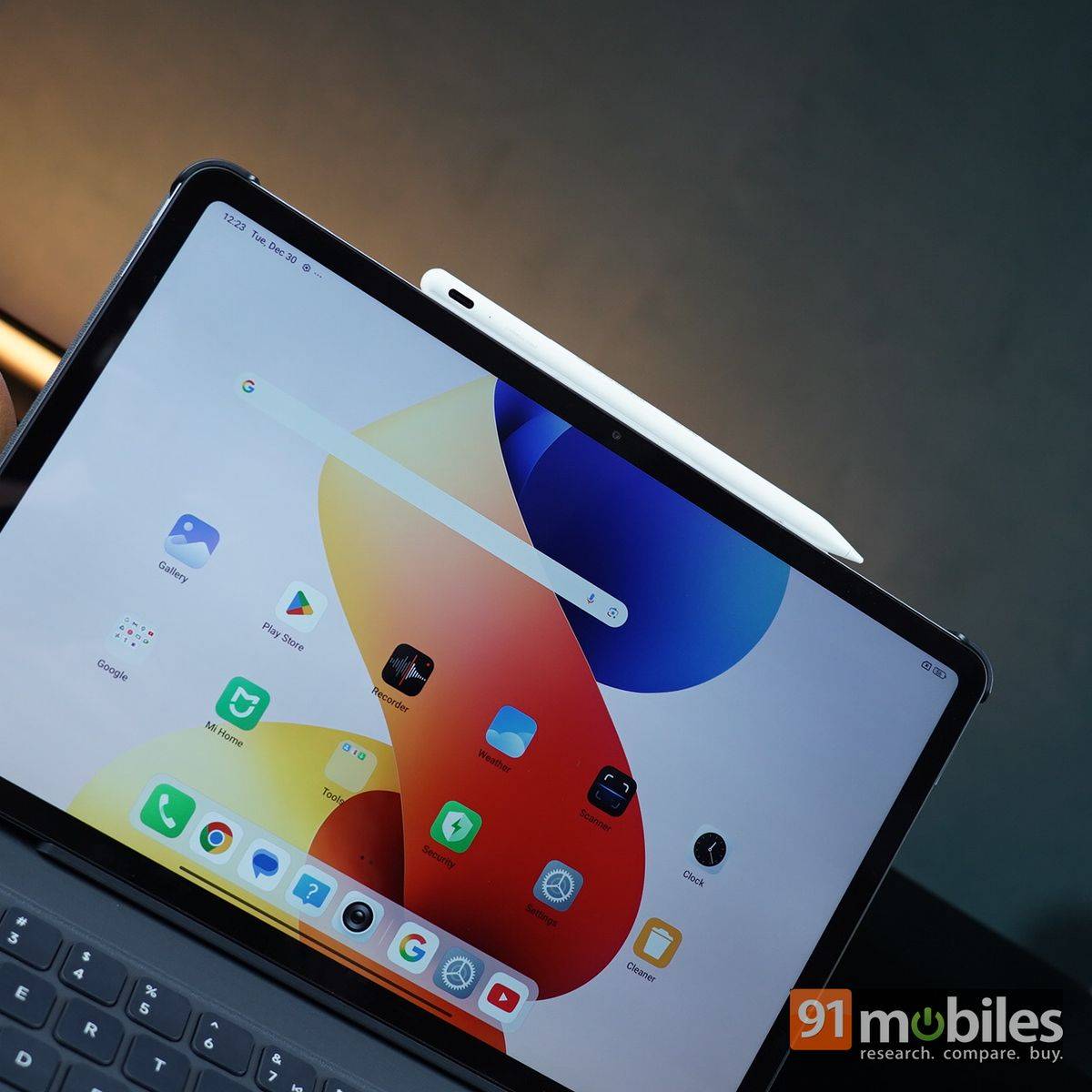
Both accessories work seamlessly and offer impressive standby endurance. In my use, I could comfortably go an entire week without charging them, even after putting in a couple of hours of daily usage. The Redmi Pad 2 Pro 5G Keyboard also doubles as a smart case, automatically turning the display off when closed. Strong built-in magnets keep the tablet firmly in place, allowing it to sit like a compact laptop when opened. While the screen angle isn’t adjustable, the overall experience still feels closer to using a tablet than a traditional laptop setup.
It still has a long way to go before it can actually replace laptops. For starters, the keyboard lacks stability, making it less ideal for typing in a non-table setup. Moreover, a touchscreen still can’t compensate for the trackpad and typing experience feels less satisfying, probably due to the plasticky keys, which lack the tactility and feedback you’d expect for longer writing sessions.
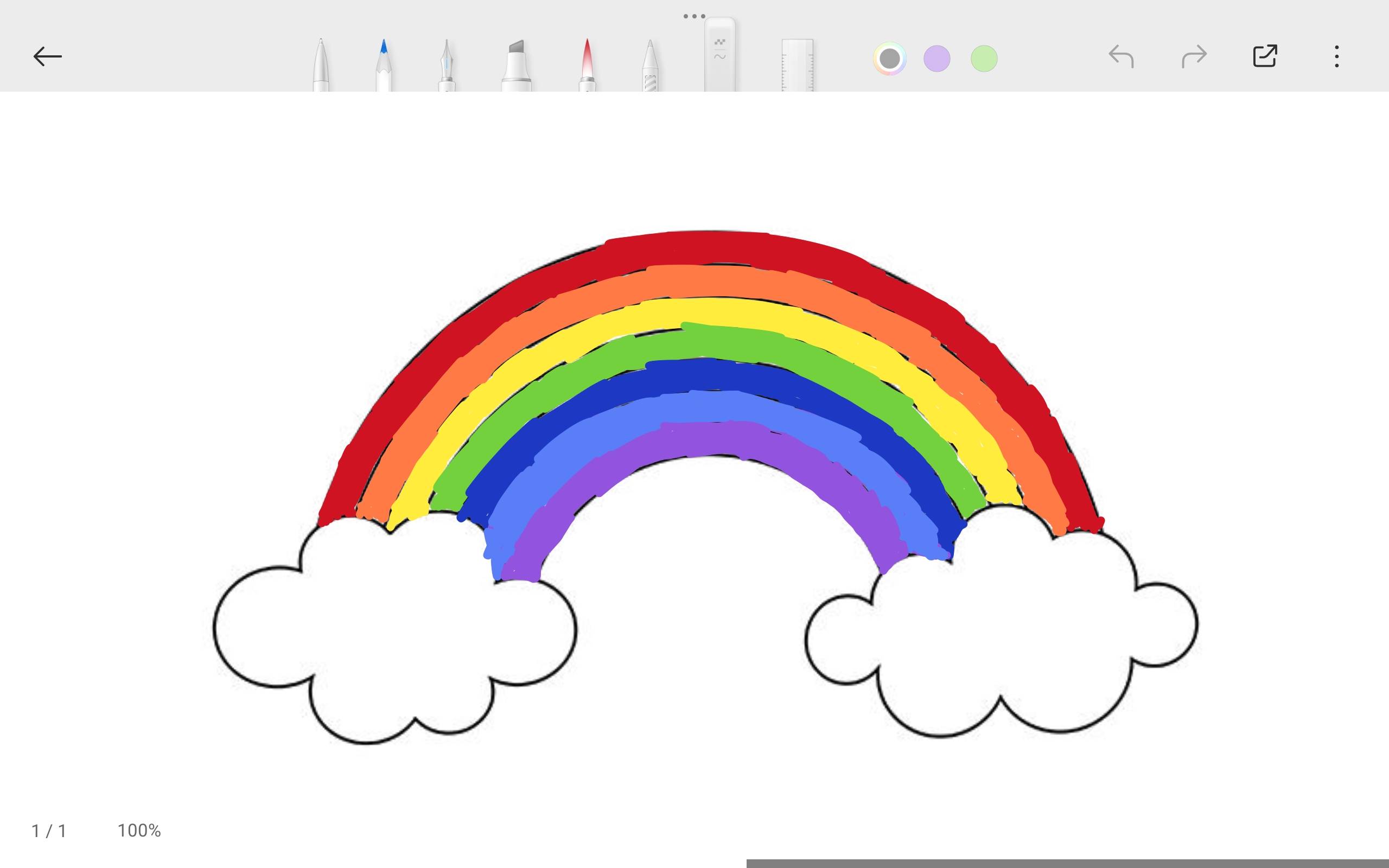
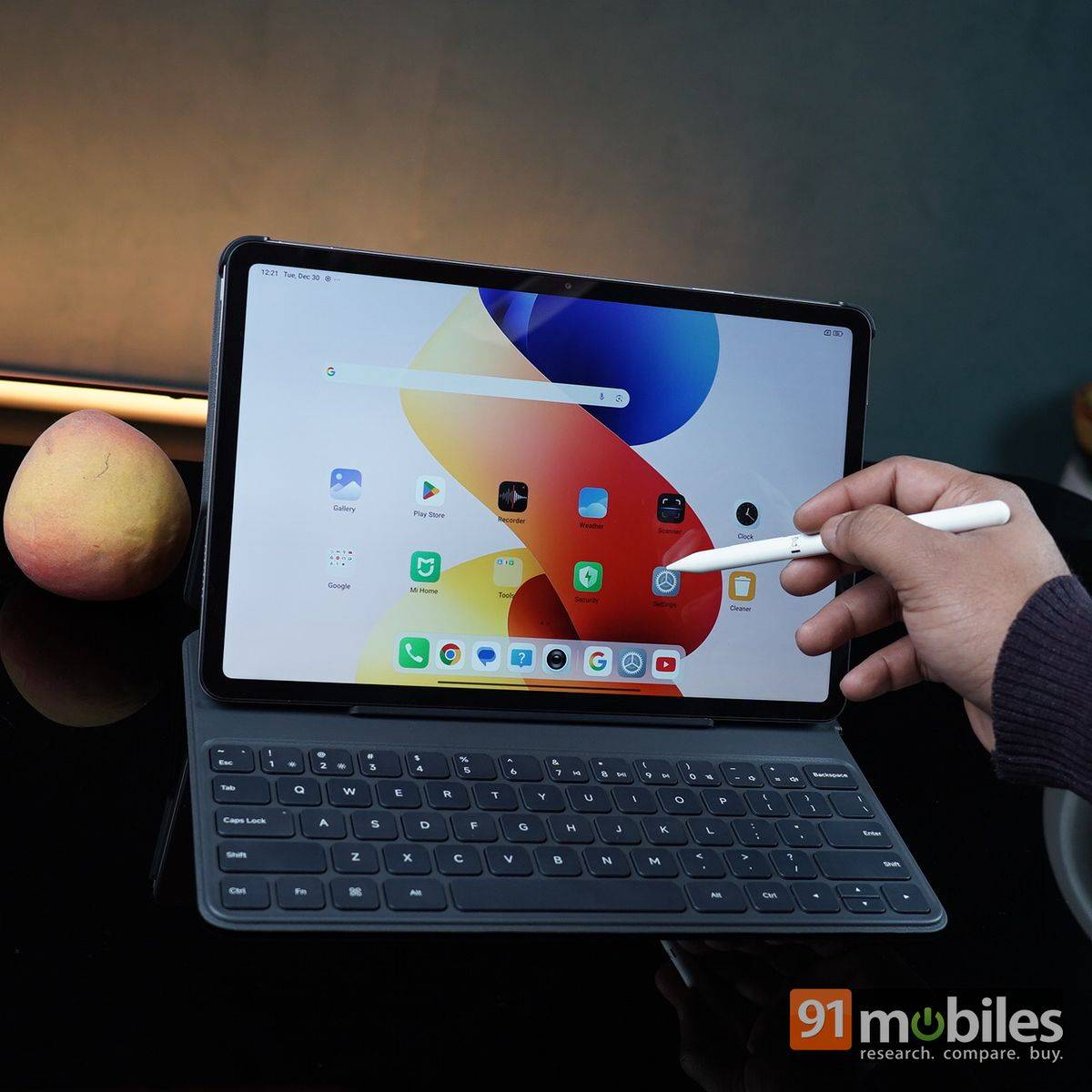
I had a similar experience with the Redmi Smart Pen. There was no noticeable lag while writing on the screen, and the tablet picked up my handwriting accurately. However, I did have to adjust my grip slightly, holding the pen higher than usual to avoid accidental palm or pinky touches and pressing those built-in shortcut buttons, which are used for actions like taking screenshots or switching pen colours and styles.
While there is a learning curve, artists will find the Redmi Smart Pen a useful accessory for the tablet.
A good display with minor compromises
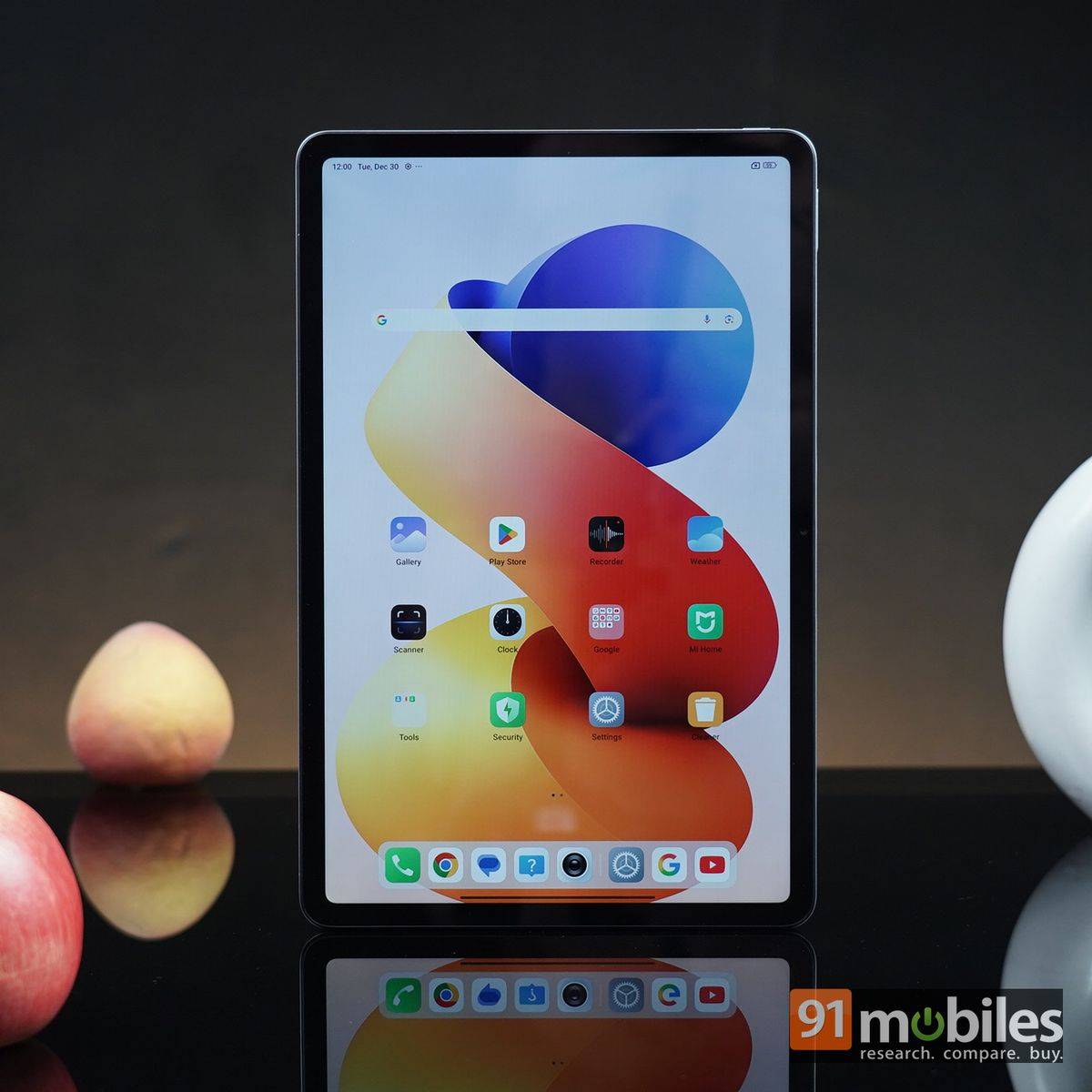
The Redmi Pad 2 Pro 5G features a 12.1-inch 2.5K (2,560 × 1,600) IPS LCD display with a 120Hz refresh rate, up to 600 nits of peak brightness, Dolby Vision support, and 10-bit colour. However, Xiaomi has dialled things back slightly this year, dropping from a 12-bit panel on its predecessor and skipping HDR10 support altogether. This puts it at a disadvantage against its closest rival, the OnePlus Pad Go 2 (review), which offers HDR10 support alongside a sharper 3K resolution, making it the better choice from a viewing perspective.
However, in my everyday use, I didn’t find the panel any less valuable, at least indoors. The display is surrounded by evenly spaced bezels, yet it offers sufficient real estate for split-screen, floating videos, and watching videos all at once. Colour reproduction is pleasing, and the level of sharpness ensures that text and images remain crisp without visible pixelation.
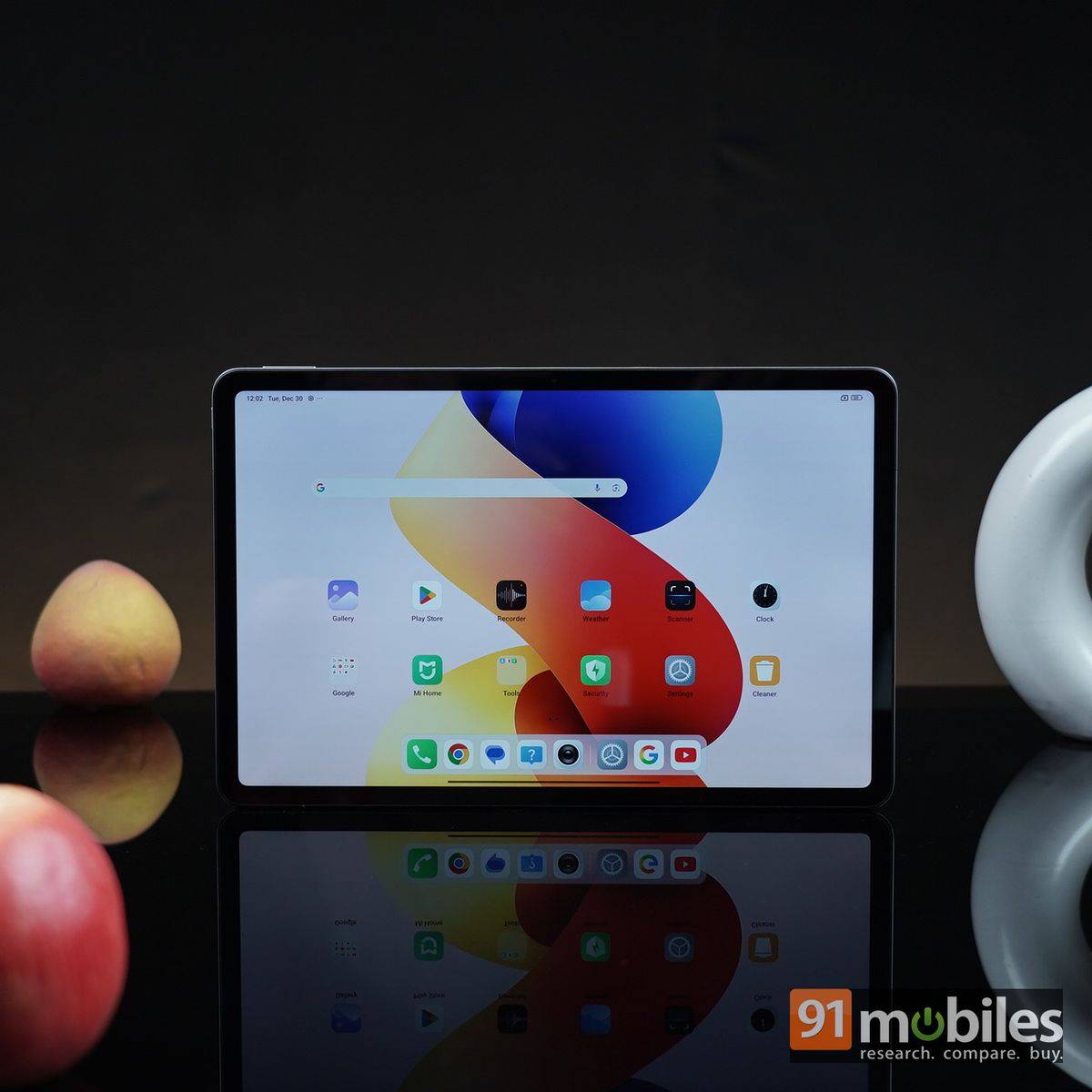
While it doesn’t match the contrast or depth of an OLED panel, the display handles highlights and shadow detail well enough to keep movies and games looking engaging in both bright and darker scenes. Since the panel lacks HDR10 support, one cannot play HDR videos from Netflix and other streaming platforms.
Moving on, users can customise the display colours in the settings app and even adjust the refresh rate. The Redmi Pad 2 Pro’s refresh rate can be capped to 60Hz, 90Hz, and 120Hz or set to auto. To get the maximum battery efficiency while ensuring smooth animation, I kept the refresh rate to auto, which remained consistently around 120Hz across UI, but dropped to 60Hz for most system apps.
Reliable performance for work and play
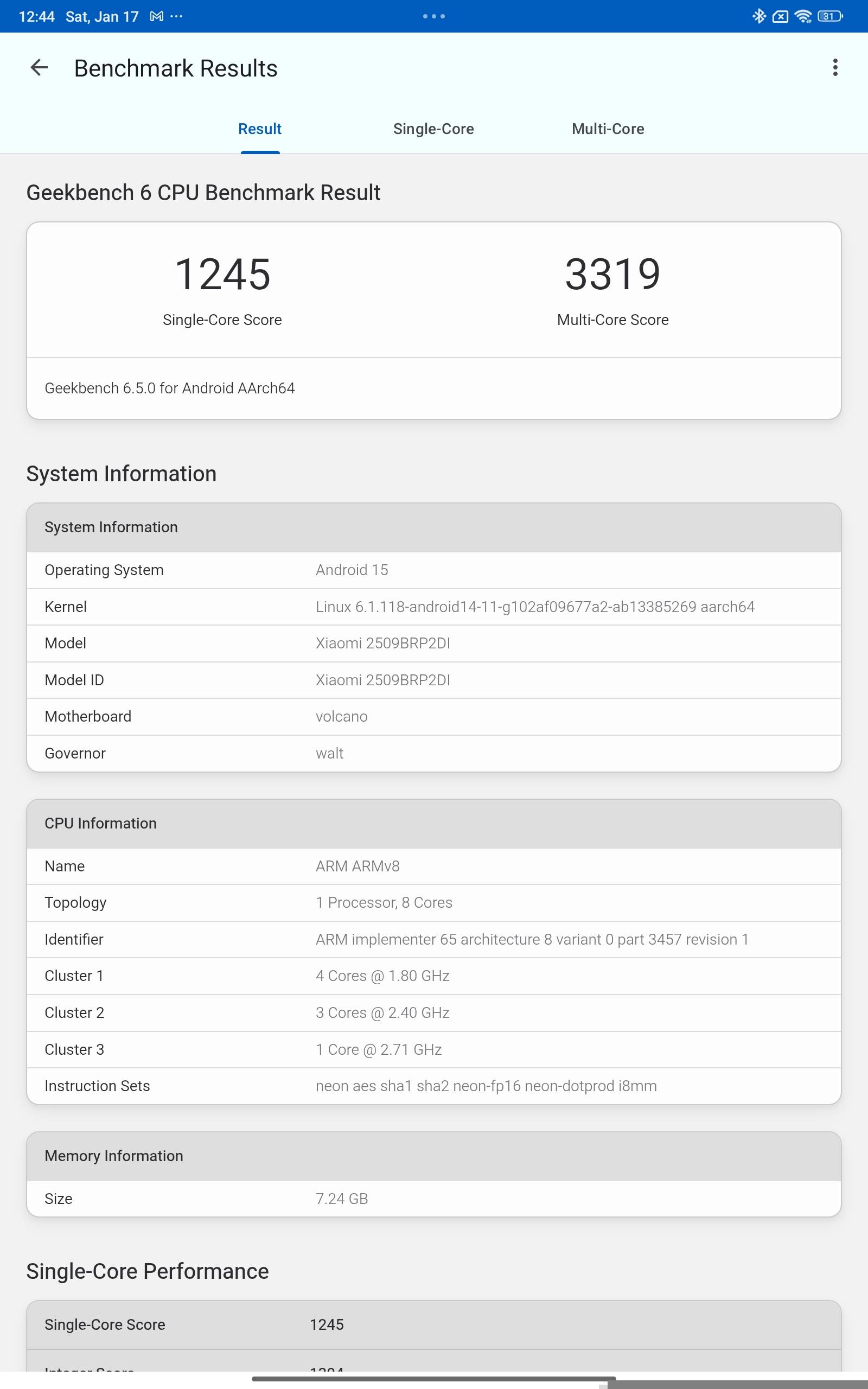
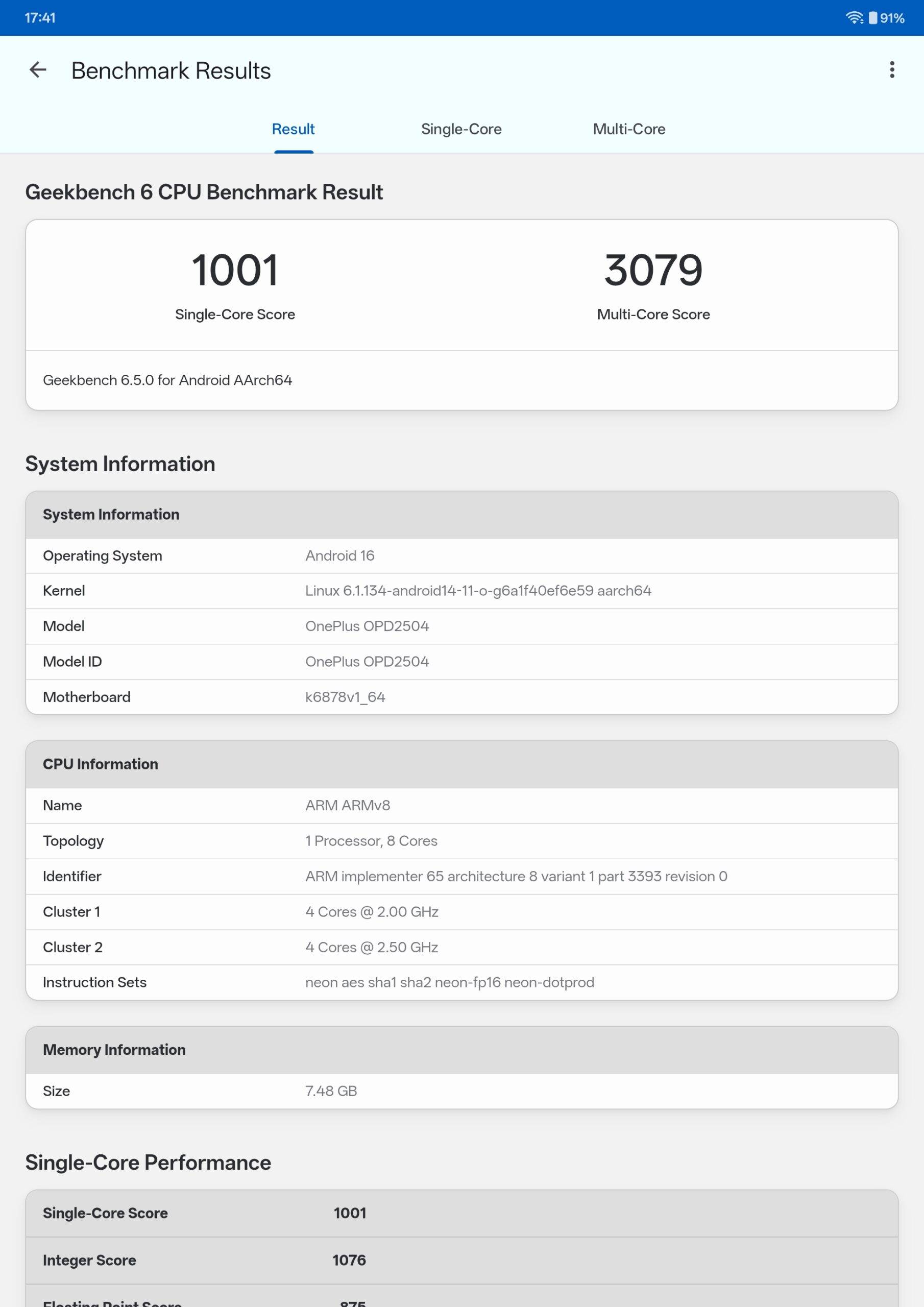
At the core of the Redmi Pad 2 Pro lies Qualcomm’s mid-range Snapdragon 7s Gen 4 SoC, paired with 8GB LPDDR4x RAM and up to 256GB standard UFS 2.2 storage. The SoC is a watered-down version of the Snapdragon 7 Gen 4, which recently debuted on sub-Rs 40k and Rs 50k smartphones, but a notch above its predecessor – the 7 Gen 3 chipset. While we couldn’t get AnTuTu running on the tablet, its Geekbench scores remain higher than those of the OnePlus Pad 2 Pro, which rocks MediaTek Dimensity 7300 Ultra SoC under the hood.
In day-to-day use, the tablet handled everything I threw at it with ease. Even while multitasking with several apps running in the background, it remained smooth and responsive, with no noticeable stutters, app crashes, or lag. The 71 percent performance score on the Burnout CPU throttle test is a testimony that the tablet will not throttle significantly under extreme usage.
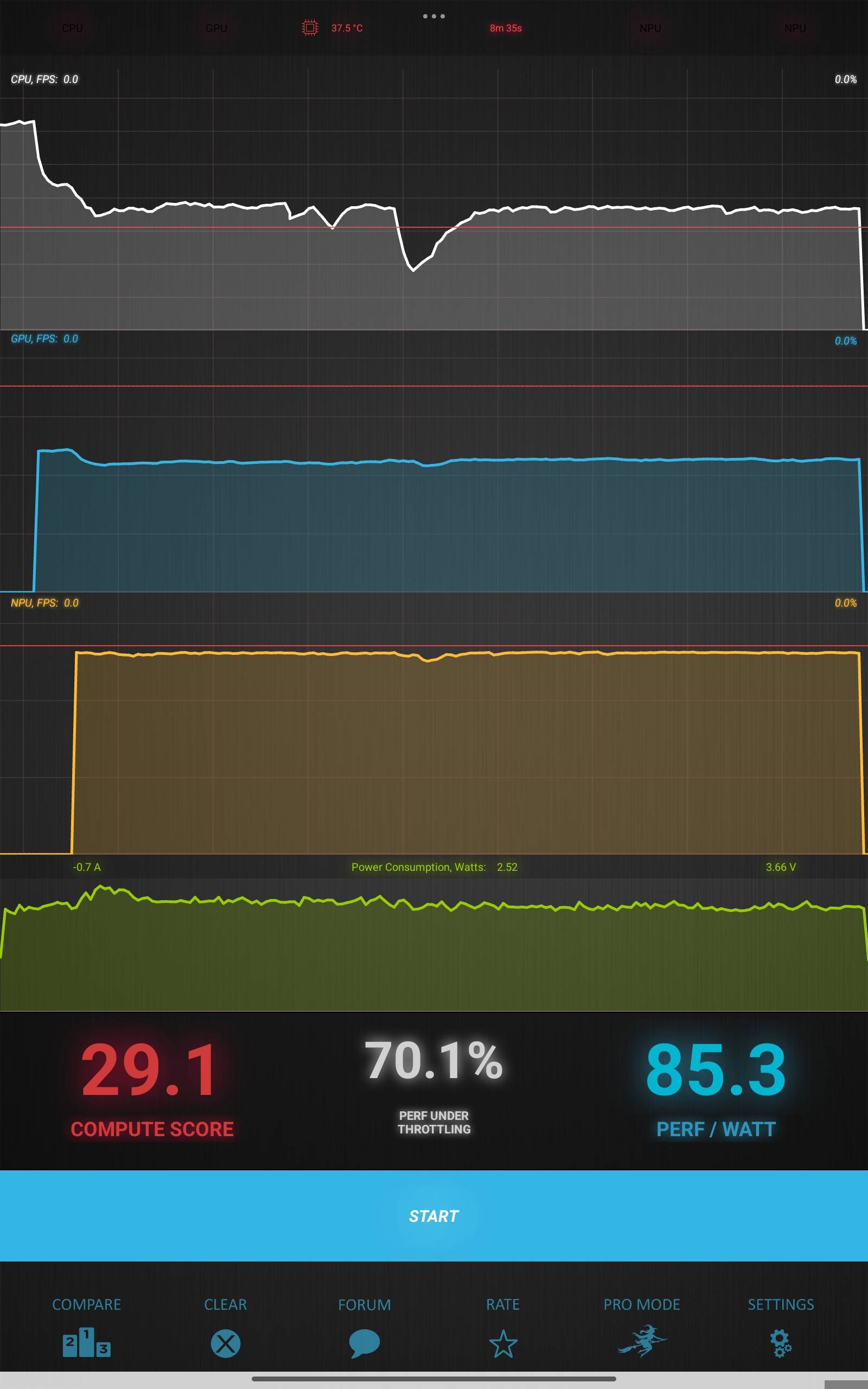
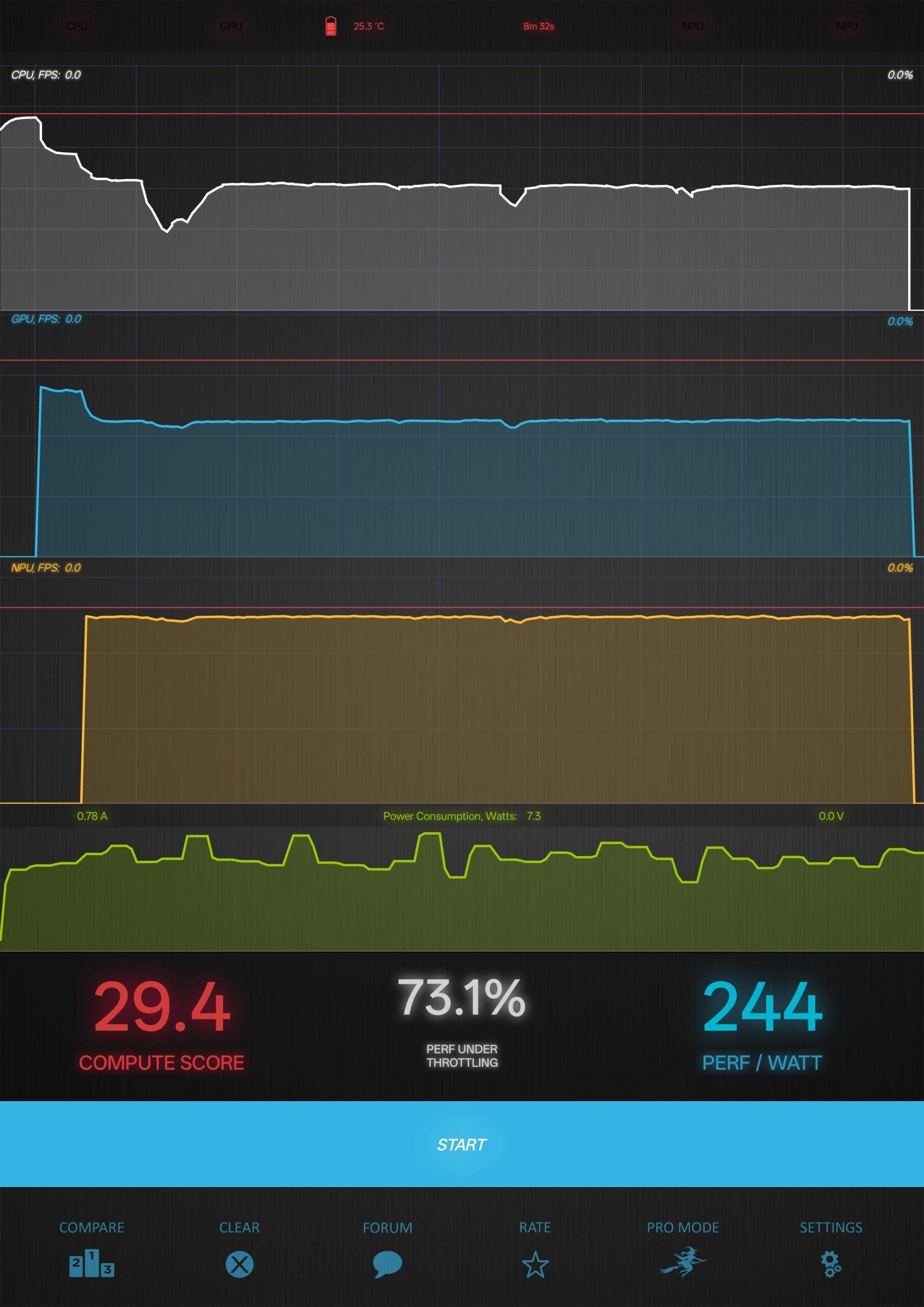
We also put the tablet through its paces with popular titles like BGMI and COD: Mobile, and it handled both comfortably at moderate graphics and frame-rate settings. The Pad 2 Pro 5G maintained stable performance with good thermal management, resulting in a smooth and enjoyable gaming experience. Irrespective of that, it is not a device you can game for hours. Despite its immersive display, you will feel tired due to the Redmi Pad 2 Pro form factor, which is true with any other tablet.
Battery that goes a distance
The Redmi Pad 2 Pro 5G packs a sizeable 12,000mAh battery and supports 33W fast charging. Xiaomi includes the charger in the box, though topping the tablet up from empty to 100 percent still takes a little over a couple of hours, which feels on the slower side given the battery’s size. A faster charging solution would have been welcome. That said, Redmi has done a commendable job with optimisation, ensuring you’re not constantly reaching for the charger during everyday use.
After a full charge, the Redmi Pad 2 Pro 5G comfortably lasts more than a day. In my usage, I consistently saw around 14–15 hours of screen-on time, which is in line with expectations for a battery of this size. My use primarily involved video streaming, web browsing, office work, and reading a few e-books. While it doesn’t match the eye comfort of a dedicated Kindle, the tablet is perfectly usable for casual reading sessions, especially with eye protection mode enabled.
That’s a decent backup even for a heavy user, with multitasking, video calling, and some gaming involved. During our gaming tests, playing BGMI and COD: Mobile for 30 minutes each, the tablet consumed an average of 7 percent battery. This is on par with the OnePlus Pad Go 2, which packs a relatively modest 10,050mAh battery and takes marginally longer to charge with the same solution.
Software is a mixed bag, but long-term support helps
Software-wise, the Redmi Pad 2 Pro 5G boots HyperOS 2, which is layered on top of Android 15, out of the box. Things have definitely improved from the last time I experienced Xiaomi’s custom Android skin on a tablet. At the core, things remain the same, with identical app icons, setup, seamless connectivity across Xiaomi devices, and more. However, the animations look much cleaner than ever before. Other nice features include switching to desktop mode for apps such as Chrome automatically in horizontal orientation and a smartphone-like experience in vertical orientation.
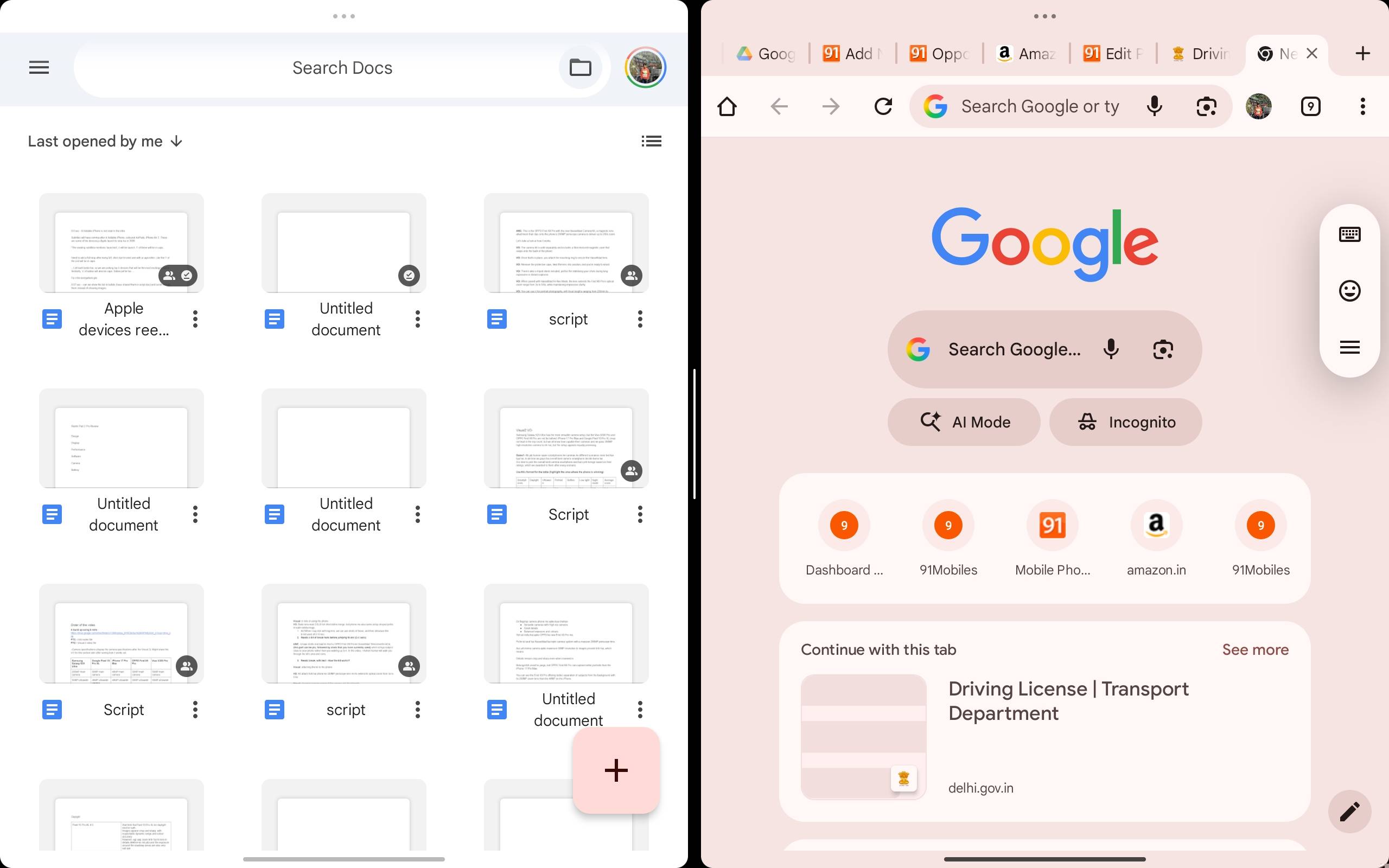
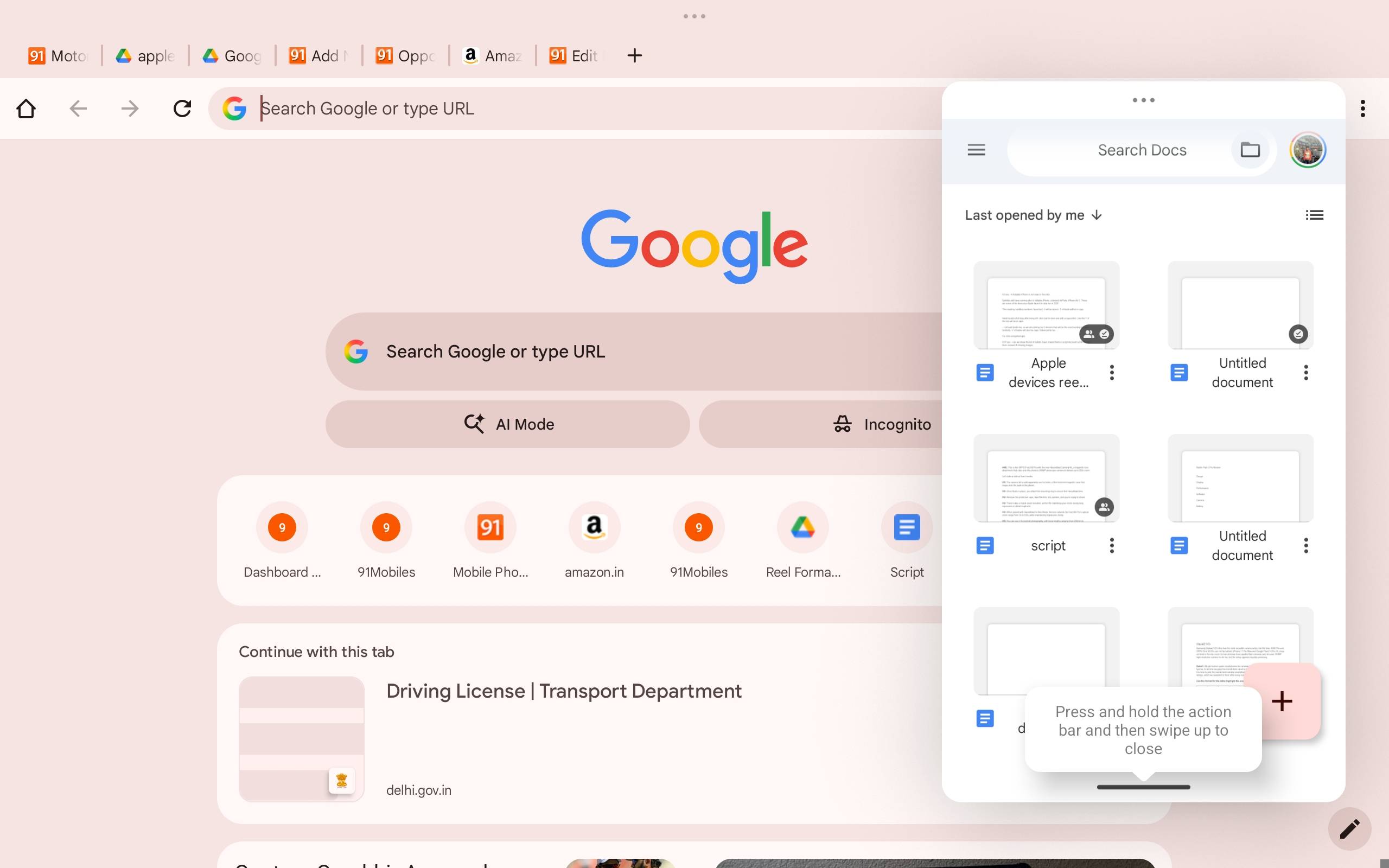
For multitasking, the tablet offers several options, including split-screen and floating windows. While this brings the experience closer to that of a laptop, there are still moments where its tablet-first nature shows through. Several apps remain poorly optimised for the large display, particularly in landscape mode. This includes popular news apps such as The Indian Express, which fail to make full use of available screen real estate.
Apart from that, using WordPress in a web browser remained choppy, often forcing me to switch back to my laptop to draft stories comfortably. Also, multitasking with the keyboard accessory wasn’t as convenient as doing it on a laptop. The absence of a trackpad meant I constantly had to reach up and tap the screen to activate text fields when working in split-screen mode. Unlike a trackpad, which sits naturally next to the keyboard, this workflow felt unintuitive and quickly became cumbersome during longer writing sessions.
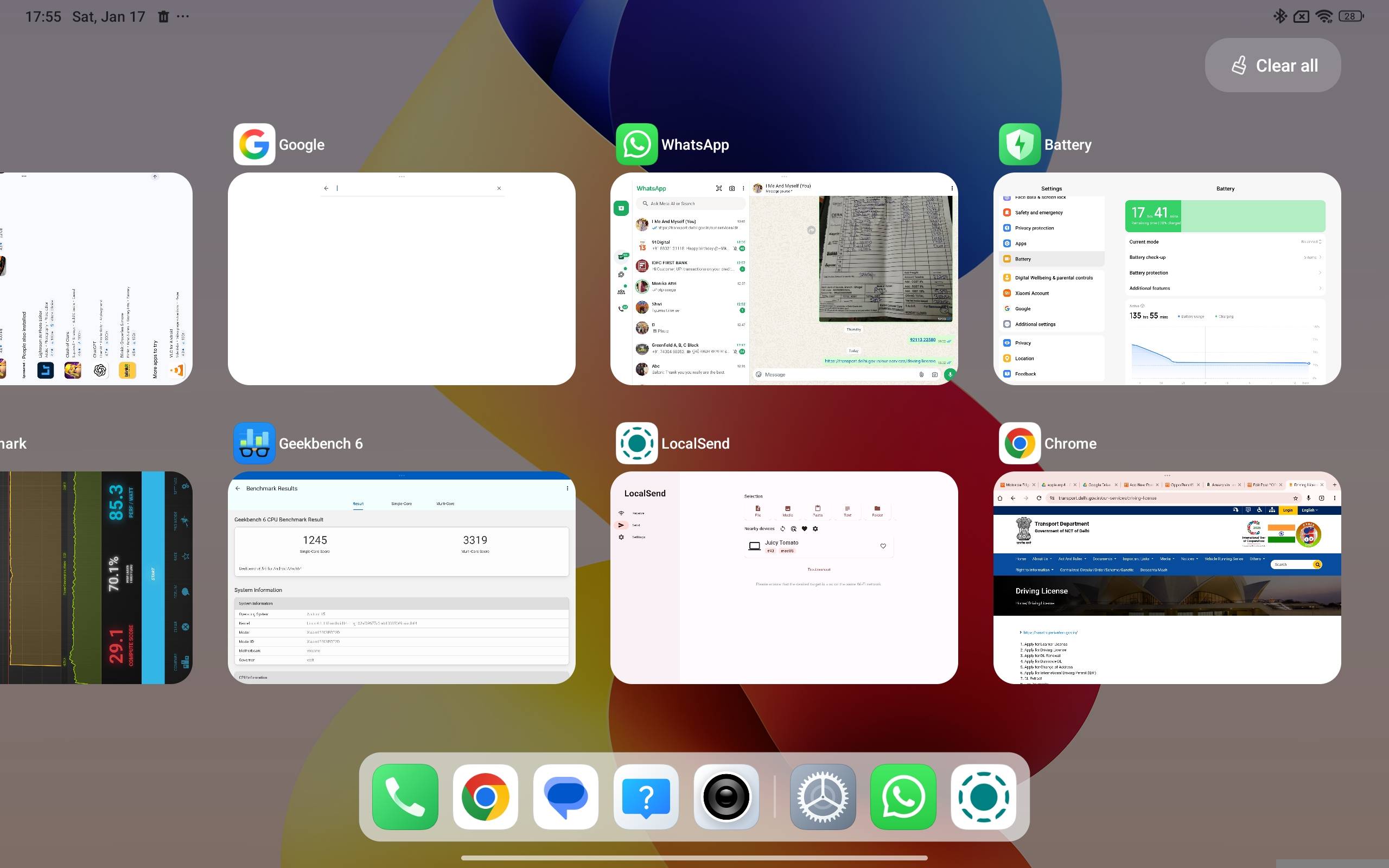
Hopefully, these issues, along with a peculiar bug I encountered that prevented me from dismissing the on-screen keyboard as I typed on the accessory, will be fixed in one of the many future software updates. Xiaomi has promised five major OS upgrades and six years of security updates for the Redmi Pad 2 Pro, which is segment-leading. OnePlus Pad 2 Go also promises a similar update.
The Redmi Pad 2 Pro doesn’t feature an array of AI tools, but it does include a few photo editing tools, as well as Google’s AI assistant Gemini and Circle to Search.
Practical ports, room-filling sound, workable cameras
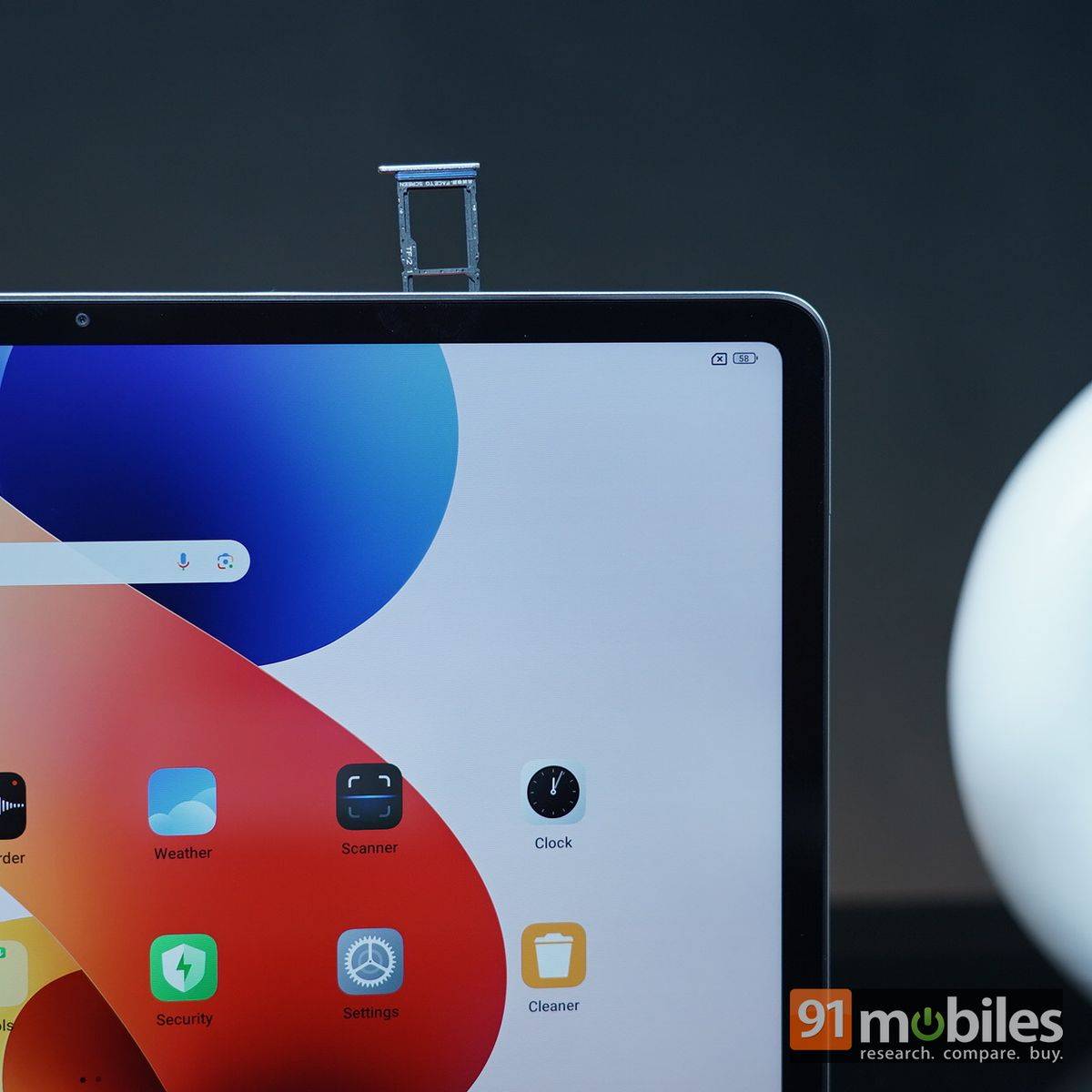
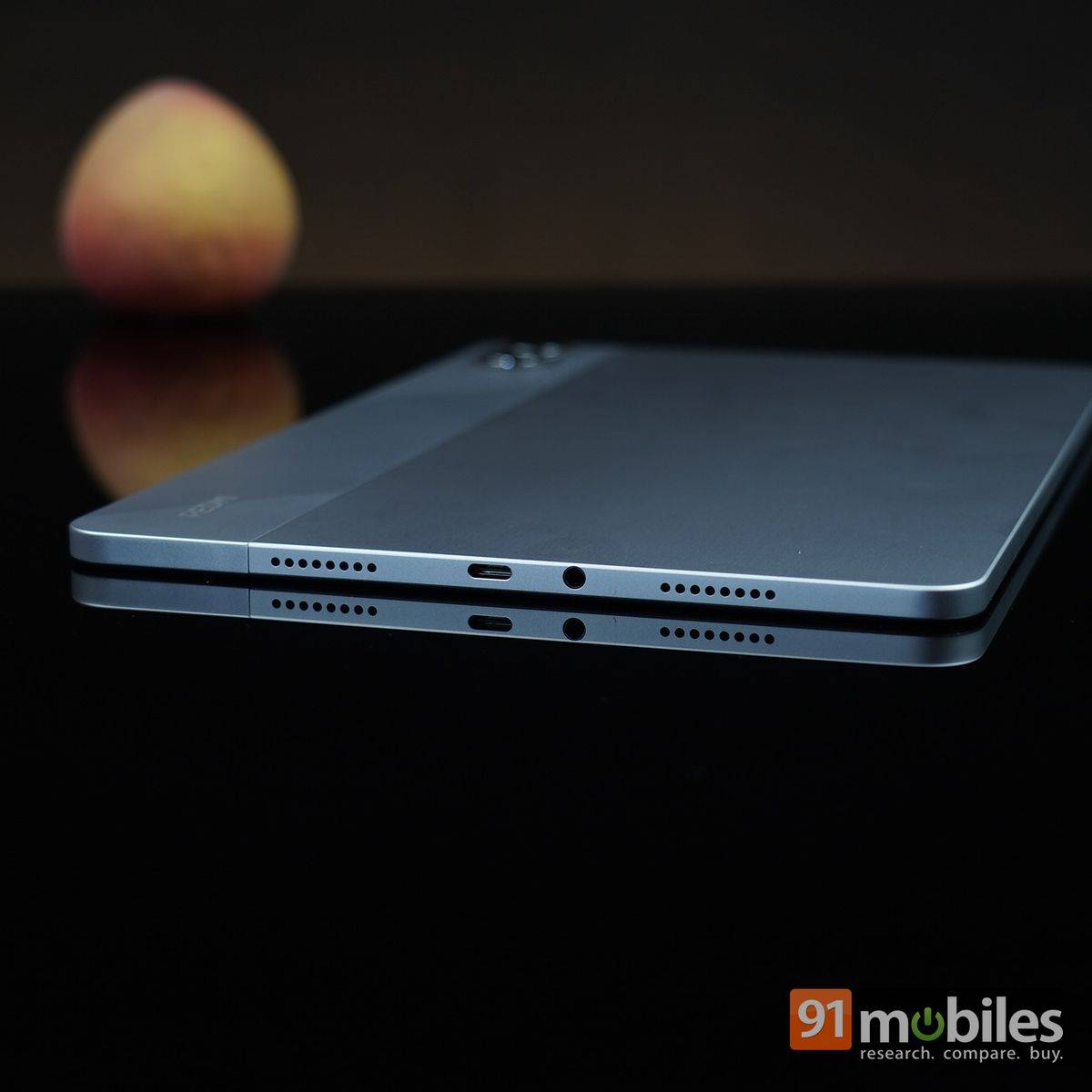
Talking about its I/O, the Redmi Pad 2 Pro 5G features a USB Type-C port and a 3.5mm headphone jack on the bottom edge. The right spine has a SIM-ejector tray, which has a dedicated slot for a microSD card. With full 5G support across network providers, the tablet delivers fast mobile data speeds and, more importantly, doesn’t have to rely solely on Wi-Fi to stay connected on the go.
The top and bottom edges both feature a couple of speaker grills for a stereo experience. The speakers come with Dolby Atmos support and do a tremendous job of offering crisp audio with good separation of instruments at even high 80 percent volume levels. The tablet can go up to a 300 percent volume level with a boost mode to fill in more audio, but this comes at the expense of clarity.
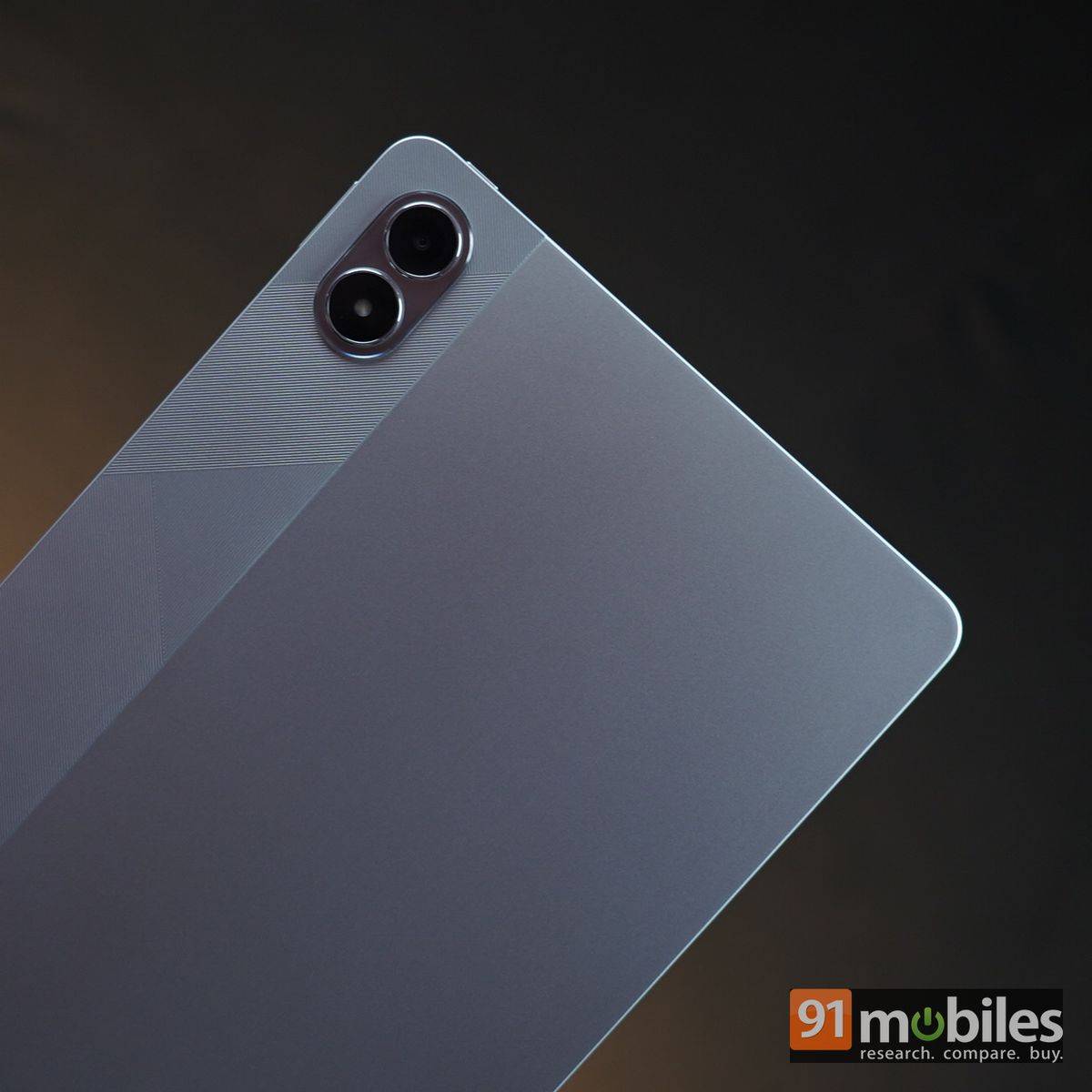
Moving on to the cameras, the Redmi Pad 2 Pro 5G packs an 8MP sensor at the back and an identical camera on the front for selfies and video calling. The resolution should tell you these are basic cameras that can come in handy for scanning docs or video calls, but nothing more. If you’re looking for a more aesthetic shot with good exposure and dynamic range, then the Pad 2 Pro 5G may disappoint you.
Verdict
The Redmi Pad 2 Pro is not here to replace your laptop; even with all the accessories, it’s not quite there yet. Instead, it works best as a capable secondary device: a portable big-screen companion that’s always ready to get things done. Whether it’s media consumption, casual work, note-taking, online classes, light gaming, or simply taking advantage of long-term software support, the Pad 2 Pro fits comfortably into everyday use.
The tablet feels dependable, smooth, and genuinely pleasant at that. This could be attributed to its Snapdragon 7s Gen 4 SoC, which delivers consistent performance. Moreover, the battery life is excellent, the speakers are among the best in the segment, and the tablet works surprisingly well with Xiaomi’s own accessories. While the display may lack HDR10 support, it is quite sharp and fluid.
However, the moment you expand the scope beyond tablets, you will notice that software optimisation for large screens remains hit-or-miss, and some productivity workflows still feel clunky compared to a proper laptop.
If these aspects don’t bother you, the tablet remains a good choice to consider in its segment. The Redmi Pad 2 Pro 5G is priced at Rs 27,999 for the 128GB storage and Rs 29,999 for the 256GB storage variant. There is also a Wi-Fi-only model with a slightly understated design, available in both storage configurations, priced from Rs 24,999. The tablet managed to undercut the OnePlus Pad 2 Go by Rs 2,000.
The Redmi Pad 2 Pro Keyboard and Redmi Smart Pen are priced separately at Rs 3,499 each. If you don’t want a keyboard and instead want a case for the tablet, it will set you back Rs 1,499. Both the standard and keyboard cases have a slot for mounting the Smart Pen.
Editor’s rating: 8.5/10
Pros
- Smooth reliable performance
- Excellent battery life
- Loud, clear speakers with Dolby Atmos
- Seamless accessory integration
Cons
- Charging speed feels slow
- No HDR10 support
- Software optimisation needs improvement