There’s something undeniably exciting about a 75-inch TV. It’s the kind of upgrade that instantly transforms a living room into a mini theatre. The problem is, until recently, going this big meant spending well over a lakh. That’s exactly where the Xiaomi X Pro QLED TV (2026) steps in, swinging aggressively at the value segment with a price that feels almost too good to be true.
At around Rs 70,000, Xiaomi is clearly chasing a very specific goal here. This is not about beating OLEDs or Mini-LED flagships. It’s about making the big screen lifestyle accessible to a lot more people. And after spending time with the TV and going through expert impressions, it becomes clear that Xiaomi knows exactly what compromises to make and where to push harder.
So the real question is simple. Does this TV deliver a genuinely satisfying 75-inch experience, or is it just a spec sheet flex with corners cut in the wrong places?
Table of Contents
Design: Big, Bold, Surprisingly Premium
For a TV in this price range, Xiaomi has done a commendable job with design. The near bezel-less front gives it a modern, clean look, making the display feel even larger than it already is. The metal finish adds a touch of premium appeal, even if the overall build isn’t quite flagship-level.
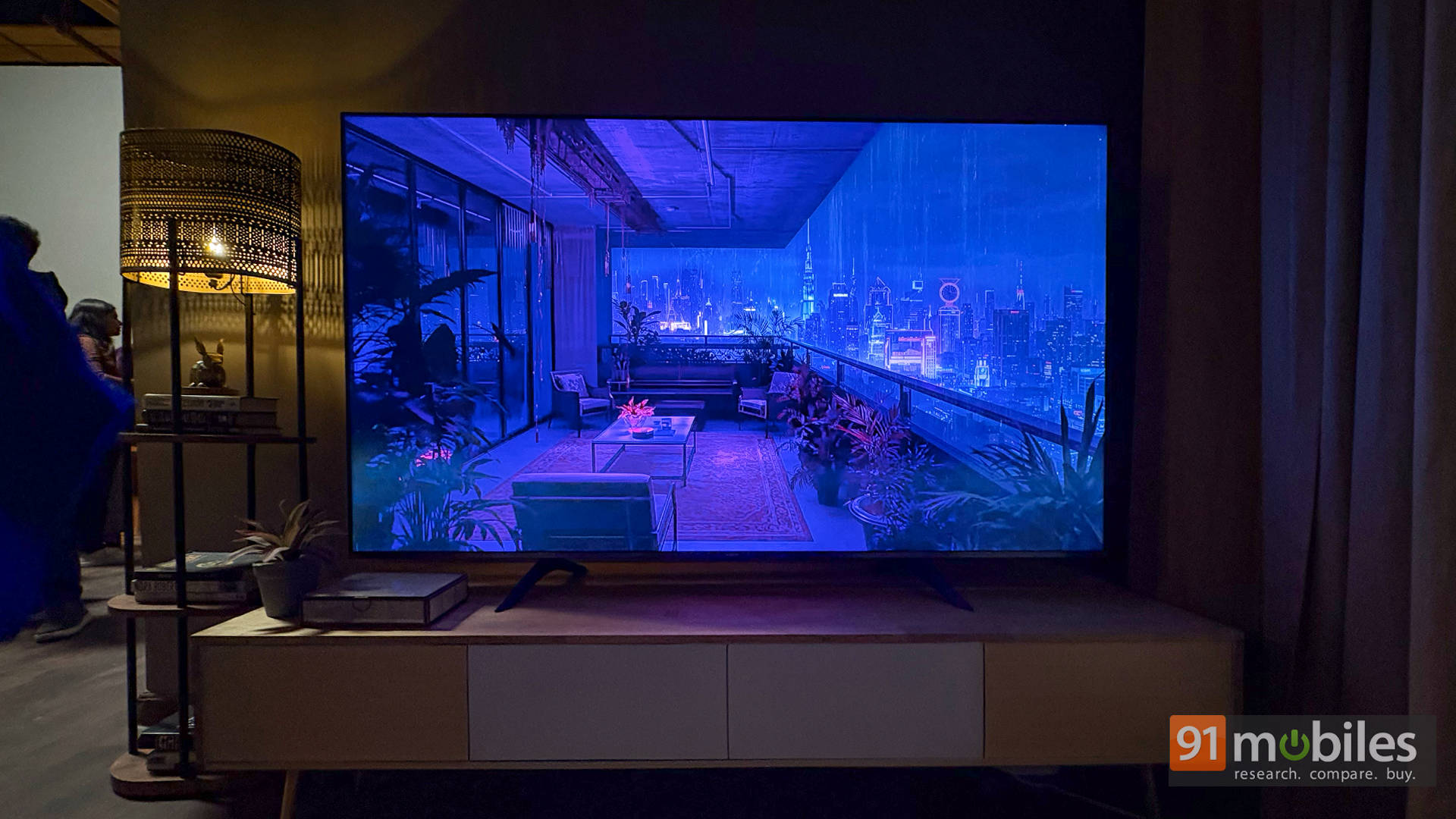
Because of its size, placement becomes important. The stand is wide, so a sturdy and equally wide TV unit is necessary. Alternatively, wall mounting is a better option for most setups, especially to save space and achieve a more cinematic viewing angle.
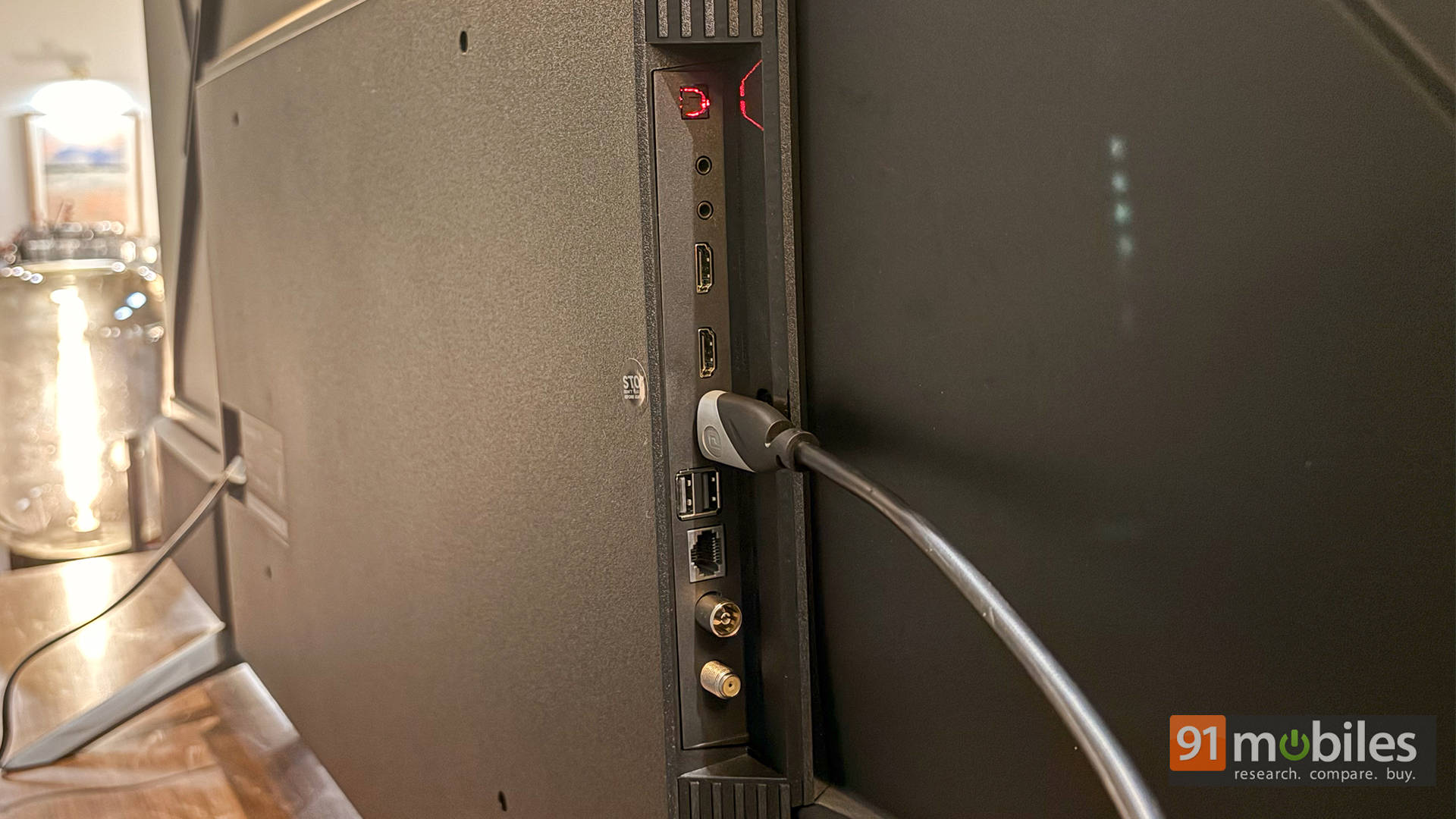
It’s also worth noting that installation should ideally be handled professionally. A 75-inch panel is not something to casually unbox and set up alone. Once in place, though, it becomes the focal point of the room almost instantly.
Display: Big Screen, Bigger Impact?
The first thing that hits is the sheer scale. At 75 inches, this TV dominates the room. Whether it’s a cricket match, a Netflix series, or a YouTube rabbit hole, everything feels more immersive simply because of the size. Xiaomi pairs that with a 4K QLED panel, branded as MagiQLED, which focuses heavily on color vibrancy.
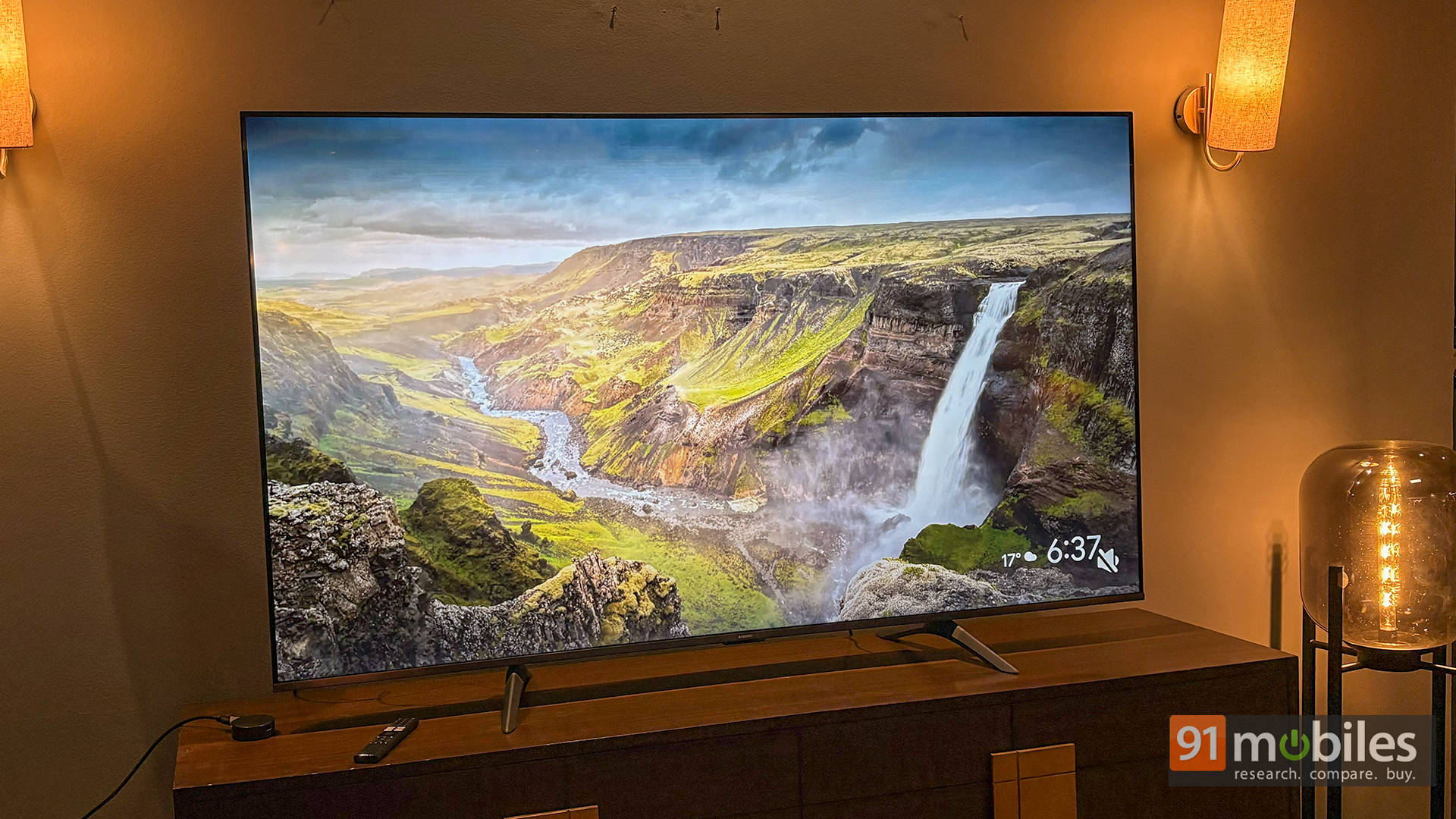
Out of the box, colors are punchy and lively. Reds pop, greens look lush, and HDR content has that extra bit of sparkle that standard LED TVs struggle to deliver. With support for Dolby Vision and HDR10+, the TV adapts brightness and contrast dynamically, which helps a lot while watching modern OTT content. Shows and movies mastered in Dolby Vision especially look noticeably better, with improved highlights and better shadow detail.
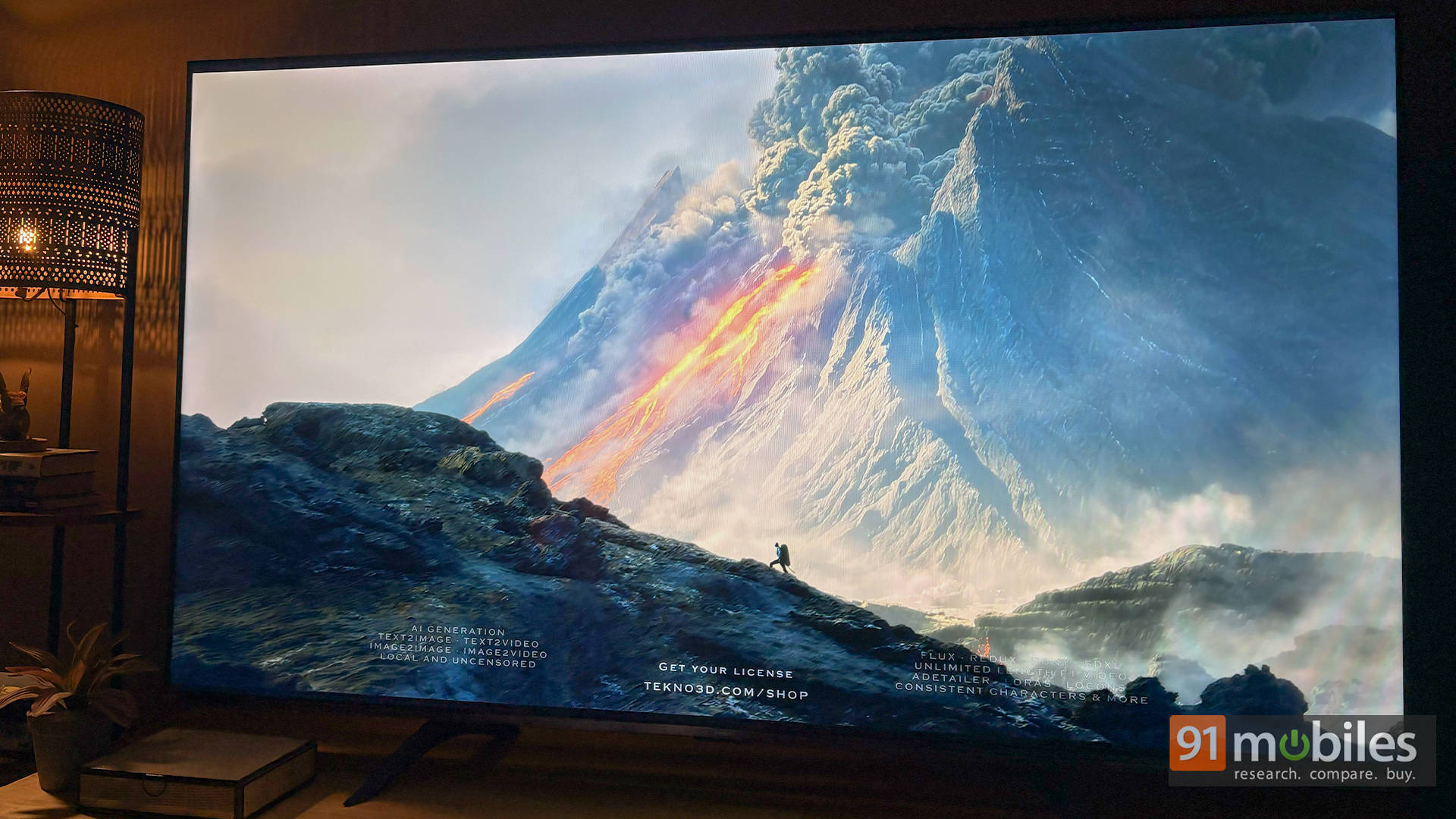
The panel also covers around 94 percent of the DCI-P3 color space, which is impressive for this price segment. It translates into a wider range of colors that look richer without feeling completely unnatural. If anything, Xiaomi leans slightly towards a vibrant tuning, which most casual viewers will actually prefer.
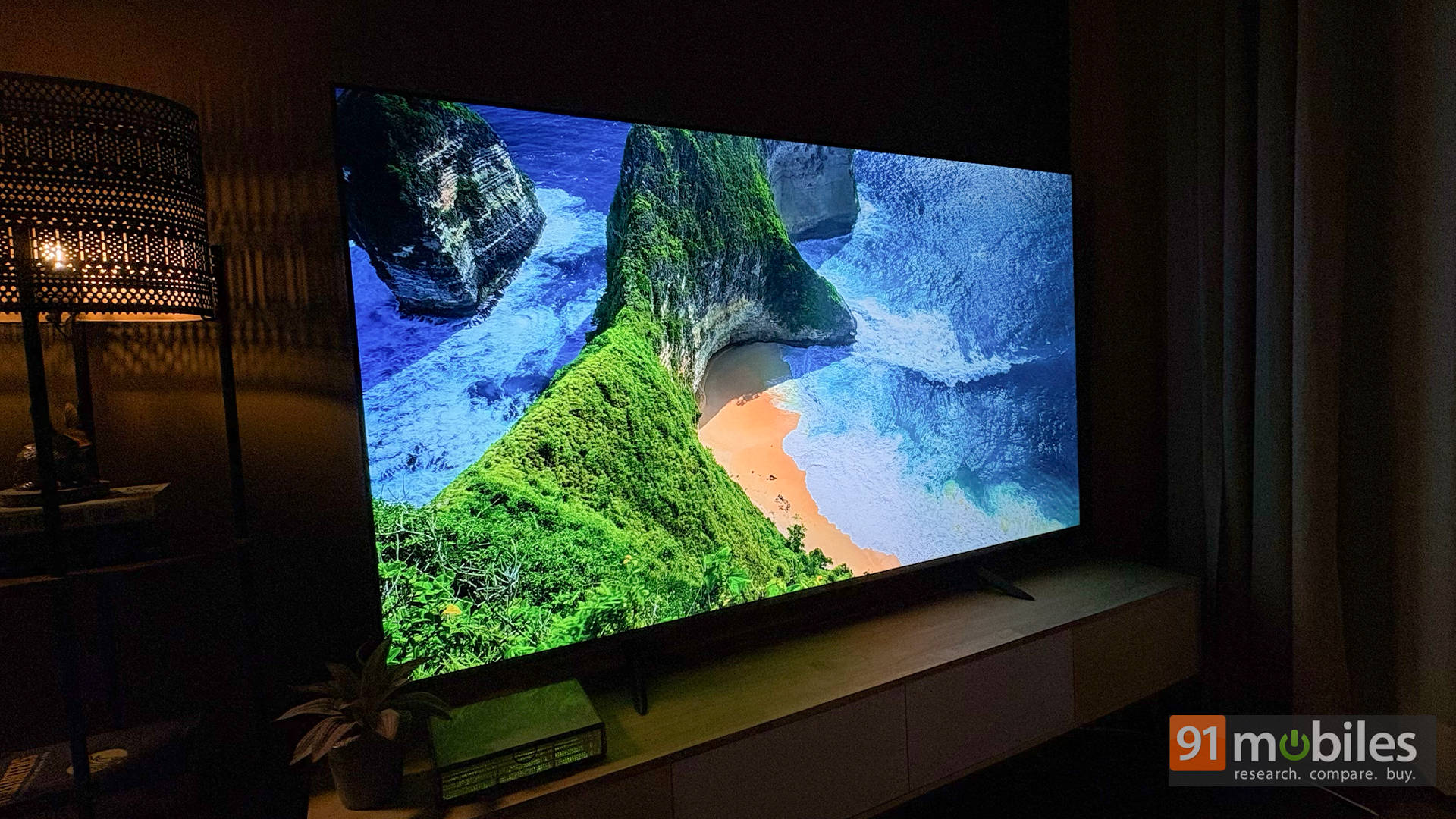
That said, this is still a value-focused QLED panel. When compared to high-end Mini-LED or OLED TVs, limitations start to show. Black levels are decent but not truly deep, especially in darker scenes. In a dimly lit room, you might notice that blacks look more like dark grey. There can also be minor uniformity inconsistencies, like slight patchiness in very bright or very dark scenes, though it’s not something that ruins the experience unless actively looking for it.
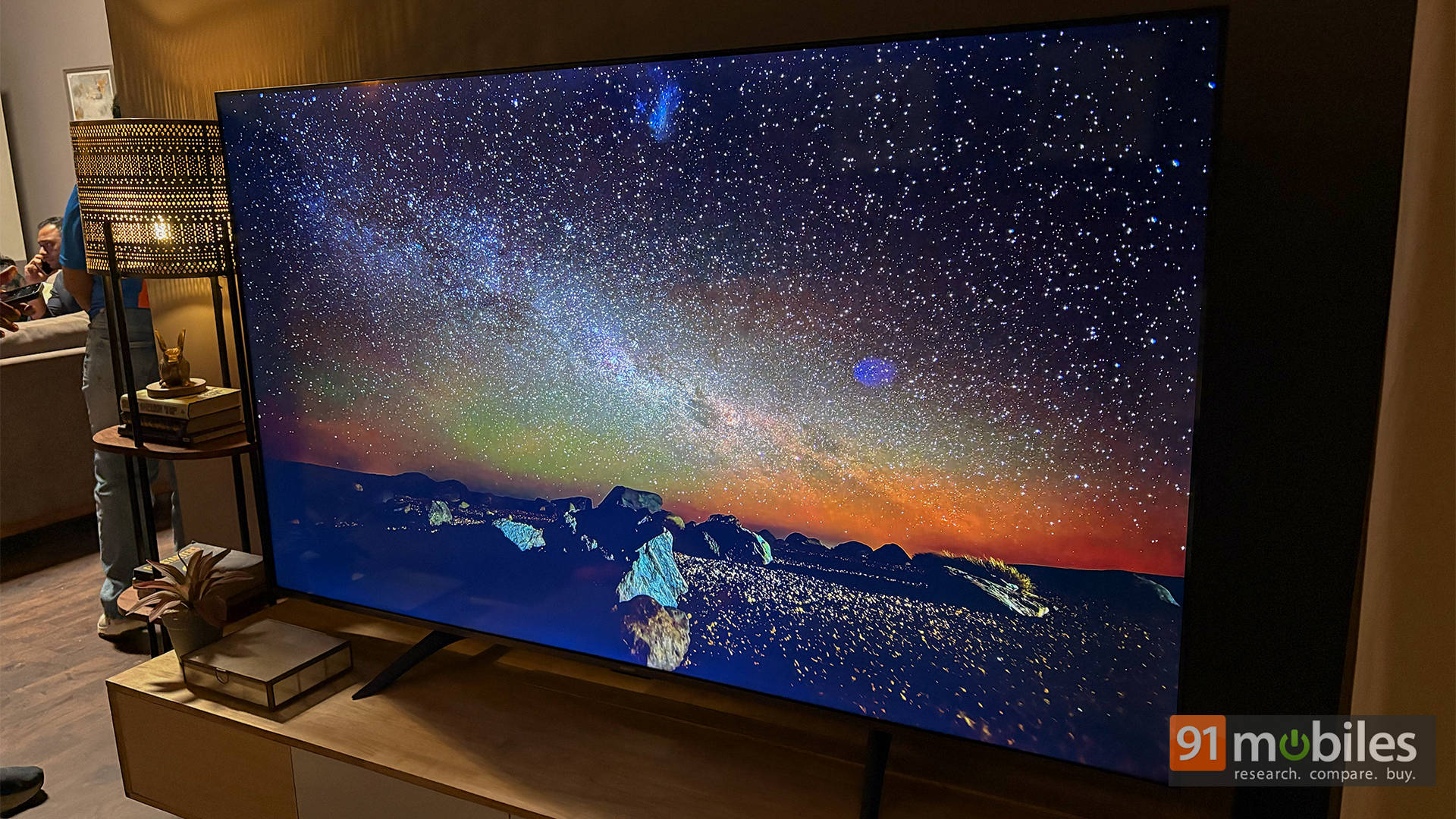
Brightness is good enough for most living rooms, but not class-leading. In very bright environments, reflections and peak brightness limitations can slightly affect visibility. Still, for the price, the overall picture quality lands firmly in the “very enjoyable” category. And if accuracy matters, there’s Filmmaker Mode. It tones down the processing, disables artificial enhancements, and brings visuals closer to the director’s intent. It’s not perfect, but it’s a welcome addition for movie nights.
Gaming: 120Hz or Just Marketing?
On paper, Xiaomi markets this TV with a 120Hz Game Booster mode, but it’s important to understand what that actually means. The panel itself is native 60Hz. The 120Hz effect is achieved using DLG technology, which improves motion clarity but isn’t the same as a true 120Hz panel, as it drops the resolution to 1080p.
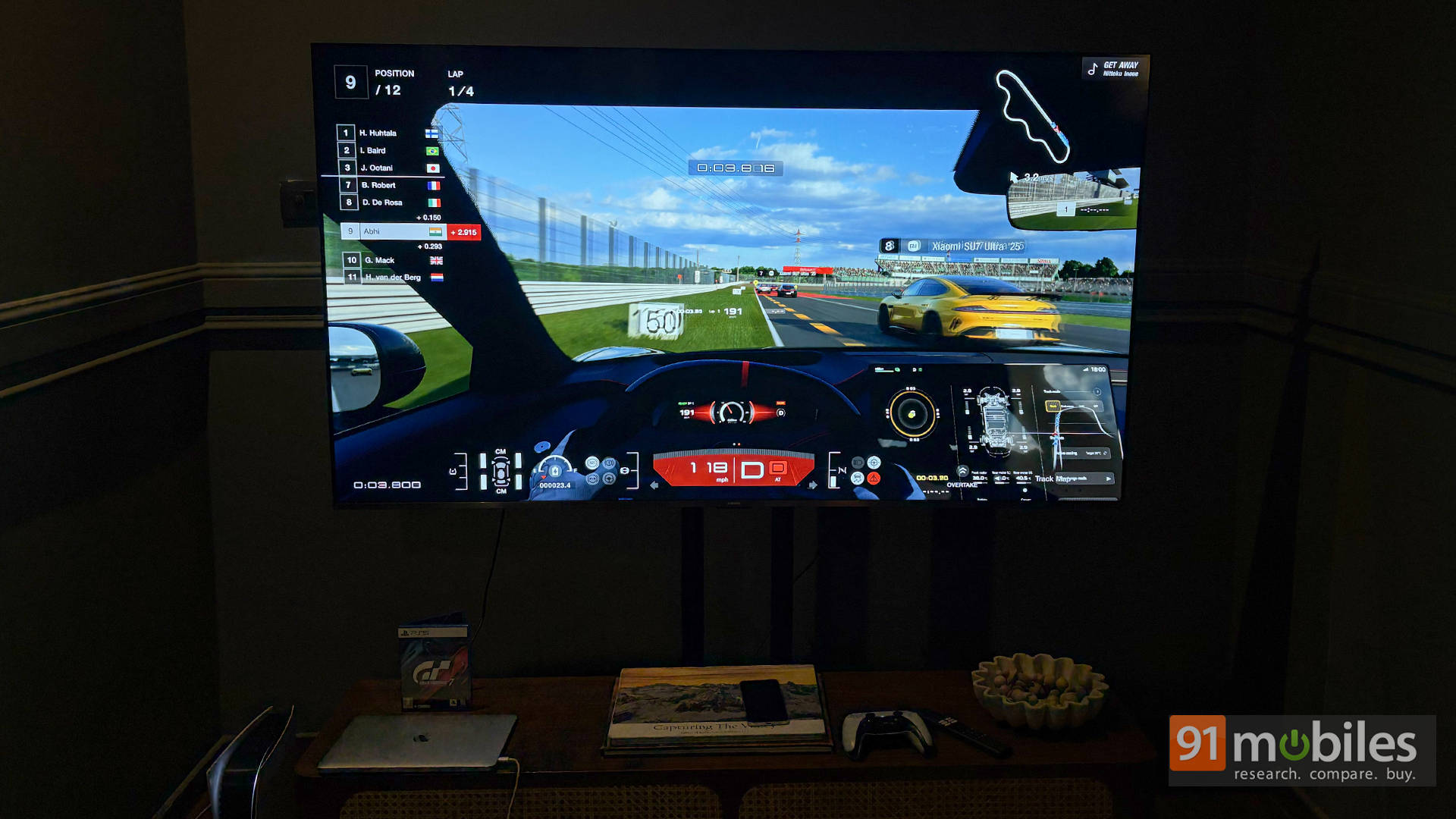
In real-world usage, this translates into smoother motion compared to basic 60Hz TVs, especially in sports and fast-moving content. Cricket matches, football games, and action-heavy scenes benefit from MEMC, which reduces blur and judder. It’s not flawless and occasionally introduces the usual interpolation artifacts, but it does improve overall fluidity.
For actual gaming, the experience is solid for casual console players. ALLM helps reduce input lag, making gameplay feel responsive. Titles like FIFA, Call of Duty, and racing games feel enjoyable without noticeable delays. However, the lack of HDMI 2.1 features like proper VRR and true 120Hz support means competitive gamers might find it limiting. Not to forget the fact that when the resolution drops to 1080p on a 75-inch model, even casual users can easily spot the pixelation.
In short, this is not a gaming-first display, but it is absolutely capable of delivering a fun and smooth experience for most users.
Audio: Loud Enough, Not Grand
Audio is decent for a budget TV, with a 34W speaker system and support for Dolby Audio and DTS:X. It delivers clear dialogue and sufficient loudness for everyday content like TV shows, news, and casual streaming.
However, it struggles to match the scale of the 75-inch display, lacking deep bass and a wide soundstage for a truly cinematic feel. While usable on its own, pairing it with a soundbar via eARC is highly recommended for a more immersive experience.
Software: Smooth, Smart, Sorted
The Xiaomi X Pro QLED TV (2026) delivers a strong smart TV experience with Google TV at its core, complemented by Xiaomi’s PatchWall interface. This combination offers access to all major streaming apps along with a clean UI, while PatchWall enhances content discovery and even adds live TV channels without needing a DTH connection.
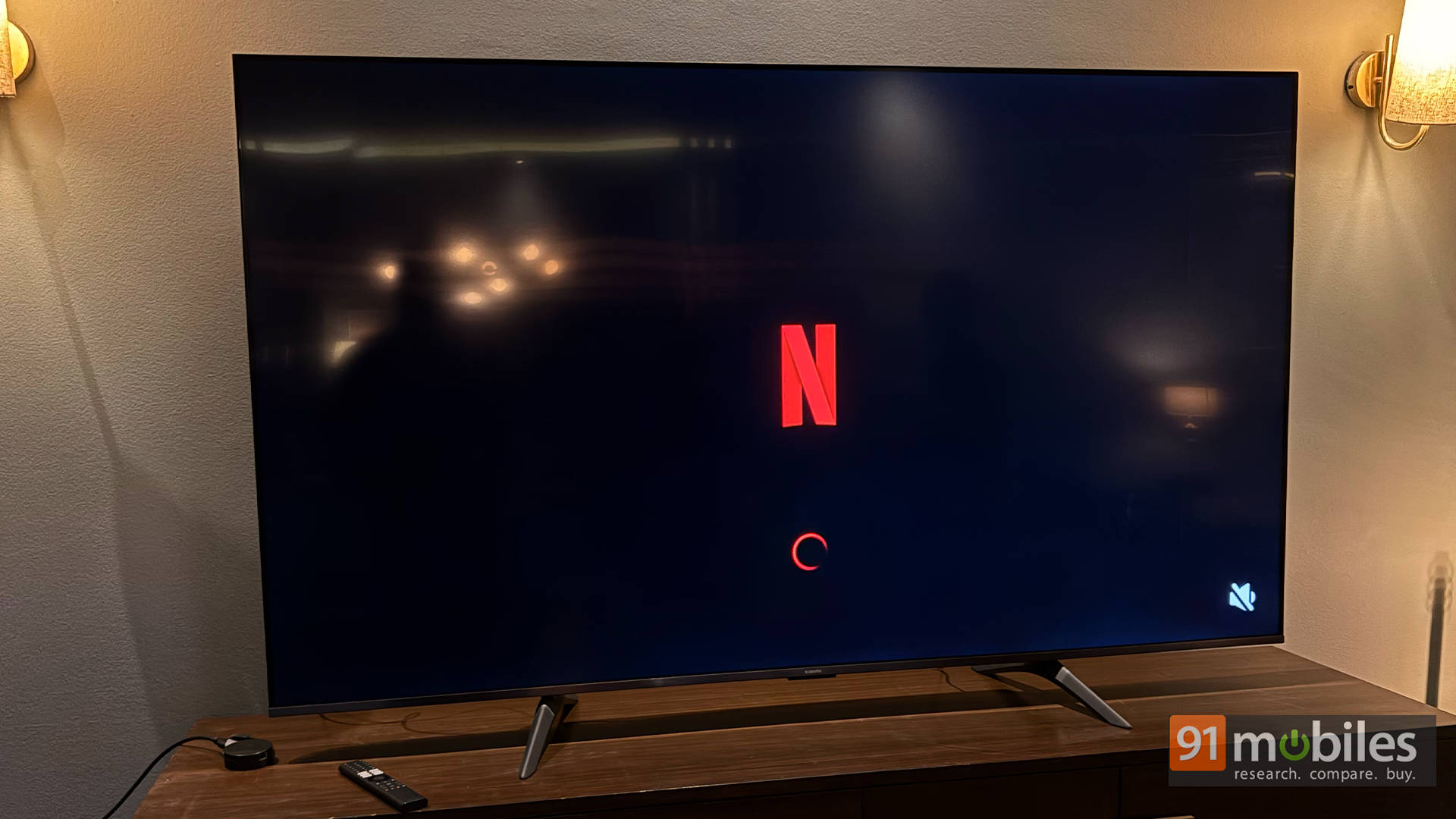
Performance is smooth for everyday use, powered by a quad-core A55 chip with 2GB RAM and 32GB storage, ensuring quick app loading and easy multitasking. With support for Chromecast, Miracast, AirPlay, and Google Assistant, the TV offers excellent connectivity and convenience, making its software experience a clear highlight.
Verdict: Big Screen, Smart Buy?
The Xiaomi X Pro QLED TV (2026) makes a compelling case by focusing on what truly matters for most buyers, delivering a massive 75-inch screen, vibrant QLED visuals, a smooth Google TV experience, and a design that feels more premium than its price suggests. While it does cut corners with a non-flagship panel, average audio, and limited gaming features, these compromises feel reasonable given the aggressive Rs 69,999 pricing, which is specifically aimed at making large-screen entertainment more accessible.
At this price, the TV sits in a highly competitive space with brands like TCL and Hisense offering similarly priced 75-inch QLED models, and even pushing Mini-LED tech slightly higher up the ladder. For instance, options like the Hisense E7Q compete directly on price with similar core specs, while TCL is increasingly bringing Mini-LED and better gaming features into affordable segments. Xiaomi’s own Mini-LED lineup also starts not too far above this range, offering better contrast and brightness for a premium. In that context, the X Pro stands out by prioritizing value and ease of use, making it one of the most straightforward “big screen for the money” choices, even if it doesn’t lead in raw performance.
Editor’s Rating: 8.3 / 10
Pros:
- Massive 75-inch immersive display
- Vibrant QLED colors and HDR
- Smooth Google TV experience
- Excellent value for money
Cons:
- No true 120Hz panel
- Average built-in audio output