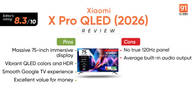
There was a time when buying a 75-inch TV felt absurdly expensive, like the kind of purchase that needed financial planning and a very understanding family. But brands like Xiaomi are changing that fast, especially when they launched the Xiaomi X Pro QLED TV earlier this year. However, the Xiaomi TV S Mini LED 75 2026 might be the boldest example yet. At Rs 99,999, it brings a QD-Mini LED panel, 512 local dimming zones, Dolby Vision, HDR10+, Google TV, and a claimed 1200 nits peak brightness into a segment that usually demands a much bigger budget.
On paper, this thing sounds dangerously good for the price. But spec sheets can be misleading, especially in the TV world, where flashy numbers often hide average real-world performance. So after spending time with the Xiaomi TV S Mini LED 75, the big question is simple. Is this genuinely one of the best big-screen TV deals right now, or just a very good display attached to hardware that cuts a few too many corners? Let’s find out.
Table of Contents
Big TV energy
The first thing this TV absolutely nails is presence. This thing is enormous. A 75-inch screen changes the vibe of a room instantly. Suddenly, Netflix feels cinematic, cricket matches feel louder, and even random YouTube videos somehow gain unnecessary importance.
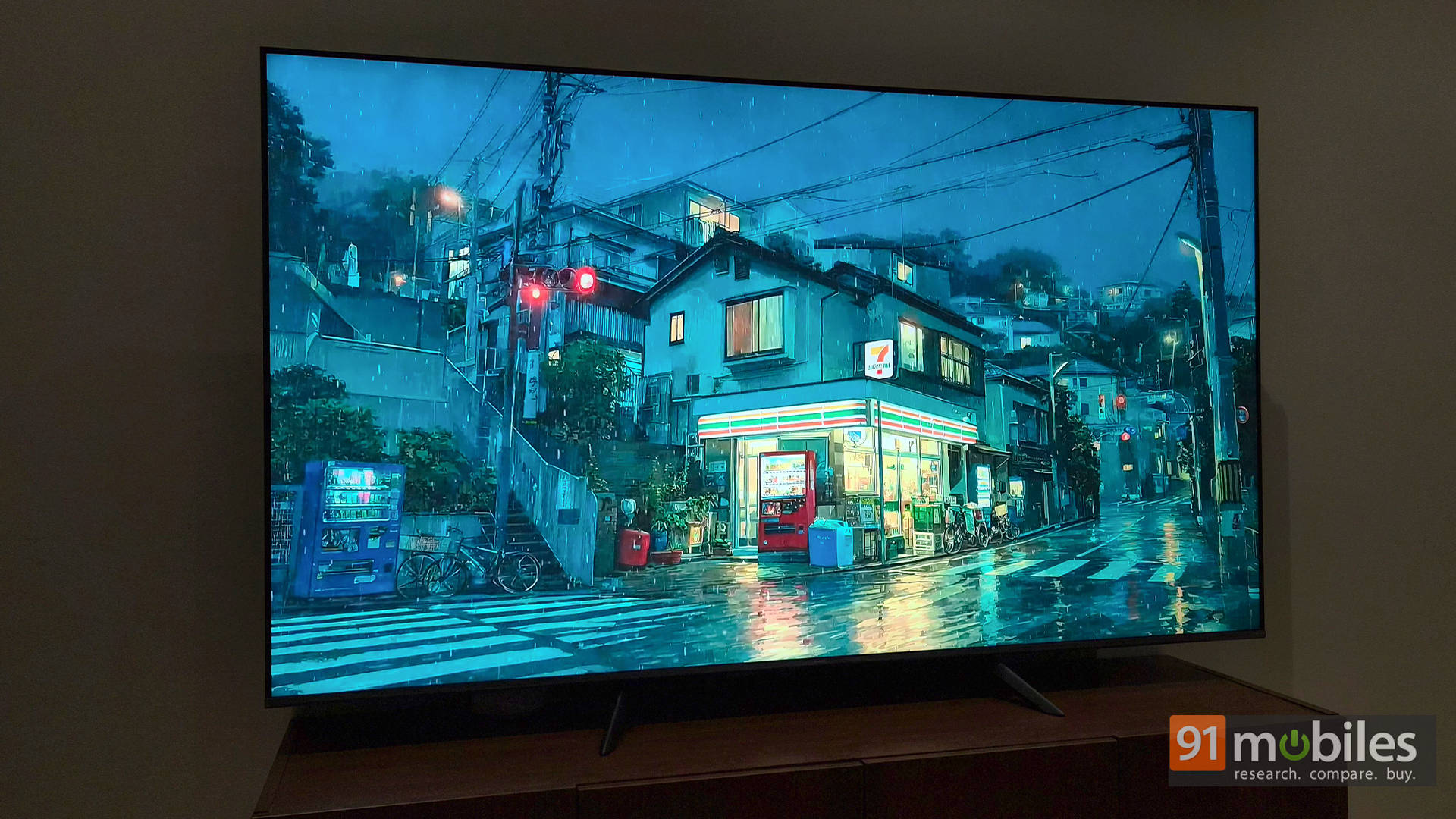
Thankfully, Xiaomi hasn’t wrapped that giant display inside a cheap-looking frame. The TV looks clean and surprisingly premium, with slim bezels and a minimal design that doesn’t scream “budget giant.” From the front especially, it genuinely feels far more expensive than its asking price. Xiaomi clearly understood that people buying a 75-inch TV also want it to feel like a centerpiece.
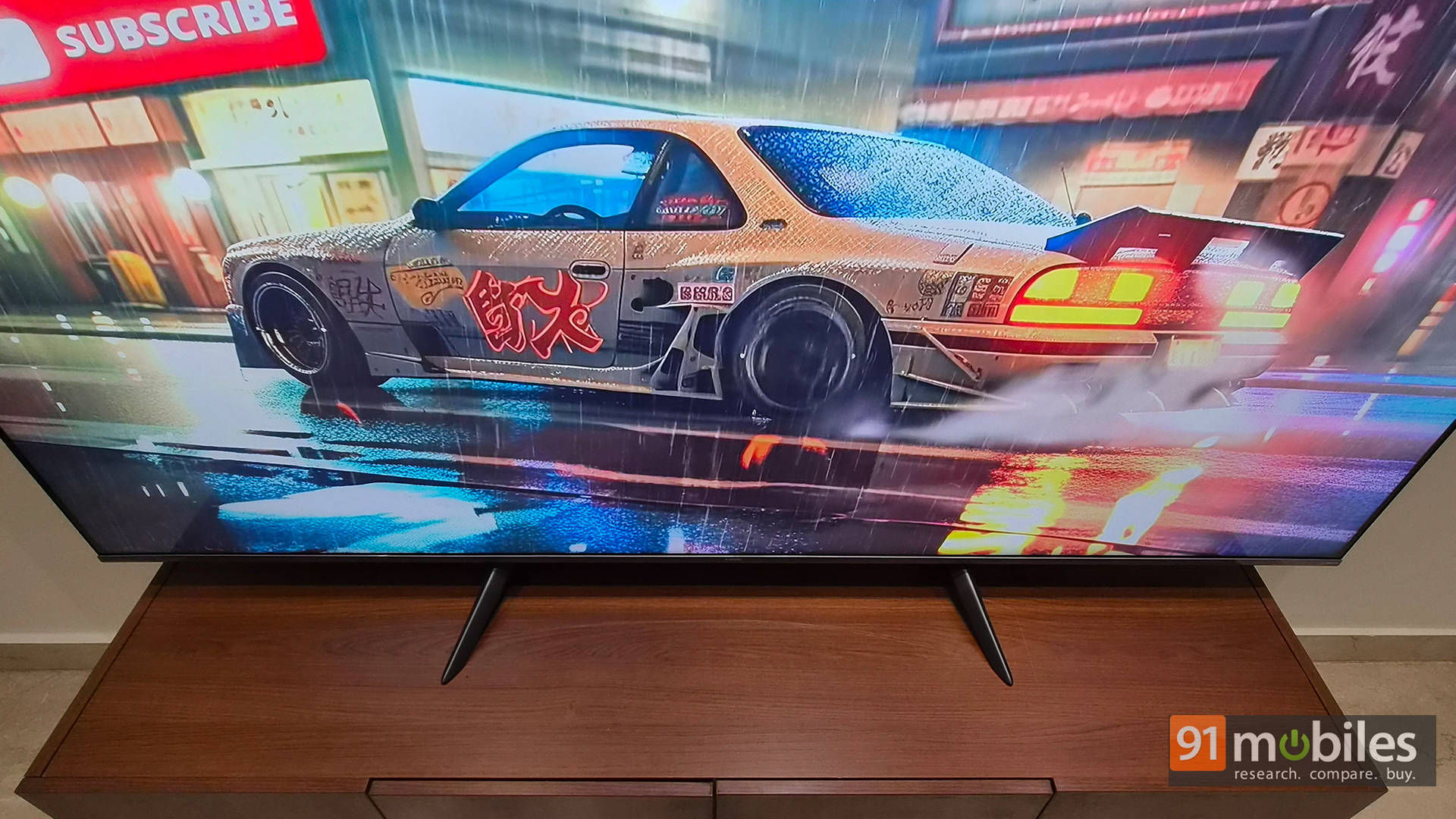
Of course, the TV can be wall-mounted for that clean floating-screen look, and thankfully, it isn’t ridiculously chunky either. But if keeping it on a TV unit is more your style, the bundled stands are surprisingly sturdy. Xiaomi also lets users place the feet closer together, which is great for smaller desks, while wider setups can space them out for a more premium, showroom-style look.
Mini LED is doing main character things
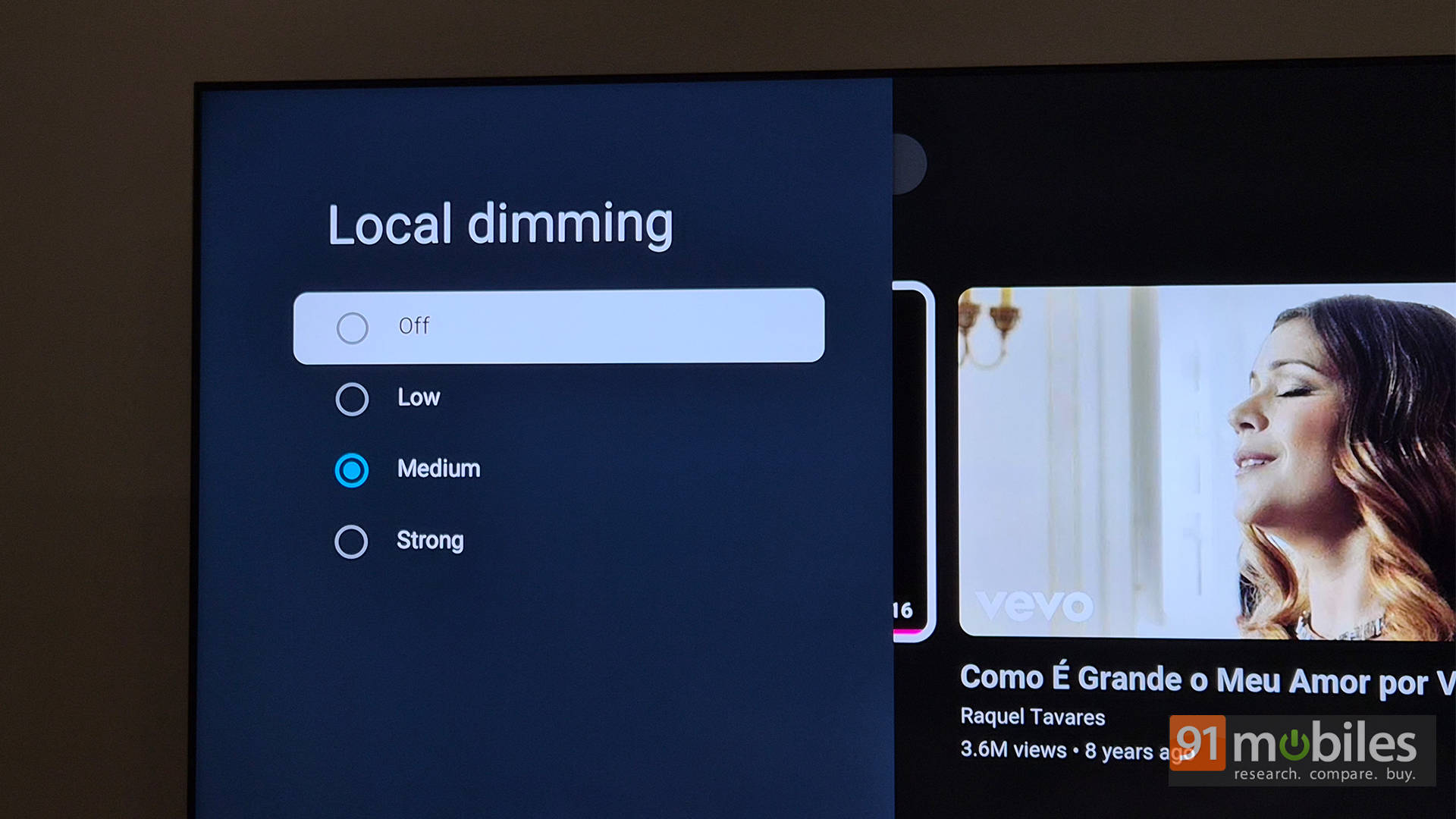
The Xiaomi TV S Mini LED uses a QD-Mini LED panel with 512 local dimming zones, and for this price segment, that is a genuinely big deal. Unlike traditional LED TVs that often struggle with washed-out blacks and uneven backlighting, Mini LED gives this TV far better control over brightness and contrast. The result is immediately noticeable in dark scenes.
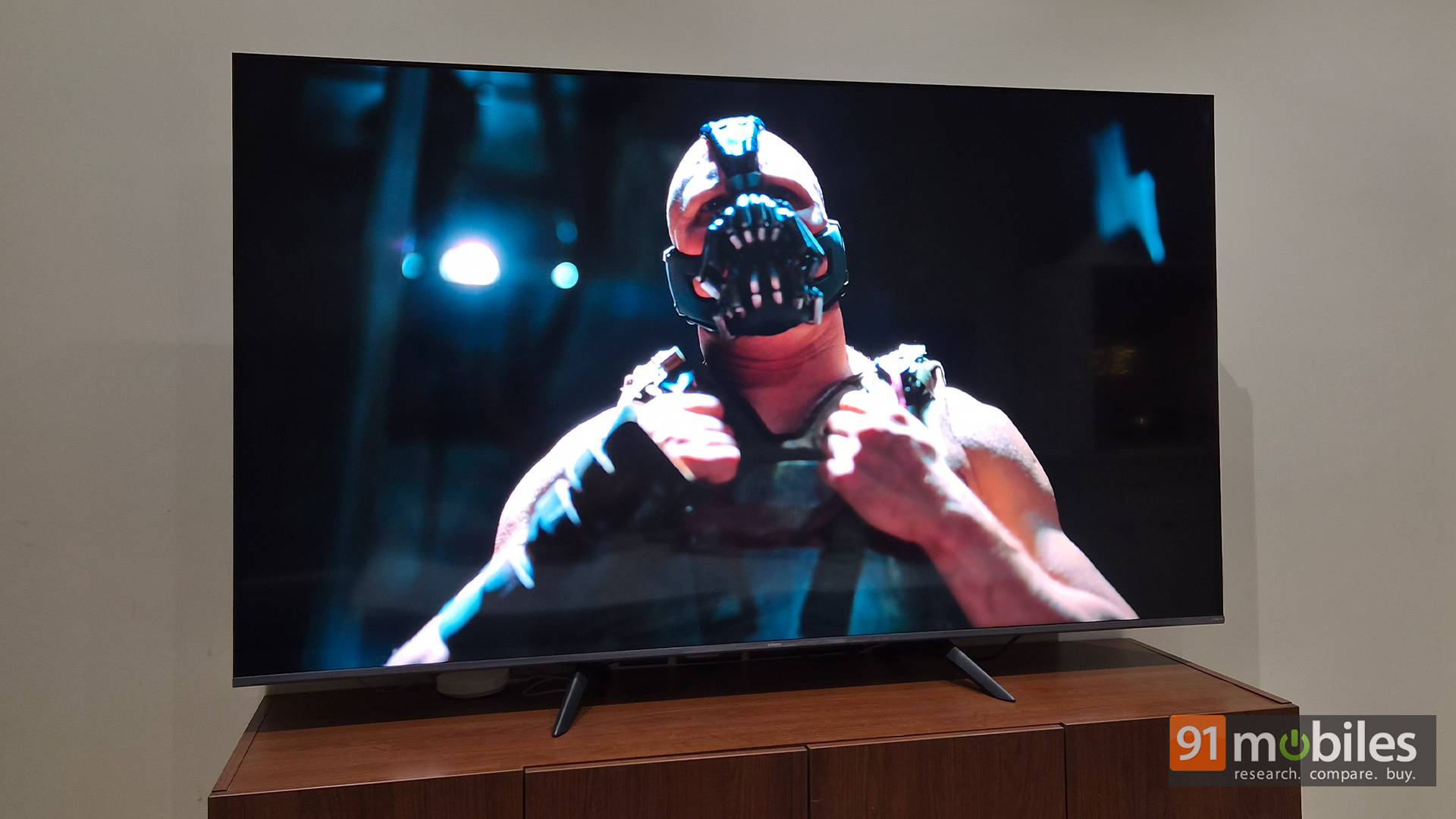
Watching movies like The Batman or Dune feels dramatically better than on a standard QLED TV. Blacks look deeper, highlights pop harder, and there’s a genuine sense of depth that cheaper large TVs simply cannot replicate. It’s not OLED-level black perfection, but it gets surprisingly close at times, especially considering the price difference.
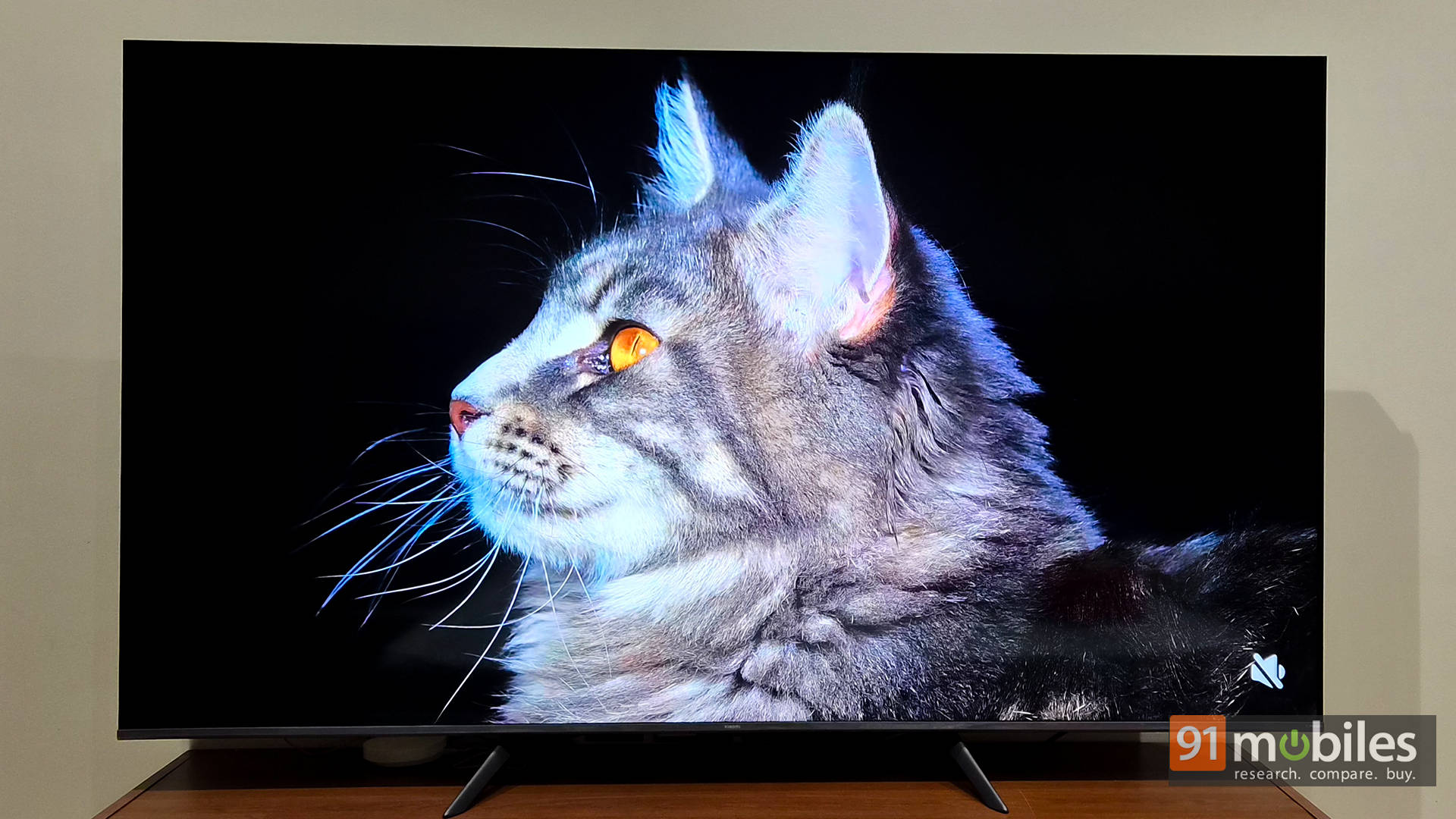
Additionally, HDR content is where this TV really starts showing off. Xiaomi claims a peak brightness of 1200 nits, and while real-world sustained brightness naturally varies, the TV gets impressively bright. HDR scenes in Dolby Vision content look punchy and vibrant, with sunlight, explosions, reflections, and neon lighting carrying real impact.
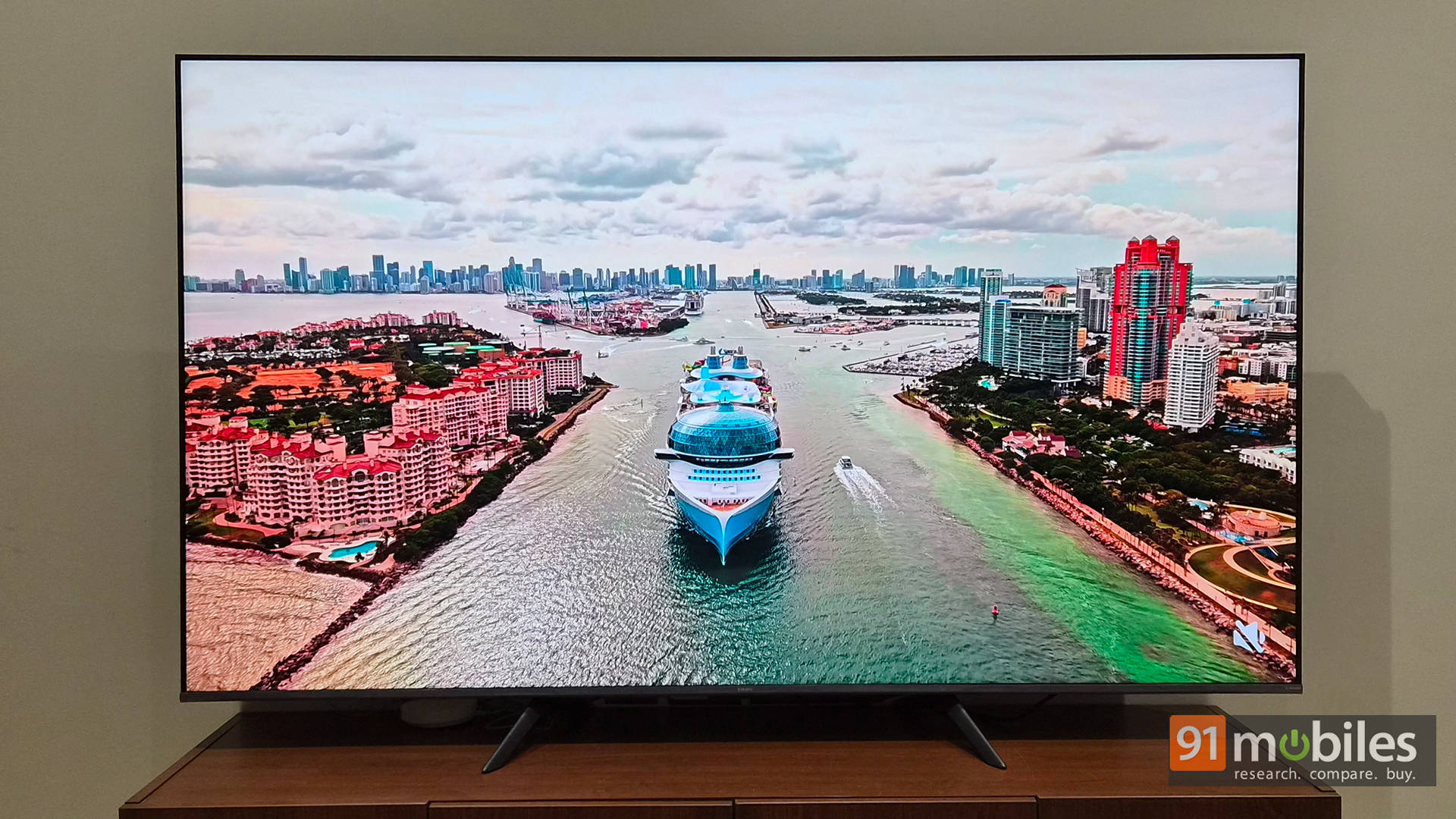
What impressed me most was how usable the TV remains in bright rooms. Large TVs often become accidental mirrors during daytime viewing, but the brightness here does a good job of fighting glare and maintaining image clarity. Colour performance is also excellent.
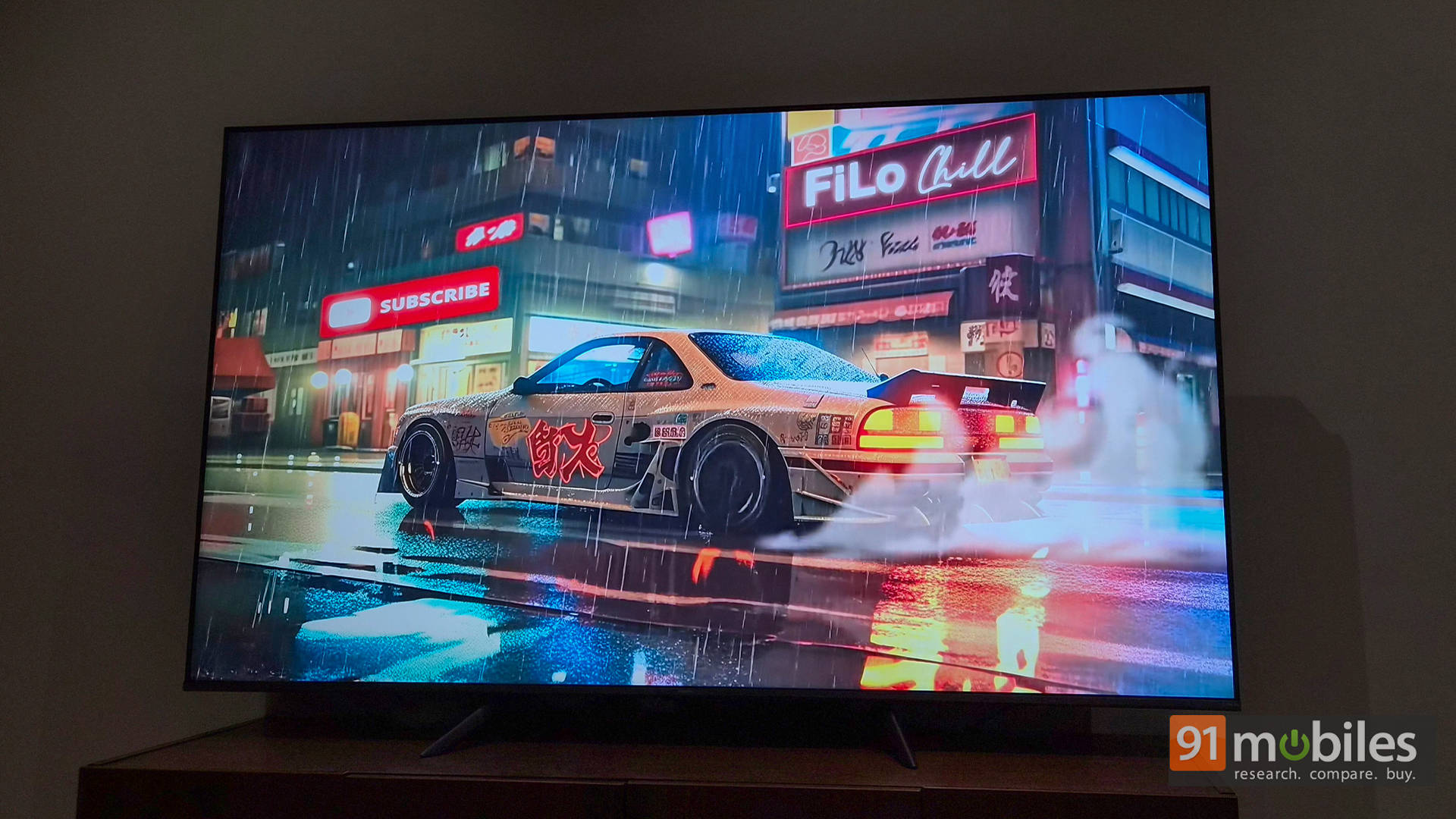
Thanks to the Quantum Dot layer, colours appear rich without becoming cartoonishly oversaturated. Animated movies look fantastic, nature documentaries pop beautifully, and sports broadcasts have that crisp, vibrant presentation most mainstream buyers love.
It’s not all great, though…
Now, this is the part where I must calm the hype train slightly before it jumps directly into OLED territory, wearing sunglasses. Blooming is controlled well most of the time, but it’s not invisible. Bright subtitles against dark backgrounds can still produce a noticeable halo effect occasionally. Viewing angles are also not amazing. Sitting directly in front gives the best experience, but moving too far to the sides and contrast begins to lose some punch.
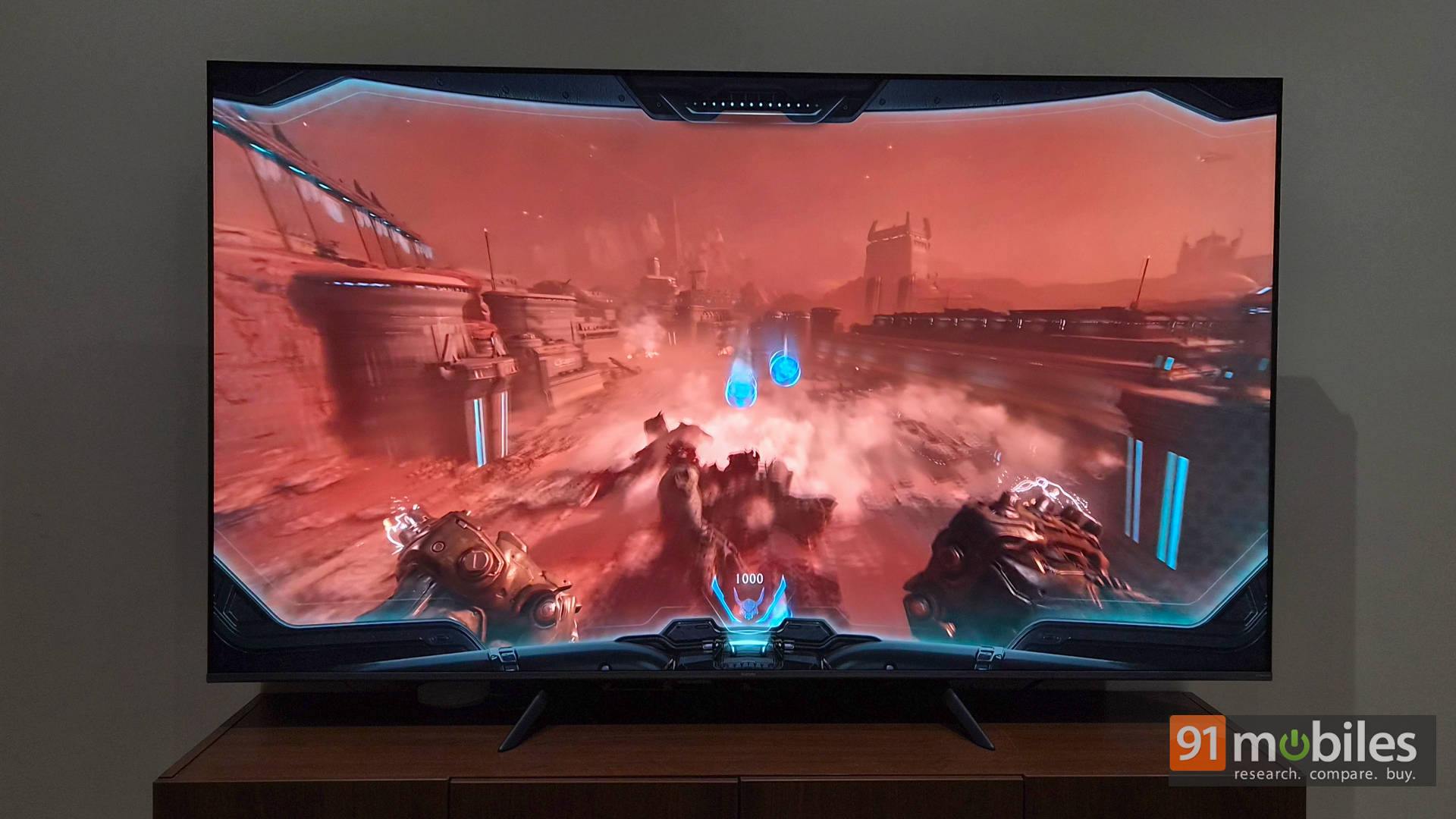
Also, since I am talking about what’s not so good, let’s talk a bit about gaming, shall we? Xiaomi markets the TV with “120Hz Game Boost,” but this is not a true native 120Hz 4K panel. The TV uses DLG (Dual Line Gate) technology to simulate smoother motion, which essentially means the TV uses a software trick to stimulate double frames, that too while dropping the resolution to 1080p.
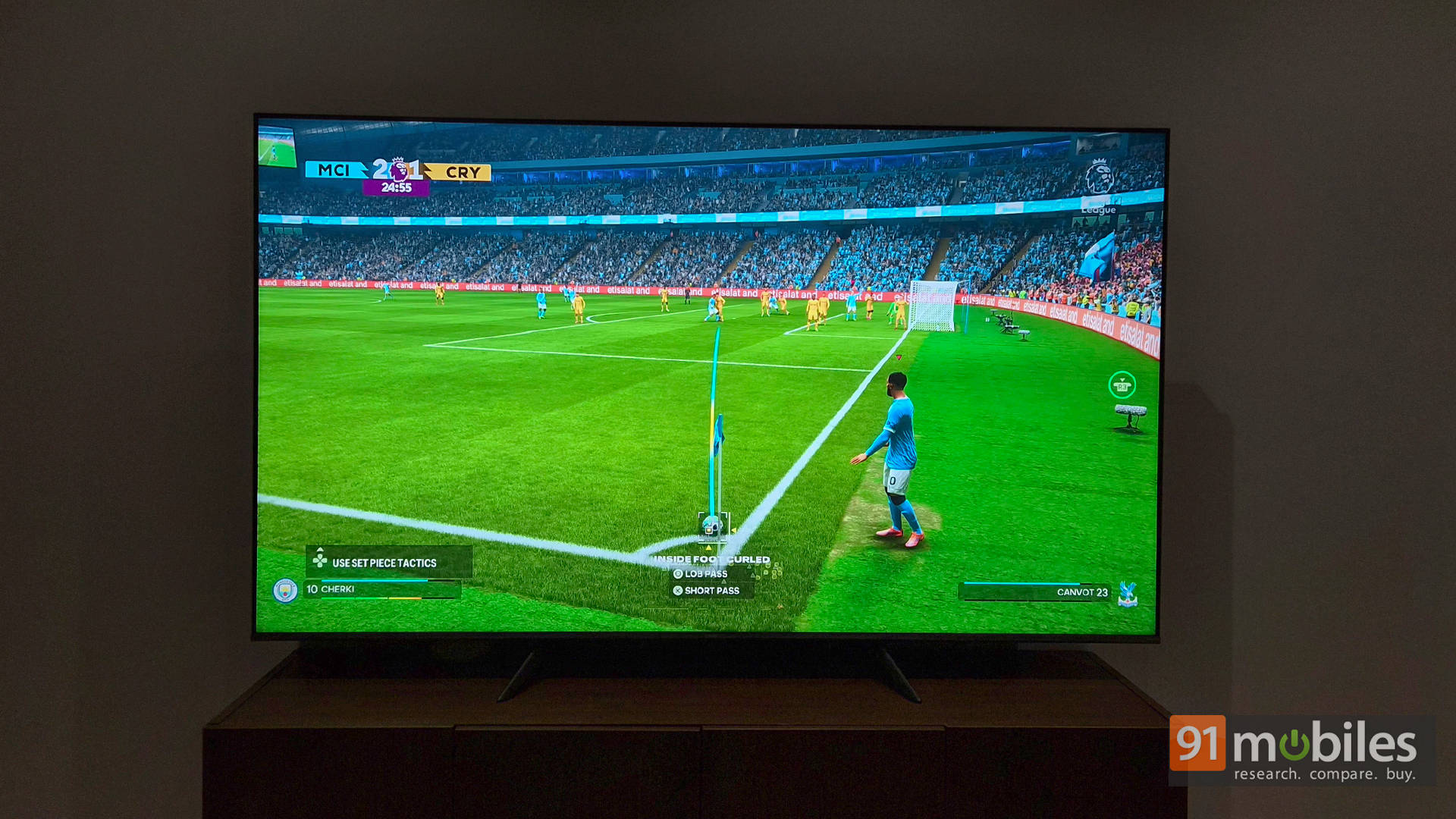
For casual PlayStation 5 or Xbox users, the experience is still enjoyable. Input latency feels reasonably low with ALLM enabled, racing games feel responsive enough, and I had an absolute blast playing EA FC 26 on this large display. But if somebody is specifically hunting for flawless 4K 120Hz gaming, this is not that TV.
Surprisingly loud
As for the audio performance, it turned out to be a pleasant surprise. The 34W quad-speaker setup gets impressively loud and manages to avoid sounding thin or shrill. Dialogue clarity is solid, action scenes carry decent impact, and the soundstage feels wider than expected from built-in TV speakers.
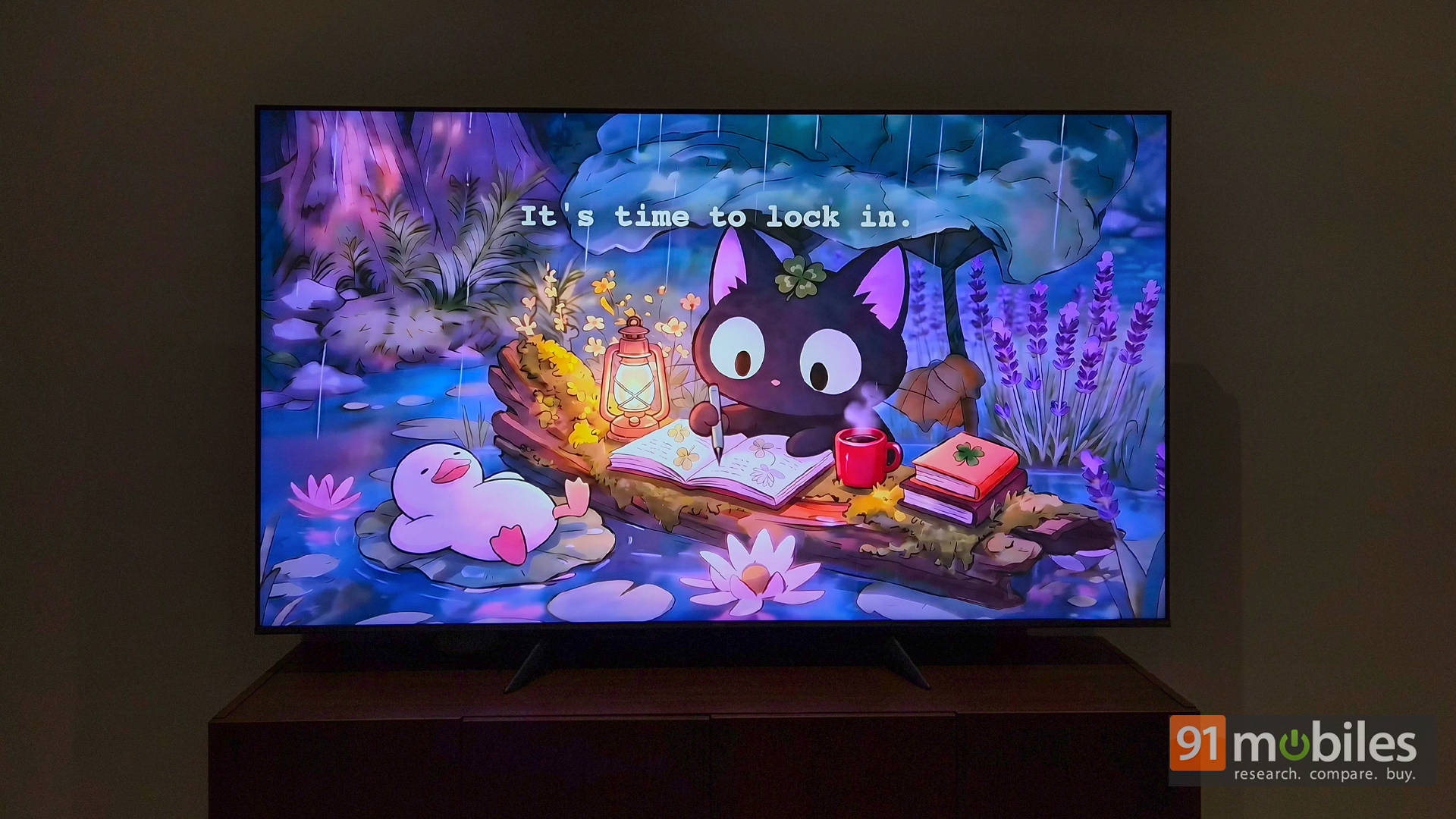
No, it’s not replacing a proper soundbar setup. Let’s not get carried away here. But unlike many large TVs that sound like somebody trapped Bluetooth speakers inside a cardboard box, the Xiaomi TV S Mini LED is actually enjoyable to use on its own. For everyday OTT watching, sports, and YouTube content, most people genuinely won’t feel the immediate need to buy external speakers.
Smooth enough… until it isn’t
The Xiaomi TV S Mini LED runs Google TV with PatchWall+ on top, so there’s no shortage of streaming apps, recommendations, casting features, or smart integrations.
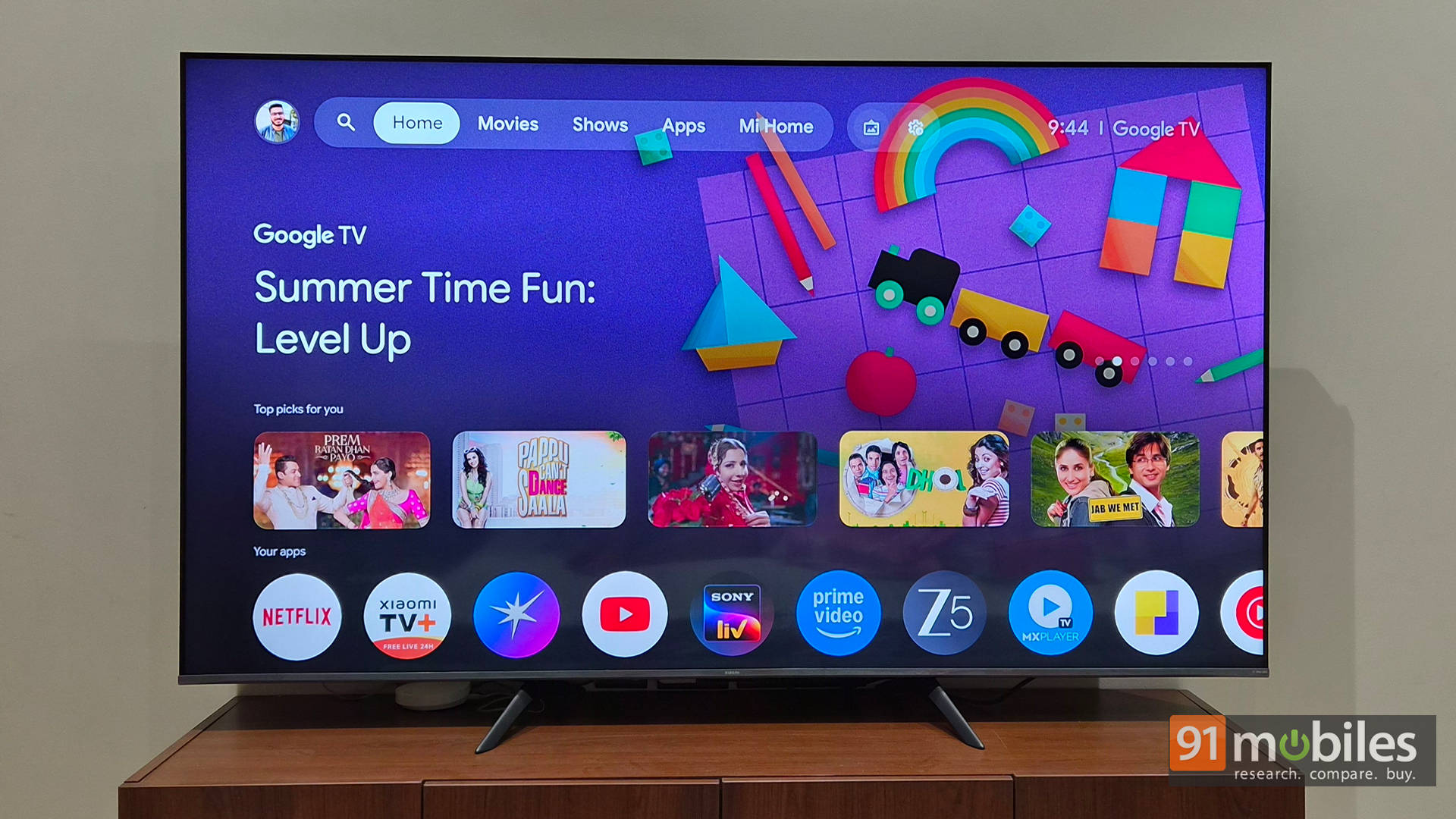
Support for Apple AirPlay 2 and Chromecast also makes it easy to use across Android and Apple devices, while Google TV itself remains clean, intuitive, and easy to navigate.
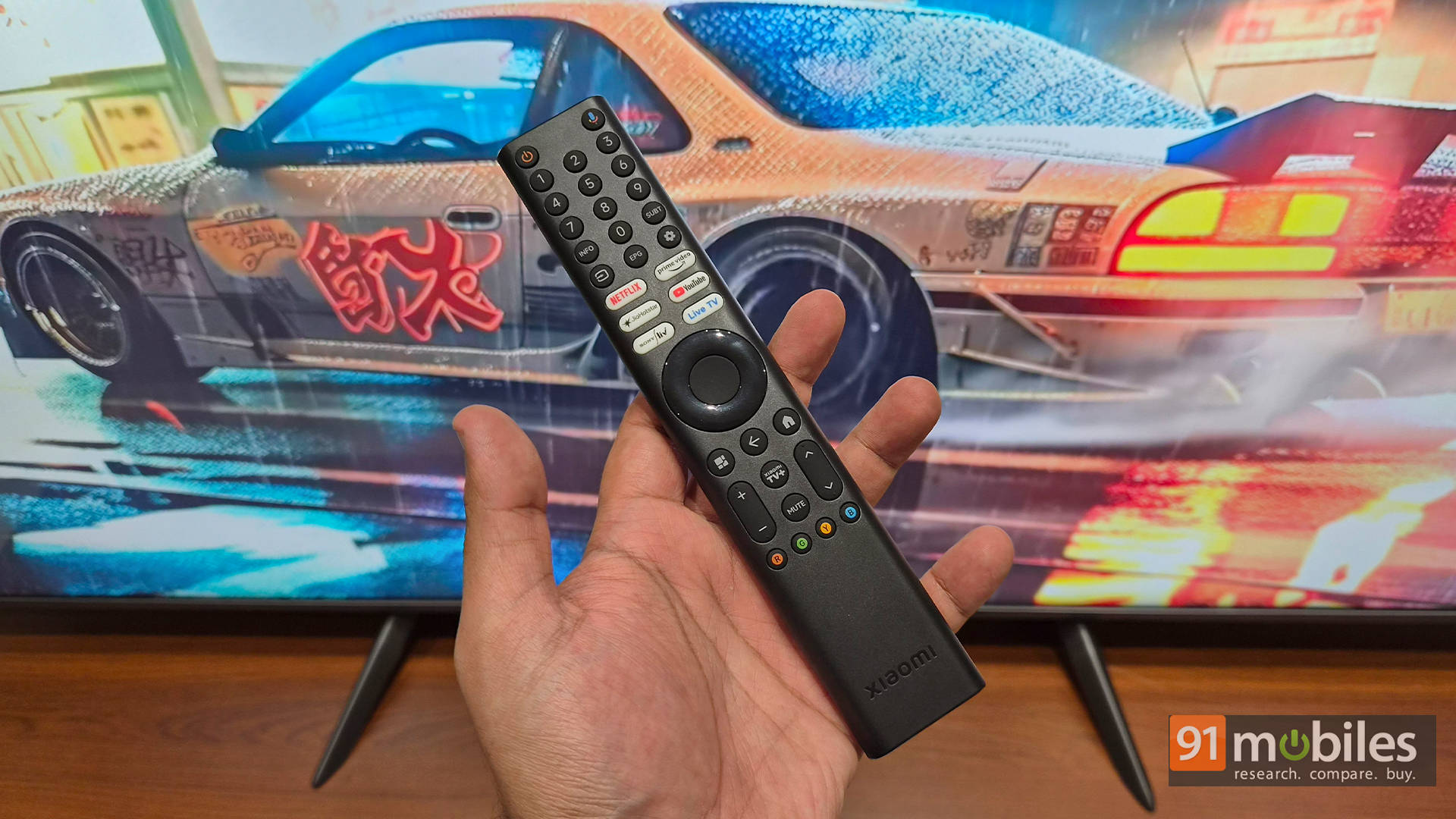
That said, the quad-core Cortex-A55 chipset and 2GB RAM occasionally remind you this isn’t a flagship TV underneath. Day-to-day usage is mostly smooth, but app switching can feel sluggish at times, animations occasionally stutter, and prolonged usage exposes the limits of the hardware.
So, is this the smartest big-screen buy right now?
The Xiaomi TV S Mini LED 75 2026 gets one thing absolutely right. It focuses on the stuff most people will notice within the first five minutes of turning the TV on. The giant 75-inch screen feels cinematic, the Mini LED panel delivers excellent contrast and HDR performance for the price, the speakers are surprisingly capable, and the overall experience feels far more premium than what the price tag suggests. Sure, it has a few rough edges here and there, especially when the processor starts showing its limits, but as a complete entertainment package, it’s genuinely impressive.
Of course, competition in this segment is brutal right now. The Samsung Vision AI TV offers a similarly large Mini LED experience with Samsung’s excellent upscaling, polished Tizen OS, and more refined colour tuning. Gamers, meanwhile, may find the Hisense 75U7Q more appealing thanks to its native 144Hz refresh rate and stronger gaming credentials. Then there’s the Lumio Vision 9 (2026), which impressed us with its fantastic panel, proper 4K/144Hz support, and smooth day-to-day performance, though it tops out at 65 inches.
And that’s exactly where Xiaomi still manages to stand out. It may not be the absolute best at gaming, processing, or software polish, but it arguably delivers the most balanced “cinema-at-home” experience for buyers who simply want a massive, premium-looking screen without spending absurd flagship-TV money.
Editor’s Rating: 8.5 / 10
Pros:
- Excellent Mini LED picture quality for the price
- Bright, vibrant HDR performance with strong contrast
- Surprisingly good built-in speaker setup
- Great value for a 75-inch premium-style TV
Cons:
- Not a true native 120Hz panel
- Can feel sluggish at times