


Review Summary
Expert Rating
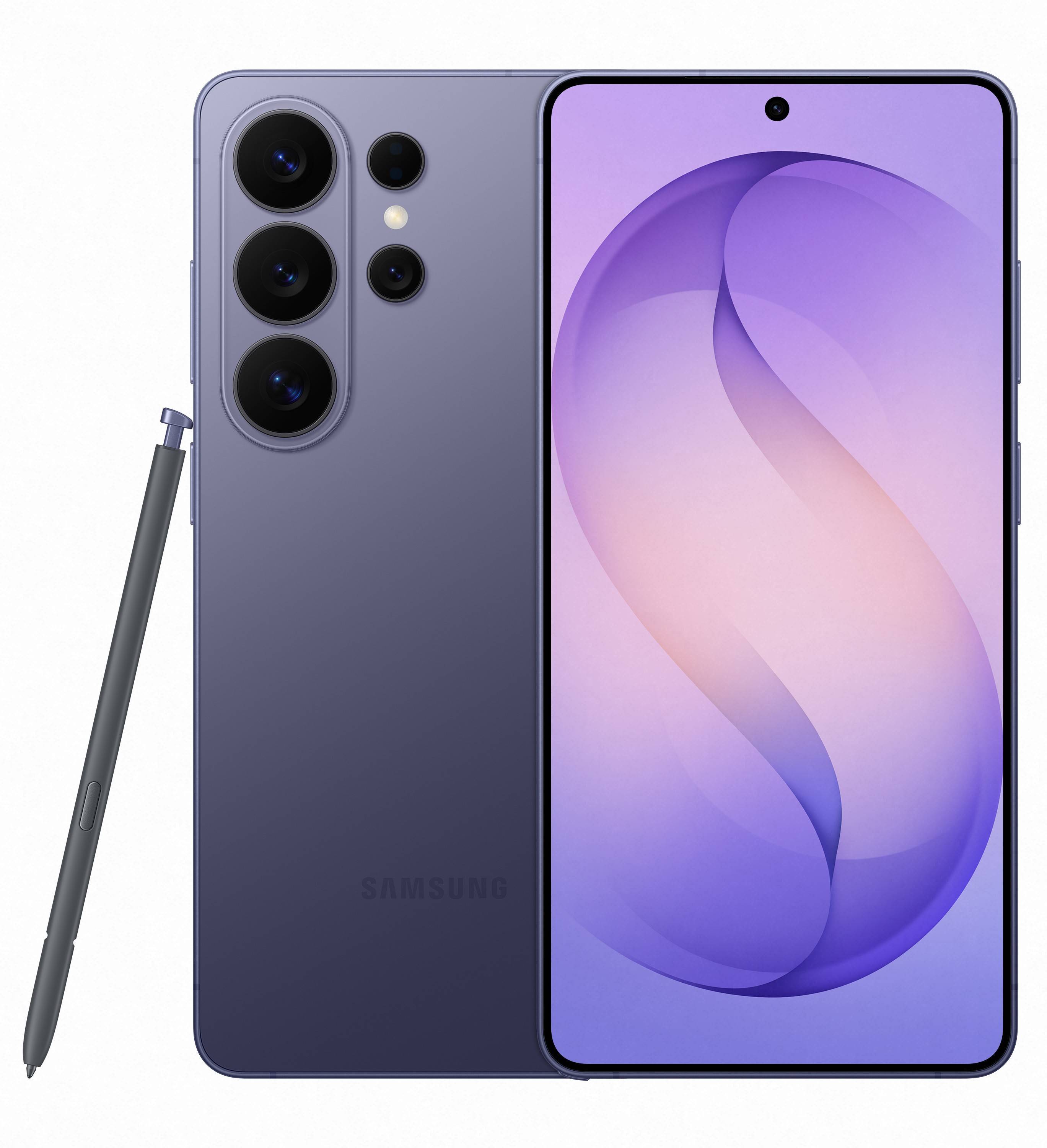
I must confess I had kept my expectations in check when I landed in SFO for the Galaxy S26 series launch. Going by leaks and rumours, I fully expected the new S26 smartphones to be incremental upgrades. And after the new flagships went official and I managed to get my hands on them, I haven’t changed my opinion drastically. That said, the latest devices do come with some useful additions that make them more than mere evolutionary successors, and this is especially true for the Galaxy S26 Ultra. The torchbearer of the lineup and showcasing the absolute best of Samsung’s mobile technology prowess, the Galaxy S26 Ultra is a device that retains most of the goodness of its predecessor (which was a solid, compelling all-rounder) and adds a bunch of features that are actually useful in real life. And the result is a flagship that manages to stand out as a complete package capable of carving out its own unique identity and stepping away from the shadows of its predecessor. Read on.
Table of Contents
Verdict
While it does appear to be an incremental upgrade over its predecessor, the Galaxy S26 Ultra brings some meaningful innovations and useful features. The Privacy Display is the key highlight, while aspects such as new AI features, fast charging, Horizon lock, etc, help make it more compelling. Capable cameras, smooth performance, good battery life, handy ecosystem benefits, and the S Pen, all combine to make this a premium flagship that should be at the top of your shortlist.Display and design: a potentially game-changing feature in a marginally tweaked chassis
Jumping straight into what I think is the headlining feature of the Galaxy S26 Ultra — the new Privacy Display could potentially be a game-changer. It’s one of those features you never knew you needed until you try it. When enabled, it limits the viewing angle of the screen such that the content becomes dark and illegible when viewed from an angle, keeping your private conversations/documents/ financial transactions, etc., safe from the eyes of shoulder surfers. It’s sort of like a privacy screen guard, except that you can choose to enable it on a per-app basis.
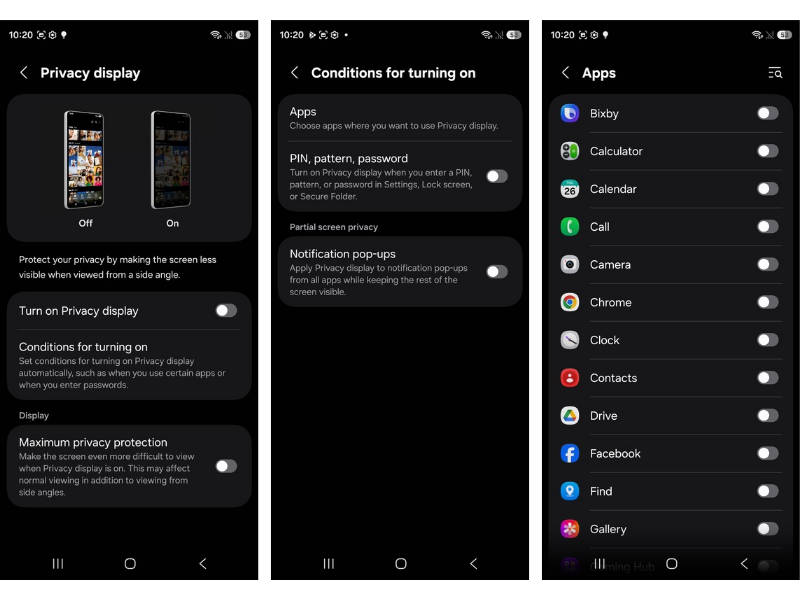
While many people use screen protectors on their phone displays, only some opt for the ones that limit viewing angles (typically labelled as privacy screen guards). That said, I commute by subway regularly and have been guilty of shoulder surfing myself — sometimes it’s hard not to peek at a fellow commuter’s phone screen when jostling for standing space in the crowd. So I’d say a privacy screen protector is a useful add-on for many. In the Galaxy S26 Ultra, however, it’s built in, and you can enable or disable it as needed, or set it to turn on automatically for specific apps. And after using it on the Galaxy S26 Ultra, I think every flagship should have it. I no longer feel the need to hide my screen while browsing the Cred app to check the due dates on my credit card bills while travelling in the metro, or when an NFSW scene comes up in the movie or show I’m watching while commuting. There’s a “maximum privacy protection” toggle under privacy display settings that narrows viewing angles even further, but that does impact the overall screen viewing experience, and I barely felt the need to use it beyond trying it out for the purpose of this review
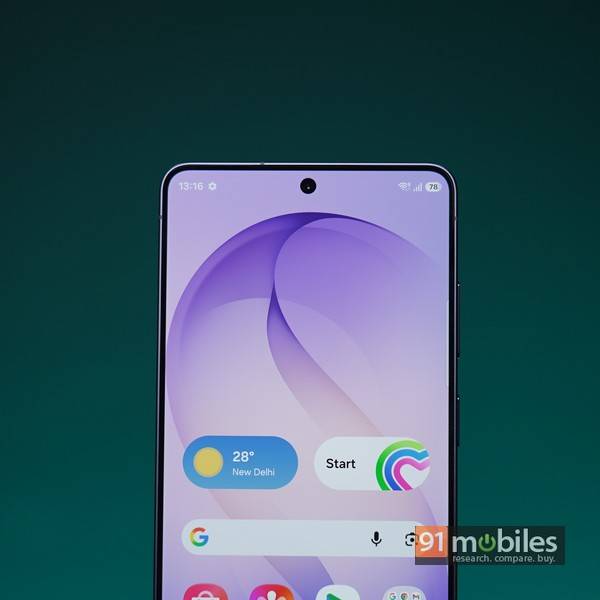
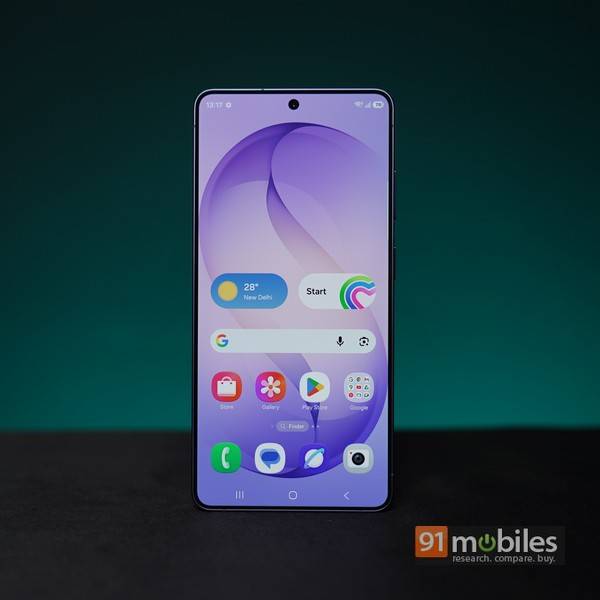
That apart, the phone’s display is great as ever. It’s a 6.9-inch Dynamic LTPO AMOLED 2X panel with 120Hz refresh rate and HDR10+ support, going up to 2600 nits in terms of peak brightness. It does fall short on PWM dimming rates as compared to the competition, though, and while I didn’t face any issues myself, those who’re sensitive to this kind of thing might. It’s a lovely, capable display otherwise, and one that lives up to the brand’s reputation in this domain.
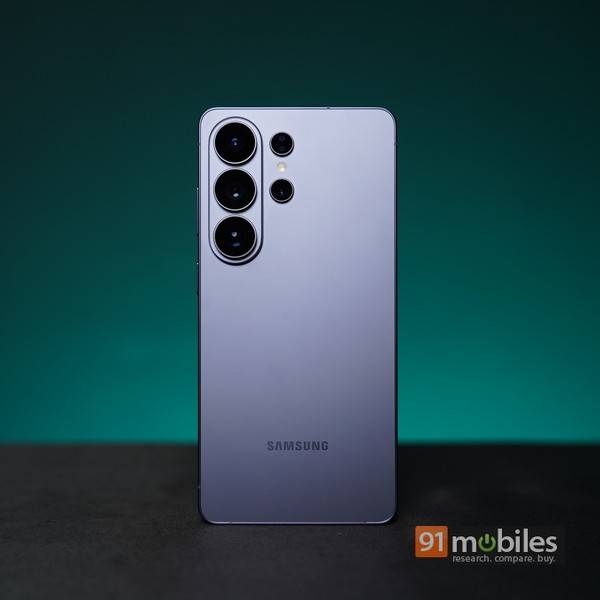
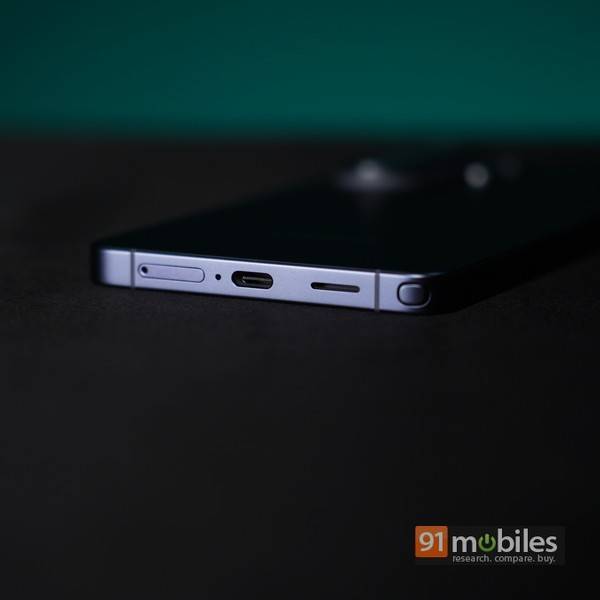
On the design side of things, the updates are subtle. The S26 Ultra is marginally slimmer and lighter than its predecessor, which is a welcome move in any case. The camera lenses on the rear sit on a raised module, while the corners of the phone are more rounded than before… resulting in a better, more comfortable in-hand feel. And due to the rounded corners, the S Pen gets a matching curve on top so it sits flush with the chassis when ensconced inside its silo. The IP68 rating remains unchanged, though a bump up to IP69 would’ve been welcome.
On the S Pen, nothing much has changed from the last iteration in terms of functionality. In my mind, it’s still a solid differentiator for the Ultra model in Samsung’s S series lineup… a feature that helps it stand out among its own siblings as well as rivals in the premium flagship space. I’ve vaxed lyrical about it before, and I can go on… given how useful it can be for taking notes, doodling and annotating documents, etc.
Cameras: capable and reliable
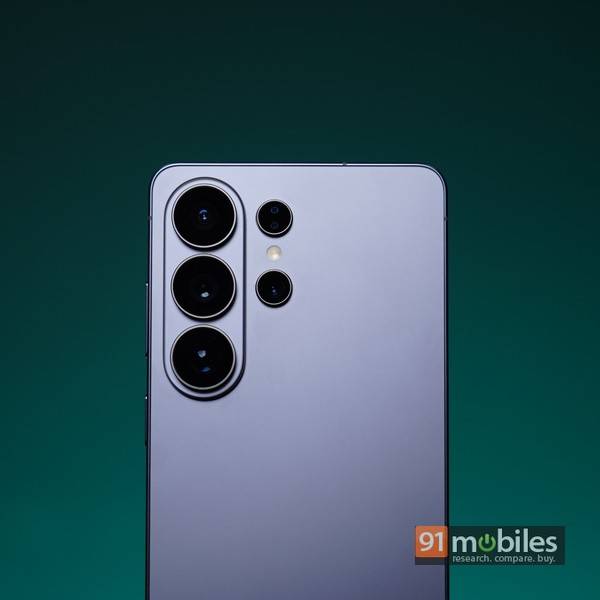
The S25 Ultra turned out to be a brilliant shooter, and the new phone continues on the same path. Packing a 200MP primary snapper along with a 50MP ultrawide, a 10MP telephoto that enables 3x optical zoom, and a 50MP periscope telephoto with 5x optical zoom, it’s a familiar quad-camera setup on offer here. The primary camera and the 5x telephoto cameras get bigger apertures, and that means they can let it more light, promising better low-light shots. One of the most interesting new features, however, is the horizon lock stabilisation, which shoots a stable, level video regardless of how you rotate it around its axis. I tried it out a few times, and it works well. I think it could prove to be useful in some situations … not to mention it’s fun to play with.








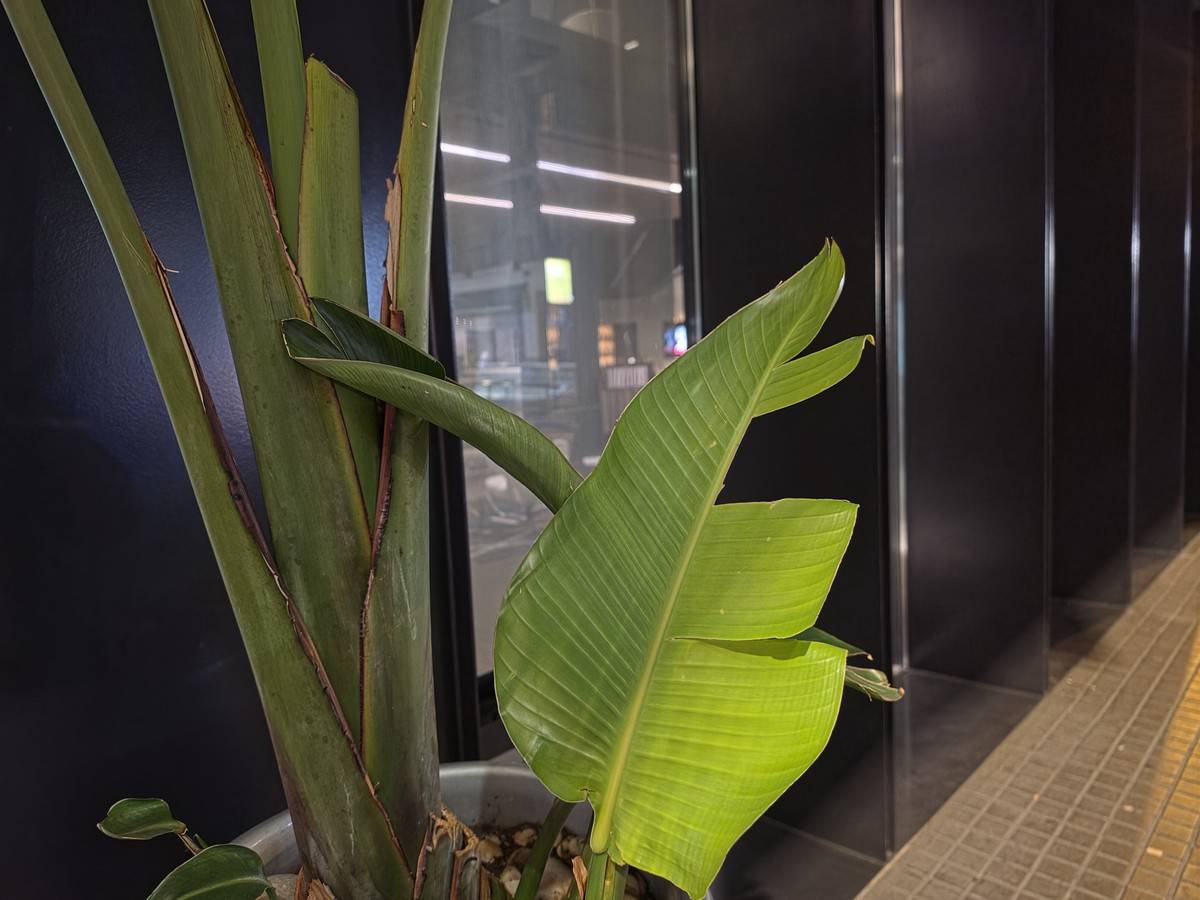







Moving on to the image quality, it’s very good. The Galaxy S25 Ultra was a capable shooter, and the successor is even better, at least marginally. Unlike other brands that offer premium flagships, Samsung doesn’t focus heavily on the shooting capabilities of its top-end S series offering, but that doesn’t take away anything from the fact that the S26 Ultra’s cameras can stand against the best of them. Realistically, the way this works in most cases is that a single phone doesn’t always come out as the best shooter, and some phones fare better than others in specific scenarios.
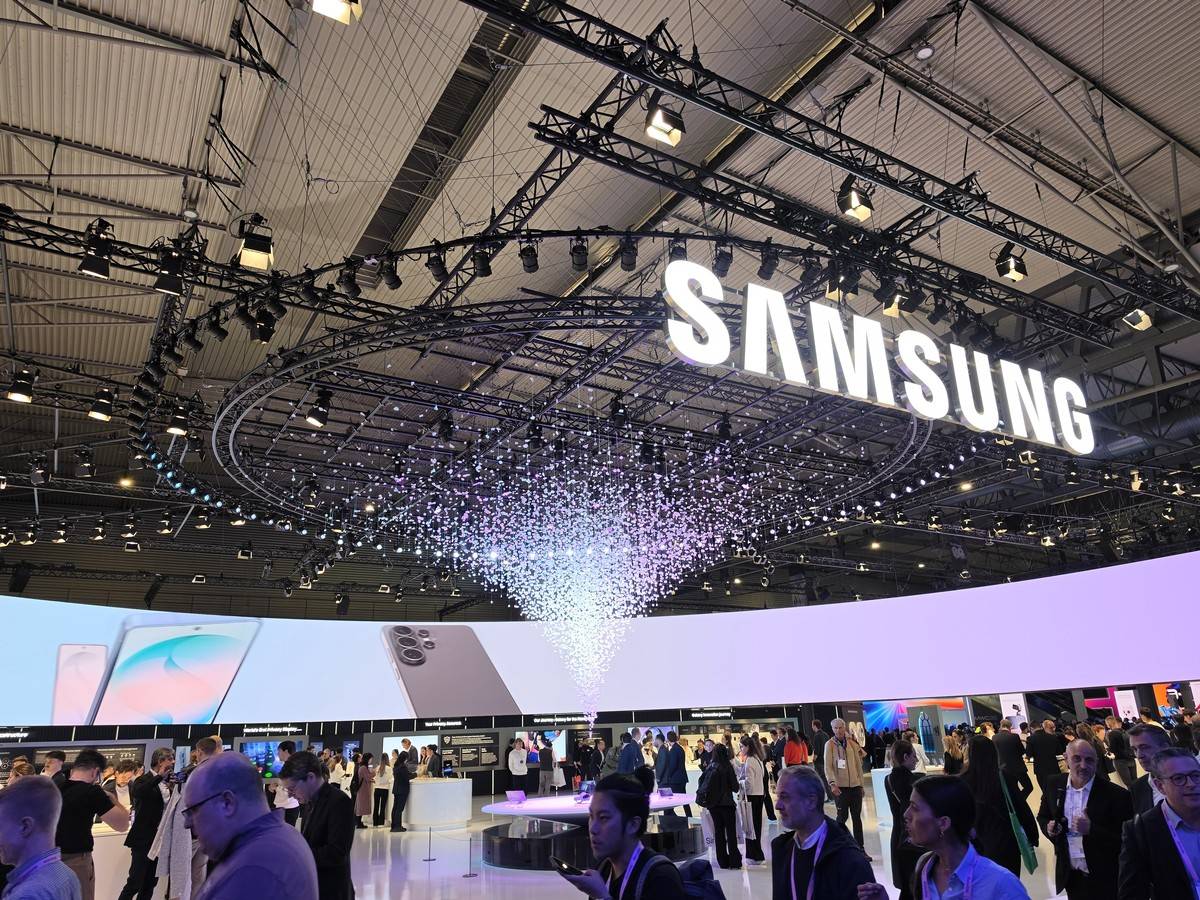
The Xiaomi 17 Ultra (review), for instance, fares a bit better in terms of portrait shots, while the iPhone 17 Pro Max (review) produces more consistent results overall, especially in terms of exposure. The Vivo X300 Pro (review), the OPPO Find X9 Pro (review) and the Google Pixel 10 Pro XL (review) also challenge Samsung’s contenders in terms of shooting prowess, and each of them have their own strong points. The Galaxy S26 Ultra’s strengths lie in strong zoom performance, preserving more detail in long-distance shots as compared to most rivals. The selfie performance is another strong point in its favour. Overall, the S26 Ultra might not be an absolute chart-topper for its cameras, but it does come very close. In real-life usage, it’s a solid, capable shooter, and I used it extensively for shooting while at MWC Barcelona. Shooting conditions varied widely, but I still came back with lovely-looking shots and video footage. At the end of the day, that’s what matters for most users.
Software and AI: all about being in the ecosystem
AI is such a tiny acronym, but its impact is being felt in a big, big way. From a smartphone perspective, Samsung’s Galaxy AI and its suite of features have evolved with each successive generation, and the brand’s last two S series flagships have been marketed as “AI phones”. The S26 Ultra takes that to the next level, improving upon the existing AI features and adding new ones. Samsung’s homegrown smart assistant Bixby is much smarter than before, for instance, and understands conversational prompts better. Now Brief, the feature that offers useful information based on time of day, location, etc., has also been given a boost to earn its place on the new phone, and a new feature called Now Nudge has been added. Now Nudge keeps a track of messages, etc., on your screen and suggests actions accordingly. For instance, if you’re texting your friend for a meeting, it can offer to add that to your calendar, or if they ask you to share photos from your recent Goa trip, it can pull up images from your phone gallery. Nifty! With One UI 8.5 and Android 16, the platform would feel familiar to those who’ve used a Samsung phone before, and it’s a cinch to use even if you’re using it for the first time. It’s clean, highly customisable, and packed with features. It does come with a bunch of apps preloaded, but the software doesn’t feel cluttered. One of the best aspects of One UI, especially when used on a premium smartphone like the S26 Ultra, is the access to Samsung’s ecosystem and signature features that others can’t offer. Signing into your Samsung Account gives you access to the Samsung Cloud for online backup and restore, Samsung Health, interconnectivity with other Galaxy devices like the tablet and laptop, and more. And once you’re into the Samsung ecosystem, you get the option to make the best use of accessories such as the Galaxy Buds4 Pro, the Galaxy Watch8 Classic, and others from the Samsung stable. I say this because most of these are nice accessories but really come into their own when used with a Samsung smartphone. And how can I forget DeX? That’s a feature that gives you a desktop-like environment to work on a large screen. DeX isn’t a new feature by any means and has been around for a while, but it can be quite useful for road warriors. Imagine being able to use your phone to run a PowerPoint presentation on the projector at a client’s office, or ditching your laptop completely by connecting your phone to a monitor, a Bluetooth keyboard and a mouse. And from a security standpoint, there’s Secure Folder that can create an isolated, password-protected environment on your phone, letting you separate your work apps from personal ones.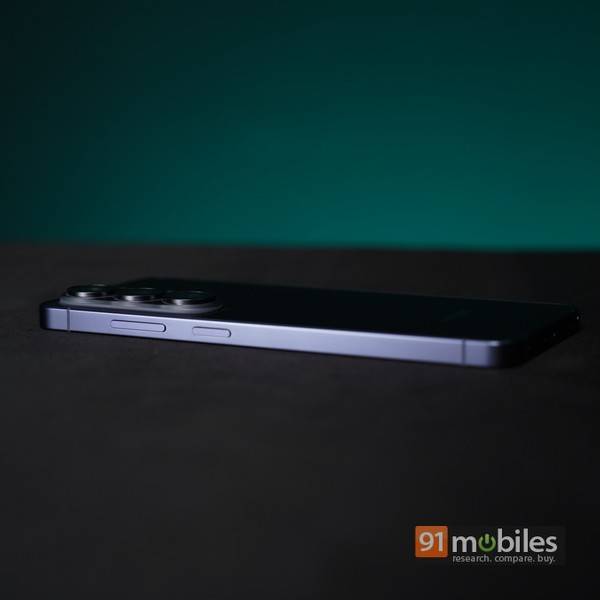
From a software, AI and ecosystem perspective, the Galaxy S26 Ultra offers quite a lot. Some features will appeal to users more than others, but if you’re productivity-focused, you’d find that the platform is quite unmatched and very comprehensive when you factor in everything it brings to the table.
Performance and battery: smooth, consistent
Packing in the Snapdragon 8 Elite Gen 5 for Galaxy (an overclocked version of Qualcomm’s top-end chip), 12 gigs of RAM, and up to a terabyte of storage (256GB on my review unit), the S26 Ultra is a performance powerhouse, and that reflects in most synthetic benchmarks as well. It ends up topping the charts for many of them. While the next chart-topper might be just around the corner, given how fast-paced this industry is, the Galaxy S26 Ultra’s real-life performance is a true delight, and that’s what matters. It handles everything, including intensive gaming, with aplomb. That said, serious gaming might not be its forte, despite the larger vapour chamber.


On the battery front, you still get a 5,000mAh unit… no silicone-carbide tech yet. You can get a day’s worth of usage with medium use, give or take. The real news, however, is the jump to 60W charging (the last few models supported 45W). Now, 60W might not look too exciting, but it’s the fastest as compared to both the iPhone 17 Pro Max and the Pixel 10 Pro XL. The Samsung Galaxy S26 Ultra charges noticeably faster than these two and its predecessor, and given I never charge my phone overnight and charge in the morning before leaving for work, it’s a welcome move. The end result is that the phone charges from 20 to 100 percent in under 40 minutes. There’s support for 25W wireless charging as well, but there are no built-in magnets to enable magnetic Qi2 charging… an area where both the iPhone and Pixel take the edge. You can however, get a MagSafe-enabled case for your S26 Ultra if you want to use magnetic chargers, mounts or other accessories.
Verdict
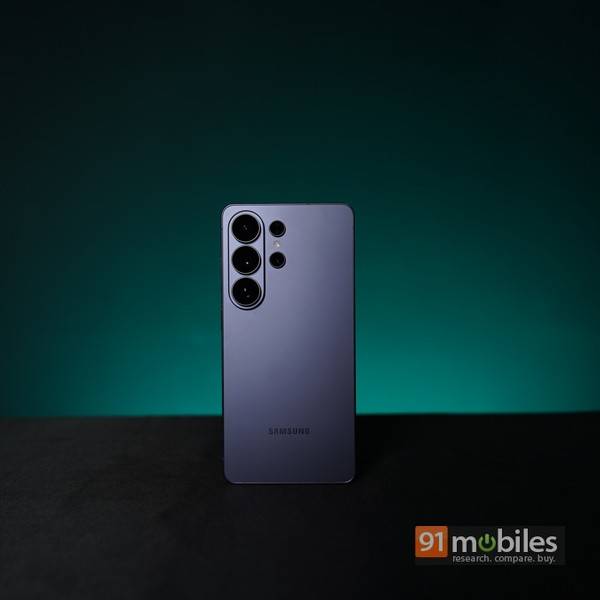
On the face of it, the Samsung Galaxy S26 Ultra comes across as an incremental, iterative upgrade, and there’s no getting away from that. So if you’re an S25 Ultra user, you probably won’t find it too exciting. Even when viewed in isolation, the S26 Ultra might not be a chart-topper in every aspect. That said, when you’re spending the kind of money it asks for, you can’t be looking at just one or two features that work in its favour, or don’t. You need to consider the whole package.
In terms of competition, there’s its arch nemesis, the iPhone. The iPhone 17 Pro Max can’t be ignored in the premium segment, and that’s the one most likely to be considered as an option when eying the S26 Ultra. And Apple is the only other brand (the very first one in fact), that has a super-strong ecosystem play. And if you’re confused between the iPhone and the Galaxy, the answer lies in that one word — ecosystem. Choosing one means choosing the side you want to be on. On the Android side of the fence, competition has heated up. The Google Pixel 10 Pro XL is another strong contender, with camera and AI being its core strengths. However, performance isn’t its strong suit. Most other brands have also upped their game and ensured they’re present in the premium flagship space, with Xiaomi, OPPO and Vivo vying for their share of the pie on the back of their Pros and their Ultras. And each of them have their own strength, but software and ecosystem are where Samsung’s offering edges ahead. To sum it all up, if you’re in the market for a high-end phone that ticks all the boxes, you can’t do better than the Samsung Galaxy S26 Ultra.
Editor’s rating: 8.7 / 10
Pros
- Privacy display is useful
- Excellent cameras & performance
- AI & ecosystem features
- Good battery life, fast charging
- No magnetic Qi2 charging
- Modest upgrades over the predecessor
 | vs |  |
| vs |  |