The Rs 25,000 segment has changed quite a bit over the past year, with several phones that once sat here now moving closer to the Rs 30,000 mark. New launches have filled some of that gap, but the space no longer feels as packed or as straightforward as before, especially with smartphone prices fluctuating every 2 weeks. That also means there is a bit less clarity on which phones will stay in the bracket for long and which ones may quietly slip out after the next price hike.
Even so, this remains a very important price point for buyers who want the right balance of performance, cameras, battery life, and design without stretching their budget too far. The POCO M8 tops the list as the best phone in design, thanks to its premium-looking build and slim, lightweight frame. The OPPO K13 is the best all-rounder here, offering a well-balanced mix of performance, cameras, battery life, and everyday usability.
If camera quality is your priority, the Motorola Edge 60 Fusion is the one to look at, while the iQOO Z11x delivers the best software experience in this segment. For gaming, the Infinix GT 30 takes the lead, and if battery life matters most to you, the Vivo T4 is the clear pick. With each phone excelling in a different area, it becomes easier to choose the one that best fits your needs.
Note: This list of best phones around Rs 25,000 is based on our in-house reviews and benchmark tests conducted under a controlled environment. You can read all about our testing methodology here.
Table of Contents
POCO M8 – Best in design
Why we chose it
The POCO M8 (review) is a notable change in POCO’s design direction. It moves away from the brand’s usual bold styling and instead goes for a cleaner and more polished look that feels quite premium in hand. Even though the frame is made of plastic, the phone does not feel cheap at all, and the slim 7.35mm body, along with the 178g weight, makes it exceptionally comfortable to hold and use for long periods.
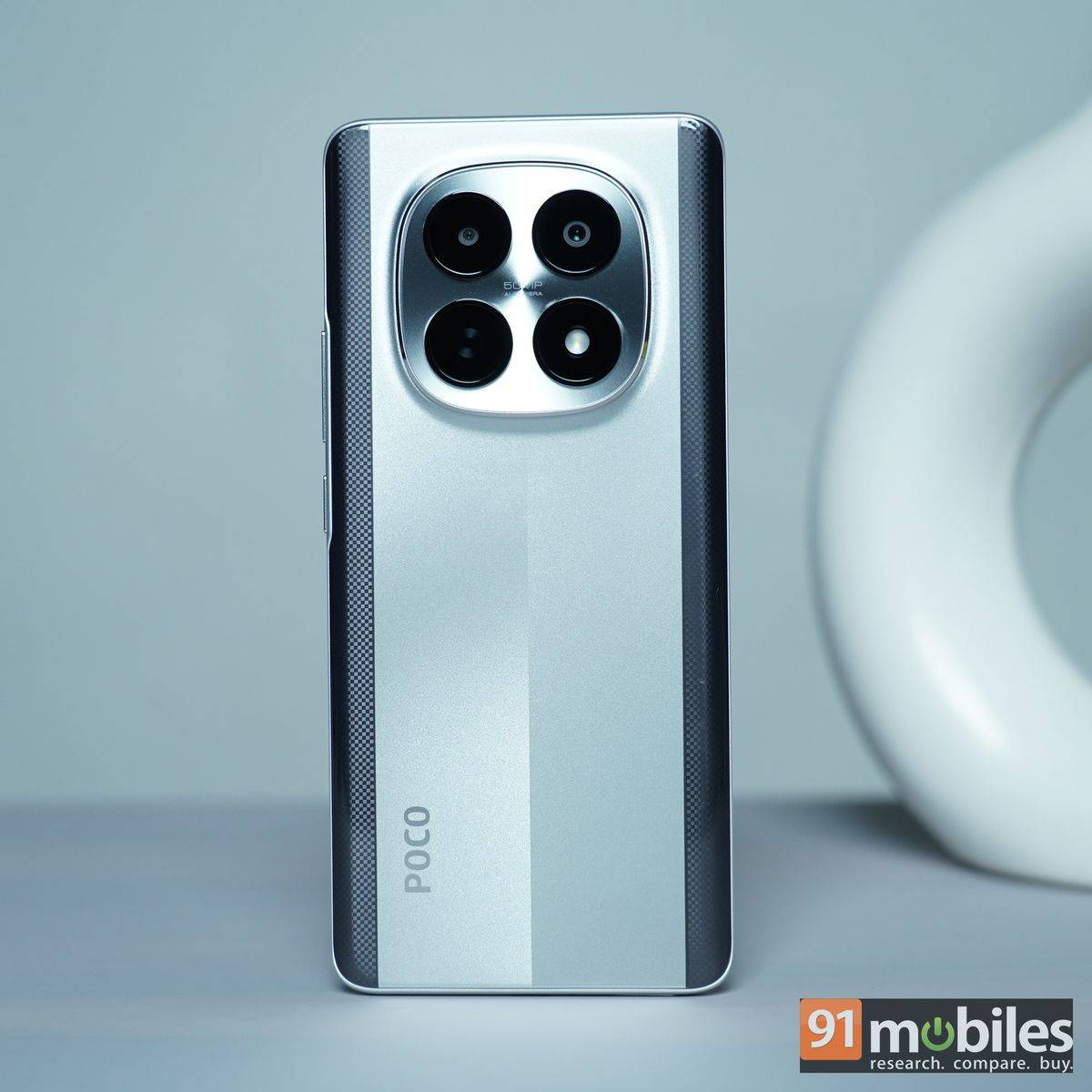
At the back, the phone comes in a dual-tone finish across all colour options, including Carbon Black, Frost Silver, and Glacier Blue. The effect is immediately apparent on the Frost Silver variant we received, where the contrast between the silver centre and the darker edges gives the phone a distinctive look. It may feel a little unusual at first, but it quickly starts to stand out in a good way.
There is also a subtle line running across the rear panel, which adds a bit of depth when light falls on it. The square camera module sits neatly in the centre and blends well with the rest of the back, thanks to its matching finish and soft, rounded corners. It also sits flat on a table, which helps keep the phone steady and makes typing a little easier. With phones packing in larger batteries, slim, lightweight phones have become somewhat rare, but if that’s what you fancy, the POCO M8 is a great one to have.
Key specifications
| Features | Details |
|---|---|
| Design & build | 7.35mm thick, 178g, IP65 and IP66 rating |
| Display | 6.77-inch 120Hz FHD+ AMOLED, 3200nits peak brightness |
| Performance | Snapdragon 6 Gen 3, up to 8GB RAM, up to 256GB storage |
| Cameras | 50MP main + 2MP depth; 20MP selfie camera |
| Battery | 5,520mAh, 45W wired charging, 18W wired reverse charging |
Infinix Note Edge – Alternative
The Infinix Note Edge (review) does a very good job when it comes to design and in-hand feel. At just 7.2mm thick, it slips into pockets easily, while the 185g weight is well balanced enough that it doesn’t feel awkward to hold for long periods. The review unit came in the Lunar Titanium shade, which has a reflective matte finish that feels smooth to the touch, though it can also get a bit slippery in regular use.
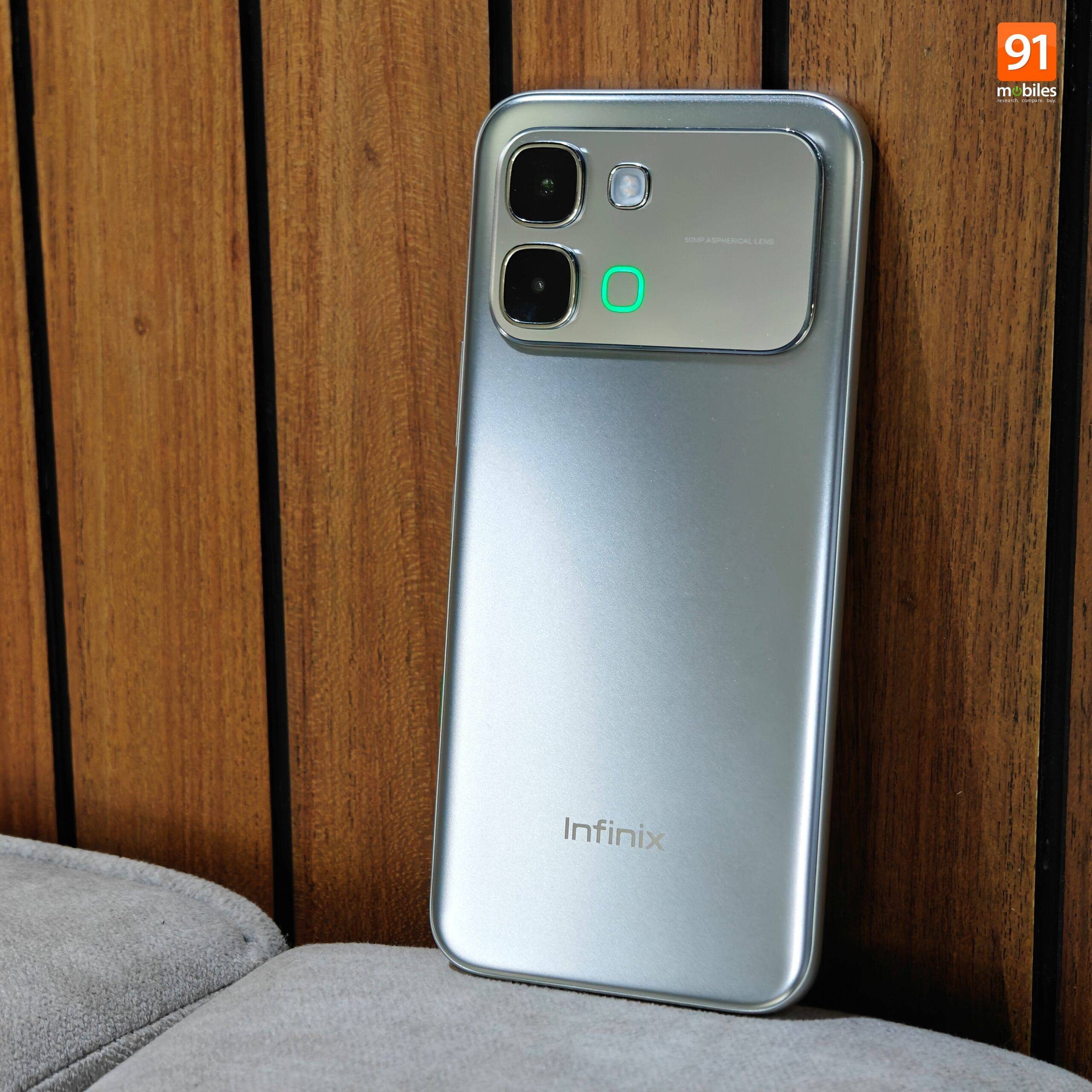
Infinix does bundle a good-quality rubberised case, which helps with grip. The phone also gets Corning Gorilla Glass 7i for scratch protection and an IP65 rating for dust and splash resistance, which adds a bit more peace of mind in everyday use.
OPPO K13 – Best all-rounder
Why we chose it
The OPPO K13 (review) makes a great case for itself as a well-rounded phone that gets most things right for a more affordable price compared to other phones on this list. It feels sleek in the hand, performs reliably for both regular and heavy users, and is backed by the Snapdragon 6 Gen 4 chipset, which keeps things smooth while remaining efficient with heat and battery use. That means you get consistent performance through the day, along with fast charging that can take the phone from empty to full in under an hour


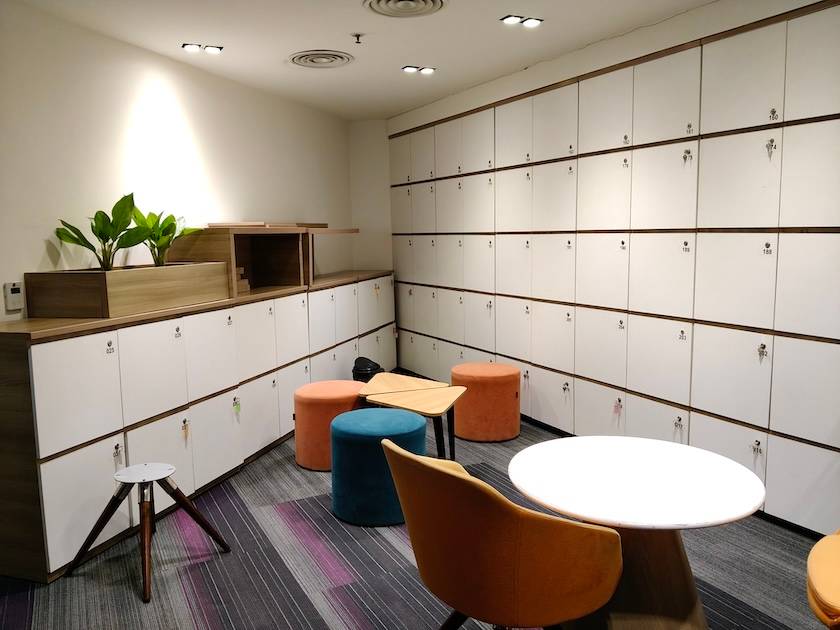







The cameras are also decent in good lighting, though low-light shots are average, and the software is feature-rich but comes with a fair number of pre-installed apps. Still, if those things are not major concerns, the OPPO K13 is an excellent all-round choice at this price point.
Key specifications
| Features | Details |
|---|---|
| Design & build | 8.5mm thick, 208g, IP65 rating |
| Display | 6.67-inch 120Hz FHD+ AMOLED, 1200nits peak brightness |
| Performance | Snapdragon 6 Gen 4, 8GB RAM, up to 256GB storage |
| Cameras | 50MP main + 2MP depth; 16MP selfie camera |
| Battery | 7,000mAh, 80W wired charging |
OnePlus Nord CE 6 Lite – Alternative
The OnePlus Nord CE 6 Lite (review) keeps things simple and gets the basics right, with a large 7,000mAh battery and a dependable Dimensity 7400 chipset that make daily use feel smooth and worry-free. It does have a few compromises, such as the LCD display, which does not offer the same contrast and punch as an AMOLED panel, and the phone can also feel a little heavy over time.
Even so, the overall experience remains consistent thanks to clean software and cameras that hold up better than some of its direct rivals. It remains a balanced choice for buyers who want long battery life, solid performance, and a more refined software experience without overthinking the rest.
Motorola Edge 60 Fusion – Best in cameras
The Motorola Edge 60 Fusion (review) comes across as the strongest camera phone in this set, mainly because it delivers the most consistent results across different lighting conditions. It performs especially well in daylight, where the main camera captures sharp, detailed images with vibrant colours, and the ultra-wide camera also holds up well in terms of detail and dynamic range. Portraits and selfies are generally good too, with the phone doing a better job than rivals at colour accuracy and facial detail, though the selfie camera can still soften features a little.


Low-light performance is where it falls a little behind, as the phone struggles with light sources, colour reproduction, and overall clarity, even with night mode enabled. Low-light performance, however, is a thorn in the side of almost all phones in this price bracket. When you look at the bigger picture, the Edge 60 Fusion comes through as the best option here for photography, especially if you shoot mostly in well-lit conditions.
| Features | Details |
|---|---|
| Design & build | 8.0mm thick, 178g, IP68 and IP69 rating |
| Display | 6.67-inch 120Hz 1.5K P-OLED, 4500nits peak brightness |
| Performance | MediaTek Dimensity 7400, up to 12GB RAM, up to 512GB storage |
| Cameras | 50MP main + 13MP ultrawide; 32MP selfie camera |
| Battery | 5,500mAh, 68W wired charging |
iQOO Z11x – Best in software
The iQOO Z11x’s (review) software is one of its strongest points, even though it comes with a fair number of pre-installed apps and games. Running on OriginOS 6, the interface feels smooth and lively in daily use, with attractive blur effects, bouncy animations, and clean transitions that make the experience feel more polished than you might expect at this price. Small touches like the app opening and closing animations, the Origin Island effects, and the quick settings panel help the phone feel more refined, and these are details that are missing from most of its rivals in this price bracket.
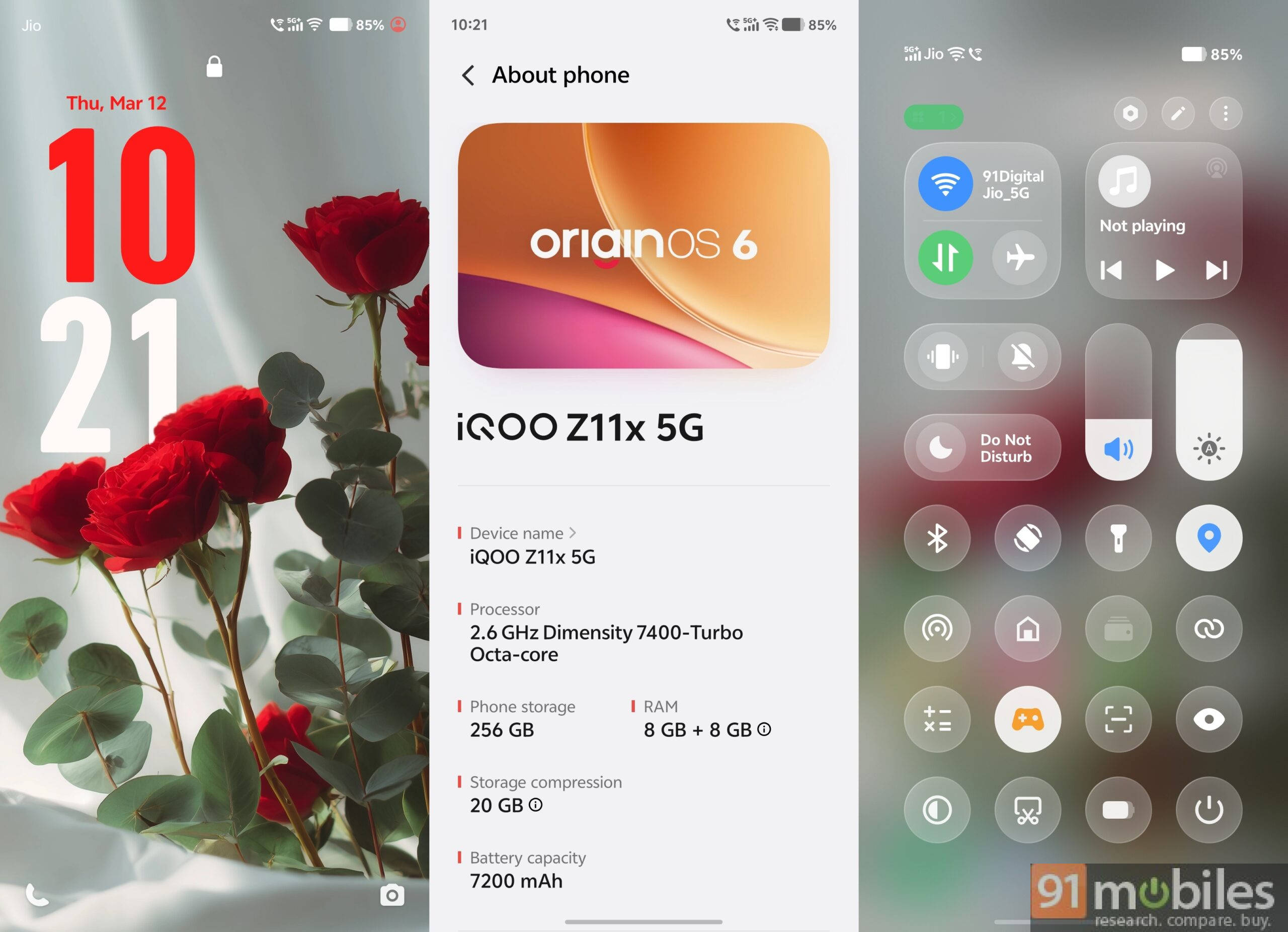
The phone is also promised two years of OS updates and four years of security patches. That is still fine for a midrange phone, but it falls behind some rivals with longer update cycles. Even so, if you care about how the software actually feels to use every day, the iQOO Z11x does a very good job and is one of the best options in this list.
Key specifications
| Features | Details |
|---|---|
| Design & build | 8.39mm thick, 219g, IP68 and IP69 rating |
| Display | 6.76-inch 120Hz FHD+ LCD, 1200nits peak brightness |
| Performance | MediaTek Dimensity 7400 Turbo, up to 8GB RAM, up to 256GB UFS 3.1 storage |
| Cameras | 50MP main + 2MP depth; 32MP selfie camera |
| Battery | 7,200mAh, 44W wired charging |
POCO M8 – Alternative
While the iQOO Z11x makes a better case for day-to-day software feel, long-term support still matters a lot to buyers who plan to keep their phone for several years. That is where the POCO M8 (review) comes in, as it offers the longest software support in this segment, with 4 OS updates and 6 years of security patches. It may not feel as polished or as lively as iQOO’s interface, but the longer update promise adds a lot of value for anyone who wants a phone that should stay supported for much longer.
Infinix GT 30 – Best in gaming
If gaming is your priority, the Infinix GT 30 (review) is the most purpose-built option in this list, and it is not particularly close. The phone carries a gamer-inspired design with GT Shoulder Triggers that offer a 520Hz touch response rate, making fast-paced multiplayer titles feel noticeably more responsive and fun to play. Under the hood, the Dimensity 7400 chipset handles most modern games well, whether that is BGMI at 90fps or more demanding titles like Genshin Impact at playable frame rates on high settings.
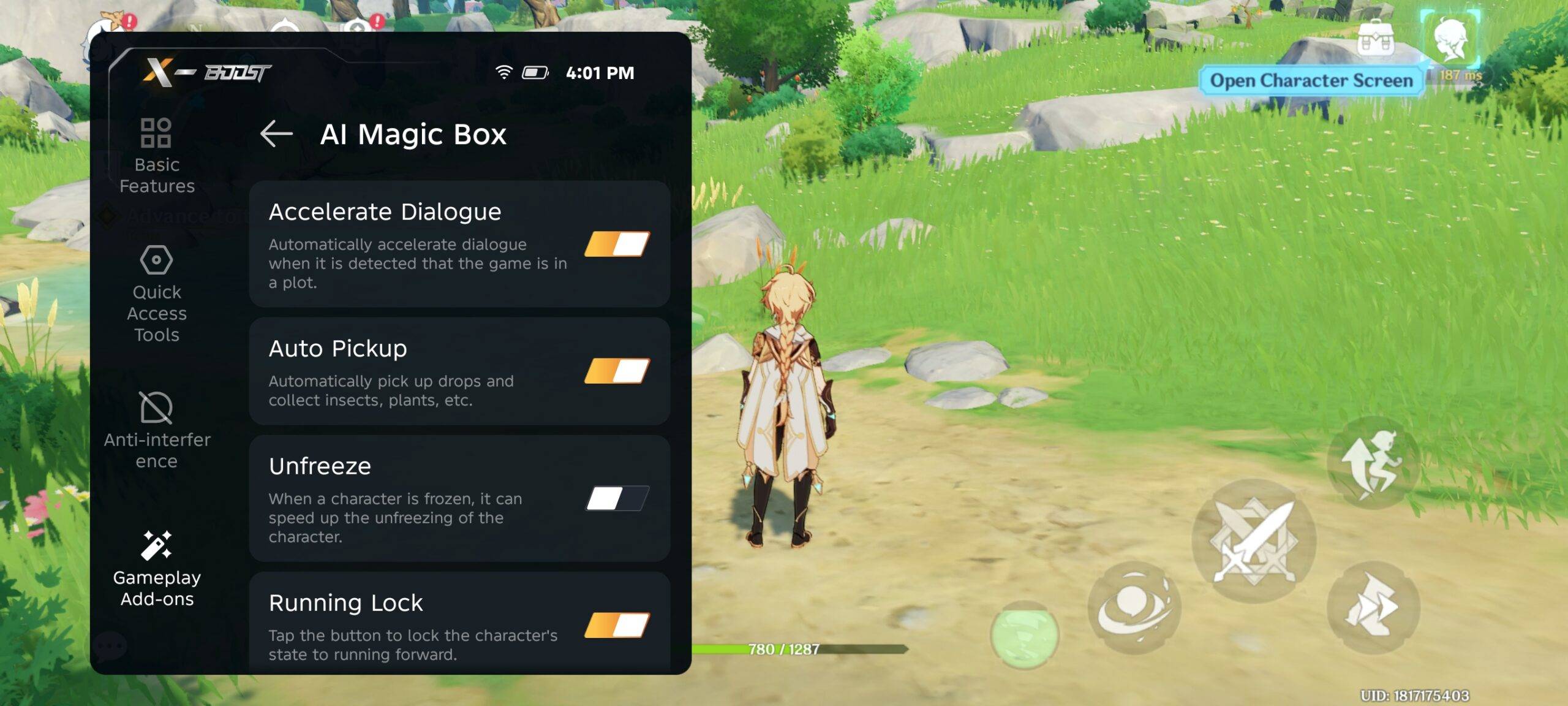
What’s really exceptional, however, is the thermal management. The vapour chamber cooling keeps the temperature rise to just around 3 degrees Celsius after extended gaming sessions, which means performance stays consistent even during longer play sessions. There are a couple of compromises, like the IP64 rating and no storage expansion, but if gaming is what you are buying this phone for, the GT 30+ offers a level of focus and feature depth that the other phones on this list simply do not match.
| Features | Details |
|---|---|
| Design & build | 7.99mm thick, 187g, IP64 rating |
| Display | 6.78-inch 144Hz 1.5K AMOLED, 4500nits peak brightness |
| Performance | MediaTek Dimensity 7400, 8GB RAM, up to 256GB storage |
| Cameras | 64MP main + 8MP ultrawide; 13MP selfie camera |
| Battery | 5,500mAh, 45W wired charging, 10W reverse wired charging |
Vivo T4 – Best in battery
The Vivo T4 (review) is the clear battery leader in this aspect, thanks to its large 7,300mAh Silicon Carbon battery, which delivers excellent endurance without making the phone feel overly bulky. In our PCMark battery benchmark, it returned a score of 18 hours, but the real strength shows up in day-to-day use. The phone dropped just 5 percent during an hour of YouTube streaming, and even an hour of gaming at 90fps brought the battery down by only 7 percent overall.



It easily lasts through a full day and then some, even with heavier use, and it also charges very quickly thanks to 90W support and the bundled charger. That gives it a clear edge over other big-battery phones that usually take longer to top up. The bypass charging feature is another useful addition, since it helps reduce battery strain during charging and should support better long-term battery health. If you want a battery champ at this price point that is also a strong all-rounder, this is the one to beat.
Key specifications
| Features | Details |
|---|---|
| Design & build | 7.9mm thick, 199g, IP65 |
| Display | 6.77-inch 120Hz FHD+ AMOLED, 5000nits peak brightness |
| Performance | Snapdragon 7s Gen 3, 8GB/12GB RAM, up to 256GB storage |
| Cameras | 50MP main + 2MP depth; 32MP selfie camera |
| Battery | 7,300mAh, 90W wired fast charging, 7.5W reverse wired charging |
Conclusion
| Model | Current price | Best known for |
| POCO M8 | Rs 19,999 | Clean, polished, and premium design |
| OPPO K13 | Rs 22,999 | All-rounder with sleek design, reliable performance, and decent cameras |
| Motorola Edge 60 Fusion | Rs 24,999 | Strong camera system, especially in daylight |
| iQOO Z11x | Rs 22,999 | Impressive software with smooth and reliable OriginOS 6 |
| Infinix GT 30 | Rs 19,499 | Gaming with GT Shoulder Triggers and 520Hz touch response rate |
Many of these phones launched last year, and while some have seen small price increases since then, they still offer excellent value. That matters even more now because newer launches have shifted the long-established price brackets, and many have trimmed certain hardware features to keep costs in check. As a result, some of the older options here still make more sense for buyers who want a better balance of features without stretching their budget too far.
It is also worth noting that some really good phones, like the CMF Phone series and Nothing models, are not easy to recommend right now simply because they are out of stock on major online platforms.
Overall, the under-Rs 25,000 price bracket has become a more mixed segment than it used to be, but that also means there are still some very good phones to pick from depending on what matters most to you. Whether you care about design, cameras, battery life, software, or gaming, there is now a clear recommendation for each kind of buyer.
FAQs
Is it still worth buying a phone in the Rs 25,000 range?
Yes, this is still one of the most practical price points if you want a good balance of features without stretching too far.
Why are older phones still showing up in this list?
Some older models still make more sense because they offer a better feature balance than newer phones that have cut corners to stay within budget.
Which phone is best if I mostly care about camera consistency?
The Motorola Edge 60 Fusion is the best fit if you want the most reliable camera output in this segment, especially in daylight.
Which phone makes the most sense for long-term use?
The POCO M8 is a great option if software support matters to you and it comes with a premium build quality, while the Vivo T4 is better if you want the best battery backup.
Which phone is best if I want the least compromise?
The OPPO K13 is the least risky choice because it delivers a well-rounded experience without a major weakness in daily use.