


Review Summary
Expert Rating
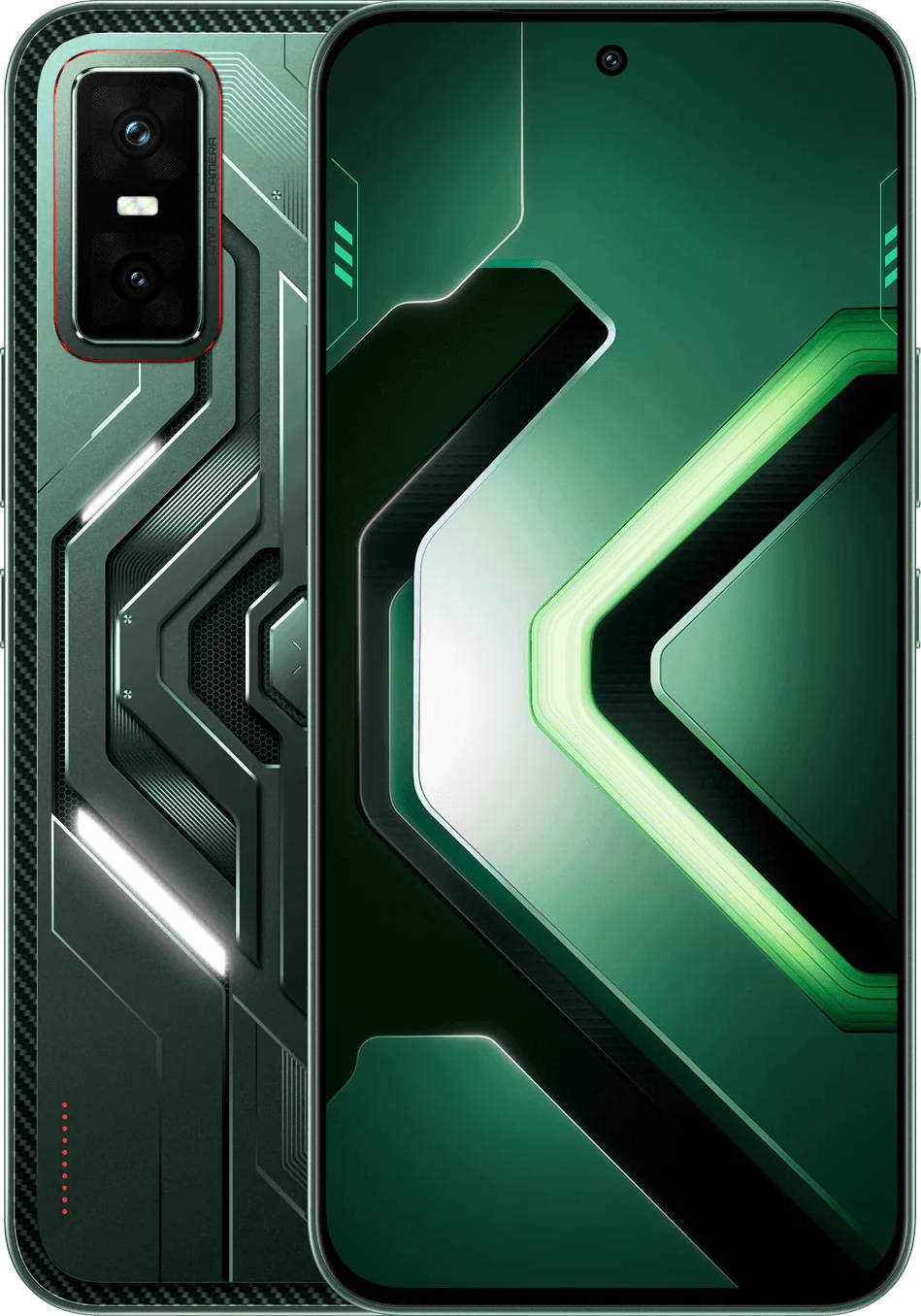
Just a few weeks ago, I had gotten my hands on the Infinix GT 30 Pro (review), the brand’s latest gaming-focused mid-range smartphone. It’s an improvement upon its predecessor in all major aspects, with the key highlight being the addition of gaming triggers. The new Infinix GT 30 5G+ follows a very similar philosophy.
Priced a notch lower than its elder sibling, the phone offers a lot of the same features found in the Pro variant, albeit with a few exceptions. It uses a more balanced MediaTek Dimensity 7400 SoC, a rather modest camera system, and more standard hardware for its price. However, it is still fuelled by the same gaming-centric philosophy as the GT 30 Pro. When it comes to pure performance and gaming prowess, it sits towards the top of its price segment.
Table of Contents
Gamer aesthetics with GT Shoulder Triggers
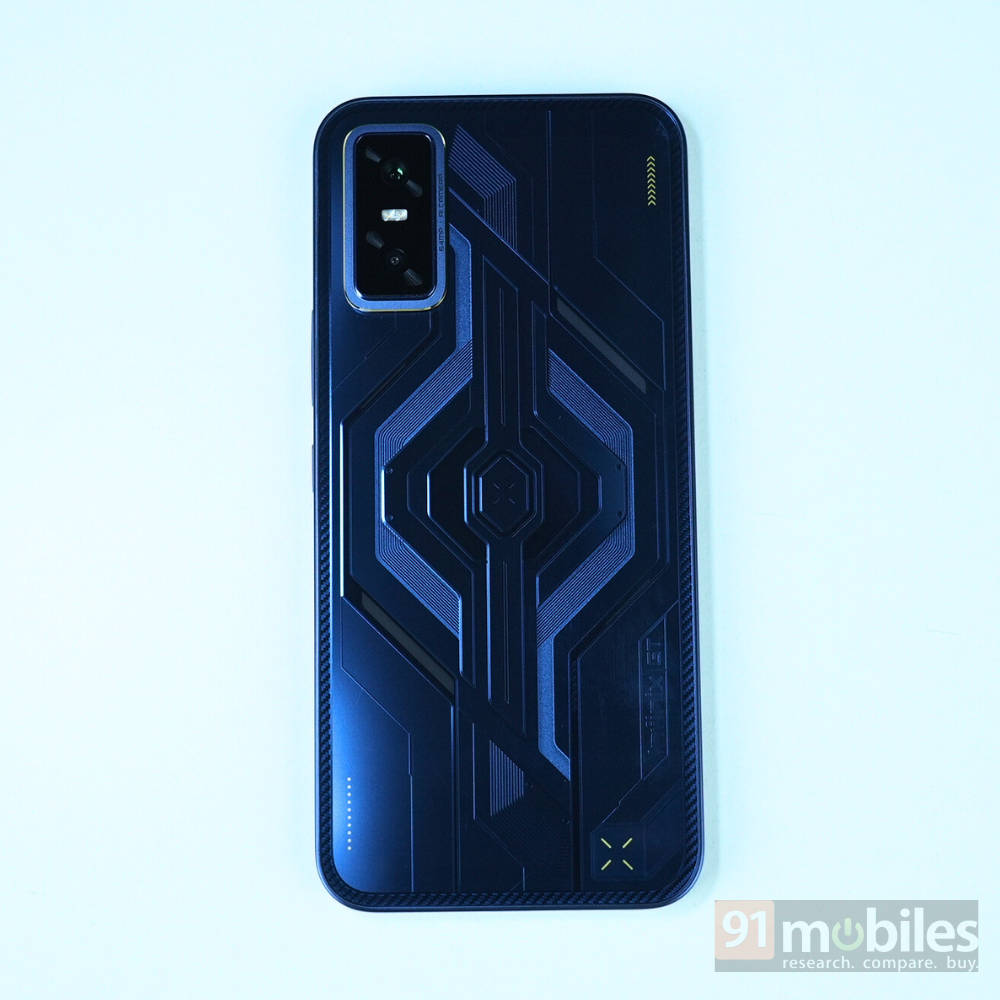
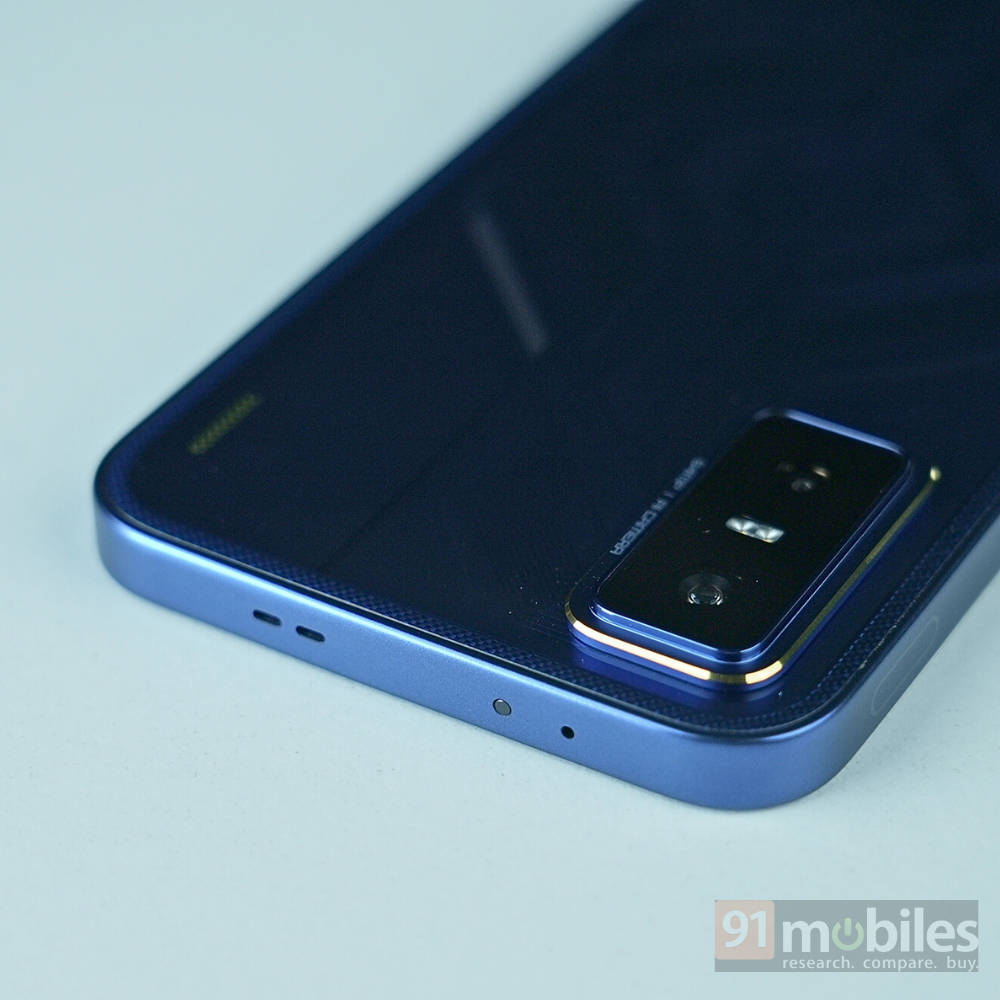
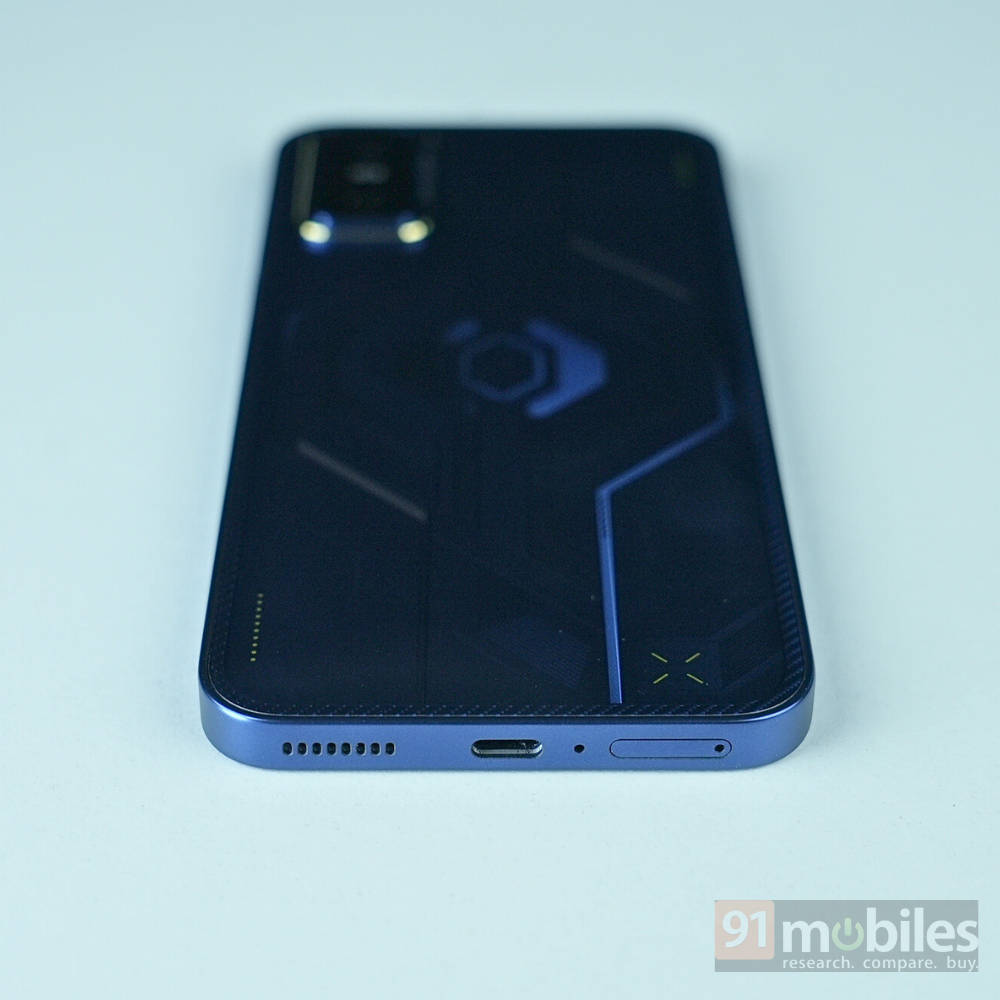
The Infinix GT 30 5G+ shares its design language with the Pro variant and inherits essentially all the core specifications. At just 8mm thin and weighing around 188 grams, it’s an extremely handy device. The Pulse Green variant I have for review features the same edgy, gamer-inspired look, which I appreciate, as I’ve always preferred phones with a bit of personality.
| Smartphone | Thickness | Weight | IP Rating |
| Infinix GT 30 | 7.99 mm | 187 grams | IP64 |
| Moto G96 5G | 7.93 mm | 178.10 grams | IP68 |
| iQOO Z10R | 7.39 mm | 183.5 grams | IP68 +IP69 |
Still, it offers almost all the core features as the Pro variant when it comes to the gaming experience. The most notable of these is the new GT Shoulder Triggers. The triggers offer an impressive 520Hz touch response rate, and help elevate the fun factor in fast-paced multiplayer titles, feeling both tactile and responsive. The only drawback is that there’s no physical trait to differentiate these triggers from the rest of the frame. I’ve covered these triggers more thoroughly in my Infinix GT 30 Pro+ review, which offers a deeper dive into their capabilities.
A beautiful display held back by imbalanced speakers
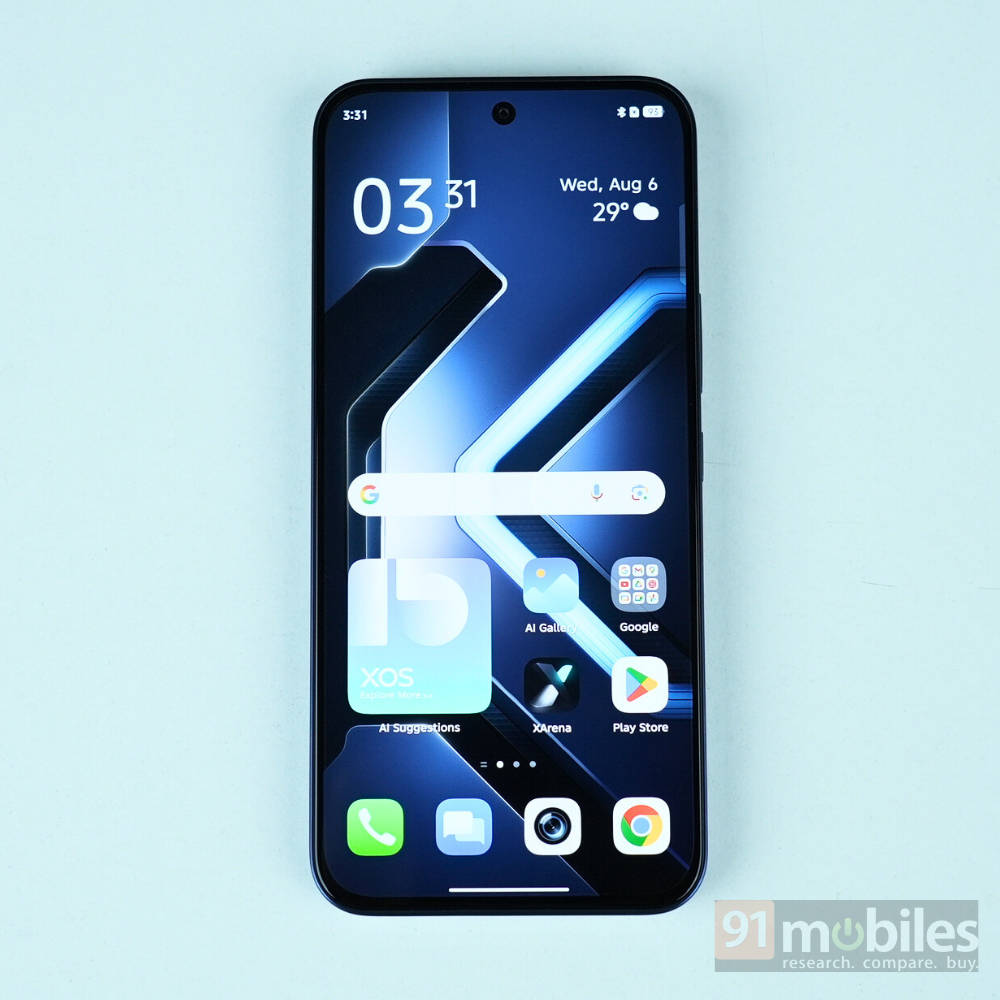
The Infinix GT 30 5G+ uses the same excellent display as its Pro sibling, making it one of the phone’s best features. It’s a 6.78-inch AMOLED panel with a sharp 1.5K resolution and vibrant colours with 100 percent DCI-P3 coverage. With its 144Hz refresh rate, everything from scrolling to gaming feels exceptionally smooth. The display also includes 2340Hz PWM Dimming for low-light viewing, is certified for HDR10 which works on services like Netflix, and is protected by a durable Gorilla Glass 7i.
The biggest letdown with the audio, however, is its balance. The output is skewed, with the down-firing speaker producing nearly 80 percent of the sound. The top speaker, in comparison, is weaker and the device produces lopsided audio that is barely stereo-like. It makes media playback feel a little underwhelming compared to other competing devices.
What’s the performance and software like?
The Infinix GT 30 5G+ is powered by a MediaTek Dimensity 7400 SoC, paired with up to 12GB of LPDDR4X RAM and 256GB of UFS 2.2 storage. However, you can’t expand the storage further. This means you’re locked into the configuration you buy, making the 256GB variant my recommended choice in 2025.


In daily use, the phone is a reliable performer. I noticed no dips or lags while multitasking, switching between apps, or simply navigating the interface, and it remained smooth throughout. For gaming, the GT 30 5G+ handles most modern titles well. Demanding games like BGMI and Genshin Impact run at a playable 30-40fps on high settings, with BGMI also supporting a 90fps mode on Smooth graphics. Less intensive titles like COD: Mobile run smoothly, averaging over 50fps on high settings.
Thermal management is especially impressive. With its Vapour Chamber cooling system, the phone’s temperature increased by an average of just 3 degrees Celsius after 30 minutes of gaming. This excellent heat dissipation makes it a great pick for gamers who value sustained performance.
On the software front, the device comes with XOS 15, based on Android 15. The new OS introduces meaningful improvements, including smoother app animations, a refreshed app drawer, and an updated notification panel. The interface feels cleaner and more refined than previous versions, and Infinix deserves credit for cutting down on the number of pre-installed apps.
| Smartphone | Pre-Installed Apps | Software Support |
| Infinix GT 30 | 41 | 2 Year OS Updates + 3 Year Security Updates |
| iQOO Z10R | 59 | 2 Year OS Updates + 3 Year Security Updates |
| Moto G96 5G | 44 | 1 Year OS Updates + 3 Year Security Updates |
Surprisingly decent cameras for a performance-focused phone
Like you’d expect for a performance-focused device, the camera system is where the Infinix GT 30 5G+ makes its most significant compromises. The setup is still pretty good, with a 64MP primary camera and a dedicated 8MP ultrawide lens, a welcome inclusion at a time when some brands are omitting it.
Based on my testing, I can say that the camera system on the Infinix GT 30 5G+ turned out to be quite a surprise. In daylight, the primary camera captures images with warm, appealing colours and respectable dynamic range, though this sometimes comes at the expense of fine detail. The dedicated ultrawide lens delivers decent results in good light.









For portrait shots, the phone does a good job of separating the subject from the background, but I found the colour processing could be overly aggressive, occasionally giving skin tones an unnatural look. This trend continues with selfies, which are detailed but often oversaturated. Low-light photography is its weakest aspect. While the night mode produces a bright image, it struggles to preserve detail and manage stray light effectively. In short, it’s a capable and versatile camera for casual snaps and social posts, but it isn’t the right choice for someone who prioritises accuracy.
I compared the phone’s cameras against its key rival, the Moto G96 (review), check it out below:
Daylight
The main difference between the GT 30+ and the Moto G96 lies in colour science. The Infinix device produces warmer, more appealing colours. Upon closer inspection, however, the Moto G96 retains superior detail and sharpness. The Infinix GT 30+ has a slight advantage in dynamic range, doing a better job of illuminating shadows and showing tonal differences.


Ultrawide
Both phones use an 8MP ultrawide lens, and both struggle to maintain colour consistency with their primary sensors. The Infinix GT 30+, however, holds a slight advantage here and produces marginally better detail while also managing distortion and dynamic range more effectively.


Portrait
Portraits reveal a stark contrast in processing. The Infinix GT 30 produces images with high contrast that can obscure facial details and adds a slight yellow tint. The Moto G96, by comparison, offers far more realistic colours and better detail. However, the Infinix phone is better at edge detection, cleanly separating the subject from the background where the Moto G96 sometimes struggles.


Selfie
Selfies are another aspect where there’s a large difference between the shots of each device. The Infinix GT 30’s selfie has enhanced colours and makes them quite vibrant, which detracts from the actual scene. The Moto G96 also preserves facial features and details more closely, in turn making the image look sharper and more appealing.


Low light
While low-light photography is a challenge for both, their night modes produce decent results. The Infinix GT 30 does produce a warmer image, which looks appealing at first glance, but its detail level isn’t as good as the Moto G96. The latter even does a better job in managing lens flares and stray light, and produces better low-light results.


Satisfactory battery life with quick charging speed
The Infinix GT 30 5G+ packs a 5,500mAh battery with support for 45W fast charging, basically the same as the Pro variant. In our battery tests, it delivered fairly average results when compared to key rivals. However, in day-to-day use, it should last a full day for most users. I got around 7 hours of screen time, although keep in mind this is mostly for day-to-day use. With longer gaming sessions (2 hours or longer) the screen-on time settles to about 5-5.5 hours, which isn’t bad by any means.
There are handy features like bypass charging (power goes straight to the motherboard), low-temperature charging mode, etc. Charging speed is decent enough at 49 minutes from 20 to 100 percent, nothing to complain about there either.
Final Verdict
The Infinix GT 30 5G+ starts at Rs 19,499 for the 8GB + 128GB variant and Rs 20,499 for the 8GB + 256GB variant, competing against rivals like the Moto G96 (review) and iQOO Z10R (review). If good cameras, a curved display, IP68 durability, and a near-stock OS sound more appealing to you, the Moto G96 could be an option. The iQOO Z10R, in contrast, offers a top-notch multimedia experience with its quad-curved AMOLED display and better speakers, a more durable build with IP68/69, and slightly better battery life.
For its price, the Infinix GT 30+ offers an excellent high-resolution 144Hz AMOLED display, top-tier performance for both gaming and daily use, decent battery life, and a respectable camera system. Its key feature is its suite of gaming tools, including the GT Shoulder Triggers, making it ideal for serious gamers. My only gripes are the imbalanced stereo speakers and that its battery life, while decent, isn’t great considering other devices in the segment. Otherwise, it is a well-rounded offering with exceptional gaming-centric features, and you can even add Infinix GT gaming accessories like a cooling fan to elevate the experience.
Editor’s Rating: 8.2/10
Reasons to buy:
- The phone features a flashy, gaming-inspired design that includes the GT Shoulder Triggers.
- It has a punchy, high-resolution AMOLED display with a fluid 144Hz refresh rate.
- The device delivers top-notch performance that is excellent for both gaming and daily use.
- It offers surprisingly good haptic feedback for its price segment.
Reasons not to buy:
- The stereo speakers are poorly balanced, which detracts from the multimedia experience.
- While the battery life is sufficient for a day, it could be better when compared to competitors.
 | vs |  |