


Review Summary
Expert Rating
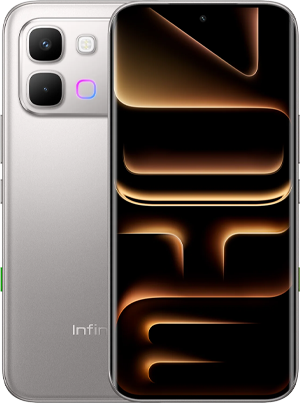
The Infinix Note Edge recently made its debut in India, marking the brand’s first smartphone release of 2026 and introducing a new lineup focused on sleek, ergonomically lightweight phone designs. The headlining aspects of the Note Edge, which measures just 7.2mm in thickness, revolve around its 6,500mAh battery for providing power-packed endurance and a 1.5K 3D curved AMOLED display. Starting at Rs 21,999, the handset competes against other ergonomics-focused smartphones, such as the Redmi Note 15 5G (review) and Nothing Phone (3a) Lite (review).
But how well does the Infinix Note Edge deliver in real-world use? Find out in this detailed review where I’ve shared my thoughts and opinions on various aspects of the Infinix Note Edge after using it for over a week.
Table of Contents
Quick verdict
The Infinix Note Edge is an excellent grab for those prioritising a slim, handy and comfortable form factor without compromising battery life. The display outputs vibrant and crisp details, while the software is backed by AI features and support for years to come. However, the phone’s cameras and performance, although reliable, could have been better.
Sleek, premium, and perfectly ergonomic
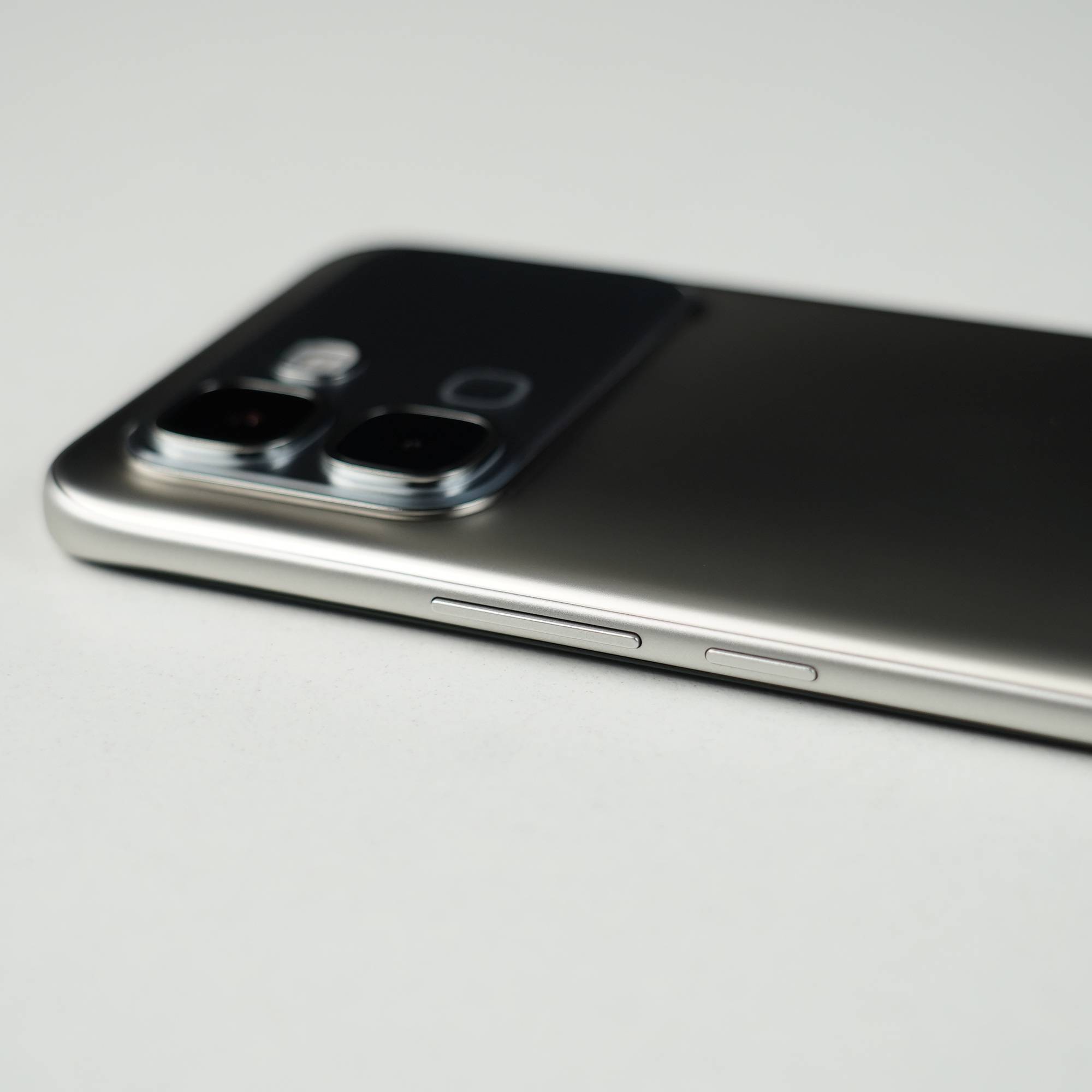
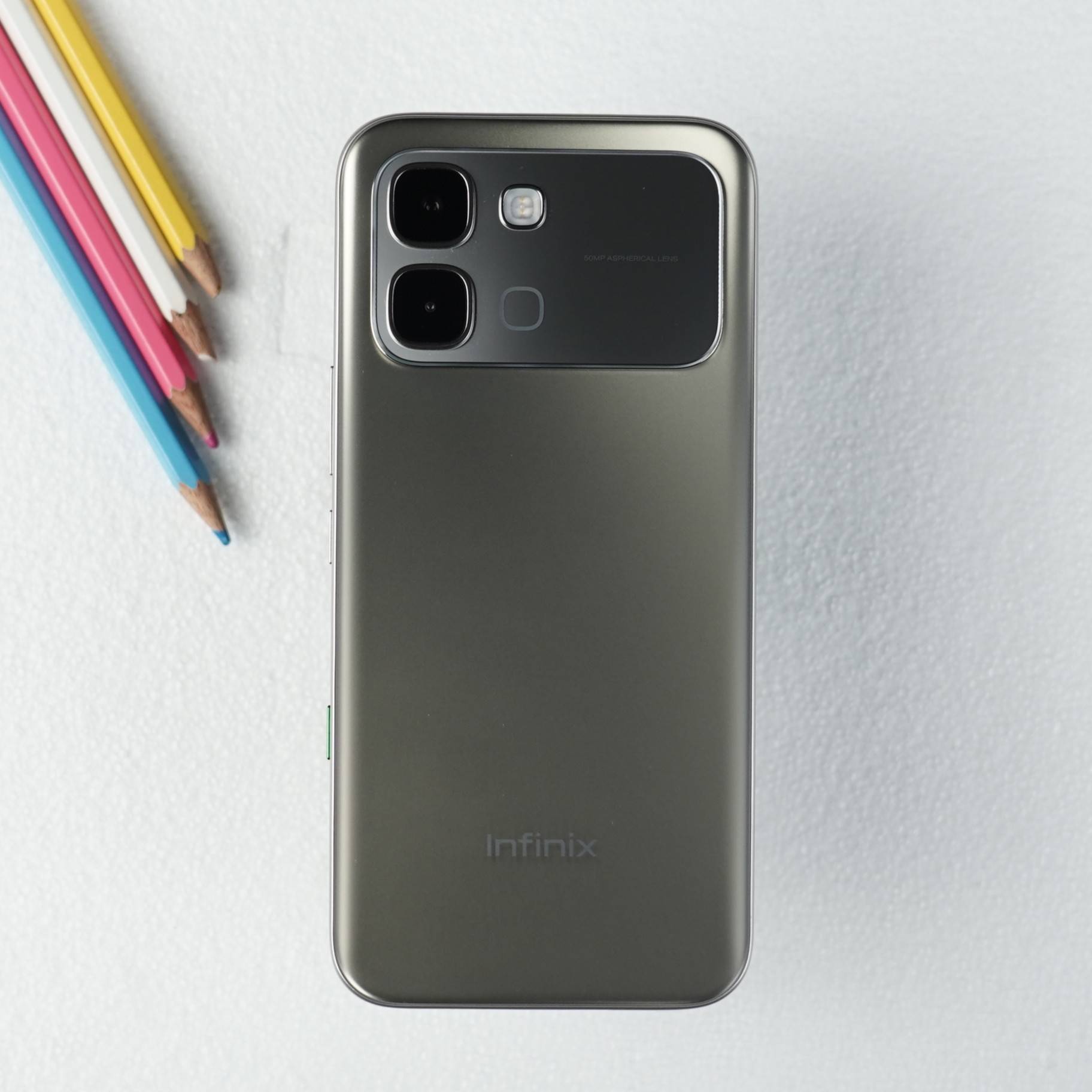
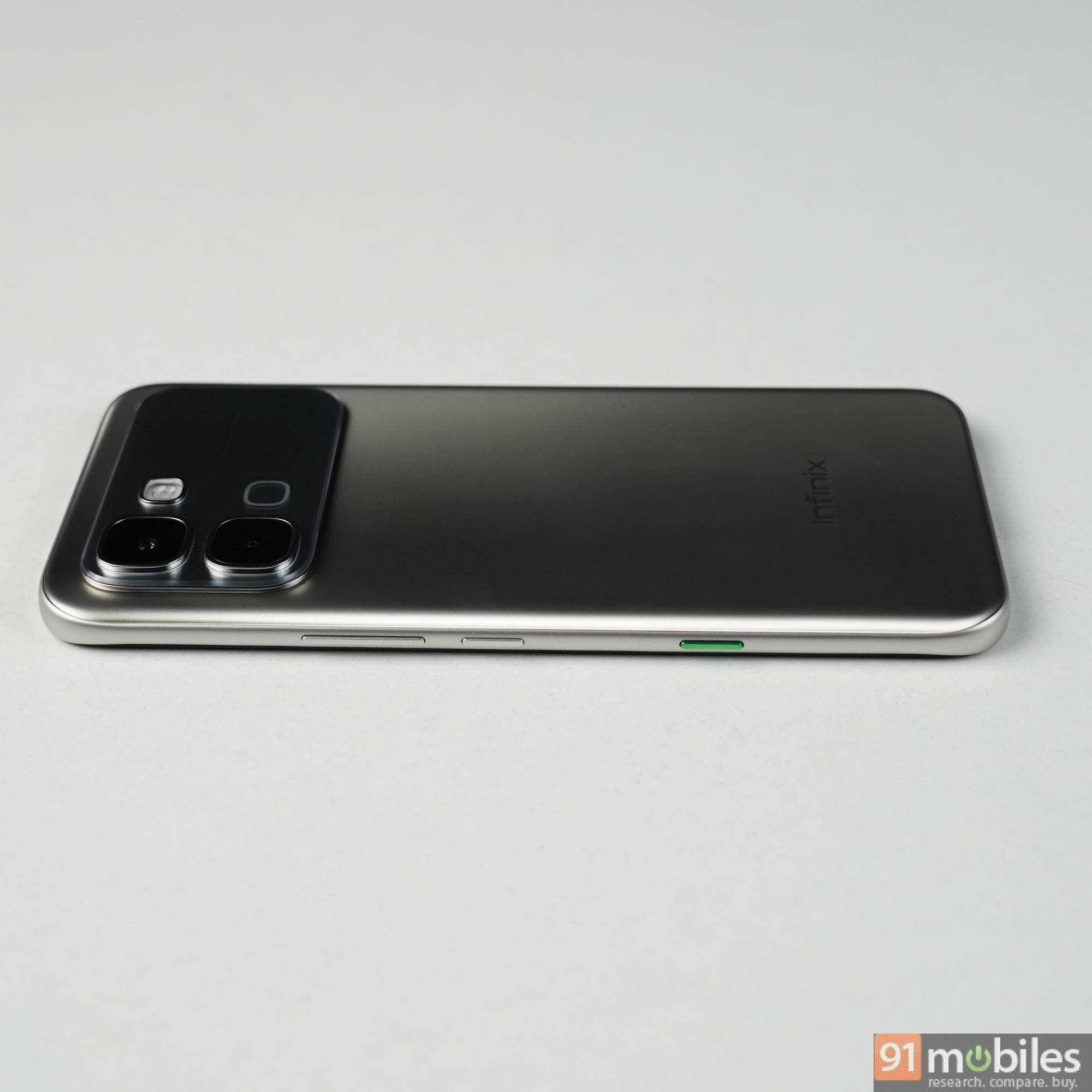
With the design and build being the prime focus, the Infinix Note Edge impressed me through and through with its in-hand ergonomics and rear panel finish. As noted in the intro, the smartphone measures just 7.2mm thick, making it easy to slip in and out of pockets. Moreover, its 185g weight has been distributed extremely well. As a result, you won’t find any parity in the heft when holding the phone horizontally with either hand.
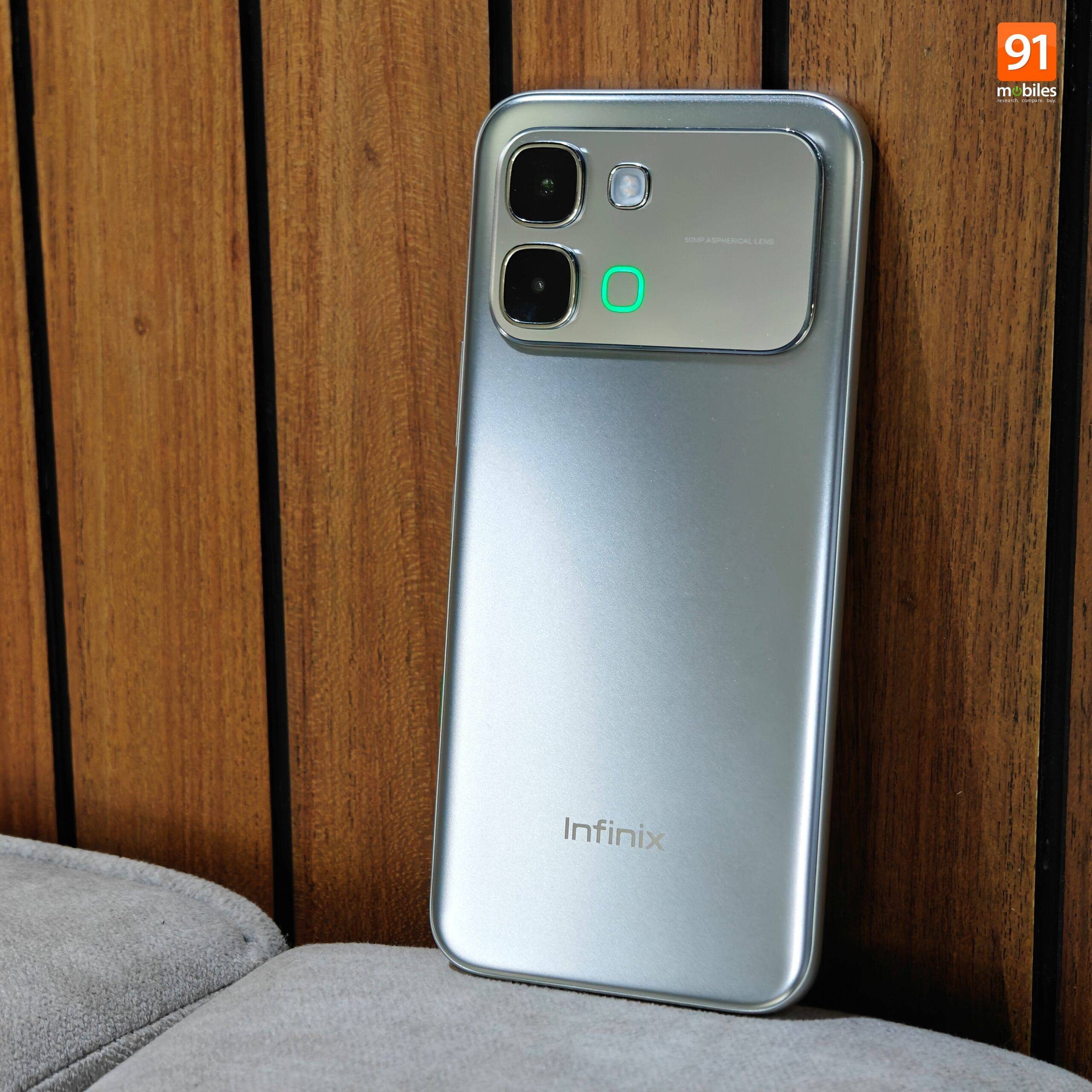
Coming to the extras, the display of the Note Edge is safeguarded by Corning Gorilla Glass 7i, which has helped keep scratches and scuffs at bay during my one week of using the phone rigorously. With an IP65 rating in tow, the device is protected against water splashes and dust.
Crisp and vivid display visuals
Along with the design and form factor, the display is equally impressive. Unlike the Redmi Note 15, which also sits under the Rs 25,000 price bracket, the display curves are subtle to the point you may feel they’re non-existent when you’re immersed in watching content. Such minimal curves not only help in preventing accidental palm touches, but also give the phone a decorative look when viewed from side angles.
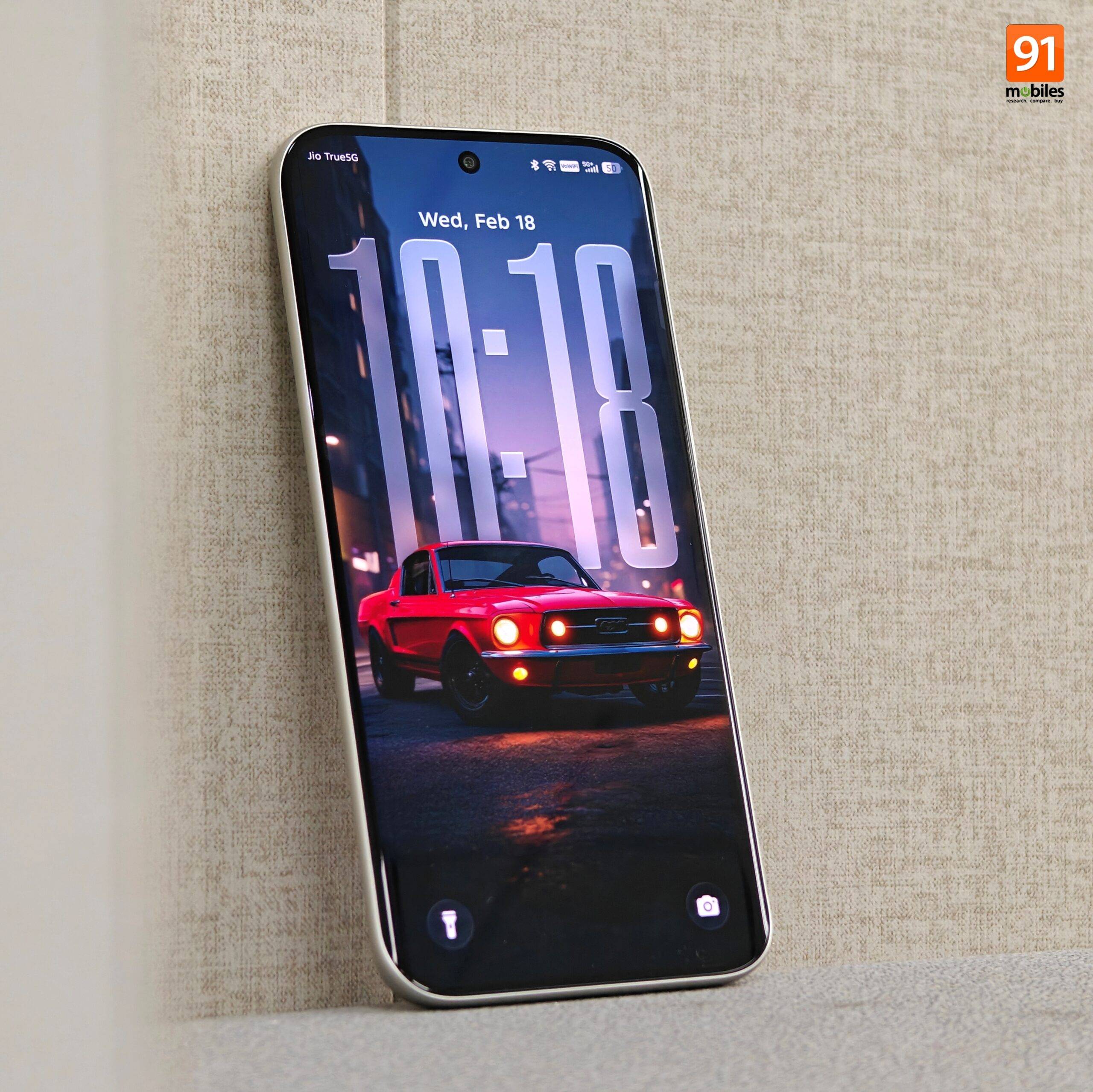
With a 1.5K resolution, the Infinix Note Edge fares noticeably better than its close rivals like the Redmi Note 15 and Nothing Phone (3a) Lite in terms of details and clarity, especially when watching 1440p videos on YouTube. Unfortunately, YouTube resolution is capped at 1440p, likely due to chipset limitations, unlike the other two phones, which can hit 2160p (4K) for higher bitrate quality, even though their screens are limited to 1080p.

Power users may find the performance lacking
Running at the core of the Infinix Note Edge is the MediaTek Dimensity 7100, the chipmaker’s latest midrange chipset for 2026. If you haven’t figured out from the name, the Dimensity 7100 (2.4GHz) slots in below the ever-so-popular Dimensity 7300 (2.5GHz) and Dimensity 7400 (2.6GHz) in terms of raw performance.
When daily driving the phone with all your crucial apps installed, the handset was fairly responsive but lacked fluidity. The phone did show signs of micro lags when running multiple apps in the background and streaming music through Spotify, especially when pulling down the notification panel.
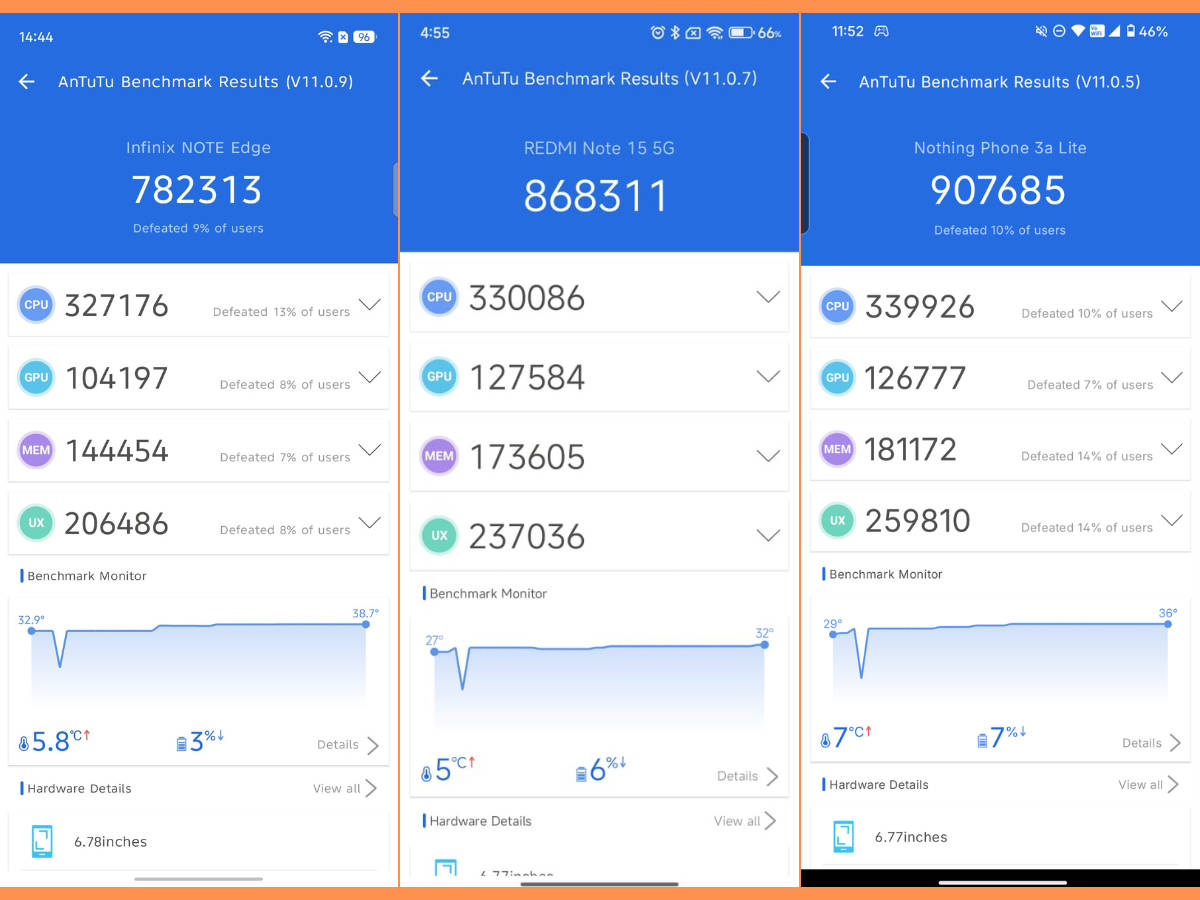
On the bright side, if you’re a casual user who invests time in just a few apps like WhatsApp, Instagram, YouTube, and more, daily, the Infinix Note Edge’s performance should suffice without any issues. On the contrary, I felt the Redmi Note 15, running on Qualcomm Snapdragon 6 Gen 3 chipset, is a tad smoother to use for daily operations.



To further gauge the performance of the Dimensity 7100 SoC, we tried playing Call of Duty: Mobile at ‘Very High + Max’ graphics and FPS settings. The Note Edge delivered 59.8 FPS on average during 30 minutes of duration. The thermal efficiency is tuned well on the smartphone, as after the completion of the gaming session, the device temperatures rose just 2 degrees Celsius from 25.7 degrees. Similarly, after 30 minutes of playing BGMI at ‘HDR + Ultra’ settings, the Note Edge offered an average FPS of 38.5.
Note: For both games, we tracked the frame rates in real-time using the Scene app.
XOS 16 – a fresh and modern take on Android 16
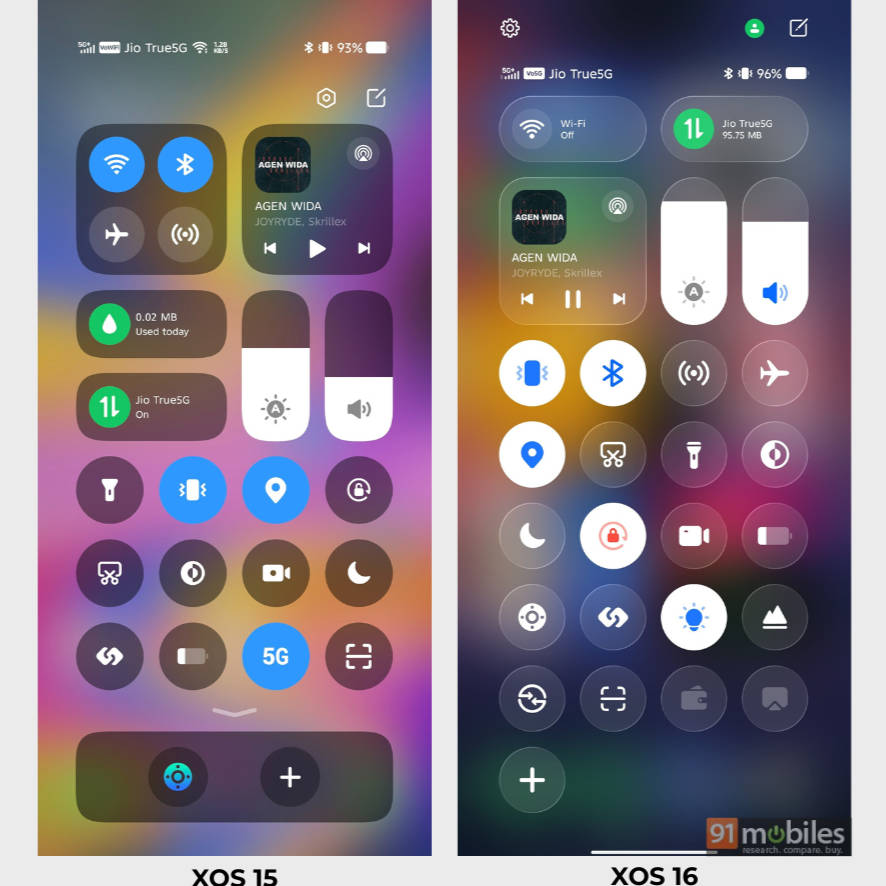
The Infinix Note Edge flaunts the company’s brand new Android 16-based skin, XOS 16. As someone who has used multiple Infinix devices from last year running on XOS 15, such as the Infinix Hot 60, GT 30, and GT 30 Pro, the latest XOS iteration is a step up in customisation, immersive design language, and AI features. While I’ve already covered XOS 16 in a detailed hands-on article, here’s a gist of what to expect from XOS 16:
- New “Glow Space” design: The entire UI features hints of glass and light effects, which are prominently noticeable in the revamped quick settings panel, where the toggles are more rounded.
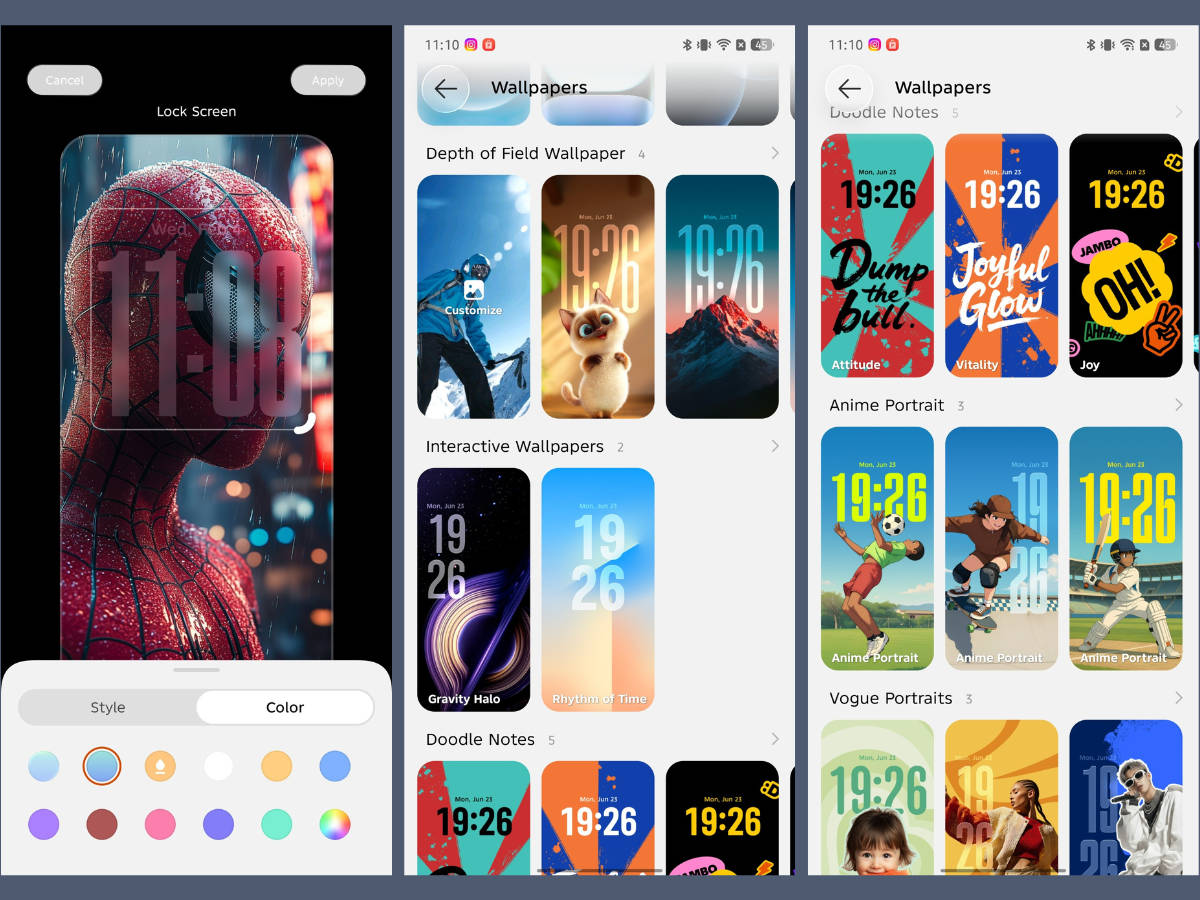
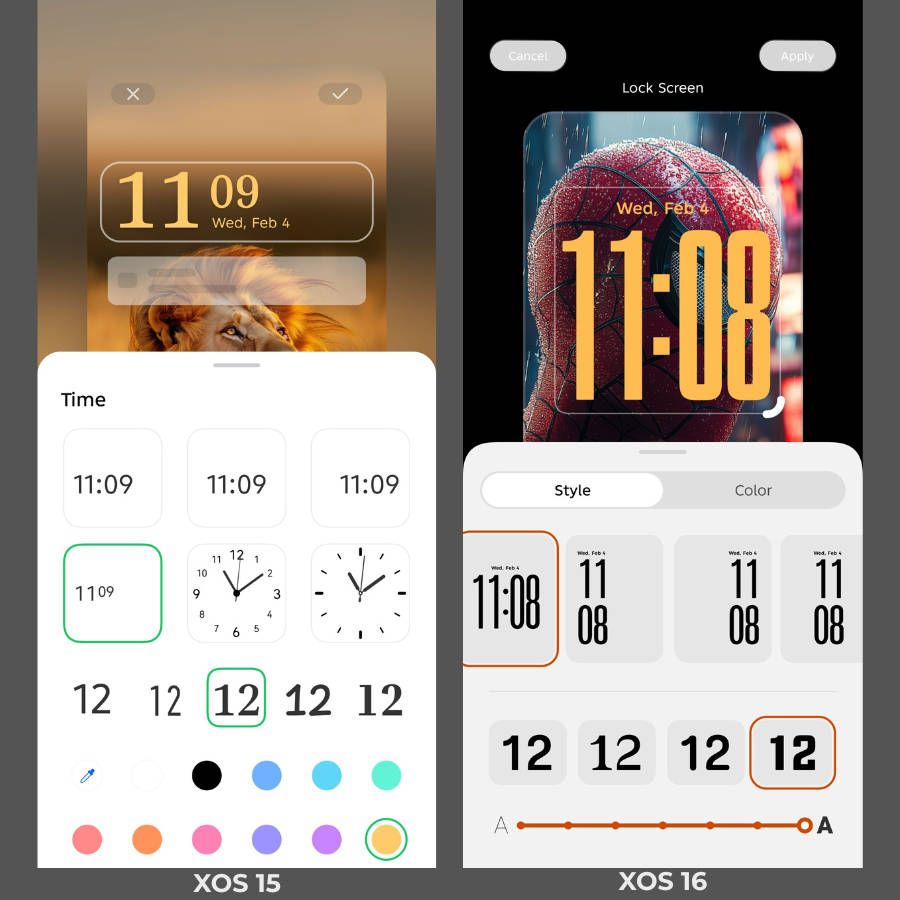
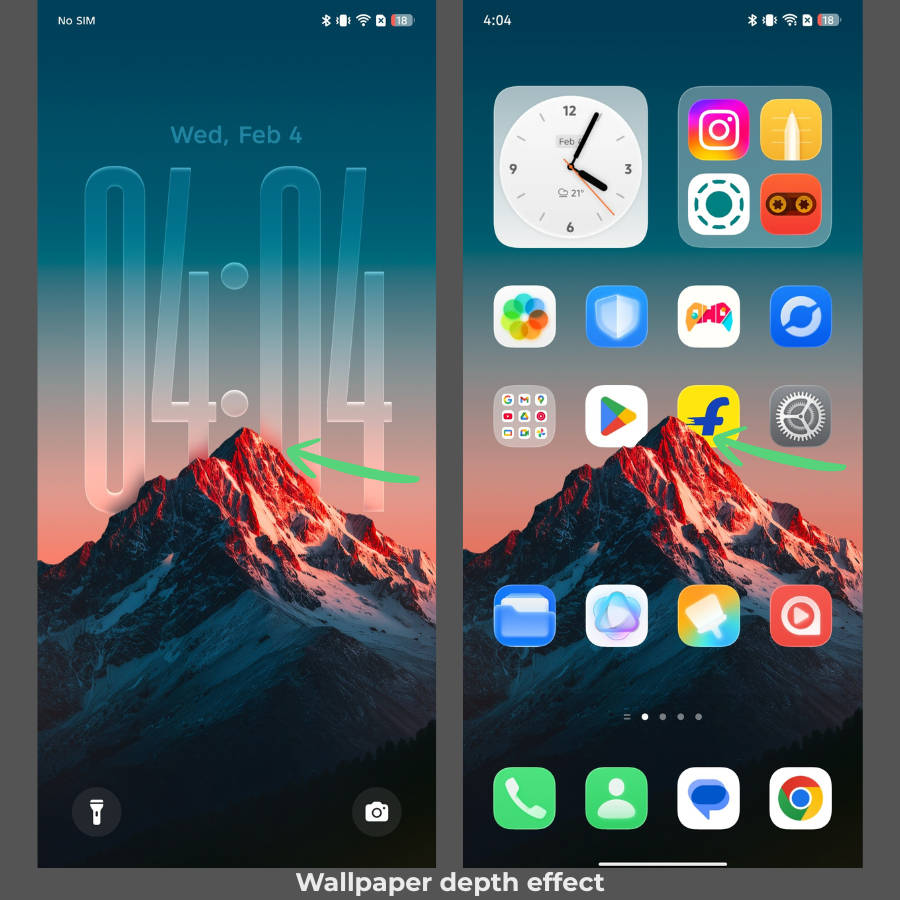
- Heavy lockscreen & homescreen personalisation: Just like many Android 16-based skins, such as ColorOS 16 and OriginOS 6, the XOS 16 gets a slew of large clock styles on the lockscreen, along with wallpaper depth effects. Similarly, the homescreen also supports depth effect while having more control over the app icons, such as enlarging them.
- AI MindHub and SnapMemo: When assigning the ‘One-Tap’ button on the side to SnapMemo, it analyses the on-screen content and saves it into a portal called MindHub. Users can come back to this portal anytime to see the key screenshot info presented in a clean, curated way.
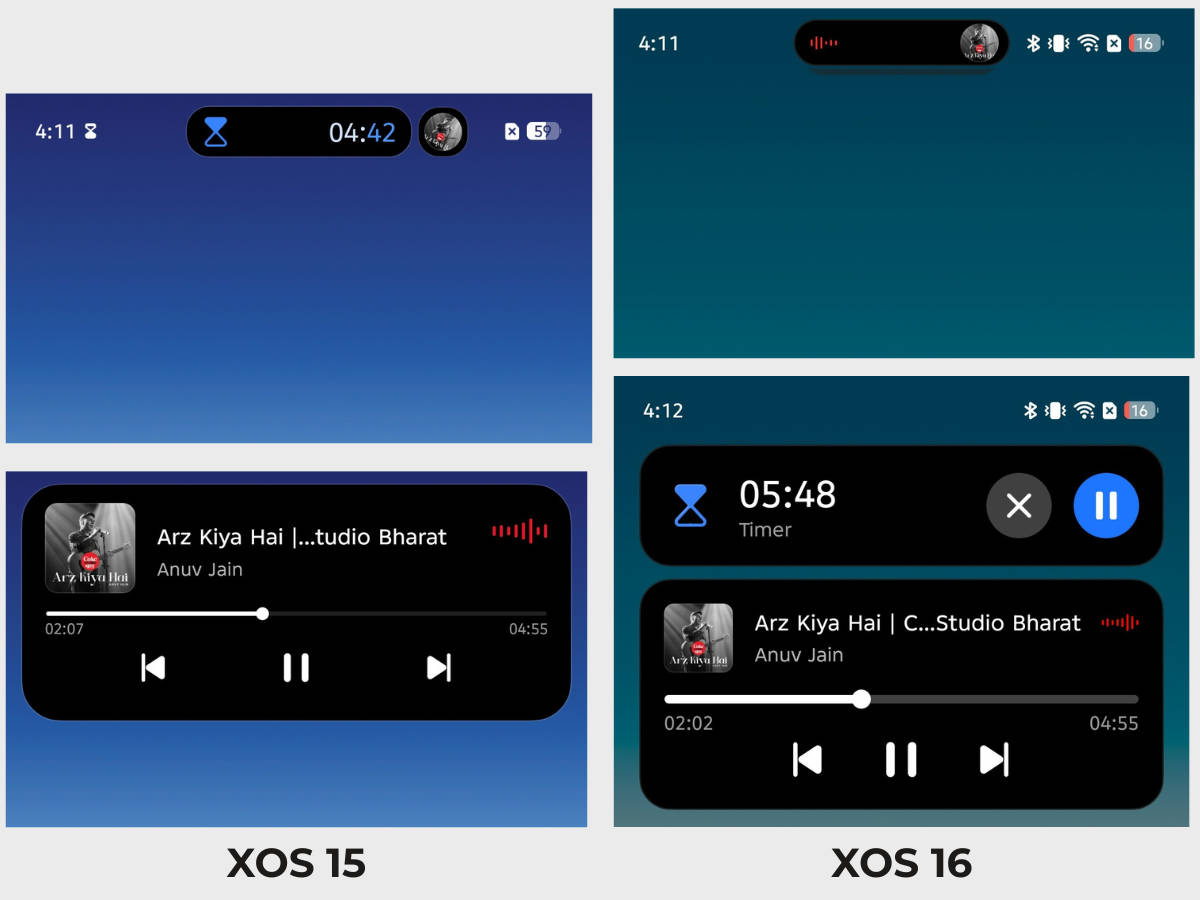
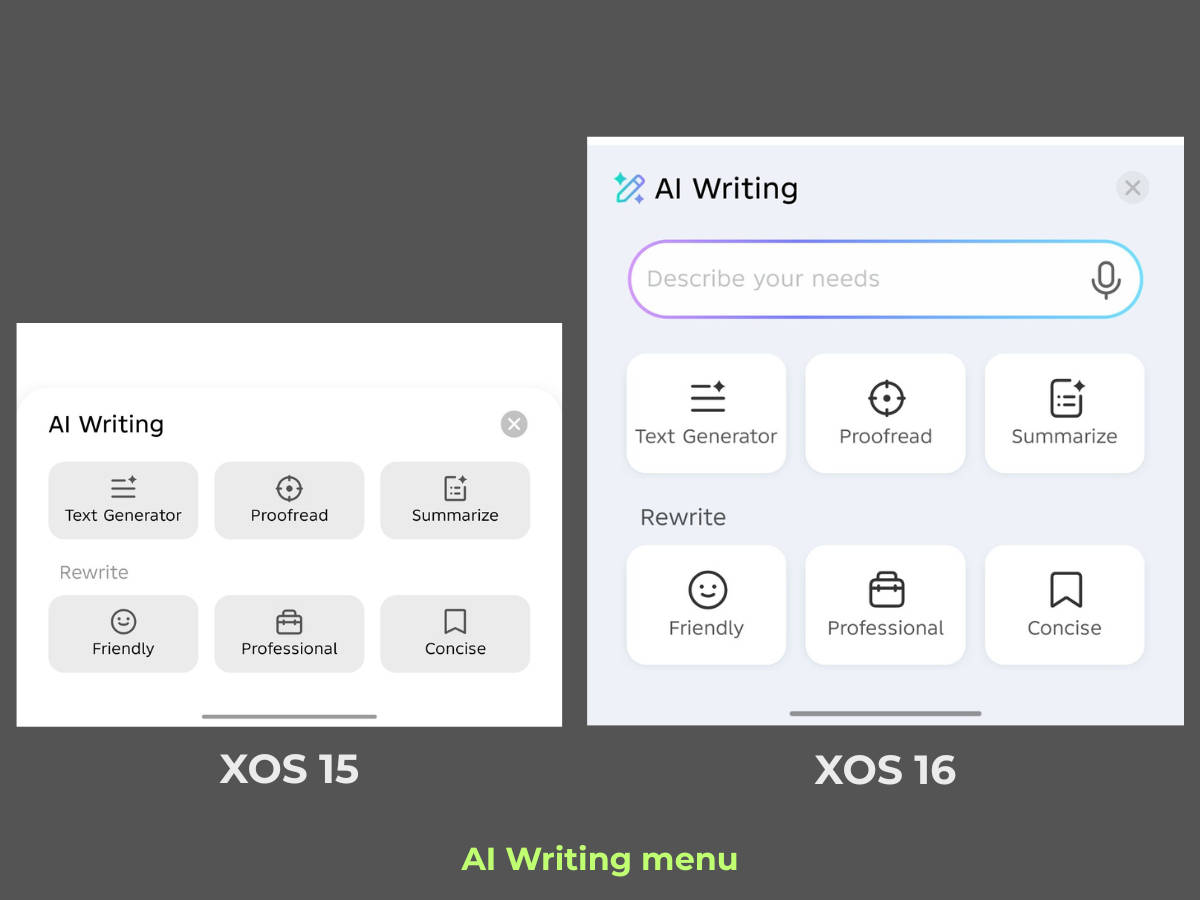
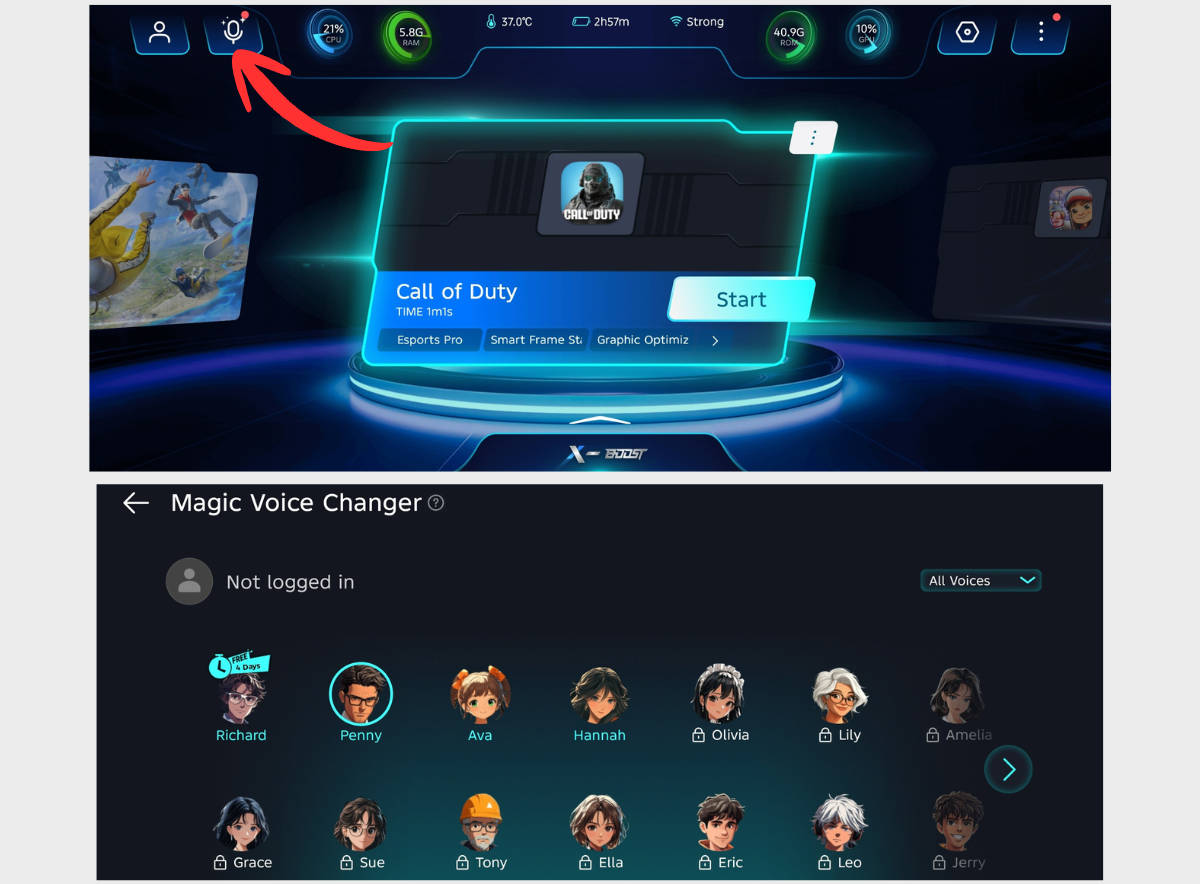
- Subtle design and UI changes: The Dynamic Bar (Infinix’s take on Dynamic Island) now expands all the running tasks with one tap, the AI Writing layout has been revamped to sport a bolder and more legible look, and AI Voice Changer has been added to XArena app to change a person’s voice during in-game chat.
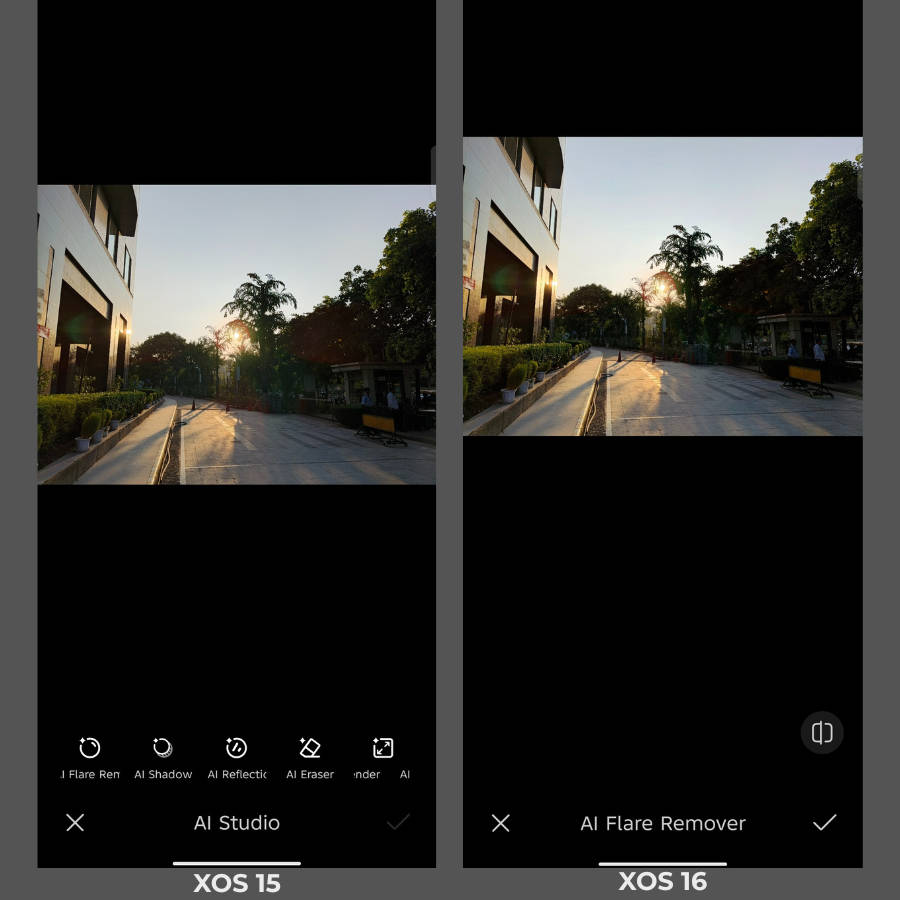
While I enjoyed what XOS 16 has to offer on the Infinix Note Edge, it lacked the smooth app opening and closing animations. I hope Infinix caters to this demand in future OTA updates. Speaking of which, the Note Edge is confirmed to receive three OS upgrades and five years of security patch updates, on par with the likes of the Nothing Phone (3a) Lite and Redmi Note 15.
Presentable camera outputs, but lacks versatility
Housed within the large camera plateau is a 50MP primary camera with an f/1.8 aperture. Unlike the Redmi Note 15 and Nothing Phone (3a) Lite, there’s no ultrawide lens for the versatility of capturing wide perspective shots. At the front, there’s a 13MP selfie shooter, which, just like the rear camera, can record videos in up to 2K resolution at 30FPS.
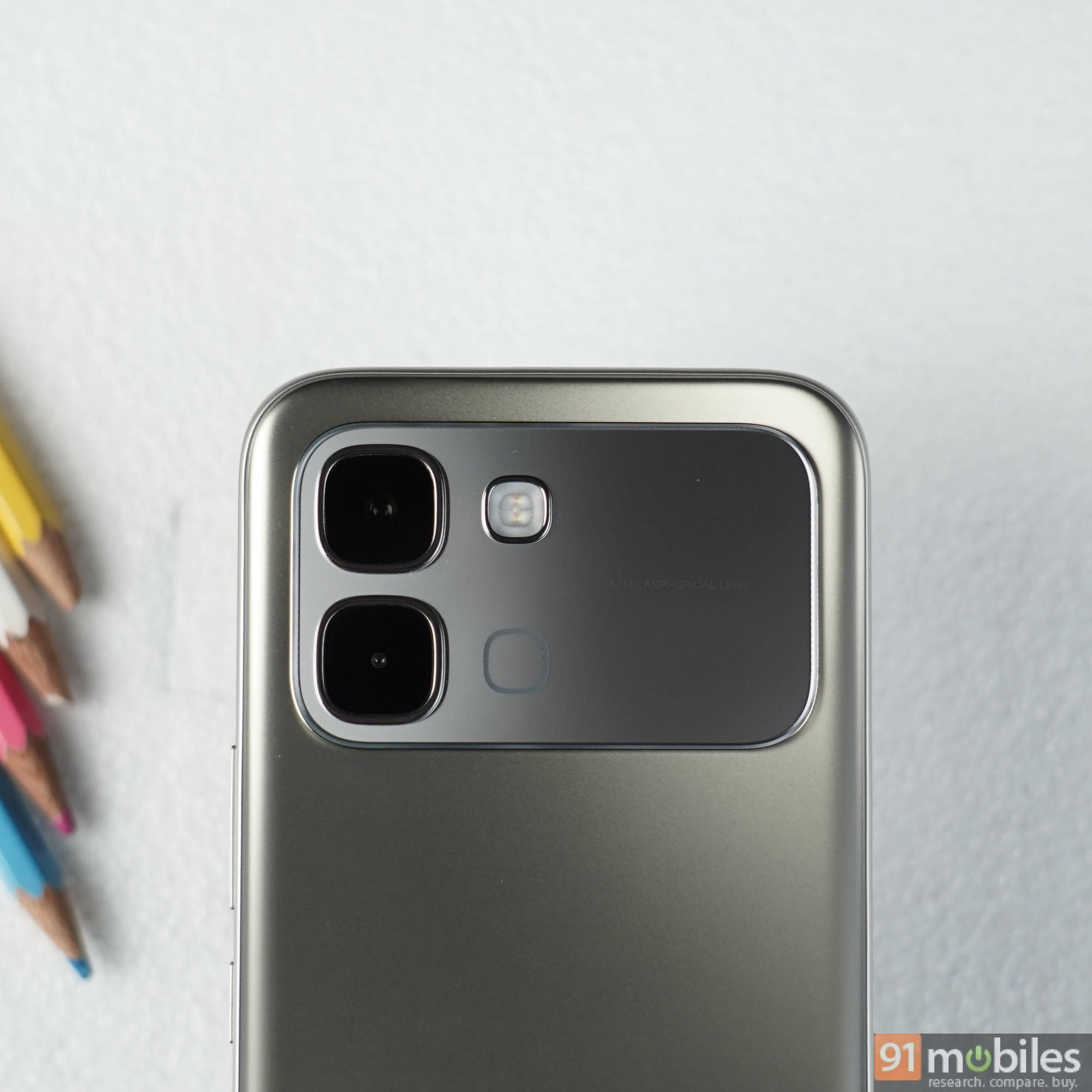
In situations where the Sun is directly overhead, the phone struggles to balance the contrast levels, resulting in hazy effects in the images. But apart from that, daylight images come out presentable by having sufficiently vibrant tones, good HDR control over shadow areas, and well-maintained exposure levels.
In low light, the detail levels take a dip, given the lack of OIS, which is to be expected from a sub-Rs 22,000 smartphone in 2026. Similarly, the Note Edge tends to struggle with managing the exposure control of strong light sources, resulting in a bloom effect.







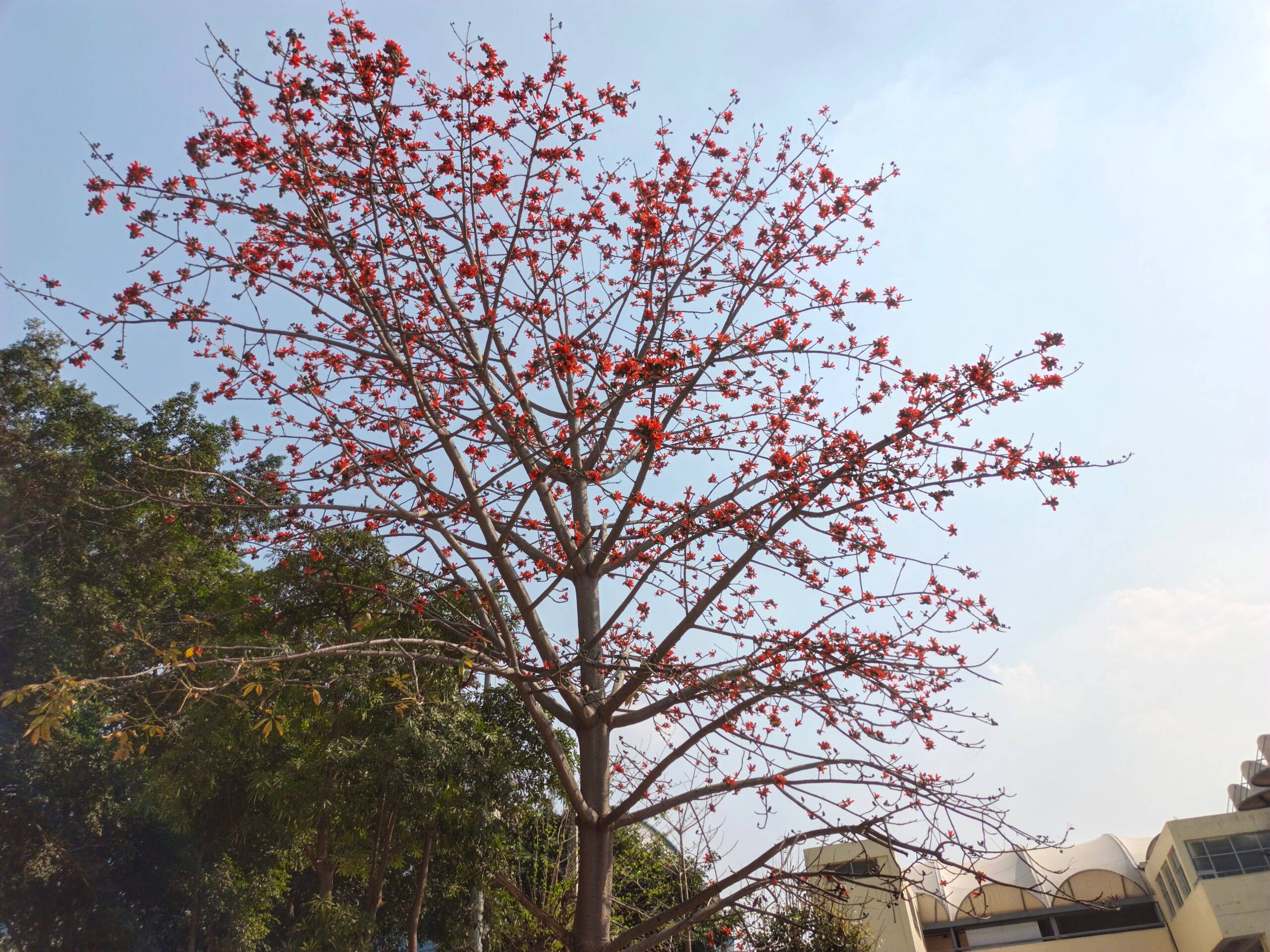



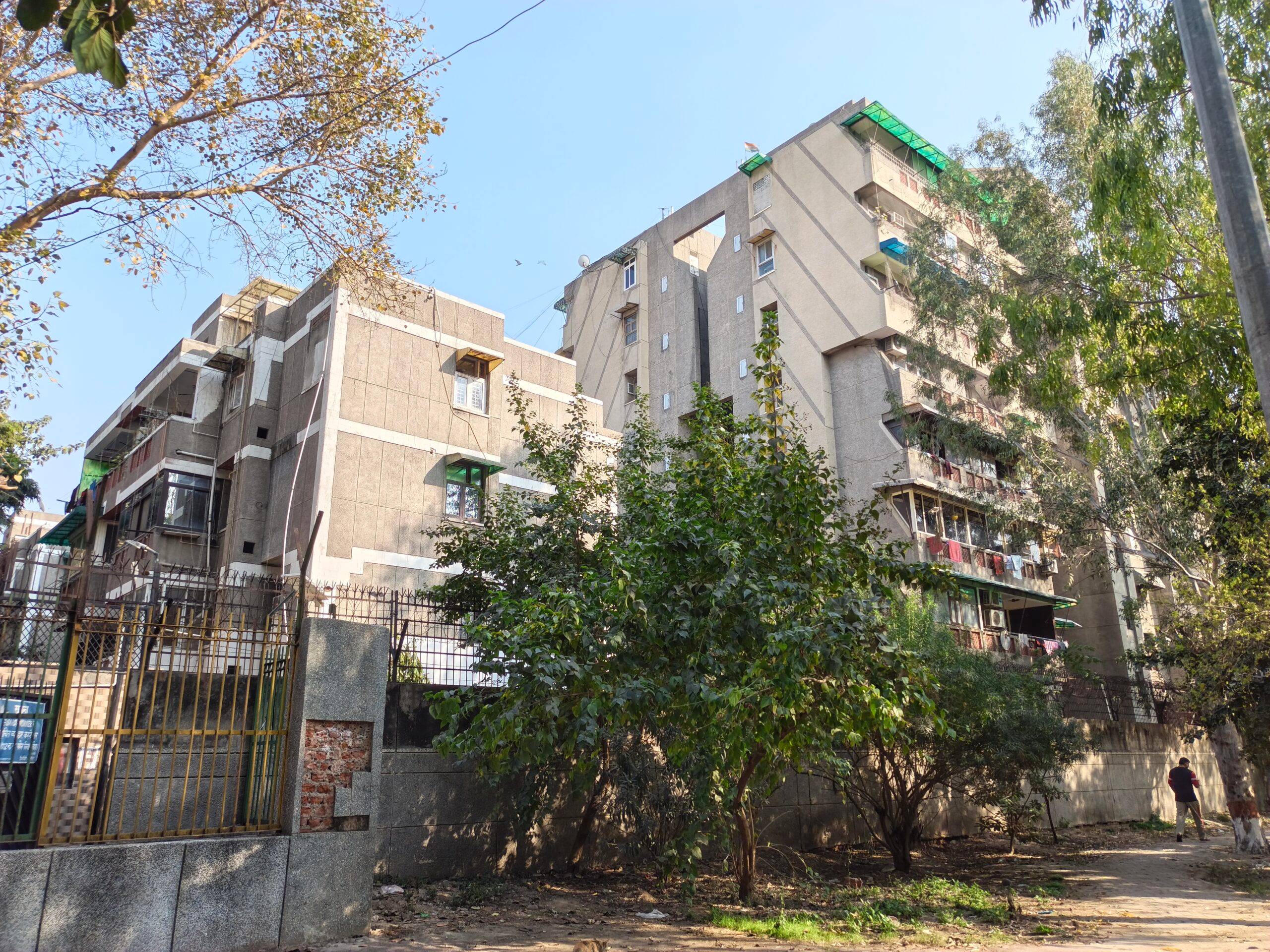




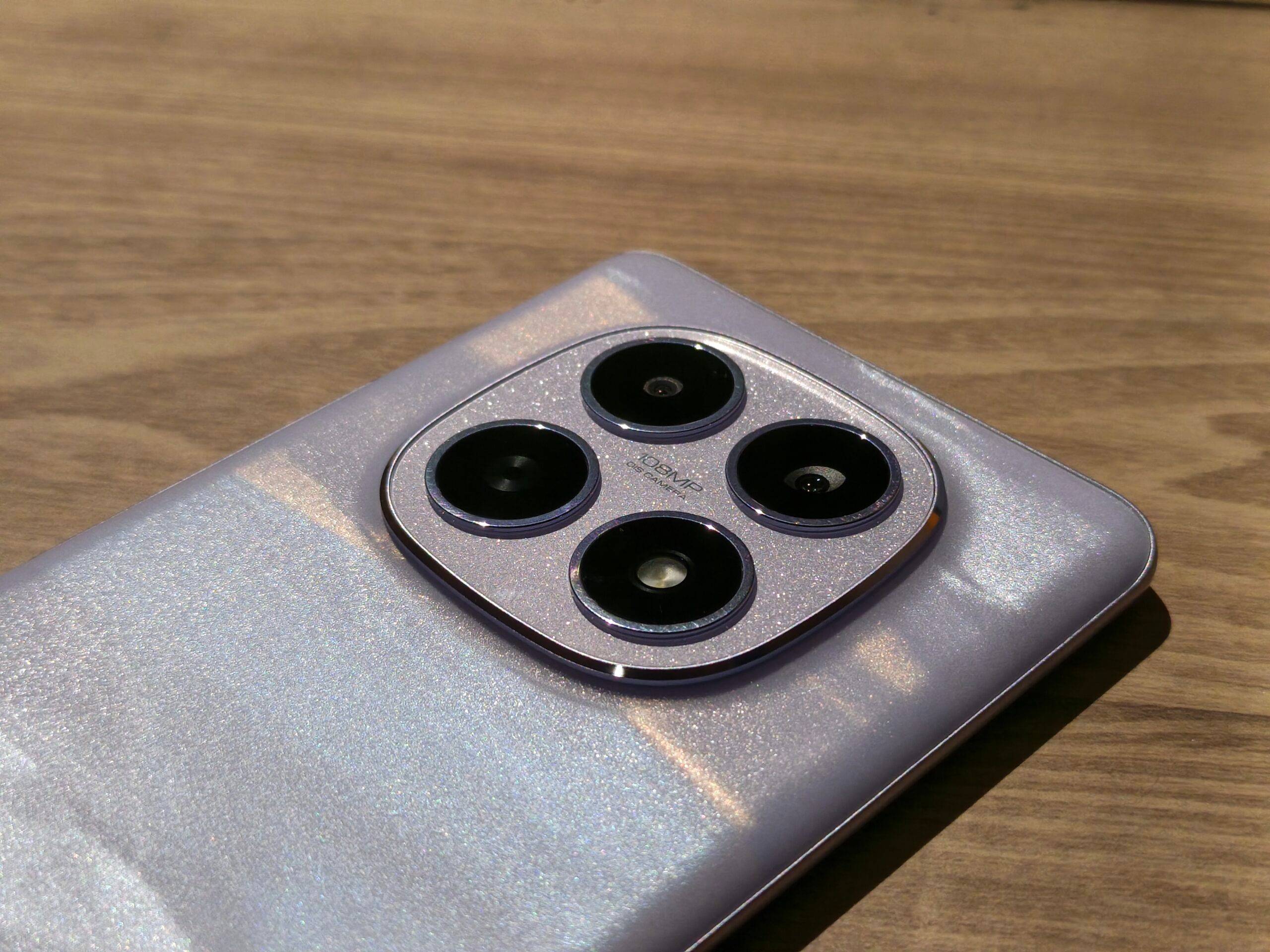




To further assess the cameras of the Infinix Note Edge, we pitted it against the Redmi Note 15, its closest rival.
Daylight


In the daylight comparison above, the Redmi Note 15 not only captures a wider view of the scene, but its output also carries more details, especially in the bushes and flowers. Similarly, the Note 15 depicts the scene more naturally, while the Note Edge gets ahead in dynamic range.
Portrait


While both phones struggle to deliver a crisp image, the Infinix Note Edge does a better job at bringing out the realistic colour tones. The Redmi Note 15 has dialled up the exposure level, making the image whiter.
Selfie


If we pick the image that appears to have realistic tones, it’s got to be the Redmi Note 15. The Infinix Note Edge casts more than required warm tones on the face, but it pulls ahead of the Note 15 with better details.
Low light


In low light conditions, the larger sensor size, along with OIS, offers a major advantage to the Redmi Note 15. The detail levels are not just better than the Infinix Note Edge, but the graininess is also less on the Note 15.
Decent battery endurance with swift charging speeds
Despite the slim form factor, the Infinix Note Edge packs in a large 6,500mAh battery. In our in-house PCMark battery drain test, which gauges the battery’s endurance by running a series of tasks, such as document scrolling, video playback and editing, internet browsing, and more, the device lasted 15 hours from 100 to 20 percent. For a battery this large, the number appears to be low, but there’s more to the story.
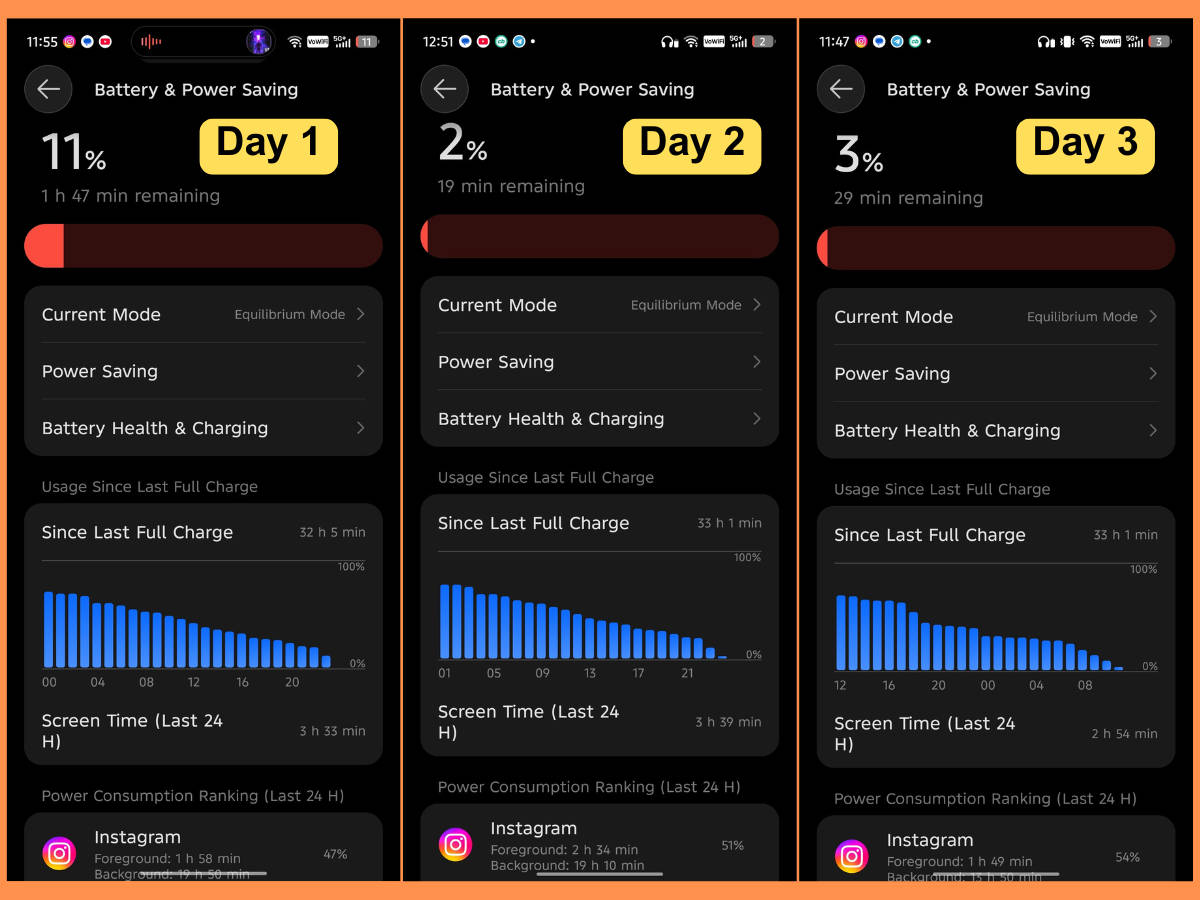
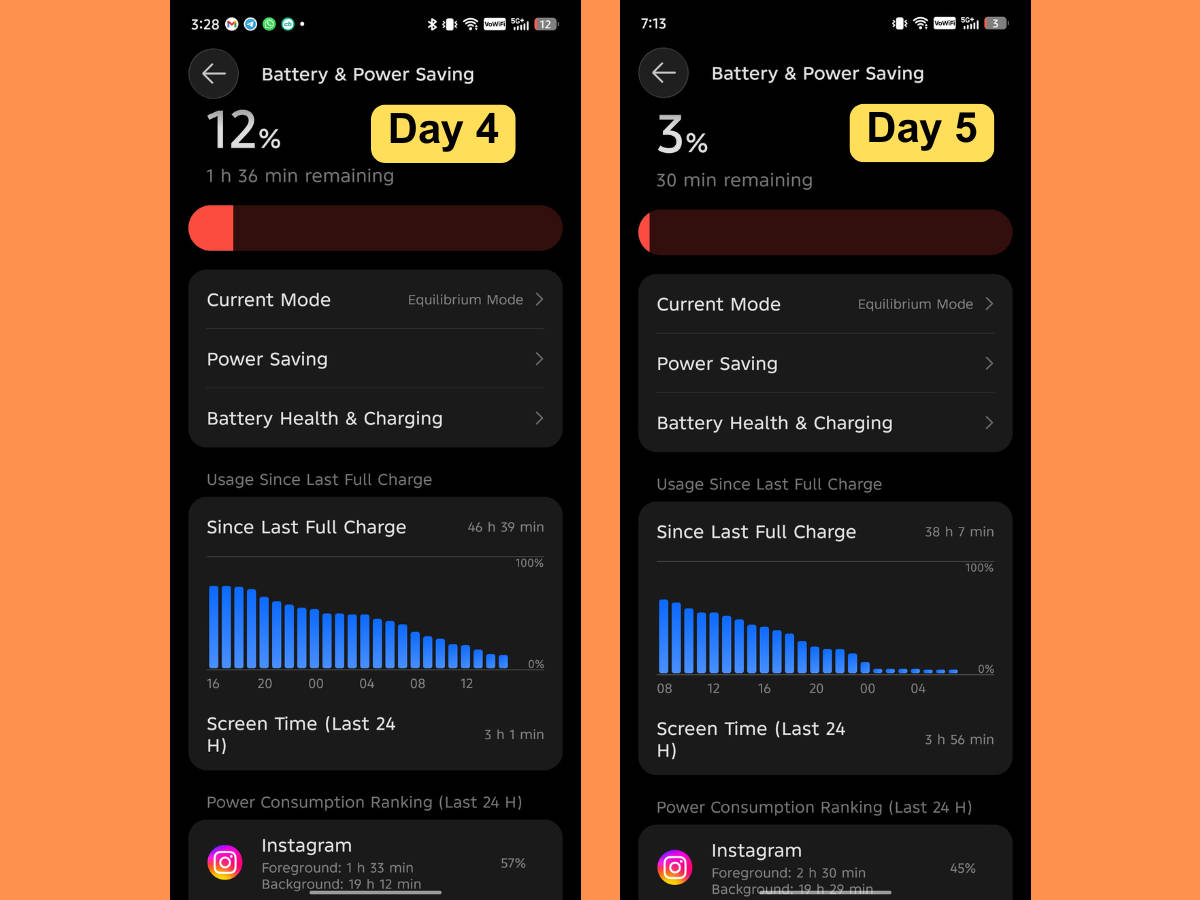
When daily driving the phone with my SIM card and apps loaded, the phone frequently lasted just 33 hours on average for three charge cycles straight. These numbers are again low, as the Redmi Note 15 with a 5,520mAh battery managed to offer me around 38 hours of backup regularly. Fortunately, by the fourth and fifth charge cycles, I noticed the battery started lasting noticeably longer, but I still feel there’s further room for improvement through firmware updates.
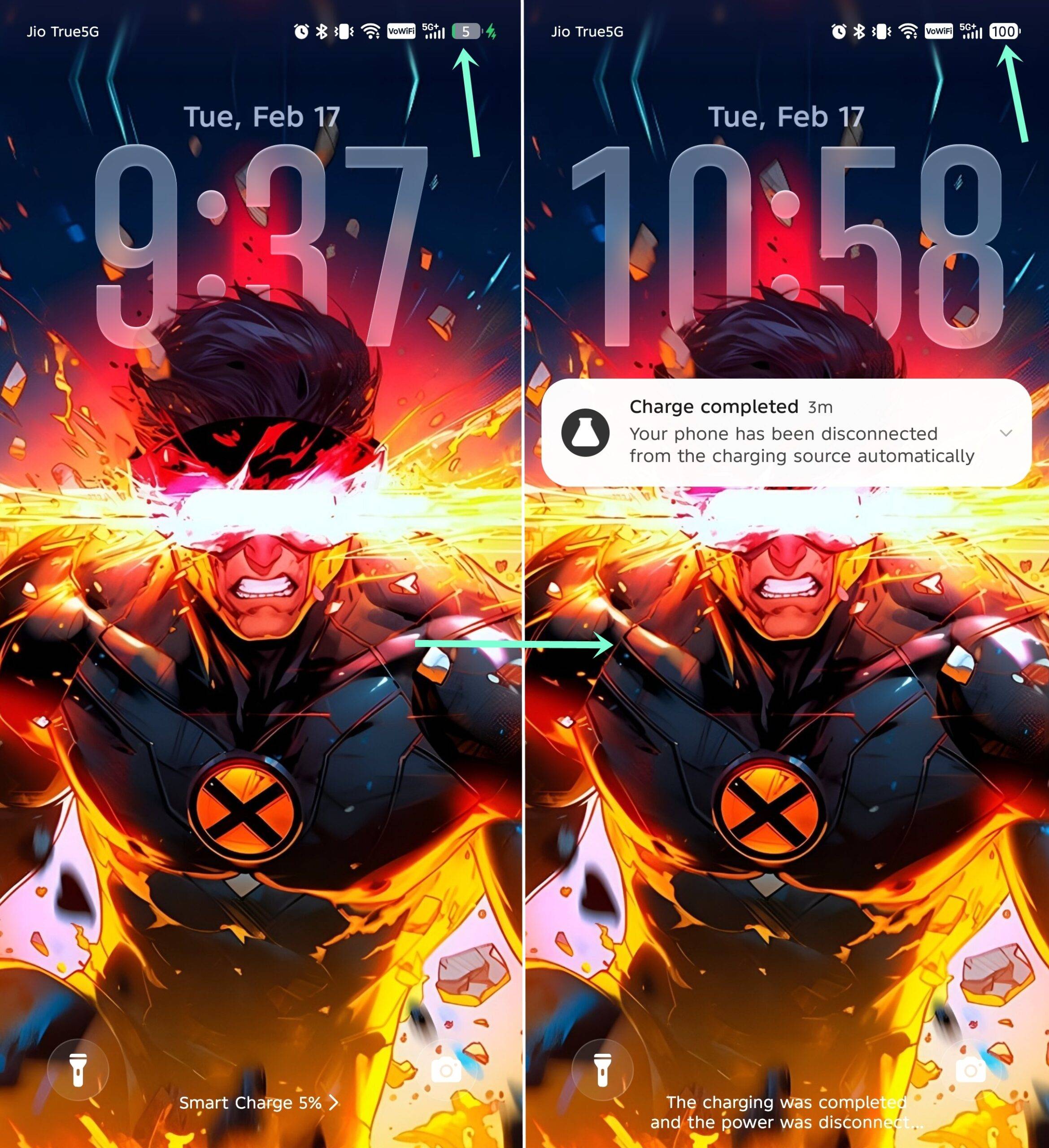
For juicing up its massive battery, a 45W in-box charger tags along with the Infinix Note Edge. At the default charging speeds, the phone took around 80 minutes to charge from 5 to 100 percent, which is not slow by any means. The company also packed a slew of battery features, such as reverse wired charging and bypass charging for user convenience.
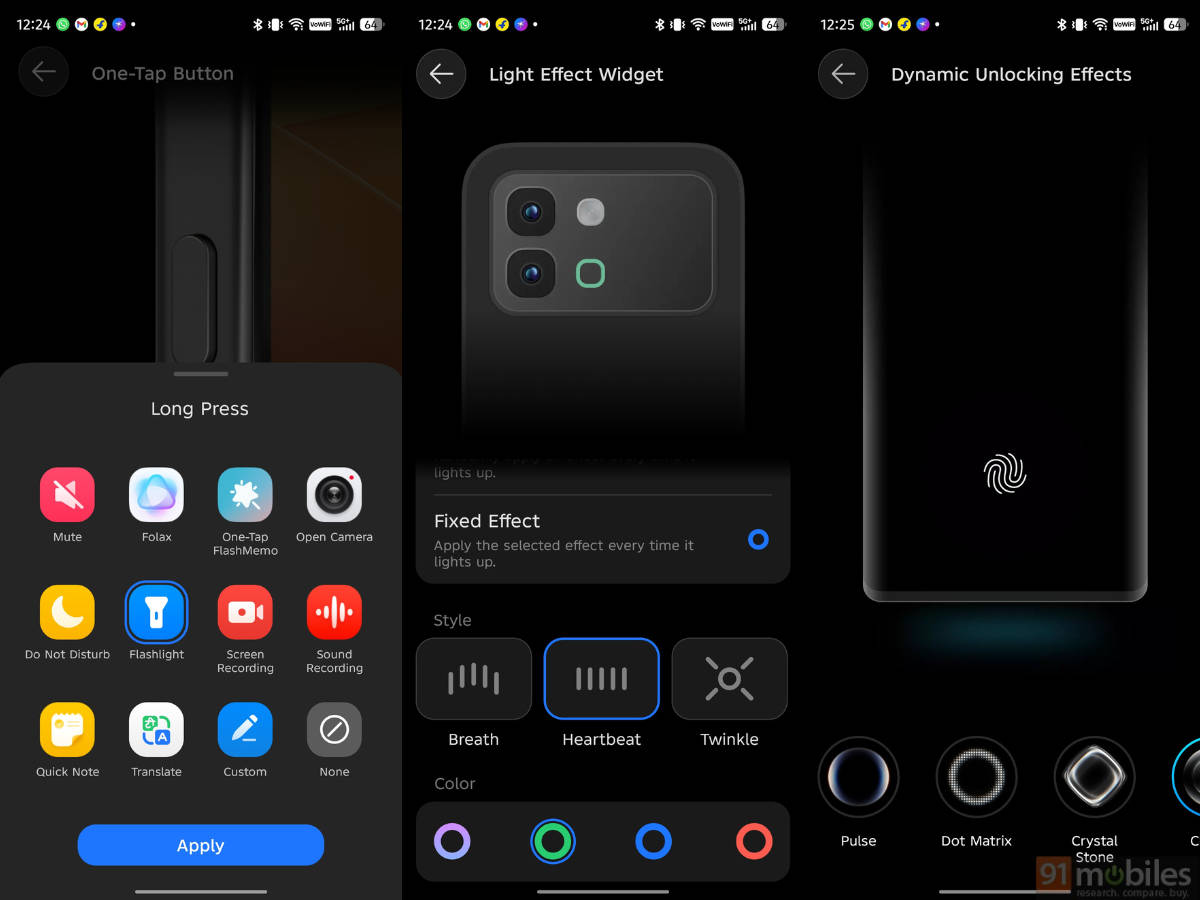
Some extras worth mentioning
- One-Tap button: The Infinix Note Edge sports a colour-accented key on the left side of the frame that can be mapped to turn on the torch, camera, switch sound profiles, trigger AI SnapMemo, and much more.
- RGB Halo Lighting: On the rear, right below the flashlight, sits a squircle-designed LED that can emit multiple colours when receiving notifications, playing games, and listening to music, among other things.
- JBL-supported stereo speakers: The stereo speaker setup outputs loud music and also offers a thumpy bass.
- NFC: The Infinix Note Edge gets NFC for making contactless payments through UPI and banking apps.
- Optical fingerprint scanner: The in-display fingerprint scanner is positioned towards the bottom of the display, which is swift to unlock the phone.
- Average haptics: Unlike the Nothing Phone (3a) Lite, the haptic feedback quality of the Note Edge is pretty average.
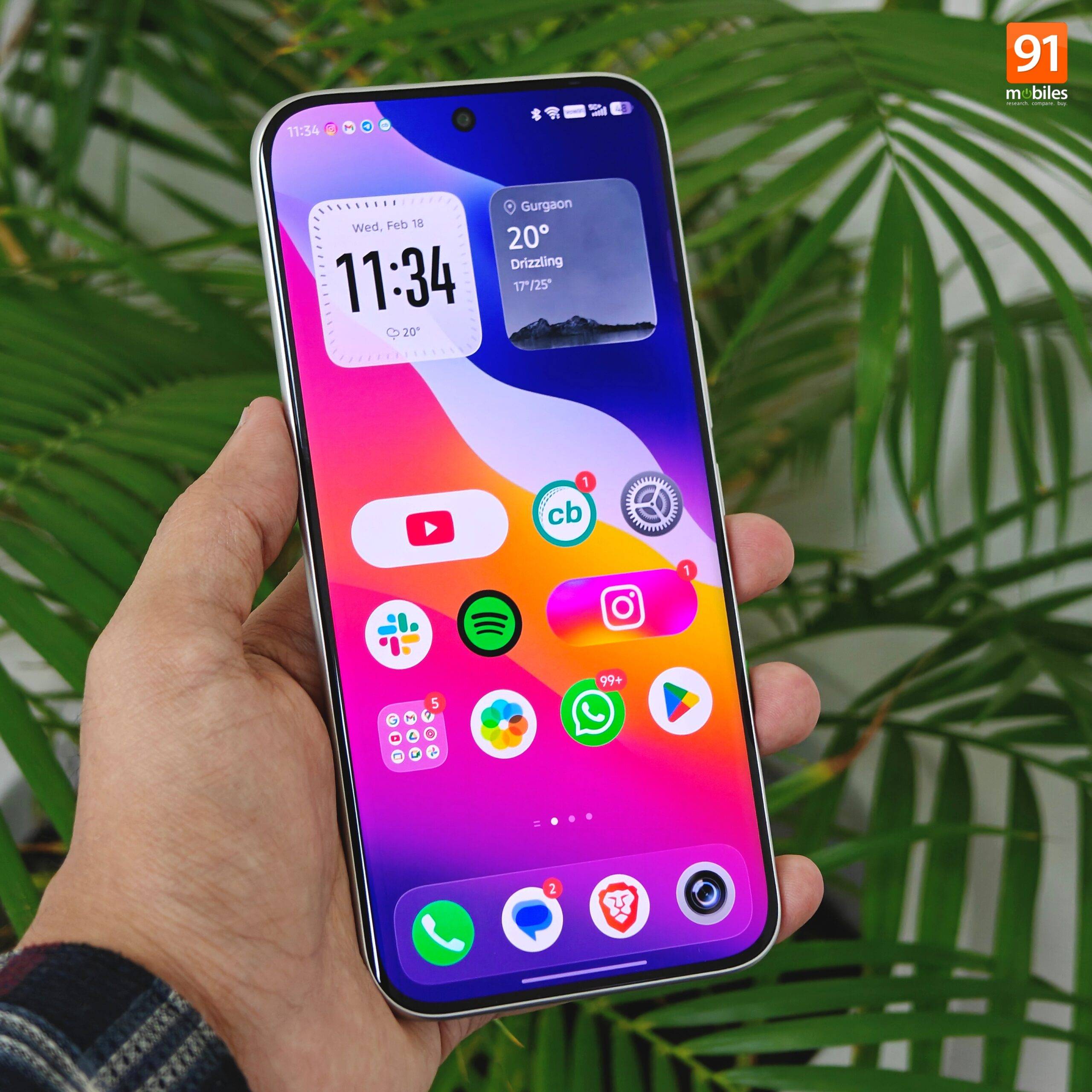
Final verdict: Is the Infinix Note Edge worth considering, starting at Rs 21,999?
The Infinix Note Edge excels remarkably well in its key USPs: a premium-looking, sleek, and lightweight design, a vivid and crisp 1.5K resolution display, a large battery that should easily last over a day, and software that boasts a modern design along with tons of AI features.
However, if you’re after a more well-rounded performance experience, this is where the Infinix Note Edge falls short, especially compared to close rivals like the Redmi Note 15 and Nothing Phone (3a) Lite. What’s more, both of those phones share similar design characteristics with the Infinix Note Edge, being lightweight and sleek for easy portability. Furthermore, with better camera processing and an ultrawide lens, the Redmi Note 15 and Nothing Phone (3a) Lite stand out as stronger alternatives.
But, if you’re keen to try something fresh with XOS 16, a display featuring subtle curves, or want to play around with extras like the One Tap button and RGB Halo Lighting, the Infinix Note Edge is a promising buy.
Editor’s rating: 8.1/10
Reasons to buy
- Offers a sleek form factor with excellent in-hand ergonomics
- Outputs vibrant display colours along with crisp details
- Modern-looking software packed with AI and customisation features
- Quickly charges to 100 percent
Reasons to not to buy
- Lacks the best-in-class performance for its price
- Skips an ultrawide lens, limiting overall camera versatility
 | vs |  |
| vs |  |