The Vivo V70 FE has been launched in India, starting at Rs 37,999, putting it squarely against the Redmi Note 15 Pro+ (review). There aren’t many similarities between the two smartphones, except for the cameras. Both handsets feature a dual-rear camera setup, headlined by a 200MP primary sensor. This is paired with an 8MP ultrawide lens.
Does it mean identical camera performance? Well, not exactly. There is a lot more than meets the eye, starting with that primary sensor. Read on as I break down these camera comparisons between the Vivo V70 FE and Redmi Note 15 Pro+.
Table of Contents
TL;DR
The Vivo V70 FE and Redmi Note 15 Pro+ deliver mid-range level camera performance, with near-accurate details. The major difference lies in how they manage the colour science. The Vivo V70 FE leans towards warmer tones, making the images bright, while the Redmi Note 15 Pro+’s images look more contrasty with its cool tones. While the Vivo smartphone outshines with its selfie, the Note 15 Pro+ delivers more realistic low-light results.
Vivo V70 FE vs Redmi Note 15 Pro+ camera specifications
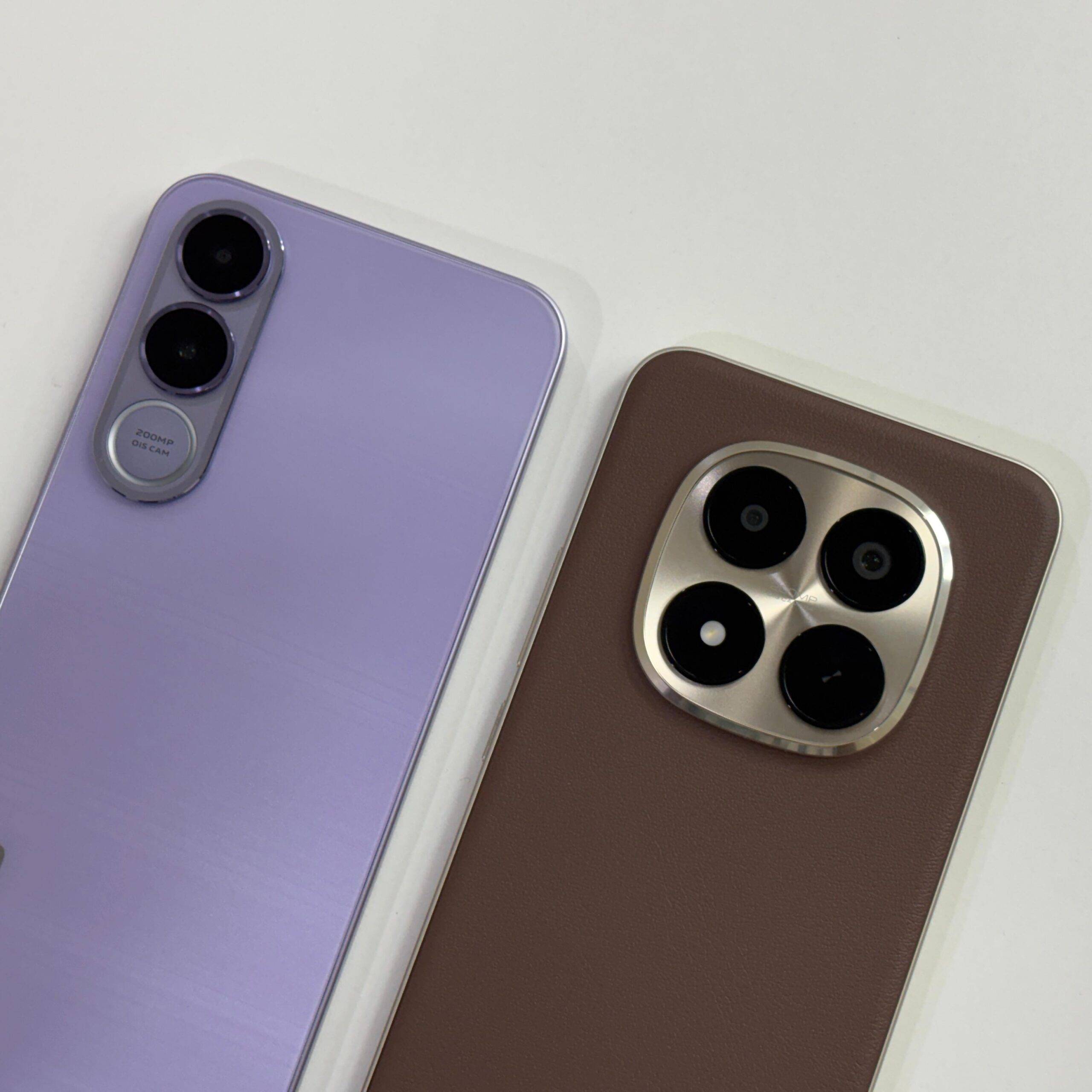
As mentioned earlier, the Vivo V70 FE and Redmi Note 15 Pro+ feature broadly similar camera setups. However, the Redmi model is equipped with a 200MP (f/1.7) primary sensor sized at 1/1.4-inch, making it larger than the V70 FE’s 200MP (f/1.9) 1/1.56-inch sensor. Technically, the larger sensor should be better at gathering light and, thereby, details, giving the Note 15 Pro+ a potential edge.
The secondary 8MP (f/2.2) ultrawide lens is identical on both smartphones to capture images with a wide perspective. There is no telephoto lens on either phone, resulting in the primary camera resorting to software wizardry to capture portraits. That said, the Vivo V70 FE offers a wide range of focal points: 23mm, 35mm, 50mm, and 85mm, whereas the Redmi Note 15 Pro+ is limited to 1x (equivalent to 23mm) and 2x (equivalent to 35mm).


The Vivo smartphone also has an edge in the front camera with a superior 50MP camera as opposed to 32MP on the Redmi Note 15 Pro+. For videos, both smartphones offer up to 4K video recording at 30 frames per second (fps) from the primary sensor. The Vivo V70 FE allows you to do the same with its front-facing camera, while the Redmi Note 15 Pro+ drops it down to 1080p at 60 fps.
| Cameras | Vivo V70 FE | Redmi Note 15 Pro+ |
| Primary | 200MP f/1.7 | 200MP f/1.9 |
| Ultrawide | 8MP f/2.2 | 8MP f/2.2 |
| Selfie | 50MP | 32MP |
To gauge the camera performance of the smartphones, we tested them in identical scenarios and used their default settings to shoot images. Check out their results:
Daylight
In daylight, images from the Vivo V70 FE’s 200MP main sensor make a strong first impression. The camera leans towards a brighter, more vibrant look, which gives shots an eye-catching, punchy appeal at a glance. However, this comes at a cost. Highlights are often pushed too far, leading to blown-out details and reduced dynamic range, which can make scenes appear flatter than they should. Colours, too, can look slightly off from reality, and a closer look reveals visible noise creeping into finer details. It’s also worth noting that despite the high-resolution sensor, the phone outputs 12.5MP images by default using pixel-binning.


The Redmi Note 15 Pro+ also does the same with its 200MP primary sensor – outputting a 12.5MP shot. However, the images appear much more contrasty than those on the Vivo smartphone. The colours are not accurate on this one either, as it applies a cool tone a bit too aggressively, adding a noticeable blue tint. Nevertheless, the image outshines the Vivo V70 FE with better highlights around the shadowy areas. Details are relatively sharper on the Redmi smartphone as well.
The Vivo V70 FE delivers bright, punchy shots, whereas the Redmi Note 15 Pro+ produces more contrasty images with a cool tint, better highlight control, sharper details, and overall stronger results.
Ultrawide
The ultrawide camera clearly shows the impact of the phone’s tendency to overexpose. In scenes like this, the sun creates a blown-out patch above the building, giving the sky an almost artificial, washed-out look that strays from reality. The drop to an 8MP sensor also affects overall quality, with softer details and reduced clarity. On top of that, there’s visible warping and distortion towards the edges of the frame, making the ultrawide lens feel more functional than impressive.


The Redmi Note 15 Pro+ also sports an 8MP ultrawide lens, which follows similar colour science as its primary camera. Thanks to its cool tone, the exposure to the sun is limited, preserving better highlights and details. The lens doesn’t impress either, but it does a marginally better job than the Vivo V70 FE with dynamic range and minimum distortion.
Vivo V70 FE ultrawide suffers from blown highlights, softer details, and noticeable edge distortion. The Redmi Note 15 Pro+, meanwhile, manages highlights better with improved dynamic range and slightly less distortion.
Portrait
Portraits have a similar picture to tell. The Vivo V70 FE offers a more appealing portrait with variable focal points, bright images, and decent work with edge detection. However, the overexposure is apparent in the portraits as well, and there is a visible reddish tint on the subject’s face. Moreover, the colour of the T-shirt, which was supposed to be black, appears purplish on the Vivo image.


Despite a few focal points, the Redmi Note 15 Pro+ does a good job of catching up on details with the Vivo V70 FE. The edge detection is also on par, but the bokeh is much more consistent on the Redmi smartphone. The Note 15 Pro+ boosts shadows a bit too aggressively, making the images more contrasty than what I would have appreciated, but the colours are still close to reality.
The Vivo V70 FE has an edge with portraits with multiple focal points. However, the Redmi Note 15 Pro+ matches detail and edge detection, offers more consistent bokeh.
Selfies
Selfies are easily one of Vivo’s strongest areas here. The 50MP front camera gives it a clear advantage over the Redmi Note 15 Pro+’s 32MP sensor, delivering noticeably better detail, more natural skin tones, and a wider dynamic range. Both shots were taken under slightly overcast skies, yet the difference is striking. Redmi struggles to keep up, with its output looking washed out. The tone leans towards overly bright, while aggressive sharpening further takes away from the overall realism.


The Vivo V70 FE has a slightly contrasty look to it, sacrificing realism, details, and sharpness. But still, the results are much more impressive than its counterpart.
The Vivo V70 FE leads in selfies with better detail, more natural skin tones, and wider dynamic range. The Redmi Note 15 Pro+ falls behind with washed-out images.
Low light
The Vivo V70 FE takes long exposure shots by default in dimly lit environments. As a result, you will find its camera output much more balanced and less exposed to artificial light flare in low light. The Redmi Note 15 Pro+, on the contrary, struggles to control the light flare, which leads to an overexposed shot, but only around the light source. Otherwise, you will find the smartphone preserving the details and offering less grainy images than the V70 FE.
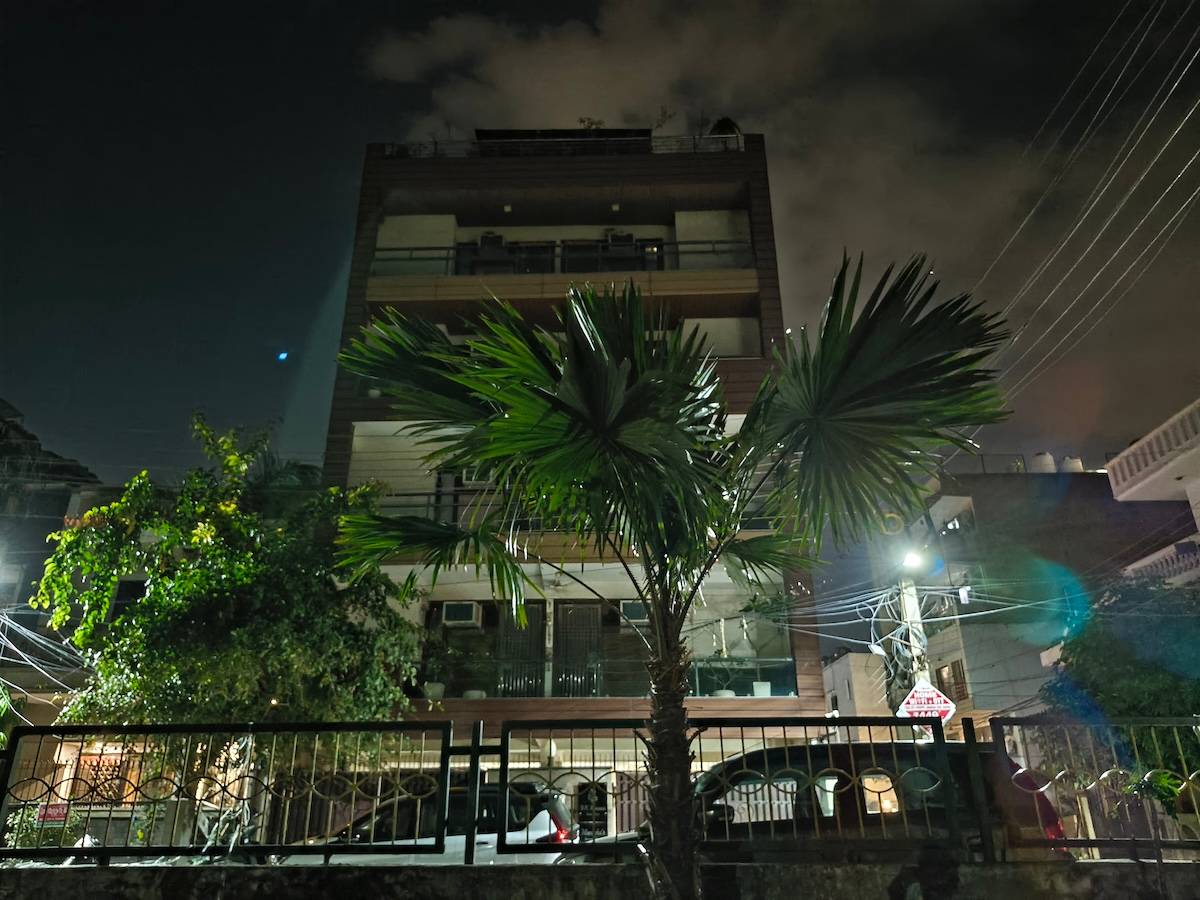
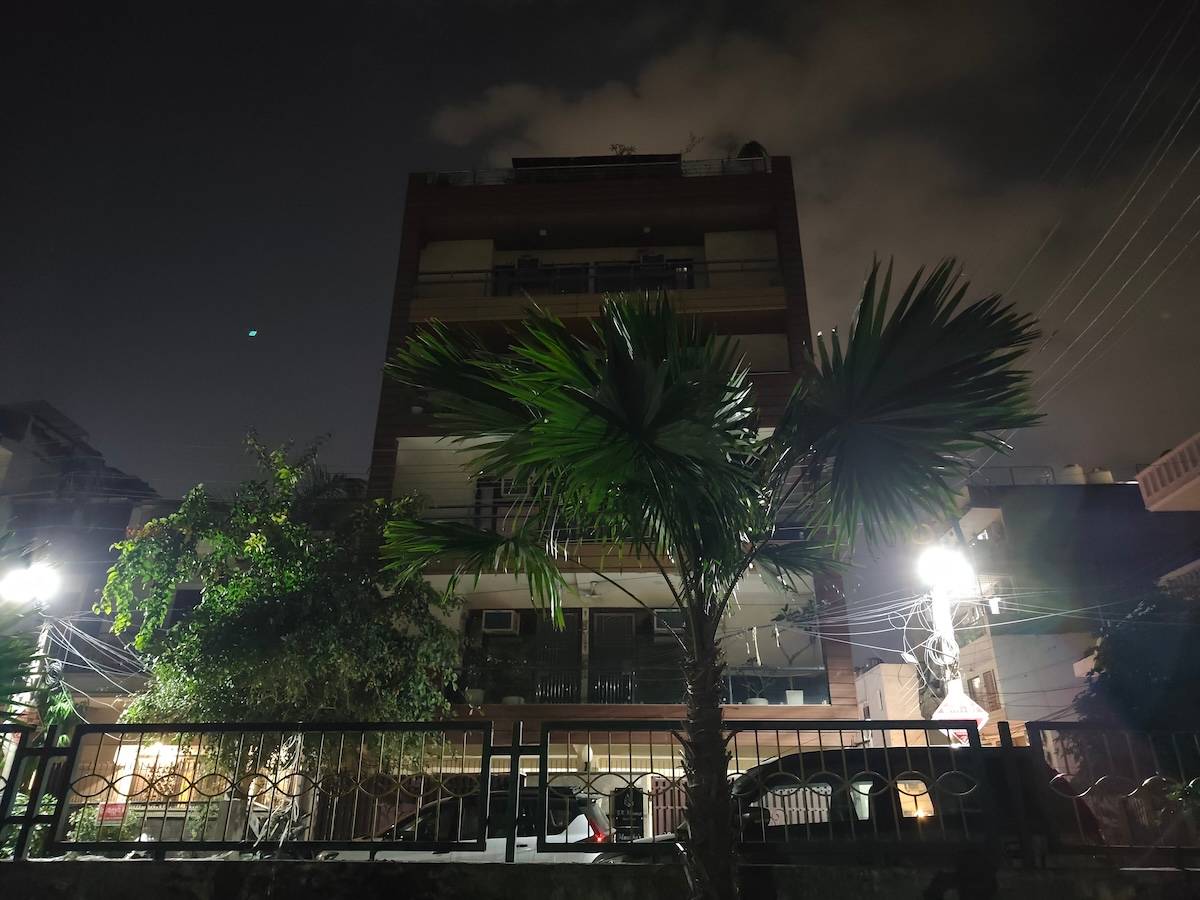
Furthermore, unlike the Vivo V70 FE, which offers brighter results, the Redmi Note 15 Pro+ keeps the images closer to reality.
The Vivo V70 FE captures brighter, more balanced low-light shots. While the Redmi struggles with flare around light sources, it preserves more detail, shows less noise, and delivers more natural-looking images.
Night mode
With night mode enabled on the Redmi Note 15 Pro+, images come out noticeably cleaner. While this comes at the cost of some realism, the results still appear closer to the actual scene when compared side-by-side with the Vivo V70 FE.
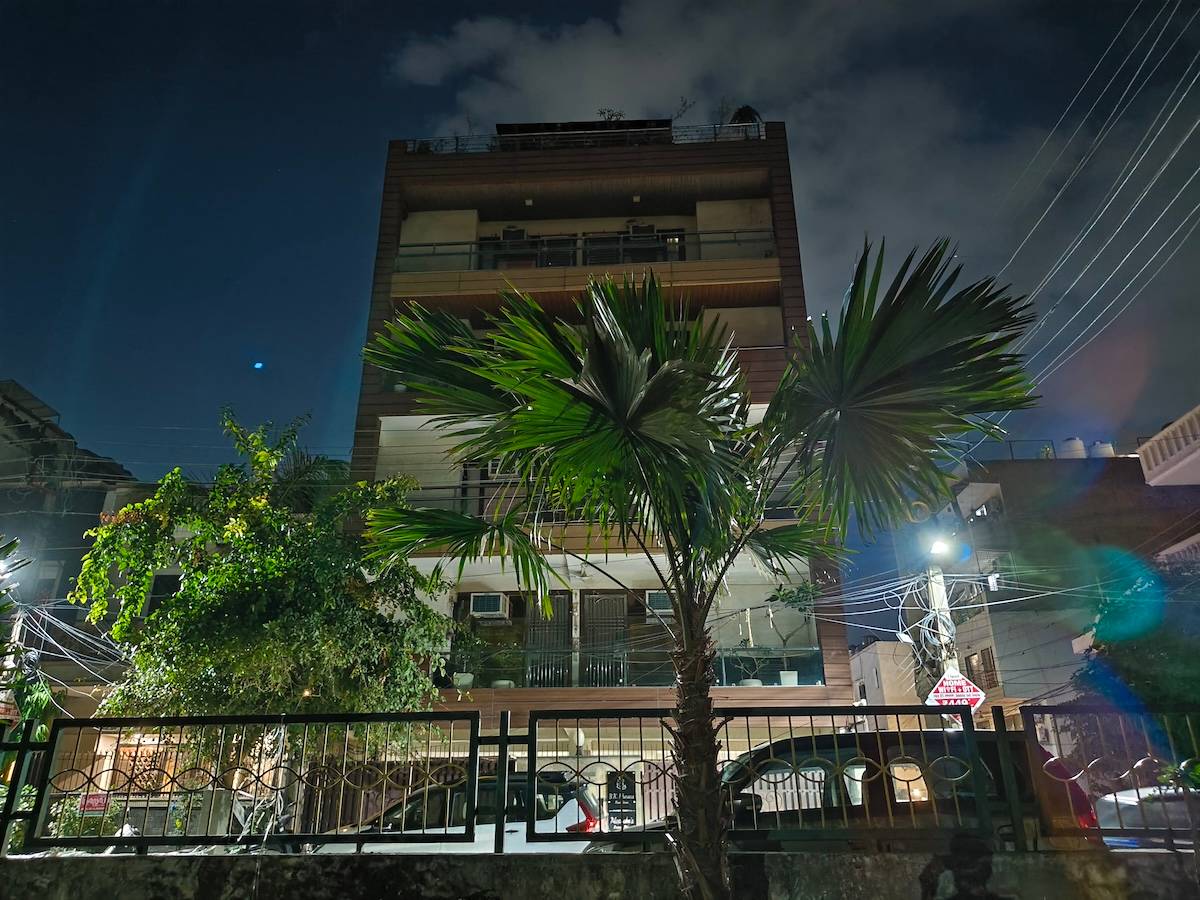
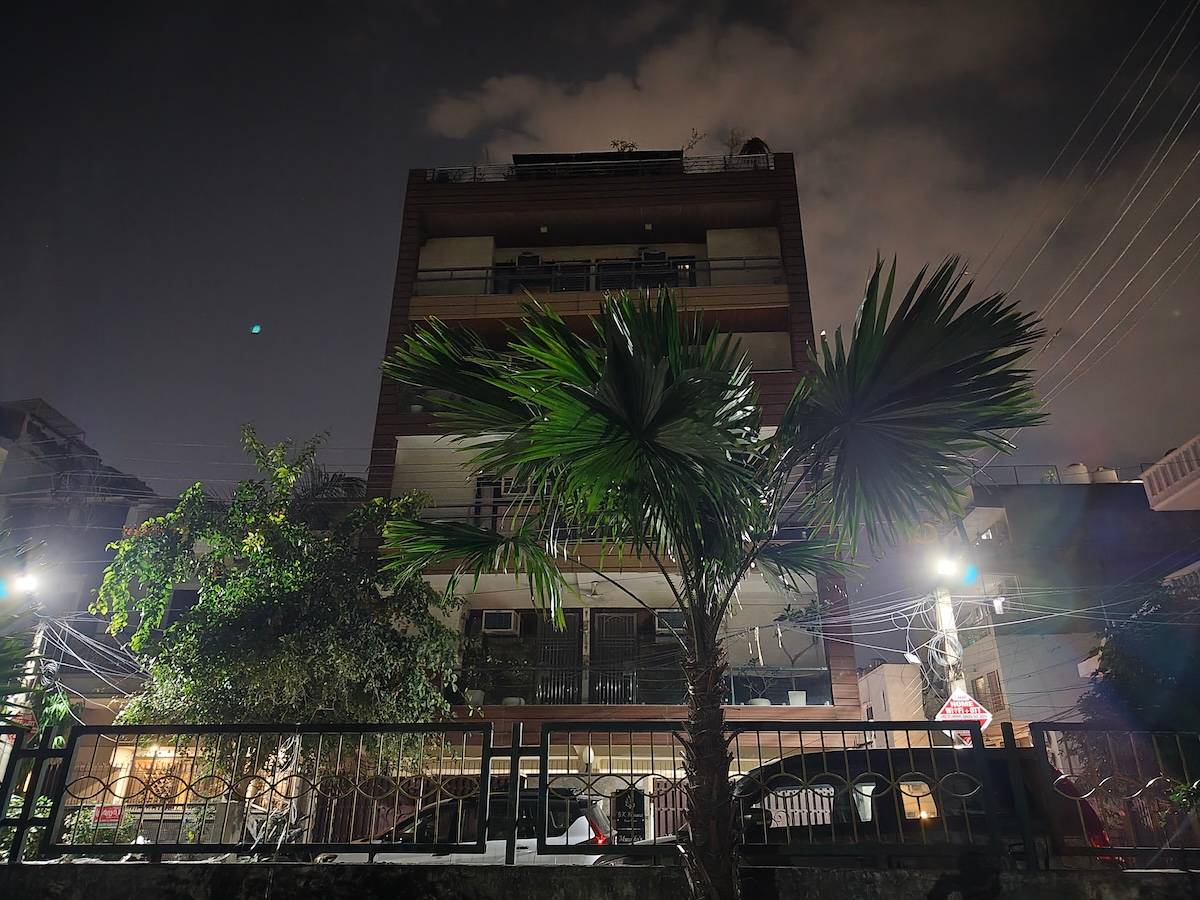
The Vivo, in contrast, tends to over-process. In very low-light conditions, it can brighten scenes so aggressively that a shot taken in near darkness ends up looking like it was captured at dawn, often with exaggerated contrast. Both smartphones capture a similar level of detail, with slight graininess across the frame.
Redmi Note 15 Pro+ produces cleaner night mode shots, whereas the Vivo V70 FE overprocess and aggressively brightens the scenes.
Extras
- 200MP camera mode: Both phones can shoot at a full 200MP resolution from their main cameras. Interestingly, neither applies the same HDR processing you get with the default 12MP shots, which changes the overall rendering quite a bit. The Vivo V70 FE leans towards a more contrast-heavy output, pushing colours to look punchier than real life. The Redmi Note 15 Pro+, on the other hand, tends to overexpose the scene, resulting in softer details and a weaker dynamic range.


- Video performance: Both smartphones are capable of recording sharp, detailed 4K videos with decent stabilisation. Their colour science remains consistent with what you see in photography, so the output retains each phone’s distinct tuning. However, the 1080p recording might deliver relatively smoother, more stable footage, making it the more reliable option for everyday shooting. The Vivo V70 FE gains an advantage over the Redmi Note 15 Pro+ with 4K video recording on the front camera. While the quality doesn’t quite match the rear camera, it can still be a useful option for creators in a few scenarios.
Camera app UI
Instead of the stock Android, both phones rely on their custom camera app to shoot images. The apps can be quickly launched from the lock screen of both smartphones, in addition to the Dock and the App drawer. There are standard access features that are mandatory to use the camera apps on both smartphones.
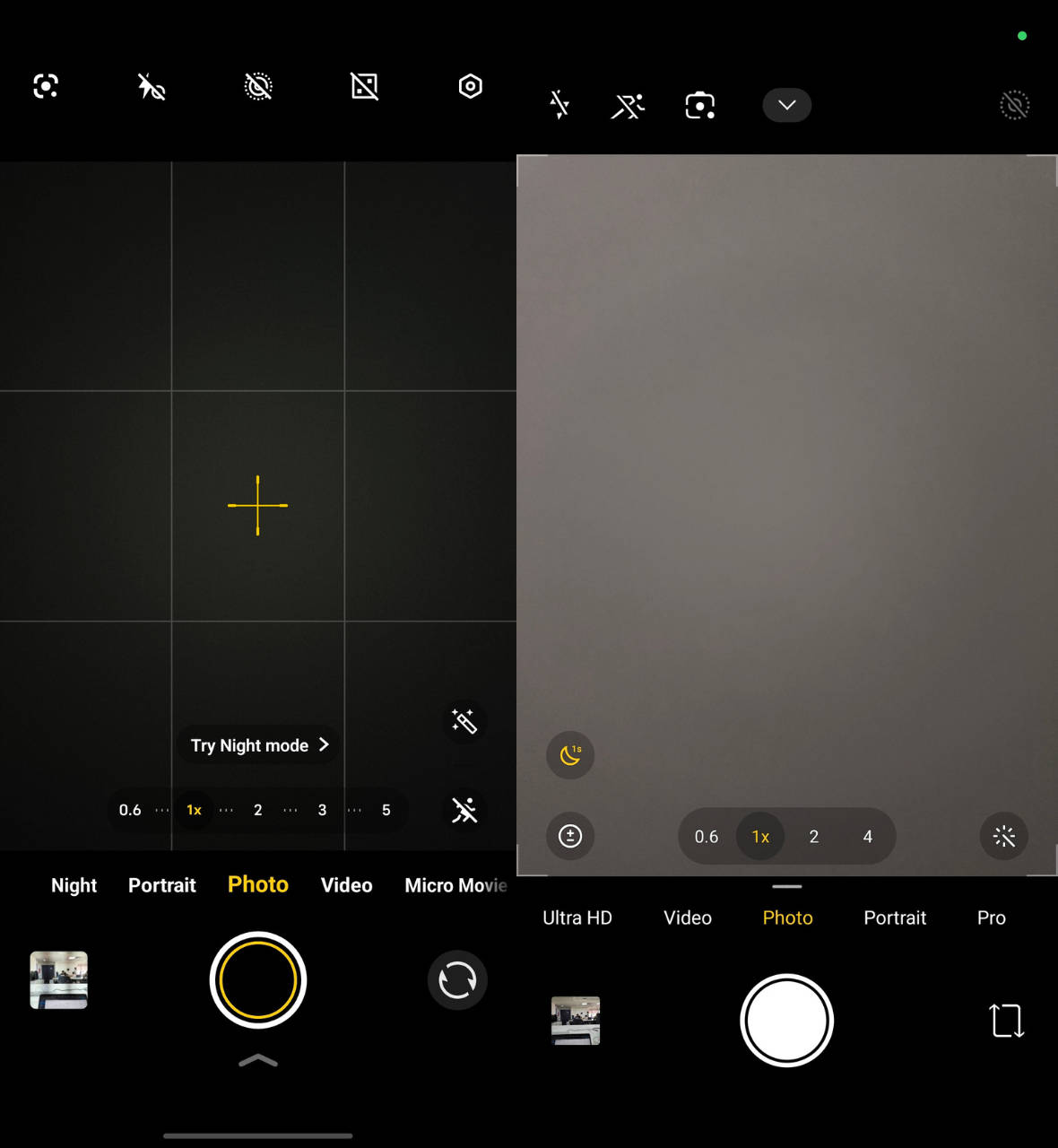
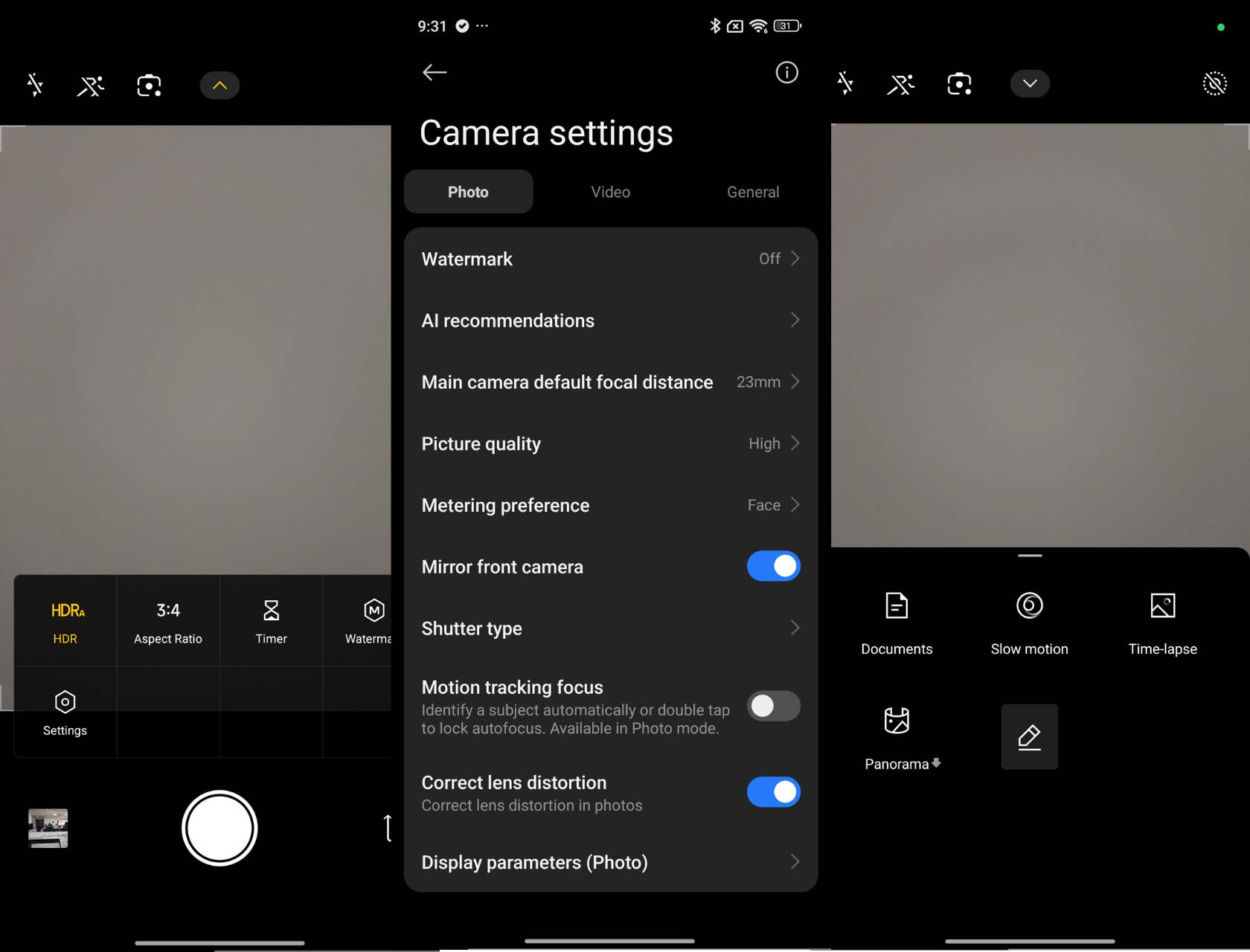
In terms of layout, the two apps feel broadly similar at first glance. Shooting modes are arranged along the bottom and can be cycled through with a simple left or right swipe. However, the experience begins to diverge once you spend more time with them. The Vivo handset presents a more feature-rich yet approachable interface, while the Redmi opts for a cleaner, more stripped-back design.
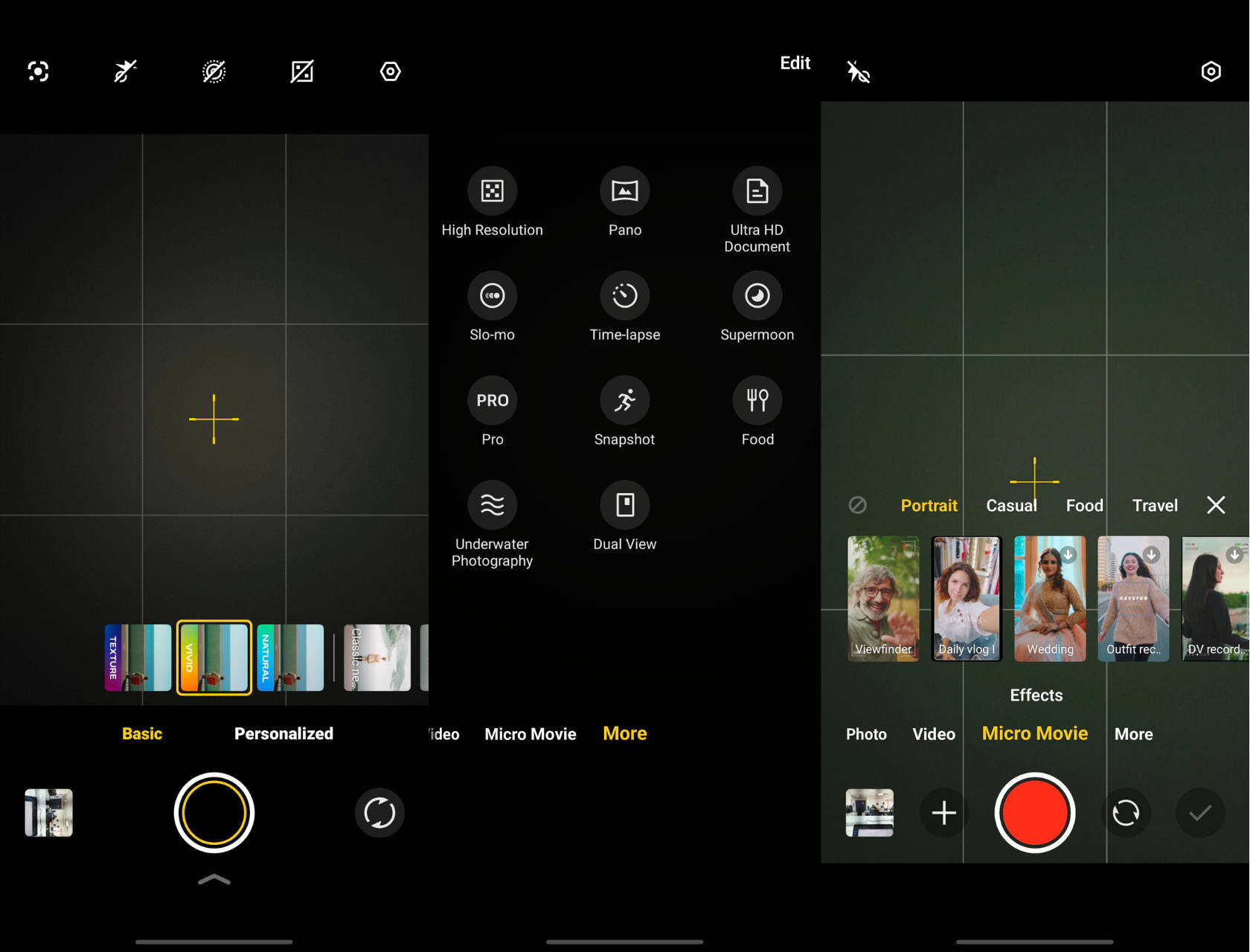
The Vivo V70 FE, in particular, feels more intelligent in day-to-day use. Its camera app actively analyses the scene and suggests the most suitable mode, which can be genuinely helpful when you are unsure which setting to pick. The smartphone also has the advantage of camera features. Beyond the usual options like slow-motion, time-lapse, panorama, dual view, and document scanning, the handset also includes extras such as micro movie presets for vlogging, a wider selection of filters, and a dedicated Supermoon mode.
Verdict
This concludes our Vivo V70 FE and Redmi Note 15 Pro+ camera comparison. Despite not performing identically, both smartphones are equally capable. Each smartphone has its strengths and weaknesses.
The Vivo V70 FE is designed for creators with a plethora of modes, filters, and 4K video recording support on both front and rear cameras. The handset produces visually striking images in its default ‘Vivid’ profile, but users have the option to personalise the tones within the camera app. The images are, in general, brighter, warmer, and instantly shareable, with standout performance in selfies. However, that same aggressive processing often works against it, leading to blown highlights, inconsistent colours, and over-processed low-light shots.
The Redmi Note 15 Pro+, on the other hand, is designed for users with a straightforward camera experience. The handset delivers comparatively more natural results across daylight, ultrawide, and low-light scenarios. It also manages highlights and contrast better, making its images feel closer to what you actually see. That said, its simpler camera app and weaker selfie performance hold it back.