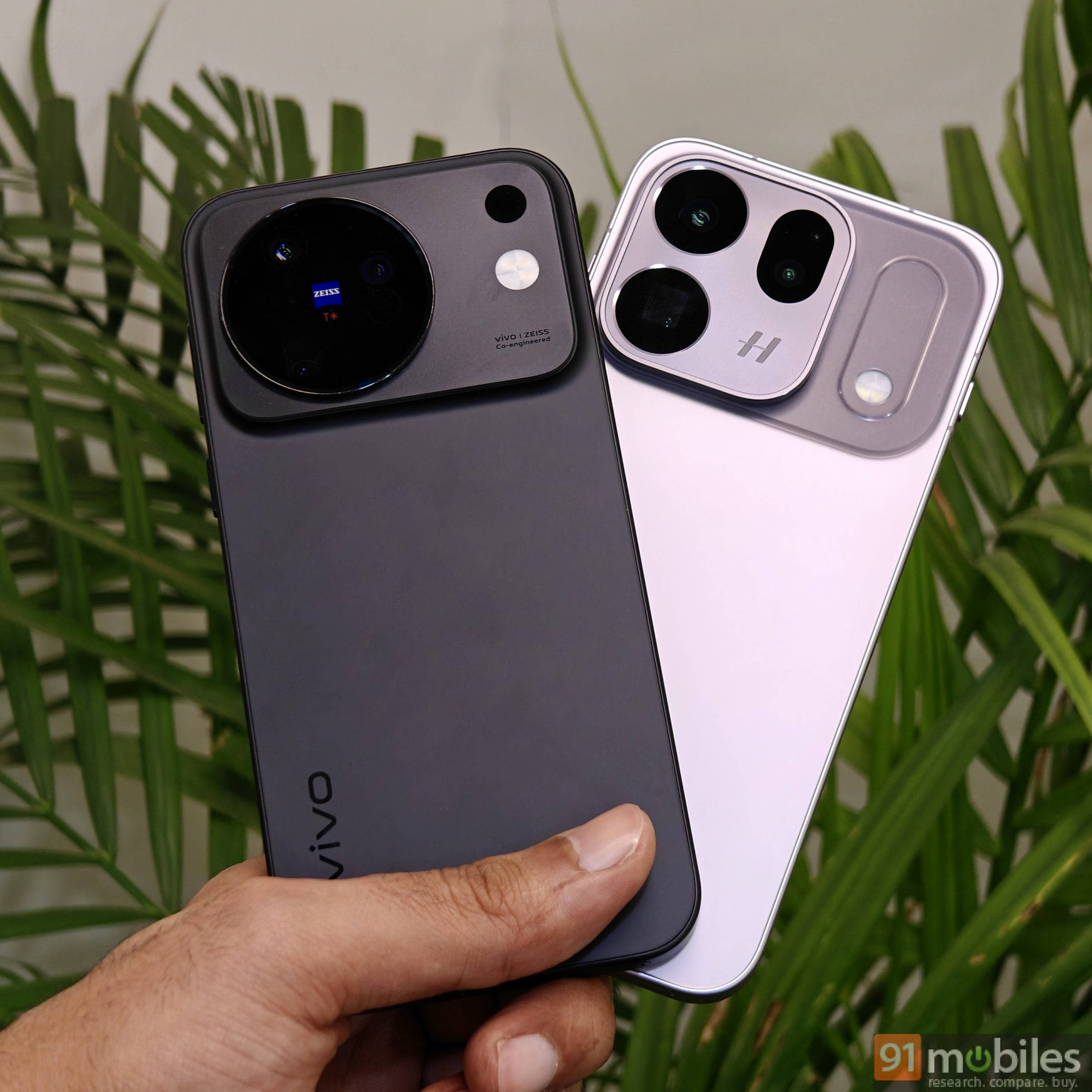


When it comes to smartphone photography, Vivo and OPPO have long been at the forefront, delivering some of the best camera hardware on their devices. With the Vivo X500 series and OPPO Find X10 series now launched in India, these brands continue to innovate by putting better camera sensors and advanced computational photography capabilities across their lineup. However, if you think only the "Pro Max" variants are getting all the new fun improvements, you will be surprised to see the results from the base Vivo X500 and OPPO Find X10.
Both smartphones pack capable camera hardware for their price, but which one is a step ahead? To find out, we put the Vivo X500 against the OPPO Find X10 across multiple scenarios to assess their differences and key advantages.
Table of Contents
Specs at a glance
| Camera | Vivo X500 | OPPO Find X10 |
| Primary | 50MP 1/1.28-inch with f/1.68 (23mm) | 200MP 1/1.4-inch with f/1.6 (23mm) |
| Periscope | 64MP 1/2-inch with f/2.55 (72mm) | 200MP 1/1.56-inch with f/2.6 (65mm) |
| Ultrawide | 50MP 1/2.76-inch with f/2.0 (15mm) | 50MP 1/2.75-inch with f/2.0 (15mm) |
| Selfie | 50MP 1/2.76-inch with f/2.0 (20mm) | 50MP 1/2.75-inch with f/2.0 (18mm) |
Compared to their predecessors, both the Vivo X500 and OPPO Find X10 swap the primary and periscope lenses for either a larger sensor or higher-megapixel lenses. The Vivo X500 gains the same 50MP Sony LYTIA 828 1/1.28-inch main camera from the Vivo X300 Pro, while the OPPO Find X10 switches from the 50MP Sony LYTIA 808 primary sensor, found on the Find X9, to a 200MP ISOCELL HPE sensor, potentially resulting in finer texture details when capturing images in full resolution mode.
Moving on to the periscope lenses, on paper, the OPPO Find X10's 200MP 1/1.56-inch HP5 sensor should have an advantage over the Vivo X500's 64MP 1/2-inch Sony LYTIA 610 sensor, a smartphone first, thanks to the larger sensor. The ultrawide and front cameras on both handsets remain identical, using either the JN1 or JN5 sensors from Samsung for both lenses.
Along with proprietary imaging pipelines for balanced, detailed, high-dynamic-range control images, courtesy of the MediaTek Dimensity 9600M's ISP, both the Vivo X500 and OPPO Find X10 feature macro capabilities. This is enabled by the L-shaped periscope lenses that can focus on close subjects at very short distances, allowing users to capture sharp textures and details of flowers, insects, clothing, and more.
Daylight


In the comparison above, the Vivo X500 goes for a more vibrant, contrasty look, while the OPPO Find X10 keeps things neutral, delivering colours closer to true-to-life. While the X10's output may appear flat, it lays a good foundation for anyone to edit the image and make it look more like the X500's output.
With a larger primary sensor, the Vivo X500 delivers slightly better detail in the plants, pavement, and building, while the Find X10 better highlights the image's dark areas, owing to superior dynamic range. Both images were captured using the smartphones' default colour profiles: Basic Vivid on Vivo and Standard Authentic Look on OPPO.
Ultrawide


Moving on to the ultrawide, both smartphones maintain colour consistency with the main lens quite well. The Vivo X500 goes for a contrasty look, while the OPPO Find X10 keeps things natural and subtle. As far as details go, the Find X10 produces a noticeably sharper image in the centre despite both smartphones using similar sensors. The Vivo X500, meanwhile, maintains sharpness consistently, even in the corners, while delivering slightly better dynamic range. The OPPO Find X10, on the other hand, shows distortion around the corners and edges.
Portrait
Switching to the periscope lenses on both to capture a portrait shot, the Vivo X500 has a longer default focal length of 72mm and clicks portraits by zooming in digitally to 85mm, the ideal range for capturing human portraits. On the other hand, the OPPO Find X10 uses its periscope lens's default 65mm focal length for portrait shots, giving you a wider frame.


As for how the smartphones compare, the Vivo X500 produces paler skin tones while adding a touch of vibrancy to the subject and background. The OPPO Find X10 delivers a brighter image that looks closer to real life, and it doesn't crush the shadows on the face. Once again, if you're seeking contrasty-looking images, the Vivo X500 is an ideal pick, while the Find X10 maintains natural tones in portrait mode.
Selfie


In selfies, at the default 1x zoom, the Find X10 offers a wider field of view than the Vivo X500, letting more people fit in the frame. As for the colours, the X500 delivers warmer, more natural-looking skin tones with balanced saturation. The greens in the background bushes and grass appear richer and deeper, while the pale pink jacket looks slightly more muted and natural.
The Find X10, on the other hand, gives the skin a mildly brightened, 'beautified' look with cooler, pinker tones on the face, while the background greens take on a brighter, slightly yellowish-green cast. Detail-wise, the jacket textures appear crisper on the Vivo X500, along with noticeably sharper skin texture and hair. The OPPO Find X10 appears to smooth the hair details but preserves the facial details. That said, the jacket's collar doesn't appear as detailed as Vivo's output.
Low light


In low light, when using the primary cameras on both smartphones, the Vivo X500 consistently offers better highlight control by minimising flare. The detail and sharpness levels of the buildings and trees are also noticeably better on the Vivo smartphone. Depending on your preference, you may lean towards Vivo's natural-looking, cool-toned image, or OPPO Find X10's warm image, which appears closer to real life.
Night mode
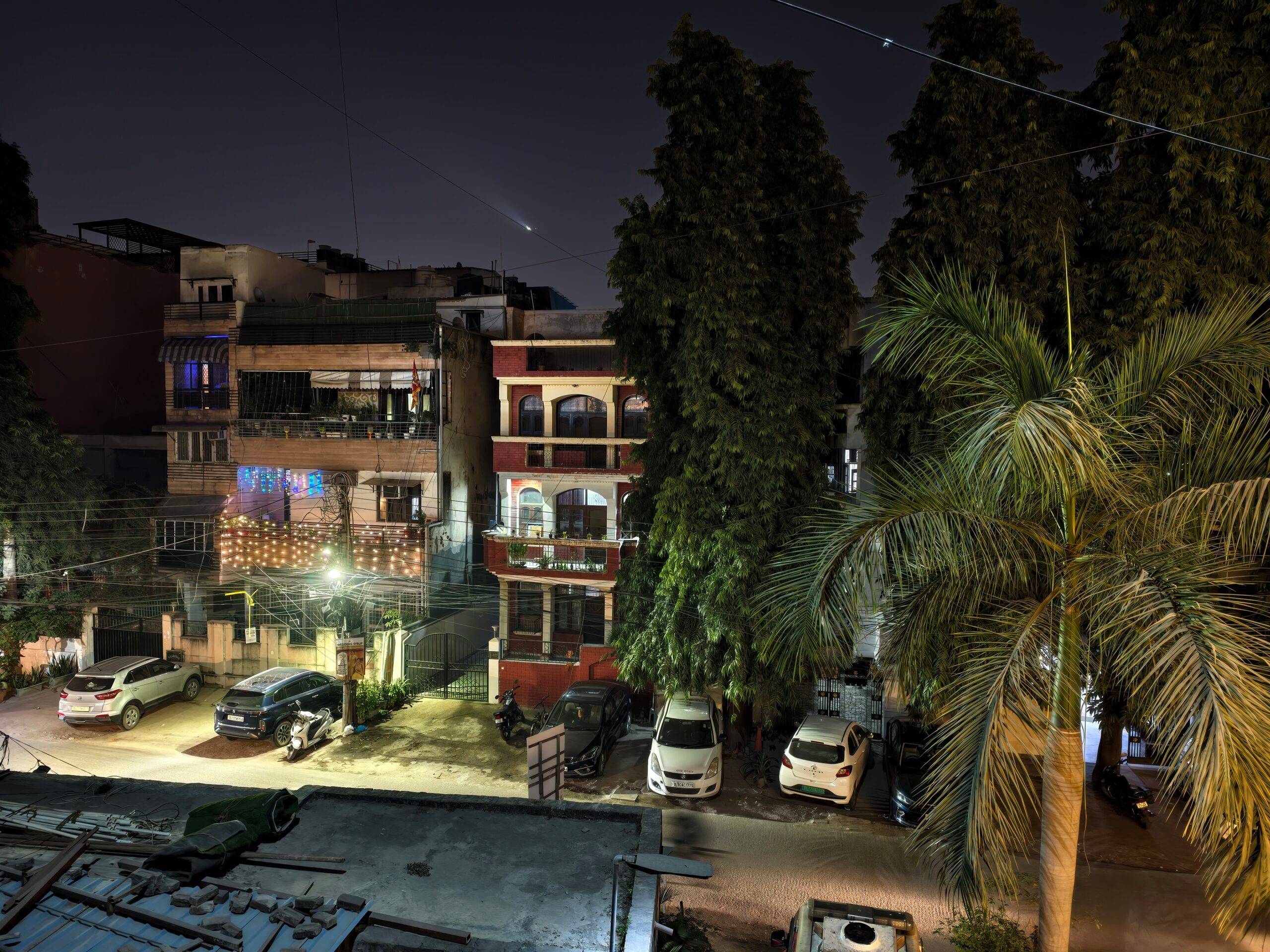
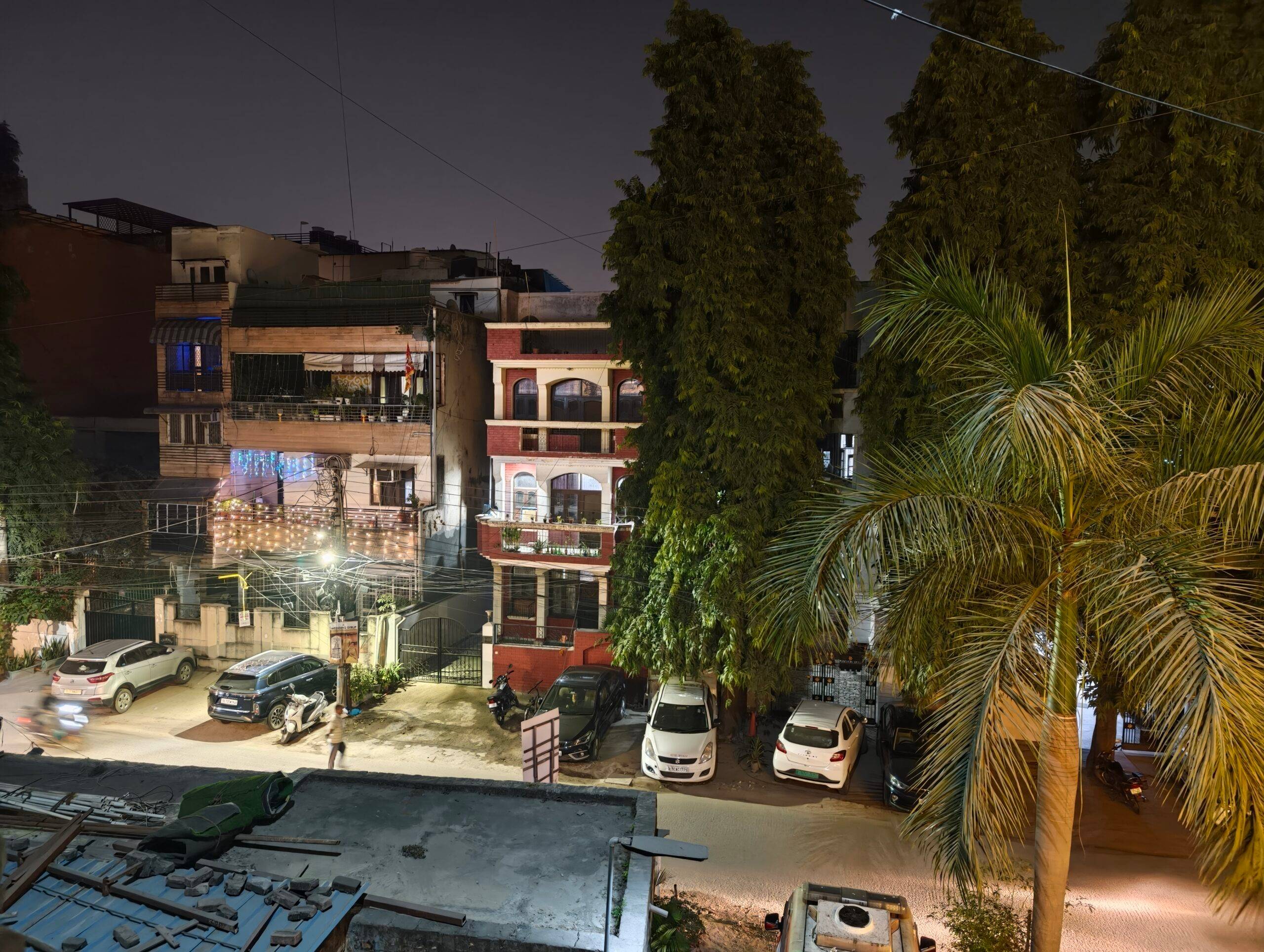
With night mode enabled, the Vivo X500 produces even better detail and texture. The OPPO Find X10 improves things as well, but it can't keep up with the X500. Overall, the Vivo X500 again shows better control over exposure and light flare, resulting in a more aesthetically pleasing image, especially when you zoom in on different parts of the image.
The bottom line
As seen in the camera samples above, the primary, periscope, and ultrawide lenses on the Vivo X500 tend to produce contrasty, darker tones, while the OPPO Find X10 maintains more realistic colours on those lenses. In selfies, though, it's the opposite, as the Find X10 delivers a beautified look, perfect for instant social media posting, while the Vivo X500 tones down saturation for a closer-to-reality look. The X500 also delivers slightly better detail from the front and primary cameras, largely due to its larger sensor, in both daylight and low light.
Notably, these results are with default camera settings on both phones. The Vivo X500, as well as the OPPO Find X10, lets you customise the images with a variety of built-in filters and modes within the camera app.