


Review Summary
Expert Rating
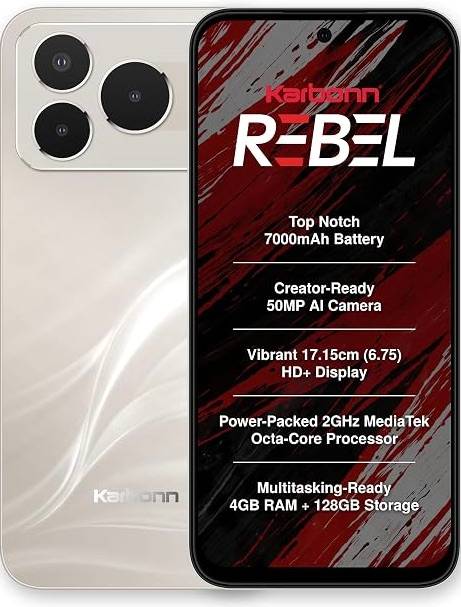
Domestic smartphone maker Karbonn recently made a comeback with the release of the Karbonn Rebel and Rebel Pro, both 4G offerings under Rs 15,000, in India. Aimed at potential buyers seeking long-lasting battery endurance, a noteworthy design, and software that is devoid of bloatware, we recently got our hands on the Rebel 4G. With 5G options like Lava Virat V1, Mivi One, Boltt Ace, and others ruling the budget segment, does the Karbonn Rebel stand a chance? Find out in this review.
Table of Contents
Quick verdict
The Karbonn Rebel 4G boasts an elegant design, outstanding battery life, clean bloat-free software, and a decent display. However, it may not yield the best performance in games and benchmarks in its price class, while the cameras also lag behind the competition. Overall, it’s a solid choice for users valuing battery life and neat software on a budget, despite the lack of 5G support.
Design: elegant appearance
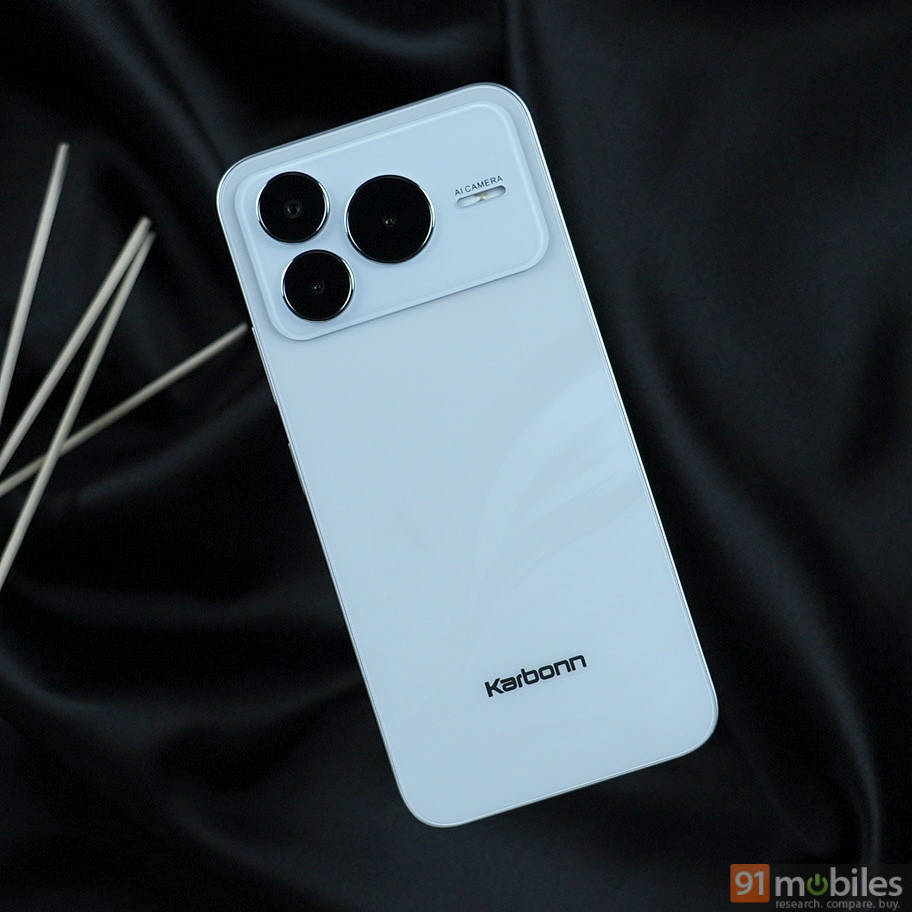
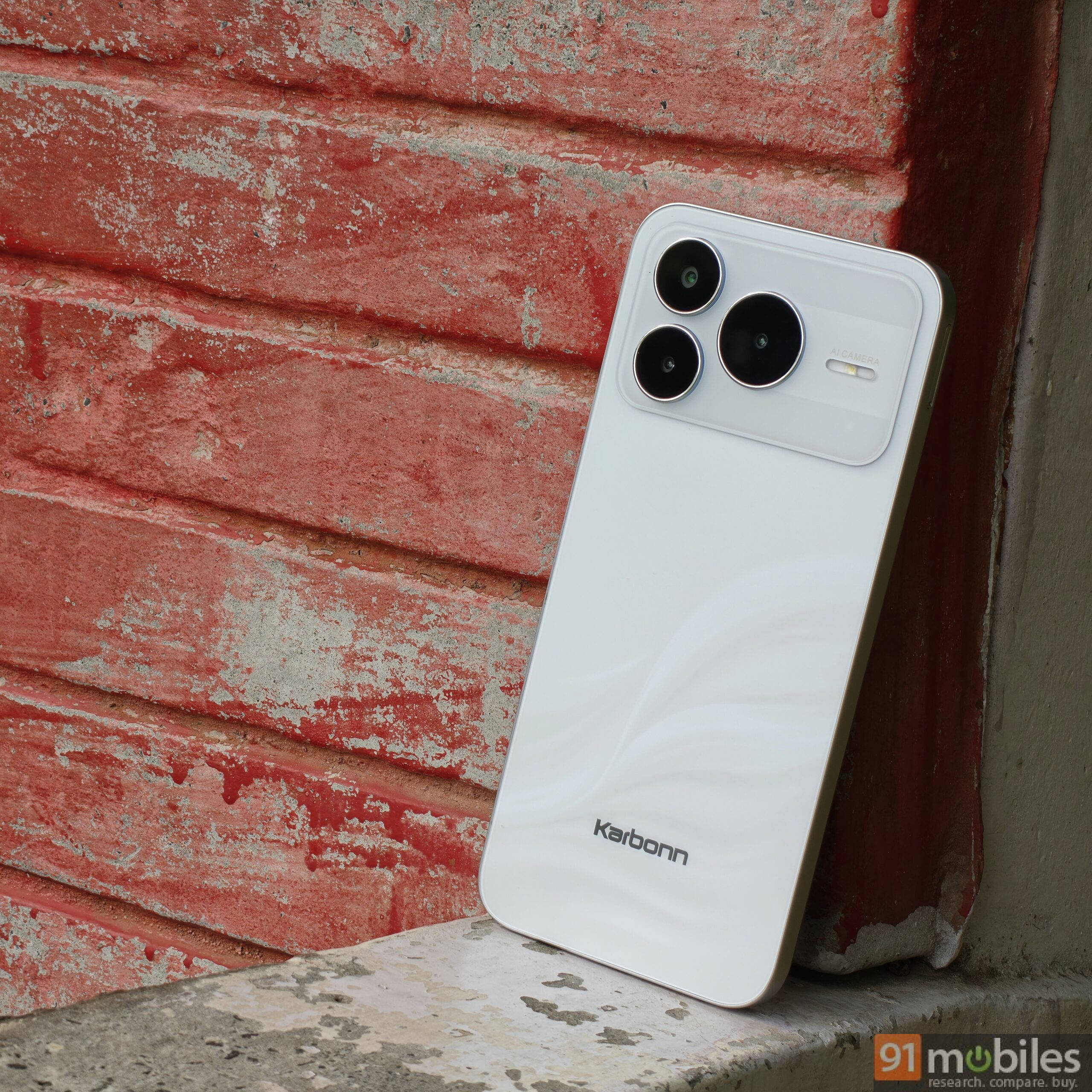
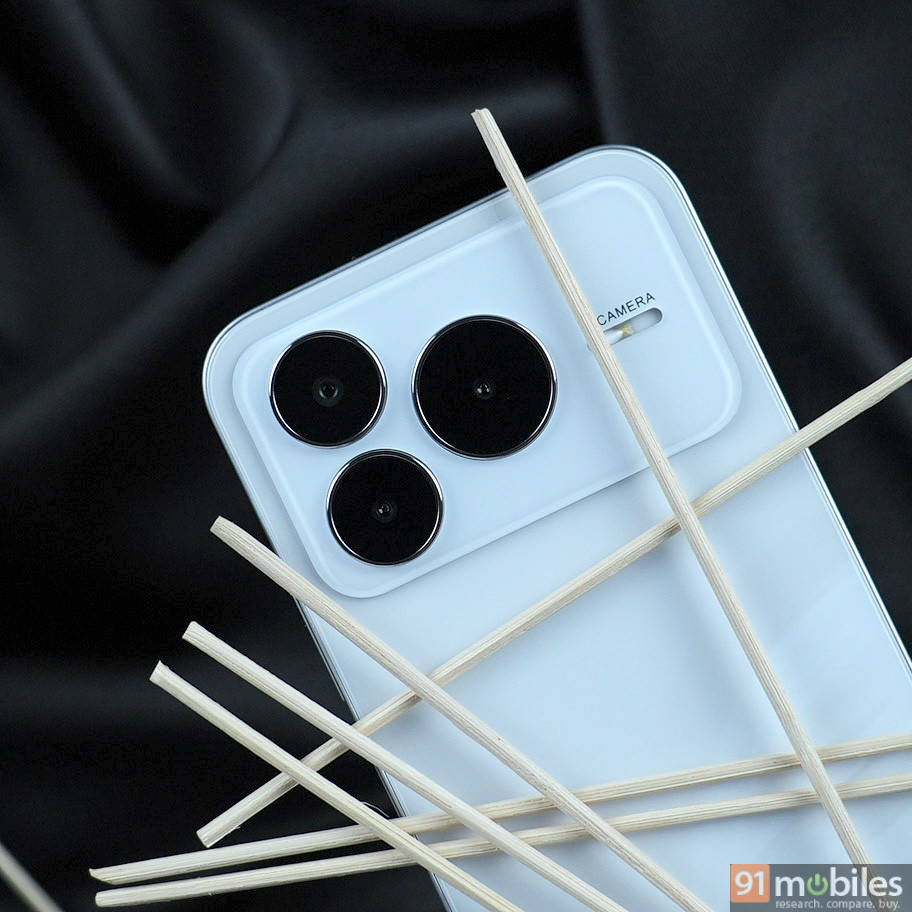
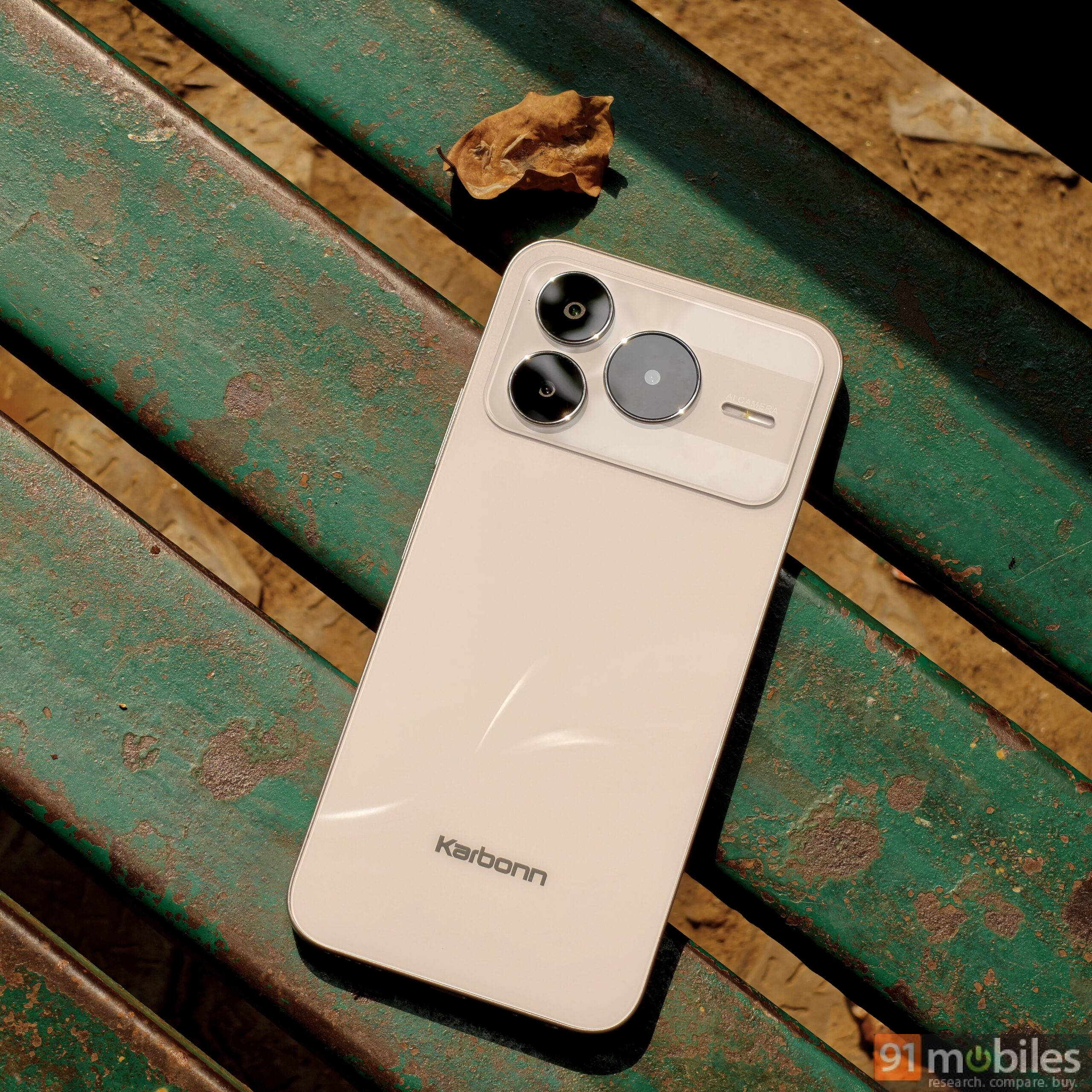
Among recently launched smartphones under Rs 15,000, especially from homegrown manufacturers like Lava, Ai+, Boltt, and Mivi, the Karbonn Rebel stands out as one of the few models with a white rear panel, featuring a finely crafted, shimmering pattern on the Pearl White colourway we received for review. While the Champagne colour option also sports a similar pattern, the large camera deco up top makes the phone look more expensive than it is.
Display: good enough for regular content consumption
Up front, the Karbonn Rebel carries a 6.75-inch HD+ IPS LCD display with a 720p resolution. It also features a 90Hz refresh rate and up to 650 nits of brightness. During my experience with the phone, it offered the most suitable colours and tones in the default ‘Natural’ colour mode, while the ‘Boosted’ and ‘Saturated’ modes substantially increase the warmth of the display, making everything appear red.
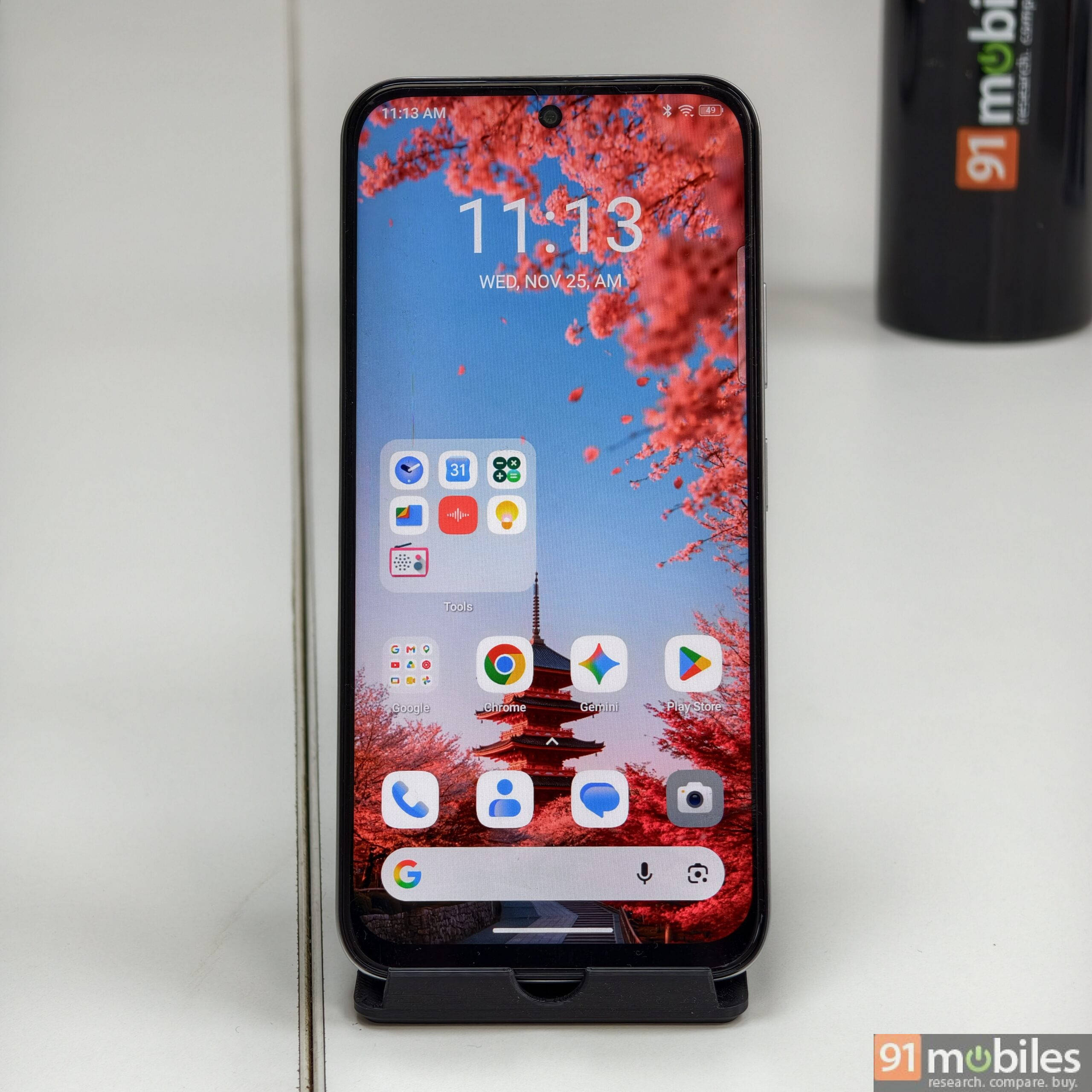
So I watched most YouTube videos in FHD resolution, where the Karbonn Rebel offered sufficiently vibrant, high-contrast tones for an LCD panel. The single bottom-firing speaker can get really loud, but at maximum volume it can sound shrill.
Performance: just gets the job done
The Karbonn Rebel runs on the MediaTek Helio G81 SoC, a budget 4G processor that debuted in late 2024. This 12nm-based octa-core chipset runs up to 2GHz and features a Mali-G52 MC2 GPU, and is paired with up to 4GB LPDDR4X RAM and 128GB eMMC 5.1 storage. For day-to-day use, the smartphone is well suited for basic tasks and activities, such as scrolling through social media, watching YouTube videos, texting, and playing light games like Subway Surfers and Clash Royale.

Compared to the 5G options available under Rs 15,000, the Karbonn Rebel delivers lower benchmark scores than the likes of the Lava Virat V1 (review), Mivi One (review), and Boltt Ace 5G (review); however, this doesn’t change the fact that the phone gets the job done for most regular stuff.



Software: clean with plenty of features
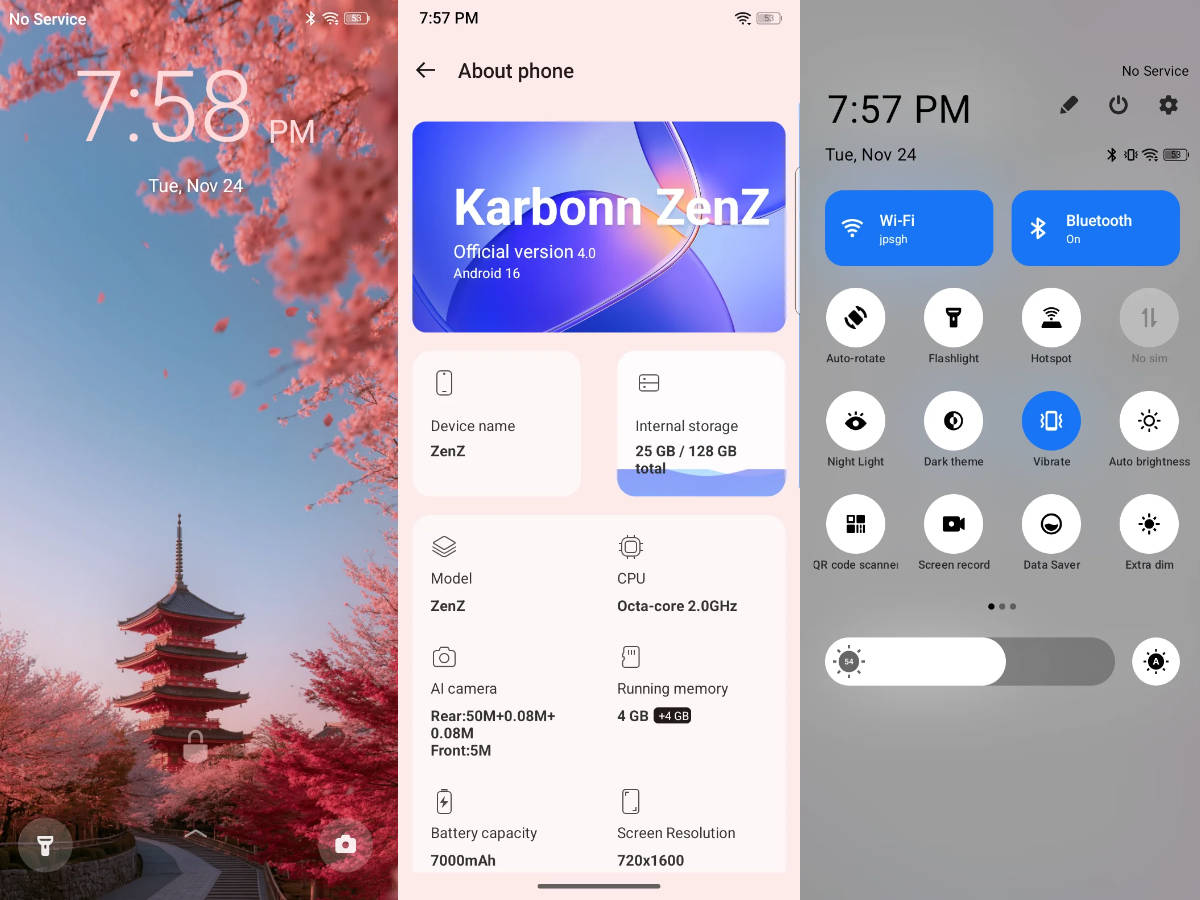
Coming with a proprietary software skin based on Android 16, the Karbonn Rebel is set to receive two OS upgrades and two years of security patch updates. Will the company live up to its promise? Only time will tell, but for now, the smartphone offers a clean, bloat-free experience.
| Smartphone | Pre-Installed Apps | Software Support |
| Karbonn Rebel 4G | 35 | 2 Years OS Updates + 2 Years Security Updates |
| Lava Virat V1 5G | 34 | 1 Year OS Updates + 2 Year Security Updates |
| MIVI One 5G | 26 | 2 Year OS Updates + 2 Year Security Updates |
While the Karbonn Rebel’s user interface doesn’t appear as polished or mature as the Infinix Smart 20 (review), which we highly regarded for its AI features on a budget, the elements don’t look out of place as they did on the Lava Virat V1. What I particularly like about the software is that Karbonn offers seamless app opening and closing animations, which is rare on budget-oriented devices like the Smart 20.
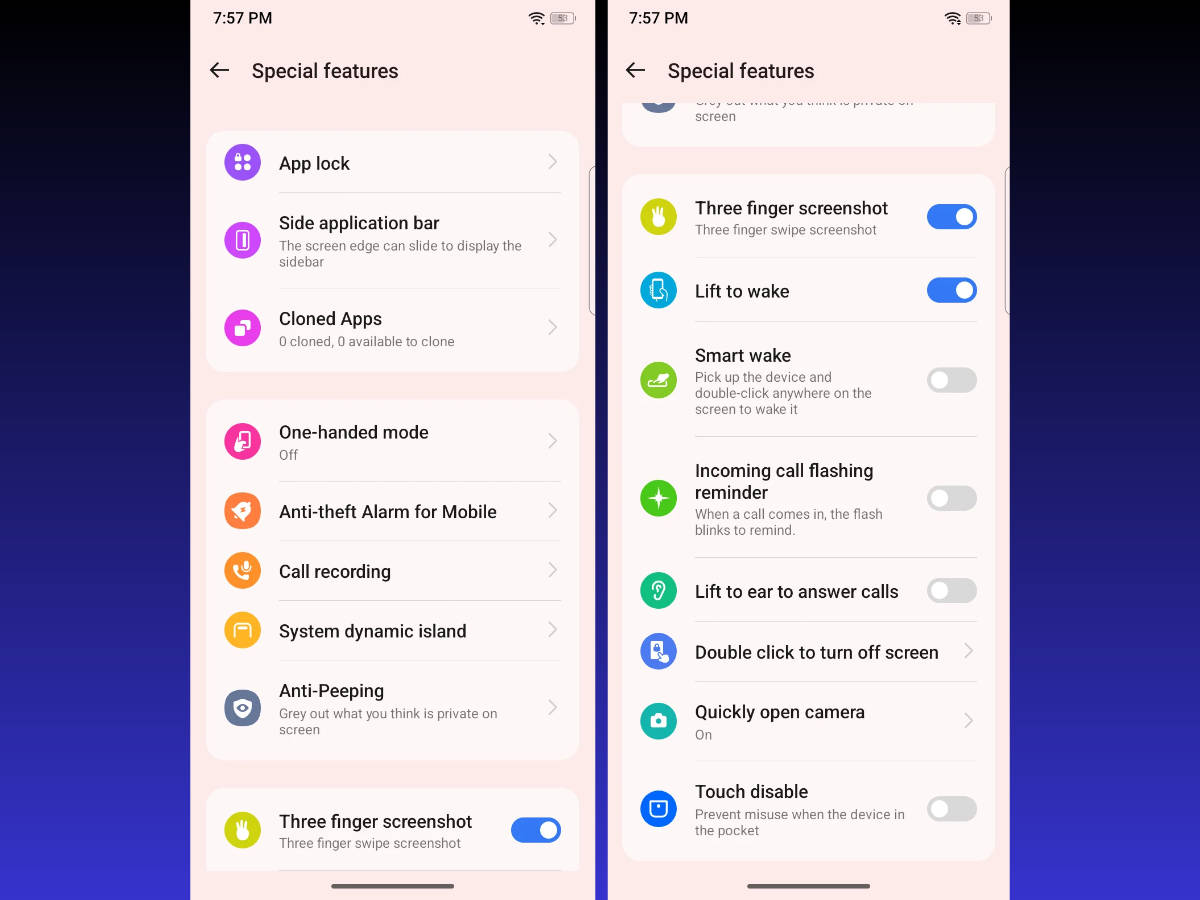
Sitting in the ‘Special features’ section within Settings, you’ll find plenty of nifty features to get the most out of the device, including App lock, cloned apps, a sidebar to summon apps from the screen’s edge, call recording, three-finger screenshot, and more. During my time with the phone, all these features worked as intended.
Battery: top-notch endurance
With a fairly large 7,000mAh battery, the Karbonn Rebel brings a fresh breath of air to the sub-Rs 15,000 segment, as most India-based smartphone releases have bundled a battery of no more than 6,000mAh.
This gives the Karbonn smartphone a clear advantage not only on paper, but in practice as well. In our in-house PCMark Battery Drain test, which runs the battery through multiple real-world tasks, such as editing and watching videos, scrolling through documents, browsing the web, and light gaming, the Karbonn Rebel clocked over 18 hours of runtime, the highest among Mivi One, Lava Virat V1, Boltt Ace, and Infinix Smart 20.

Furthermore, the smartphone’s idle drain is minimal, as it barely loses a percentage overnight with Wi-Fi enabled. On the other hand, charging can be a struggle as the Karbonn Rebel supports 18W wired charging, which took over two hours to go from 20 to 100 percent in our tests – slower than the competition.
Camera: may need some improvements
The Karbonn Rebel carries a 50MP primary camera and a 0.8MP secondary lens on the rear, while the selfie duties are taken care of by a 5MP unit. As with most budget smartphones, the Karbonn Rebel delivers only usable results. In outdoor daylight scenarios, the images don’t boost saturation, and keeping the sky’s highlights and true tones can be challenging. Detail and sharpness are above average at best, so the images are suitable for casual viewing.
Check out some camera samples taken on the Karbonn Rebel:




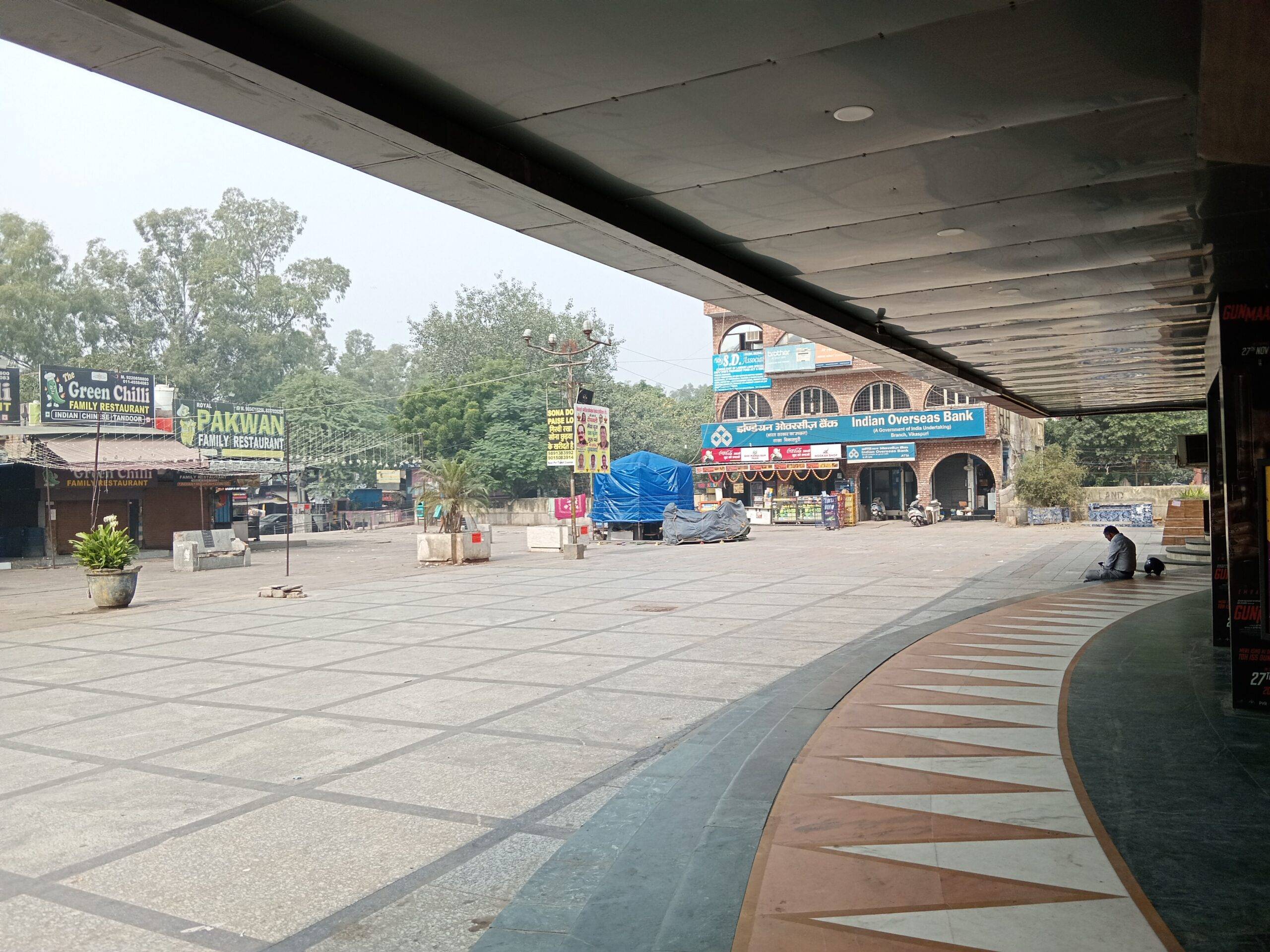
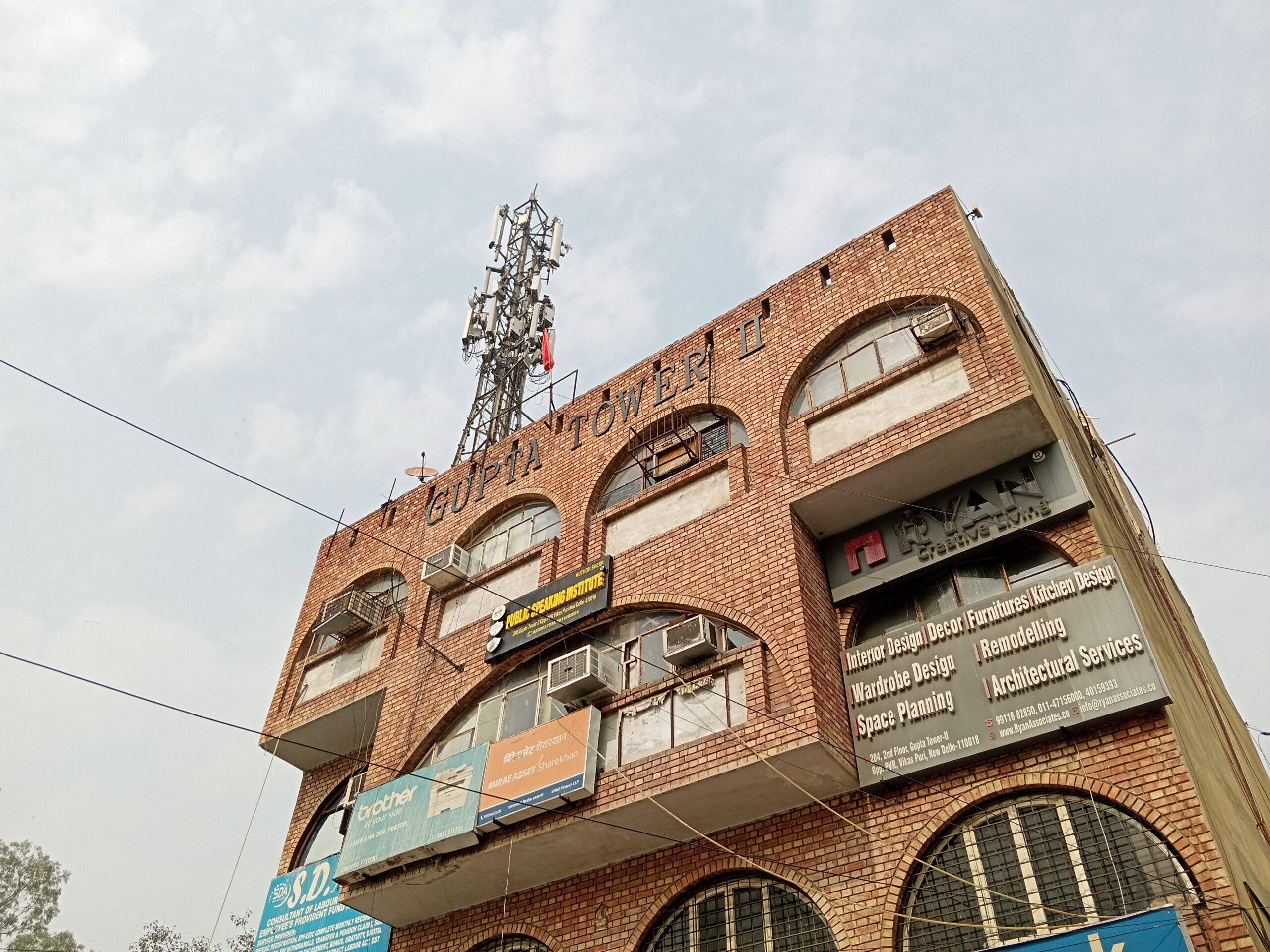



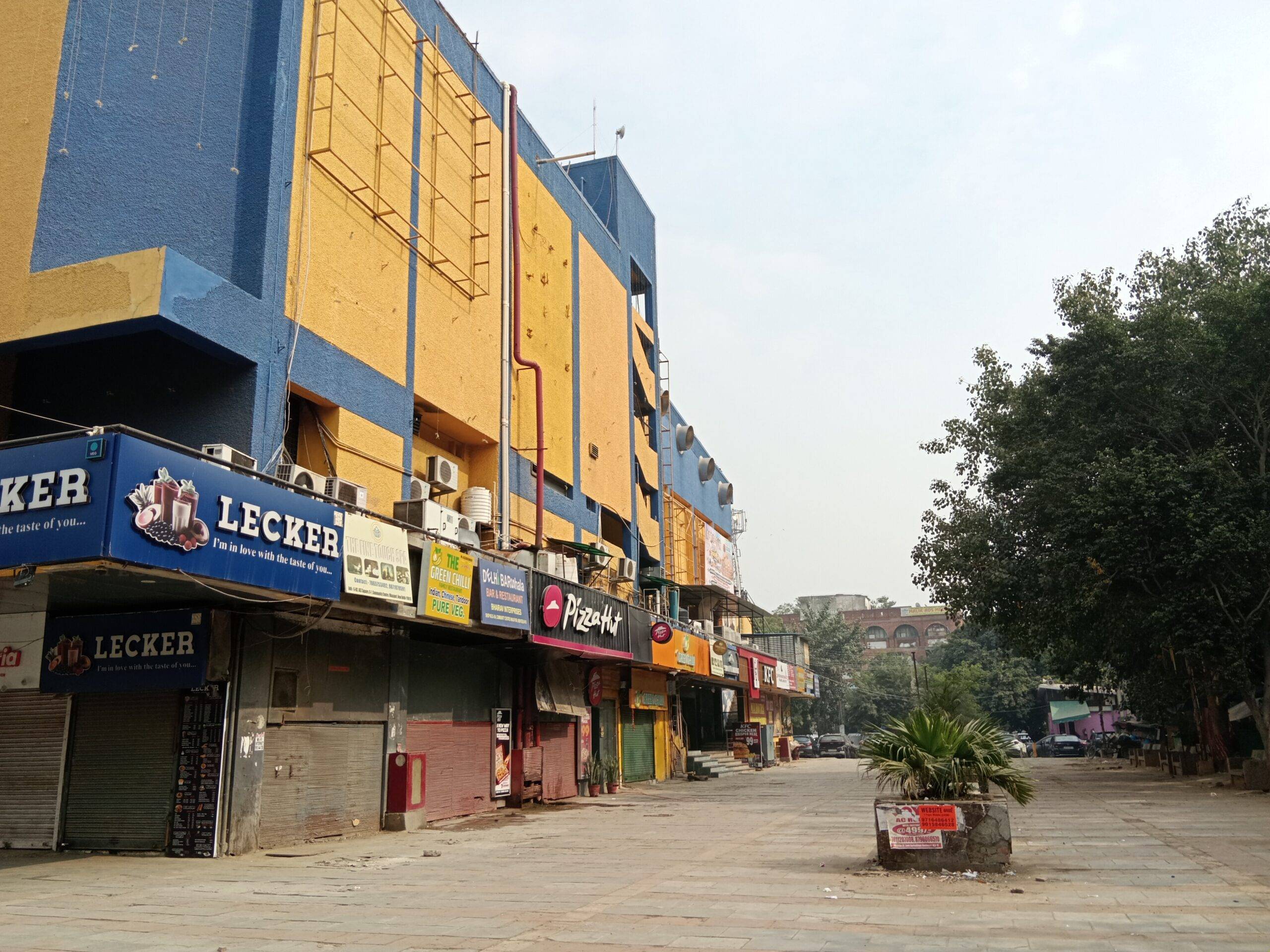

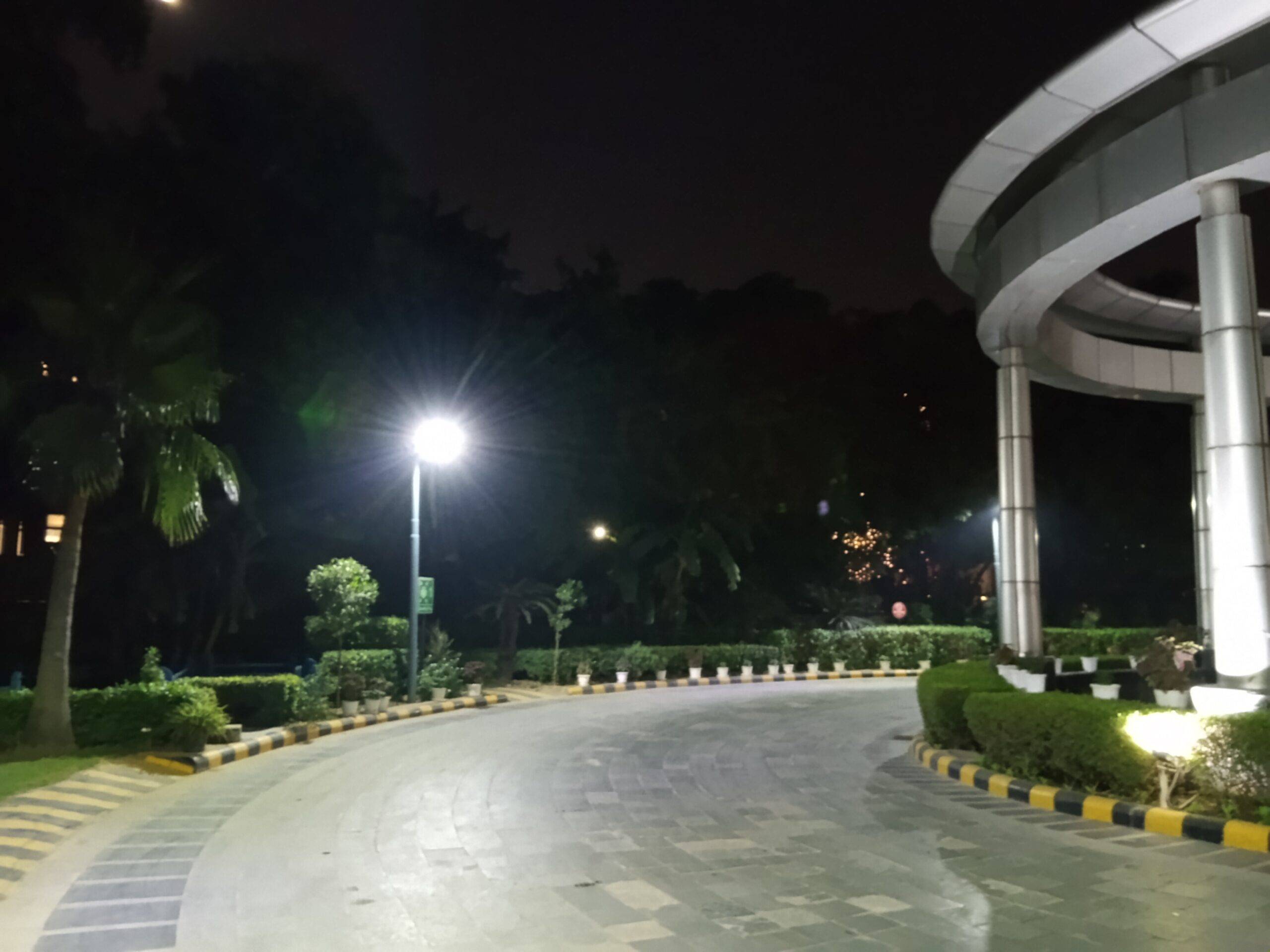

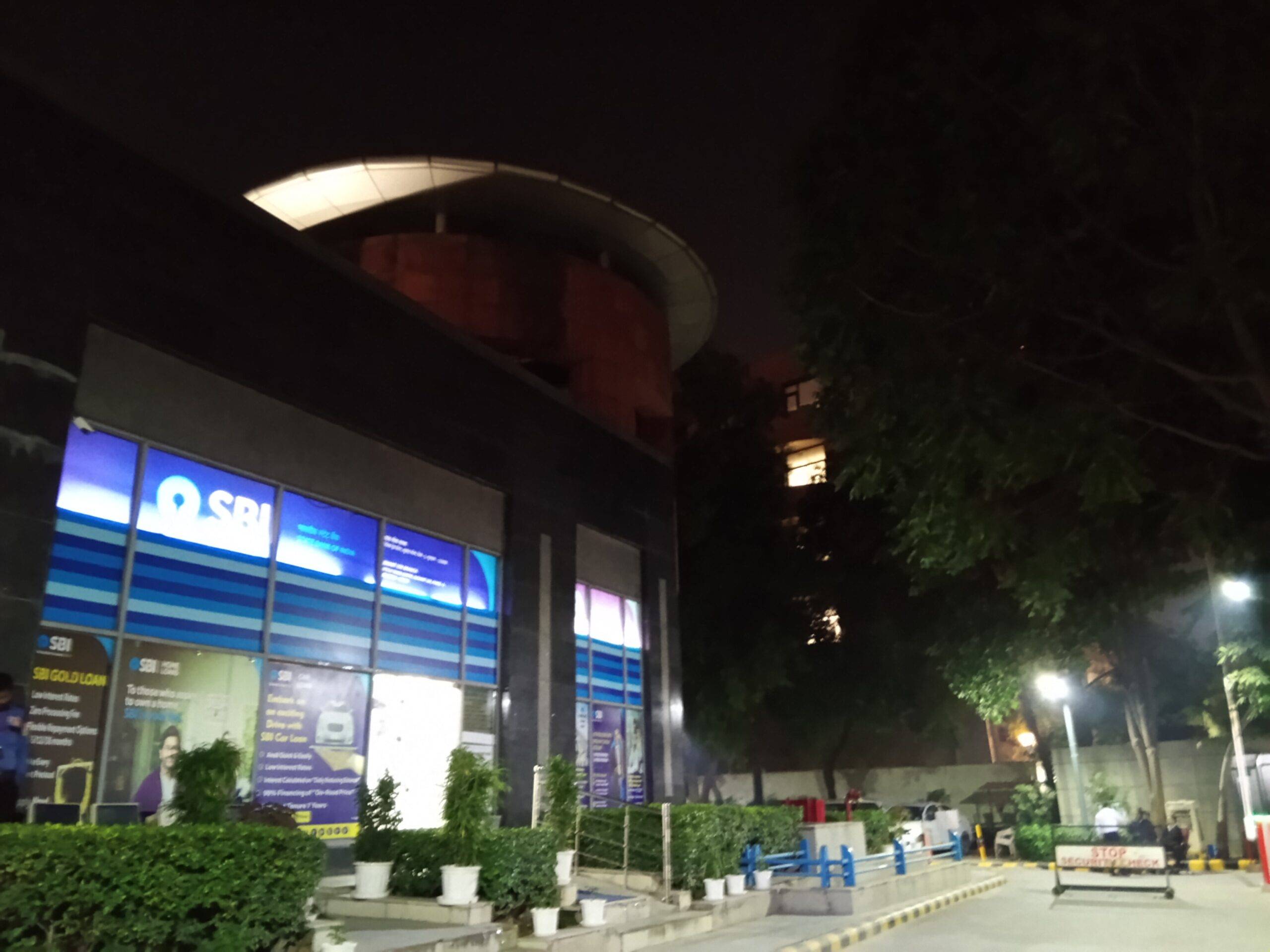


To assess how the cameras of the Karbonn Rebel actually fare against the competition, we compared it against the Infinix Smart 20 in different scenarios:
Daylight


In the daylight comparison above, the Karbonn Rebel underexposes the entire scene, resulting in dark, muted tones. The Infinix Smart 20 handles the scene much better, even though the Karbonn smartphone shows slightly better detail. While both devices struggle to maintain dynamic range, the Smart 20 retains some of the sky’s tones, while the Karbonn Rebel has blown out the background.
Portrait


In portrait, the Karbonn Rebel takes a U-turn, overexposing the subject and background and producing unnatural tones and colours. The Infinix Smart 20 also doesn’t produce a suitable image, as it adds heavy contrast, but it retains detail better, while the Karbonn Rebel does a better job at edge detection.
Selfies


Right off the bat, the Infinix Smart 20’s selfie camera has an advantage with a wider perspective, fitting more people and background into the frame. Coming to the crucial aspects, it handles colours much better than the Karbonn Rebel, since it doesn’t go overboard with warm or saturated tones. The Karbonn Rebel also struggles to maintain the background’s dynamic range.
Low light


While both smartphones are equally matched in low-light scenarios, the Infinix Smart 20’s balanced warm tones allow the LED lights in the image to give off a vibrant vibe, while the cold tones on the Karbonn Rebel make the image too muted. In detail, the Smart 20 has a fair advantage, even though it isn’t extraordinary.
Final verdict: Is the Karbonn Rebel 4G a suitable pick under Rs 12,000?
Priced at Rs 11,999 for the 4GB RAM and 128GB storage variant, the Karbonn Rebel faces stiff competition from homegrown rivals like the Lava Virat V1 at Rs 13,999, Mivi One at Rs 14,999, and Boltt Ace at Rs 13,999. Although the Karbonn Rebel offers more value by undercutting these smartphones on price, it lacks 5G, which could be a key requirement for users upgrading from a feature phone or a 4G-based phone to experience high internet speeds.
Editor’s rating: 7.8/10
Reasons to buy
- A not-so-ordinary design that looks and feels elegant.
- Offers a reliable viewing experience for regular content consumption.
- Delivers one of the best battery backups in the segment.
- Software is free of bloatware and duplicate first-party apps.
Reasons to skip
- Doesn’t yield the best performance numbers compared to rivals.
- Cameras trail slightly behind the competition.