November has been an interesting month for smartphone enthusiasts so far, with flagship launches from all major OEMs. In the midst of all this, we got the opportunity to get hands-on with the new Xiaomi 17 Pro (overview) and Xiaomi 17 Chinese variants. Now, these phones have not officially launched yet and aren’t about to for quite some time, but like all the other flagships we’ve tested so far, these phones deserve their own limelight.
We already have an overview of the Xiaomi 17 Pro, which admittedly is the more interesting of the two, given its purpose-built secondary display. But make no mistake, the vanilla Xiaomi 17 has a lot of merits on its own and might just be the more practical choice for most users. I’ve been using the device for some time now and have some thoughts to share on where exactly this device fits in this highly competitive segment.
Note: This is an early overview based on the Chinese unit of the Xiaomi 17. While sideloading the Google Play Store helped bring it closer to my usual daily setup, some parts of the experience and even a few specs or features may change by the time the global and Indian variants launch, so a full, final verdict will have to wait until the device officially launches in India in early 2026.
Table of Contents
A delightful multimedia experience
The Xiaomi 17 features a 6.3-inch LTPO AMOLED display with a 1.5K resolution and a standard 120Hz refresh rate. Unlike newer flagships that have adopted higher refresh rates, Xiaomi has chosen to retain its panel from last year, but with a slightly higher peak brightness of 3,500 nits. I have no complaints with that decision. It’s a well-tuned display with sharp resolution and vibrant colours, thanks to its high-contrast ratio. With certifications like HDR10+ and Dolby Vision, you can rest assured that content playback remains enjoyable anytime you tune in.

The stereo speaker setup also deserves merit here. In our lab tests, it delivered a volume output of 78.6dB, which is a bit lower than the segment average of 82dB. In direct comparison, it lacks some volume versus its rivals, but the soundstage makes up for it. Tones are rich, with clear sound separation. The low end has a satisfying thump, and there’s no harshness at max volume. The overall output remains crisp, clear, and full-bodied, enhancing the multimedia experience.
A handy, compact everyday phone
Xiaomi’s number series devices have my heart, especially because of their form factor. While there are more compact options in 2025, in the Android flagship space you’re still mainly choosing between Xiaomi, Samsung, or Vivo. The device is just as slim as before at 8.06mm, although the weight remains nearly unchanged at 191 grams. Even so, it houses a large 7,000mAh cell, which you’d typically expect in a larger phone.
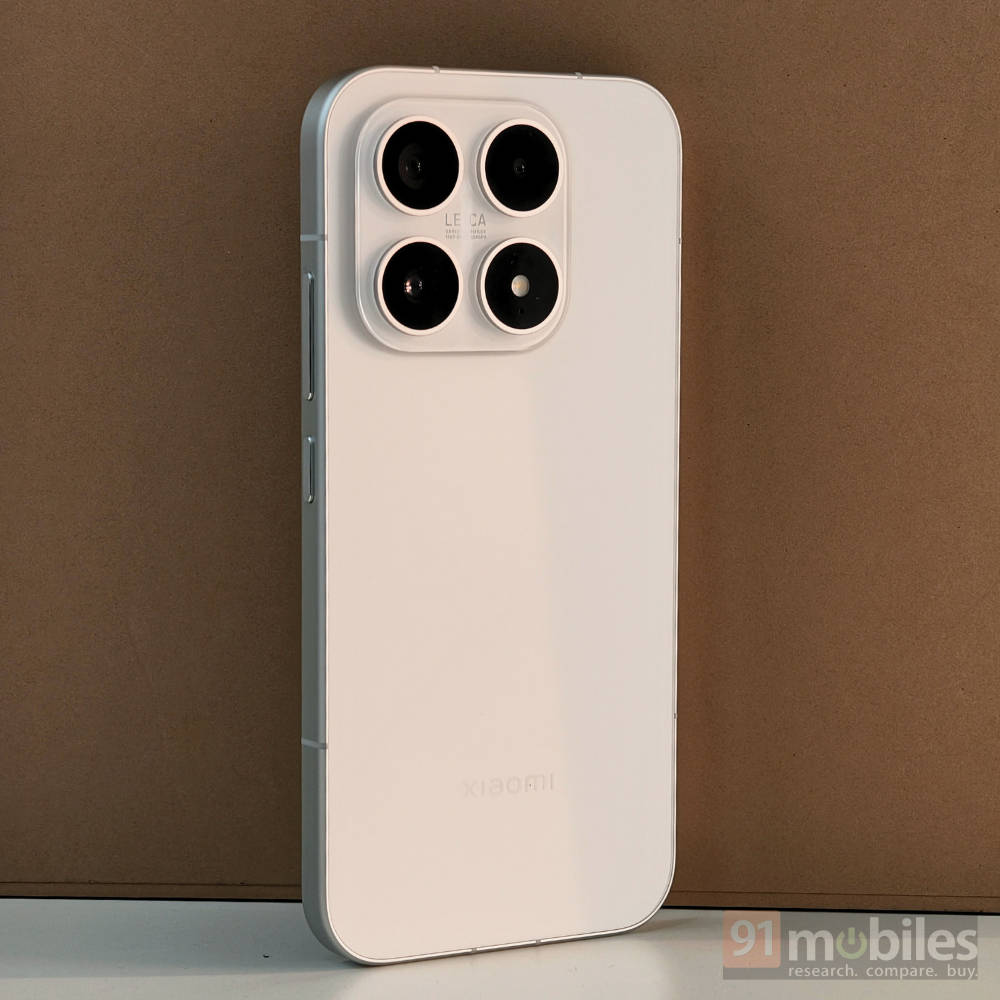
Another aspect I appreciate is the bare frame. There’s no finicky camera button or extra side button. You get the regular volume and power rockers. The back panel has a glass finish that resists fingerprints and smudges. The display uses Xiaomi Dragon Crystal Glass for protection. For resistance against the elements, you get an IP68 rating. This is a step behind most flagships, which now offer IP69 support.
Impressive performance with refined software
The Xiaomi 17 runs on the Snapdragon 8 Elite Gen 5, paired with 12GB of LPDDR5X RAM and 256GB of UFS 4.1 storage, so on paper, it has all the makings of a proper flagship performer. Day-to-day usage reflects that quite well, with smooth app launches, quick multitasking, and no major hiccups in regular social media, browsing, or light photography.
Gaming is where things get a bit more complicated. The phone can push high frame rates and feels very smooth initially, so the raw performance is clearly there. However, the temperature control is not ideal. The device heats up quite a lot under sustained gaming sessions, and once it gets warm, you start to notice some throttling and occasional lag, especially in more demanding titles.
For example, the average temperature rose by 8 degrees Celsius in just 30 minutes of COD: Mobile. One reason for this could be that China has a different version of COD: Mobile (developed by Tencent) compared to the India and thus the game isn’t optimised for the Chinese variant of the smartphone. So, it is best not to base your expectations based on my personal experience.
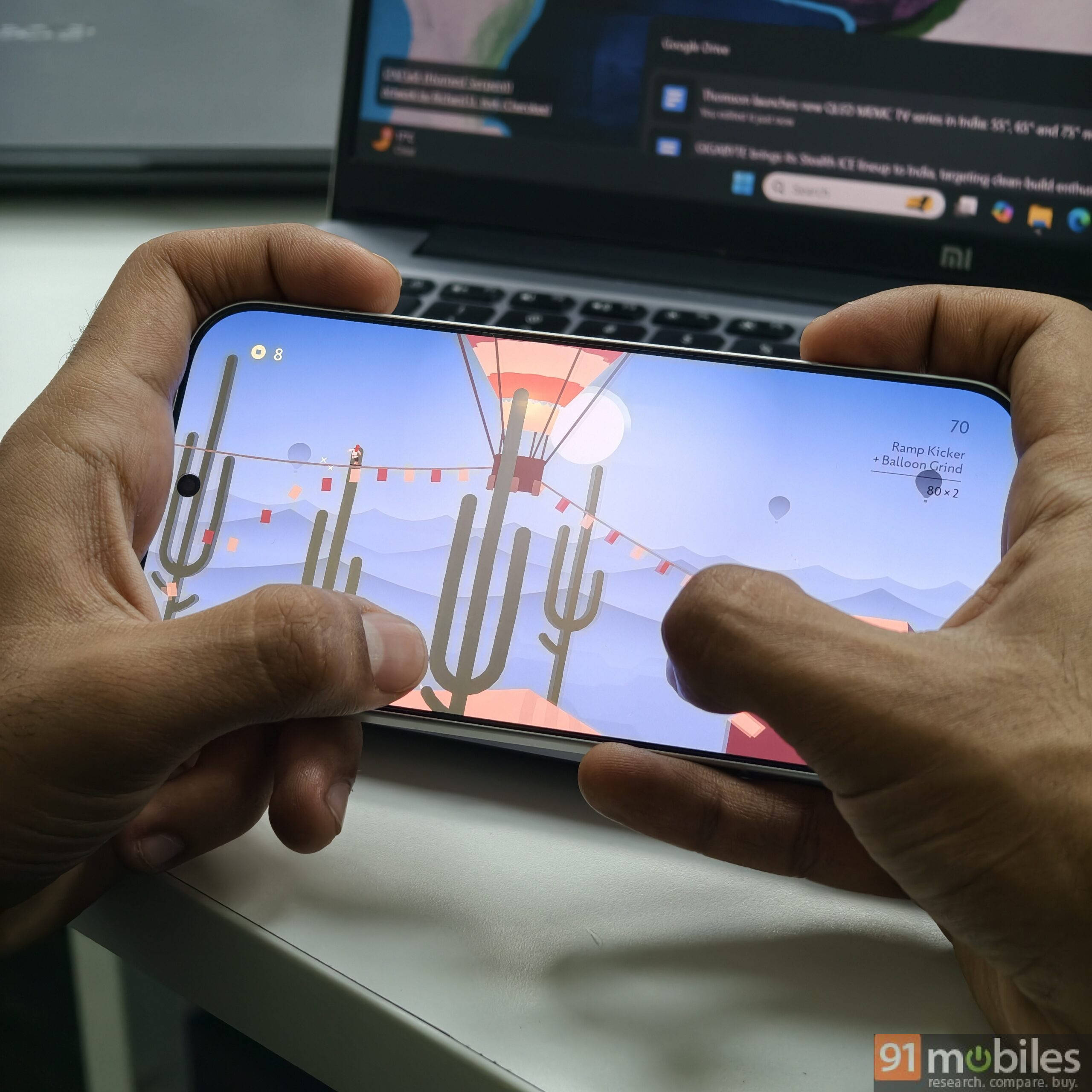
The Xiaomi 17 runs HyperOS 3 on top of Android 16, and the overall experience feels clean and modern. You get more lockscreen customisation options than before, with options for different styles, fonts, and effects, along with smoother system animations throughout. The HyperIsland feature also makes an appearance, using the punch-hole area to surface quick alerts for things like charging, calls, and timers, similar to Apple’s Dynamic Island.
Xiaomi has tweaked the gallery layout and search as well, making it easier to find older photos and organise your library. Since this is a China unit, I can’t paint a complete picture of the software experience until the Indian variant launches with region-specific features and services.
Capable cameras with a creative tilt
The Xiaomi 17 uses a triple 50MP rear setup that covers most shooting scenarios in different lighting situations quite well. The primary camera is a 50MP wide lens with a 23mm equivalent focal length and an f/1.7 aperture, which handles everyday shots and low light. The telephoto camera is another 50MP unit with a 60mm equivalent focal length and an f/2.0 aperture, giving you 2.6x optical zoom for portraits and distant subjects.
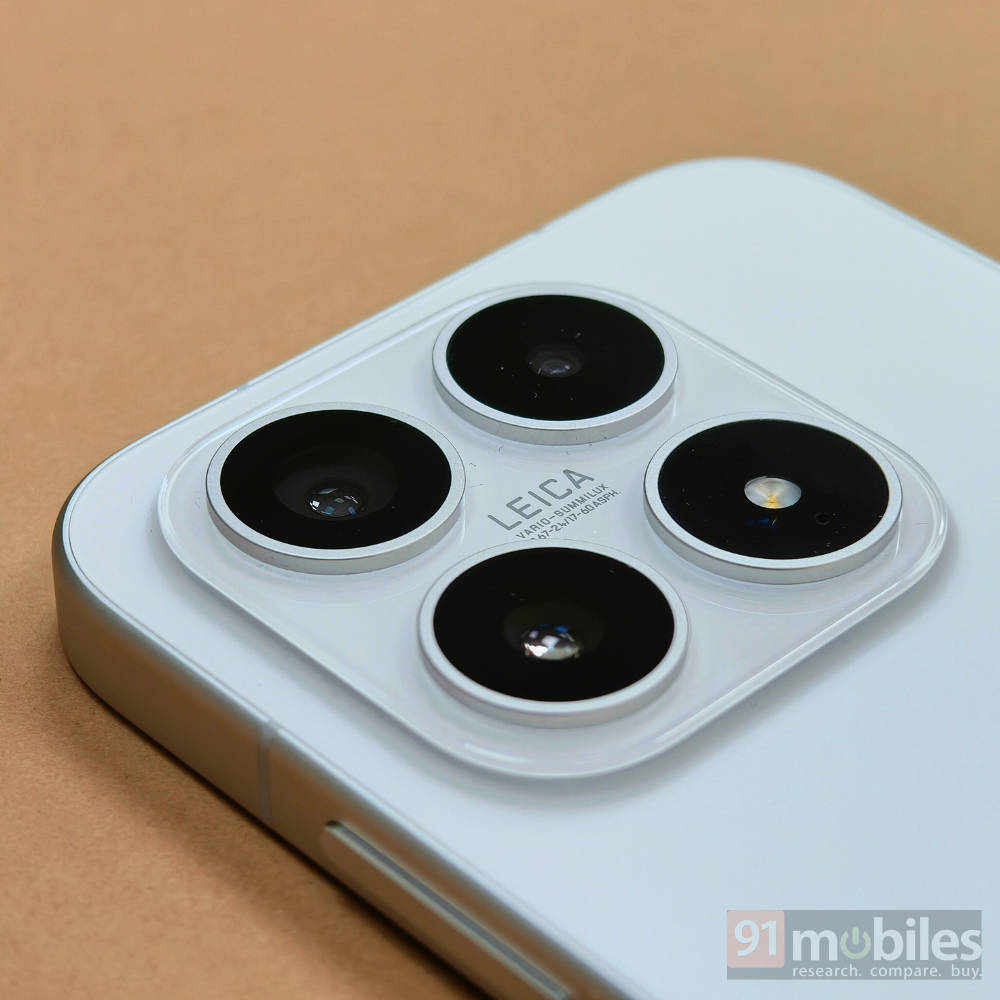
Lastly, the 50MP ultrawide camera uses a 17mm equivalent focal length and an f/2.4 aperture, offering a much wider field of view for landscapes and cramped interiors. For selfies, there’s another 50MP shooter with an f/2.2 aperture.
I compared the Xiaomi 17’s cameras against another camera-centric device in this price bracket, the Realme GT 8 Pro (review), to determine which phone has a more capable camera system. Check it out below:
Daylight
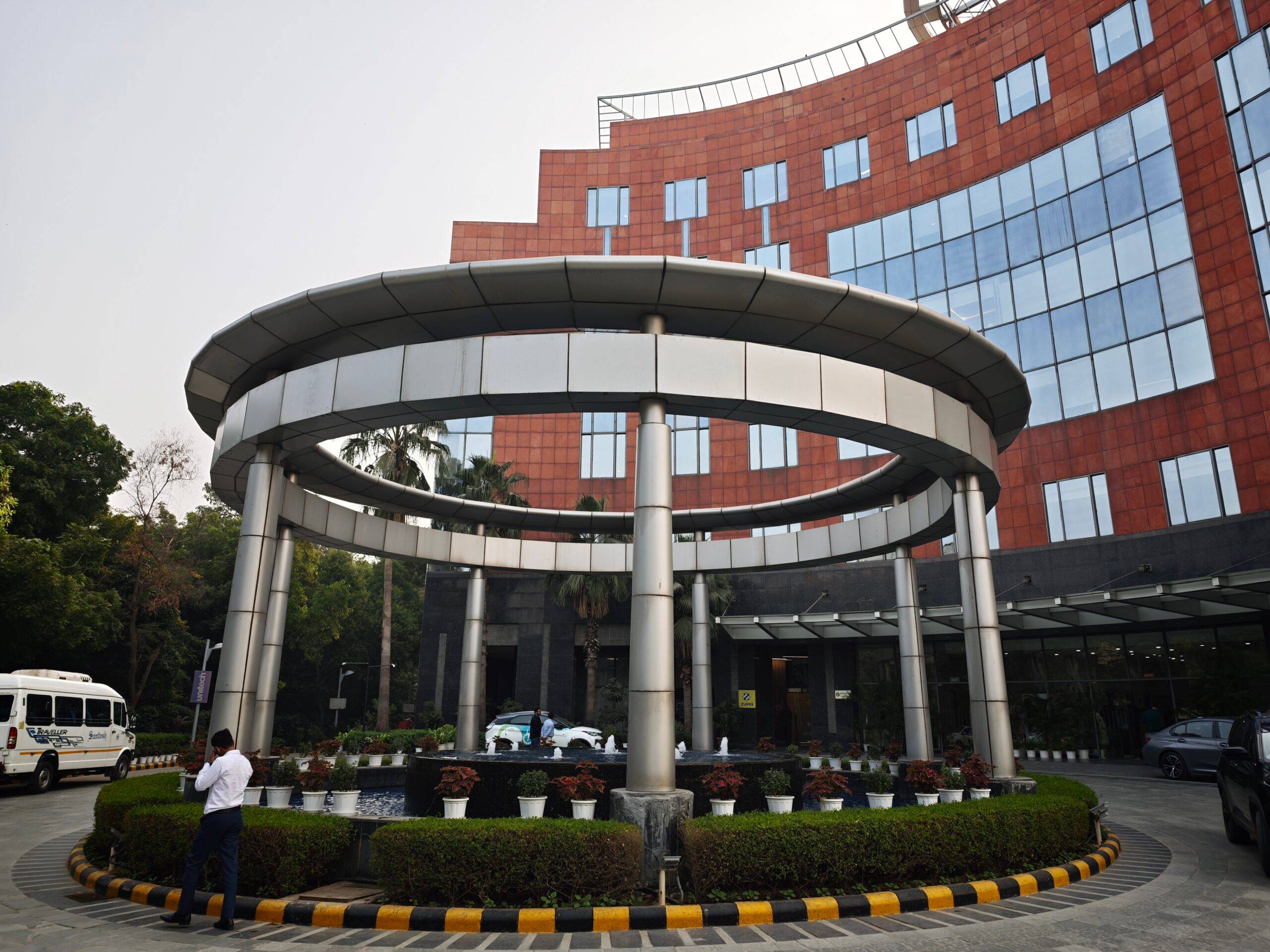
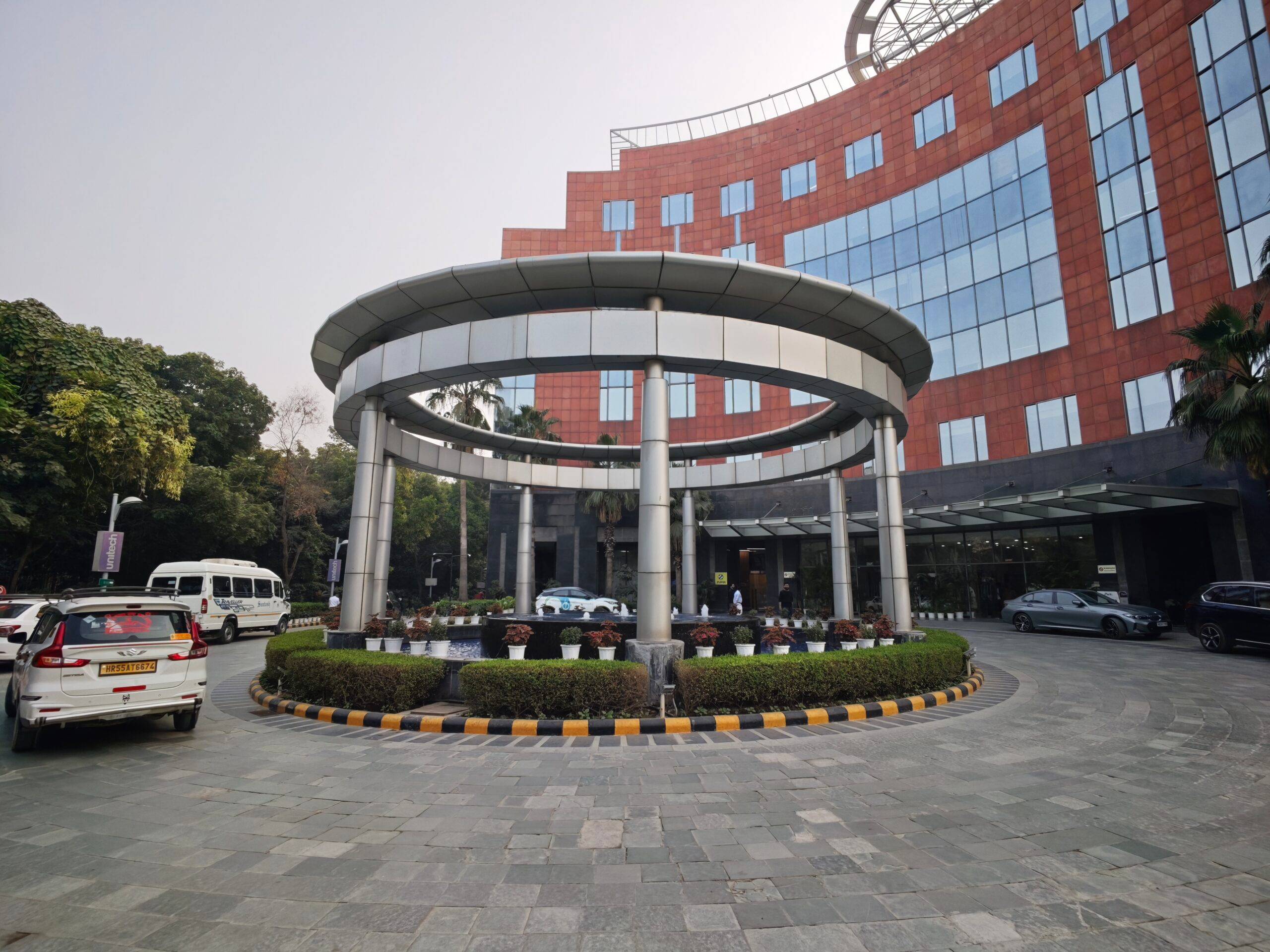
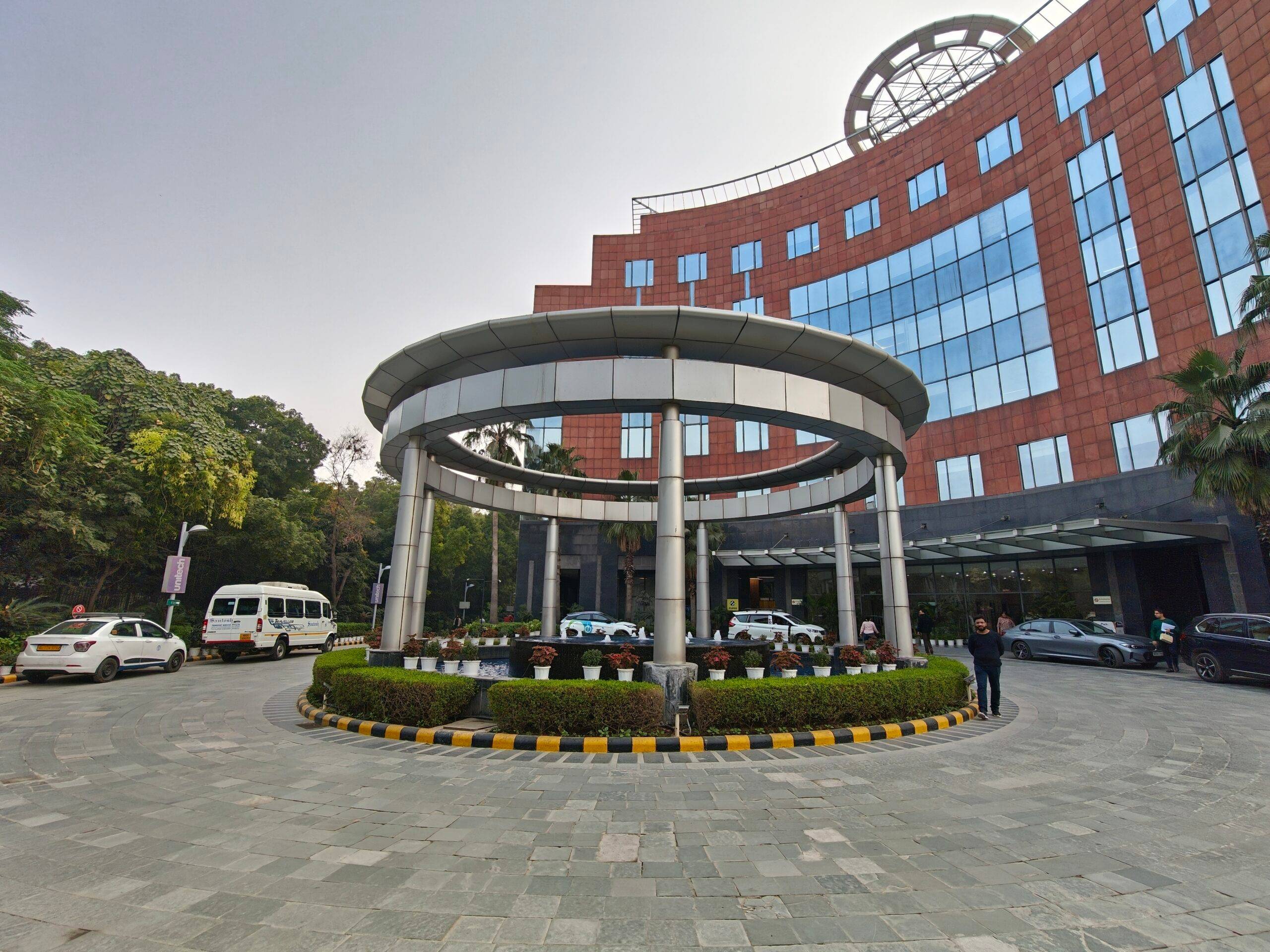
In daylight, both phones capture a well-balanced scene but take slightly different routes. The Xiaomi 17 goes for a darker, moodier image with deeper shadows and stronger contrast, which can make foliage and the building facade look a touch richer but also hides some detail in shaded areas. The Realme GT 8 Pro keeps things brighter and more open, especially in the mid-tones, resulting in better visibility in the darker parts of the frame and marginally better details. Overall, the Realme’s slightly better dynamic range and clarity give it a small edge in this scenario.

Ultrawide
The Realme GT 8 Pro is ahead of the Xiaomi 17 by a small but consistent margin. Xiaomi delivers good detail and dynamic range, but its shots show slightly softer edges and more muted colours. Realme’s ultrawide images look sharper overall, with better colour consistency across the frame and a touch more contrast.
Portrait
In portraits, the Realme GT 8 Pro offers a more refined overall look. It renders warmer, more flattering skin tones and brings out better contrast and texture in the subject’s face and jacket. The background blur also looks smoother and more controlled, with cleaner edge detection around the hair and shoulders. The Xiaomi 17 still offers good separation and a slightly punchier backdrop, but its tones and facial detail aren’t as good, making it less appealing than Realme’s image.


Selfie
In selfies, the Realme GT 8 Pro clearly has the more flattering tuning than its counterpart. The handset delivers livelier colours and warmer, more natural-looking skin tones, while also showcasing better details in the subject’s face and fabric texture. The Xiaomi 17, on the contrary, brightens up the skin tone and makes the face appear a bit dull and less dimensional. Dynamic range is comparable, yet Realme’s brighter mid-tones and contrast make its selfies better suited for socials.
Low light
In low light, both phones do a commendable job, but they prioritise different aspects. The Xiaomi 17 goes for a darker, contrast-heavy look with excellent control over noise and good detail in the building facade and shadows. The Realme GT 8 Pro brightens the scene more aggressively, lifting shadow areas and making the frame look livelier, but it also introduces slightly more noise and softer textures in some regions. Light flares and colours are marginally better handled on the Realme GT 8 Pro.


Big battery with seriously good endurance
The Xiaomi 17 packs a massive 7,000mAh cell despite its compact size, which is pretty impressive. The battery is paired with 100W wired charging and 50W wireless charging support, so you can juice it up quickly. The handset takes just 34 minutes to go from 20 to 100 percent.
| Device | PCMark Battery Benchmark | Charging time (20-100%) |
| Xiaomi 17 | 18 hours 52 minutes | 34 minutes (100W) |
| Realme GT 8 Pro | 12 hours 45 minutes | 39 minutes (120W) |
| OPPO Find X9 | 16 hours 0 minutes | 71 minutes (80W) |
In terms of endurance, it’s quite exceptional for this price bracket, with a PCMark battery benchmark score of about 19 hours. That’s one of the highest results I’ve seen on any smartphone, let alone a device with such demanding hardware. In my personal usage, it easily lasted 1.5 days, even with heavy streaming and gaming. Although I do admit I couldn’t use it as freely as I would a global or Indian unit due to the restrictions.
Another possible reason for the excellent battery output could be that this unit doesn’t rely on Google’s suite of apps or background procedures. The custom Chinese apps could simply be more efficient. I’m hoping the Indian unit, whenever it launches, keeps a similar battery size and delivers endurance just as good.
To conclude…
The Xiaomi 17 looks to be a promising compact flagship, especially if you value design, multimedia usage, and battery life. The 6.3-inch LTPO AMOLED display, excellent stereo speakers, and handy one-handed form factor make it a great everyday device for content consumption and general use. The 7,000mAh battery is another impressive aspect with excellent endurance in testing and real-world use while still keeping the phone relatively slim and light for its class.
There are, however, some trade-offs to keep in mind. The phone gets warm from time to time and runs hot under sustained gaming and heavy camera use, which leads to throttling and occasional lag in more demanding titles. Camera performance is decent and versatile with the triple 50MP setup, but it isn’t a key highlight. In side-by-side comparisons, the Realme GT 8 Pro often performs better in portraits, selfies, and ultrawide shots. The IP68 rating is also a half-step behind rivals that have already moved to IP69, and the compact body means thermals have less room to breathe, particularly in long gaming sessions.
All that being said, for a first look at the Chinese variant, the overall experience still feels polished. HyperOS 3 on Android 16 brings a clean UI, better lockscreen customisation, the HyperIsland notification flair, and a generally smooth day-to-day experience. At the same time, this is still a Chinese unit without Google services, so the user experience is not directly representative of what buyers in India or global markets will get. Some aspects of the software, optimisation, and even a few specifications could change by the time the global variants launch, which is why these impressions should be treated as an early snapshot rather than a final verdict of the device.