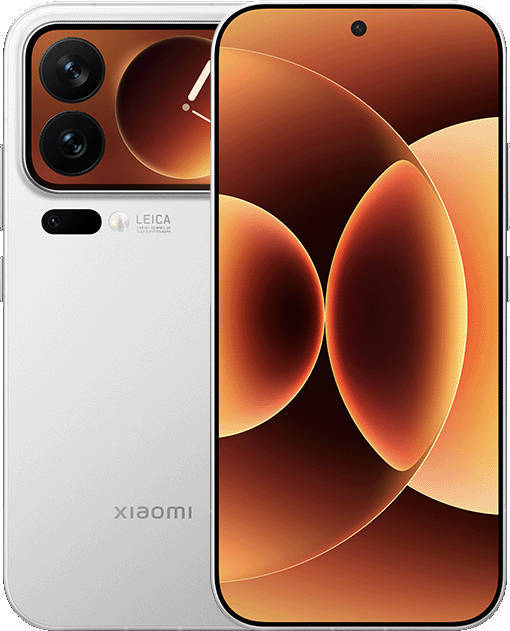
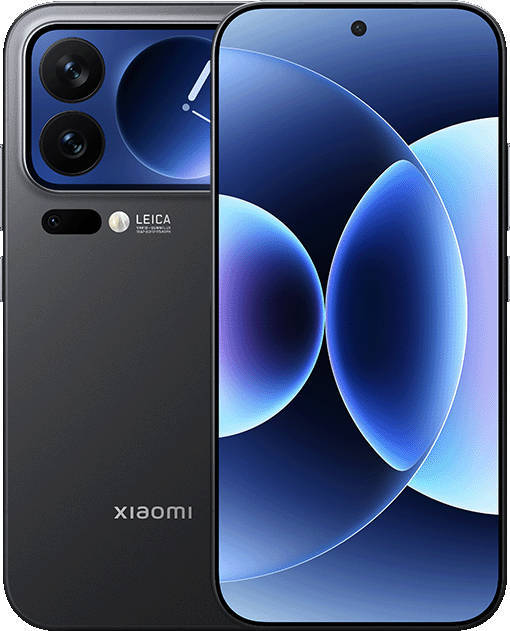
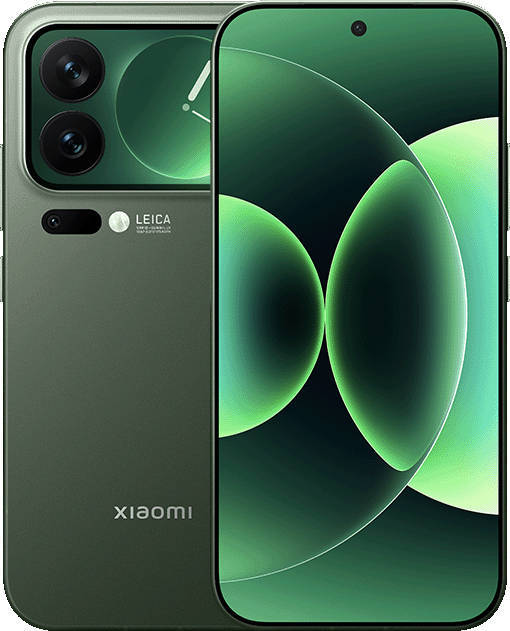
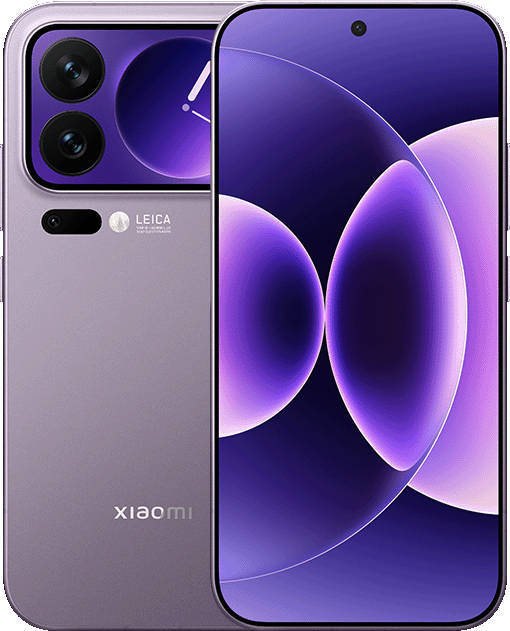
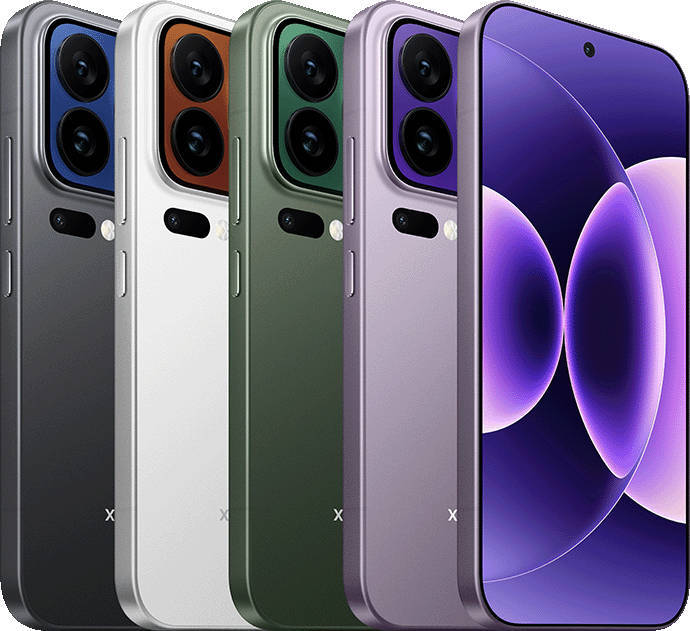
Xiaomi 17 Pro hasn’t been launched in India yet, but it deserves your attention in more ways than one. Xiaomi’s newest flagship smartphone, which is official in China, comes with a fully-functional secondary display, Qualcomm Snapdragon 8 Elite Gen 5 SoC, 6,300mAh battery, 100W fast charging, and 50MP triple rear cameras, backed by Leica Summilux Imaging system.
The 17 Pro landed at our desk for two weeks, and we tried to figure out what works and doesn’t work for the smartphone. Read on.
Note: This is just an overview since the unit we received came with a Chinese build of Hyper OS. Fortunately, we were able to sideload the Google Play Store, allowing us to use the phone more closely to our everyday needs. However, our final assessment of the Xiaomi 17 Pro will remain on hold until the company officially releases the device in India, which is currently expected sometime in early 2026.
Table of Contents
Secondary display with a purpose
The moment you pick up the Xiaomi 17 Pro, your eyes are naturally drawn to the secondary display set within a long camera platform that is identical to the design of the iPhone 17 Pro series. This housing contains the dual rear cameras, yet Xiaomi has still managed to fit a 2.7-inch LTPO AMOLED panel with a 120Hz dynamic refresh rate, 572 × 904 resolution, HDR10+ support, and up to 3,500 nits of peak brightness. Now, the display encompasses the dual cameras, so only a portion of the screen remains usable.
Xiaomi has done well to optimise the content on the available space, from using it as a clock to setting customised wallpapers and launching supporting apps such as the camera. The panel itself matches the main screen in sharpness, colour, and brightness, and remains highly readable even in harsh sunlight. So, no matter how the phone is kept – face up or down, you will be able to check and interact with the phone and stay up to date with notifications.
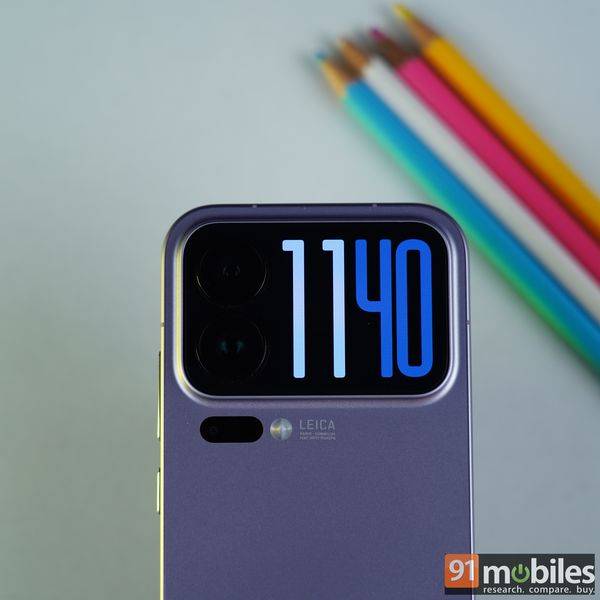
Now, experimenting with the secondary display has been a bit hit-or-miss. We have seen several manufacturers attempting the idea, only for it to feel gimmicky or underutilised. Xiaomi’s implementation, however, takes a more thoughtful approach. Instead of simply mirroring on-screen content, the rear display is designed to be more dynamic, offering dedicated controls, useful interactions, and added accessories. This makes it feel more integrated into everyday use rather than just a novelty.
Plenty of potential, limited by restrictions
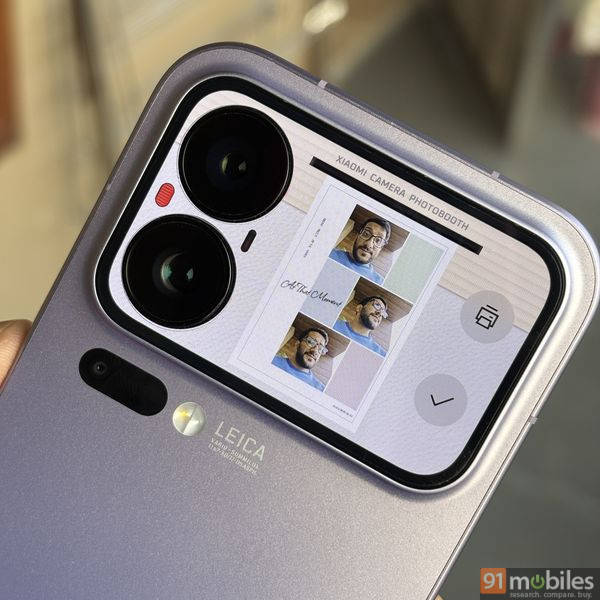
Because this is a Chinese variant, the secondary screen features were fairly limited in our testing. Even so, the screen proved genuinely useful – it worked as a viewfinder for capturing selfies with the rear cameras and even allowed vlogging at up to 8K resolution. The camera interface mirrors the controls from the primary screen, ensuring a smooth, consistent shooting experience without the need to switch back to the main display.
Xiaomi has also included a clever ‘Photo Collage’ mode on the rear display, allowing you to capture several shots in succession and arrange them into a layout reminiscent of a photo booth strip. You can switch between different templates, and the feature adds a playful, creative touch to shooting on the secondary screen.
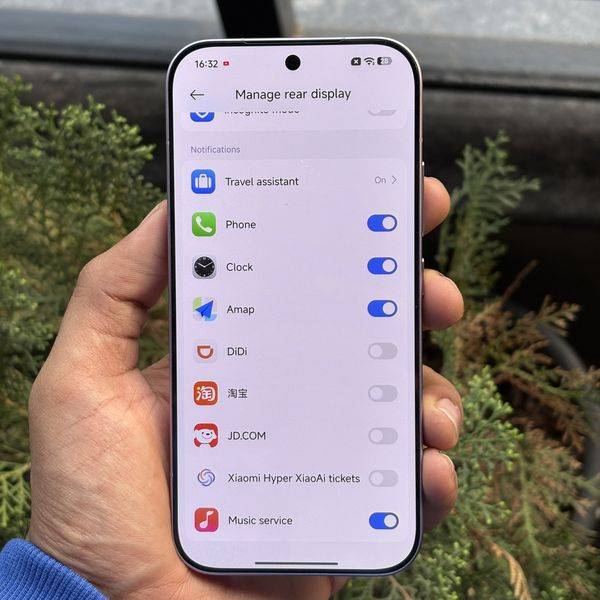
Beyond cameras, the secondary display can mimic notifications from calls – even answer them on the loudspeaker, access music controls to pause/ play and skip tracks, pin a text or a reminder, and add personalised/ AI-generated wallpaper. The display is also supposed to show you navigation and notifications for messages, but it is currently exclusive to select apps, which are restricted in India. Google Maps, WhatsApp, Google Messages, and Gmail weren’t supported at the time of writing this article.
These limitations make the secondary display slightly underutilised. This could be a region-specific issue since Google, WhatsApp, and other commonly used apps in India are banned in China. Hopefully, when the phone officially debuts in the country, we will be able to see more use cases of the secondary display.
In China, Xiaomi has also launched a special case with physical buttons that turns the secondary display into a mini retro gaming console. However, using it requires a verified Xiaomi ID, a process currently restricted to Chinese nationals. It would be great to see this accessory and functionality made accessible to users in India once the phone officially arrives.
Relatively slim, lightweight build with one flaw
The Xiaomi 17 Pro feels surprisingly compact and lightweight, making it easy to slip into a pocket and comfortable to use one-handed for everyday tasks, even over extended periods. At 192 grams and 8mm thick, it is slimmer and lighter than most competing ‘Pro’ models, including the iPhone 17 Pro, OPPO Find X9 Pro (review), and Pixel 10 Pro (review), giving it a clear advantage in day-to-day portability.
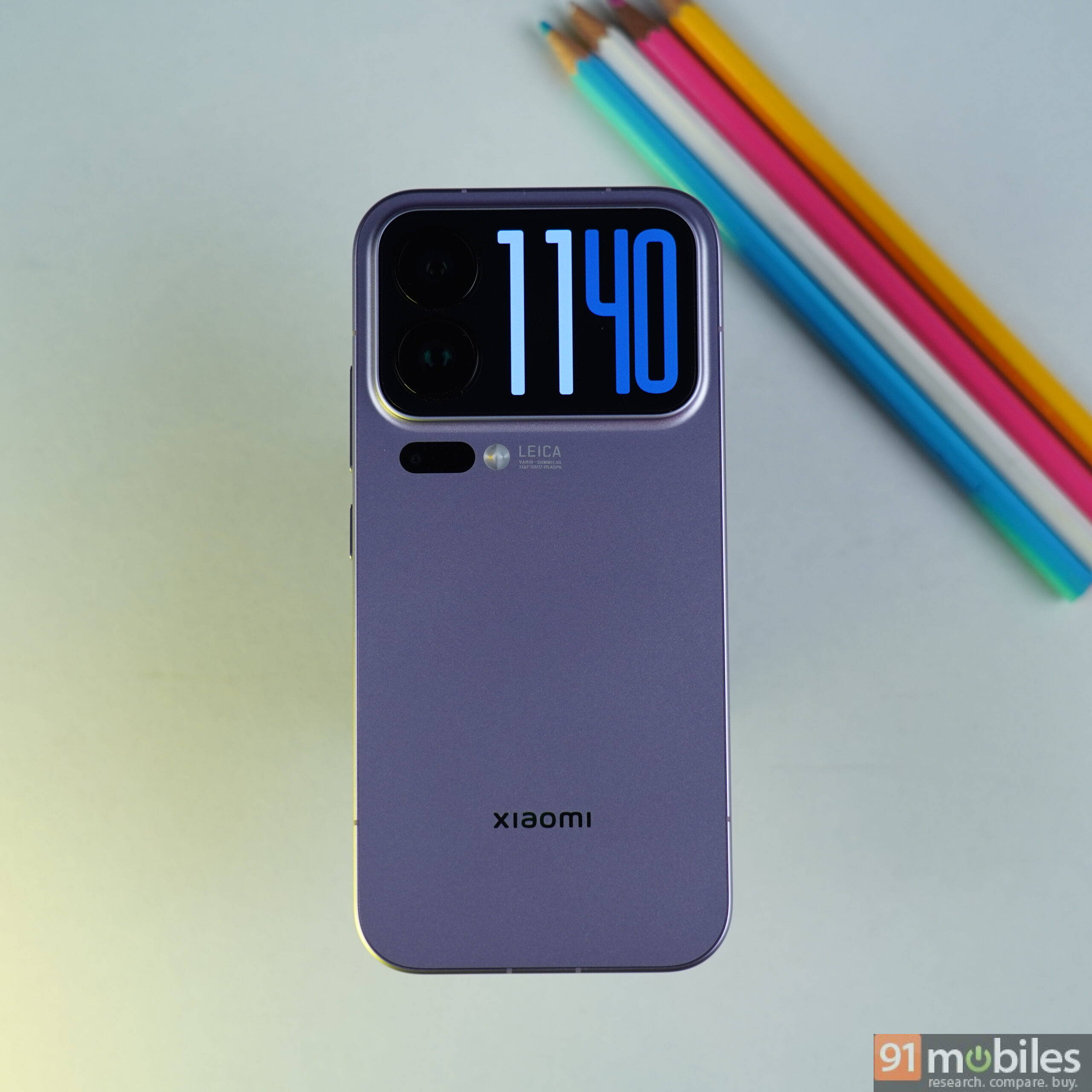
My only real complaint about the Xiaomi 17 Pro’s design is the placement of the ultrawide lens. While the primary and portrait sensors sit neatly within the camera module, the ultrawide sits just below it – right where your forefinger naturally rests when holding the phone. As a result, it’s far too easy to smudge, meaning you’ll often have to wipe it down before taking a sharp landscape shot.
Otherwise, the flat edges ensure that it is easy to grip the smartphone, the large camera plateau keeps the handset steady and doesn’t let it wobble too much while lying flat on the surface, and razor-thin bezels, even across all four sides of the main display, make way for an immersive viewing experience.
Punchy display, but less refined audio
The main display measures 6.3 inches and delivers a higher 1,220 x 2,560 resolution, though it otherwise matches the capabilities of the secondary rear screen. It’s an LTPO AMOLED panel, enabling a dynamic refresh rate that scales from 1Hz to 120Hz for better power efficiency compared to standard adaptive systems. With a peak brightness of 3,500 nits, the screen stays easily readable even in direct sunlight. Colours appear crisp and punchy, and HDR10+ support provides impressive contrast and dynamic range when streaming films or shows.
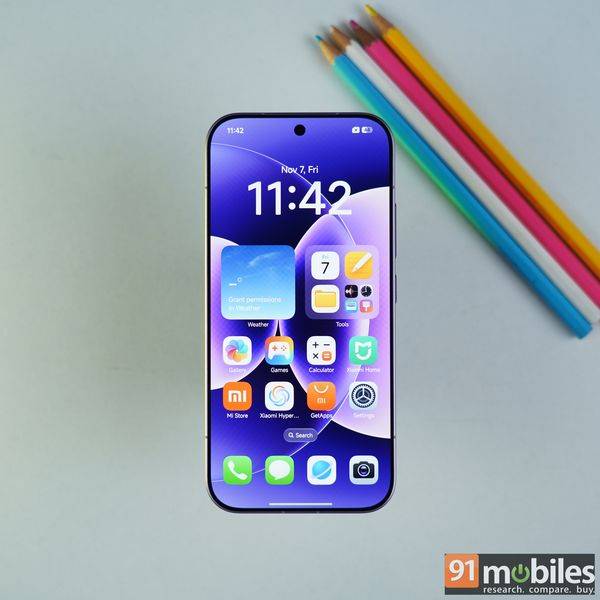
I watched HDR trailers for Game of Thrones and Stranger Things on YouTube, and the screen handled them superbly. Dark scenes retained deep, convincing blacks, and subtle details remained visible rather than being crushed into shadow.
Moving on, the display comes with an ultrasonic in-display fingerprint scanner (positioned right where your thumb would naturally rest). Despite being accurate and reliable, I did not find the scanner as quick as the ultrasonic scanner on the Samsung Galaxy S25 and Pixel 10 series smartphone. The Xiaomi 17 Pro took a fraction of a second longer to unlock than its counterpart.
Coming to audio, the Xiaomi 17 Pro features dual speakers with Dolby Atmos that get impressively loud, though the tuning could use a little more finesse. The output lacks some balance, with bass sounding a touch restrained, which may leave those who prefer a punchier, fuller sound wanting a bit more impact.
Promising camera setup
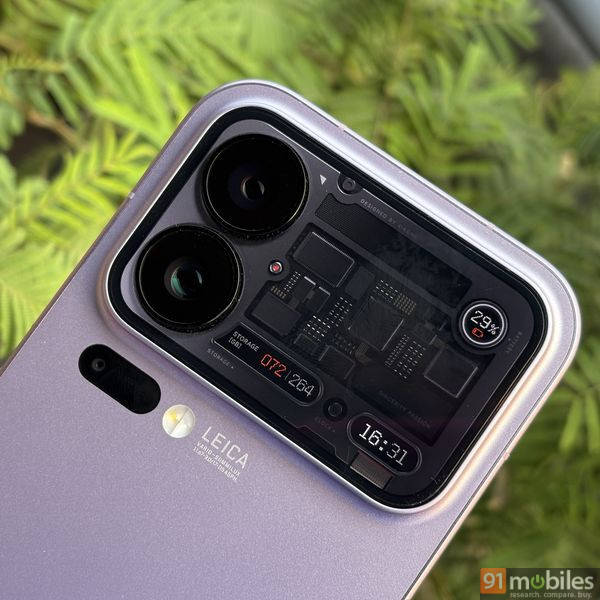
Speaking of the cameras, the Xiaomi 17 Pro rocks a triple rear camera setup, with a 50MP Light Hunter 950L main sensor, a 50MP 5x periscope telephoto lens with OIS, and a 50MP ultra-wide camera. The front camera also uses a 50MP sensor for selfies and video calls. Leica’s Summilux imaging system backs all these cameras, and the telephoto camera comes with an inverted lens system that lets you shoot macro shots as close as 20cm in addition to capturing distant objects.
We compared the Xiaomi 17 Pro with another ‘Pro’ Android smartphone, which was recently launched in India – OPPO Find X9 Pro. The OPPO smartphone comes with a Hasselblad 50MP+50MP+200MP camera system, and here are the camera results after testing both phones in different scenarios in their default settings.
Daylight


The OPPO Find X9 Pro images look much more detailed, sharper, well well-exposed than the Xiaomi 17 Pro. Notice the flower pots at the centre, as well as the corners, you will clearly see it more defined on the OPPO smartphone. The latter also does well in preserving the details around the entry/exit gates when zoomed in. The Xiaomi 17 Pro, on the contrary, appears a lot grainier than its counterpart and is also on the more saturated side, deviating the colours from the actual reality.
Ultrawide
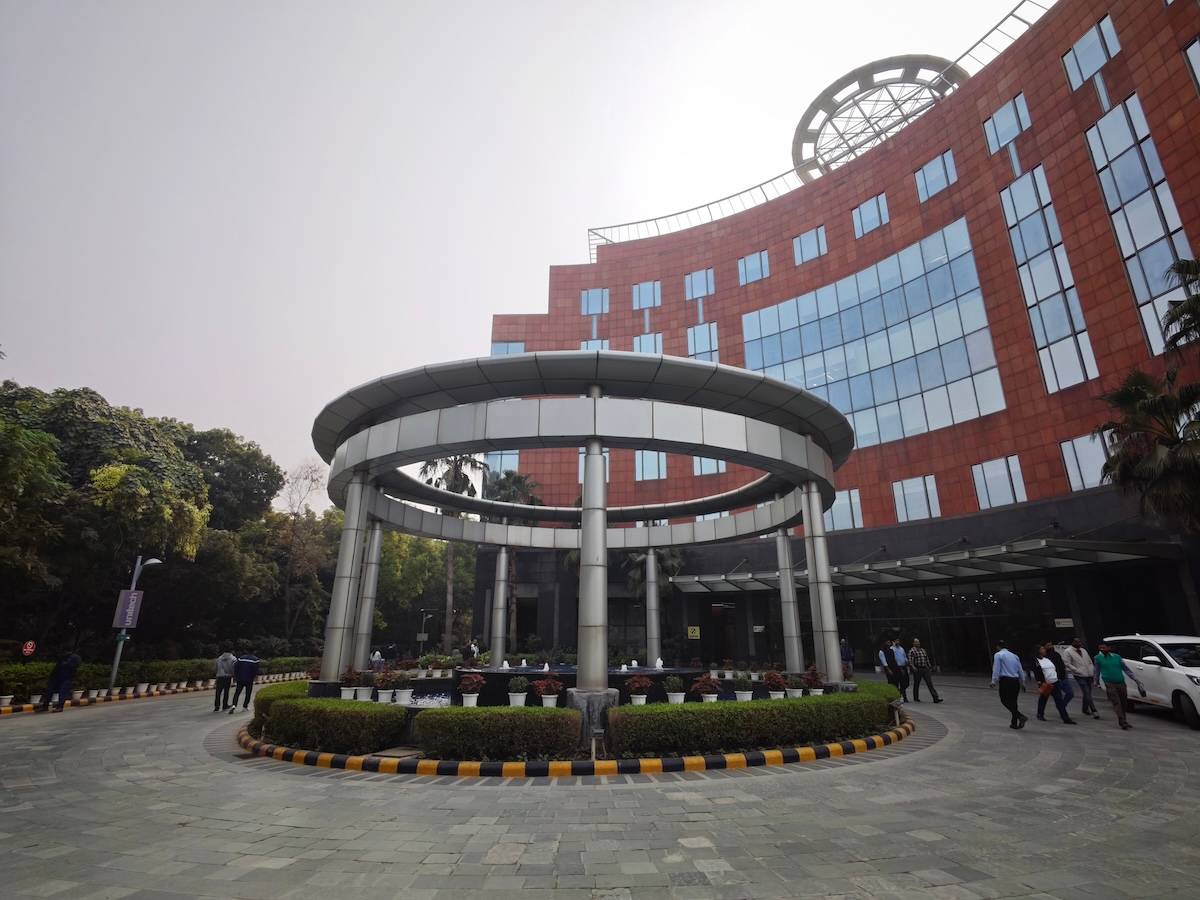
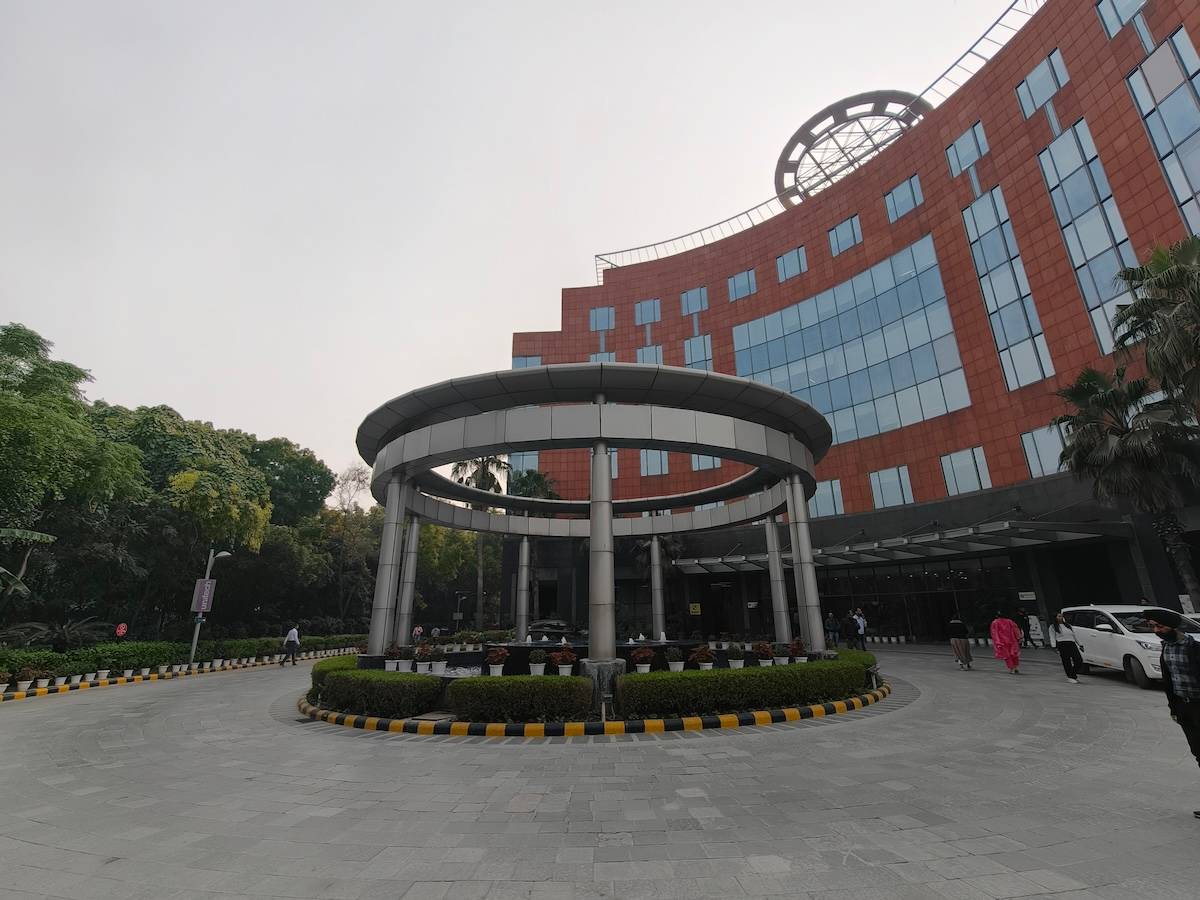
In ultrawide, the Xiaomi 17 Pro matches the OPPO Find X9 Pro in terms of details and sharpness. While there is a slight distortion around the edges of the frame, the Xiaomi image appears noticeably sharper at the centre. That said, there is minimal colour deviation on the Find X9 Pro when switched from the primary to the ultrawide lens. Xiaomi 17 Pro, on the other hand, makes the images a bit more contrasty and also struggles with dynamic range.
Portraits


In portrait shots, the OPPO Find X9 Pro maintains a slight edge. It delivers more precise edge detection, accurately separating fine details like individual hair strands from the background, whereas the Xiaomi 17 Pro can occasionally clip them. Xiaomi’s portraits also lean towards a sharper look, with a touch of added softness to skin tones. The results are still pleasing overall, but when placed side-by-side with the Find X9 Pro, they may feel less natural to those who prefer a more authentic rendering.
Selfies


Both smartphones capture selfies differently. The OPPO Find X9 Pro favours cold tones, making the colours darker than they should have been, and the skin tones have a reddish tint. The Xiaomi 17 Pro leans towards warmer tones – keeping the colours accurate, but overexposing the skin tones. That said, the selfie from the Xiaomi smartphone looks more appealing and nearly accurate.
Low light
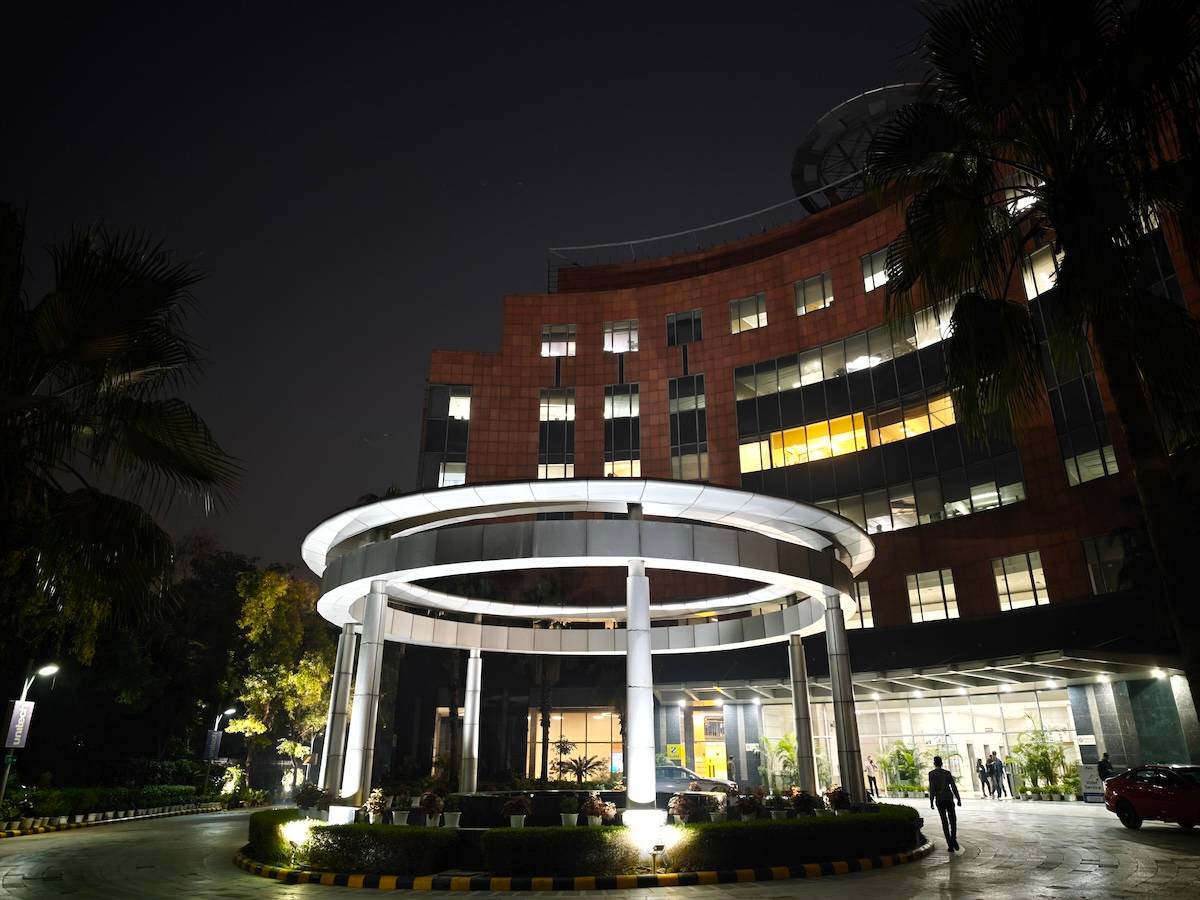
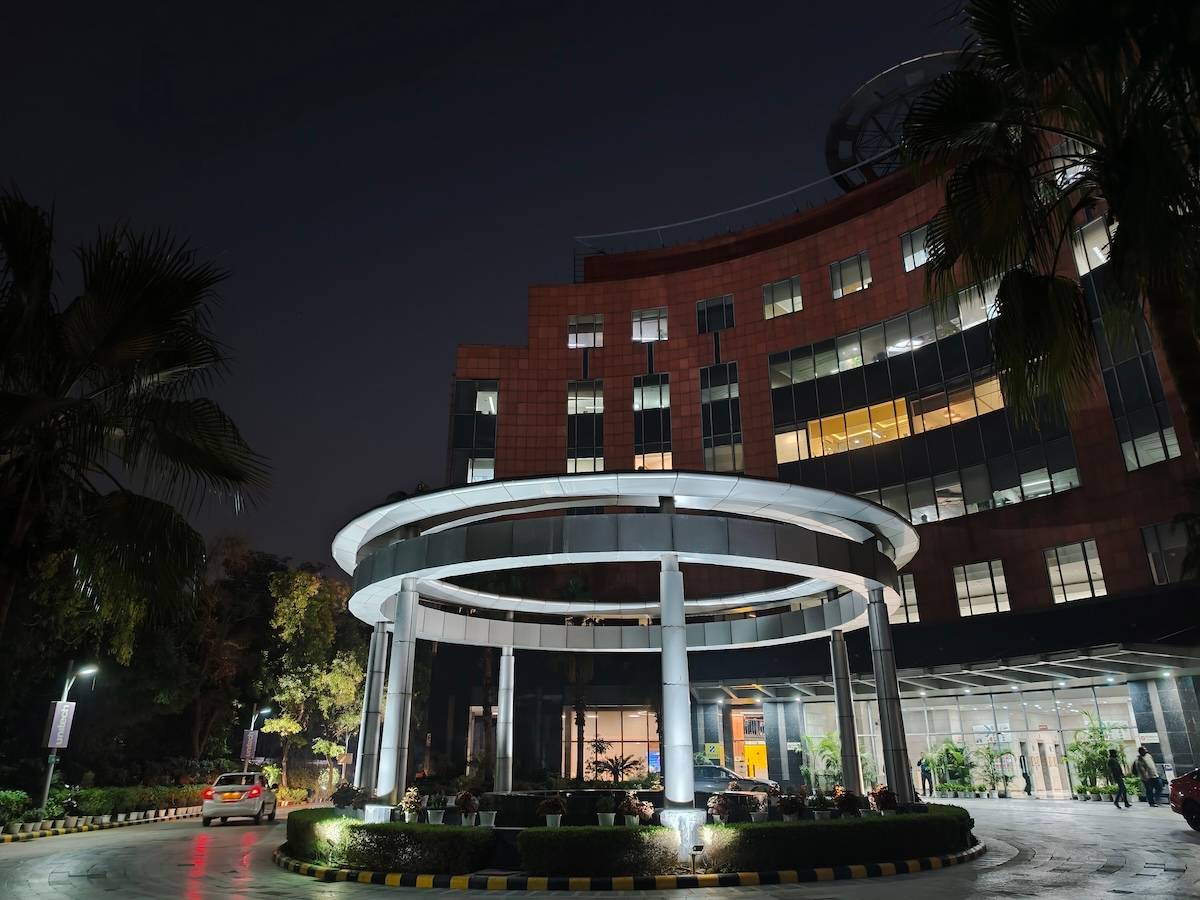
The low-light shots are almost neck-to-neck for both smartphones. The Xiaomi 17 Pro keeps the scene close to reality, despite not controlling the light flare and keeping the noise level as consistently as the OPPO Find X9 Pro.
These were the point-and-shoot capabilities of the Xiaomi 17 Pro. There is a lot to unpack on this camera system, including different filters, Leica styles, and more, which we will cover in our full review, so stay tuned for that.
Unmatched power, awaiting global optimisation
While the OnePlus 13 may be the first smartphone in India to launch with Qualcomm’s Snapdragon 8 Elite Gen 5, Xiaomi’s 17 series was the first to debut the chipset globally. The Xiaomi 17 Pro delivers an effortlessly smooth experience, backed by 12GB LPDDR5X RAM and 256GB UFS 4.1 storage. Apps open instantly, transitions feel fluid, and you can keep several tasks running in the background without the system breaking a sweat.
I had absolutely no trouble during my time with the device. Unfortunately, we were not able to run benchmarking apps on the Xiaomi 17 Pro to back our findings. Given other smartphones that have landed on our desk with the said chipset, the AnTuTu scores have been over 36 lakhs, which is significantly higher than the Apple A19 Pro SoC score.
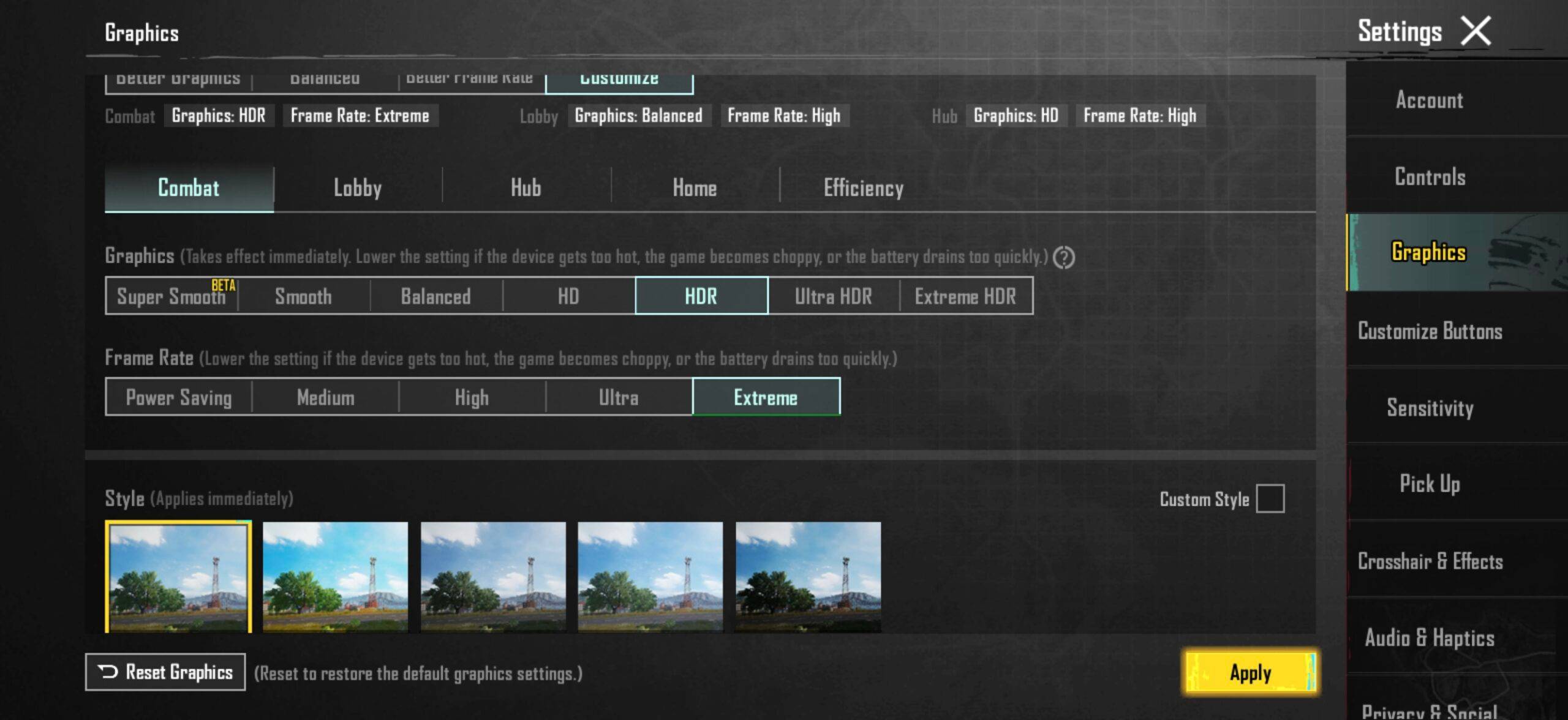
Luckily, we were able to download games on this smartphone, including BGMI, Call of Duty: Mobile, and Real Racing 3. All three games managed graphics of these heavy games seamlessly, ensuring smooth gameplay. However, its thermal efficiency remains slightly underwhelming compared to other latest flagships. After playing all three games for 30 minutes each, the Xiaomi 17 Pro heated up roughly 16 degrees Celsius, which is 25 percent higher than what we recorded on the OPPO Find X9 Pro with similar settings and environments.
I even found the smartphone heating up just underneath that camera plateau, even for basic tasks. However, I was using Google and other apps that are probably not optimised for the phone because they are not available in the Chinese market. Hopefully, when the Xiaomi 17 Pro hits the Indian shores officially, these problems will be ironed out.
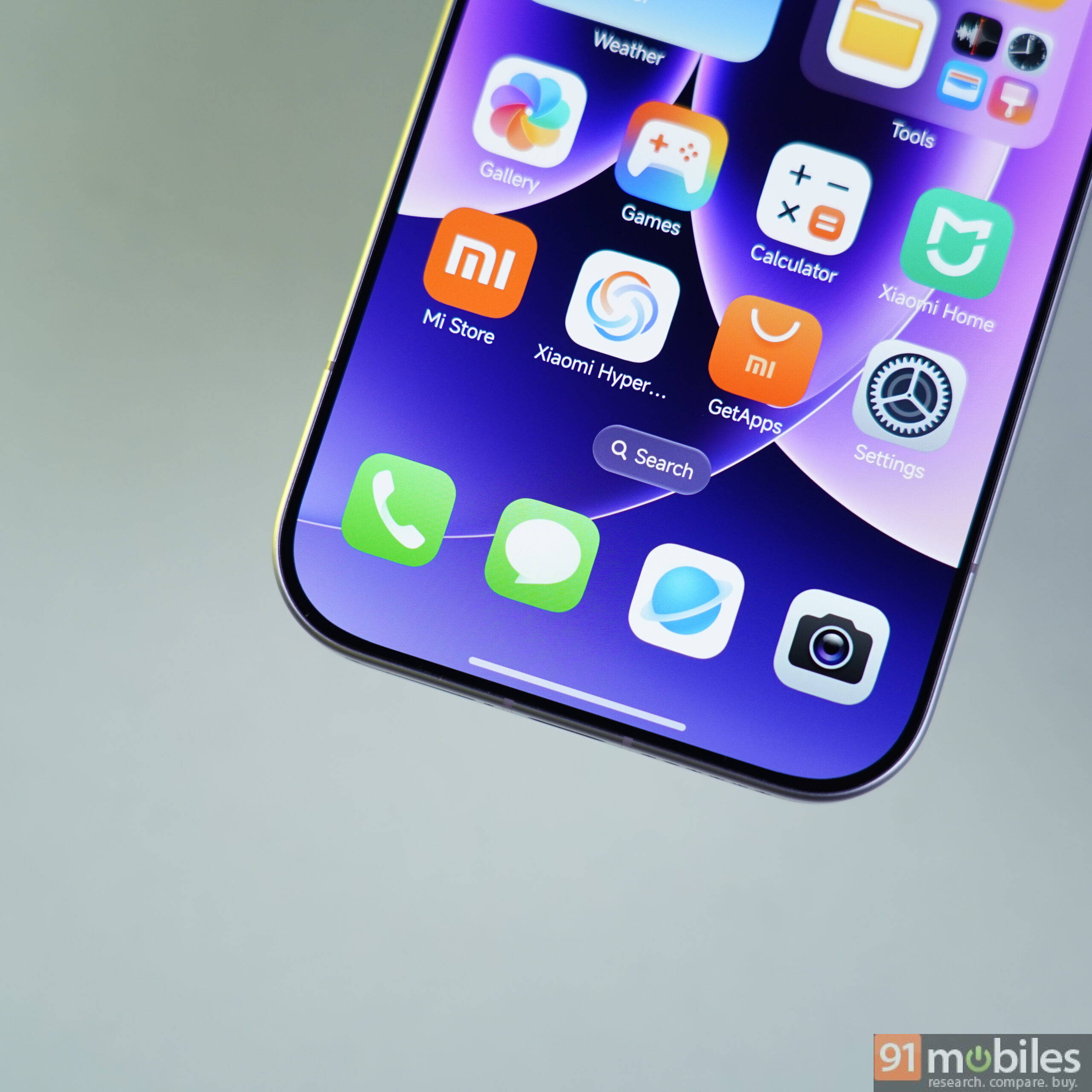
The 17 Pro marks the debut of Xiaomi’s new HyperOS 3 custom skin. Now, in its third iteration after being renamed from MIUI, the skin is layered atop Android 16 and brings a wide range of lockscreen customisation – similar to what we have seen with other custom Android skins. Users can now set cinematic wallpapers for the lock screen, adjust the clock size, customise the font, add a 3D effect, and more.
Refined software
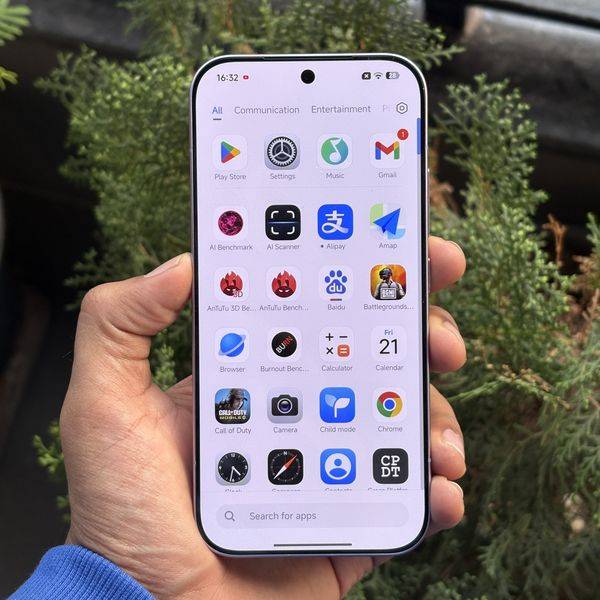
System animations feel more polished overall, and the new HyperIsland feature adds both flair and functionality. When certain actions occur, such as charging the phone, enabling the flashlight, starting a timer, using navigation, or joining group calls, the punch-hole camera cutout expands into a pill shape, much like Apple’s Dynamic Island. Several of these prompts are interactive, letting you tap through to open the relevant app or widget for additional controls or information.
Xiaomi has also refreshed the layout of its gallery and improved searches to enhance usability. Again, I’ll have a full opinion about the software when the phone is launched in India with the software compatible with the market.
Quick top-ups, decent battery efficiency
The Xiaomi 17 Pro ships with a smaller 6,300mAh battery compared to the vanilla Xiaomi 17, which could be due to that secondary display. Be that as it may, it is still a substantial battery. We will be testing its full endurance in the Indian variant if it gets an identical battery, but per our standard testing, it seems the Xiaomi 17 Pro offers decent efficiency. The handset scored 17 hours 10 minutes in our PCMark battery test, which is better than the OPPO Find X9 Pro’s 16-hour runtime, despite packing a substantial 7,500mAh battery.
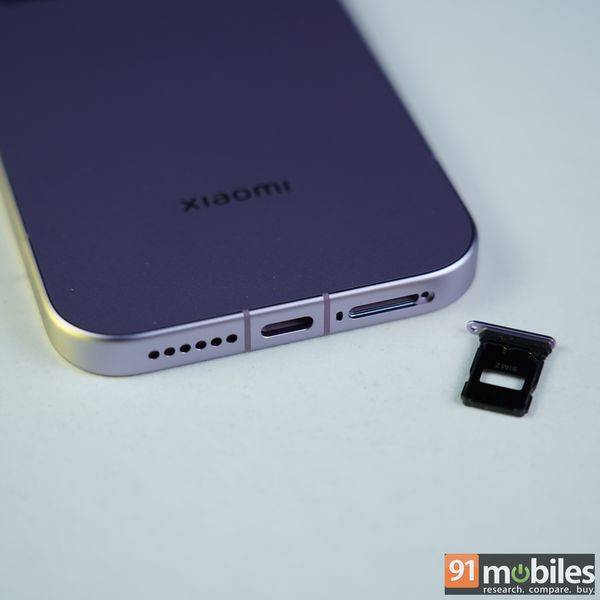
In a 30-minute YouTube streaming test, the phone dropped just 3 percent, while around 90 minutes of gaming resulted in an average 6 percent decline. These figures point to decent efficiency for a flagship device. However, since the unit was running Chinese software, the usage was limited, and we couldn’t assess the battery life under typical day-to-day use, so a definitive verdict will have to wait.
The Xiaomi 17 Pro supports 100W wired charging, which not only outpaces the Find X9 Pro’s 80W solution but also has a smaller battery to fill. This translates to very quick top-ups, and it was indeed the case. In our test, the phone went from 20 to 100 percent in just 43 minutes, nearly half the time the OPPO Find X9 Pro needed to charge the same range. The Xiaomi 17 Pro also offers up to 50W wireless charging speeds, but a compatible charger needs to be purchased separately.
Closing thoughts
Even in its China-only form, the Xiaomi 17 Pro looks like a promising 2026 flagship. The secondary display, which is more purposeful than most attempts we’ve seen in recent years, brings a fresh look and enhances the smartphone’s usability. Moreover, the compact build feels genuinely premium, and the performance and battery efficiency suggest a flagship ready to compete at the highest level once global optimisation is in place. The cameras, while capable, still need fine-tuning to match the best in every scenario, and region-based restrictions currently limit some of the phone’s most interesting software features.
If Xiaomi can refine the global software experience and unlock the full potential of the secondary display and accessories, the 17 Pro could easily become one of the most compelling flagships. It may even be worth holding out for, should the brand decide to launch it in India.
Xiaomi 17 Pro Images