Review Summary
Expert Rating
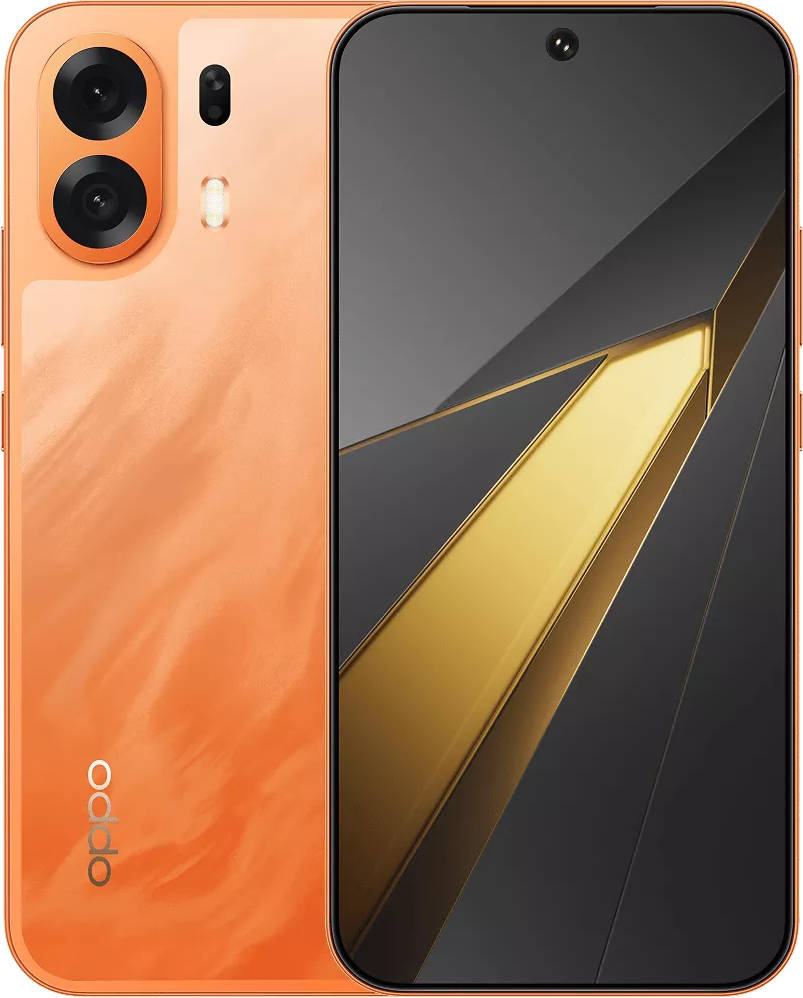
Introduced last year as a performance-centric lineup for the online segment, OPPO has been pushing the K series in India by launching multiple devices. The K14 Plus is its latest offering, positioned above the standard K14 and aims to deliver reliable performance, long-lasting battery life, and a robust build for those seeking a midrange smartphone. Originally launched at Rs 29,999 and positioned as one of the top all-rounders in its segment, the smartphone has since been hiked to Rs 32,999, so does it still make sense at that price?
Read this OPPO K14 Plus review to find out.
Table of Contents
Quick verdict
The OPPO K14 Plus stands out as a solid everyday mid-ranger thanks to its vibrant, detailed display, outstanding battery life, stylish build with robust IP protection, and the advantage of shipping with Android 17. However, the somewhat flat camera performance and relatively limited software update support are its drawbacks. It’s a strong pick if battery endurance and durability matter most to you, but camera enthusiasts or those seeking long-term software support may want to look elsewhere.
Design: surprisingly easy to wield and carry
Taking cues from previous phones in the OPPO K14 series, such as the K14x, the K14 Plus sports a pill-shaped camera housing with two camera lenses, an LED flashlight, and an IR blaster. As noted in my initial impressions, the OPPO K14 Plus features a smooth, marble-like rear finish in a boxy chassis with flat sides. Despite its beefy 8,000mAh battery, the phone feels relatively light in hand, weighing 208g. For haptics, the K14 Plus uses a basic vibration motor.

| Smartphone | Thickness | Weight | IP Rating |
| OPPO K14 Plus 5G | 8.4 mm | 207 grams | IP68 +IP66 +IP69K +IP69 |
| POCO X8 5G | 8.6 mm | 226 grams | IP68 +IP66 +IP69K +IP69 |
| realme P4s 5G | 8.60 mm | 208 grams | IP68 +IP66 +IP69 |
Display: detailed and vivid tones
With OPPO heavily emphasising the smartphone’s large battery, durability, and performance, I feel the K14 Plus’s display remains an overlooked aspect. Featuring a 6.78-inch 1.5K (2772 × 1272 pixels) AMOLED panel, I was highly impressed by the detail and clarity, especially on YouTube. When watching videos in 4K, the sharpness was spot-on. As for the colours in the ‘Vivid’ colour settings, the vibrancy was satisfactory for my liking, and the contrast was well balanced.
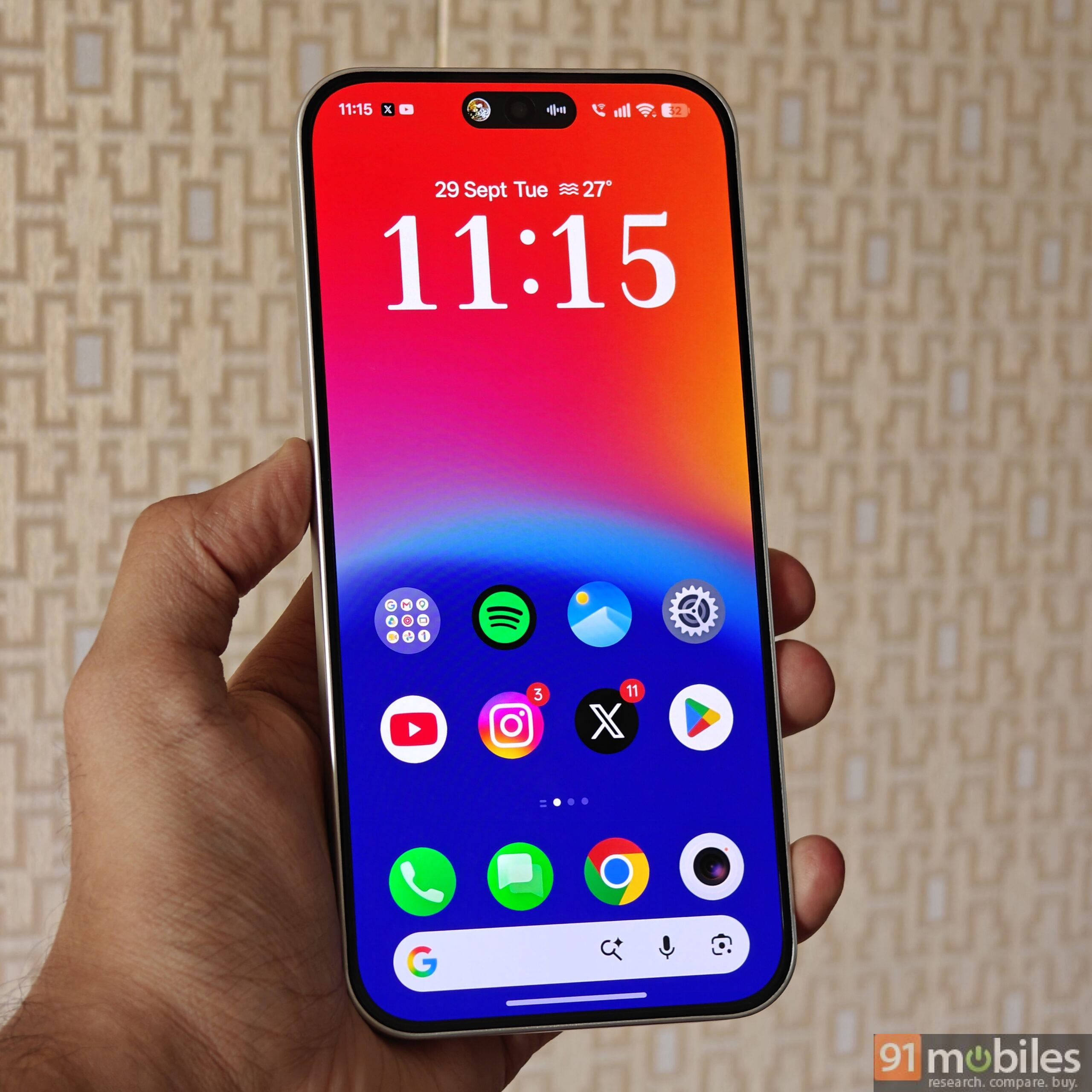
Complementing the viewing experience are stereo speakers, with the earpiece serving as a secondary speaker. The speakers can get quite loud, delivering crisp vocals and solid depth.
Performance: suitable for most users
With the 4nm-based MediaTek Dimensity 7630 MAX processor on board, the OPPO K14 Plus is a swift-to-operate smartphone. Paired with ColorOS optimisations, every tap responds instantly, letting you get things done quickly with minimal waiting. In benchmarks such as AnTuTu and Geekbench, the device scores similarly to the Realme P4s‘ Dimensity 7400 Ultra and iQOO Z11‘s Dimensity 7500 Turbo, both of which are often found selling for under Rs 35,000.



As for performance in games, when playing Call of Duty: Mobile in the ‘Very High’ graphics and ‘Max’ frame rate settings for around 30 minutes, the K14 Plus delivered average frame rates of 39, while in BGMI, it outputted average frame rates of 38 in the ‘HDR’ graphics and ‘Ultra’ frame rate settings in the same duration. Games like Clash Royale and Subway Surfers ran at 120FPS and 144FPS, respectively. Like most mid-range phones, the K14 Plus ran these casual games at high frame rates for long periods.

Software: the latest ColorOS goodies with Android 17
While the OPPO Find X10 and Find X10 Pro Max are the first smartphones to run ColorOS 17, based on Android 17, the OPPO K14 Plus runs Android 17-based ColorOS 16.5. On closer inspection, the entire UI design matches ColorOS 17, which we recently took a deep dive into in our hands-on story. This means you get bouncy elements in buttons, menus, and navigation bars, plus several new lockscreen customisation options.
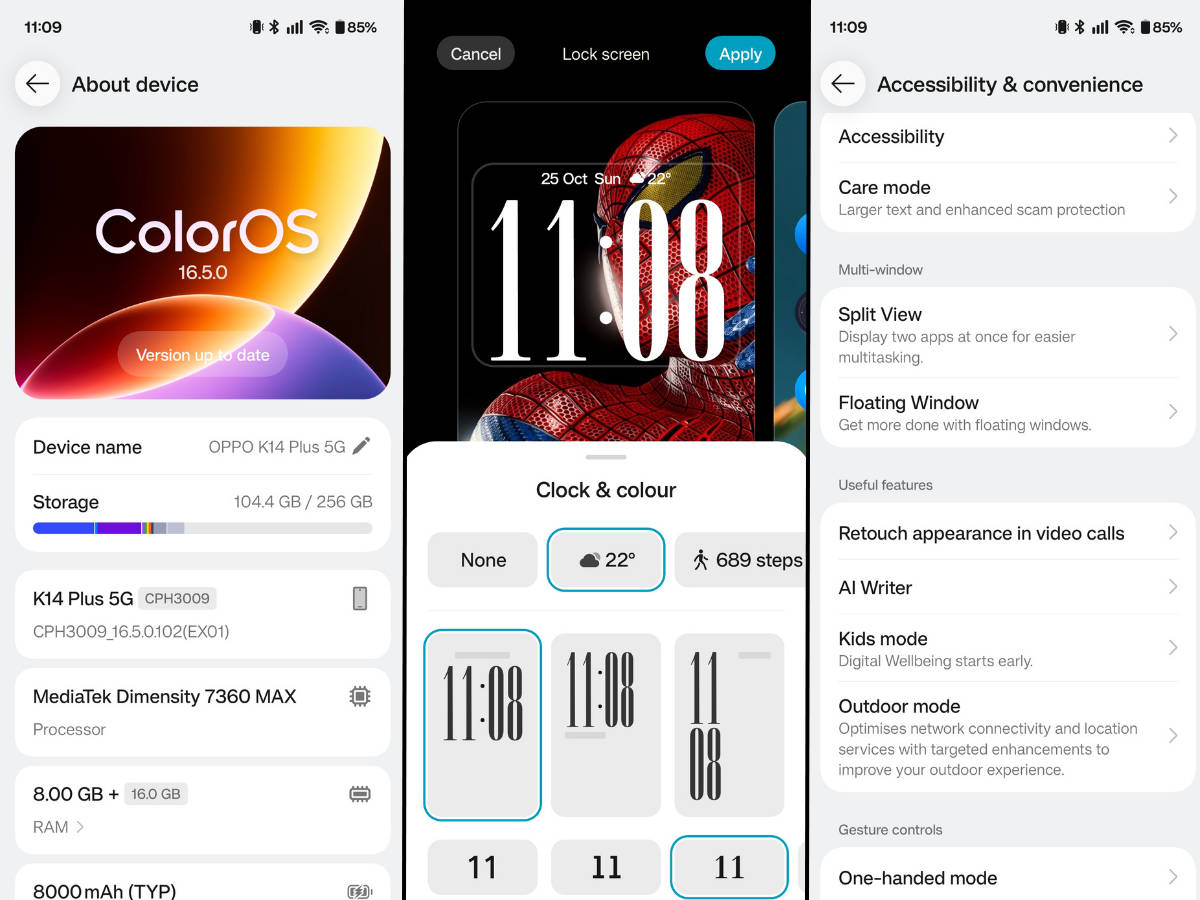
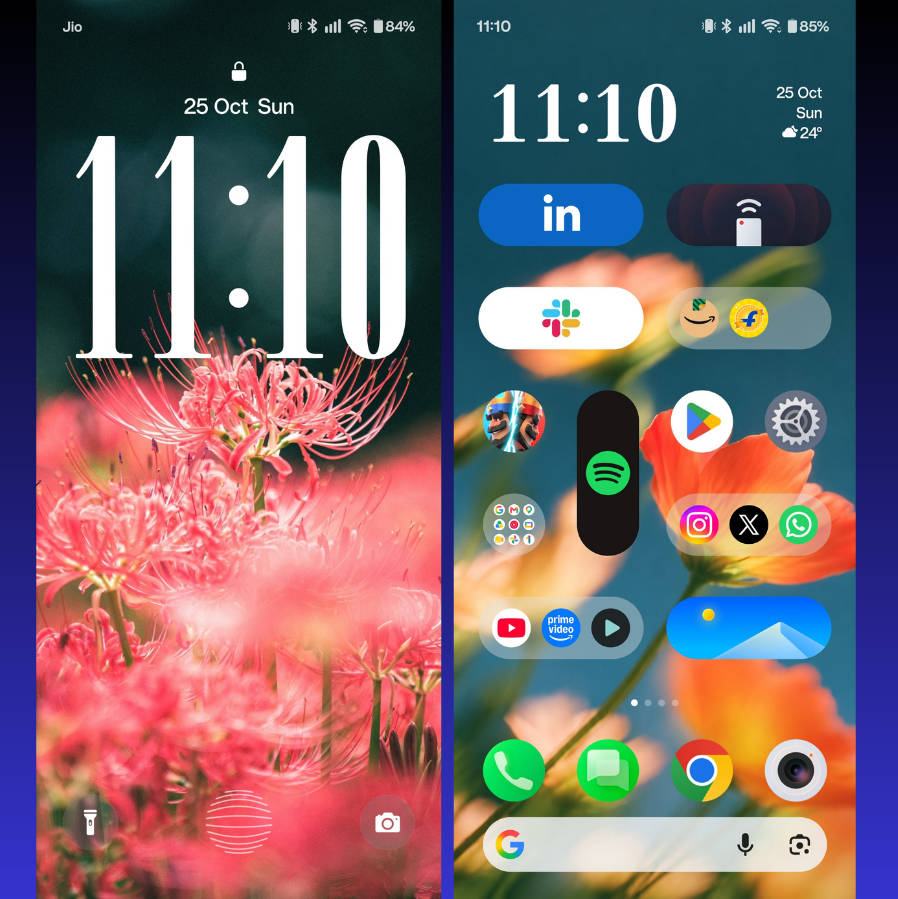
However, right off the bat, it was clear that the OPPO K14 Plus runs a nerfed version of ColorOS, likely to keep up with midrange hardware long term. That means you may find little to no blur effects or textures in the UI, unlike flagships such as the OPPO Find X9 and Find X10 series. Beyond that, the K14 Plus offers standard ColorOS features, including enlarged icons and folders, Live Alerts for glanceable information in the status bar, a sidebar to quickly launch apps from the screen’s edge, and more.
In terms of AI, there’s AI Writer, along with multiple AI imaging tools in the Photos app, including AI Eraser, AI Portrait Glow, AI Detail Boost, and AI Unblur. Regarding software updates, the K14 Plus is promised two OS upgrades and three years of security patches, which may seem low compared with phones in the segment like the Redmi Note 17, which is promised to receive four Android upgrades.
Battery and charging: the strongest aspect of the phone
The battery endurance is easily the strongest aspect of the OPPO K14 Plus. With an 8,000mAh cell, the device held up well, delivering close to three days of backup on a single charge and around ten hours of screen time. During this battery cycle, usage included scrolling Instagram, watching videos, playing light games, and more, on a mix of WiFi and mobile data. While the endurance wasn’t as good at first, the K14 Plus adapted to usage over time and delivered exceptional numbers.
Since ColorOS no longer shows the screen-on time since the last charge, here are some battery stats you can refer to, obtained from the Battery Guru app, which calculates the actual screen time:
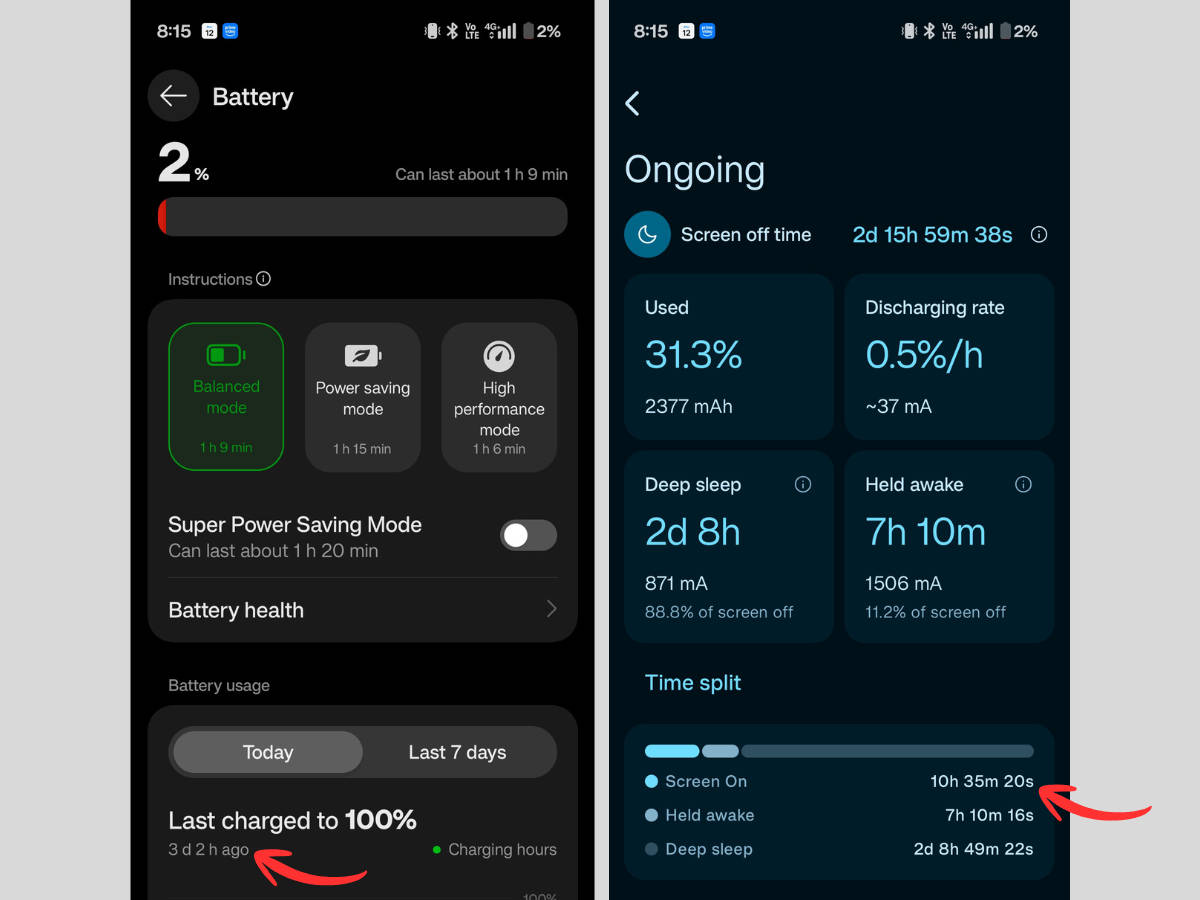
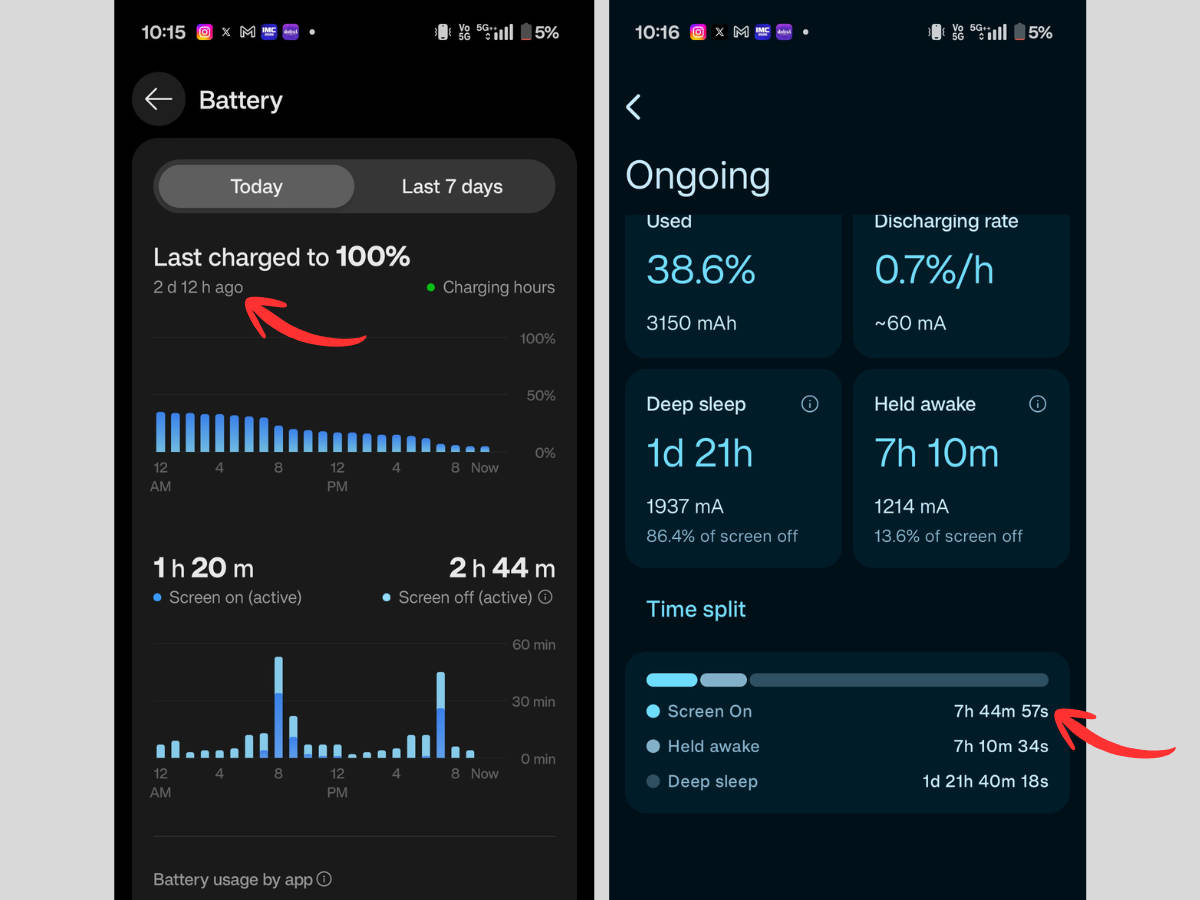
In our PCMark Battery Drain test, the OPPO K14 Plus ran for 18 hours and 49 minutes from 100 to 20 per cent. For context, this test mimics real-world usage you typically encounter day-to-day, such as web browsing, watching and editing videos, scrolling through documents, and more, to assess battery endurance. For a phone with an 8,000mAh battery, the runtime delivered is respectable.
With 45W SuperVOOC fast charging support, we were able to charge the OPPO K14 Plus from 20 to 100 per cent in under 1.5 hours. While this isn’t the fastest charging time out there, since last year we’ve had phones with as high as 80W fast-charging speeds, it should be manageable given how long the battery lasts on a full charge.
Cameras: produces flat tones; everything else looks good
The OPPO K14 Plus features a dual rear camera setup led by a 50MP Smartsense SC532HS 1/2-inch primary sensor with optical image stabilisation (OIS) and an f/1.8 aperture, paired with a 2MP monochrome sensor. The front features a 16MP selfie camera. The rear cameras support 4K video recording at 30FPS, while the front camera is limited to 1080p.

OIS support significantly helps deliver blur-free shots in low light. Paired with the software’s automatic scene recognition to adjust shutter speed, night shots are well-lit and sharp. The selfie camera offers a wide field of view, letting several people fit in the frame, while the hint of vividness makes the shots quite appealing.



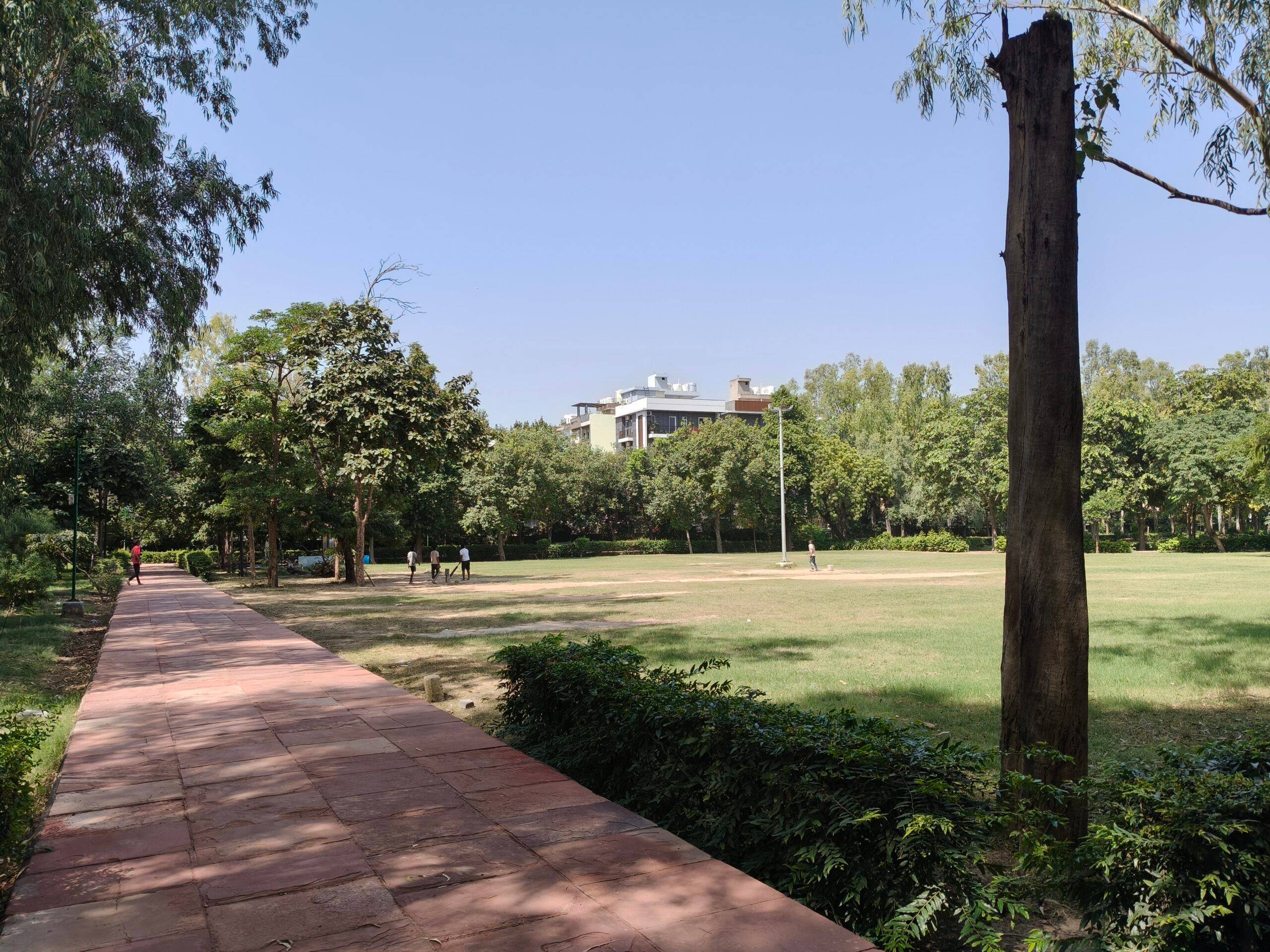



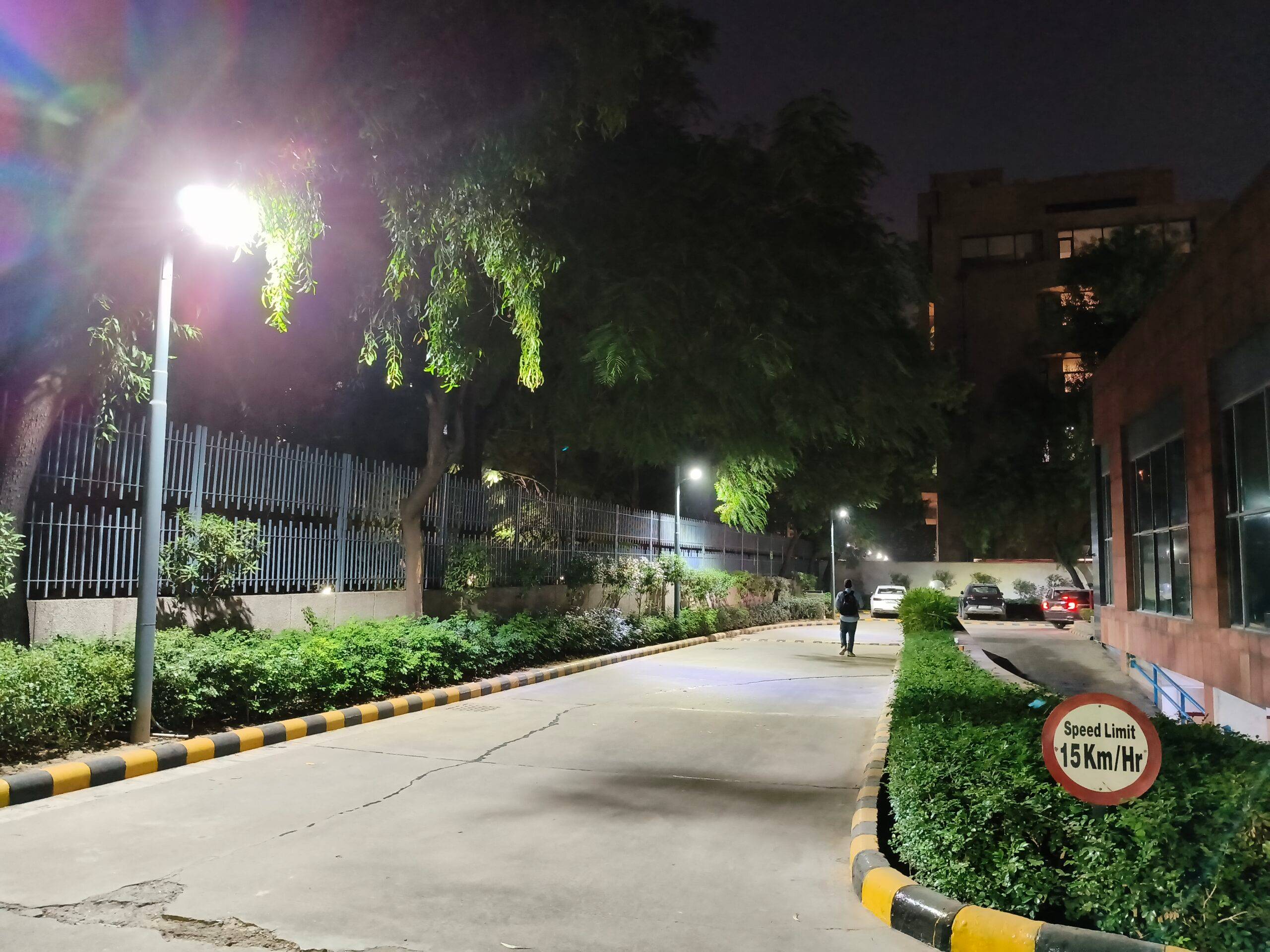
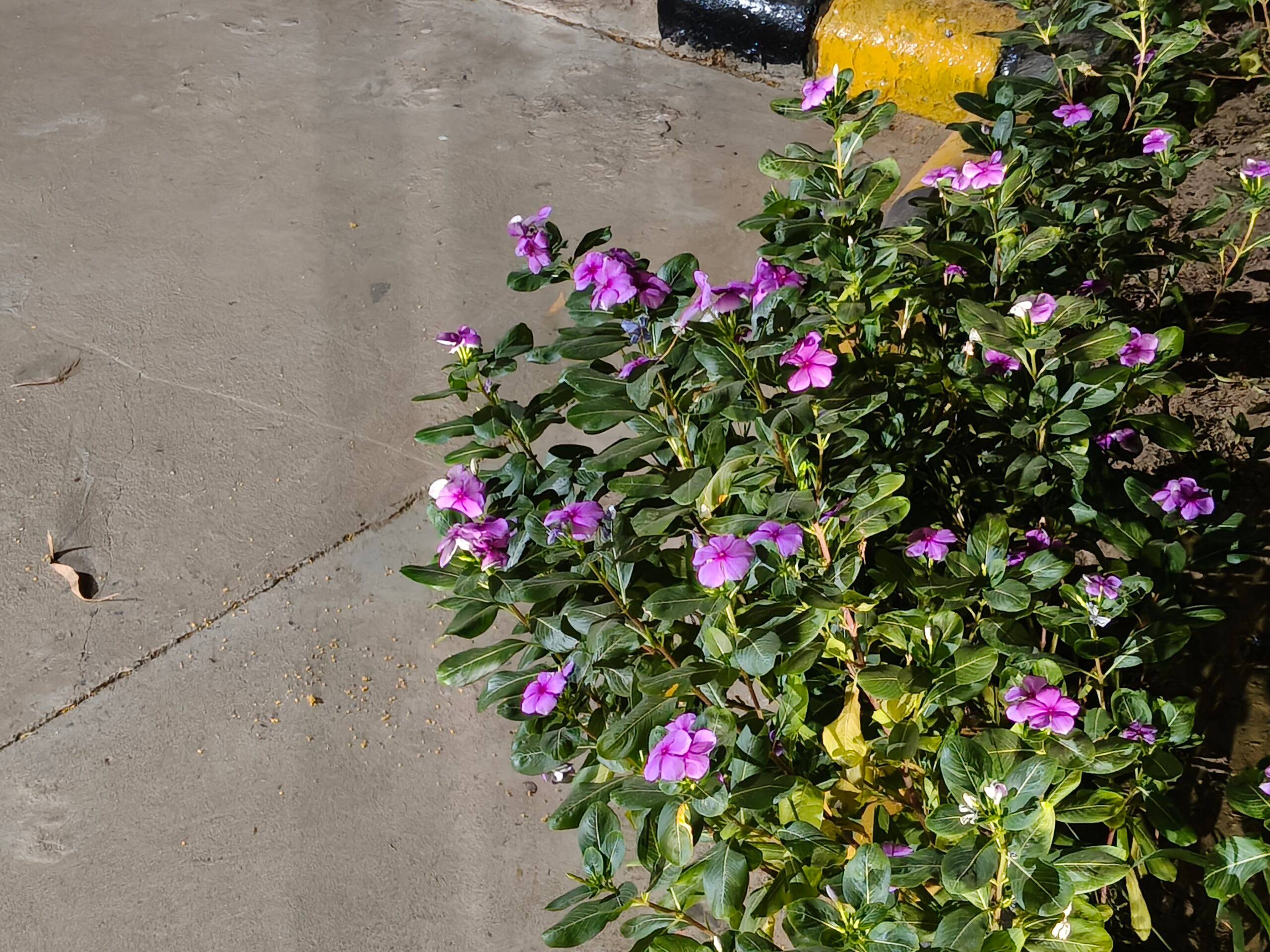
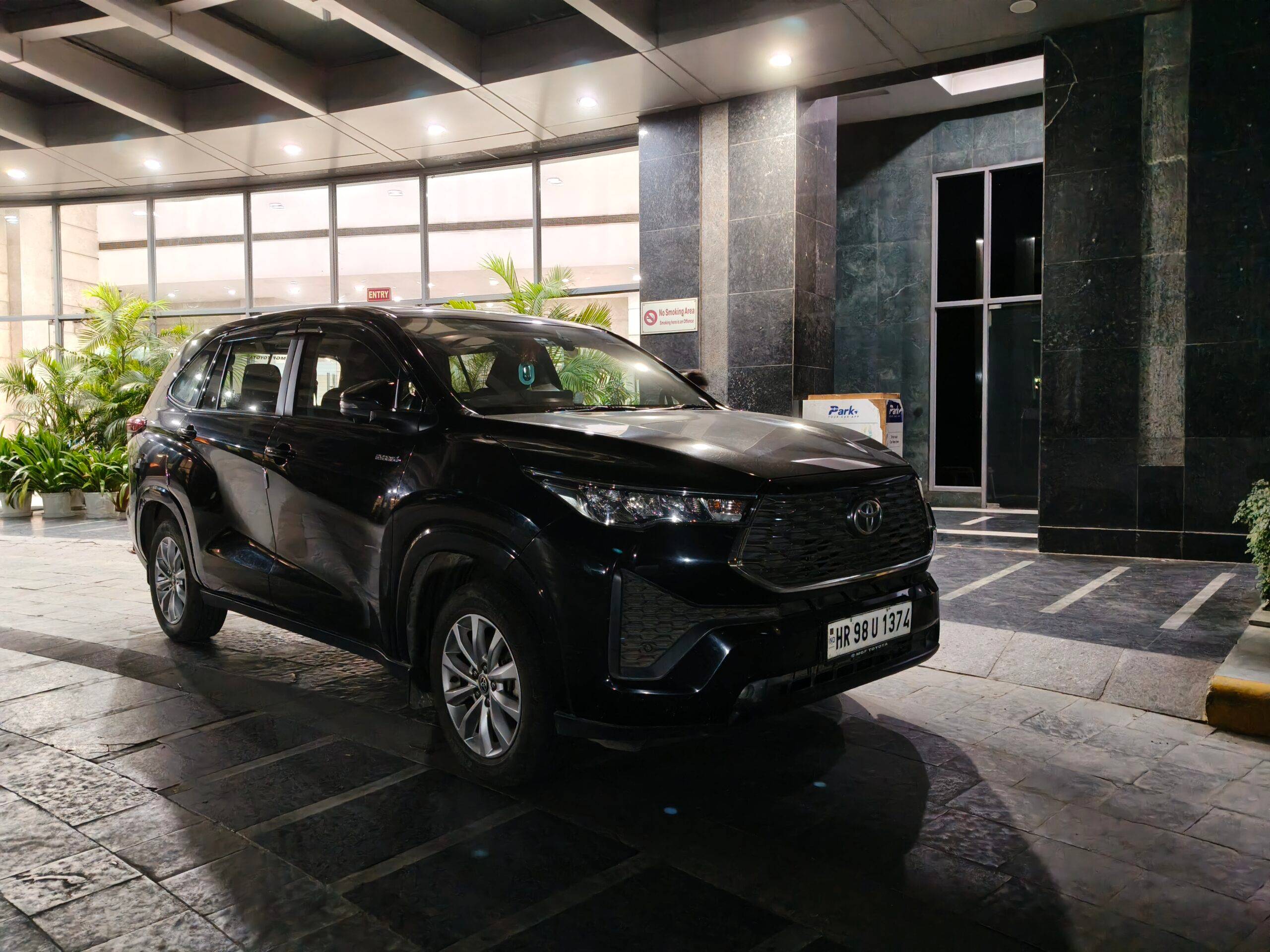
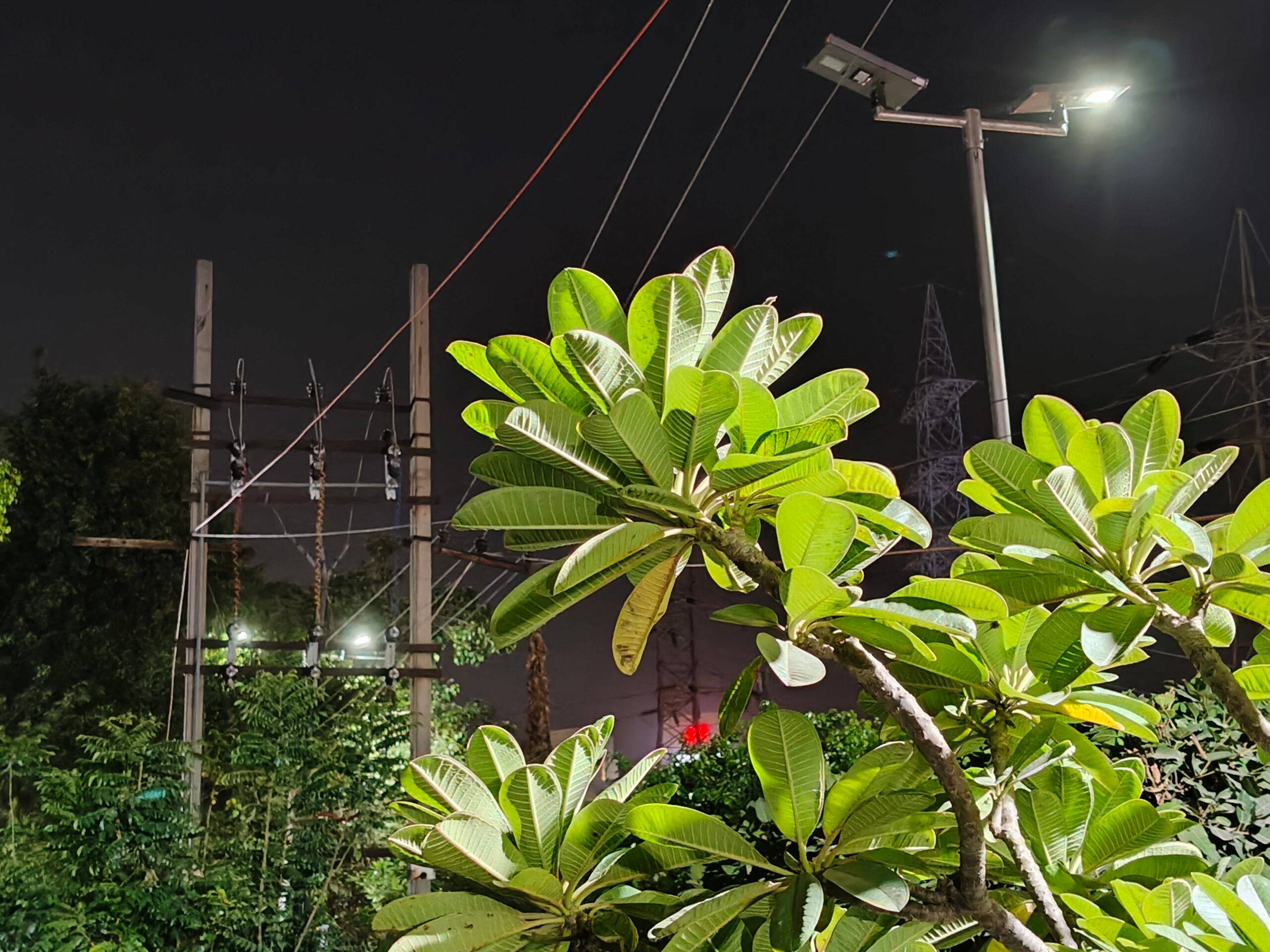





Here’s a camera comparison of the OPPO K14 Plus against the Moto G Max (review), which is also priced under Rs 35,000 and features a 50MP 1/2-inch primary camera, to see how the two cameras stack up:
Daylight

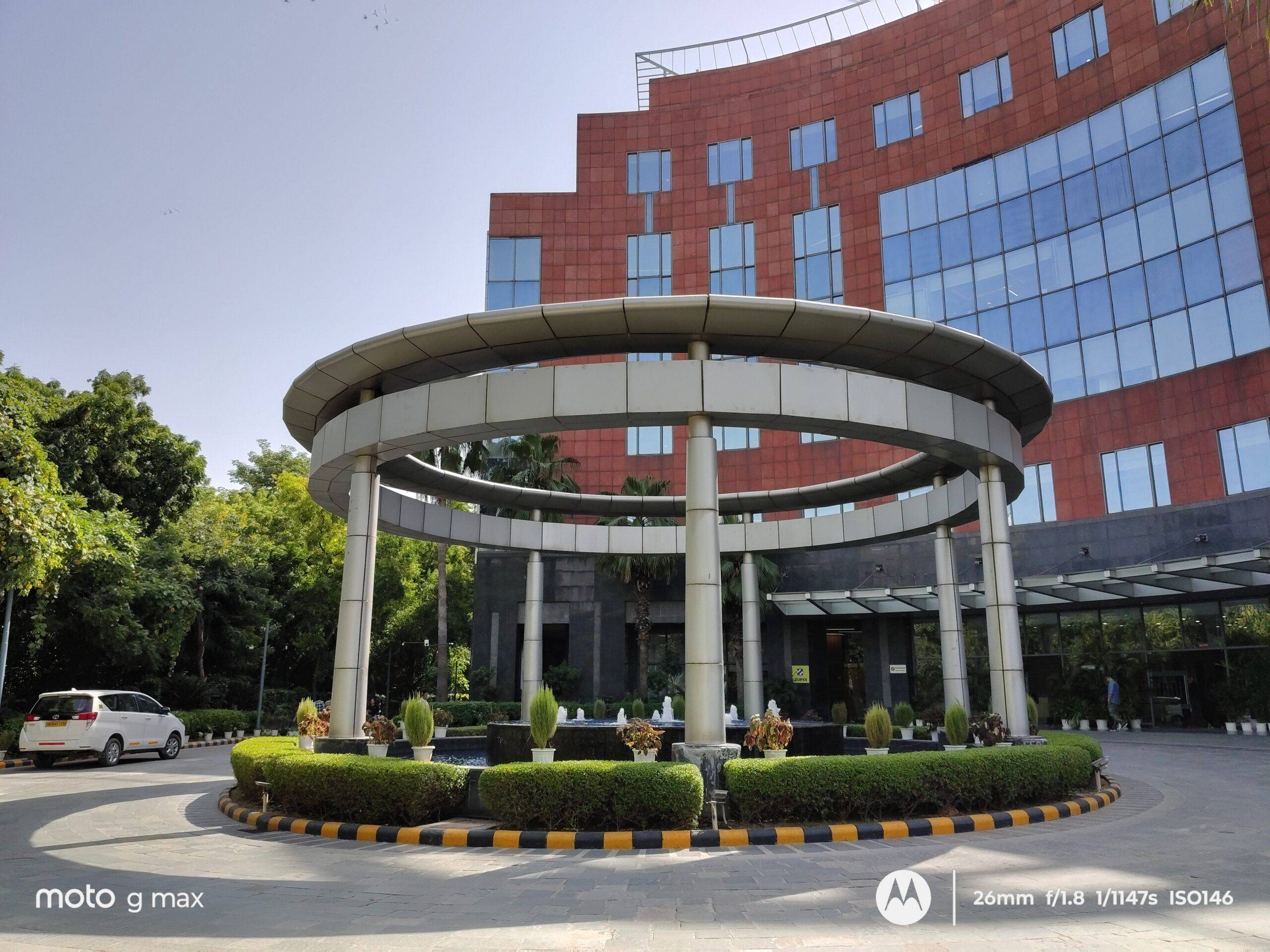
In the daylight comparison above, the Moto G Max shot’s higher contrast makes it stand out instantly, while the OPPO K14 Plus shot’s colours appear blown out. The K14 Plus delivers better detail overall, though it’s most noticeable when zoomed in. Overall, if you prefer bright images, the K14 Plus’ image may seem better to you, while the Moto G Max’s contrasty colours may appeal to some.
Portrait


In this portrait comparison, I’d say the OPPO K14 Plus delivers a better image by not overdoing the vibrancy and keeping the sky and skin tones as they are. The handset also leads in detail and sharpness, since the Moto G Max appears to oversharpen textures. Similarly, the K14 Plus handles the edge detection around the face better than the Moto G Max.
Selfie
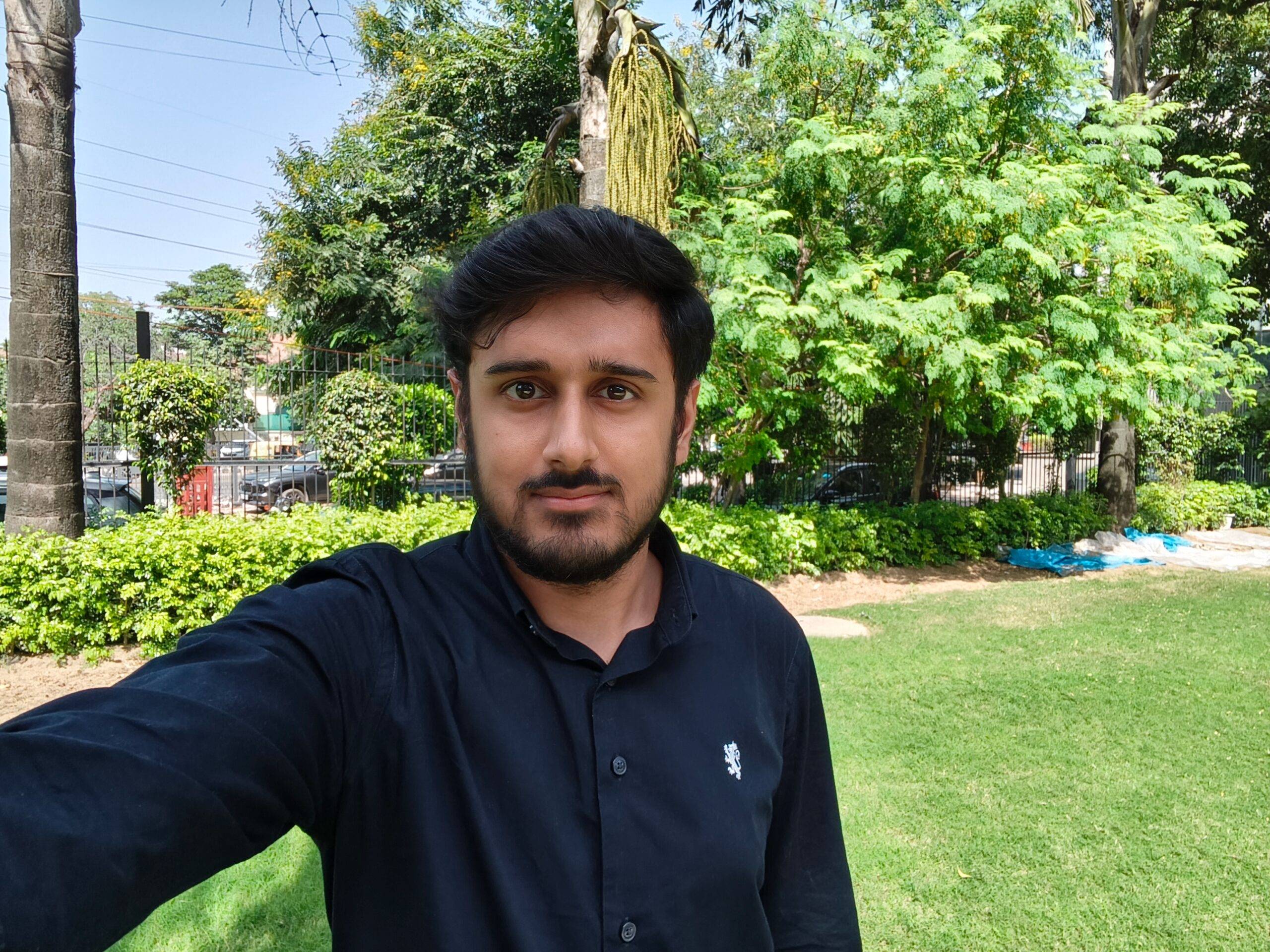
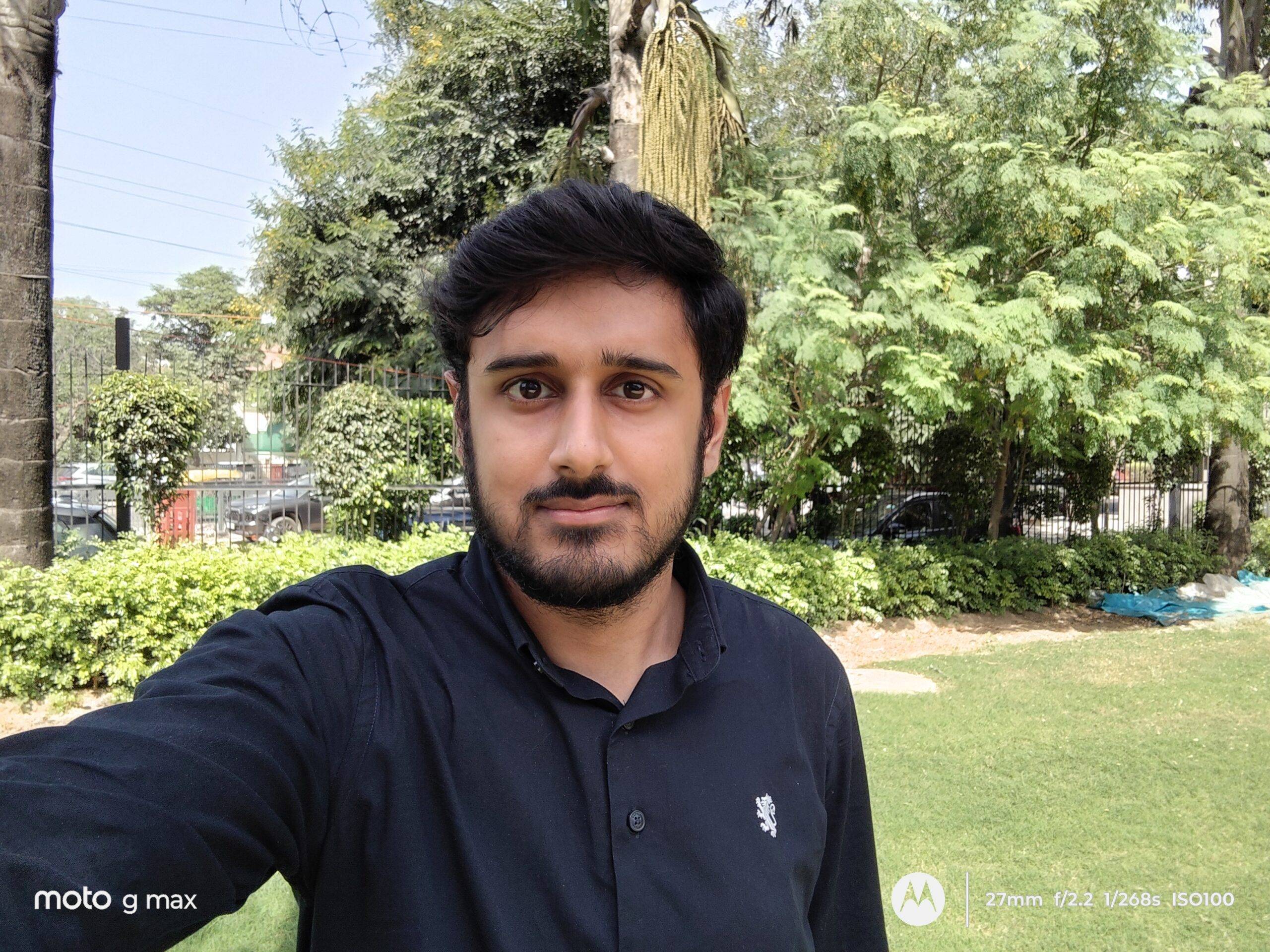
For selfies, the Moto G Max’s shot looks dull, with blown-out highlights, while the OPPO K14 Plus keeps things lively and maintains proper colours. However, when it comes to detail, the Moto G Max edges it out, with the skin, hair, and T-shirt texture looking slightly sharper.
Low light

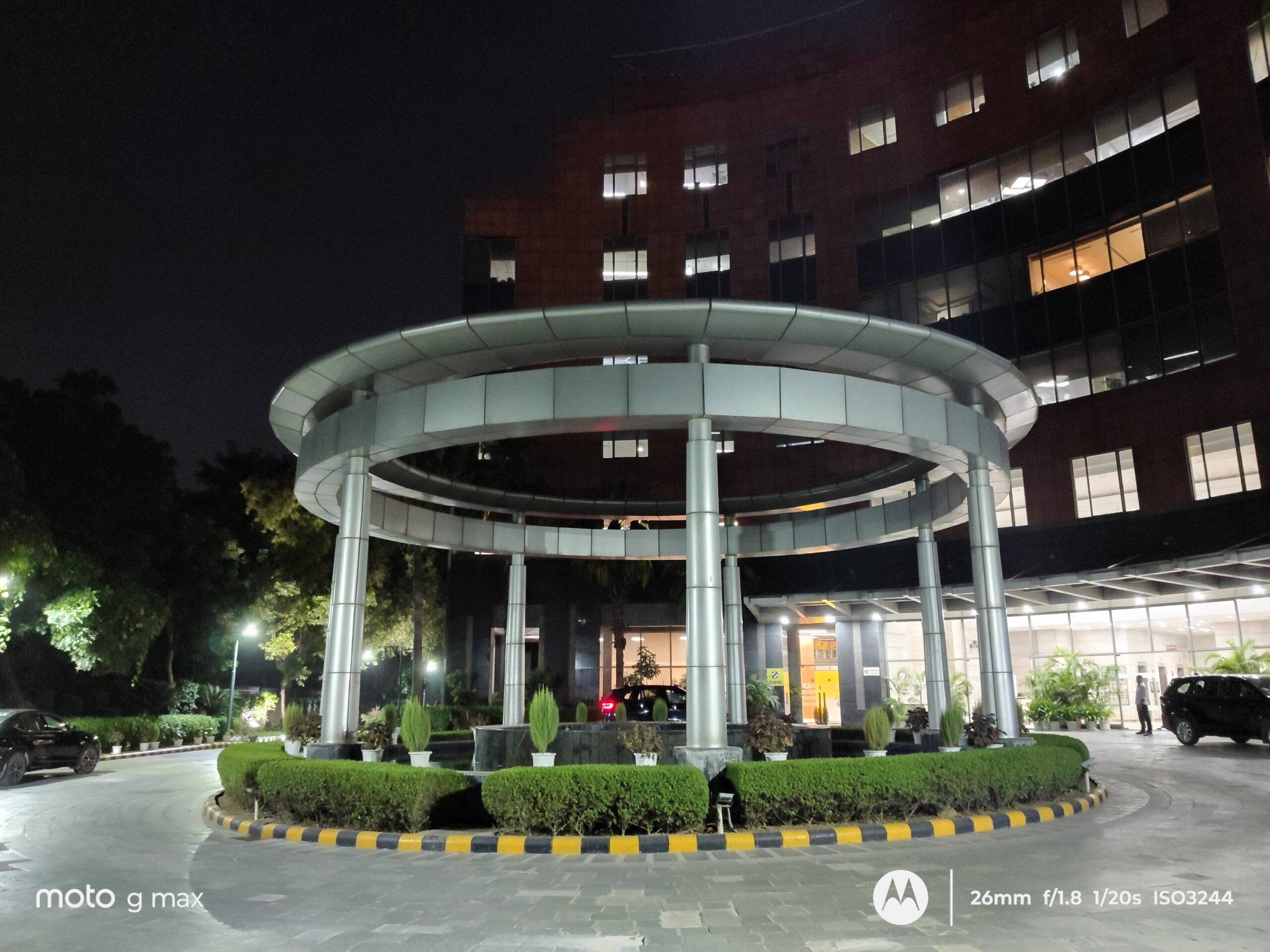
Despite rocking an identical-sized primary camera sensor as the Moto G Max, the OPPO K14 Plus delivers sharper detail in low light, while the Moto smartphone struggles to keep up and often produces softer results. Furthermore, the OPPO K14 Plus produces brighter results and has better exposure control over bright subjects, such as bulbs and indoor lighting.
Final verdict: Is the OPPO K14 Plus a solid pick under Rs 35,000?
Launched at Rs 29,999, the OPPO K14 Plus now sells for Rs 32,999 after receiving its first price hike, almost a month after its launch. Despite that, its value proposition doesn’t change much since it still acts as a perfect alternative to the over-Rs 35,000 performance- and battery endurance-centric phones, such as the Realme P4s (review) and iQOO Z11 (review).

Unless you want better cameras and longer software support with at least three OS upgrades, which the Realme and iQOO smartphones offer, the OPPO K14 Plus remains an impressive pick for the value it offers.
Editor’s rating: 8.1/10
Reasons to buy
- Crisp AMOLED display that makes watching content a joy.
- The battery can last days on a single full charge with medium use.
- Robust durability with an IP69K rating and a marble-like pattern on the rear panel gives the phone its own character
- Ships with Android 17 out of the box, delivering the latest ColorOS features.
Reasons to skip
- The primary camera often produces flat-looking colours.
- Software support is limited to two OS upgrades, shorter than the competition.
 | vs |  |
| vs |  |