
Xiaomi Redmi K20 128GB
+ Compare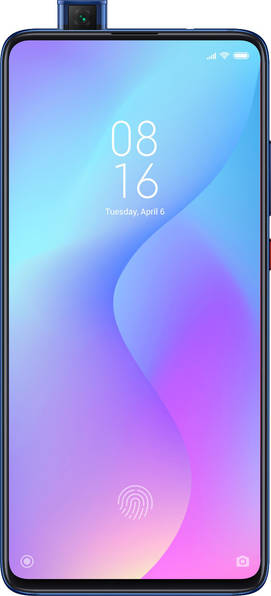




-
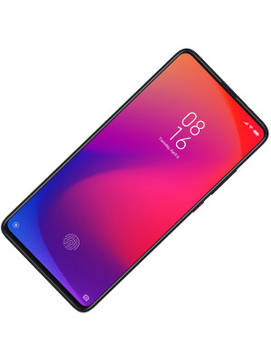
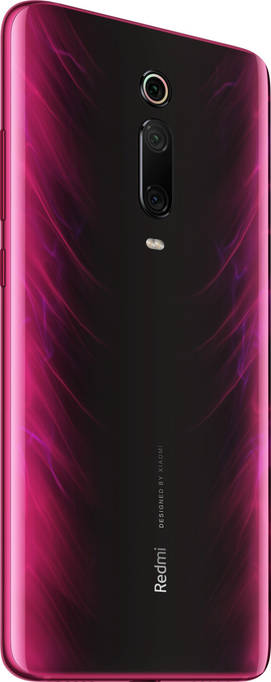
Design16

-
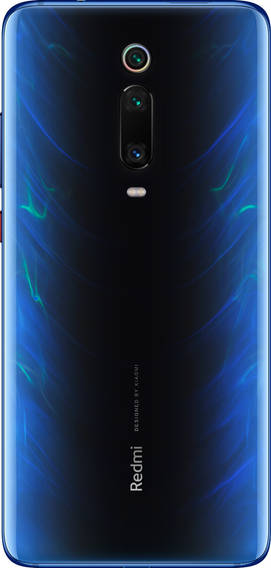
Rear Camera10

-
Front Camera4

-
360° View
![360° View]()
-
UI Screenshot17
![UI Screenshot]()
-
Videos7
![Videos]()



Key Specs
Performance
-
Qualcomm Snapdragon 730 -
Octa core (2.2 GHz, Dual Core + 1.8 GHz, Hexa Core) -
6 GB RAM, LPDDR4X
Display
-
6.39 inches (16.23 cm); AMOLED -
1080x2340 px (FHD+) -
Gorilla Glass 5 Protection -
Bezel-less
Rear Camera
-
Triple Camera Setup - 48 MP Primary Camera
- 13 MP Ultra-Wide Angle Camera
- 8 MP Telephoto (upto 10x Digital Zoom, upto 2x Optical Zoom) Camera
-
Dual LED Flash -
4k @30 fps Video Recording
Front Camera
-
20 MP -
Full HD @30 fps Video Recording
Battery
-
4000 mAh, Li-Polymer -
18W Quick Charging v3.0; USB Type-C port
General
-
SIM1: Nano, SIM2: Nano -
5G Not Supported -
64 GB / 128 GB internal storage, Non Expandable
Xiaomi Redmi K20 128GB Prices in India
 Flipkart
Xiaomi Redmi K20 128GB Expert Review Summary
Expert Rating:
![Prateek Pandey]()
Verdict
The Redmi K20 starts at Rs 21,999 in India, butmy review unit was the higher-end modelthat costs Rs 23,999. For the price, the phone offers reliable performance, good cameras, stunning design and much, much more which should make it an easy recommendation. But, as much as I like the phone, I ve come to expect too much from the brand when it comes to pricing.While the Redmi K20 is a good phone, the cheaper Realme X (review), which is a stellar handset in its own right, comes across as better value for money.Xiaomi s own POCOF1, which, at least on paper, should be better than the Redmi K20 in te...
Read Full Verdict
Pros
- Stunning design
- Reliable rear-facing cameras
- Hi-res certified headphone jack
Cons
- Could've been priced more competitively
- Selfie-camera needs a rework
Specs at a glance
+
Display
Read More
What's the same?
+
Most ‘non-Pro' models have a clear tell – they're either smaller in size, have a lower number of cameras on the back, or have been constructed using inferior components such as plastic. To that extent, buyers opting for the Redmi K20 will enjoy the same aesthetic appeal which is associated with its pricier sibling. From the size of the phone, to the handset's overall build quality and even the choice of colours, the Redmi K20 is indistinguishable from the K20 Pro.Therefore, if you want to read up on the design of the handset, I'll recommend you head over to my colleague Nitansh's review of the K20 Pro. But, long story short, both, the Redmi K20, as well as the K20 Pro, are gorgeous devices with excellent ergonomics and a stunning gradient back.As for the ports and buttons, both, the Redmi K20 as well as the K20 Pro ship with the same in-display fingerprint sensor, a pop-up selfie camera (which supports face unlock), a headphone jack and a USB Type-C port for charging. Unsurprisingly, the fingerprint sensor on the K20 was just as responsive as the one on the Pro model and I didn't face any issues with the unit during my time with the device. The face unlock software worked well too, albeit there's no option to turn off the LED light which perimeters the selfie camera module.
Read More
What's different between the K20 and the K20 Pro?
+
Well, broadly speaking, two things - the processor, and the rear-facing camera module. Let's talk about the CPU first.While the Redmi K20 Pro is backed by Qualcomm's latest flagship SoC in the form of Snapdragon 855, the Redmi K20 settles for a newer, yet slightly less powerful Snapdragon 730 chip. Now, the performance delta between the two CPUs is significant, but it's only evident when you're pushing the K20 to its limits. For instance, while PUBG defaulted on the highest graphics preset on the phone, the game played much better on the Pro variant than it did on the K20. In a similar fashion, while the K20 could comfortably multitask between a half a dozen apps, the animations and the app opening times were a tad bit faster on the K20 Pro.Interestingly enough, the Snapdragon 730 processor is the third-fastest chip from Qualcomm behind the SD 855 and SD 845 mobile platforms. This puts the Redmi K20 in a tough spot since you can spend less than the K20 and get the POCO F1 (review), which per Xiaomi, is a faster phone. Or, if you can extend your budget, then you can instead opt for the K20 Pro, which will not only offer faster performance to boot but will also increase the smartphone's longevity.As for the rear-facing camera module, you'll be hard-pressed to find any differences in the image quality when compared to the K20 Pro. As baffling as it might sound, the K20 clicks pretty much the same photos as its pricier sibling, with a tad bit less vibrancy. So, what gives? Well, the 48MP shooter on the K20 makes use of a Sony IMX 582 sensor, as opposed to the tried and tested IMX 586 sensor on the Redmi K20 Pro.Now, the reason why I didn't notice any major differences in the image quality is because the IMX 586 sensor only has an edge when it comes to shooting videos over the IMX 582 sensor. Therefore, with the K20 Pro, you'll be able to shoot 4K videos at 60fps, whereas the K20 locks the video frame rate at 30fps when shooting in 4K resolution. And that's it, really. Even the assisting cameras on the K20 are like the ones on the K20 Pro, and the phone ships with an 8MP telephoto lens with f/2.4 aperture, as well as a 13MP, f/2.4, wide-angle lens with a 125-degree field of view.On the whole, I was greatly impressed with the cameras on the K20 and below is the pudding for proof.As can be seen from the sample images, the Redmi K20 clicks stunning photos during the day which have an abundance of details in them. The handset boasts excellent dynamic range too, which makes scenes with a cloudy sky pop. I will admit that the handset doesn't bring up the details in the shadows all that much, but other than that, the K20 is a very reliable shooter when the sun's out.Also, a word of advice – if you're shooting in good lighting conditions, then the AI engine will do little to spruce up the photos. Therefore, you might as well turn it off when it's sunny outdoors and just stick to clicking images with the HDR enabled.I was quite satisfied with the smartphone's ultra-wide angle and telephoto shooters as well, which help you get up close or further from a subject without moving an inch from your position. Moreover, unlike the ultra-wide angle lens on some competing devices, the K20's 13MP shooter clicked sharp, cinematic shots too. As for portrait mode, the smartphone struggled to tell the subject from the background and consequently, parts of my hair were also blurred in the shot.The 48MP mode, on the other hand, works as advertised and it betters the details in a scene by a considerable amount. What's more, unlike most other camera apps, the Redmi K20 ships with a dedicated 48MP mode which can be accessed easily by swiping left or right on the viewfinder.I hate to end the camera section on a bad note, but the Redmi K20's lowlight performance felt amiss. While the handset clicked decent photos for the most part, there was considerable lens flaring in the shots. Lowering the exposure does help keep a lid on the issue, but it also results in the overall scene turning much darker.
Read More
Read full Review

Verdict
The Redmi K20 starts at Rs 21,999 in India, butmy review unit was the higher-end modelthat costs Rs 23,999. For the price, the phone offers reliable performance, good cameras, stunning design and much, much more which should make it an easy recommendation. But, as much as I like the phone, I ve come to expect too much from the brand when it comes to pricing.While the Redmi K20 is a good phone, the cheaper Realme X (review), which is a stellar handset in its own right, comes across as better value for money.Xiaomi s own POCOF1, which, at least on paper, should be better than the Redmi K20 in te... Read Full Verdict
- Stunning design
- Reliable rear-facing cameras
- Hi-res certified headphone jack
Pros
- Could've been priced more competitively
- Selfie-camera needs a rework
Cons
Specs at a glance
+Display
Read MoreWhat's the same?
+Most ‘non-Pro' models have a clear tell – they're either smaller in size, have a lower number of cameras on the back, or have been constructed using inferior components such as plastic. To that extent, buyers opting for the Redmi K20 will enjoy the same aesthetic appeal which is associated with its pricier sibling. From the size of the phone, to the handset's overall build quality and even the choice of colours, the Redmi K20 is indistinguishable from the K20 Pro.Therefore, if you want to read up on the design of the handset, I'll recommend you head over to my colleague Nitansh's review of the K20 Pro. But, long story short, both, the Redmi K20, as well as the K20 Pro, are gorgeous devices with excellent ergonomics and a stunning gradient back.As for the ports and buttons, both, the Redmi K20 as well as the K20 Pro ship with the same in-display fingerprint sensor, a pop-up selfie camera (which supports face unlock), a headphone jack and a USB Type-C port for charging. Unsurprisingly, the fingerprint sensor on the K20 was just as responsive as the one on the Pro model and I didn't face any issues with the unit during my time with the device. The face unlock software worked well too, albeit there's no option to turn off the LED light which perimeters the selfie camera module.
Read MoreWhat's different between the K20 and the K20 Pro?
+Well, broadly speaking, two things - the processor, and the rear-facing camera module. Let's talk about the CPU first.While the Redmi K20 Pro is backed by Qualcomm's latest flagship SoC in the form of Snapdragon 855, the Redmi K20 settles for a newer, yet slightly less powerful Snapdragon 730 chip. Now, the performance delta between the two CPUs is significant, but it's only evident when you're pushing the K20 to its limits. For instance, while PUBG defaulted on the highest graphics preset on the phone, the game played much better on the Pro variant than it did on the K20. In a similar fashion, while the K20 could comfortably multitask between a half a dozen apps, the animations and the app opening times were a tad bit faster on the K20 Pro.Interestingly enough, the Snapdragon 730 processor is the third-fastest chip from Qualcomm behind the SD 855 and SD 845 mobile platforms. This puts the Redmi K20 in a tough spot since you can spend less than the K20 and get the POCO F1 (review), which per Xiaomi, is a faster phone. Or, if you can extend your budget, then you can instead opt for the K20 Pro, which will not only offer faster performance to boot but will also increase the smartphone's longevity.As for the rear-facing camera module, you'll be hard-pressed to find any differences in the image quality when compared to the K20 Pro. As baffling as it might sound, the K20 clicks pretty much the same photos as its pricier sibling, with a tad bit less vibrancy. So, what gives? Well, the 48MP shooter on the K20 makes use of a Sony IMX 582 sensor, as opposed to the tried and tested IMX 586 sensor on the Redmi K20 Pro.Now, the reason why I didn't notice any major differences in the image quality is because the IMX 586 sensor only has an edge when it comes to shooting videos over the IMX 582 sensor. Therefore, with the K20 Pro, you'll be able to shoot 4K videos at 60fps, whereas the K20 locks the video frame rate at 30fps when shooting in 4K resolution. And that's it, really. Even the assisting cameras on the K20 are like the ones on the K20 Pro, and the phone ships with an 8MP telephoto lens with f/2.4 aperture, as well as a 13MP, f/2.4, wide-angle lens with a 125-degree field of view.On the whole, I was greatly impressed with the cameras on the K20 and below is the pudding for proof.As can be seen from the sample images, the Redmi K20 clicks stunning photos during the day which have an abundance of details in them. The handset boasts excellent dynamic range too, which makes scenes with a cloudy sky pop. I will admit that the handset doesn't bring up the details in the shadows all that much, but other than that, the K20 is a very reliable shooter when the sun's out.Also, a word of advice – if you're shooting in good lighting conditions, then the AI engine will do little to spruce up the photos. Therefore, you might as well turn it off when it's sunny outdoors and just stick to clicking images with the HDR enabled.I was quite satisfied with the smartphone's ultra-wide angle and telephoto shooters as well, which help you get up close or further from a subject without moving an inch from your position. Moreover, unlike the ultra-wide angle lens on some competing devices, the K20's 13MP shooter clicked sharp, cinematic shots too. As for portrait mode, the smartphone struggled to tell the subject from the background and consequently, parts of my hair were also blurred in the shot.The 48MP mode, on the other hand, works as advertised and it betters the details in a scene by a considerable amount. What's more, unlike most other camera apps, the Redmi K20 ships with a dedicated 48MP mode which can be accessed easily by swiping left or right on the viewfinder.I hate to end the camera section on a bad note, but the Redmi K20's lowlight performance felt amiss. While the handset clicked decent photos for the most part, there was considerable lens flaring in the shots. Lowering the exposure does help keep a lid on the issue, but it also results in the overall scene turning much darker.
Read MoreCompetitors For Xiaomi Redmi K20 128GB
View Alternatives





Xiaomi Redmi K20 128GB Specifications
General |
|
|---|---|
| Launch Date | July 22, 2019 (Official) |
| Operating System | Android v9.0 (Pie) |
| Custom UI | MIUI |
Performance
(Good)
|
||||
|---|---|---|---|---|
| Chipset | Qualcomm Snapdragon 730 | |||
| Processor | Octa core (2.2 GHz, Dual core, Kryo 470 + 1.8 GHz, Hexa Core, Kryo 470) | |||
| Architecture | 64 bit | |||
| Fabrication | 8 nm | |||
| Graphics (GPU) | Adreno 618 | |||
| RAM | 6 GB | |||
| RAM Type | LPDDR4X | |||
|
Gaming Test Results

* after 30 mins of gaming
|
||||
Benchmark Screenshots
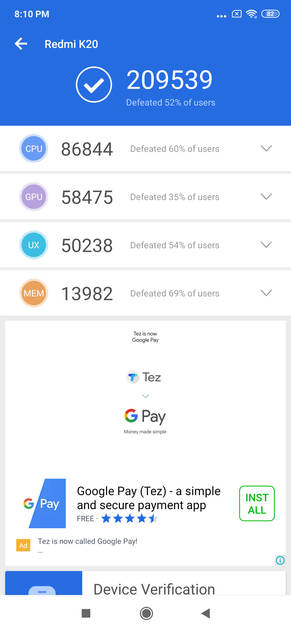
AnTuTu Benchmark

Graphics Benchmark

Geekbench4 Benchmark
|

Display
(Excellent)
|
|
|---|---|
| Display Type | AMOLED |
| Screen Size | 6.39 inches (16.23 cm) |
| Resolution | 1080x2340 px (FHD+) |
| Aspect Ratio | 19.5:9 |
| Pixel Density | 403 ppi |
| Screen to Body Ratio (calculated) | 85.9 % |
| Screen Protection | Corning Gorilla |
| Bezel-less Display | Yes |
| HDR 10 / HDR+ Support | Yes |
| Screen to Body Ratio (claimed by the brand) | 91.9 % |
UI Screenshots
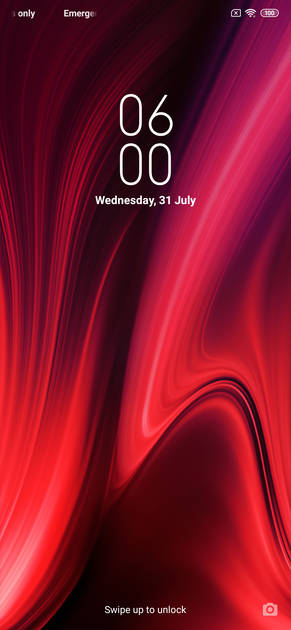
Lock Screen

Home Screen
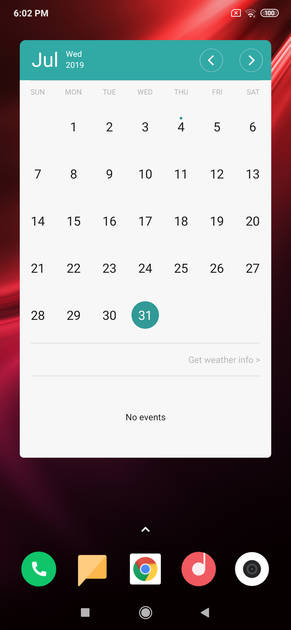
Screen With Widgets

Dialer Screen
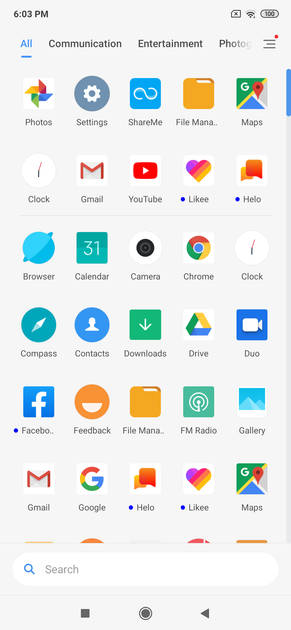
App Drawer
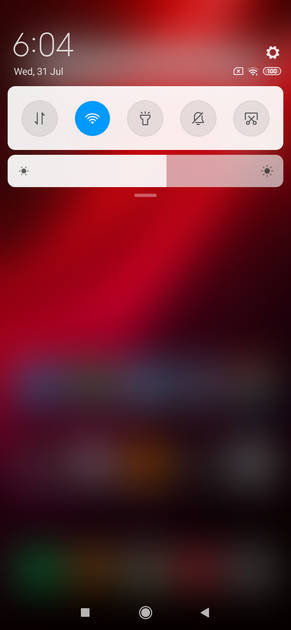
Notification Panel
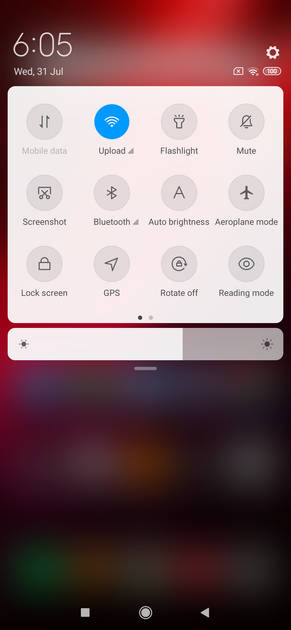
Quick Settings Panel
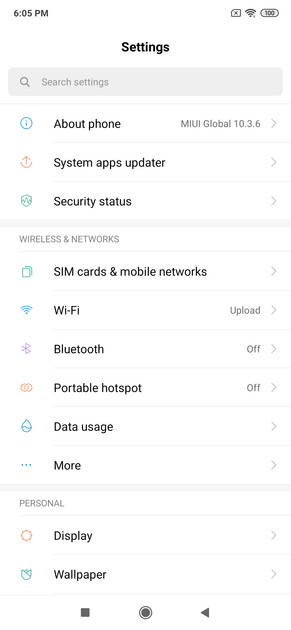
Settings Screen
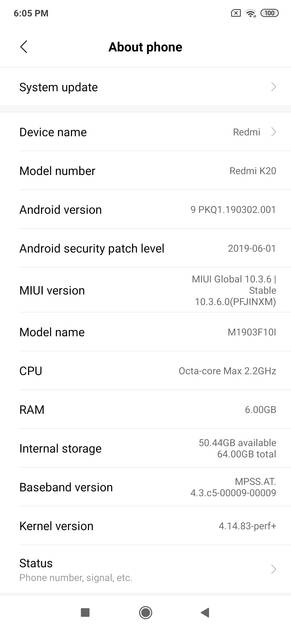
OS Version
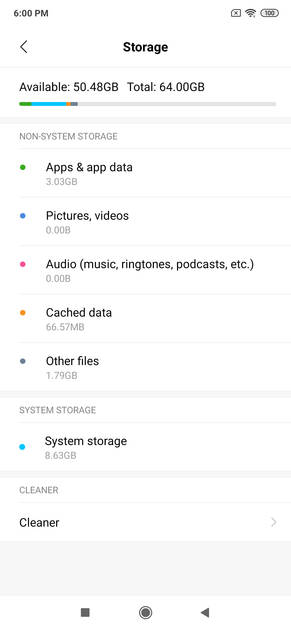
Storage
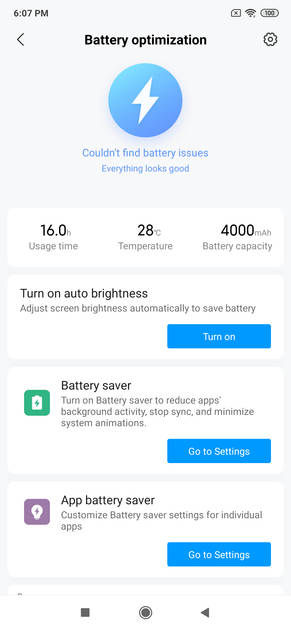
Battery
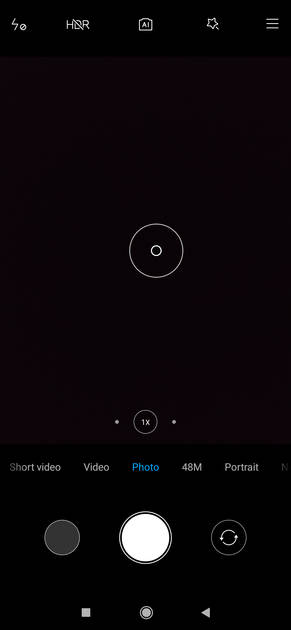
Camera On
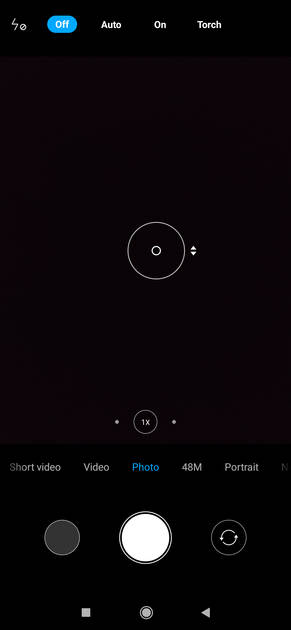
Camera Options
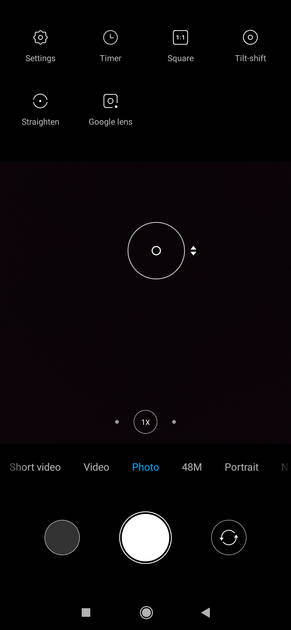
Camera Modes
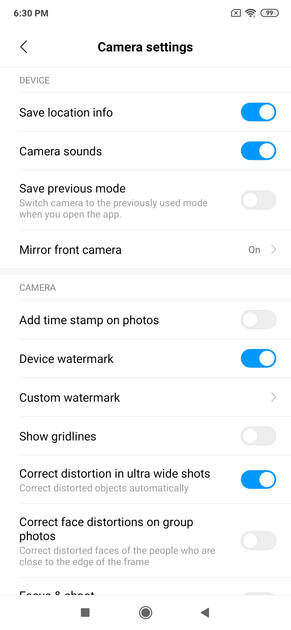
Camera Settings
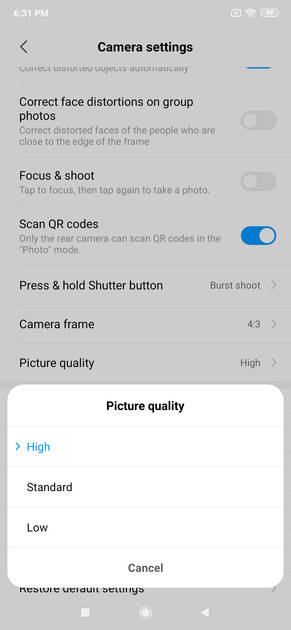
Picture Size Options
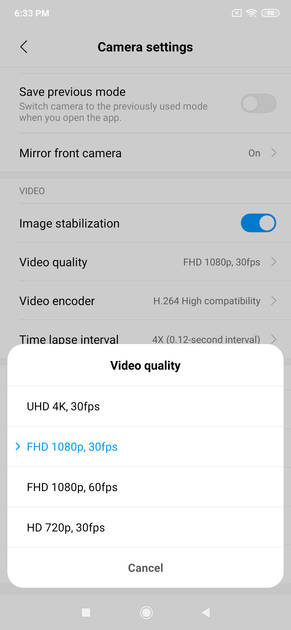
Video Size Options
|
Design |
|
|---|---|
| Height | 156.7 mm |
| Width | 74.3 mm |
| Thickness | 8.8 mm |
| Weight | 191 grams |
| Build Material | Back: Gorilla Glass |
|
Click to View

|
Rear Camera
(Very Good)
|
||||||||||||||||||||||||||||||||
|---|---|---|---|---|---|---|---|---|---|---|---|---|---|---|---|---|---|---|---|---|---|---|---|---|---|---|---|---|---|---|---|---|
| Resolution | ||||||||||||||||||||||||||||||||
|
||||||||||||||||||||||||||||||||
| Autofocus | Yes, Phase Detection Autofocus | |||||||||||||||||||||||||||||||
| Flash | Yes, Dual LED Flash | |||||||||||||||||||||||||||||||
| Image Resolution | 8000 x 6000 Pixels | |||||||||||||||||||||||||||||||
| Settings | Exposure compensation, ISO control | |||||||||||||||||||||||||||||||
| Shooting Modes |
Continuous Shooting High Dynamic Range mode (HDR) |
|||||||||||||||||||||||||||||||
| Camera Features |
Auto Flash Face detection Touch to focus |
|||||||||||||||||||||||||||||||
| Video Recording |
4k @30 fps Full HD @60 fps HD @120 fps |
|||||||||||||||||||||||||||||||
Rear Camera Samples

Portrait Shot
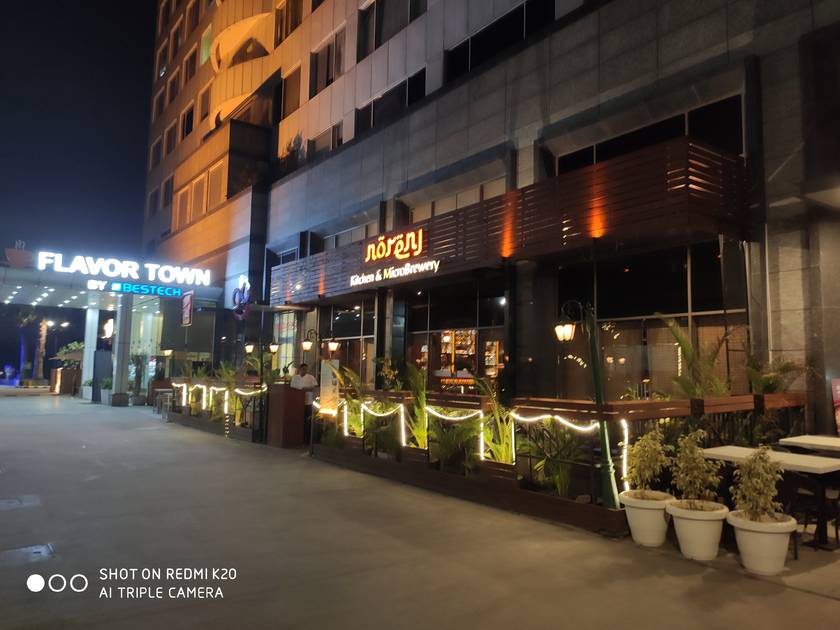
Night Mode OFF

Close Up
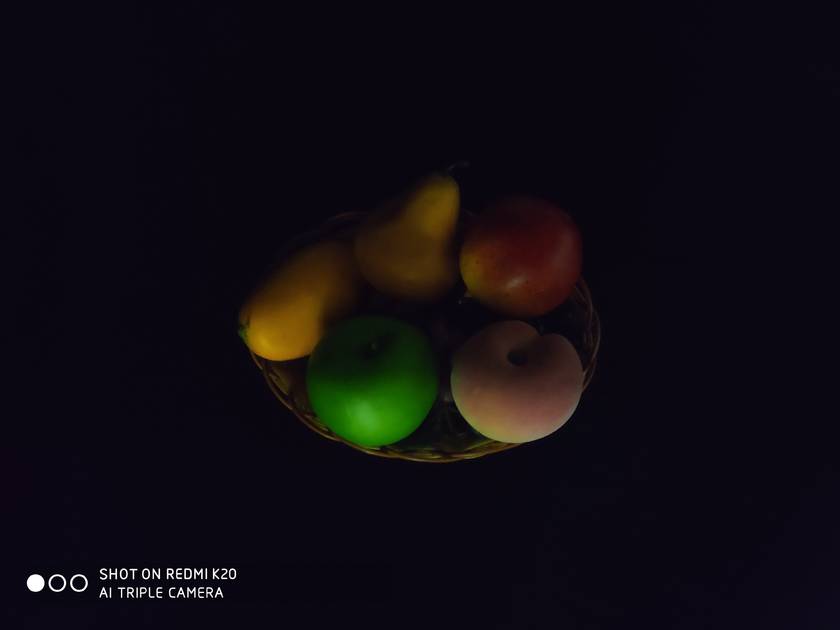
Low Light
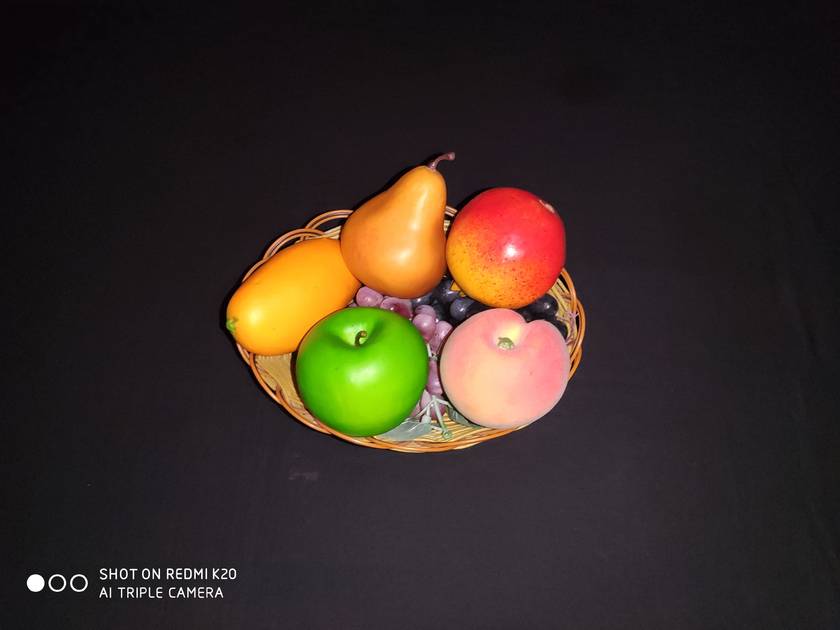
Low Light With Flash
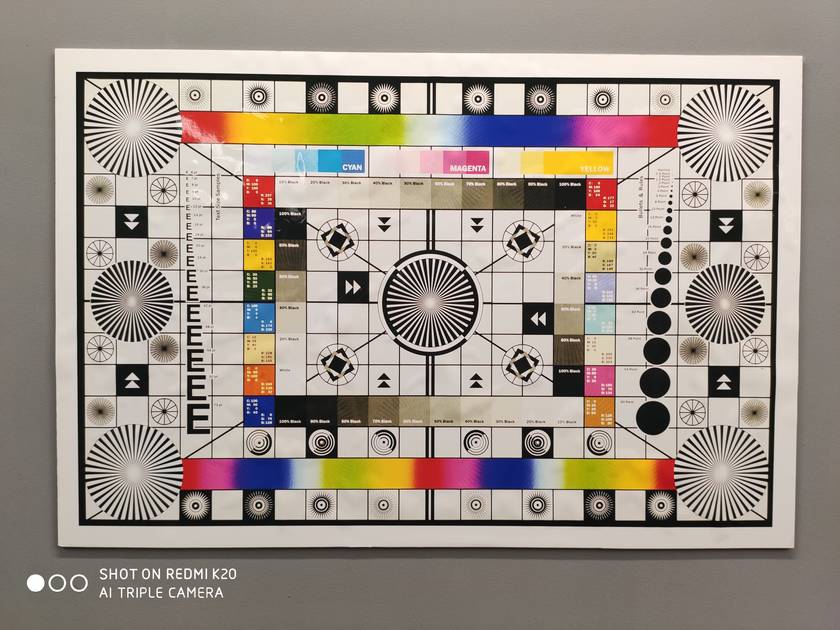
Colour Variance
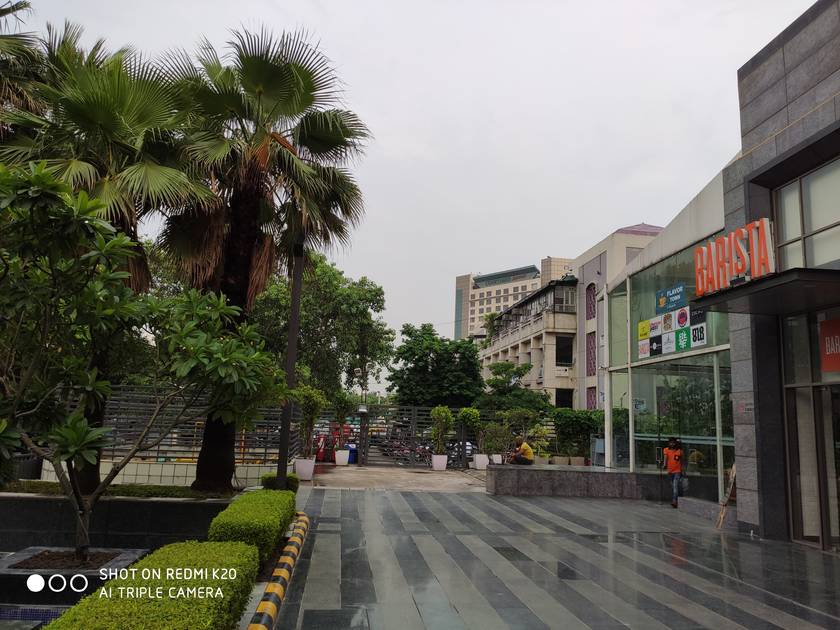
Daylight Auto / HDR OFF
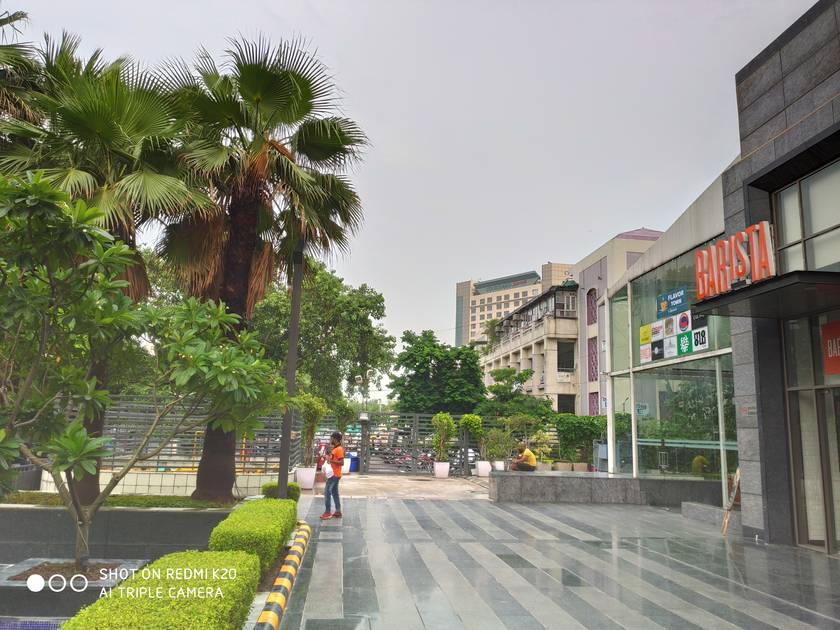
Daylight / HDR ON
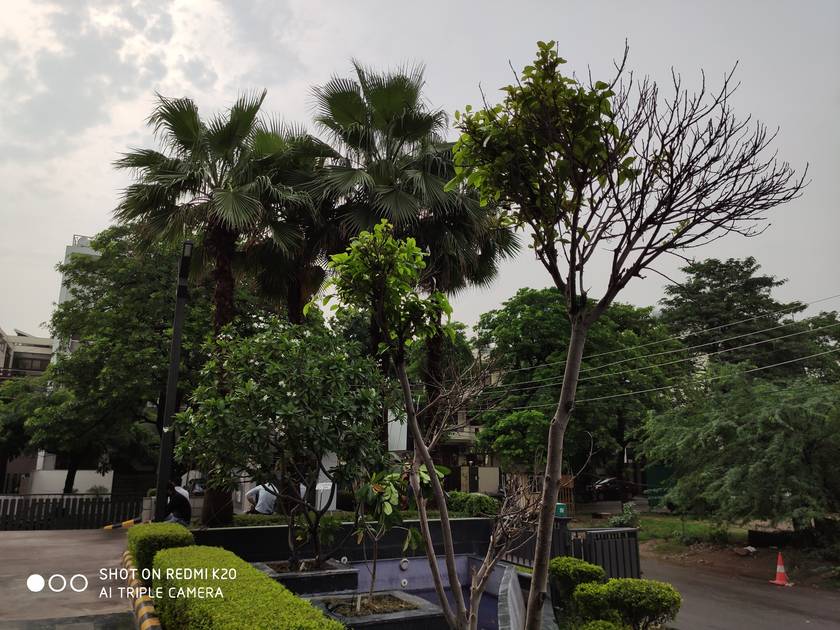
AI OFF
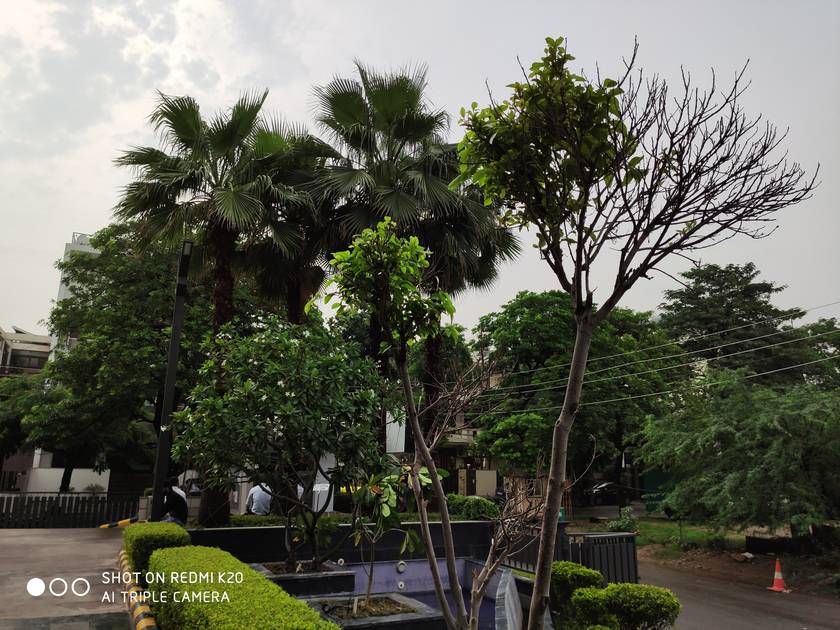
AI ON
|
Front Camera
(Very Good)
|
||||||||||
|---|---|---|---|---|---|---|---|---|---|---|
| Resolution | ||||||||||
|
||||||||||
| Camera Type | Pop-Up | |||||||||
| Video Recording |
Full HD @30 fps HD @30 fps |
|||||||||
Front Camera Samples

Selfie

Selfie Portrait

Selfie Low Light

Selfie Low Light With Flash
|
Battery
(Very Good)
|
||||
|---|---|---|---|---|
| Capacity | 4000 mAh | |||
| Battery Type | Li-Polymer | |||
| Quick Charging | Yes, 18W Quick Charging v3.0 | |||
|
Battery Test Results
|
Storage |
|
|---|---|
| Internal Storage | 64 GB / 128 GB |
| Storage Type | UFS 2.1 |
| Expandable Storage | No |
Network & Connectivity |
|
|---|---|
| SIM Slot(s) | Dual SIM |
| SIM Type | SIM1: Nano, SIM2: Nano |
| Network Support | 5G Not Supported, 4G |
| VoLTE | Yes |
| SIM 1 |
4G bands
Expand
|
| SIM 2 |
4G bands
Expand
|
| SAR Value | Head: 1.07 W/kg, Body: 0.723 W/kg |
| Wi-Fi | Yes, Wi-Fi 5 (802.11 b/g/n/ac), MIMO |
| Wi-Fi Features | Wi-Fi Direct, Mobile Hotspot |
| Bluetooth | Yes, v5.0 |
| GPS | Yes with A-GPS, Glonass |
Multimedia |
|
|---|---|
| Audio Jack | 3.5 mm |
Sensors |
|
|---|---|
| Fingerprint Sensor | Yes |
| Fingerprint Sensor Position | On-screen |
| Fingerprint Sensor Type | Optical |
| Other Sensors | Light sensor, Proximity sensor, Accelerometer, Compass, Gyroscope |
Xiaomi Redmi K20 128GB User Reviews
Xiaomi Redmi K20 128GB Key Highlights
| Processor | Qualcomm Snapdragon 730 |
| RAM & Storage | 6 GB RAM + 64 GB 6 GB RAM + 128 GB |
| Display | 6.39", 1080 x 2340 Resolution |
| Rear Camera | 48 MP + 13 MP + 8 MP |
| Front Camera | 20 MP |
| Battery | 4000 mAh |















Xiaomi Redmi K20 Price In India
| Product Name | Store | Price |
|---|---|---|
| Xiaomi Redmi K20 (6 GB + 64 GB) | Flipkart | ₹16,490 |
| Xiaomi Redmi K20 (6 GB + 128 GB) | Flipkart | ₹24,999 |
Popular Links
- All Upcoming Phones
- Upcoming Xiaomi Phones
- Xiaomi phones under 10k
- Xiaomi phones under 20k
- Samsung Galaxy F70 5G
- vivo S2 FE 5G
- OPPO Find X10
- OPPO Find X10 Pro Max
- Infinix GT 50 Pro
- Samsung Mobiles
- Motorola Mobiles
- vivo Mobiles
- OPPO Mobiles
- Tecno Mobiles
- realme Mobiles
- OnePlus Mobiles