
Movie |
Sheep | Native American
Disclaimer: All content and media belong to original content streaming platforms/owners like Netflix, Disney+ Hotstar, Amazon Prime Videos, JioCinema, SonyLIV etc. 91mobiles entertainment does not claim any rights to the content and only aggregate the content along with the service providers links.

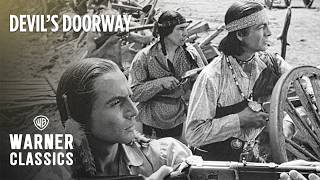
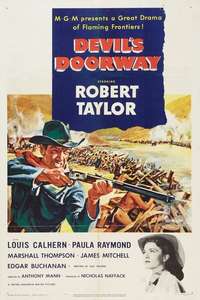
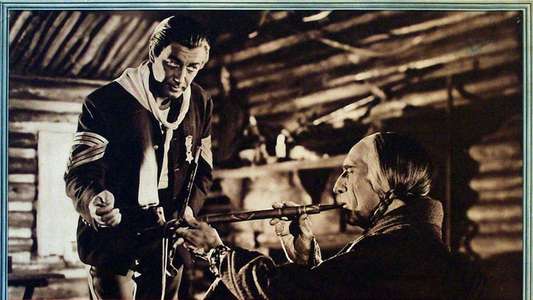
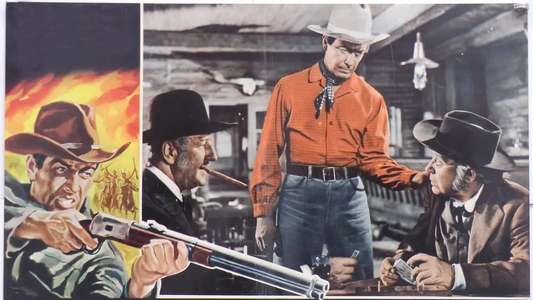
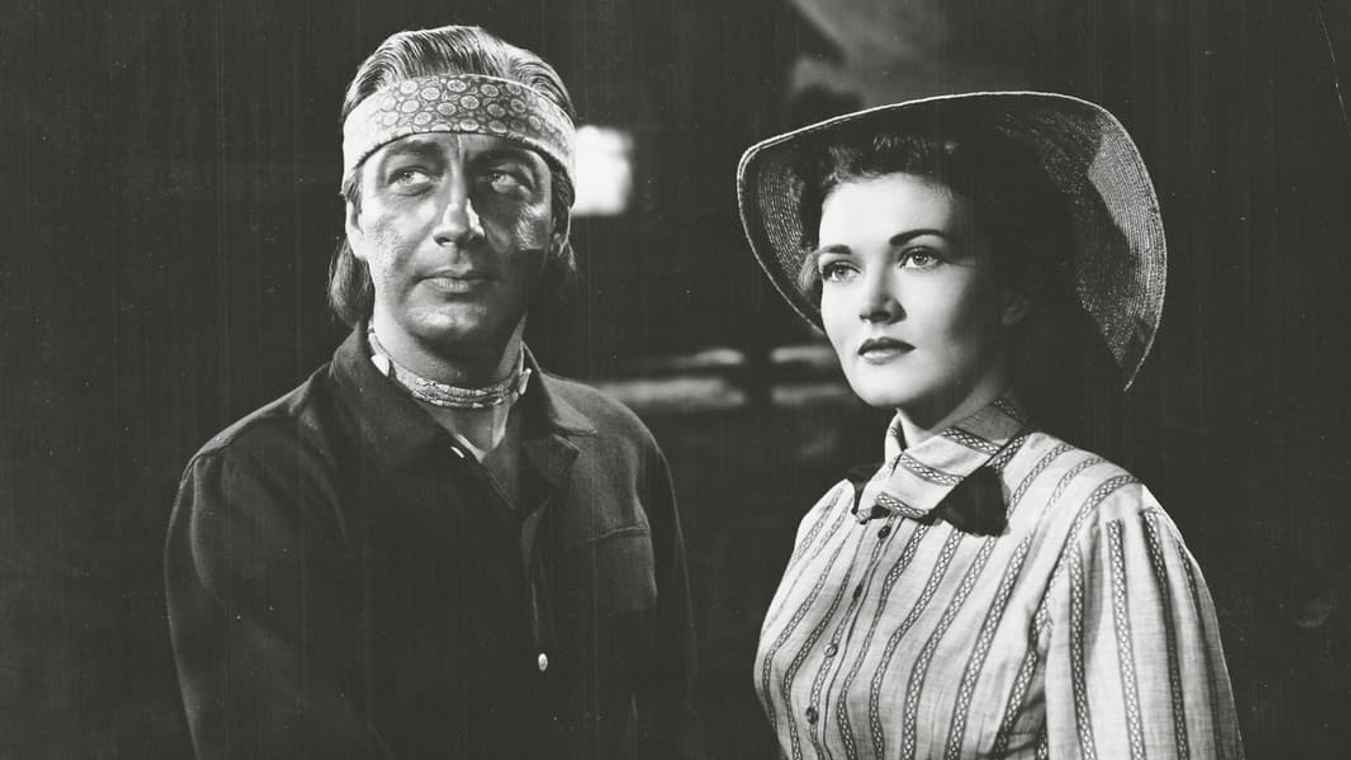
After an unsuccessful May 1950 press preview, MGM shelved the film. The grim movie was superbly made, but its uncompromising, downbeat story seemed to spell box-office disaster. After the release of the more mainstream Broken Arrow (1950) the following fall, it did get some bottom-of-the-bill bookings in neighborhood grindhouses but did little business and has remained little seen.
Actress Paula Raymond did not get along with Director Anthony Mann who allegedly tried to seduce her. However, the two must have resolved their differences as they worked with each other again a year later on The Tall Target (1951).
The Eddie Mannix Ledger shows the film earned $1,349,000 in the US and Canada and $747,000 overseas, resulting in a profit of $25,000.
The film has some basis in history. An 1851 treaty at Fort Laramie had set aside lands for the tribes. But as settlers encroached upon the lands, tensions increased. In 1864 settlers blazed the Bozeman Trail through tribal lands along the Powder River. Violence erupted in 1865, and in 1866 the first major encounter between the U.S. military and the tribes occurred in what is known as Red Cloud's War. A second treaty was reached at Fort Laramie in 1868 that closed the Powder River Country to whites. But soon miners in the Black Hills violated the treaty, which led to what came to be known as the Black Hills War in 1876. Fighting in Wyoming during the Black Hills War was mostly along the border with Montana.
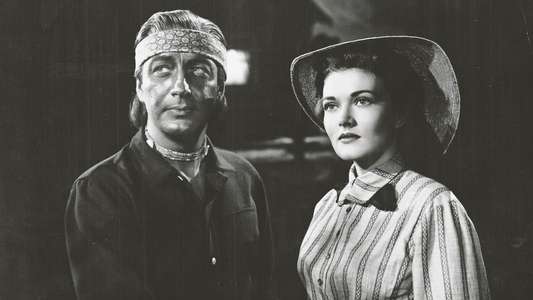
The character Orrie Masters is a lawyer and she says her father was a lawyer. In real life the actress playing this part, Paula Raymond, once studied law in San Francisco and her father was a distinguished attorney.
"Lance Poole: I envy you, ma'am., you being a lawyer. Orrie Masters: Well, I... Lance Poole: You got a faith, something to go by... like a religion. With you it's the law. Orrie Masters: My father wanted me to study law. It means a great deal to me. Lance Poole: Yes, it must. I've always wanted something like that. Something to tell me what's right or wrong. Orrie Masters: I'm glad you feel the way you do. Lance Poole: Because then you don't have to bother about your conscience. It's written out for you to follow... no matter what it does to people. It's the law. And changing the law is something you don't have to worry about."
"Zeke Carmody: I was always one of them fellas that wanted to die with my boots off, in bed, with people standing around crying over me."