
Movie |
Veterinarian | Forest
Disclaimer: All content and media belong to original content streaming platforms/owners like Netflix, Disney+ Hotstar, Amazon Prime Videos, JioCinema, SonyLIV etc. 91mobiles entertainment does not claim any rights to the content and only aggregate the content along with the service providers links.





2002 | David Newman
Favorite Male Movie Star | 2002 | Eddie Murphy
Favorite Female Movie Star | 2002 | Raven-Symoné
Outstanding Youth ActorActress | 2002 | Kyla Pratt
Budget 70,000,000 USD
Box Office Collection 176,100,000 USD
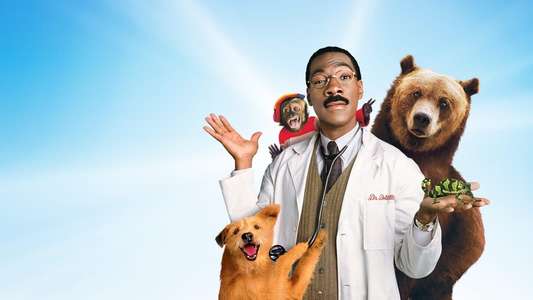
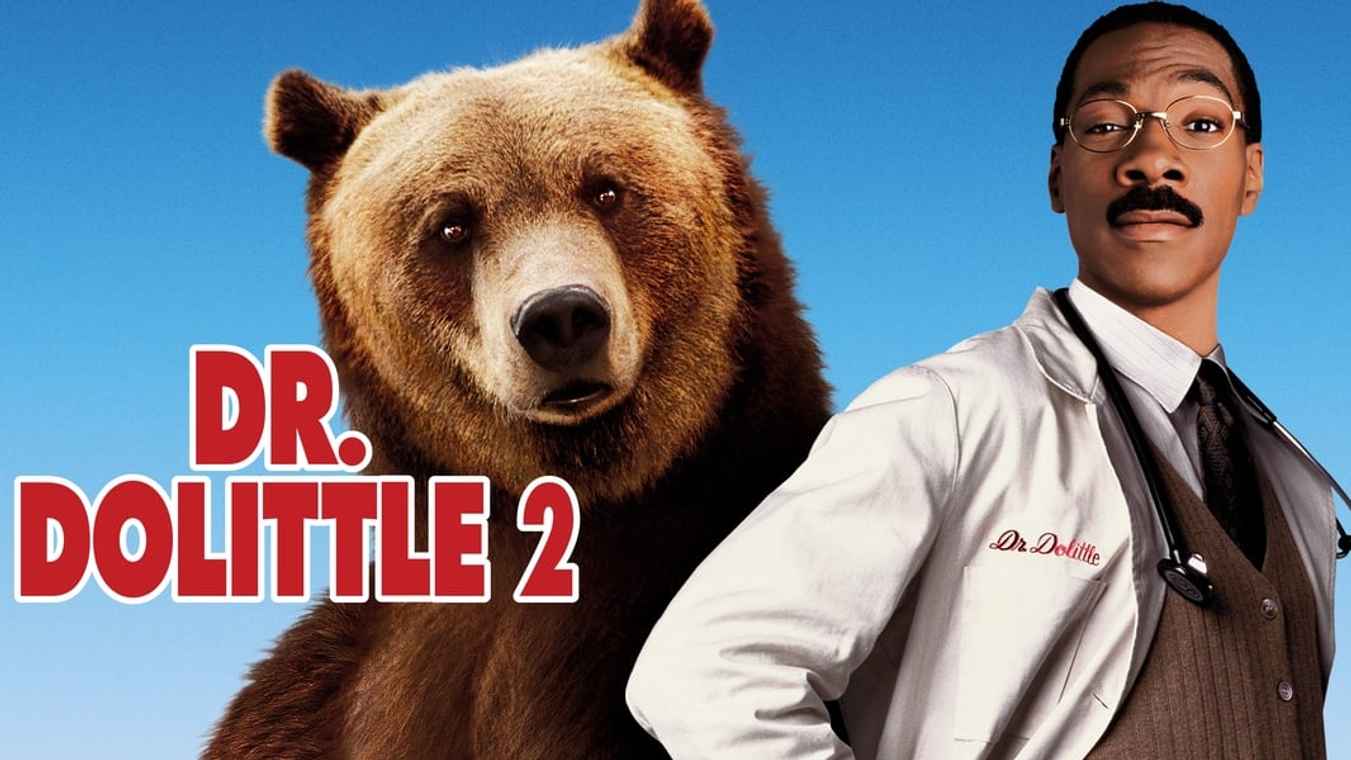
Steve Zahn is the voice of Archie the Bear. He later costarred with Eddie Murphy in "Daddy Day Care." He previously appeared on "Friends" as the gay ice dancer ex-husband of Phoebe (played by Lisa Kudrow). Lisa Kudrow plays the voice of Archie the Bear's love interest Ava the Bear.
Generally, when a large variety of animals appear in a scene together, like the animals rallying in the woods, the individual species were filmed separately using a technique called motion control. A camera was set up and ran continuously as animals of each species were brought into the scene and placed on their mark by a trainer, then removed so that the next species could be set into position. When editing was complete the scene appears as if the camera was merely panning a single area filled with all manner of wildlife, standing in harmony at their union meeting.
45 animal trainers were present for a single scene to provide adequate care and focus for the animals. Awareness of natural predator/prey situations was always given special attention. Along with the live animal actors, the movie utilizes movie magic techniques including animatronics, puppets, blue screen, split screen and computerized digital effects.
Along with this technical facility, the large variety of animals required months of pre-production planning and patient training to achieve the carefully conditioned compatibility necessary for the story to unfold. Trainers used natural training methods that involved studying the behavioral characteristics of each species and the unique traits and temperament of each individual animal. The animals learned to respond to voice, sound and hand commands and were rewarded with their favorite foods. Lots of rehearsal time was spent to get the animals accustomed to working together.
For a variety of reasons, such as predator/prey situations or for scenes where the animal appears to be in a dangerous place, like a bear on a precarious log, the blue screen or split screen techniques are used. With the blue screen technique, animals are individually filmed against a blue background on a sound stage that may include a major prop element. During editing, this image is superimposed into the desired setting. Similarly, the animals, or animal and the animatronic double, or the animal and the human actor can be separately filmed in the same environment. During post-production, the two halves are seamlessly edited together to make it appear as if everyone was filmed together at the same time. This technique is called split screen.
"Charisse: What am I supposed to do without my cell phone? Dr. Dolittle: Here's some stamps. Learn how to write a letter or something."
"Dr. Dolittle: You'll be the most famous bear in the world! Archie: Bigger than Pooh? Dr. Dolittle: If you get this right, everybody will be saying Winnie the Who!"



![Dr. Dolittle 2 Trailer [HD]](https://img.youtube.com/vi/EXpnizX4kMA/mqdefault.jpg)