
Movie |
Prince | Uncle
Disclaimer: All content and media belong to original content streaming platforms/owners like Netflix, Disney+ Hotstar, Amazon Prime Videos, JioCinema, SonyLIV etc. 91mobiles entertainment does not claim any rights to the content and only aggregate the content along with the service providers links.




Best Production Design Migliore Scenografia | 1991 | Dante
Best Production Design (Migliore Scenografia) | 1991 | Francesca Lo
Top Ten Films | 1990
Best Foreign Film Miglior Film Straniero | 1991 | Franco
Best Art DirectionSet Decoration | 1991 | Francesca Lo
Best Costume Design | 1991 | Maurizio
Best Actor in a Supporting Role | 1992 | Alan
Best Production Design (Migliore Scenografia) | 1992 | Francesca Lo
Best Production Design Migliore Scenografia | 1992 | Dante
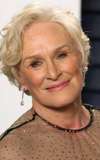
Best Foreign Actress Migliore Attrice Straniera | 1991 | Glenn
Best Costume Design Migliori Costumi | 1991 | Maurizio
Best Score (Migliore Colonna Sonora) | 1991 | Ennio
Budget 13,500,000 USD
Box Office Collection 20,700,000 USD
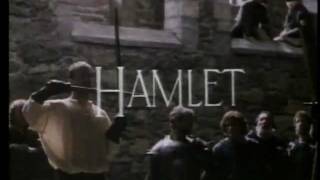
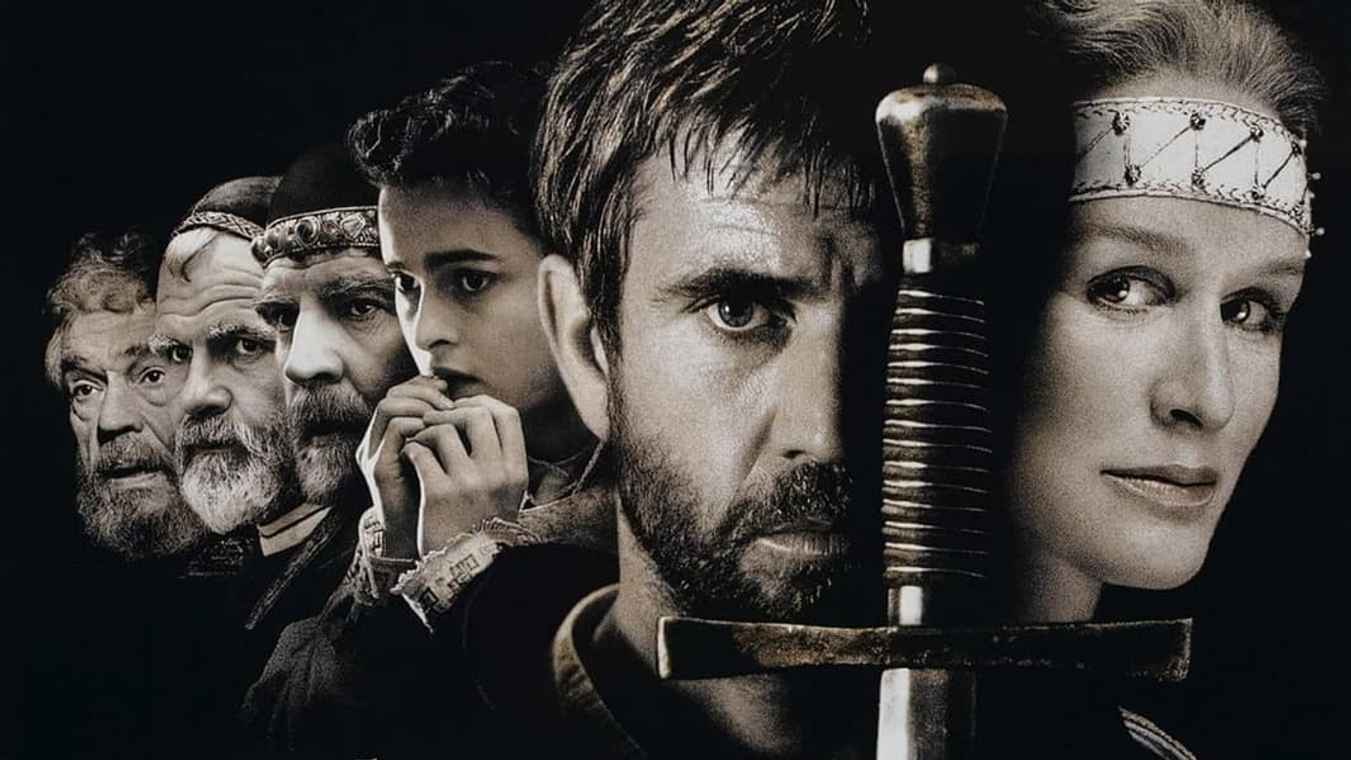
Director Franco Zeffirelli reportedly wanted Mel Gibson for the title role after seeing his near-suicide scene in Lethal Weapon (1987).
Mel Gibson founded his production company "Icon Productions" to raise the financing for this movie, as no major studio wanted to back a Shakespearean movie.
Glenn Close, who plays Gertrude, Hamlet's mother, is only nine years older than Mel Gibson, who plays her on-screen son. This actually represents an improvement over the age difference between the actor and actress playing Hamlet and Gertrude in Hamlet (1948), in which Sir Laurence Olivier (Hamlet) was almost eleven years older than Eileen Herlie, who played Gertrude.
This was the first Shakespearean role that Glenn Close had ever attempted on either stage or screen.
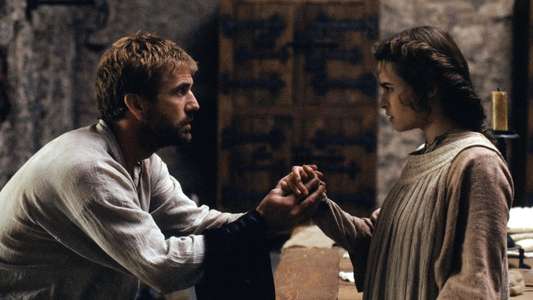
In this version, Hamlet's (Mel Gibson's) "To be or not to be" speech comes after his meeting with Ophelia (Helena Bonham Carter) (the "get thee to a nunnery" speech). Shakespeare has the monologue directly before their meeting.
"[last lines] Hamlet: The rest is silence. Horatio: Good night, sweet prince. And flights of angels sing thee to thy rest."
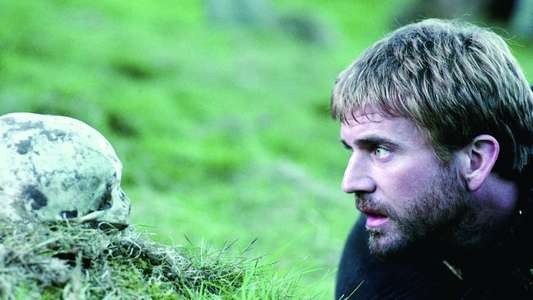
"[Hamlet descends the stairs to the sepulcher, to visit his father's tomb. His eyes are red with grief. He looks around warily, as though wondering if the Ghost might appear. He's depressed on many accounts: he's just frightened Ophelia, whom he loves; he himself is frightened by the Ghost's command to kill his uncle; he's been playing a madman all this time in order to kill his uncle, and he is afraid to continue to do any of these things] Hamlet: To be, or not to be, that is the question. Whether 'tis nobler in the mind to suffer the slings and arrows of outrageous fortune, or to take arms against a sea of troubles and by opposing, end them. To die, to sleep no more... [He gazes at the skeletons residing in niches of the sepulcher] Hamlet: ...and by a sleep to say... [He finally comes to his father's tomb] Hamlet: ...we end the heartache and the thousand natural shocks that flesh is heir to! [Hamlet rests his fists upon his father's tomb, closes his eyes, and shapes his hands into prayer position] Hamlet: 'Tis a consummation devoutly to be wished! To die, to sleep. To sleep - [in alarm at the idea, he stands and paces] Hamlet: - perchance to dream! Aye, there's the rub, for in that sleep of death what dreams may come, when we have shuffled off this mortal coil, must give us pause. There's the respect that makes calamity of so long life. [He lays his head upon his father's tomb] Hamlet: [viciously] For who would bear the whips and scorns of time, the oppressor's wrong, the proud man's contumely, the pangs of despised love, the law's delay, the insolence of office, and the spurns that patient merit of the unworthy takes, when he himself might his quietus make with a bare bodkin? [He stares at the ground, near to weeping] Hamlet: Who would fardels bear, to grunt and sweat under a weary life, but that the dread of something after death, the undiscovered country from whose bourn no traveler returns, puzzles the will, and makes us rather bear those ills we have than fly to others that we know not of? [He looks at the ceiling, or to Heaven] Hamlet: Thus conscience does make cowards of us all..."