
Movie |
Rwandan Genocide | Rwanda
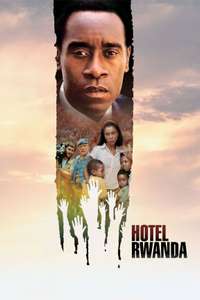
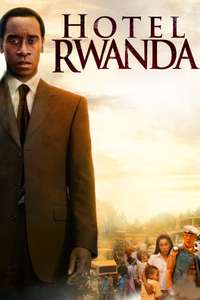
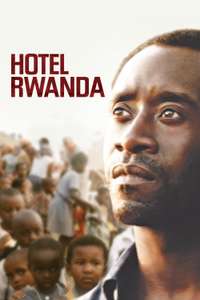
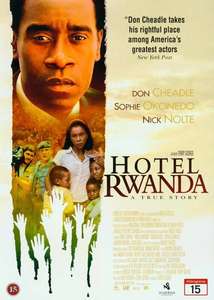
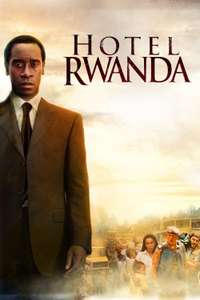
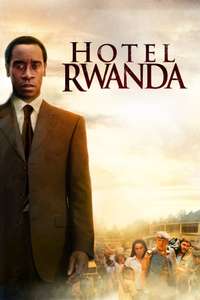
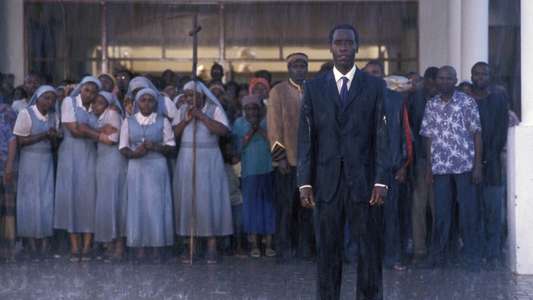
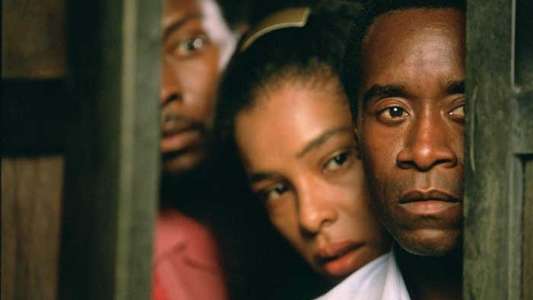
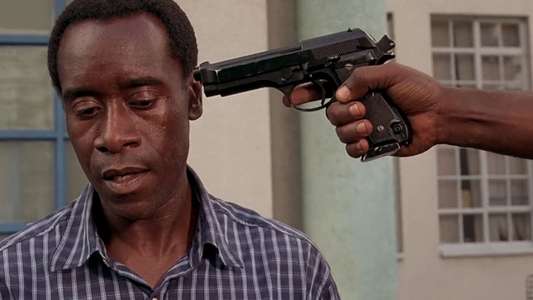
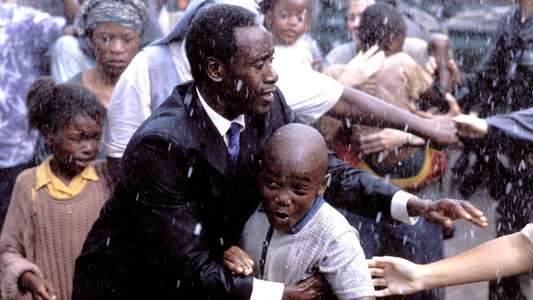
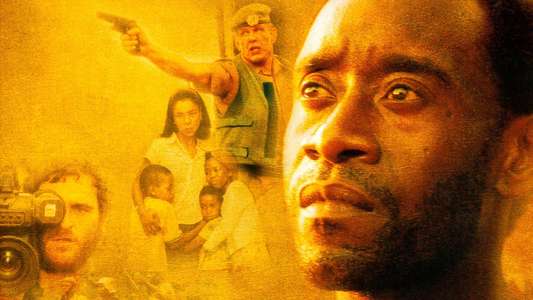
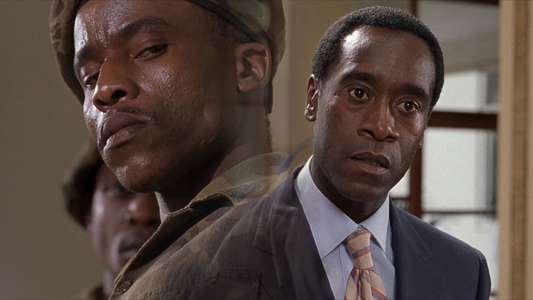
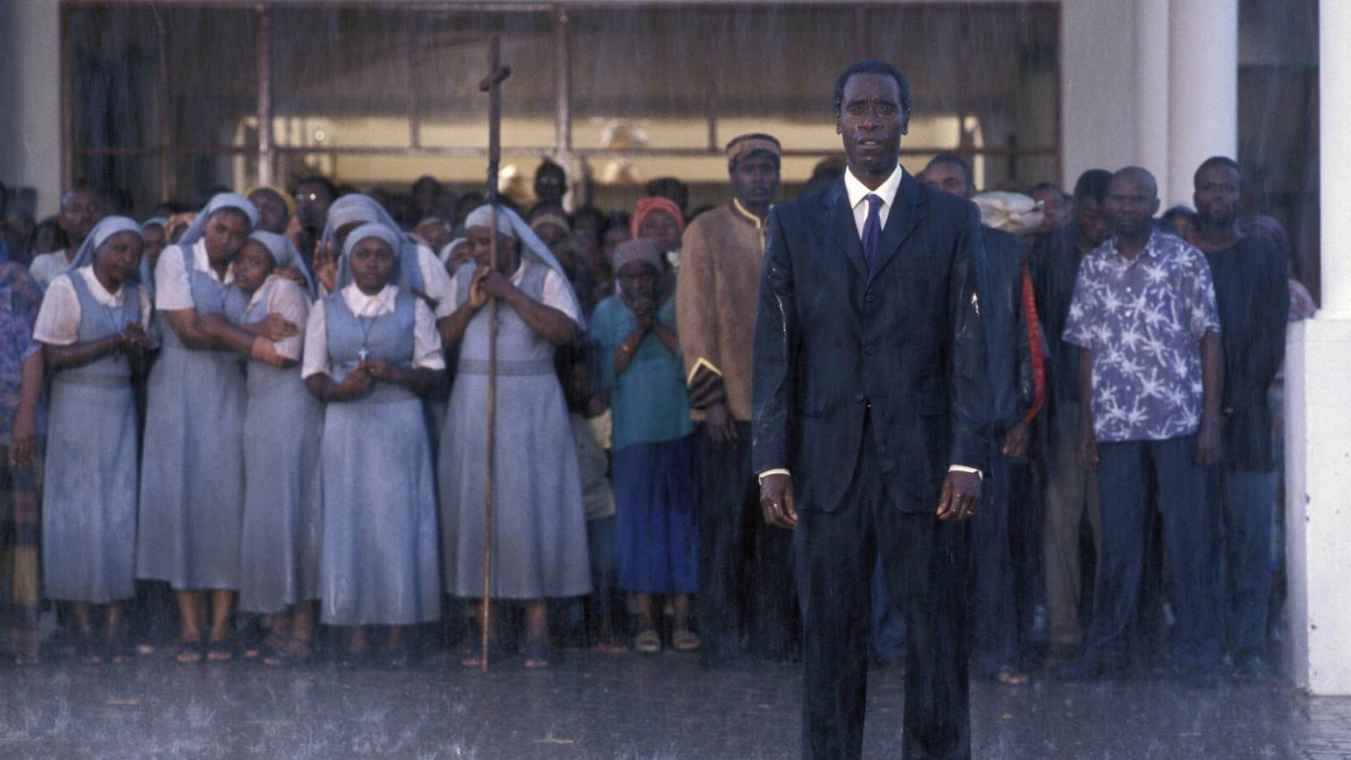
Inspired by true events, this film takes place in Rwanda in the 1990s when more than a million Tutsis were killed in a genocide that went mostly unnoticed by the rest of the world. Hotel owner Paul Rusesabagina houses over a thousand refuges in his hotel in attempt to save their lives.
Disclaimer: All content and media belong to original content streaming platforms/owners like Netflix, Disney+ Hotstar, Amazon Prime Videos, JioCinema, SonyLIV etc. 91mobiles entertainment does not claim any rights to the content and only aggregate the content along with the service providers links.

Inspired by true events, this film takes place in Rwanda in the 1990s when more than a million Tutsis were killed in a genocide that went mostly unnoticed by the rest of the world. Hotel owner Paul Rusesabagina houses over a thousand refuges in his hotel in attempt to save their lives.
European Composer | 2005 | Rupert
Best Feature Film | 2004 | Terry
For and | 2004 | Don
2004 | Terry
Best Director | 2005 | Terry
Best Actress Drama | 2005 | Sophie
Feature Film Category | 2005 | Keir
Best Actor in a Motion Picture Drama | 2005 | Don
Cinema for Peace Award for The Most Valuable Film of the Year | 2005
Best Writing Original Screenplay | 2005
Best Performance by an Actress in a Supporting Role | 2005
Best Performance by an Actor in a Leading Role | 2005 | Don
Best Original Song Motion Picture | 2005
Best Performance by an Actor in a Motion Picture Drama | 2005 | Don
Best Motion Picture Drama | 2005
Best Screenplay Original | 2006 | Keir
Best Song Written for Motion Picture Television or Other Visual Media | 2006
Actor of the Year For | 2006 | Don
British Supporting Actress of the Year | 2006
British Director of the Year | 2006
Actor of the Year | 2006 | Don
Best Score Migliore Musica | 2006 | Andrea
Best NonAmerican Film rets ikkeamerikanske film | 2006 | Terry
Best Writing Screenplay Written Directly for the Screen | 2005
Best Music Original Song | 2005
Best Supporting Actress | 2005 | Sophie
Best Actor Drama | 2005 | Don
Outstanding Supporting Actress in a Motion Picture | 2005
Outstanding Actor in a Motion Picture | 2005
Outstanding Motion Picture | 2005
Best Foreign Language Film | 2007
Best Screenplay Original | 2005 | Keir
Best Original Song Written for Film | 2005 | Wyclef
Best Original Screenplay | 2005 | Keir
Outstanding Performance by a Male Actor in a Leading Role | 2005 | Don
Outstanding Performance by a Female Actor in a Supporting Role | 2005
Outstanding Performance by a Cast in a Motion Picture | 2005
Most Inspiring Movie Acting | 2005 | Don
Best Actor | 2005 | Don
Best Foreign Film Miglior Film Straniero | 2005 | Terry
Best Picture | 2004
Best Actor | 2004 | Don
Best Picture | 2004
Best Actor | 2004 | Don
Best Actor in a Leading Role | 2004 | Don
Budget 17,500,000 USD
Box Office Collection 38,000,000 USD
The screenwriter spent one year writing the first draft of the script. During the process, he called the Rwandan embassy in DC. The woman who picked up the phone was a survivor who stayed at the Milles Collines Hotel.
Paul Rusesabagina and Tatiana Rusesabagina returned to Rwanda with director Terry George for research. Many people came to welcome them at the airport.
It was later revealed by one of the survivors of the hotel, Pasa Mwenenganucye, that Paul Rusesabagina was not as heroic as he was depicted to be. The people who sought shelter at his hotel were made to pay for their stay, with priorities given to the wealthier people. The backlash was so bad that Rusesabagina was pressured into canceling an appearance at a Canadian festival by members of Toronto's Rwandan community, who accused him of being "genocide revisionist and denier". The head of the UN's peacekeeping force in Rwanda at the time, Canadian Roméo Dallaire addressed the controversy by simply calling the movie "okay". Despite all the allegations, Rusesabagina has stood by the movie and denied all claims of any wrongdoing on his part.
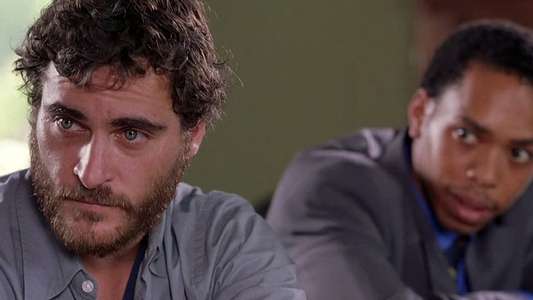
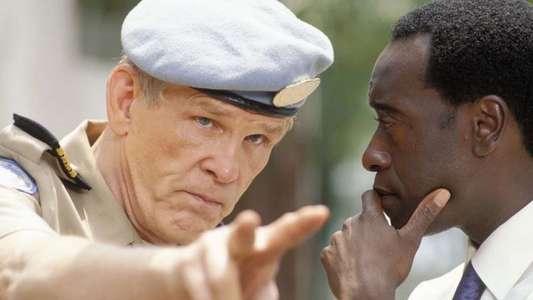
Nick Nolte's character (Col. Oliver) is modeled in part on Lt. Gen. Roméo Dallaire, the Canadian commanding officer of the UN Peacekeeping mission in that country who attempted to interfere with the Rwandan Genocide despite his superiors' indifference to the atrocity. Dallaire was also the subject of Sundance audience award documentary Shake Hands with the Devil: The Journey of Roméo Dallaire (2004), and witnessed such horrible acts in Rwanda that he later suffered severe post-traumatic stress disorder. Other than Oliver, there was another fictionalized character: Jack Daglish, who is based off of the Polish photojournalist Stefan Stec, who recorded the Gikondo massacre.
This film was originally given an R rating (Restricted: no one under 17 without a parent or guardian) by the MPAA. Upon appeal by the producers, the film was rerated PG-13 - one of very few films that has ever been rerated without additional editing.
"Paul Rusesabagina: I am glad that you have shot this footage and that the world will see it. It is the only way we have a chance that people might intervene. Jack: Yeah and if no one intervenes, is it still a good thing to show? Paul Rusesabagina: How can they not intervene when they witness such atrocities? Jack: I think if people see this footage they'll say, "oh my God that's horrible," and then go on eating their dinners. [pause] Jack: What the hell do I know?"
"[last lines] Pat Archer: [walking with family towards bus] They said that there wasn't any room. Paul Rusesabagina: There's always room."