
Movie |
Experiment | Tent
Disclaimer: All content and media belong to original content streaming platforms/owners like Netflix, Disney+ Hotstar, Amazon Prime Videos, JioCinema, SonyLIV etc. 91mobiles entertainment does not claim any rights to the content and only aggregate the content along with the service providers links.



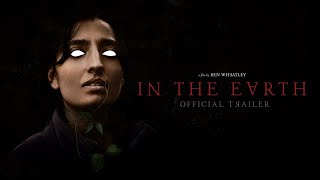
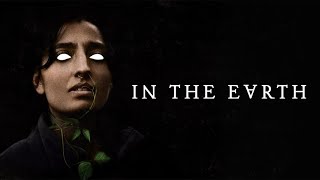
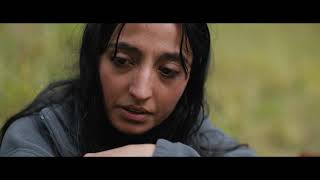
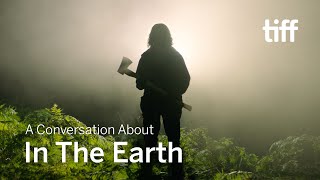
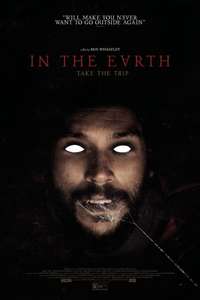
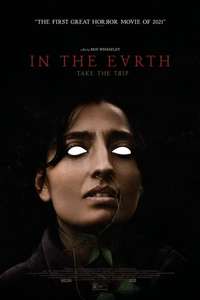
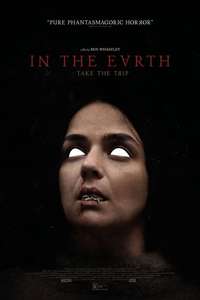
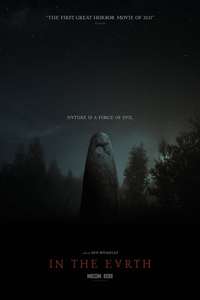
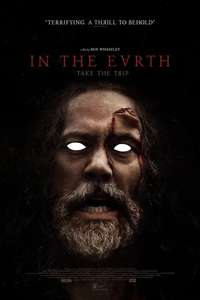
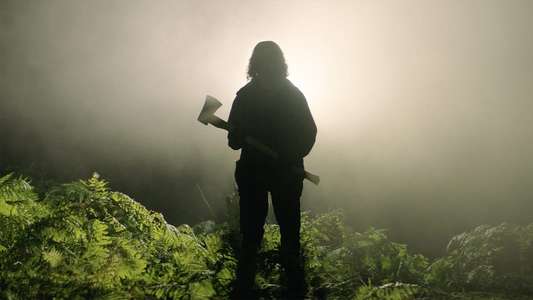
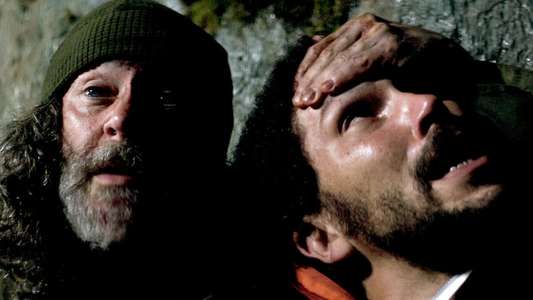
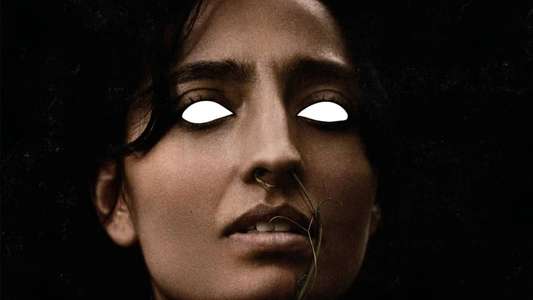
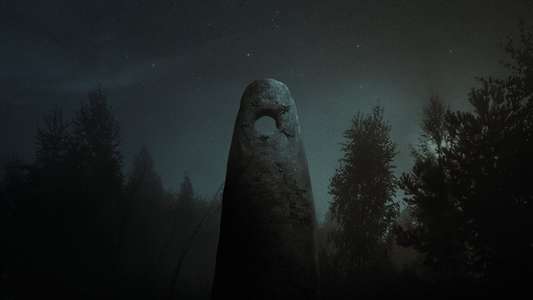
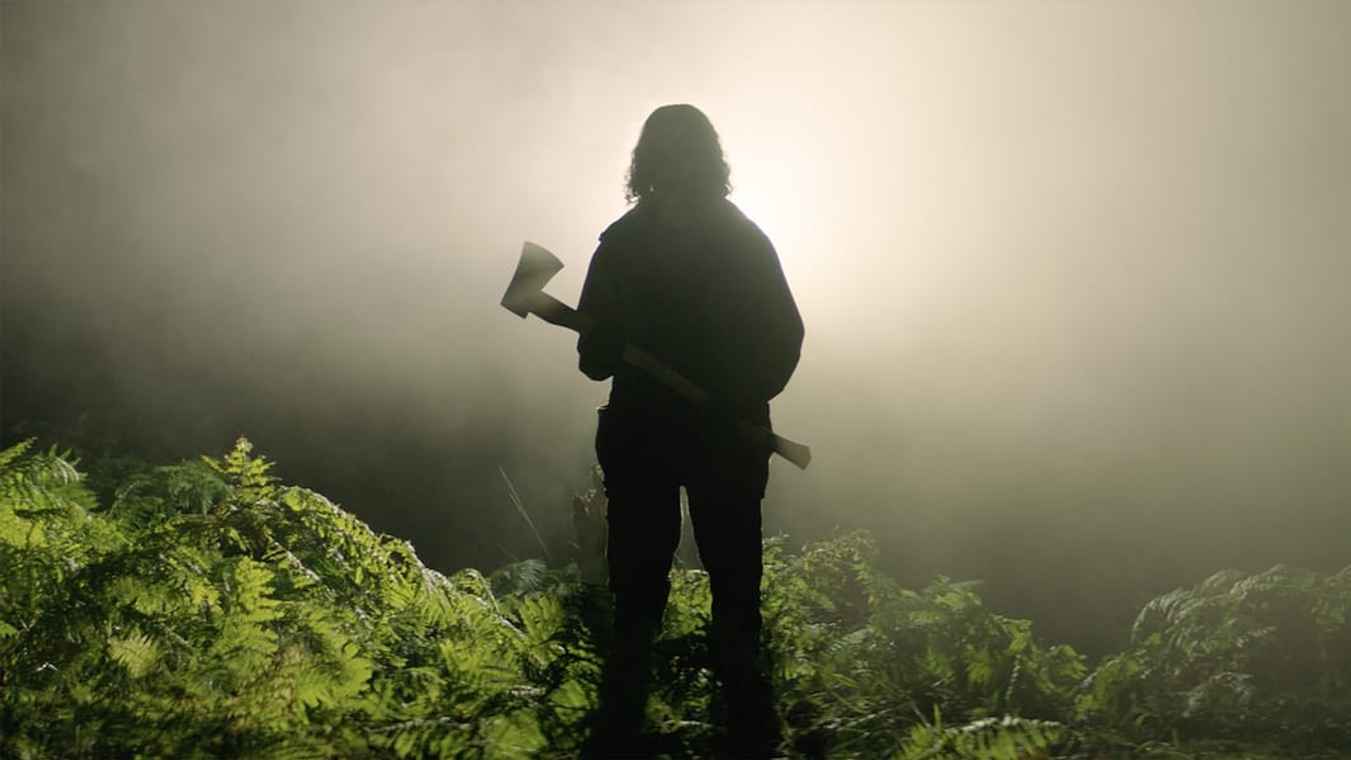
In the Earth is a powerful, psychedelic folk horror film created after the COVID-19 epidemic that represents the world's leftover concerns and impact. I felt the film was fantastic. The atmosphere, music, images, and acting were all excellent, making it one of the most intense and visceral film experiences I've ever had. It develops slowly and efficiently, with a nicely timed delivery that had me feeling uneasy and anxious throughout. The combination of music and editing contributed to a distinct sense of dread, with the viewer awaiting something that might or might not happen. The video follows a scientist and a park warden as they venture into a big and dense forest outside of Bristol in search of a missing researcher who went into the woods to study plant life in order to increase crop growth efficiency. Things swiftly turn nasty when they stumble upon an abandoned camp and a grizzled woodsman survivalist with a peculiar connection to the environment. Ben Wheatley's films have a love-hate connection with me. I adored the beautifully visceral and horrifying Kill List, but I didn't care for High Rise and couldn't get into A Field in England. However, whether favourable or negative, all of his films have had an impression on me in some way.
Best Film | 2021
Best Motion Picture | 2021 | Ben
Best Feature Film | 2021 | Ben
Best Original Score Horror Film | 2021 | Clint
Best Editing | 2021 | Ben
Breakthrough Performance | 2021
Best Music | 2021
Best Sound | 2021
Conceived, written, and produced in quarantine during the COVID-19 pandemic.
Director Ben Wheatley said the soundtrack was partially created using plants.
The film characters mention the word 'mycorrhiza'. The term, of Greek origin, defines the symbiosis between a fungus (myco-) and the roots (rhiza) of a plant. As in many symbiotic relationships, both partners reap benefits.
The research station is called ATU327A. This is derived from the Aarne-Thompson-Uther Index (ATU index), a catalogue of folktale types used in folklore. Index # ATU 327a is called "the children and the witch", which the story of Hansel and Gretel is classified as. The ATU listing reads: "The parents abandon their children in the wood. The gingerbread house. The boy fattened; the witch thrown into the oven. The children acquire her treasure."
The Malleus Maleficarum (The Hammer of Wtches) is a real book, published in Germany in 1486. It was written by Heinrich Kramer (and possibly Jacob Sprenger, though this is doubted by historians). It calls for witches to be burned at the stake in the same manner as heretics, and endorses torture as the only sure method of obtaining reliable testimony. It remained influential until the latter 17th century. The passage quoted in this film, however, is fictional.