
Movie |
Tragedy | Bollywood
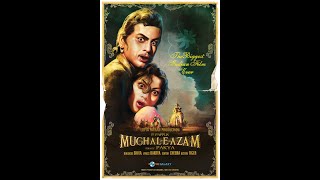
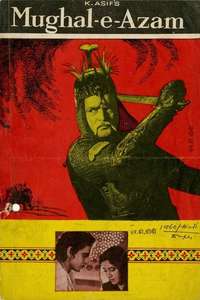
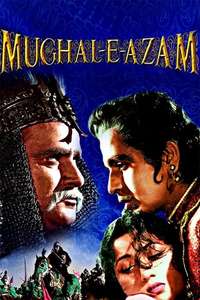
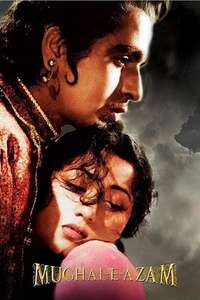
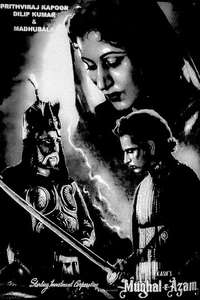
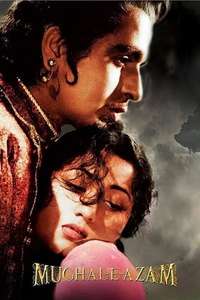
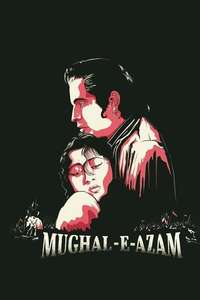
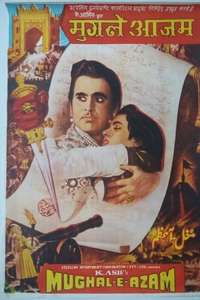
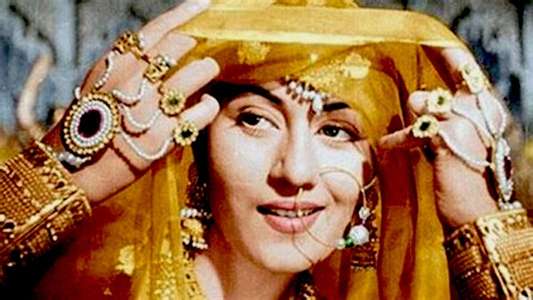
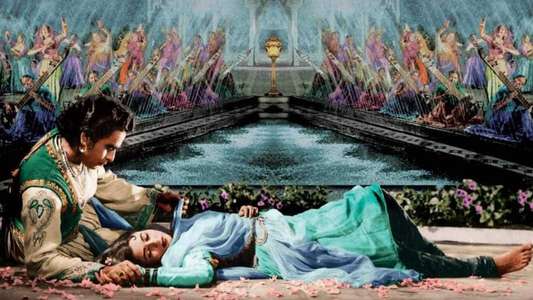
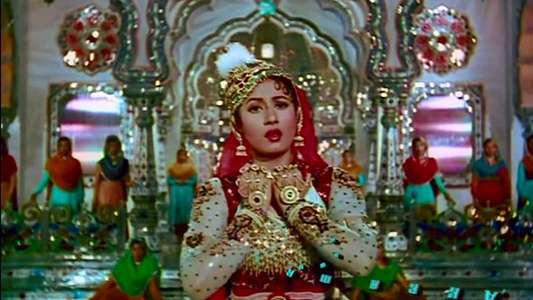
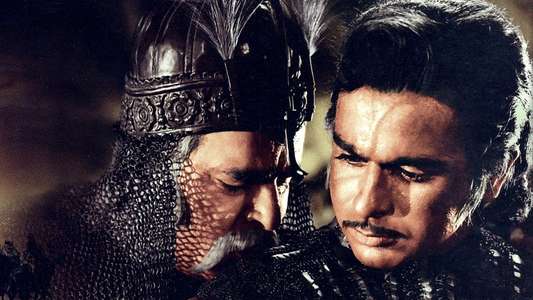
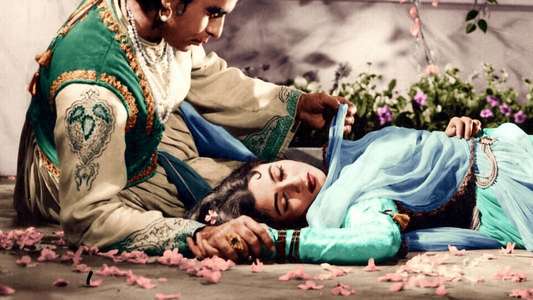
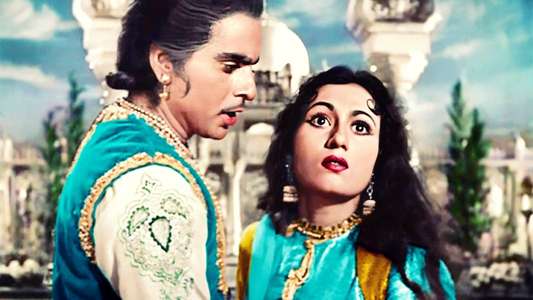
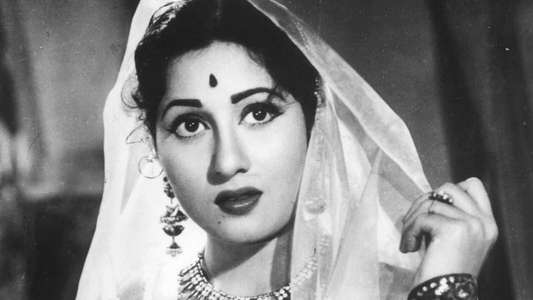
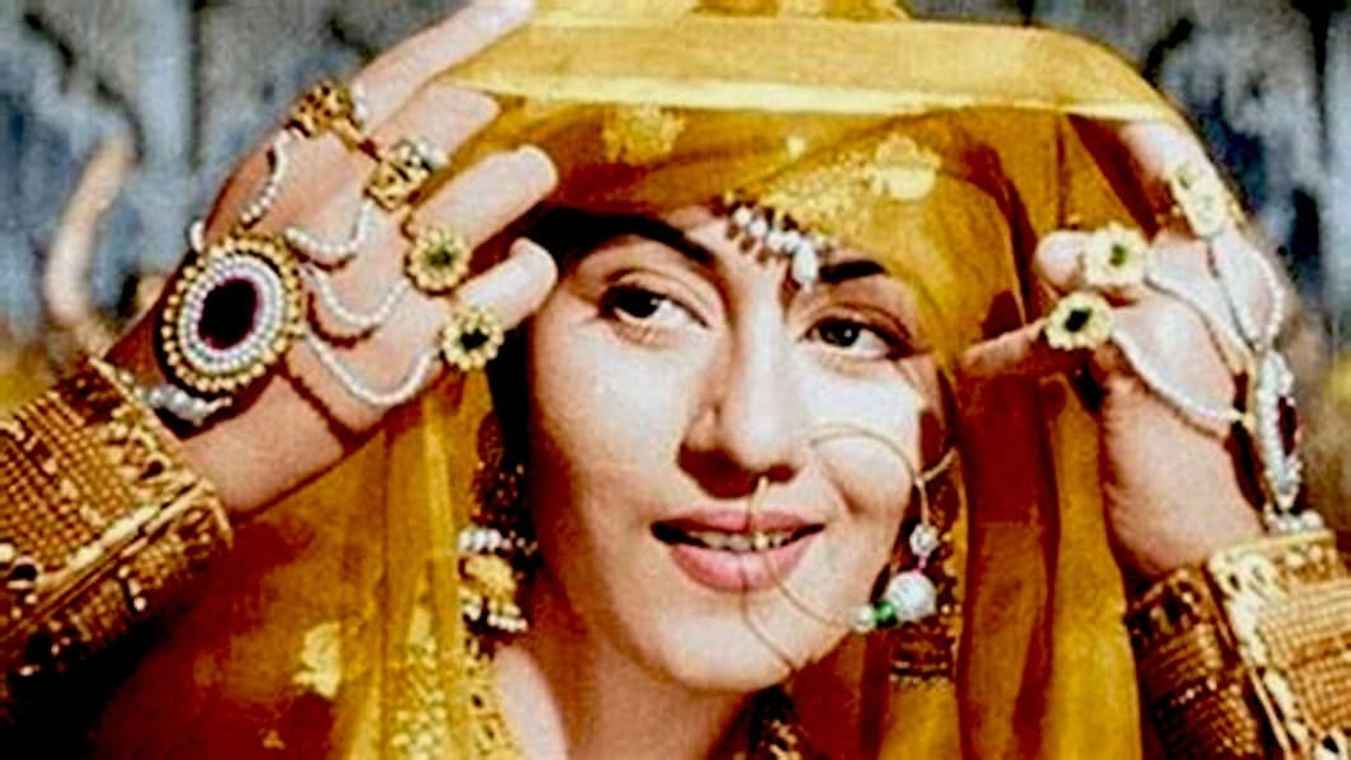
Salim, an emperor's son, falls in love with a beautiful courtesan. Even though he is determined to be with her, his father decides to break them apart.
Disclaimer: All content and media belong to original content streaming platforms/owners like Netflix, Disney+ Hotstar, Amazon Prime Videos, JioCinema, SonyLIV etc. 91mobiles entertainment does not claim any rights to the content and only aggregate the content along with the service providers links.
Salim, an emperor's son, falls in love with a beautiful courtesan. Even though he is determined to be with her, his father decides to break them apart.
Best Film | 1961
Golden Era Album | 2021 | Naushad
Best Feature Film in Hindi | 1961
Budget 181,239 USD
Box Office Collection 1,329,088 USD
The song "Pyar Kiya To Darna Kiya" has an unusual history to it: it cost Rs. 10 million at a time when a film would be made for less than a million; it was written and re-written 105 times by the lyricist, Shakeel Badayuni, before the music director, Naushad, could approve of it; it was shot in the renowned Sheesh Mahal (Palace of Mirrors); and in those days of sound recording, editing and mixing, as there was no way to provide the reverberation of sound, Naushad had playback singer Lata Mangeshkar sing the song in a studio bathroom.
It took 16 years for the movie to be complete.
The first full feature-length movie to be revived/colorized for a theatrical re-release in the history of world cinema. It has been done for some Hollywood movies but only for re-release on home video.
The heavy chains Madhubala wore in the film were authentic, not the lightweight models worn in those days. It was her greatest ordeal in the film and she was bedridden for days, nursing the bruises caused by wearing those chains.
This was (counting Sanjay Leela Bhansali's Devdas) the most expensive film ever made in Indian history. Tailors were brought from Delhi to stitch the costumes, specialists from Surat-Khambayat were employed for the embroidery, Hyderabad goldsmiths made the jewellery, Kohalpur craftsmen designed the crowns, Rajasthan ironsmiths crafted the weapons, and the elaborate footwear was ordered from Agra. For the battle sequence, 2000 camels, 4000 horses and 8000 troops were used, many of them soldiers on loan from the Indian Army. Altogether the film cost Rs. 1.5 crores (38.29 crores in present terms).
"Servant: [as she sees a crown over Bahar's head] Oh! my queen don't you fear that someone would see you in this crown, and that would cause trouble as many girls would die for this. Bahar: Those who wear crowns do not fear. If they do, the crown won't last long on their head."
"Raja Maansingh: the surgeon is waiting for permission - Prince! Won't your wounds be washed? Prince Saleem: [flourishing his sword] They are not wounds, they are flowers, and the withering of flowers is shameful for spring. Look at my sword - it's not only a killer, it is a sweetheart; as well as a sword it is the branch of a flower. Raja Maansingh: The humour that has bathed in blood for 14 years is filled with poetry - how strange! Prince Saleem: Nothing strange about it - if the poetry of Khayyam is written on stone, will it change its meaning?"