
Movie |
Ocean Liner | 1930s
Disclaimer: All content and media belong to original content streaming platforms/owners like Netflix, Disney+ Hotstar, Amazon Prime Videos, JioCinema, SonyLIV etc. 91mobiles entertainment does not claim any rights to the content and only aggregate the content along with the service providers links.


Best Art DirectionSet Decoration BlackandWhite | 1966
Best Cinematography BlackandWhite | 1966
Best Actor | 1965
Best Costume Design BlackandWhite | 1966
Best Picture | 1966 | Stanley
Best Actor in a Leading Role | 1966
Best Actress in a Leading Role | 1966 | Simone
Best Writing Screenplay Based on Material from Another Medium | 1966 | Abby
Best Actor in a Supporting Role | 1966
Best Motion Picture Drama | 1966
Best Actress Drama | 1966 | Simone
Best Actor Drama | 1966
Supporting Performance Male | 1966
Best Written American Drama | 1966 | Abby
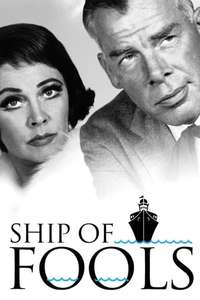
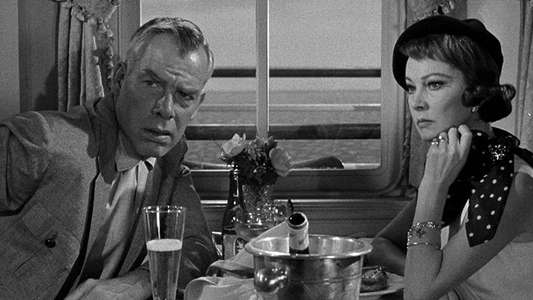
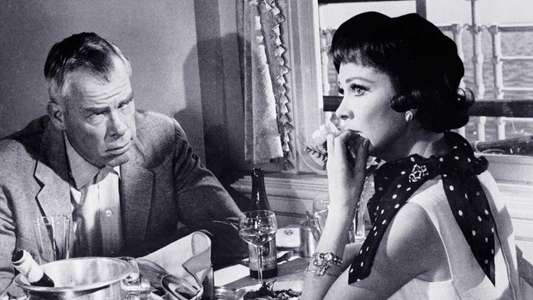
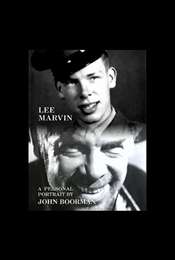
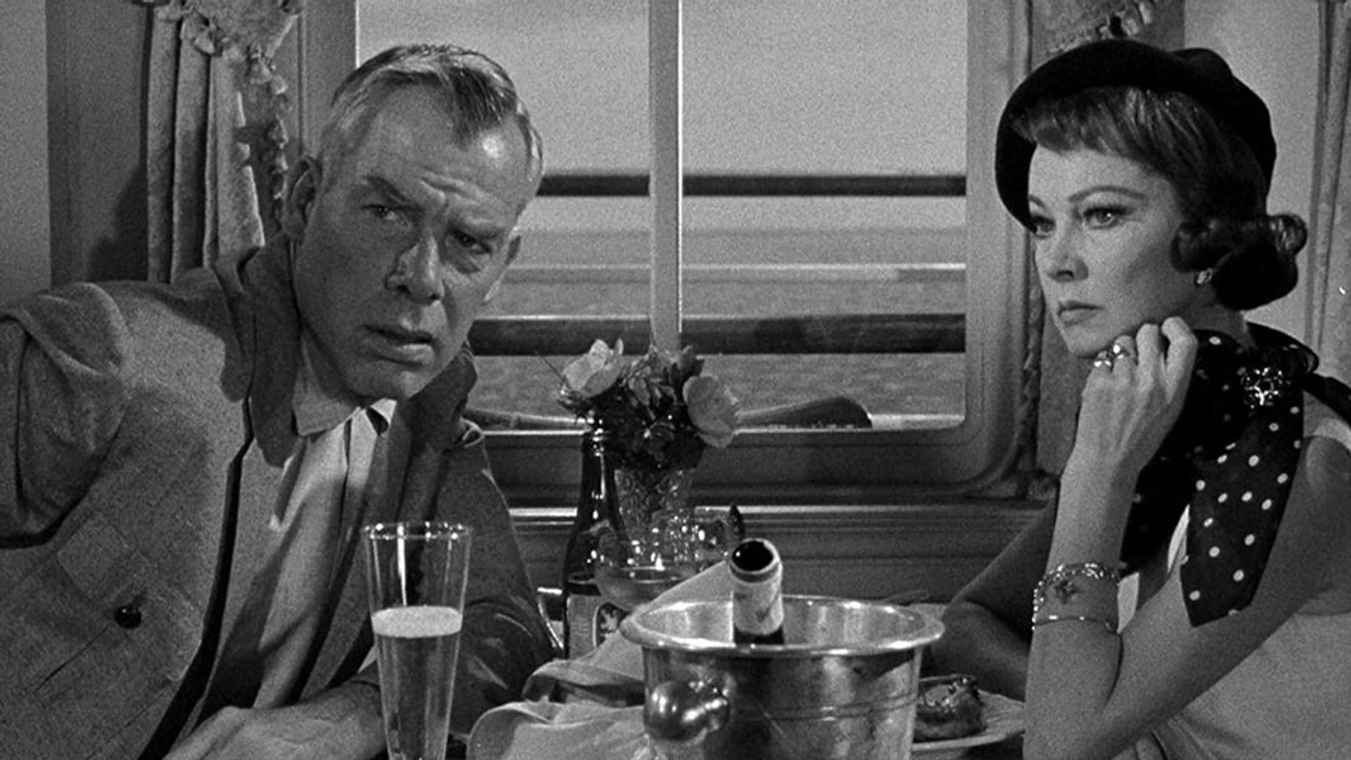
Vivien Leigh was subject to bouts of depression and alcoholism and was abrasive to fellow actors. There was a rocky start to her relationship with Lee Marvin, complaining about his stale alcohol breath. Eventually, the two became highly unlikely good friends.
This was Vivien Leigh's final film before her death on July 8, 1967 at the age of 53.
Oskar Werner received an Oscar nomination for Best Actor in a Leading Role despite being fifth billed in the movie.
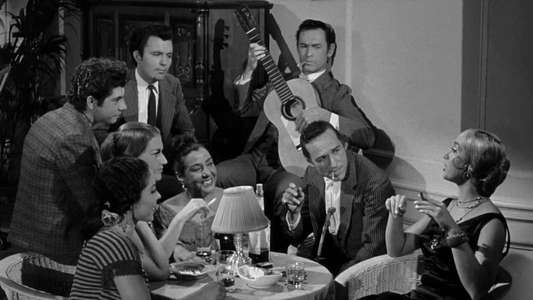
Initially, director Stanley Kramer considered filming aboard an actual ship, but that was determined to be too difficult. A ship set was built at Columbia studios, and a second unit filmed backgrounds at sea. The ship set extended over four sound stages and had four levels. Special effects were done at Paramount studios, so the whole set was broken down into 44 sections, each measuring 16 x 12 feet, and trucked to Paramount according to an article in the 2 August 1964 edition of the Los Angeles Times.
Director Stanley Kramer carefully photographed Vivien Leigh in a gentle soft focus throughout the film, leading up to her climactic Charleston sequence, which he then shot in a cold, unforgiving sharp focus.
"Rieber: Lowenthal, you know it is a historical fact that the Jews are the basis of our misfortunes. Lowenthal: Of course. Rieber: You agree? Lowenthal: Of course. The Jews and the bicycle riders. Rieber: The bicycle riders? Why the bicycle riders? Lowenthal: Why the Jews?"
"Mary Treadwell: If you can't get what you want, you damn well better settle for what you can get."