
Movie |
Tennis Court | San Francisco, California
Disclaimer: All content and media belong to original content streaming platforms/owners like Netflix, Disney+ Hotstar, Amazon Prime Videos, JioCinema, SonyLIV etc. 91mobiles entertainment does not claim any rights to the content and only aggregate the content along with the service providers links.


Best Actor in a Motion Picture Drama | 1983 | Albert
Best Actress in a Motion Picture Drama | 1983 | Diane
Best Actor | 1983 | Albert
Best Drama Written Directly for the Screen | 1983 | Bo
Best Actress | 1983 | Diane
Best Actress | 1982 | Diane
Box Office Collection 8,100,000 USD
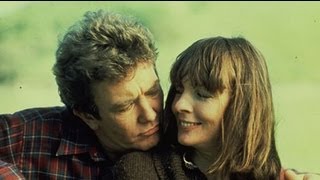
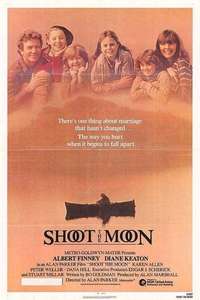
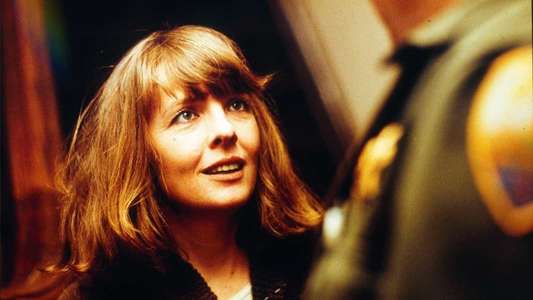
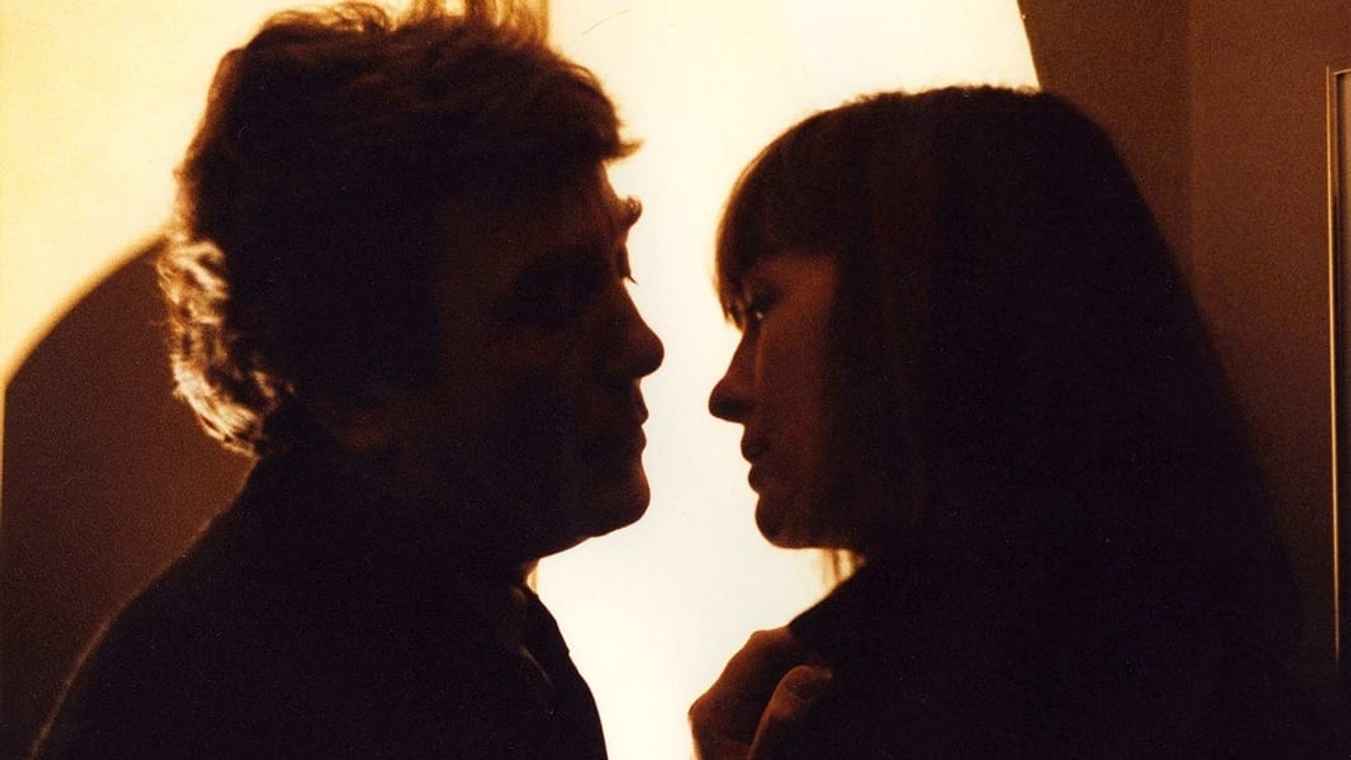
Diane Keaton had just broken up with Warren Beatty, her co-star in Reds (1981). As such, she was able to draw on that experience for this role, and even gave notes to writer Bo Goldman and director Alan Parker. They weren't initially thrilled by this, but later conceded that the character was enriched by Keaton's participation in ways that they had never thought of.
This film was one of a number of movies in a 1980s Hollywood cycle of pictures about divorce. Iniated by the Best Picture Oscar winning film Kramer vs. Kramer (1979), the cycle included that movie as well as Shoot the Moon (1982), The Champ (1979),Table for Five (1983), Heartburn (1986), Irreconcilable Differences (1984), Enemies, A Love Story (1989), The Good Mother (1988), The War of the Roses (1989), and The Last Married Couple in America (1980).
The initially scheduled December 1981 release was changed in order not to hamper Diane Keaton's campaign for a best actress Oscar for Reds (1981).
During the early 1980s, actor Albert Finney was in high demand. Finney made nine movies in three years. In fact, he finished his work on the movie Looker (1981) on a Friday, and and went to work on Shoot the Moon (1982) the following Monday.
For this film, director Alan Parker says that he used a technique employed by Woody Allen, of a stationery camera with actors walking in and out of the shot. Interestingly, this film's co-lead Diane Keaton had previously starred in Allen's Annie Hall (1977), which also involved the eventual break-up of the film's two lead characters.
"George Dunlap: I'm not kind anymore. Faith Dunlap: Me either. George Dunlap: You're kind to strangers. Faith Dunlap: Yeah. Strangers are easy."
"George Dunlap: [almost hits a cable car in San Francisco] Goddamn things. I could shoot Tony Bennett. This city could die from quaint."