
Movie |
1860s | Based On Novel Or Book
Disclaimer: All content and media belong to original content streaming platforms/owners like Netflix, Disney+ Hotstar, Amazon Prime Videos, JioCinema, SonyLIV etc. 91mobiles entertainment does not claim any rights to the content and only aggregate the content along with the service providers links.

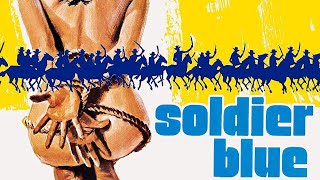
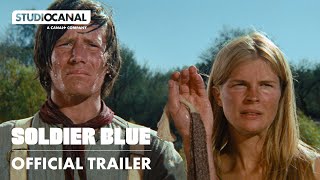



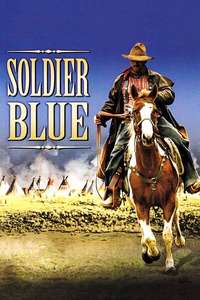
Original work print of the movie was 135 minutes long. When it was test-screened to an audience, they almost started a riot after watching this version. This was the only time that the full uncut version was shown, and it caused the studio to decide that it was unreleasable unless massive cuts were made to the film's violent scenes. Some of these cut and never included in any official version scenes include shots of Indian women's breasts being sliced off and thrown around; children's limbs graphically severed (real amputees were employed for these shots); a little girl's legs cut off by wagon wheels; a soldier gleefully cutting an Indian's arms off before shooting another Cheyenne in the eye; the fate of Spotted Wolf, who is beheaded and his head is hoisted as a trophy by a soldier before he tosses it to another soldier, who then throws it off camera. Spotted Wolf's head attached to the stirrup of a cavalryman was not cut and is shown in the release print, and there are stills showing his mutilated body lying on the ground without the head and four cavalrymen running around with his severed head in their hands, howling and laughing while blood is spurting from the neck stump.
In order to recreate the gory Sand Creek massacre of Cheyenne Indians, director Ralph Nelson sought the services of orphaned amputees. Various prosthetic limbs were affixed to missing body parts of these amputees, and then, in one of the most blood-and-guts sequences in film history, these "limbs" were mercilessly hacked off as the cameras rolled.
After the initial attack of the Cheyenne, Honus recites passages from Alfred Lord Tennyson's poem "The Charge of the Light Brigade".
Multiple film critics said Soldier Blue (1970) evoked the My Lai massacre in Viet Nam, which had been disclosed to the American public the year before the film was released.
This was the third biggest grosser at the UK box office in 1970, just behind The Aristocats (1970) and the spin-off of the popular British TV show On the Buses (1971).
"Col. Iverson: When I see young people today behaving like that I just... I can't help wondering what this goddamn country's coming to."
"Col. Iverson: [to Lt McNair] 'McNair! Raze the village! Burn this... pestilence!'"