
Movie |
Doctor | Prostitute
Disclaimer: All content and media belong to original content streaming platforms/owners like Netflix, Disney+ Hotstar, Amazon Prime Videos, JioCinema, SonyLIV etc. 91mobiles entertainment does not claim any rights to the content and only aggregate the content along with the service providers links.

Best Screenplay | 1939
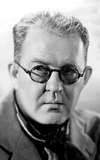
Best Director | 1939 | John
Motion Picture | 2011
Best Picture | 1940
Best Film Editing | 1940
Best Director | 1940 | John
Best Cinematography BlackandWhite | 1940
Best Art Direction | 1940
Best Actor | 1939 | John
Best Film | 1939 | John
Budget 531,374 USD
Box Office Collection 1,103,757 USD
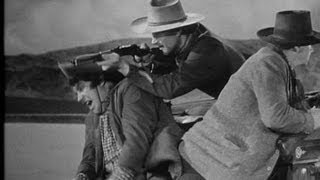
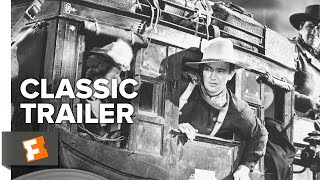
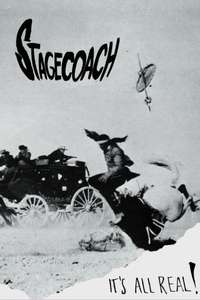
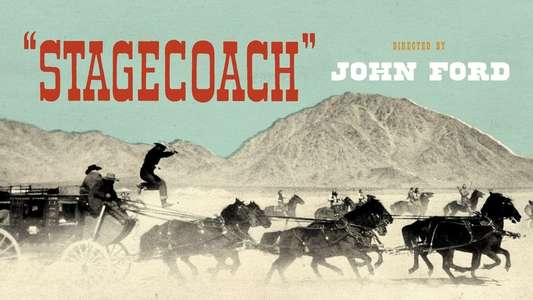
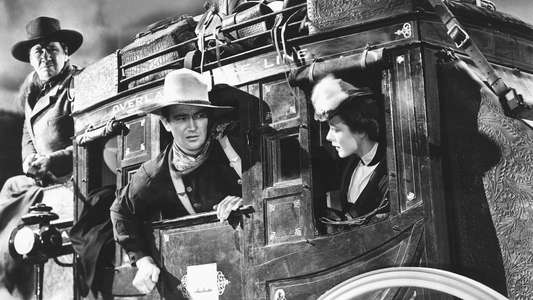
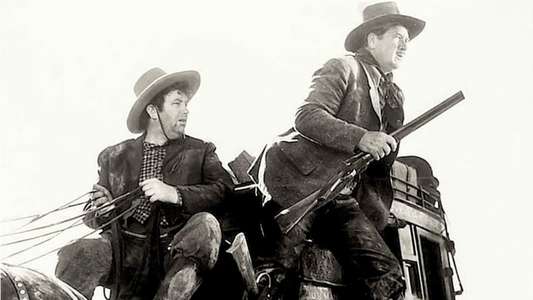
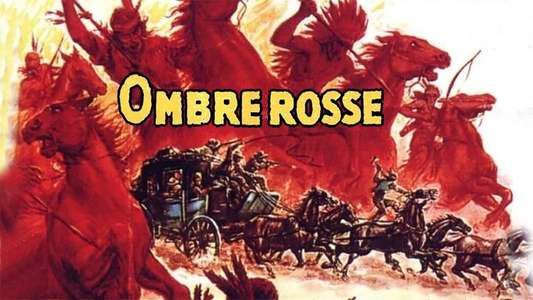
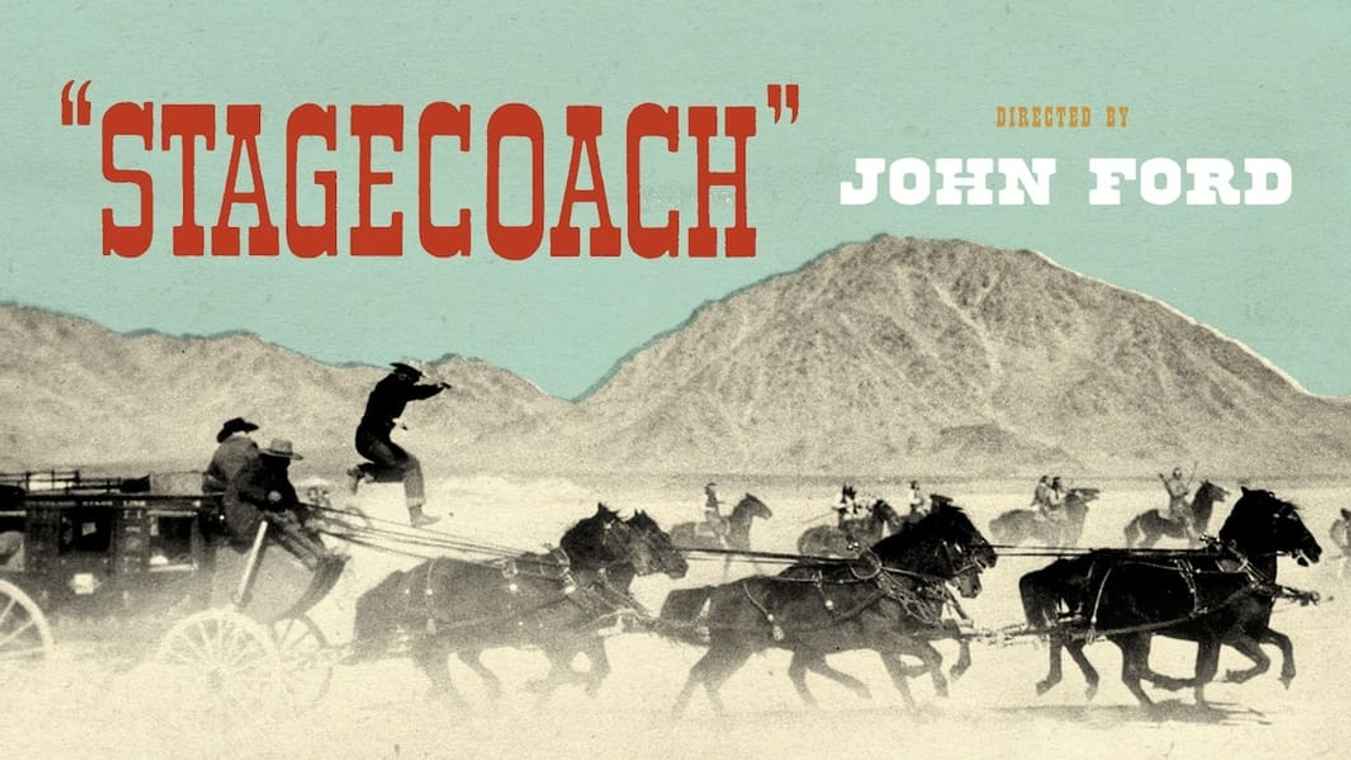
Yakima Canutt explained how the stunt was accomplished where, as an Apache warrior attacking the stagecoach, he is "shot", falls off his horse, and then gets dragged underneath the stagecoach: "You have to run the horses fast, so they'll run straight. If they run slow, they move around a lot. When you turn loose to go under the coach, you've got to bring your arms over your chest and stomach. You've got to hold your elbows close to your body, or that front axle will knock them off." After the stunt was completed, Canutt ran to director John Ford to make sure they got the stunt on film. Ford replied that even if they hadn't, "I'll never shoot that again."
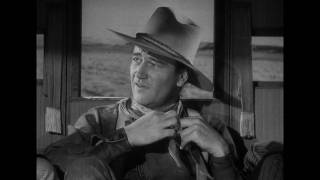
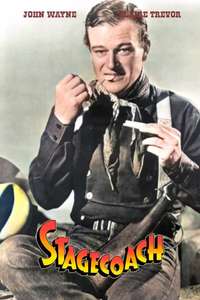
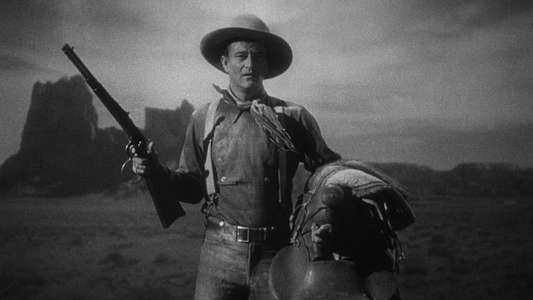
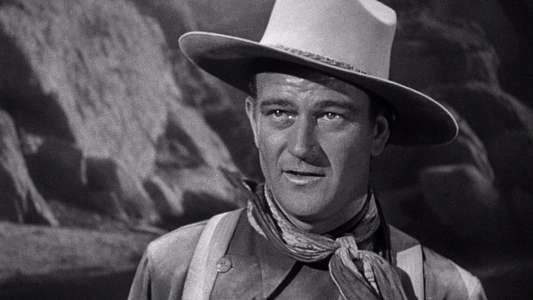
The hat that John Wayne wears was his own. He would wear it in many westerns during the next two decades before retiring it after Howard Hawks' Rio Bravo (1959) because it was simply "falling apart." After that, the hat was displayed under glass in his home.
Orson Welles has put forth this film as a textbook example of filmmaking and said he had watched it more than 40 times in preparation for the making of Citizen Kane (1941).
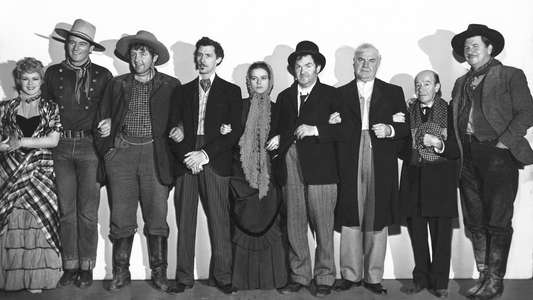
John Ford liked to bully actors on the set, and this movie was no exception. At one point, he said to Andy Devine, "You big tub of lard. I don't know why the hell I'm using you in this picture." Undaunted, Devine replied, "Because Ward Bond can't drive six horses." Likewise, he attacked Thomas Mitchell, who eventually retorted, "Just remember: I saw [Ford's earlier film] Mary of Scotland (1936)," effectively humbling the director. Worst of all was Ford's treatment of John Wayne. He called him a "big oaf" and a "dumb bastard" and continually criticized his line delivery and manner of walking, even how he washed his face on camera. However, at least part of this was to provoke the actor into giving a stronger performance. Claire Trevor recalls how Ford grabbed Duke by the chin and shook him. "Why are you moving your mouth so much?" he said. "Don't you know you don't act with your mouth in pictures? You act with your eyes." Wayne tolerated the rough treatment and rose to the challenge, reaching a new plateau as an actor. Ford helped cement the impression that Wayne makes in the film by giving him plenty of expressive reaction shots throughout the picture.
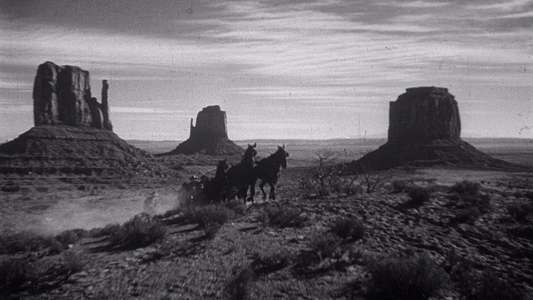
Asked why, in the climactic chase scene, the Indians didn't simply shoot the horses to stop the stagecoach, director John Ford replied, "Because that would have been the end of the movie." In addition, Apaches would have stolen the stagecoach horses rather than killed them because, in their culture, horses were valuable in calculating a warrior's worth.
"Marshal Curly Wilcox: Come busting in here - you'd think we were being attacked! You can find another wife. Chris: Sure I can find another wife. But she take my rifle and my horse. Oh, I'll never sell her. I love her so much. I beat her with a whip and she never get tired. Dr. Josiah Boone: Your wife? Chris: No, my horse. I can find another wife easy, yes, but not a horse like that!"
"Ringo Kid: Well, I guess you can't break out of prison and into society in the same week."