
Movie |
Jealousy | New Year's Eve
Disclaimer: All content and media belong to original content streaming platforms/owners like Netflix, Disney+ Hotstar, Amazon Prime Videos, JioCinema, SonyLIV etc. 91mobiles entertainment does not claim any rights to the content and only aggregate the content along with the service providers links.





Best Writing Story and Screenplay | 1951 | D.M. Marshman
Best Art DirectionSet Decoration BlackandWhite | 1951
Best Music Scoring of a Dramatic or Comedy Picture | 1951
Best Actress Drama | 1951 | Gloria
Best Motion Picture Drama | 1951
Best Director | 1951 | Billy
Best Original Score | 1951
Best Written American Drama | 1951
Best American Film Bedste amerikanske film | 1951 | Billy
Best Foreign Actress | 1951 | Gloria
Best Foreign Actress Migliore Attrice Straniera | 1951 | Gloria
Best Foreign Director Regista del Miglior Film Straniero | 1951 | Billy
Best Foreign Language Film | 1952 | Billy
Best Actor in a Leading Role | 1951 | William
Best Director | 1951 | Billy
Best Actor in a Supporting Role | 1951 | Erich von
Best Actress in a Leading Role | 1951 | Gloria
Best Actress in a Supporting Role | 1951 | Nancy
Best Cinematography BlackandWhite | 1951
Best Picture | 1951
Best Film Editing | 1951
Best Cinematography Black and White | 1951
Best Supporting Actor | 1951 | Erich von
Best Screenplay | 1951 | Billy
Top Female Dramatic Performance | 1951 | Gloria
Best Film | 1951 | Billy
Outstanding Directorial Achievement in Motion Pictures | 1951 | Billy
Best Overall New Extra Features Library Release | 2003
Budget 1,752,000 USD
Box Office Collection 5,000,000 USD
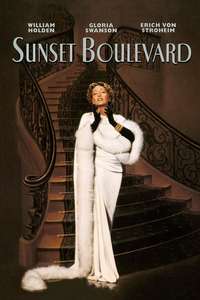
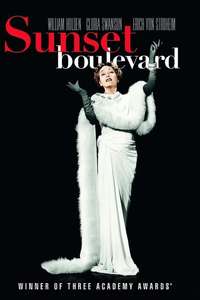
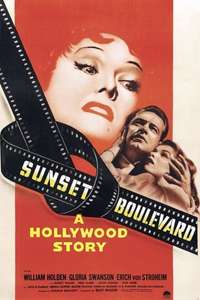
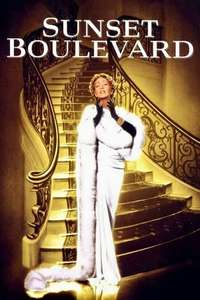
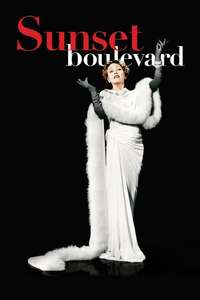
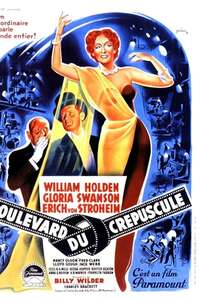
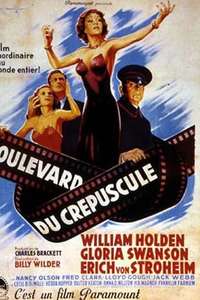
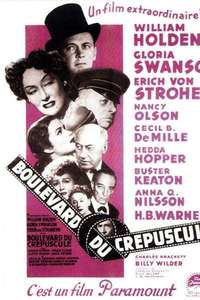
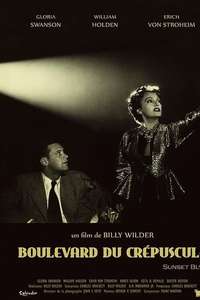
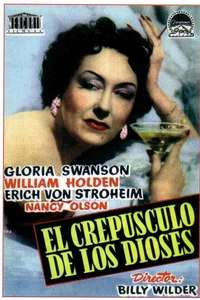
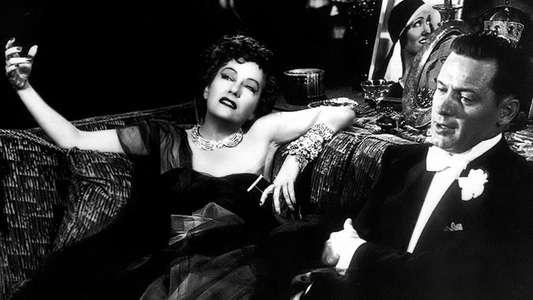
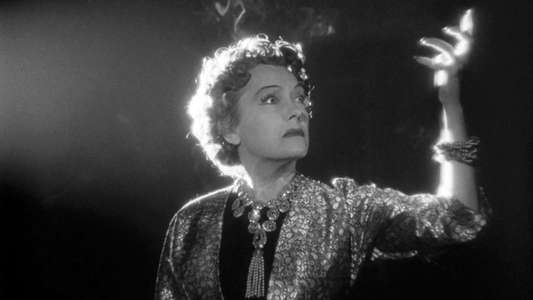
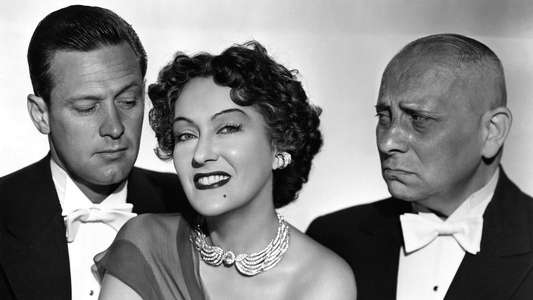
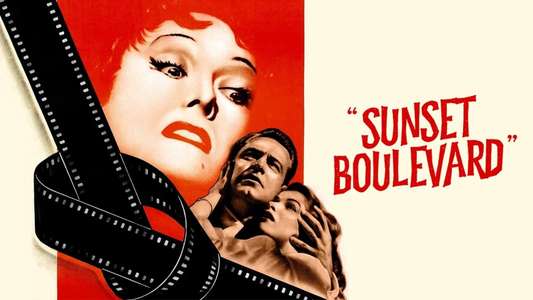
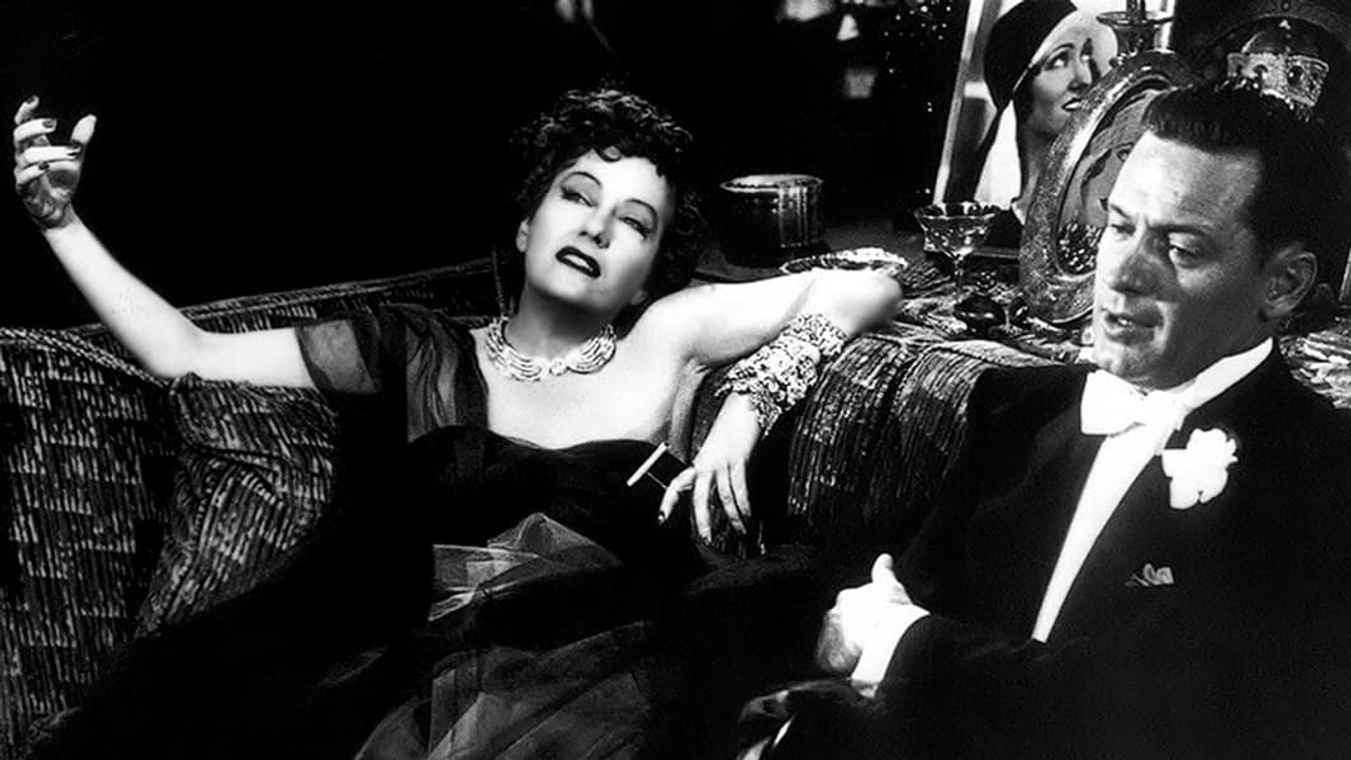
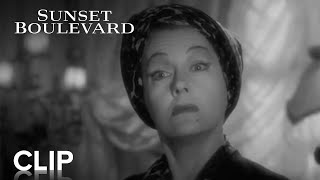
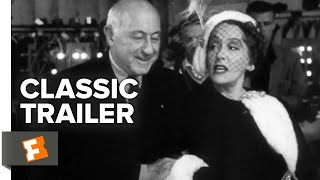
When Norma Desmond says to the guard at the "Paramount Studio" gates, "Without me there wouldn't be any 'Paramount Studio'" the words could apply to Gloria Swanson herself, as she was the studio's top star for six years running.
Unlike the character she played, Gloria Swanson had accepted the fact that the movies didn't want her anymore and had moved to New York, where she worked on radio and, later, television. Although she had long before ruled out the possibility of a movie comeback, she was nevertheless highly intrigued when she got the offer to play the lead.
The character of Norma Desmond is modeled on the fate of several leading actresses of the silent era. Mary Pickford lived in seclusion, away from the public eye, while both Mae Murray and Clara Bow had well documented struggles with mental illness.
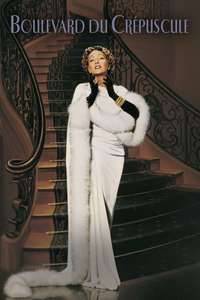
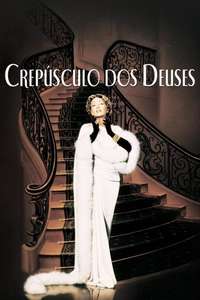
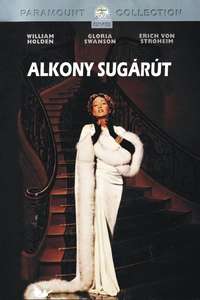
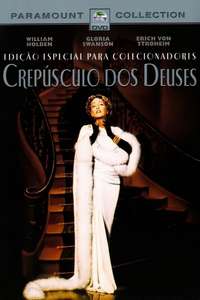
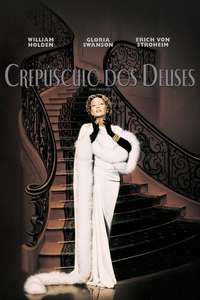
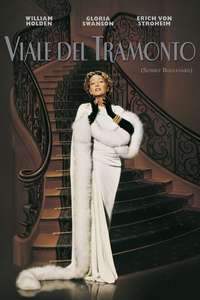
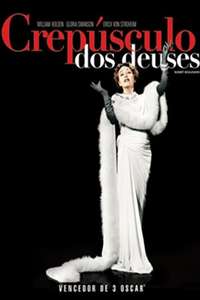
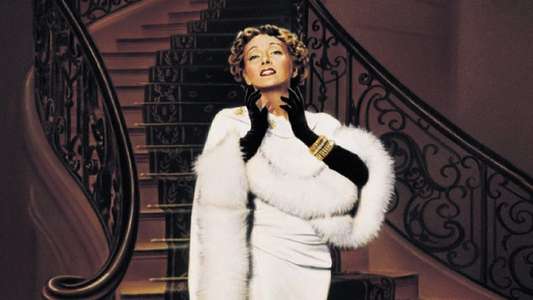
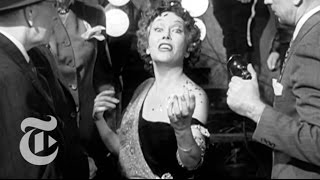
When Gloria Swanson finished Norma's final scene, the mad staircase descent, she burst into tears and the crew applauded. Even though it wasn't the last scene filmed, Billy Wilder threw a party for her as soon as the shot was finished.
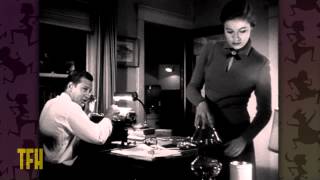
Montgomery Clift was originally cast as Joe Gillis but quit the production two weeks before filming began because he had already played the kept man of a wealthy older woman in The Heiress (1949). Clift was also wary of appearing in the film because he, like the character of Joe, was having an affair with a wealthy older former actress, Libby Holman. Holman was reportedly worried the film would parody their relationship and told Clift she would commit suicide if he played the role.
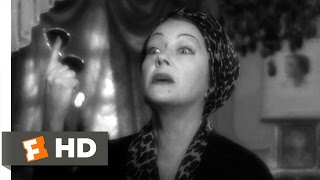
"Joe Gillis: Wait a minute, haven't I seen you before? I know your face. Norma Desmond: Get out! Or shall I call my servant? Joe Gillis: You're Norma Desmond. You used to be in silent pictures. You used to be big. Norma Desmond: I *am* big. It's the *pictures* that got small."
"[last lines] Norma Desmond: [to newsreel camera] And I promise you I'll never desert you again because after 'Salome' we'll make another picture and another picture. You see, this is my life! It always will be! Nothing else! Just us, and the cameras, and those wonderful people out there in the dark!... All right, Mr. DeMille, I'm ready for my close-up."