
Movie |
Mutiny | Val Lewton
Disclaimer: All content and media belong to original content streaming platforms/owners like Netflix, Disney+ Hotstar, Amazon Prime Videos, JioCinema, SonyLIV etc. 91mobiles entertainment does not claim any rights to the content and only aggregate the content along with the service providers links.
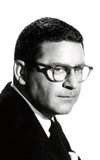
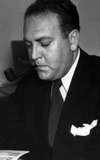
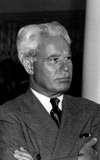
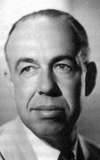
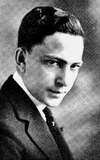
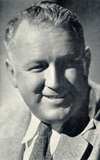
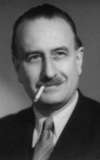
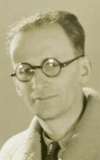

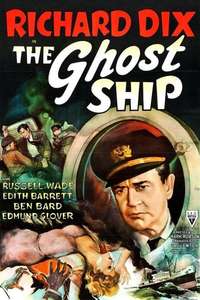
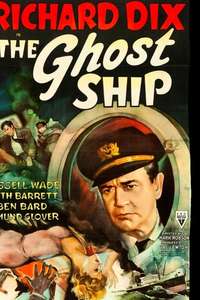
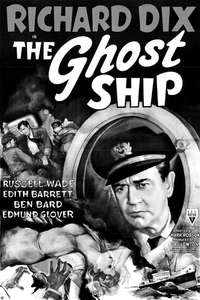
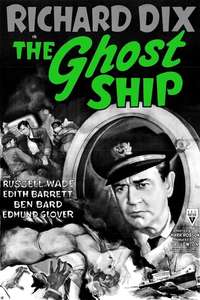
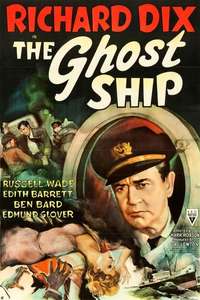
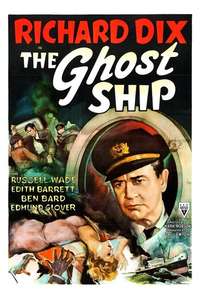
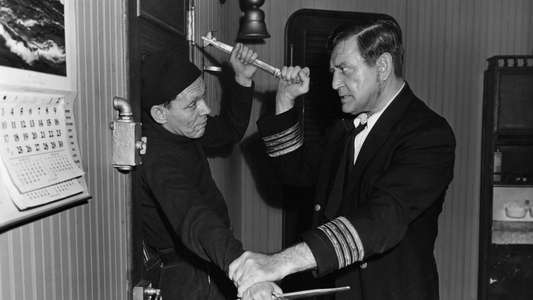
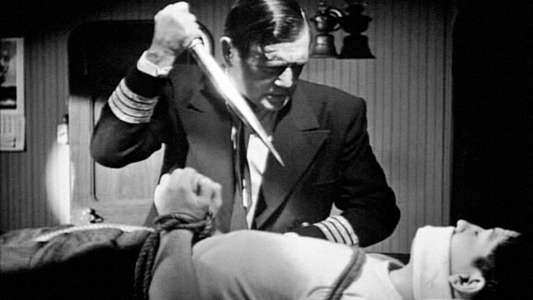
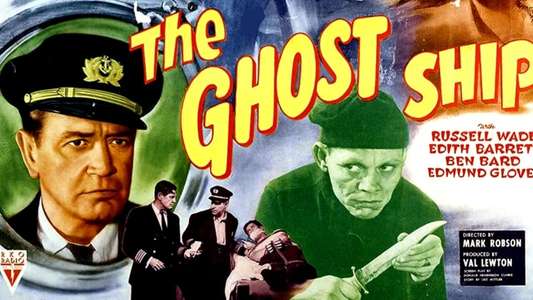
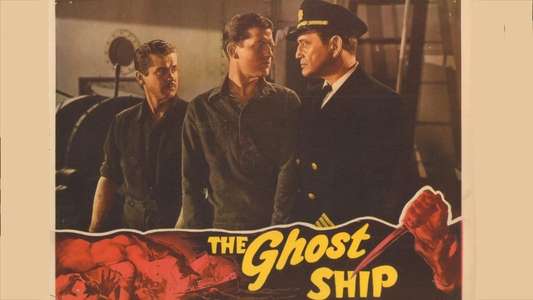
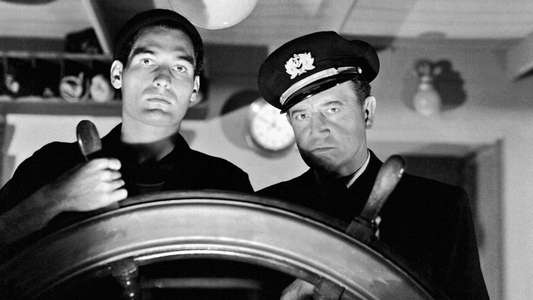
RKO had built an expensive ship set for their 1938 production Pacific Liner (1939). Val Lewton was given instructions to come up with a film that could use the still-existing set.According to Robert Wise, a longtime collaborator with Lewton, it was this set that gave Lewton the idea for the film. "He would find what we call a 'standing set,' and then tailor his script to the set, whatever it was. That's how he made The Ghost Ship. He walked onto a set and saw a tanker, then cooked up the idea for this ship with a murderous captain." One scholar has suggested that Lewton accepted the assignment in part because, as an amateur sailor himself, the ship captain's behavior mirrored Lewton's own views on how to manage a ship, but also because Lewton saw the plot as a way of criticizing his micro-managing superiors at RKO. The budget, as with all of Lewton's films, was set at $150,000.
Very shortly after its theatrical release in December of 1943, producer Val Lewton was sued for plagiarism by Samuel R. Golding and Fritz Falkenstein, who claimed that Lewton based his script on a 1942 play (A Man and His Shadow) which they had written and submitted to Lewton's office at the time "The Ghost Ship" was being developed. Despite Lewton's claims that their manuscript was returned unread, the court ruled against Lewton and RKO (a decision upheld at appeal), and The Ghost Ship (1943) was withdrawn from circulation. It remained unavailable for viewing for the next 50 years until the copyright was not renewed and it fell into the public domain in the 1990s. RKO paid the authors $25,000 in damages and $5,000 for attorney fees and lost all rights to future income and the right to sell the film to television. Elliot Lavine, a film historian, says that losing the lawsuit deeply disturbed Lewton, leaving him depressed for a significant period of time. It was finally released as part of the Val Lewton Horror Collection DVD set in 2005.
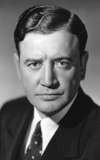
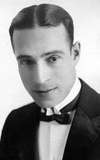
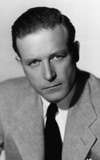
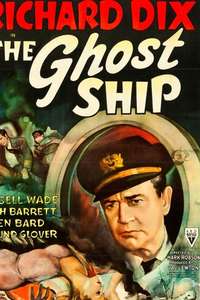
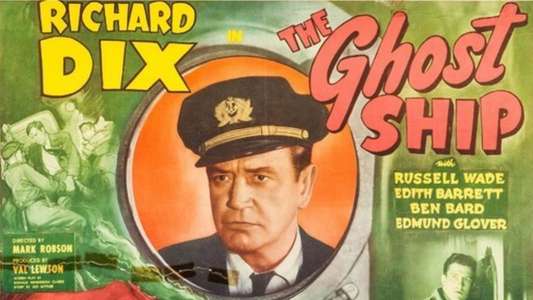
Richard Dix was cast as the captain because he was already under contract with RKO to do a series of "B" pictures for a set fee.
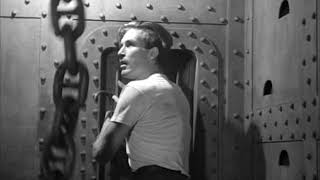
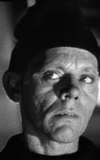
This is iconic character-actor Lawrence Tierney's first time playing a devilish troublemaker, which would make up his career till his death, and haunt his real life as well. The tough-guy actor makes an uncredited screen appearance here as the jocular Louie Parker. The role is small but important and Tierney's face as he is buried in chain is certainly one of the most memorable images of the film.Tierney would only have to wait two years before his breakthrough performance in the title role of Dillinger (1945) established him as a star. He would go on to star in Born to Kill (1947), The Devil Thumbs a Ride (1947), Shakedown (1950), and The Hoodlum (1951), though younger audiences probably best remember him as crime boss Joe Cabot in Quentin Tarantino's Reservoir Dogs (1992). Tierney died in February, 2002, but in one of his final interviews, he told the following story about Val Lewton. According to Tierney, Lewton "liked to buy things from catalogs. He used to go through the Sears Roebuck and Montgomery Ward catalogs. He used to say it was like 'sending myself presents.' He would see something coming in the mail and get excited. He used to say he knew he had seen me before. He would ask me where he had seen me and I'd say I don't know. "Well, have you ever been to California?" I'd tell him no and ask him if he had been to New York, and he'd say "No, very little." Finally, one day he said, "Wait a minute! I figured out where I had seen you before! C'mon, come up." I went up to his studio and there were all these pictures torn out of the Sears Roebuck catalog, and they were all me when I was modeling for them!"
In the Val Lewton DVD box-set this movie is the second of a double feature headlining with The Leopard Man directed by Jacques Tourneur, who made the most famous, highly regarded Lewton productions including Cat People.
"Finn, the Mute: [voiceover] The man is dead. With his death, the waters of the sea are open to us. But there will be other deaths, and the agony of dying, before we come to land again."
"Captain Will Stone: You know, there are some captains who would hold this against you."