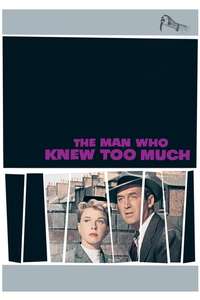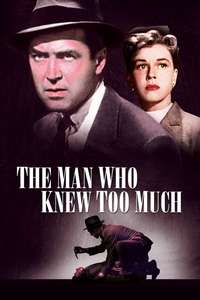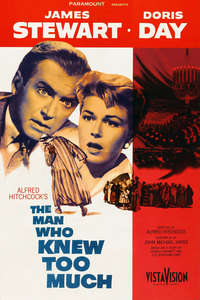
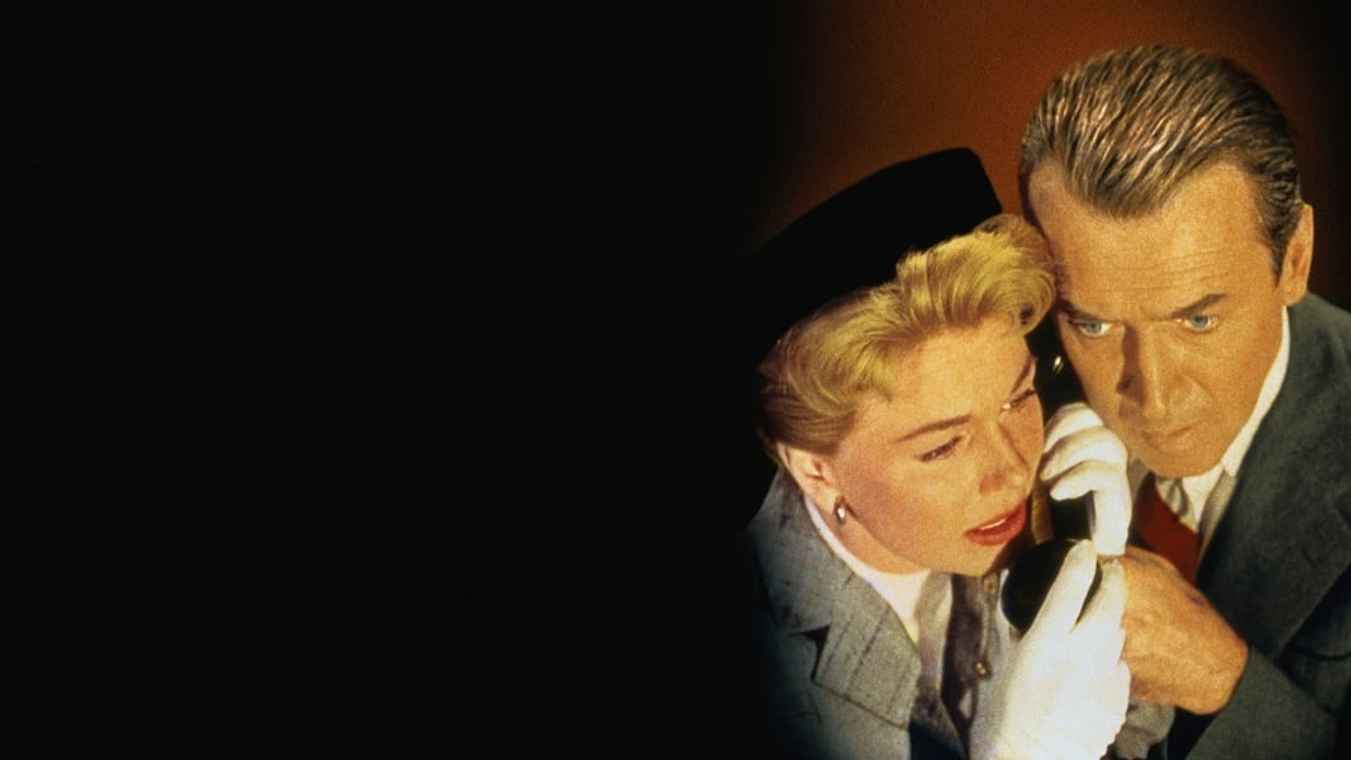

Movie |
American | London, England
Disclaimer: All content and media belong to original content streaming platforms/owners like Netflix, Disney+ Hotstar, Amazon Prime Videos, JioCinema, SonyLIV etc. 91mobiles entertainment does not claim any rights to the content and only aggregate the content along with the service providers links.




Best Music Original Song | 1957
Most Performed Feature Film Standards | 1990
Best DVDBluRay Collection | 2013
Outstanding Classic DVD | 2005
Outstanding Directorial Achievement in Motion Pictures | 1957 | Alfred
Budget 1,200,000 USD
Box Office Collection 11,300,000 USD
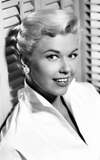
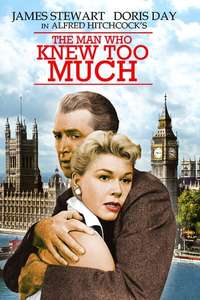
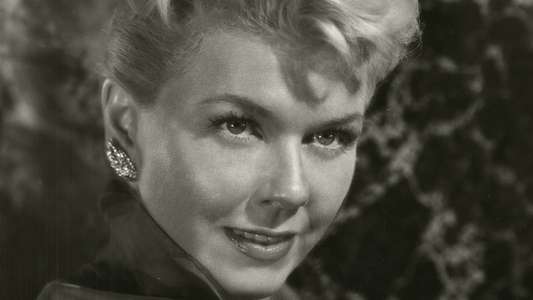
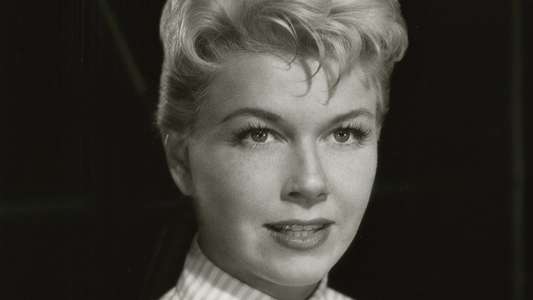
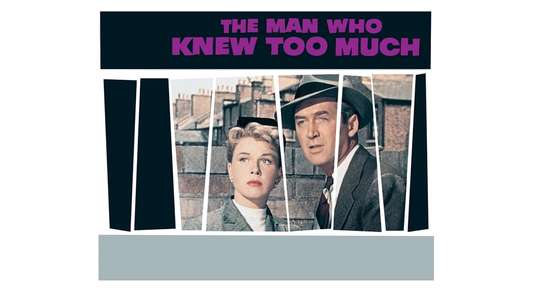
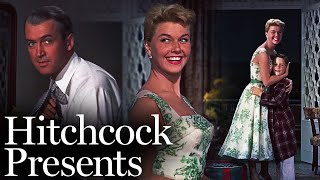
Throughout the filming, Doris Day became increasingly concerned that Sir Alfred Hitchcock paid more attention to camera set-ups, lighting, and technical matters than he did to her performance. Convinced that he was displeased with her work, she finally confronted him. His reply was, "My dear Miss Day, if you weren't giving me what I wanted, then I would have to direct you!"
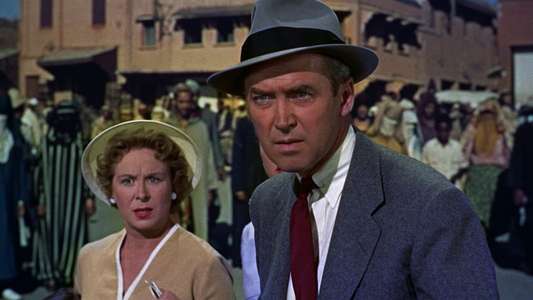
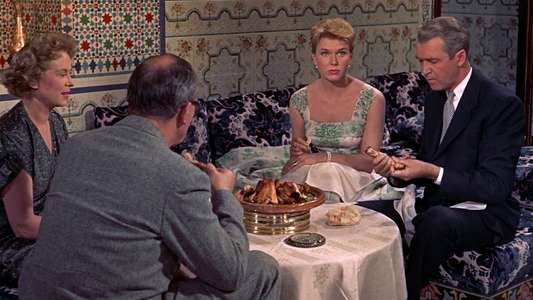
It was during the making of this movie, when she saw how camels, goats and other animal extras in a marketplace scene were being treated, that Doris Day began her lifelong commitment to preventing animal abuse. She was so appalled at the conditions the animals were in that she refused to work unless they were properly fed and cared for. The production company actually had to set up feeding stations for the various goats, sheep, camels, et cetera, and feed them every day before Day would agree to go back to work.
At first Doris Day refused to record "Que Sera, Sera" as a popular song release, dismissing it as "a forgettable children's song". It not only went on to win an Academy Award, but also became the biggest hit of her recording career and her signature song. She sang the same song in two more movies, Please Don't Eat the Daisies (1960) and The Glass Bottom Boat (1966), and it was used as the theme song for all one hundred twenty-four episodes of her television series, The Doris Day Show (1968).
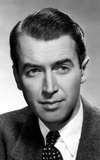
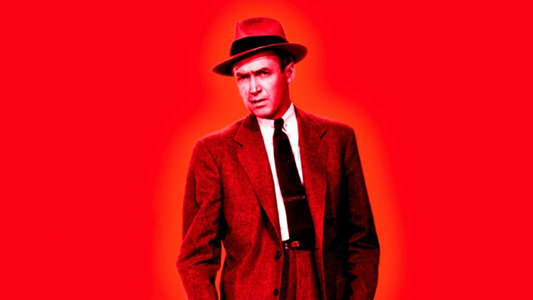
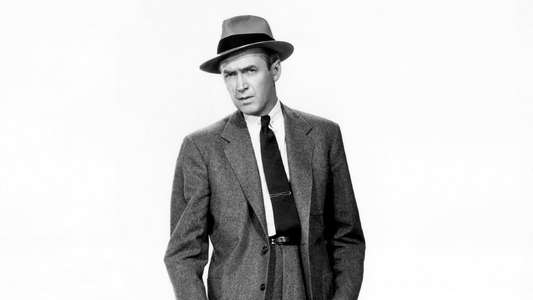
The movie was originally to be produced by Paramount Pictures and Patron, a company to be jointly owned by James Stewart, Doris Day and Sir Alfred Hitchcock. When the movie finally went before the cameras, the production company was Filwite Productions, Inc., co-owned by Hitchcock and Stewart. The reason Day was not included in the final production deal has not been publicly disclosed. However, it may have had something to do with Day's husband and manager at the time, Martin Melcher, a man absolutely despised and considered shady by many in Hollywood. (There was good reason for this. Ms. Day eventually learned that she was all but penniless as a result of his management.)
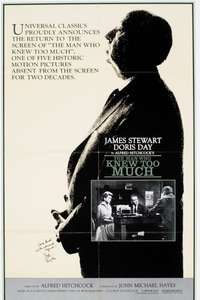
Movie buffs considered this one of the "Five lost Hitchcocks" (with Rear Window (1954), Rope (1948), The Trouble with Harry (1955), and Vertigo (1958)) because they were unavailable for thirty years as their rights were bought back by Sir Alfred Hitchcock and left as part of his legacy to his daughter. The five movies were re-released in theaters around 1984. This movie was revived again in 2018 movie archive circuits, in the original projection system (VistaVision) and dimensional sound system (Perspecta Sound), due to the preservation work of UCLA movie archive.
"[last lines] Dr. Ben McKenna: Sorry we were gone so long, but we had to pick up Hank!"
"[to Drayton] Ambassador: You have muddled everything from the start, taking that child with you from Marrakesh. Don't you realize that Americans dislike having their children stolen?"