
Movie |
Lion | Africa
Disclaimer: All content and media belong to original content streaming platforms/owners like Netflix, Disney+ Hotstar, Amazon Prime Videos, JioCinema, SonyLIV etc. 91mobiles entertainment does not claim any rights to the content and only aggregate the content along with the service providers links.
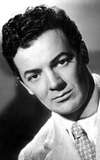

Best Writing Story and Screenplay Written Directly for the Screen | 1967
Budget 647,649 USD
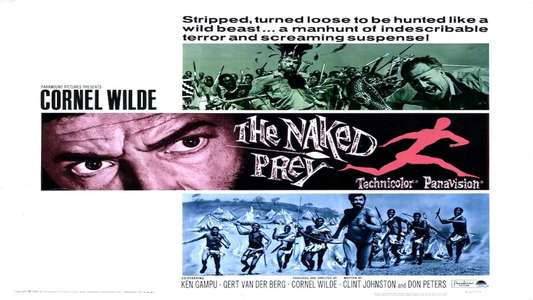
Cornel Wilde was careful to try to avoid harm to animals appearing in the film where possible. In the scene where the python and the monitor lizard battle, it became clear that the python was winning and the monitor was in danger. Wilde personally intervened to save the monitor lizard; the lizard bit him on the leg, refusing to let go. Crew members killed it and Wilde had to be evacuated to a hospital for treatment.
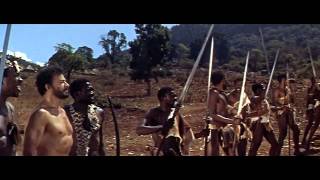
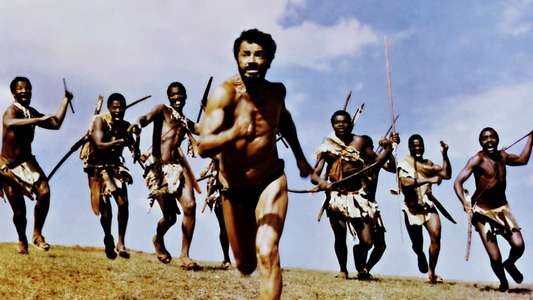
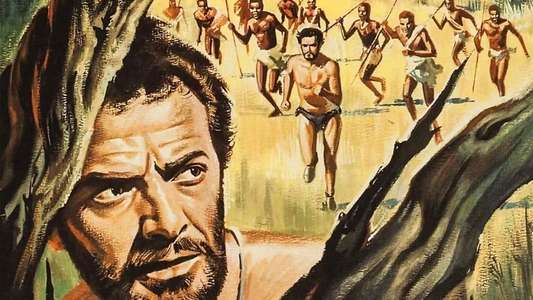
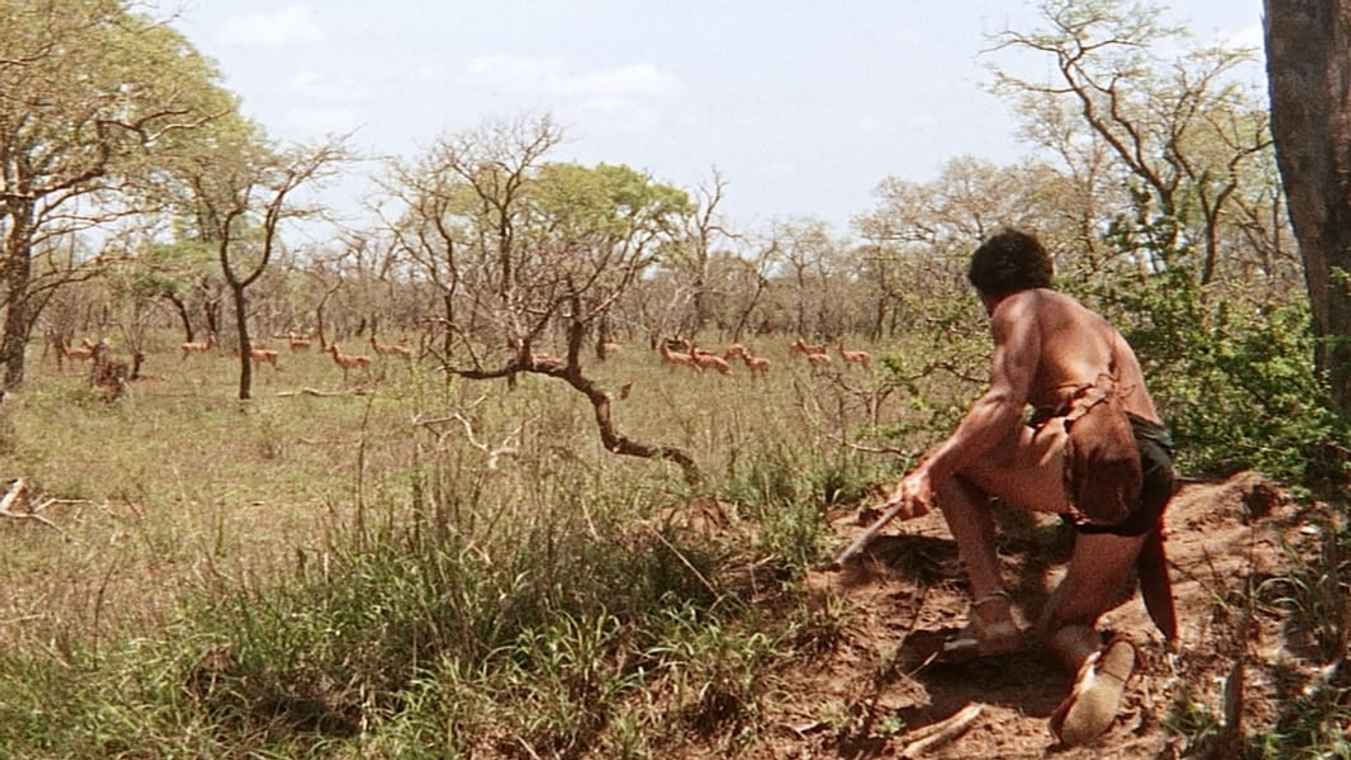
Cornel Wilde said in interviews at the time that scene in which his character turns and is narrowly missed by a spear was an accident that could have been gruesomely real, but the scene worked and was kept.
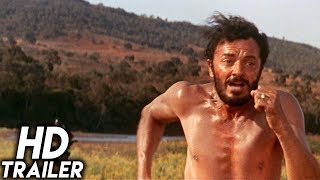
In October 1808 fur trapper John Colter set out with another trapper, John Potts, on a trapping expedition. Foolishly, they returned to the Three Forks area in Montana, where they were able to amass almost a ton of furs. However, at Jefferson Fork they were attacked by Blackfoot Indians, who shot and killed Potts and took the furs. Colter was captured and given a chance to live. He was stripped naked and given a 30-second head start to run for his life. He outran all of the Indians except for one. When they were the only two left, Colter turned on his pursuer and in the ensuing fight took the Indian's spear and killed him with it. Colter ran for five miles across a rocky plain between the Jefferson and Madison Forks. Once he reached the Madison River, he dove under a mass of logs and beaver lodges and hid in an air pocket in the icy water until nightfall. He floated six miles downstream and climbed up a sheer cliff. He walked, still without any clothes, the 250 miles to Fort Raymond, where he arrived after 11 days.
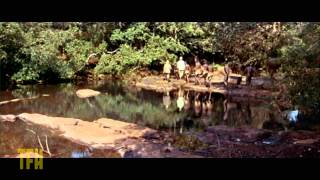
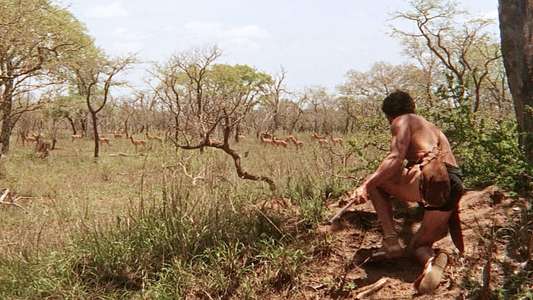
The script was originally a true historical incident about a trapper named John Colter being pursued by Blackfoot Indians in Montana, but lower shooting costs, tax breaks and material and logistical assistance offered by South Africa convinced Cornel Wilde and the other producers to shoot the film there.
Cornel Wilde was ill through much of the filming but continued, noting that it seemed to add to his performance.
"2nd Man: I've got a feeling about this safari, gonna make a killing. Man: Well, let's hope so. 2nd Man: I've been thinking, after this I'd like to go into the slave trade. Heh, very lucrative. Very, very lucrative. Should go well with ivory."