
Movie |
Based On Novel Or Book | Sheep
Disclaimer: All content and media belong to original content streaming platforms/owners like Netflix, Disney+ Hotstar, Amazon Prime Videos, JioCinema, SonyLIV etc. 91mobiles entertainment does not claim any rights to the content and only aggregate the content along with the service providers links.

Best Picture | 1961
Best Actress in a Leading Role | 1961 | Deborah
Best Actress in a Supporting Role | 1961 | Glynis
Best Director | 1961
Best Writing Screenplay Based on Material from Another Medium | 1961
Best Director | 1961
Best Film from any Source | 1962
Best British Film | 1962
Best British Actress | 1962 | Deborah
Outstanding Directorial Achievement in Motion Pictures | 1961
Best Written American Drama | 1961
Female Dramatic Performance | 1961 | Deborah
Best Director | 1960
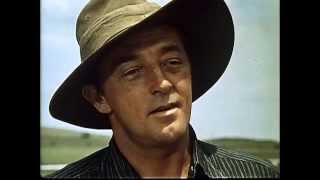
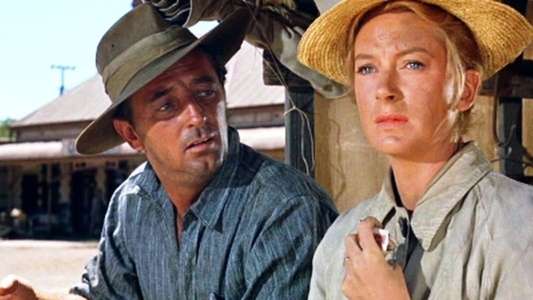
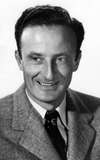
Although studio head Jack L. Warner wanted to shoot the movie in Arizona, Director Fred Zinnemann insisted on shooting the exteriors on-location in Australia. The shoot did not go well. Zinnemann spent twelve weeks filming scenery and shepherding scenes in the outback before the cast arrived. Once the cast got there, the weather began alternating daily between hot sun and cold rain, which resulted in several extra weeks of filming. Robert Mitchum was so harassed by fans, that he had to move onto a boat to get away from them.
The man who offers to buy the horse at the end was played by Jon Cleary, the author of the novel on which the movie is based. He also did an uncredited rewrite of the script.
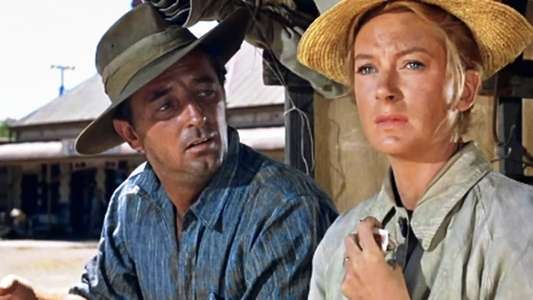
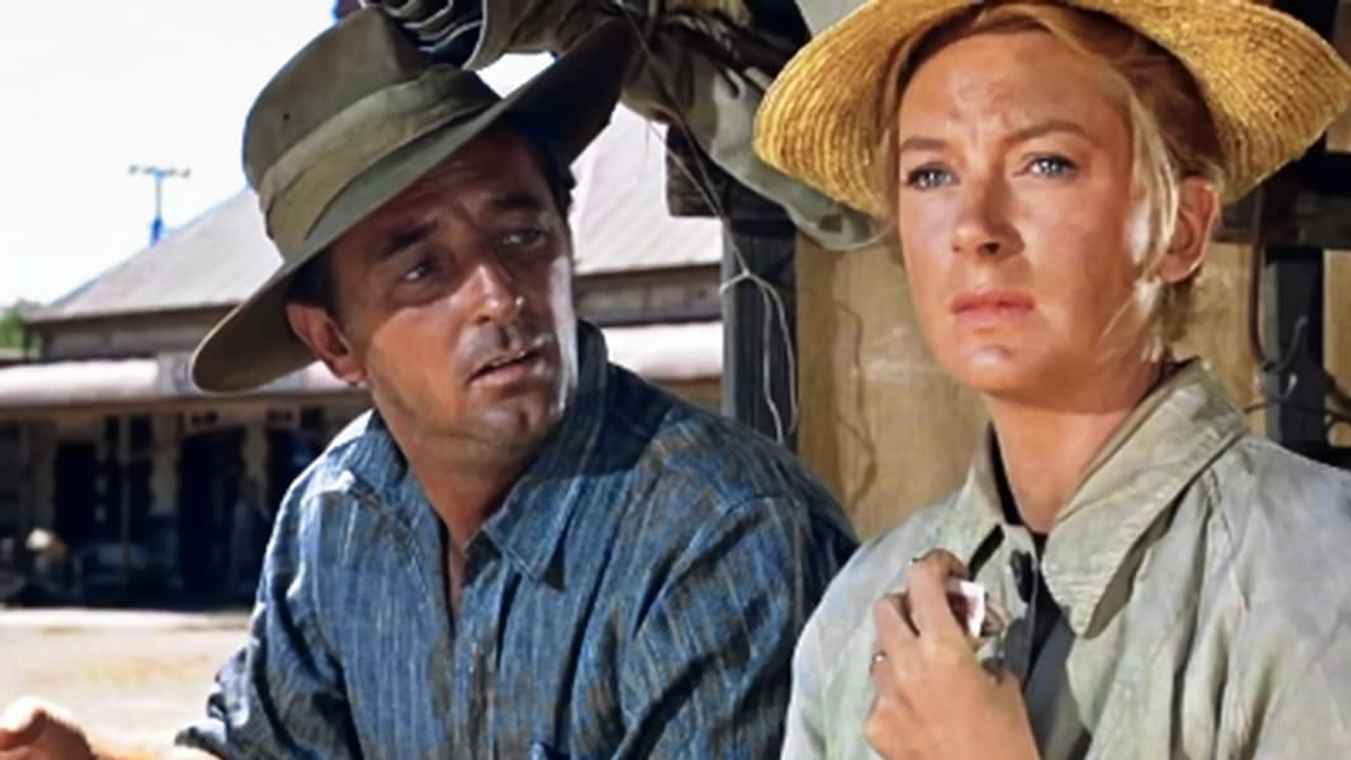
Gary Cooper was originally cast in the lead role of Paddy Carmondy, but had to back out due to poor health. Errol Flynn replaced him, but died before production began. Robert Mitchum stepped into the role for the chance to act with his good friend Deborah Kerr, with whom he had previously co-starred in Heaven Knows, Mr. Allison (1957). Mitchum agreed to give Kerr top billing, joking to the production team, "You can design a twenty-four-foot sign of me bowing to her if you like."
The definition of "Sundowner" given in this movie is not the most common one used in Australia. A "Sundowner" was the term used for a swagman who arrived at a homestead or farm just at sundown, in time to ask for a meal or food, but too late to be asked to do any work. The Sundowner usually departed early in the morning, before anyone else was up and before being asked to do some work.
Deborah Kerr commented in the 1986 autobiography "Deborah Kerr: Not Just an English Rose", that she should have won the Oscar for her performance. She received her sixth Best Actress nomination for her work in this movie but lost for the sixth time, the most times an actress has been nominated for Best Actress without winning.
"Ida Carmody: This is a good country for sheep and it's not bad for men, but it's hard on us women. The men come here because of the sheep, and we come here because of the men, and most of us finish up looking like the sheep. Wrinkled faces, knotty hair, and not even much of a mind of our own."
"Sean Carmody: [on hearing Venneker had been a ship's captain] Why'd you leave? Rupert Venneker: My stomach. I was a notoriously bad sailor. Sean Carmody: Dad says you must have been a better sailor than you are a horseman. Rupert Venneker: What the devil is he talking about? I was cashiered from the 17th Lancers before he knew one end of a horse from the other! NOT that he does now! Hah! Sean Carmody: What does cashiered mean? Rupert Venneker: Uh - kind of promotion from the army into civilian life."