Ace Combat 8: Wings of Theve Review: Top Gun thrills, with a few too many briefings


Ace Combat is a series I’ve heard of for years but never really played. Like a Top Gun enthusiast, I love fighter jets and aerial combat. I’ve enjoyed both Top Gun movies, along with my fair share of other aerial combat films. Remember Stealth, the movie about an AI-controlled fighter jet that goes rogue? That premise seems a little closer to reality today, doesn’t it?

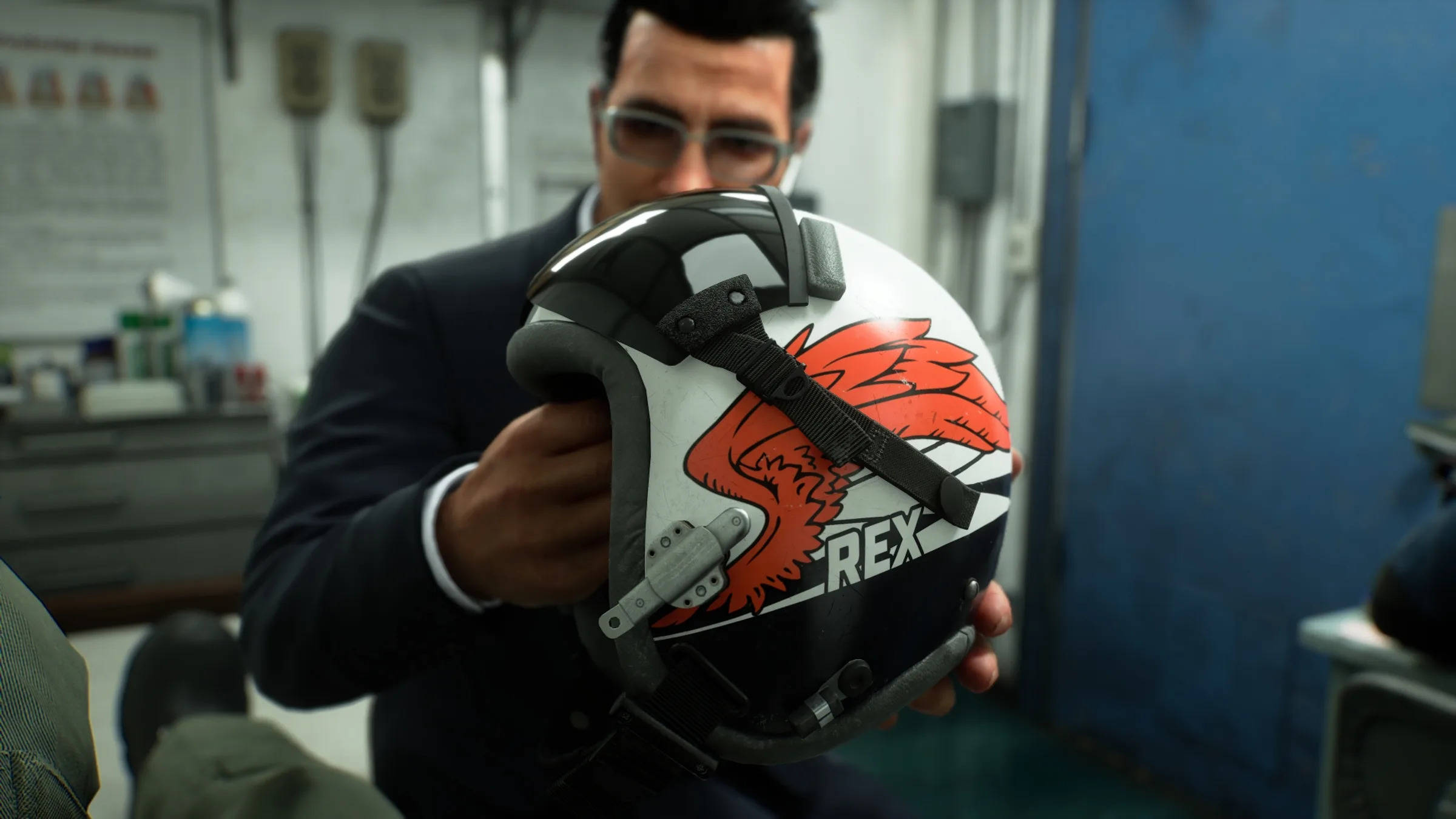
Jokes about AI aside, I’ve always enjoyed aerial combat in video games. I’ve dabbled in Microsoft Flight Simulator, but honestly, the game I’ve spent the most time with is Star Wars: Rogue Squadron, which came to PC in 1999. Even aerial combat in games like Battlefield, where dogfighting isn’t the primary focus, scratches that itch.
With Ace Combat 8: Wings of Theve, however, I finally got to experience an entire game built around the thrill of flying fighter jets into battle. And I had a lot more fun than I expected. Let’s dive in.
Table of Contents
Arcade Flying That Just Feels Right
Put simply, Ace Combat 8 is an arcade-style flight combat game rather than a traditional flight simulator. You don’t need to spend hours learning complicated controls before you can get airborne and start taking down enemy aircraft.


I played the game on a base PS5 a few days after launch, and performance was pretty good throughout my playtime. I didn’t encounter any noticeable stutters or performance issues during gameplay.
The PS5 version offers two graphics options: Performance Mode, which targets 60 FPS, and Quality Mode, which targets 30 FPS. I stuck with Performance Mode, and the faster frame rate felt like the right choice for a game where you’re constantly tracking enemies, making sharp turns, and dodging incoming missiles.

I played on my 65-inch LG G6 OLED TV from around seven feet away. Even during fast-moving dogfights, the visuals looked good enough that I wasn’t particularly bothered by the compromises in image quality.
A Fictional War With Plenty of High-Stakes Missions
The story is pure fiction, with no direct retelling of a real-world conflict. And honestly, that works in the game’s favour. It gives the developers the freedom to create larger-than-life battles, overwhelming enemy forces and devastating superweapons without being tied to the limitations of actual warfare.

The premise is straightforward. You’re sent on missions to support ground forces, provide air cover, eliminate enemy fighter jets, or take out targets on land and sea. The objectives might sound repetitive on paper, but the execution is where Ace Combat 8 really shines. There are dramatic, high-stakes missions scattered throughout the campaign that genuinely caught me off guard. On more than one occasion, I thought I had reached the final mission, only to find myself back on the flight deck preparing for another sortie.
The game keeps raising the stakes, and these larger encounters are among its most enjoyable moments. You’re not simply flying around shooting down the same kind of enemy aircraft over and over again; the changing objectives and increasingly ambitious encounters help maintain the excitement.

The story itself does enough to get you from one mission to the next. You probably aren’t playing Ace Combat for award-winning writing, but having a narrative that gives your missions some context is certainly welcome.
Easy Controls, With Room to Learn More
The game offers two flight-control styles: simplified controls and a more involved option that gives you greater control over your aircraft.

I went with the simplified controls from the very beginning. Playing with a DualSense controller, this felt like the easiest way to get comfortable with the game without worrying too much about the intricacies of flying a fighter jet. The controls are approachable, and that’s important for newcomers like me. You can concentrate on the action, rather than struggling to keep your aircraft under control.
That said, I’m curious to try the more advanced control scheme in the future. I can also see myself investing in a flight stick to get a more immersive experience. For now, though, the standard controller did the job just fine.
Life on the Flight Deck
Between missions, Ace Combat 8 takes you aboard your carrier, where you can interact with fellow crew members, speak to squadmates, and spend some time in the dining hall and other parts of the ship.

These sections give the characters more personality and help build a sense of camaraderie among the people you fly with. Your fellow pilots are voiced, have opinions about the unfolding events, and contribute to the story’s progression.
Your own character, on the other hand, is largely silent, with limited dialogue options when questions are put to you. This isn’t an RPG, so I wasn’t expecting elaborate conversations or meaningful branching storylines. Still, it would have been nice to have a little more input from the protagonist.


I have mixed feelings about the downtime between missions. I can appreciate the effort to make the crew feel like actual people rather than names on a screen, but I would also have been perfectly happy moving between menus, watching a cutscene, and jumping straight into the next mission.
The biggest issue is that some pre-mission briefings and dialogue sequences go on for too long. There are stretches when you just want to get back into the cockpit, and the game makes you wait a little longer than necessary.
Loadouts, Upgrades and Preparing for Battle
Although this isn’t an RPG, there is a progression system that gives you some control over how your aircraft develops.
Before each mission, you can select your aircraft and loadout, purchase upgrades and equipment, and spend skill points on abilities that improve your plane and its weapons. Choosing the right setup matters. If you’re going after enemy ships, for example, you’ll want to select weapons suited to attacking surface targets rather than relying entirely on an air-to-air setup.
My advice is to pay attention to the mission briefing and avoid blindly carrying the same setup into every sortie. You might be heading out to deal with one threat, only to find that the battlefield has other surprises waiting for you.
The progression system adds another layer to the experience without making things unnecessarily complicated. You can spend time experimenting with different aircraft and equipment, but you don’t need to become an expert in aircraft technology to enjoy the game.
Looks Like a Blockbuster, Sounds Even Better
Visually, Ace Combat 8 is a treat. The terrain below you is detailed, the weather effects add atmosphere, and rain and water droplets splash across your visor as you take to the skies.
The aircraft themselves are well detailed, while the destruction effects are convincing enough to make the battles feel suitably explosive. During one particularly intense dogfight, my dad happened to walk past the television and asked which movie I was watching. That’s probably one of the best compliments I can give the game’s presentation.

Night missions are another highlight. Flying through a dark sky above a city illuminated by lights scattered across the ground creates a wonderful sense of scale. Add the explosions, missiles streaking across the sky, and enemy aircraft breaking apart, and the whole experience feels wonderfully cinematic.
The audio deserves special mention, too. The high-energy soundtrack blends orchestral music, rock, and Spanish guitar to give the battles an appropriately dramatic edge. The music builds the tension during difficult encounters and makes even routine sorties feel more exciting.
The cockpit radio chatter is equally effective. Conversations between pilots and other military personnel help sell the situation unfolding around you, making the missions feel more believable.
Together, the visuals and sound design do an excellent job of making you feel like you’re in the middle of a Hollywood aerial combat sequence.
What About Multiplayer?
Ace Combat 8 also has an online multiplayer component, but I’m primarily a single-player gamer, and I didn’t spend enough time with it to offer a meaningful verdict. My experience is based on the campaign, which is where I spent the vast majority of my time. If you’re picking this up primarily for online dogfights, I’d recommend looking at multiplayer-specific impressions as well.
Verdict: An Easy Recommendation for Aerial Combat Fans
Ace Combat 8: Wings of Theve is a lot of fun. In fact, it’s considerably more fun than I expected from a series I’d never properly explored before. The accessible controls make it easy for newcomers to jump in, while the dramatic missions, stunning visuals, and excellent audio provide plenty of reasons to keep coming back. The campaign knows how to deliver those big, cinematic moments that make you feel like you’re piloting a fighter jet straight out of Top Gun.
It’s not without its flaws. The lengthy dialogue sequences sometimes get in the way of the action, and I would have preferred a more streamlined approach to the sections between missions. The story doesn’t always need quite so much time to make its point. But when you’re airborne, dodging missiles, lining up enemy aircraft, and watching a battlefield erupt beneath you, these shortcomings become much easier to overlook.
I also appreciated how well the game fitted into my routine. With kids running around the house, finding several uninterrupted hours to play isn’t always easy. The ability to jump in for a 30–45-minute session, complete a mission, and return later made this a particularly enjoyable game for me. If you’ve ever wanted to feel like Maverick without having to attend flight school, Ace Combat 8: Wings of Theve is well worth your time.
Editor’s Rating: 8.8 / 10
Pros:
- Accessible arcade-style flying that is easy for newcomers to pick up
- Dramatic, high-stakes missions
- Excellent visuals
- Fantastic soundtrack
Cons:
- Some pre-mission briefings and story sequences drag on for too long
- The downtime between missions can interrupt the pace of the action.