Apple’s long-rumoured smart glasses may finally have a launch window. After years of speculation and shifting timelines, the company is now reportedly planning to unveil its first AI-powered smart glasses at WWDC 2027, giving developers an early look before a commercial launch later that year.
The latest information comes from Bloomberg’s Mark Gurman, a reliable Apple analyst, who says the company is targeting its annual developer conference in June 2027 for the reveal. If that timeline holds, the strategy would mirror the Vision Pro launch in 2023, where Apple introduced both the hardware and software platform months before the product reached consumers. Announcing the glasses at WWDC would allow developers to build apps for the new form factor, potentially enabling better integration with third-party apps instead of limiting AI features to Apple’s own services.
Core rumoured features
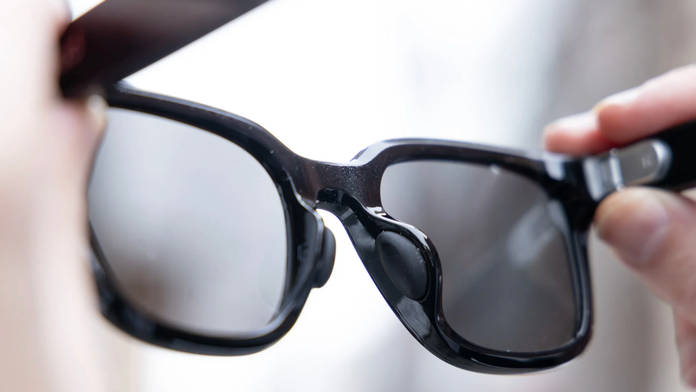
Apple’s smart glasses, internally codenamed N50, are expected to focus on AI while taking a different route from existing products such as Meta’s Ray-Ban smart glasses. According to the report, Apple is still deciding how cameras will work on the device. The company has reportedly tested multiple approaches, including a version without cameras and another where the cameras are used only for AI-powered visual intelligence, such as recognising objects and places, without allowing users to capture photos or videos.
Privacy is said to be a major reason behind the product’s delayed launch. Apple is reportedly working on new privacy-focused hardware and software features, while also planning to process more data on-device, avoid facial recognition, and not use customer recordings to train AI models. The company is also said to be steering clear of features similar to Meta’s “super-sensing” mode, which continuously analyses a user’s surroundings.
Apple appears to be positioning privacy and ecosystem integration as its biggest strengths in a category that is expected to become competitive over the next two years. Unlike Meta’s Ray-Ban smart glasses, which prioritise hands-free photography, AI assistance and content creation, or Samsung’s recently announced Intelligent Eyewear built around Gemini, Apple’s reported strategy appears to focus on making AI useful without compromising user privacy.
Apple’s smart glasses remain at least a year away, making existing products from Meta and Samsung the only realistic options if you’re looking to enter the category soon. However, those willing to wait could see a different take on AI eyewear. Rather than competing on camera features, Apple as usual appears to be betting on tighter integration with its ecosystem and a stronger emphasis on privacy. If successful, that product could appeal to iPhone users who have been hesitant about camera-equipped smart glasses due to privacy concerns.