Computex 2026: ASUS introduces NVIDIA RTX Spark-powered ProArt laptops and Copilot+ notebooks


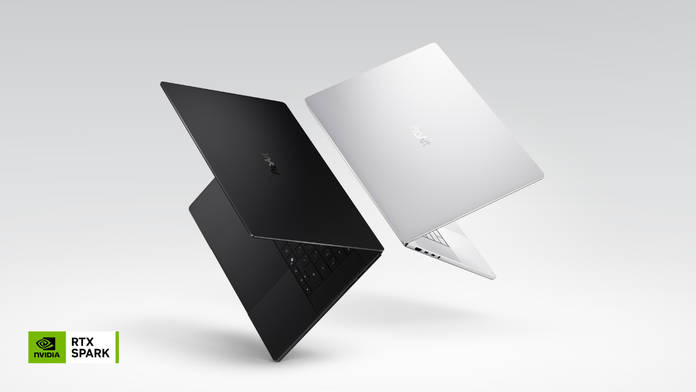
At Computex 2026, ASUS has unveiled a wave of AI-powered consumer devices spanning creator laptops, thin-and-light notebooks, desktops, all-in-ones and a new tablet. The company focuses on bringing more practical on-device AI and better performance to everyday users while improving battery life and design over previous generations.
Table of Contents
AI creator laptops: ProArt P16 and P14
ASUS positions the new ProArt P16 and P14 as its first creator laptops built on NVIDIA RTX Spark, a platform that runs AI agents directly on the device instead of relying on the cloud. Compared with earlier ProArt machines that used standard CPUs and GPUs, these models promise far higher local AI performance and much more memory headroom for complex creative workflows.


ASUS pairs RTX Spark hardware with its Lumina Pro OLED displays, which deliver higher brightness, smoother 120 Hz refresh rates and less glare than previous ProArt panels. The company also bundles more AI‑assisted tools, including ProArt Creator Hub tuning plus MuseTree and StoryCube for content creation and management, so the laptops feel more like complete creative platforms than just faster hardware.
Show Full Article
Everyday AI laptops: Zenbook 14 and Vivobook S
ASUS keeps Zenbook 14 as its premium thin‑and‑light all‑rounder but pushes harder into AI features and battery life this year. The new model adds options for Intel, AMD and Snapdragon chips with on‑board NPUs, giving users faster on‑device AI features and Copilot+ experiences than the previous generation. ASUS now quotes more than 21 hours of battery life, which should matter more to students and commuters than raw performance numbers.


The new ASUS Zenbook keeps the 1.1 kg weight but adds a tougher Ceraluminium lid and new colours to make the laptop feel more premium and personal. A refined keyboard, larger touchpad, OLED display and privacy features such as Windows Hello, adaptive dimming and Microsoft Pluton security deliver small but noticeable quality‑of‑life upgrades over older models.
With the new Vivobook S14 and S16, ASUS switches fully to Snapdragon X processors, which marks the biggest break from the previous x86‑based Vivobooks. This change brings much longer quoted battery life and cooler, quieter everyday performance, while on‑device AI acceleration helps with tasks like background effects and live captions. Aluminium chassis, OLED screens and MIL‑STD‑rated durability push these laptops above earlier, more basic Vivobooks that mainly targeted students.


The new Vivobook S14 Flip and S16 Flip add 360‑degree hinges and 2K OLED touchscreens with pen support, turning the same Snapdragon‑powered base into more flexible devices for note‑taking and sketching. Compared with last year’s Vivobook convertibles, ASUS promises better efficiency, longer runtimes beyond 20 hours and slightly lighter metal designs, so users can carry and use them more comfortably away from a desk.
Desktops, all‑in‑ones, tablets and ASUS AI
On the desktop side, ASUS extends its V series with the V700 mini tower and V200/V400 all‑in‑one PCs, bringing AI‑ready hardware into tidier, home‑friendly designs. These systems focus on cleaner, minimalist cases and integrated displays, while still offering enough performance for home productivity, family entertainment and light creative or AI tasks without the bulk of a traditional tower.
ASUS also returns to Android tablets with the new ASUS Pad. The company centres the device around an OLED display in a very light chassis, so it offers a clear step up in entertainment, reading and casual productivity compared with its older, more basic tablets.


Finally, ASUS introduces Zenni Claw, an AI assistant experience that aims to tie this hardware together. Instead of acting like a simple voice assistant, Zenni Claw routes tasks between local hardware and the cloud, with a stronger focus on safety and everyday workflows such as travel planning and basic automation.
What’s changed?
ASUS is pushing its mainstream range further towards on-device AI, longer battery life and better displays. The new ProArt P16 and P14 replace a more traditional CPU-and-GPU creator setup with NVIDIA RTX Spark, which promises better local AI performance and more unified memory for demanding workflows. The new ARM based approach should also mean you’ll get to enjoy longer battery life in these machines.
The new Zenbook 14 and Vivobook S now use Intel, AMD or Snapdragon chips with stronger NPUs, longer battery life and slimmer metal designs. That moves them closer to premium ultrabooks and away from the more basic student laptops ASUS sold a few years ago. ASUS also uses the refreshed V-series desktops, the ASUS Pad tablet and the Zenni Claw assistant to extend the same AI-first approach into family PCs, entertainment devices and everyday tasks.