Dell has announced a refresh of its commercial hardware lineup, covering professional laptops, mobile workstations, tower workstations and an AI-focused desk-side system. The new portfolio targets a wide range of users, from everyday professionals and hybrid workers to engineers and developers who need a lot of local AI computing power. Across the board, the focus is on on-device AI performance, modern connectivity and capable hardware at every tier. Let’s take a closer look at the lineup below:
Table of Contents
Pro Precision 7 Series: the top-end laptops
The Pro Precision 7 Series comes in 14-inch and 16-inch variants and sits at the top of Dell’s laptop lineup. The 16-inch runs on a 50W Intel Core Ultra processor with a 50 TOPS NPU and supports up to NVIDIA RTX PRO 3000 Blackwell graphics, while the 14-inch uses a 45W Intel Core Ultra chip paired with an RTX PRO 2000 GPU. Compared to older Precision laptops that used 12th and 13th Gen Intel chips and traditional RTX graphics, this refresh brings Intel Core Ultra processors with built‑in NPUs and newer Blackwell GPUs, so AI and graphics-heavy workloads should see a clear bump in performance.
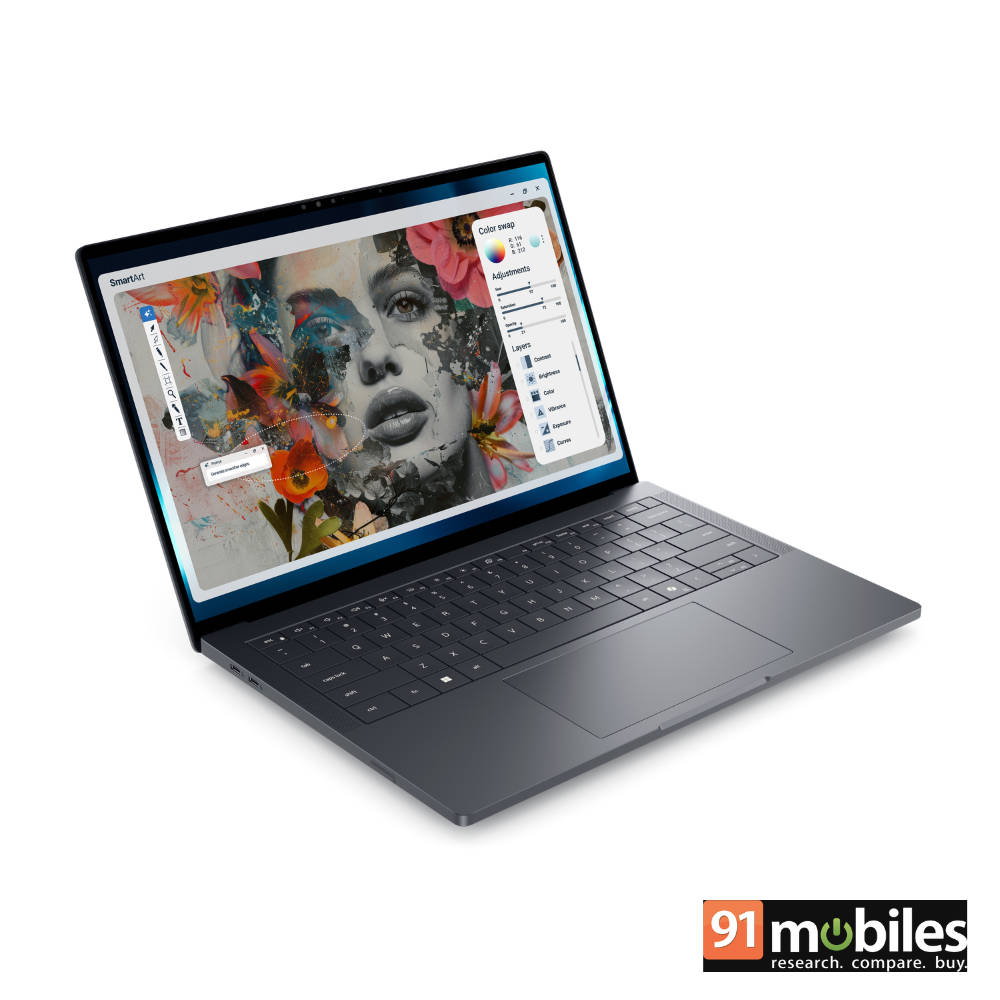
Both support up to 64GB of LPDDR5x RAM with storage going up to 8TB on the 16-inch and 4TB on the 14-inch over PCIe Gen 5. These specs are quite beefy, and most users will not need anywhere close to the maximum, but it is good to have if your work involves large media files or complex datasets.
The display is a genuine highlight on both. The 16-inch features a 4K Tandem OLED panel with a 120Hz variable refresh rate and VESA HDR TrueBlack 1000 certification, which makes it a good option for colour-critical work, like video editing or graphic design. The 14-inch uses a QHD+ Tandem OLED with touch support and VESA HDR TrueBlack 500, which still delivers excellent colour accuracy for most professional tasks.
Both models come with Dell’s Zero-Lattice Keyboard, a Haptic touchpad and the Finger Scoop design for easy one-handed opening. At 2.17kg and 1.59kg respectively, the 14-inch is clearly the better pick for frequent travellers.
Pro Precision 5 Series: Capable and Practical
The Pro Precision 5 Series 14 and 16 target professionals who need reliable workstation performance without spending on the full 7 Series. Both run Series 3 Intel Core Ultra 9 processors with a 50 TOPS NPU and Copilot+ support for AI-assisted tasks, which should help with everyday productivity work. The 16-inch supports up to NVIDIA RTX PRO 2000 Blackwell graphics and up to 4TB of Gen 5 storage, while the 14-inch pairs an RTX 500 Blackwell GPU with up to 2TB of Gen 5 storage.
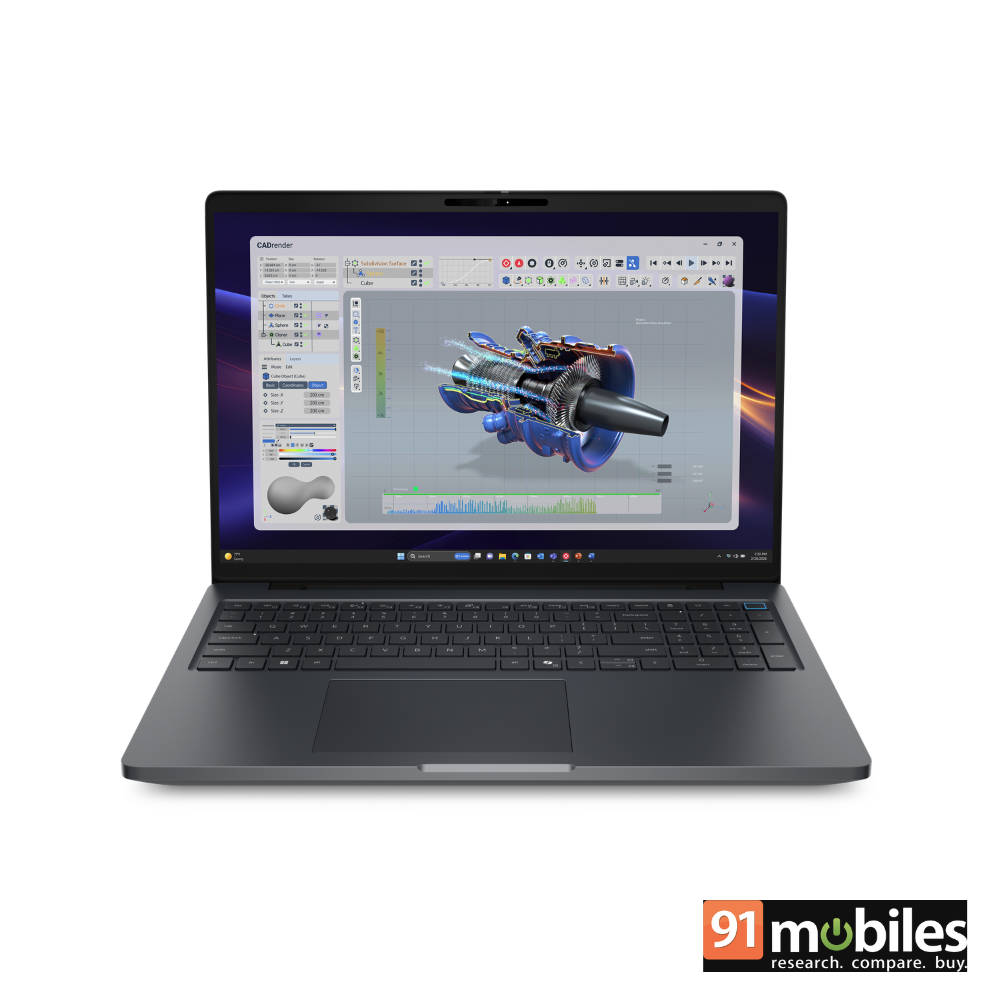
Both models feature a 16:10 display with up to QHD+ resolution, an aluminium top cover and an optional 8MP IR camera for video calls. The taller 16:10 aspect ratio is a practical choice for work, giving you more vertical screen space for documents and code. Connectivity options include Wi-Fi 7 R2, Bluetooth 6.0 and single-cable docking, which keeps your desk setup clean. The 16-inch packs a 96Whr battery and weighs 2.16kg, while the 14-inch uses a 72Whr battery and weighs 1.8kg. It stays lighter than many rival machines with similar specs, which helps if you carry your laptop between home and the office every day.
Dell Pro Max 16: AMD in the Mix
The Dell Pro Max 16 is the only laptop in this lineup to use an AMD chip, shipping with a Ryzen AI 9 HX PRO 475 processor paired with NVIDIA RTX PRO 1000 Blackwell graphics. It is a good alternative for users who prefer AMD’s architecture or want a different price-to-performance ratio compared to the Intel-based models. It supports up to 4TB of storage and 8000MT/s memory, and the 16-inch 16:10 panel goes up to QHD+ resolution.
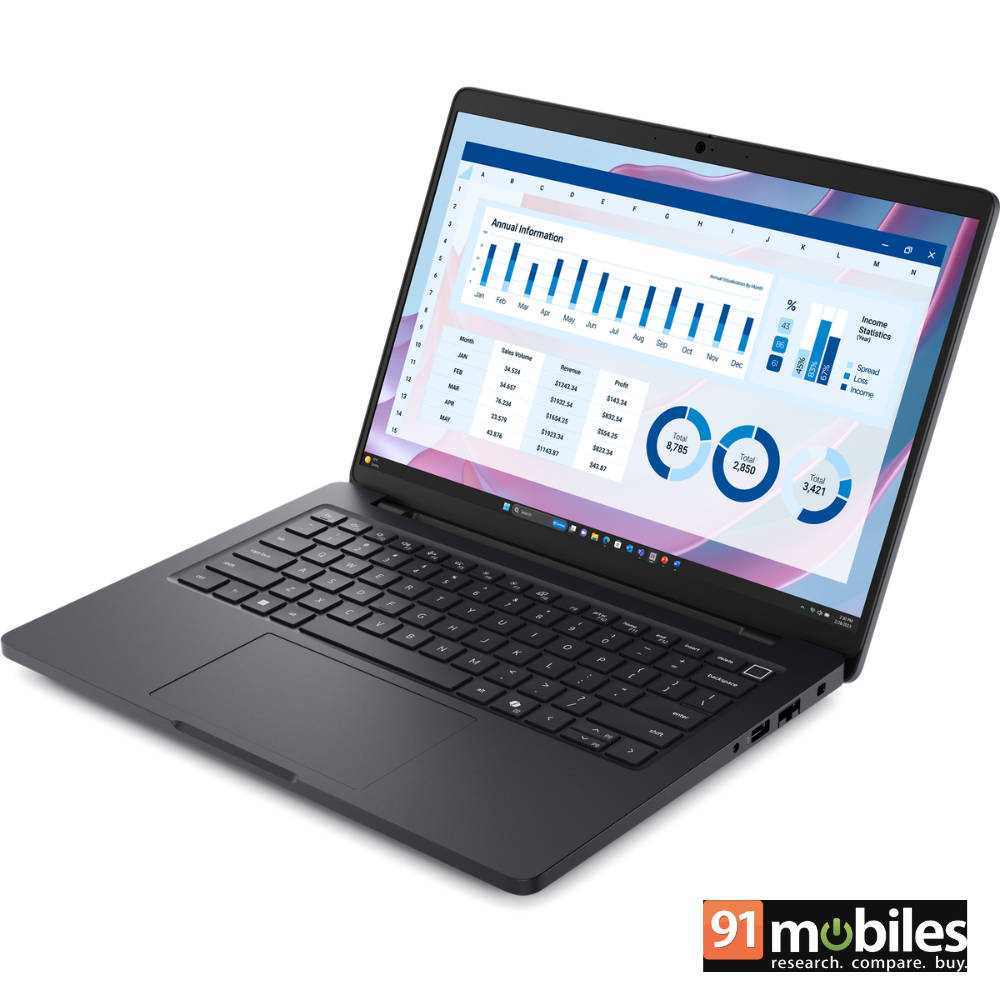
The laptop also comes with an FHD HDR IR camera, a full-size keyboard and a large clickpad. At 2.1kg, it handles daily commutes reasonably well, and the 96Whr 6-cell battery should get most users through a full workday. You also get Wi-Fi 7, Bluetooth 5.4 and single-cable docking for connectivity.
Dell Pro Max with GB300: a dedicated AI workstation
The Dell Pro Max with GB300 is the most specialised product in this lineup and is clearly not for everyone. It is a desk-side AI workstation built around the NVIDIA Grace Blackwell Ultra GB300 Superchip, delivering up to 20,000 TFLOPS of FP4 computing power with 748GB of coherent memory and up to 16TB of NVMe storage. If you are an AI developer who wants to run large models locally without depending on cloud infrastructure, this is built precisely for that use case.
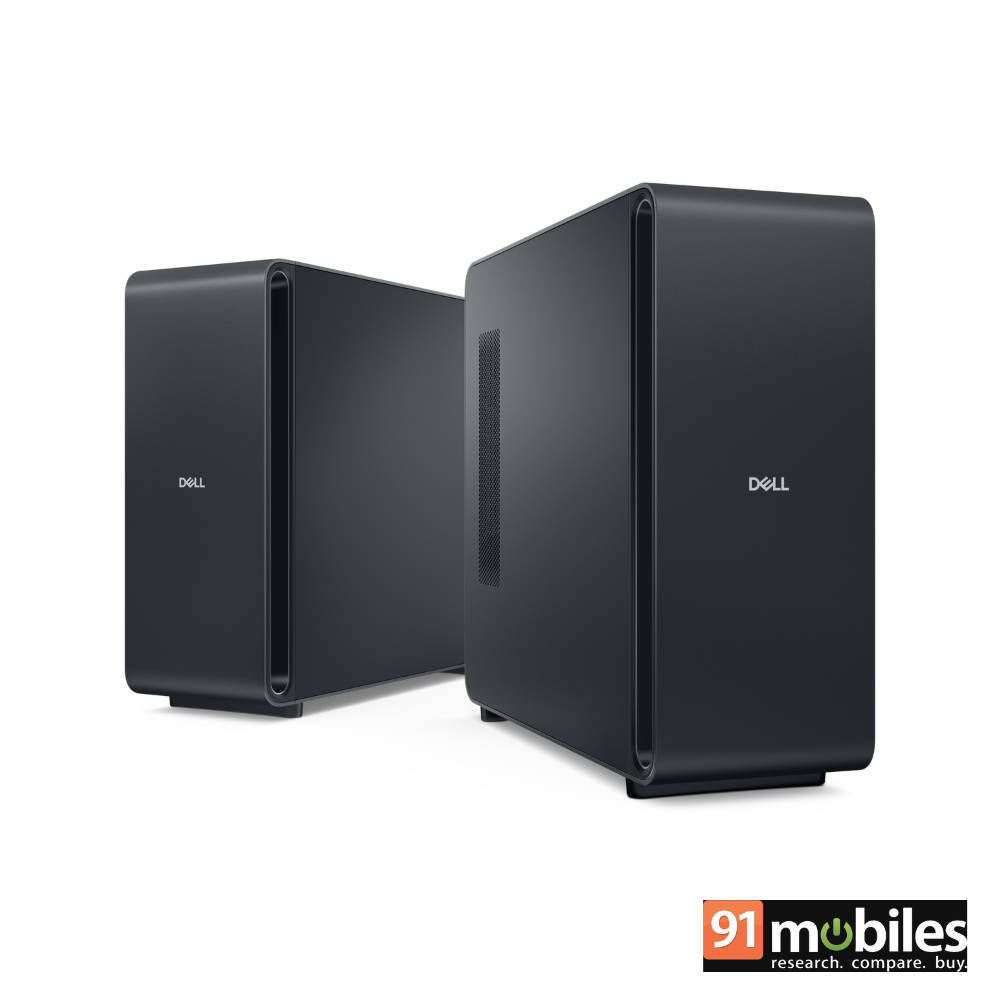
It supports up to seven isolated user environments at once through MIG Personal Cloud, so small AI teams can share a single system without getting in each other’s way. Two units can also be linked via ConnectX-8 Smart NIC to scale up for even larger workloads. The system runs Ubuntu and ships with a preconfigured NVIDIA AI software stack, including CUDA-X libraries, so developers can skip the setup and get straight to work.
Pro Precision 9 Towers: built for scale
The Pro Precision 9 tower lineup includes the T2, T4 and T6, all running Intel Xeon 600 processors with up to 86 cores and up to NVIDIA RTX Pro 6000 Blackwell graphics. These are desktop workstations designed for users who prioritise raw power over portability. Both the T4 and T6 support up to 4TB of DDR5 ECC memory across 16 DIMM slots, which is far beyond what most users will ever need but essential for simulation, rendering or large-scale data processing.
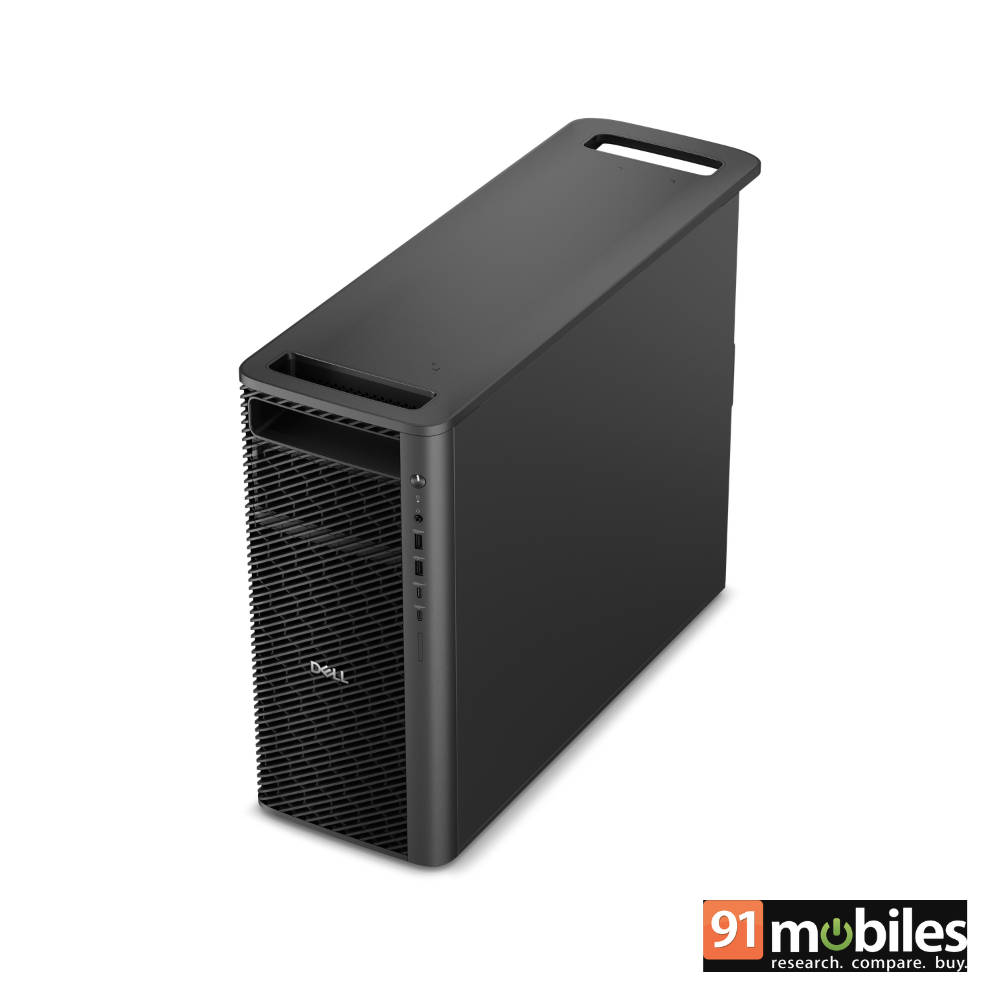
The T4 supports up to 124TB of storage across nine configurable slots and features six PCIe Gen 4 and Gen 5 expansion slots, with GPU configurations supporting up to a single 600W unit or up to four 50W GPUs. The T6 scales a lot farther, offering up to 316TB of storage across 21 slots, up to 15 PCIe slots and support for up to two 600W GPUs or seven 50W GPUs. There’s no specifications shared for the T2 model as of now.
If your team runs demanding AI workloads, simulations or large rendering pipelines, the T6 in particular gives you a lot of room to grow. Both towers include Dell’s Trusted Workspace security platform with BIOS-level tamper detection and ISV certifications for professional software.
On paper, these specs put Dell’s mid-tier workstations in the same class as HP’s ZBook and other rival mobile workstations, but the higher NPU performance and wider GPU options should give Dell a small advantage if your work leans heavily on AI tools and 3D workloads.
Pricing and availability
The Dell Pro Max 16 launches first on March 24, with the Pro Precision 7 series following on March 31. The Pro Precision 5 Series, the remaining Pro Precision 7 Series models and the Pro Precision 9 T4 and T6 towers are all set to go on sale in May 2026. These dates are for the US market, and availability may vary in other regions. There’s no word yet on the pricing of these products.
The Dell Pro Max with GB300 has already reached select customers and will be available more widely in the coming months. Dell has not announced India pricing or availability dates yet. If you run large models, 3D workloads or complex simulations, the new Core Ultra and Ryzen AI chips with dedicated NPUs, plus the latest Blackwell GPUs, should give you a clear jump over older Precision machines or mainstream business laptops. It may be worth waiting for the official India announcements and prices before making a final decision.